Tag: Smartphone Cameras

  • Moto Edge 2026 leaks: 73mm telephoto and fabric back

    Moto Edge 2026 leaks: 73mm telephoto and fabric back

    Key Takeaway

    – Edge 2026 adds a third rear camera for triple optical zoom (12 MP ultra-wide and 73 mm telephoto) within a fabric-backed, square camera module design.
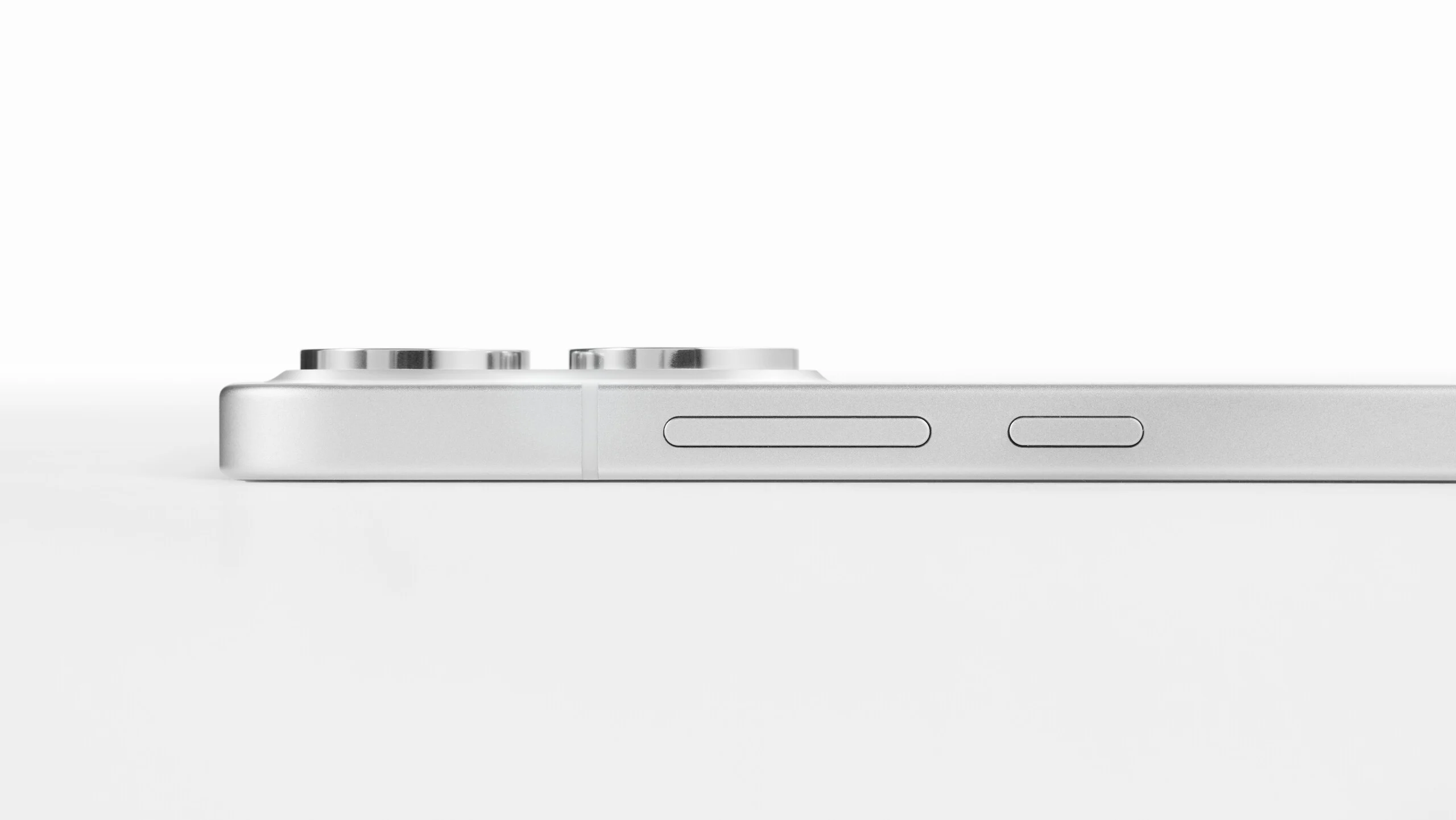
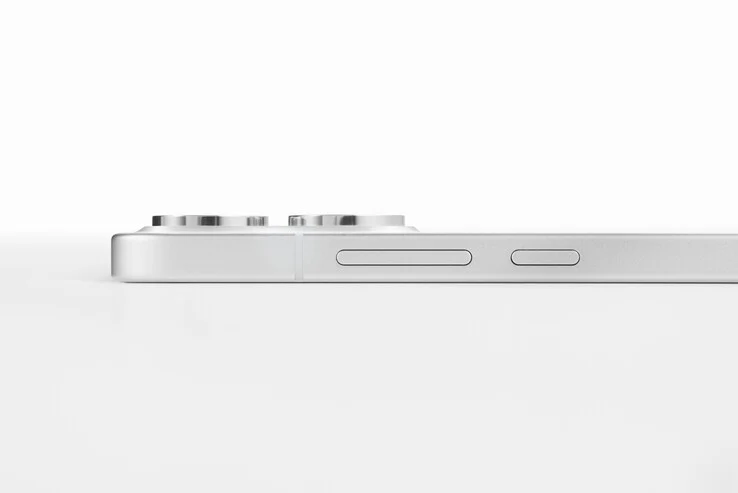
    – Similar look to Edge 70, but slightly thicker, with side-mounted volume/power buttons and a dedicated AI button on the left.
    – Specs beyond the camera setup are not yet confirmed, but comparable Edge lineage suggests mid-range positioning and typical Motorola features.

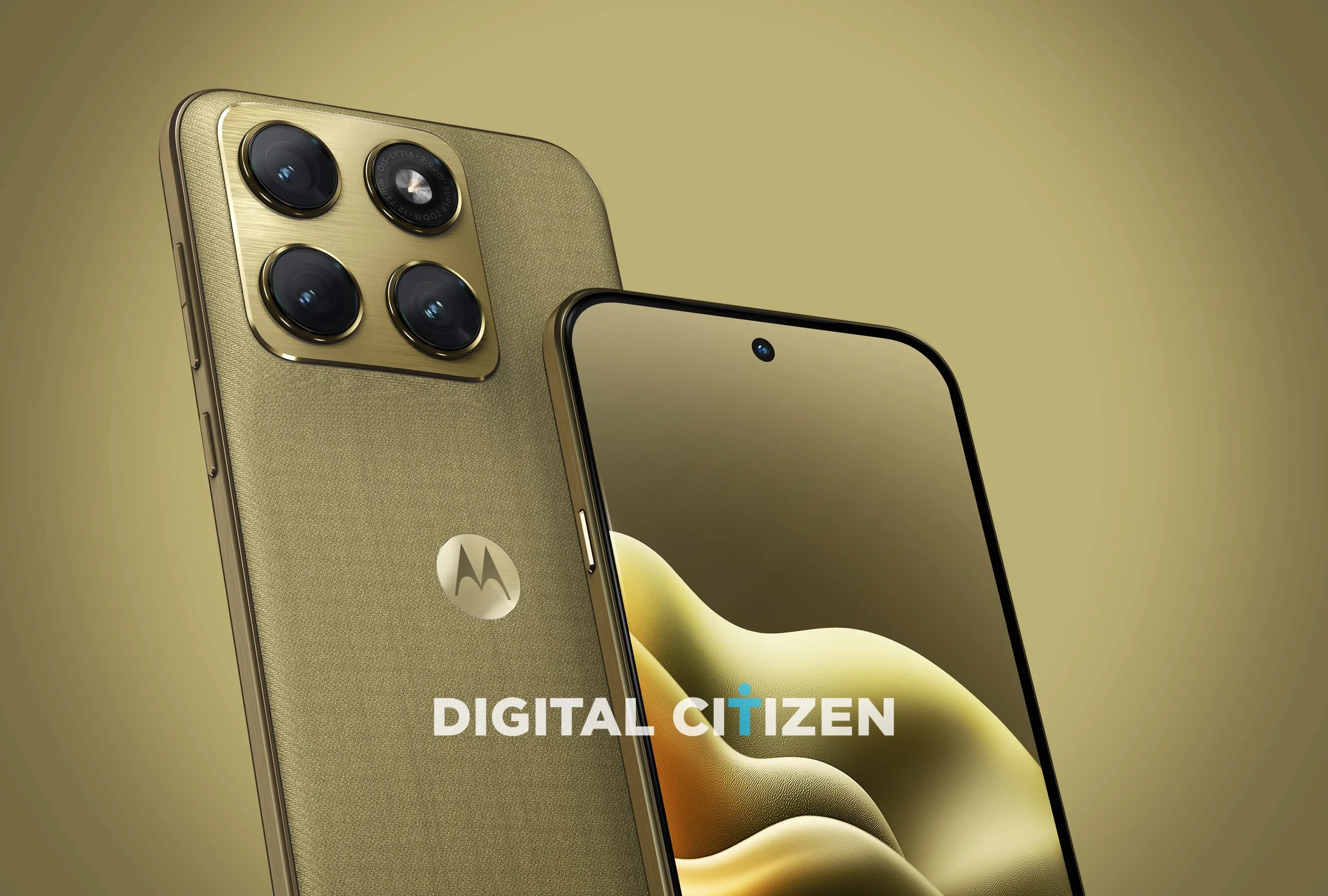
    Motorola is apparently planning a series of new mid-range Edge series smartphones soon. After pictures of the Edge 70 Pro+ have already been leaked, Digital Citizen has published high-resolution product images of the Motorola Edge 2026. The design is very similar to the Motorola Edge 70 ($619 on Amazon), but the Edge 2026 is slightly thicker and equipped with an additional rear camera.

    Design cues and camera layout

    The label on the camera module confirms that the mid-range smartphone has a 12 mm ultra-wide-angle camera and a 73 mm telephoto camera, meaning the Edge 2026 offers triple optical zoom. The design is now typical for Motorola. Like most models in the Edge series, the Edge 2026 has a fabric covered back and a square camera module.

    Hardware placement and front appearance

    The volume buttons and the power button are located on the right-hand side. The button on the left-hand side is likely to be used to quickly access AI features, as is usual for Motorola. The front is relatively unspectacular – the display has the usual narrow bezels and the selfie camera sits in a punch-hole.

    What’s known about specs and features

    So far, hardly any details about the features of the Motorola Edge 2026 are known. For comparison: The Motorola Edge 2025 was equipped with a MediaTek Dimensity 7400 Ultra, with a 6.7 inch, 4,500 nits bright P-OLED display, a 50 megapixel f/1.8 main camera with a 1/1.56 inch sensor, a 50 MP f/2.0 ultra wide-angle camera, a 10 MP telephoto camera with triple zoom and a 50 MP selfie camera.


    Sources

  • CEO John Ternus’ first iPhone may feature 200MP zoom camera like Oppo Find X9 Ultra

    CEO John Ternus’ first iPhone may feature 200MP zoom camera like Oppo Find X9 Ultra

    Key Takeaway

    1. Apple is reportedly considering a 200MP camera sensor for future iPhone Pro models, possibly launching around 2028 with the iPhone 21.
    2. The move to 200MP is seen as a generational leap, potentially marking a special milestone like the iPhone’s 20th anniversary.
    3. Apple tends to adopt new camera technology gradually, preferring refined, mature solutions rather than rushing into high-resolution sensors.
    4. The first 200MP iPhone may be the first flagship developed entirely under new CEO John Ternus’s supervision.

    Future Photography Enhancements

    Apple’s stance on camera technology usually leans towards perfection rather than pushing pixel numbers just to brag. The latest intel from China points towards a 200MP sensor for the upcoming iPhone Pro models, which is a huge leap from their existing models.

    Expected Release Timeline and Market Positioning

    Although such a high-res camera sounds straight out of Android flagship territory, Apple’s planning timeline suggests we might not see this until around 2028, probably in the iPhone 21 or even later models. Investors and insiders are hinting that it could be the iPhone 21, given the usual product cycles.

    Technological Trends and Apple’s Strategy

    It would be quite uncharacteristic for Apple to jump straight to a 200MP sensor from other brands without proper testing, but they usually wait until a technology is fully refined before adopting it. Expect them to take their time, refining each element.

    Speculation on Model Naming and Anniversary Celebrations

    Since Apple skipped the iPhone 9 entirely, launching the iPhone X for their 10-year milestone, it’s entirely possible they might skip some numbers again and go straight to the iPhone 20 or even a numbered “XX” series for their 20th anniversary. That would be a fitting landmark for such a significant upgrade.

    Potential Impact on Camera Technology

    This could mean a decisive step forward, not just catching up to Android devices but making a significant generational leap in mobile photography. The first iPhone with a 200MP camera might also be the first flagship developed after Apple’s new CEO John Ternus took the helm, marking a new era.

    Upcoming iPhone 18 Pro Expectations

    The iPhone 18 Pro, expected to debut in September, might stick to the familiar triple 48MP camera setup from the iPhone 17 Pro, but with improvements like a variable aperture for the main lens, to enhance photo quality in different lighting conditions.


    Sources

  • Samsung Galaxy Z Flip 8 Leak Reveals Disappointing Camera Specs

    Samsung Galaxy Z Flip 8 Leak Reveals Disappointing Camera Specs

    Key Takeaways

    1. The Samsung Galaxy Z Flip8 will feature a 50 MP main camera, 12 MP ultrawide lens, and 10 MP front camera, similar to the Galaxy Z Flip7.
    2. Potential improvements may include larger sensors or faster lenses, but major upgrades like a 200 MP main camera are unlikely.
    3. The Galaxy Z Flip8 is expected to launch in July with a starting price around $1,100 for the base model with 256 GB storage.
    4. The new model may include the Exynos 2600 processor, but specific enhancements remain uncertain.
    5. Samsung is still lacking in camera features compared to rivals, with no telephoto lens mentioned for the Galaxy Z Flip8.


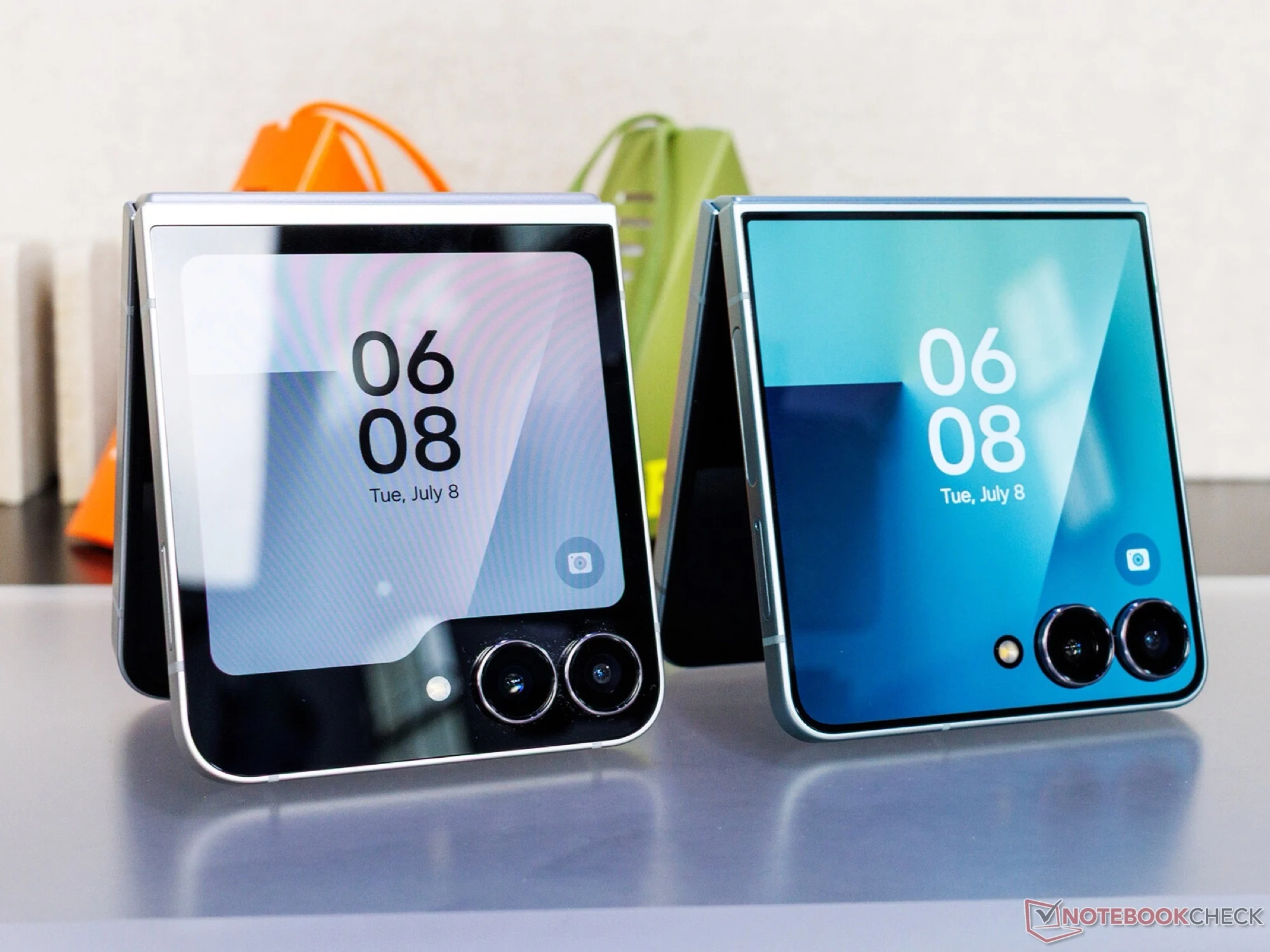
    According to the newest report from GalaxyClub, the Samsung Galaxy Z Flip8 will come with a 50 MP main camera, a 12 MP ultrawide lens, and a 10 MP front camera. If this sounds like déjà vu, that’s probably because the Samsung Galaxy Z Flip7 (around $899 on Amazon) also has three cameras with those same specifications.

    Potential Upgrades

    This doesn’t mean that Samsung hasn’t made any improvements. They might still add larger sensors or quicker lenses. However, major upgrades, like a 200 MP main camera or a 50 MP ultrawide lens, seem unlikely for the new flip phone. There’s also no word on a telephoto camera, so Samsung is still falling behind some rivals in the camera game. To put it in context, the Xiaomi Mix Flip 2 comes with a 50 MP ultrawide camera and a 32 MP front-facing camera.

    Launch and Pricing Details

    The Samsung Galaxy Z Flip8 is likely to be revealed in July. The report from GalaxyClub indicates that the pricing will be similar to the previous model, suggesting that the base version with 256 GB of storage could be sold for about $1,100. While Samsung may include the new Exynos 2600 processor, it’s still uncertain what additional improvements are in the works. For comparison, the Samsung Galaxy Z Flip7 has a foldable 6.9-inch AMOLED display with HDR peak brightness hitting 2,600 nits, a 4.1-inch secondary display, and a 4,300 mAh battery that supports wireless charging.

    Source:
    Link


  • Xiaomi 15T and 17 Series Camera Hardware Review Post-Launch

    Xiaomi 15T and 17 Series Camera Hardware Review Post-Launch

    Key Takeaways

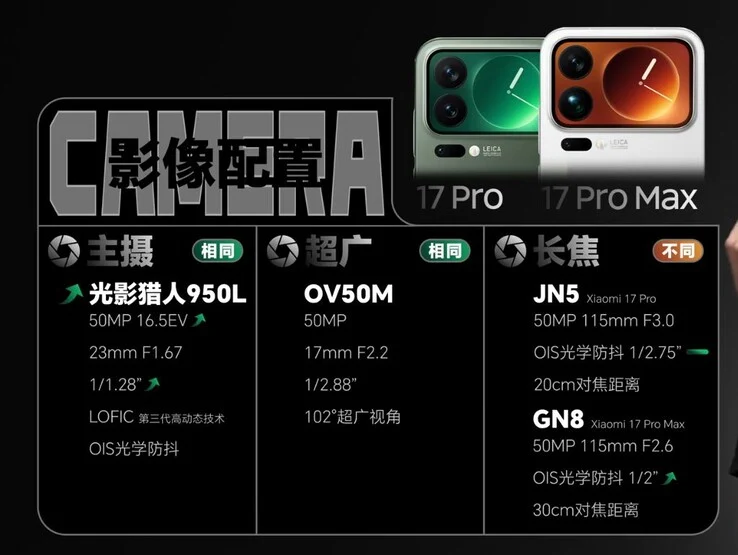
    1. The Xiaomi 17 features advanced camera technology, including a 50 MP Light Hunter 950 primary camera and multiple sensors for different shooting needs.
    2. The Xiaomi 17 Pro and Pro Max share a similar camera setup but differ in zoom lens specifications, with the Pro Max having a larger ISOCELL GN8 sensor.
    3. The Xiaomi 15T series has less advanced camera components compared to the 17 series, with the regular 15T using a 1/1.55-inch OVX8000 main camera.
    4. The 15T Pro includes a 5x periscope lens, while the standard 15T has a 2x lens, showcasing a difference in zoom capabilities.
    5. Both Xiaomi 17 models and the Xiaomi 15T series were launched in different markets, highlighting the company’s strategic product placement.


    Both the Xiaomi 15T series and the Xiaomi 17 lineup made their debut last week, though in separate markets. The company has enhanced its latest smartphones with better camera technology, and the specifics have been revealed after their launches.

    Camera Features of Xiaomi 17

    According to Sudhanshu Ambhore, the standard Xiaomi 17 is fitted with a 1/1.31-inch 50 MP Light Hunter 950 as its primary camera. This sensor works alongside a 1/2.76-inch ISOCELL JN5 under a 2.6x zoom lens, and for ultra-wide angle and selfies, it uses the 1/2.88 inch 50 MP OV50M.

    Differences in Xiaomi 17 Pro Models

    The Xiaomi 17 Pro and Xiaomi 17 Pro Max have the same camera setup, except for their zoom lenses. Both models include 5x periscope lenses, but the 17 Pro has a JN5 sensor, while the 17 Pro Max features the larger 1/1.95-inch ISOCELL GN8. They utilize the 1/1.28-inch Light Hunter A950L as their main camera, with the OV50M also acting as the selfie and ultra-wide angle cameras, similar to the regular Xiaomi 17.

    Camera Specifications for Xiaomi 15T

    The Xiaomi 15T devices are clearly not as high-end as the Xiaomi 17 series, and this difference is reflected in their camera components. The regular 15T comes with a 1/1.55-inch OVX8000 as its main camera, while the 15T Pro has a 1/1.31-inch OVX9100. Both phones share the same additional sensors: a 12 MP OV13B for ultra-wide angles, a 32 MP S5KKDS for selfies, and the common JN5 under the zoom lenses. However, it’s important to highlight that the Xiaomi 15T Pro features a 5x periscope lens, as opposed to the 15T’s 2x lens.

    Source:
    Link


  • iPhone 17 Pro Max Camera Beats Samsung Galaxy S25 Ultra in Reviews

    iPhone 17 Pro Max Camera Beats Samsung Galaxy S25 Ultra in Reviews

    Key Takeaways

    1. The iPhone 17 Pro and Pro Max feature a 48MP 4x telephoto lens, enhancing camera performance significantly compared to the regular iPhone 17.
    2. Early comparisons between the iPhone 17 Pro and Samsung Galaxy S25 Ultra highlight the iPhone’s superior low-light and nighttime photography capabilities.
    3. The new 18MP Center Stage front camera on the iPhone 17 series offers better versatility and performance, especially for nighttime selfies and video stabilization.
    4. Both iPhones and Galaxy S25 Ultra struggle with macro photography, but the Galaxy performs slightly better in this area, while dedicated telemacro options exist in other brands.
    5. The iPhone 17 Pro outperforms the Galaxy S25 Ultra in DxOMark rankings, but Samsung offers unique features like 8K video and advanced AI capabilities.


    One of the key reasons to choose an iPhone 17 Pro or iPhone 17 Pro Max instead of the regular iPhone 17 is the enhanced camera, which now features a 48MP 4x telephoto lens. It’s not surprising that many early evaluations are concentrating on the camera’s performance, especially since we’ve already witnessed drop tests and initial teardown clips this past weekend after the phone’s official launch.

    YouTube Comparisons

    In their first videos regarding the new Pro iPhone, two prominent YouTubers have drawn comparisons to the Samsung Galaxy S25 Ultra, which is also rather expected. This phone is the most commonly available Android flagship, even though some people argue that it struggles to compete with premium smartphone cameras from Chinese brands, like the Vivo X200 Ultra.

    Camera Innovations

    For both MrWhosetheboss and SuperSaf, the new 18MP Center Stage front-facing camera on the iPhone 17 series is a notable advancement. It not only surpasses Samsung’s equivalent in terms of dynamism but also offers more versatility with its flexible formats. The iPhone 17 excels in taking selfies at night, and its video stabilization shows improvement too. However, SuperSaf does favor selfies taken with a flash in very dark settings on the Galaxy S25 Ultra.

    Nighttime Performance

    When directly compared, the new iPhone outshines its predecessor, particularly in low-light conditions. For instance, there’s a reduction in jitter artifacts in dim videos. Numerous examples shared by these two YouTubers demonstrate that the iPhone 17 Pro Max is superior in illuminating challenging scenes. Even in telephoto comparisons, where Samsung typically excels during the day, Apple takes the lead as lighting conditions worsen. For example, text captured at 20x zoom appears clearer on the iPhones, even with Samsung’s optical advantages.

    Macro Photography

    Neither device handles macro shots flawlessly. While both Apple and Samsung can take macro pictures using their ultrawide cameras, both YouTubers agree that the Galaxy S25 Ultra does slightly better. For those looking to capture macro images with a telephoto lens, options like Vivo, Xiaomi, or Oppo flagships are preferable, as they can shoot telemacro from mere inches away. With the iPhone 17 Pro Max’s 4x telephoto, you need to be about 3 feet from the subject to achieve a clear image, while the Galaxy S25 Ultra performs in between and takes this category.

    Zoom Capabilities

    Regarding zoom, both smartphones showcase their strengths when the optical telephoto focal length is perfectly aligned. Samsung generally excels at 3x and 5x zoom, while the iPhone 17 Pro Max tends to render superior pictures at 4x and 8x. As previously mentioned, the advantage often shifts in Apple’s favor at night; however, Ice Universe has noted artifacts appearing on the Galaxy S25’s telephoto camera during daylight. In the X post linked above, images taken at approximately 9x-10x zoom reveal odd artifacts on the Galaxy S25 Ultra, attributed to Samsung’s zoom algorithms. This issue becomes even more noticeable when closely examining 30x zoom shots from both devices. Those who are willing to take the risk seem to discover more natural details on the iPhone 17 Pro, while the Galaxy S25 Ultra presents overly sharpened and distorted images.

    Overall Rankings

    The iPhone 17 Pro also significantly outperforms the Galaxy S25 Ultra in DxOMark’s assessment of top smartphone cameras. Nonetheless, both devices have their strengths and weaknesses beyond just camera capabilities. For instance, Samsung is the only brand offering 8K video, and its Galaxy AI features often operate more effectively than Apple’s Intelligence counterpart. A Pro mode is also only present on Android flagships, at least with standard software. Conversely, only Apple permits users to customize the photo style using Photographic Styles, which is somewhat achievable on Vivo and Xiaomi devices.

    Source:
    Link


  • Realme GT 8 Pro Leak: 200MP Periscope Camera from New Partner

    Realme GT 8 Pro Leak: 200MP Periscope Camera from New Partner

    Key Takeaways

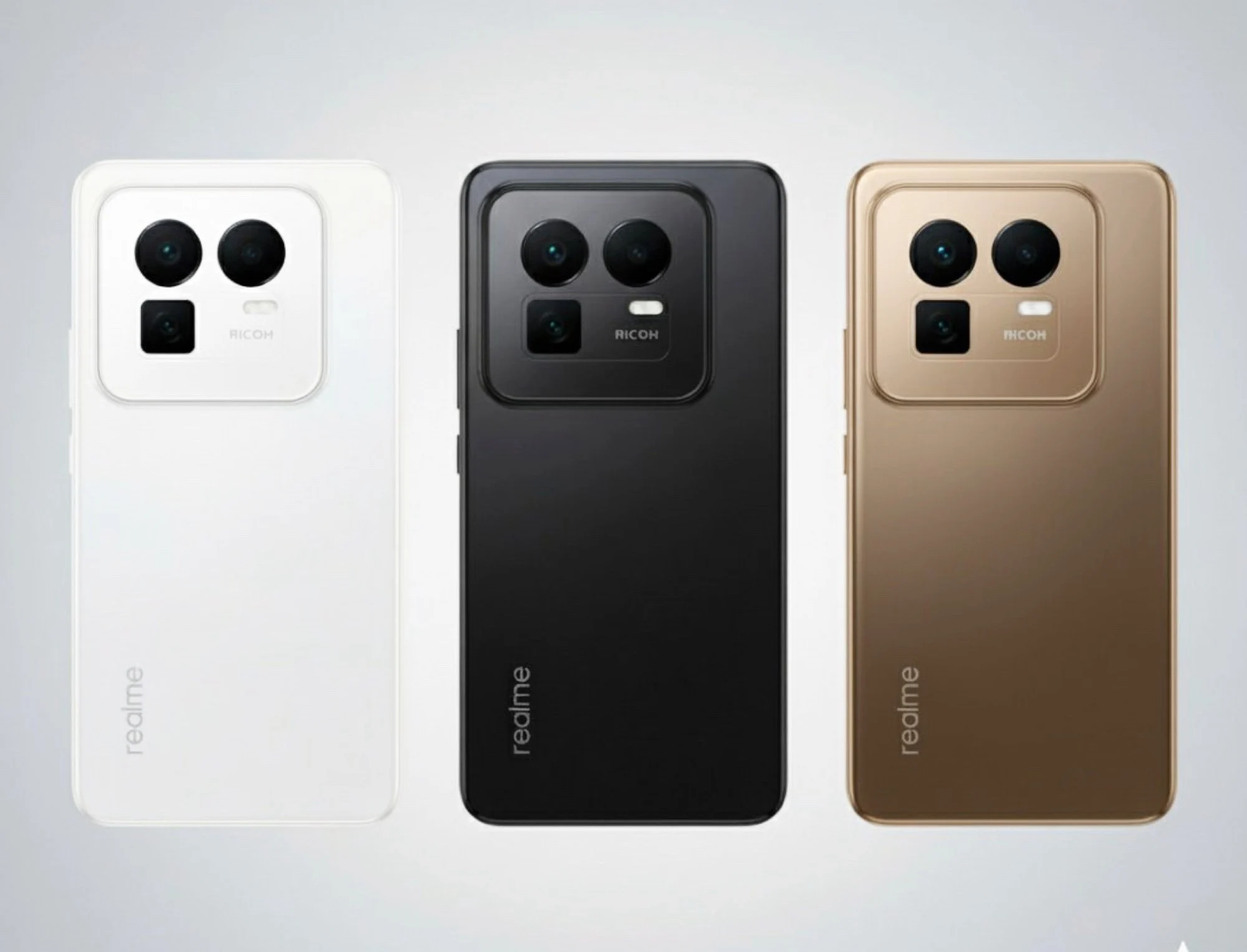
    1. Realme is collaborating with Ricoh to enhance the camera capabilities of the upcoming Realme GT 8 Pro.
    2. The smartphone will feature a triple-camera setup, including a 50MP main camera, a 50MP ultrawide camera, and a 200MP periscope telephoto camera.
    3. Ricoh’s “negative film” filters may be included, but it’s unclear if advanced features from the Ricoh GR IV will be available.
    4. The device is expected to have a 6.78-inch AMOLED display with a 165Hz refresh rate and a 7,000mAh battery with 120W charging.
    5. The Realme GT 8 will offer good performance and display quality at a lower price by cutting costs primarily on camera components.


    The upcoming Realme GT 8 Pro is said to be receiving major upgrades in its camera department, as Realme may be collaborating with a new camera company. In a similar way to partnerships like Sony with Zeiss, Oppo with Hasselblad, or Xiaomi with Leica, it seems Realme is teaming up with Ricoh to enhance its flagship smartphone with superior cameras and new photography capabilities.

    Camera Specifications

    According to the latest scoop from the trustworthy leaker Digital Chat Station, Realme will incorporate a triple-camera setup. This includes a 50MP main camera featuring a larger sensor, a 50MP ultrawide camera, and a 200MP periscope telephoto camera. This configuration is anticipated to include Ricoh’s “negative film” filters, which are already familiar to users of the Ricoh GR III Diary Edition (priced from $1,459 on Amazon). However, it’s not clear if Ricoh will bring over some of the more exciting features from the Ricoh GR IV, like the built-in ND filter for optimal shutter speed during video recording in bright conditions, or the Snap Focus feature that allows for a preset focus distance to minimize shutter lag.

    Additional Features

    The Realme GT 8 Pro is also expected to sport a 6.78-inch AMOLED display with a refresh rate of 165Hz, along with a battery boasting a capacity of at least 7,000mAh. This battery can be charged through USB-C at speeds of up to 120 watts. Rumors suggest that the smartphone will be driven by the Qualcomm Snapdragon 8 Elite Gen 5. As per Digital Chat Station, the more budget-friendly Realme GT 8 will not compromise much in terms of performance, display quality, or battery life, as Realme is primarily reducing costs on the camera components to offer the device at a lower price point.

    Conclusion

    In summary, the Realme GT 8 Pro is shaping up to be a noteworthy device with impressive specifications and potential camera advancements thanks to its partnership with Ricoh. As more details emerge, it will be interesting to see how these features translate into real-world performance and user experience.

    Source:
    Link


  • Xiaomi 16 Ultra vs Oppo Find X9 Ultra vs Vivo X300 Ultra Comparison

    Xiaomi 16 Ultra vs Oppo Find X9 Ultra vs Vivo X300 Ultra Comparison

    Key Takeaways

    1. Clip-on lenses for smartphones are expected to gain popularity in 2026, with growing interest observed at the Mobile World Congress in spring 2025.
    2. Vivo’s X200 Ultra is currently the most viable smartphone with clip-on lens capabilities, enhancing zoom quality but adding weight and bulk.
    3. The future of interchangeable lenses remains uncertain, as they increase the cost of flagship smartphones.
    4. More smartphone models, including the Vivo X300 Ultra, Oppo Find X9 Ultra, and Xiaomi 16 Ultra, are anticipated to offer unique camera solutions in 2026.
    5. The Xiaomi 16 Ultra will be available globally for the first time, with potential collaborations with Zeiss or Hasselblad for enhanced camera features.


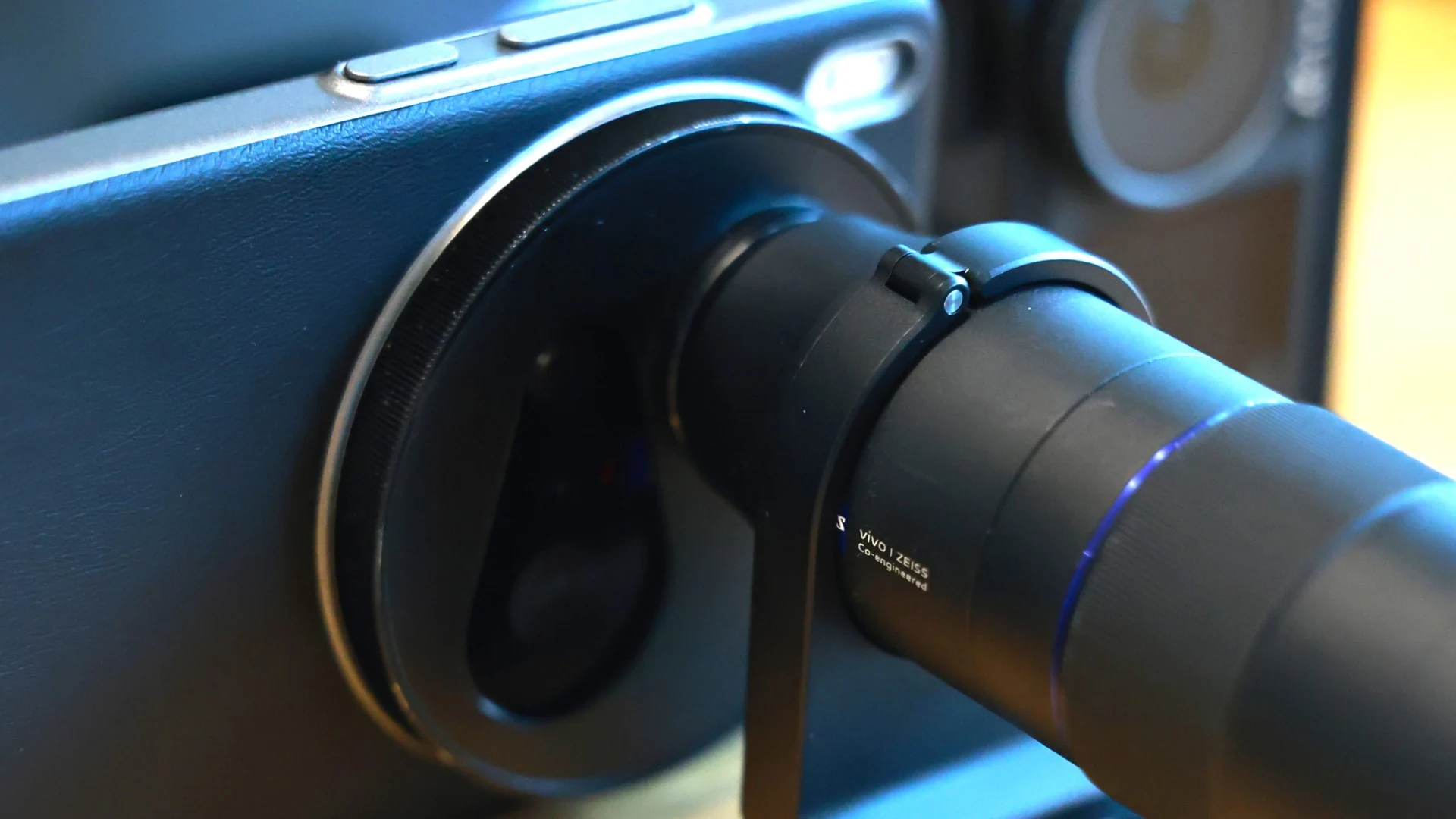
    2026 is expected to be the year when clip-on lenses for smartphones gain traction, based on a recent tease from a leaker on social media (see below). It’s still uncertain how well this enhancement in camera quality will catch on, but early signs of growing interest in add-on options were already noticeable during the Mobile World Congress in spring 2025. At the event, Oppo’s subsidiary Realme presented a related idea for an “ultra flagship,” while Xiaomi made waves with its rather advanced magnetic clip-on camera, although it’s still in the conceptual stage.

    Vivo’s Current Offering

    The most commercially viable product so far is the Vivo X200 Ultra, which regrettably is only available in China. This smartphone features an additional camera grip with a clip-on lens that transforms the 85mm telephoto lens into a 200mm optical telephoto lens, enhancing the quality of long-distance zoom shots, a feature we’ve already reviewed. Our findings? The improvement in quality is undeniable, but users must be ready to carry around the camera gear and teleconverter, which adds both weight and bulk and demands additional time for setup.

    Future Prospects

    It’s uncertain if these interchangeable lenses and camera kits will become mainstream, particularly because they also hike up the price of already pricey flagship cameras. Regardless, a broader array of these solutions is expected to emerge in 2026, not just for the Vivo X300 Ultra but also for the Oppo Find X9 Ultra and the Xiaomi 16 Ultra, each likely to take unique routes in the quest for the “best smartphone camera” next year. For the first time, the successor to the Xiaomi 15 Ultra will be available globally; a leak suggests that the next flagship from Zeiss or Hasselblad might also see a worldwide release.

    Source:
    Link


  • Xiaomi 15T Series Leak: Camera Details and Battery Specs Unveiled

    Xiaomi 15T Series Leak: Camera Details and Battery Specs Unveiled

    Key Takeaways

    1. The Xiaomi 15T series will launch later this year as mid-range options for international markets.
    2. The Xiaomi 15T Pro will feature a 50 MP main camera and a 50 MP telephoto camera, same as the flagship Xiaomi 15.
    3. Both models will have a 5,500 mAh battery, but differ in charging speeds: 67 W for the 15T and 90 W for the 15T Pro.
    4. The ultra-wide angle camera on the 15T Pro will be a 13 MP sensor, and the selfie camera will be identified as “S5KKDS.”
    5. The Xiaomi 14T is currently available for purchase on Amazon.


    The Xiaomi 15T series is set to launch later this year as Xiaomi’s mid-range options for the international audience. Before that happens, new information has surfaced about the devices, specifically the Xiaomi 15T and Xiaomi 15T Pro.

    Camera Specs

    According to a post on X by the reliable source PaperKing13, the Xiaomi 15T Pro will incorporate two camera sensors from the Xiaomi 15 model. It seems that the 15T Pro will utilize the same main and zoom cameras as the flagship version, featuring a 50 MP OVX9100 as its primary camera and a 50 MP JN5 under its telephoto lens. Additionally, the ultra-wide angle camera will be a 13 MP OV13B, and the selfie camera will be identified as the “S5KKDS.”

    Battery and Charging Features

    It appears that both the Xiaomi 15T and Xiaomi 15T Pro will come equipped with the same battery, as noted in the Mi code, which lists 5,500 mAh units for both models. This might be a letdown for some, considering that the Redmi K80 Extreme Edition, which the Xiaomi 15T Pro is thought to be based on, is rumored to have a 7,410 mAh battery. While they share the same battery capacity, the Xiaomi 15T is expected to support 67 W charging, in contrast to the 15T Pro’s more robust 90 W charging capability.

    Source:
    Link


  • Why Camera Resolution Doesn’t Define Quality

    Why Camera Resolution Doesn’t Define Quality

    Key Takeaways

    1. Attention-Grabbing Marketing: High resolutions like “50MP” or “200MP” are often used in marketing to attract consumers, but can be misleading without context about sensor quality.

    2. Misunderstandings in Reporting: Tech articles frequently oversimplify camera specifications by focusing solely on resolution, neglecting important details like sensor size and type.

    3. Camera Quality vs. Price: Many budget-friendly smartphones now offer impressive camera features, challenging the belief that only expensive phones have the best photography capabilities.

    4. Importance of Sensor Size: A larger sensor captures more light and produces better images in varying conditions, making sensor size a crucial factor alongside resolution.

    5. Need for Better Communication: Clearer explanations of camera specifications are necessary to help consumers understand what they are getting, as simply stating megapixels can lead to disappointment.


    I comprehend what you’re saying. It’s clear we need quick ways to talk about technology. When it comes to cameras, the most eye-catching number in marketing is resolution. We can create a title for a post or video using minimal characters and add a huge number to grab attention.

    “YOU WON’T BELIEVE THIS AFFORDABLE PHONE HAS A 50MP TRIPLE CAMERA!”

    People knowledgeable about tech should spot a flashy title for what it is, but the amount of buzz around resolution indicates it still plays a role in attracting viewers.

    Misunderstandings in Tech Reporting

    I recently came across an article on another site discussing foldable phones, lamenting Samsung’s hesitance to feature Samsung’s “200MP lens” on any of the Galaxy Z folding phones. Ignoring the clear error of calling it a “lens” instead of a sensor, which 200MP component was the writer referring to? Samsung actually produces two distinct sensors with 200 million pixels. (Honestly, either would be an upgrade for the Z Flip and Z Fold, but I’m not sure that’s what the author meant).

    Not to just focus on other publications, but you’ll often see articles and news pieces here on Notebookcheck that describe a camera purely by its resolution. It’s simple. Most tech websites have been guilty of this shortcut at some point in their gadget articles.

    Impressive Camera Offerings

    I’ve been continually amazed by the camera features from brands like Tecno and Infinix. The camera and selfie display on the Lava Agni 3 truly won me over. Companies like Oppo, Vivo, and Xiaomi have been releasing budget-friendly phones for years that offer cameras exceeding what you’d expect for their price.

    What might be considered as an “average consumer” photography experience is now firmly achievable at prices below the mid-range tier.

    Yet, through marketing and presentation, we’ve led consumers to believe they ought to have “the best” experience. The priciest phones boast “the best” cameras. Isn’t it thrilling that THIS camera has TWO HUNDRED MILLION PIXELS!

    Understanding the Megapixel Wars

    This is something photographers grasp, as that group also went through the “Megapixel Wars” back in the day of point-and-shoot and DSLR cameras. We know that pricier professional cameras aren’t necessarily “better” just because they handle more tasks for you and have more pixels on their sensors.

    The high-end smartphone cameras are reaching a point where they should be talked about with a similar level of thoughtfulness as standalone cameras.

    Throughout time, humans have always been captivated by “big.”

    The pictures from a Medium Format film camera are distinctly different from those little disposable cameras we used to get at drugstores. Filmmakers can create an appealing movie using 16mm film, but when you want to impress an audience, everyone recognizes the IMAX brand signifies “BIG.” Digital sensors work in the same way.

    The Importance of Sensor Size

    A larger sensor can capture more light, producing better results in varied lighting settings. A bigger sensor instills more confidence in image sharpness. When all other specs are the same, a manufacturer is likely to allow a higher sensitivity setting on a camera with a larger sensor.

    Aesthetically, larger sensors can create a more dramatic and shallower depth of field. It’s literally true that a lens affects depth of field, but practically speaking, the sensor influences your lens choice. The bigger the sensor, the simpler it is to achieve a shallower depth of field.

    These statements hold true for all digital cameras.

    This isn’t exclusive to cinema or mirrorless cameras. The same patterns are evident in smartphone cameras. Bigger is better, but resolution alone doesn’t indicate if the sensor area is larger.

    Misleading Specifications

    When a manufacturer states “50MP” on the specifications, there exists a variety of sensor sizes that can provide that resolution. The tiniest 50MP camera I can find has a sensor smaller than the 12MP sensor in the Galaxy S7 from 2016. The largest 50MP sensor in a phone is only slightly larger than the sensor in a standalone camera like the Sony RX100 VII. That’s a vast range of sizes. When considering the relative sensor area, we wouldn’t equate these two experiences, yet both could be labeled “50MP.”

    For Samsung’s 200MP sensors, the difference isn’t as pronounced, but it resembles this.

    There’s a minor, yet relevant, difference between the two. They’re designed for different purposes, but yes, technically, both have two hundred million pixels.

    The Reality Behind Upgrades

    Promoting just one specification means we can only be certain that a phone will have a newer sensor compared to one with a 12MP sensor. If a phone brand recently switched from 12MP to 50MP, we can’t exactly know what sensor they’re using, but it’s likely an improvement in auto-focus capabilities.

    The sensor might also enhance HDR image capturing. When colors are packed into larger groups, individual sub-pixels can capture different exposure levels.

    Otherwise, we can’t be entirely sure what else constitutes an upgrade until we understand more about the sensor and lens combination. “50MP” or “200MP” doesn’t reveal much.

    The Need for Clearer Communication

    Convincing consumers about resolution might lead to disappointment.

    “This new phone has 50MP, but the pictures don’t seem much better than my old phone with 12MP. This is all just hype!”

    We do need shortcuts in tech discussions. We require quick references to help consumers reach the point and find the information they value. I’m fully aware that right now, calling a camera as having a “100mm equivalent lens paired with a 1/1.4” Type hexadeca-cell binned sensor with 0.56µm pixels” won’t truly assist most consumers in making a better purchasing decision compared to saying “it has 200 MP”.

    The difference is that one description is precise but unfamiliar. The other is vague.

    Finding the Middle Ground

    We need something to guide more consumers who might be curious about practical differences. Currently, it’s either all or nothing. There’s very little in the middle.

    We observe a middle ground with mirrorless cameras.

    Most consumers will see a mirrorless camera and think “nice camera.” Then a group of enthusiasts will recognize differences like “APS-C” or “Full Frame.” The smallest group will explore further to discover specific features and tools they desire in a camera.

    As prices for gadgets rise, and better technology becomes available in mid-range and entry-level devices, this understanding could assist individuals in overcoming the fear of not having “the best” phone camera. Many consumers could save money on future purchases. If more people grasped that middle ground of tech specifications, they might realize their needs are met by an “A Series” phone, and they may not gain much value by spending more on a Pro or Ultra.

    I’m unsure how we can encourage more people to reach that middle ground in phone photography, but it’s always worth reminding everyone that megapixels should be one of the least important metrics we consider.

    Source:
    Link

  • Oppo Reno14 Set to Launch with Slim iPhone-Style Design

    Oppo Reno14 Set to Launch with Slim iPhone-Style Design

    Key Takeaways

    1. Oppo’s Reno13 series is noted for its iPhone-like design, with upcoming models expected to enhance this aesthetic.
    2. The new Reno14 series will feature triple rear cameras arranged in a unique triangular pattern, with one lens smaller than the others.
    3. The camera bump design uses a “cold carving” method and hints at the possibility of a fourth camera in future premium versions.
    4. Speculated features include a Quick Button, flat screens, and high-end charging options like 80W SuperVOOC and magnetic wireless charging.
    5. Much of the information about the Reno14 series remains unconfirmed and speculative, with an emphasis on innovative design and features.


    Oppo’s Reno13 series has been hailed as the most iPhone-like smartphones they’ve ever made, especially in terms of design. The upcoming models are expected to take things to the next level, featuring triple rear cameras arranged in a triangular pattern.

    Unique Camera Design

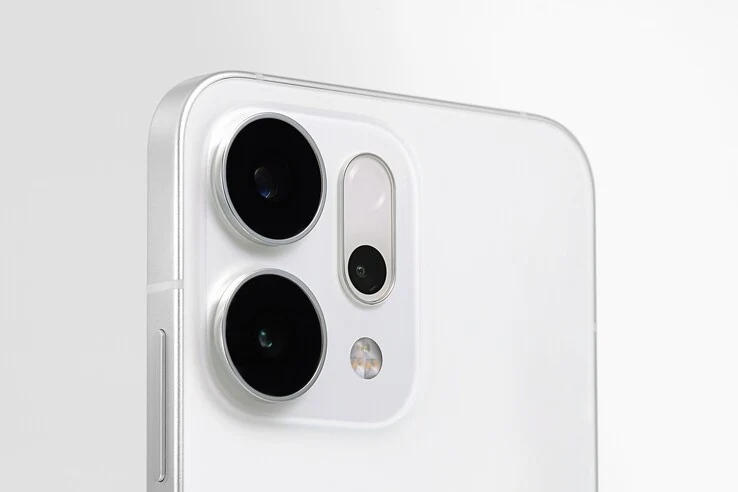
    In contrast to the Pro iPhones, one of the lenses on these new devices is noticeably smaller than the other two. This smaller lens is placed in a raised cut-out that resembles a toggle, sitting beneath a blank circle. This design might suggest the possibility of a fourth camera in a more premium version of the phone.

    Speculation and Features

    However, these claims are largely based on a newly leaked render of the Reno14, and not much else is known at this point. The updated camera bump is said to be made using a “cold carving” method, according to the well-known leaker Digital Chat Station. The phone is rumored to have a notably slim mid-frame, which is made from “an aluminum alloy”.

    The Reno14 and its potential variants are also speculated to include an Apple-like Quick Button and flat screens, although these features are not visible in the latest images. Additionally, they might come with Oppo’s high-end 80W SuperVOOC wired charging and magnetic wireless charging capabilities, although details on when they will be launched are still unknown as of now.

    Conclusion

    In summary, while the Reno14 series seems to be shaping up to be an impressive lineup, much of the information remains unconfirmed and speculative. As we await more details, it’s clear that Oppo is aiming to push the boundaries of smartphone design and features.

    Source:
    Link