Tag: iPhone 17 Pro

  • Bitmo Lab Launches Retro Gaming Cases for iPhone 17 Pro Max

    Bitmo Lab Launches Retro Gaming Cases for iPhone 17 Pro Max

    Key Takeaways

    1. Bitmo Lab has updated its Gamebaby case accessory for the upcoming iPhone 17 Pro series.
    2. The new accessory may also be compatible with Xiaomi’s 17 Pro and 17 Pro Max models.
    3. The updated Gamebaby features a revised button layout, including a split d-pad similar to DualShock controllers.
    4. The additional button above the A/B buttons has been removed in the new design.
    5. Enhanced button quality is expected, but the release date and pricing for the new accessory are still unknown.


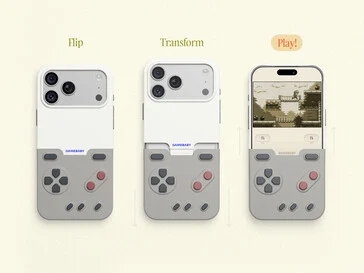
    Bitmo Lab has made some updates to its Gamebaby case accessory for a newer collection of iPhones. To give a bit of context, it has been over a year since the company launched a creative two-part case specifically for the iPhone 15 Pro Max and iPhone 16 Pro Max (currently priced at $866 for refurbished units on Amazon). As mentioned before, Bitmo Lab’s unique design lets the lower half of the case be flipped around to serve as a controller, perfect for playing Game Boy and NES games, or any systems that make use of two action buttons.

    New Plans for the iPhone 17 Pro Series

    The company has now announced that it will be updating its accessories for the iPhone 17 Pro series. Interestingly, this new accessory may also be compatible with the Xiaomi 17 Pro or the Xiaomi 17 Pro Max, since Xiaomi’s Retro Handheld Console Case works with an iPhone 17 Pro. However, we are skeptical that the new Gamebaby will easily align with the on-screen controls of either of Xiaomi’s newest flagship devices.

    Changes to the Button Layout

    Putting that aside, the updated Gamebaby tweaks the button arrangement of the version that Bitmo Lab currently markets for the iPhone 15 Pro Max and iPhone 16 Pro Max. For instance, the iPhone 17 Pro and Pro Max models have removed the additional button positioned above their A/B buttons, but they have received a split d-pad that brings to mind DualShock controllers. Supposedly, Bitmo Lab has also enhanced the quality of the buttons, but it remains uncertain when this new accessory will hit the market, not to mention at what price.

    Source:
    Link


  • Microscope Shows iPhone 17 Pro OLED Pixels and Dust Details

    Microscope Shows iPhone 17 Pro OLED Pixels and Dust Details

    Key Takeaways

    1. Macrolab3D uses a “wiggle stereoscope” technique to reveal hidden dust particles in the iPhone 17 Pro’s camera system during production.
    2. The wiggle method also showcases the multiple layers of the iPhone 17 Pro’s display, including a distinct touch layer grid.
    3. Macrolab3D examines various components of the iPhone 17 Pro, highlighting that certain parts, like the speakers, will accumulate dirt over time.
    4. The video features AI-generated narration, which has received mixed feedback from viewers, as Macrolab3D prefers a professional-sounding voice.
    5. Macrolab3D typically focuses on subjects like insects and textures, demonstrating the versatility of his wiggle technique beyond technology.


    Macrolab3D has discovered a captivating new application for his “wiggle stereoscope” in a brief video. He has filmed the iPhone 17 Pro, a high-end smartphone, in remarkable detail for the first time.

    Revealing Hidden Dust

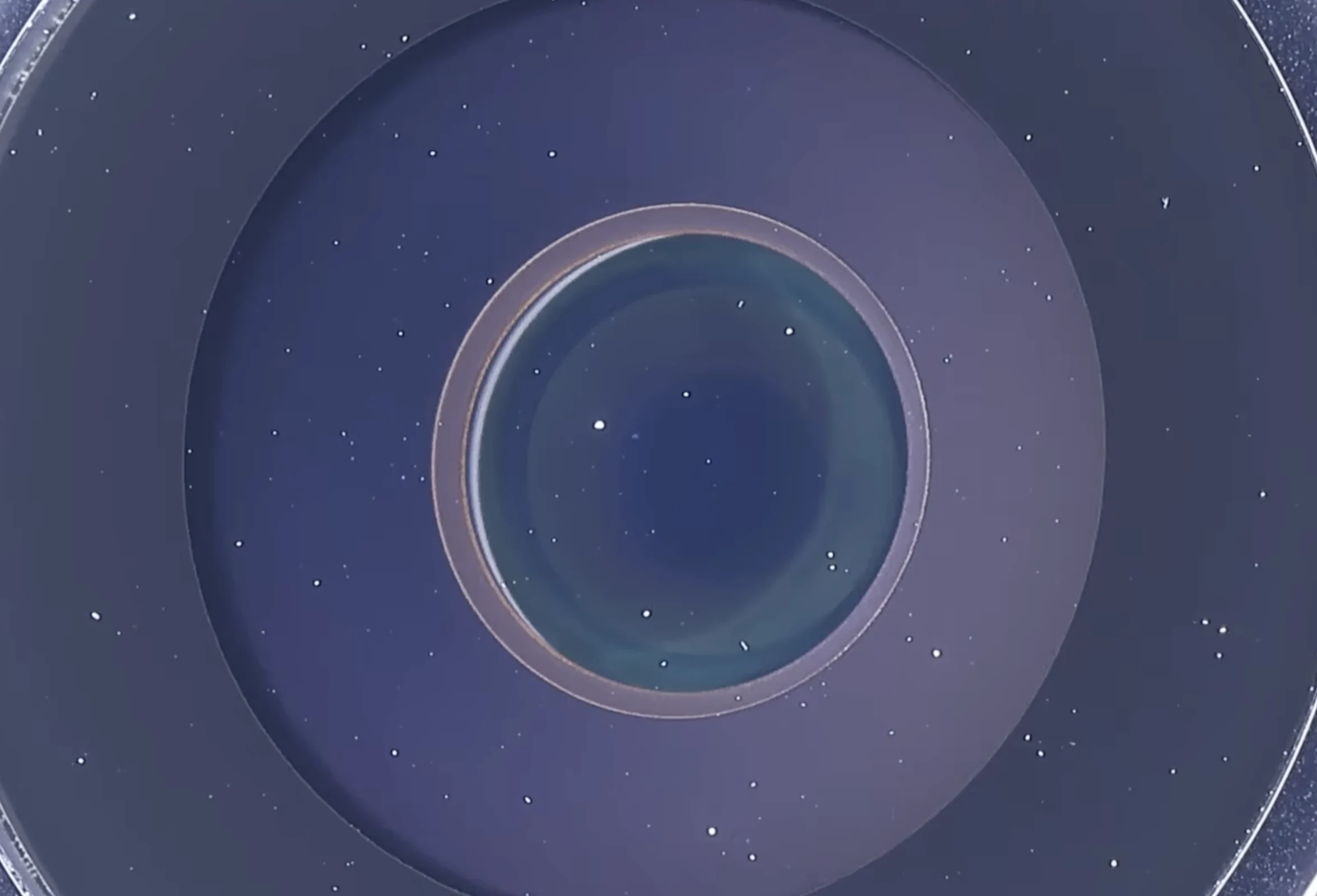
    By moving the camera rapidly with slight wiggles, Macrolab showcases the spatial depth of the components, even without proper 3D vision. This technique allows viewers to easily spot where tiny dust particles have accumulated in the iPhone 17 Pro’s camera system during its production. Macrolab3D makes a distinction between dust trapped inside and dust that settled on the lens after it was unboxed.

    Using a standard photograph would make it nearly impossible to identify the spatial arrangement inside the optics. Moreover, a significant amount of light is necessary, and it’s uncertain if other brands manage this better than Apple. While Macrolab3D usually does not concentrate on tech items, he did publish a video of an older iPhone back in July. However, that model already displayed clear signs of wear. The impact of dust is likely minimal, since fingerprints and oily marks on the surface generally have a much larger effect on image quality, especially at night with bright spots.

    Exploring the Display Layers

    The pixels on the iPhone 17 Pro’s display are equally intriguing. It’s not simply a flat expanse; the wiggle approach reveals at least some of the display’s layers. Above the pixel layer, there’s a distinct grid, likely representing the touch layer of the screen. It’s important to note that even Macrolab3D cannot expose all layers of a display, but it will be exciting to see what other layers can be uncovered in the future. For example, do modern tandem OLED panels appear different from the traditional single-layer OLEDs?

    Another point of interest is how the display appears along its edges. A significant amount of material is still lost at the sides, though there has been progress in this area, as highlighted in our recent report on Coherent’s presentation at the SID-MEC conference in Germany. With deep UV laser cutting, less than one pixel is lost at the edge of the panel.

    Detailed Examination of Components

    Macrolab has also taken a close look at various components of the iPhone 17 Pro, including the packaging, USB-C port, and speakers. He notes that the speakers will likely never be as clean again. An AI-generated voice narrates this video, which has drawn some criticism from viewers. However, the content creator mentions that his own voice does not meet his quality expectations.

    He describes himself not as a professional speaker, but as a photographer. Although he attempted to record his own voice six years ago, his accent is evident, even though the video remains understandable. In comments on YouTube, he expressed a preference for the narration to sound like that of a BBC news anchor.

    Typically, Macrolab3D directs his focus toward other subjects, such as insects and their detailed characteristics. Even ordinary items like banknotes and materials can display fascinating textures through the wiggle method. In another video, Macrolab elaborates on the rationale behind the wiggling technique, and the other videos on his channel are also highly recommended.

    Source:
    Link


  • Anker Unveils Upgraded Power Bank with Built-In Cable

    Anker Unveils Upgraded Power Bank with Built-In Cable

    Key Takeaways

    1. The Anker Zolo Power Bank (20K, 45W) offers faster charging, reaching 50% for an iPhone 17 Pro in just 20 minutes.
    2. It has a battery capacity of 20,000 mAh, allowing for approximately 3.3 charges of an iPhone 17 Pro or 3.0 charges of a Samsung S25 Ultra.
    3. The power bank features a durable 6.0-inch braided USB-C cable and includes a USB-A output, with ActiveShield 2.0 for temperature monitoring.
    4. It takes about 90 minutes to recharge itself to 50% using a 30W USB-C input and has a digital display for battery status.
    5. Priced at $39.99 on Amazon in the US, it is $4 more than the previous model and is currently only available in black, with plans for more colors in the future.


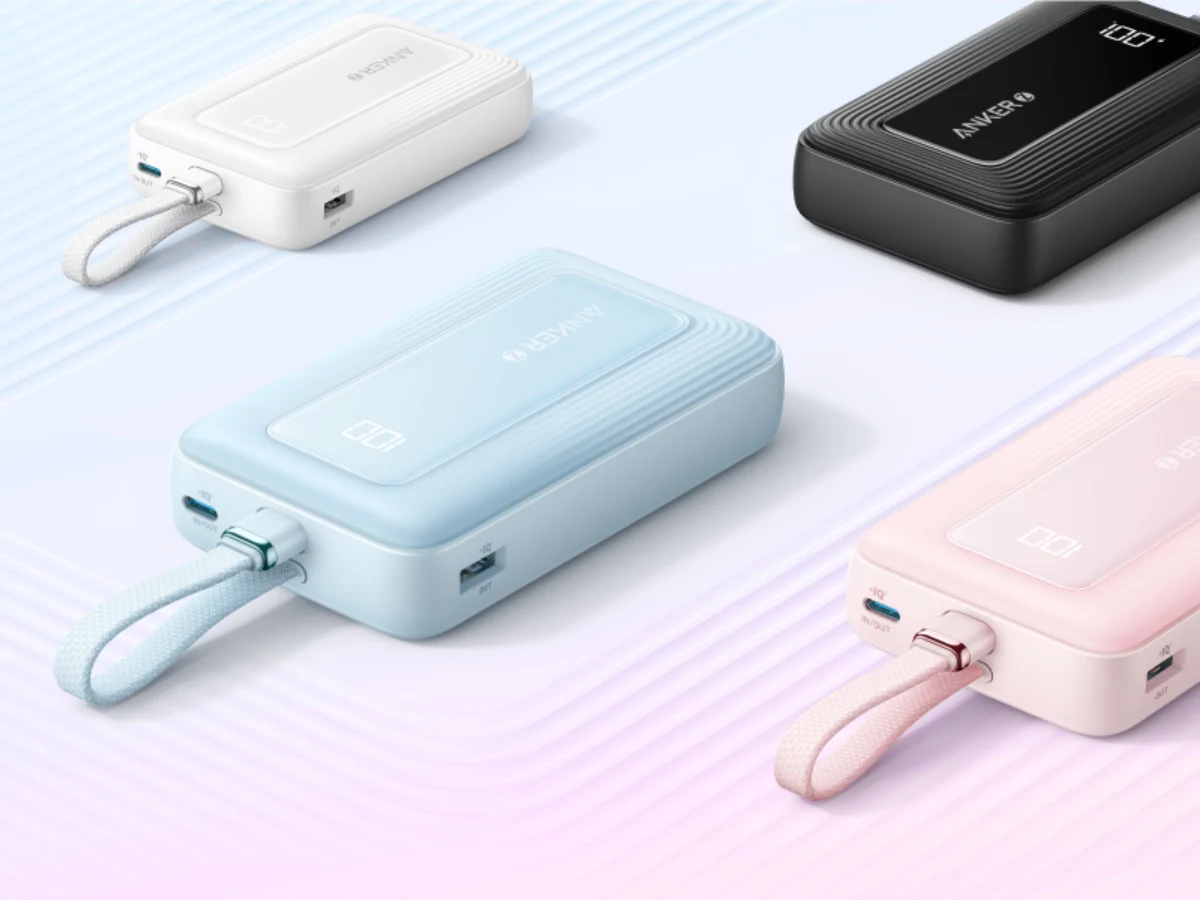
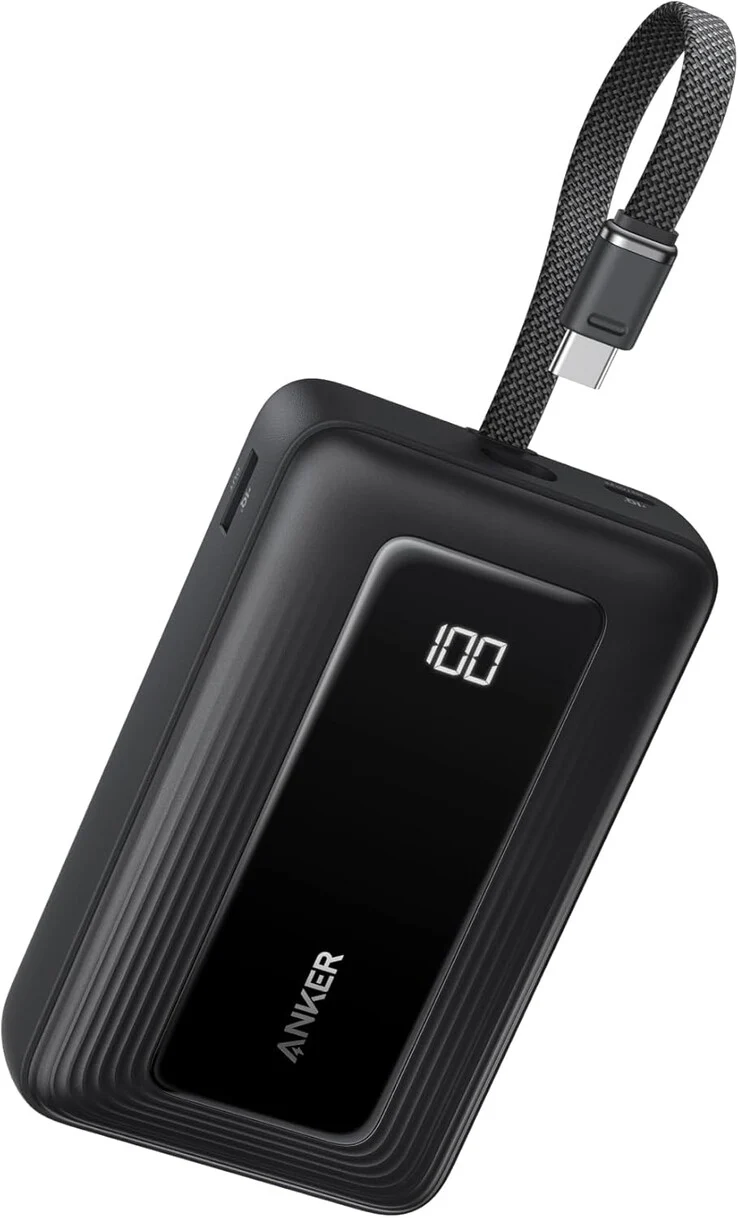
    The Anker Zolo Power Bank (20K, 45W) has just been launched in the United States. This latest version looks quite like the previous Zolo power bank (20K, 30W), but it provides a greater power output.

    Fast Charging Capabilities

    As the name indicates, Anker’s new Zolo Power Bank delivers 45W through the built-in USB-C cable or the USB-C port. This feature is capable of charging an iPhone 17 Pro to 50% in just 20 minutes. The braided cable measures 6.0 inches (~15.2 cm) and has been tested to resist over 10,000 bends. Nevertheless, if the cable eventually breaks, replacing it might be challenging. Additionally, the power bank includes a USB-A output, and ActiveShield 2.0 monitors the temperature of the device 3,000,000 times a day to prevent overheating.

    Battery Performance

    With a battery capacity of 20,000 mAh, it can recharge an iPhone 17 Pro approximately 3.3 times, or a Samsung S25 Ultra about 3.0 times. To recharge itself, the power bank uses a 30W USB-C input, taking around 90 minutes to reach a 50% charge. Moreover, the current battery status is shown on a straightforward digital display. Currently available only in black, there are plans for blue, white, and pink versions to be released in the future. The dimensions of the product are 4.7 x 2.9 x 1.2 inches (~12.0 x 7.3 x 3.1 cm), and it has a weight of 12.5 oz (~353 g).

    Pricing and Availability

    You can purchase the Anker Zolo Power Bank (20K, 45W) on Amazon in the US for $39.99. This is $4 more than the older 20K/30W model. It remains unclear when this accessory will be available in other regions, such as Europe.


  • Apple iPhone 17 Pro Features 200mm Telephoto with Sandmarc Lens

    Apple iPhone 17 Pro Features 200mm Telephoto with Sandmarc Lens

    Key Takeaways

    1. The iPhone 17 Pro and Pro Max feature a 48MP periscope telephoto camera with 4x optical zoom and a 100mm focal length.
    2. Sandmarc has launched a telephoto converter that doubles the focal length to 200mm, enhancing zoom capabilities.
    3. Apple’s in-sensor zoom allows for 16x zoom at 24MP, compatible with iPhone 16 Pro (Max) and iPhone 15 Pro Max.
    4. The Sandmarc lens is not compatible with iPhones lacking a telephoto camera; an older 58mm lens is available for base models.
    5. The Sandmarc Telephoto Tetraprism Lens costs $269.99 (plus $19.95 shipping) and includes two attachment options and a filter adapter.


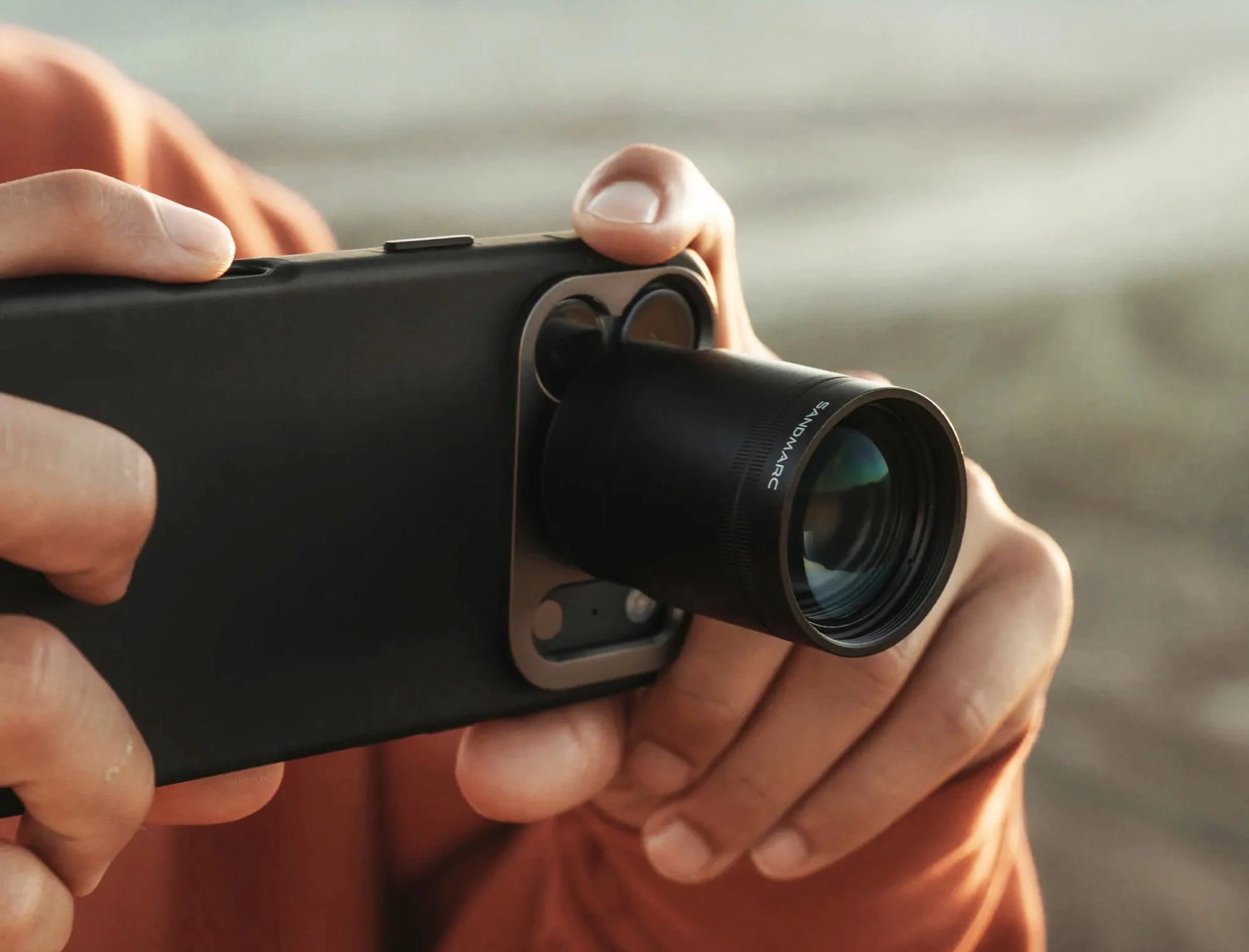
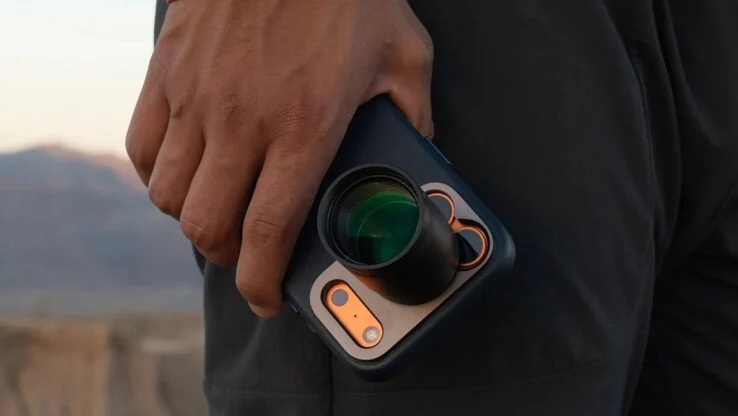
    The Apple iPhone 17 Pro and iPhone 17 Pro Max come with a 48-megapixel f/2.8 periscope telephoto camera, which offers a 35mm equivalent focal length of 100mm, providing about 4x optical zoom. Recently, Sandmarc has launched a new telephoto converter that successfully doubles the focal length to 200mm.

    Enhanced Zoom Capabilities

    With Apple’s in-sensor zoom feature, users can take pictures with a 16x zoom capability at a resolution of 24 MP. This lens is also compatible with the iPhone 16 Pro (Max) and iPhone 15 Pro Max, increasing these smartphones’ 12-megapixel telephoto camera focal length to 240mm, which gives an effective 10x optical zoom.

    Compatibility Limitations

    It’s important to note that this lens cannot be used with iPhones that don’t have a telephoto camera. For users who own the base model, Sandmarc still provides the older 58mm lens, which at least enhances the main camera into a telephoto camera with 4x zoom.

    Product Details

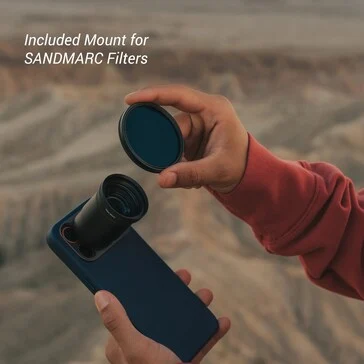
    The lens measures 5.7 cm in length and weighs 143 g. It can be directly screwed onto the iPhone using the protective cover included or attached via a clip – both options come with the bundle when purchased. Additionally, a filter adapter allows users to utilize standard 43mm ND, polarizing, or effect filters with the lens.

    The Sandmarc Telephoto Tetraprism Lens is now available for purchase through the manufacturer’s online store, priced at $269.99, plus a shipping fee of $19.95.

    Source:
    Link


  • Apple Hits $4 Trillion Market Cap Fueled by Strong iPhone 17 Sales

    Apple Hits $4 Trillion Market Cap Fueled by Strong iPhone 17 Sales

    Key Takeaways

    1. Apple has surpassed a market value of US$4 trillion, achieving this milestone for the third time in history.
    2. Strong demand for the iPhone 17 series is driving Apple’s stock growth, with positive reviews highlighting performance improvements.
    3. Apple is relocating most of its iPhone and iPad manufacturing to India and Vietnam to mitigate the impact of US tech tariffs.
    4. The iPhone 17 Pro launched at $1099, which is $100 more than the previous model, but production shifts have helped control potential price increases.
    5. Analyst Samik Chatterjee notes that Apple’s stock holds significant potential, marking a high point in interest and valuation.


    Apple has reached a market value of over US$4 trillion, marking the third instance in history where a company has achieved such a valuation. According to JPMorgan analyst Samik Chaterjee, as reported by CNBC, Apple’s stock currently holds “a greater halo of potential than at any time in the past year.”

    Factors Behind the Growth

    There are two main reasons contributing to this rise. First off, the demand for the iPhone 17 series seems to be exceeding expectations, as noted by Morgan Stanley and shared via Macrumors. Notebookcheck gave a favorable review of the iPhone 17 Pro at its launch, highlighting enhancements in performance due to the A19 Pro SoC and an even longer battery life compared to the iPhone 16 Pro.

    Strategic Production Shifts

    In addition, Apple has successfully mitigated the effects of significant US tech tariffs that were established during Donald Trump’s presidency. Earlier in 2025, Tim Cook, Apple’s CEO, mentioned that the company is relocating a majority of its iPhone and iPad manufacturing to India and Vietnam, likely as a reaction to the tariffs imposed on electronics made in China.

    Pricing and Sales Impact

    The iPhone 17 Pro debuted at a price of $1099, which is $100 more than the previous year’s model. However, the shift in production away from China has probably helped the company avoid even steeper prices that could have negatively affected sales.

    Source:
    Link


  • RedMagic Mocks Apple and Competitors for Their Camera Bumps

    RedMagic Mocks Apple and Competitors for Their Camera Bumps

    Key Takeaways

    1. RedMagic released a playful animated video mocking Apple and other smartphone brands for their camera bumps, featuring a tiny road roller squishing the iPhone 17 Pro (Max).

    2. The video was first shown during the RedMagic launch event, where the company introduced the RedMagic 11 Pro, 11 Pro+, and other devices aimed at the Chinese market.

    3. RedMagic has a history of teasing Apple, previously criticizing the brand for battery life and heat management issues, while showcasing their own design choices.

    4. The company has eliminated camera bumps in their flagship smartphones, opting for under-screen selfie cameras and fingerprint sensors, while Apple continues to embrace protruding camera modules.

    5. The RedMagic 10 Air is available for purchase on Amazon for $699, with international launches of their latest smartphones scheduled for November 3.


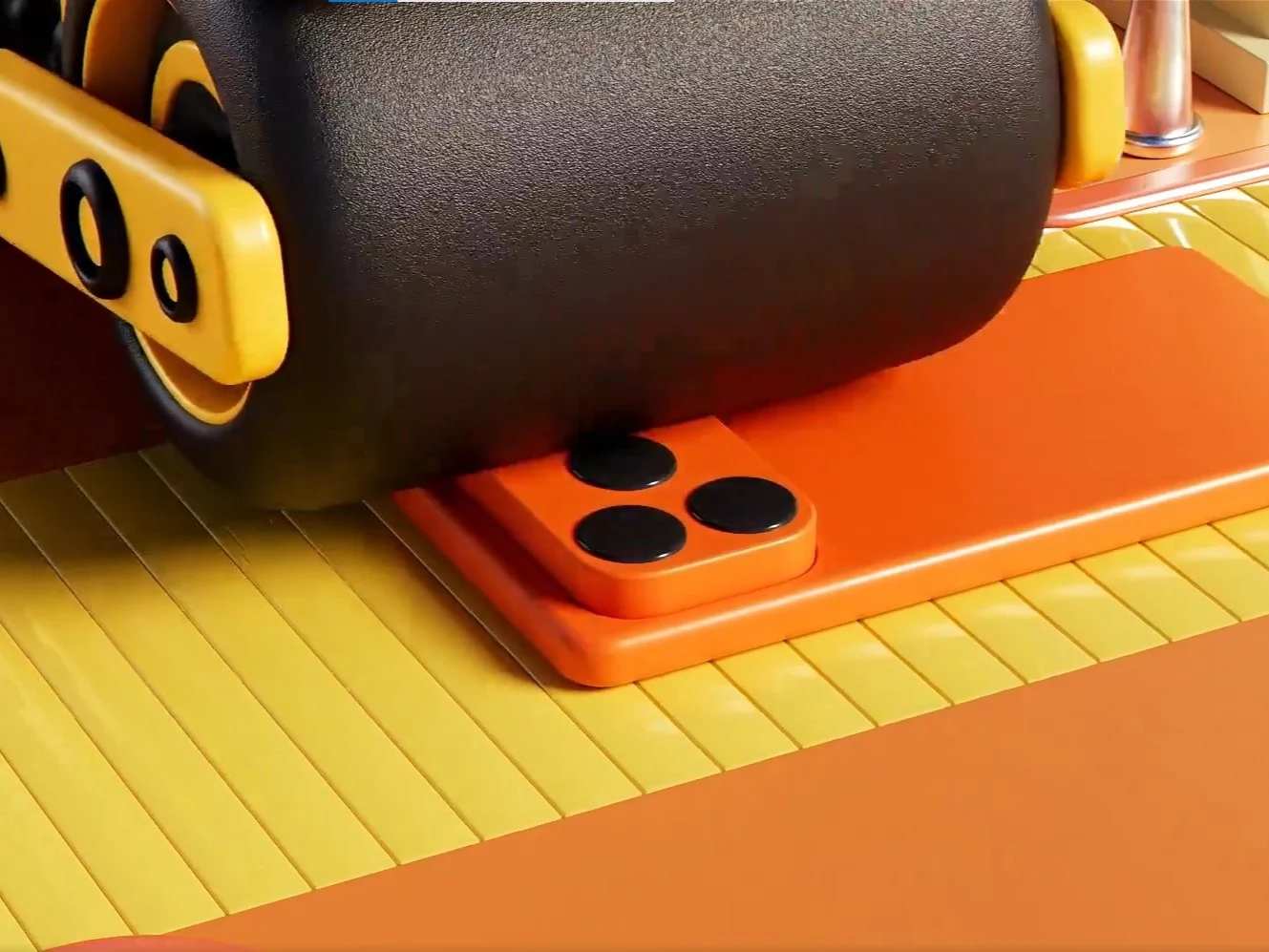
    RedMagic recently released a playful animated video on its social media platforms, poking fun at Apple and other smartphone brands for their camera bumps. In the clip, a tiny road roller rolls over various smartphones, pressing down their camera bumps, with the first phone being the iPhone 17 Pro (Max) getting squished.

    Launch Event and Social Media Spread

    This video was initially shown during the RedMagic launch event/live stream, where the company introduced the RedMagic 11 Pro, 11 Pro+, and additional devices targeted at the Chinese market. Now, the company has made the video available on its international social media channels, including Facebook, TikTok, and X.

    A History of Mockery

    RedMagic has a history of teasing Apple, having previously criticized the brand for things like battery life issues and managing heat. Since the RedMagic 9 series, the company has eliminated camera bumps in its flagship smartphones, while Apple seems to be embracing them more with the new iPhone Air, which features a camera module that protrudes from a noticeable bump.

    In addition to their approach to camera design, RedMagic prefers elegant aesthetics, utilizing under-screen selfie cameras and fingerprint sensors. When it comes to performance, their devices are rated among the top in the market. The latest smartphones from this Chinese brand are set to launch internationally on November 3.


  • World’s Heaviest Smartphone Case: 6-Pound Design is Impractical

    World’s Heaviest Smartphone Case: 6-Pound Design is Impractical

    Key Takeaways

    1. The 6 Pound Phone Case weighs 6 pounds (2.7 kg), making it heavier than a 16-inch MacBook Pro.
    2. Its design aims to discourage excessive smartphone use by making it cumbersome to carry and use.
    3. The case is marketed as a solution for smartphone addiction, encouraging users to engage in outdoor activities instead.
    4. It is currently seeking funding on Kickstarter, priced at $210, with shipping expected in January 2026.
    5. As a debut project for Matter Neuroscience, it comes with typical crowdfunding risks, such as potential delays and quality issues.


    While devices like the Apple iPhone 17 Pro and the iPhone 17 Pro Max are already on the heavier side, tipping the scales at over 230 grams, the 6 Pound Phone Case takes it to a whole new level.

    A Weighty Warning

    The name of this protective case speaks volumes: at 6 pounds, or about 2.7 kilograms, it actually weighs more than a 16-inch MacBook Pro. This weight makes it far from practical, and that’s the key idea. The intention behind its heaviness is to make smartphone usage so cumbersome that people are discouraged from endlessly scrolling through social media. It encourages users to leave their phones behind when they go outside, whether for a nature walk, sports, or other fun activities.

    A Heavy Solution for Addiction

    The 6 Pound Phone Case is promoted by the makers as a remedy for smartphone dependency. Its weight makes it difficult to use the phone for long periods, its large size means it can’t fit in a pocket, and its design—composed of two parts that are screwed together—makes it hard to take off quickly, as you’ll need a screwdriver to do so.

    Funding on Kickstarter

    Currently, the 6 Pound Phone Case is seeking support on Kickstarter. As part of the crowdfunding effort, this might just be the heaviest smartphone case in the world, priced at $210, not including shipping, sales taxes, and customs fees. Expected shipping is slated for January 2026. Since this is Matter Neuroscience’s debut project on Kickstarter, there are typical crowdfunding risks involved, like possible delays, quality issues, or the chance that it may never reach the market.

    Source:
    Link


  • iPhone 17 Pro Front Camera Tops DxOMark Review Rankings

    iPhone 17 Pro Front Camera Tops DxOMark Review Rankings

    Key Takeaways

    1. The iPhone 17 Pro features an innovative 18MP f/1.9 front camera with a unique square sensor, allowing easy switching between shot orientations.
    2. The iPhone 17 Pro scored 154 points in the DxOMark selfie camera assessment, ranking it first among smartphones, surpassing competitors like the iPhone 16 Pro and Honor Magic6 Pro.
    3. The front camera is praised for precise exposure, broad dynamic range, and true-to-life color reproduction, though skin tones may appear too warm at times.
    4. With a 20mm focal length, the iPhone 17 Pro can fit larger groups into one frame more effectively than its predecessor’s 23mm lens.
    5. While the camera excels in bokeh effect and depth of field, it struggles with noticeable image noise in low light and may have issues with video stabilization.


    While the iPhone 16 Pro comes equipped with a 12MP f/1.9 main camera that has a small 1/3.6-inch sensor, the new iPhone 17 Pro boasts an innovative 18MP f/1.9 front camera featuring a unique square sensor. This design is not seen in any other smartphones on the market. It enables users to easily switch between square, portrait, and landscape shots without needing to rotate the device.

    Impressive Performance Rankings

    According to a comprehensive review by DxOMark, this enhancement has definitely paid off, as the iPhone 17 Pro achieved an impressive score of 154 points in the selfie camera assessment, securing the top spot in the rankings. Apple’s latest flagship model surpasses the iPhone 16 Pro and the Honor Magic6 Pro, both of which scored 151 points and are now in the second position. Following them are the iPhone 15 Pro with 149 points and the Google Pixel 9 Pro XL with 148 points.

    Notable Camera Features

    The front camera earns praise for its consistently precise exposure, broad dynamic range, and true-to-life color reproduction, although skin tones can sometimes look a bit too warm. With a 20mm focal length, it’s easier to fit larger groups into one frame compared to the predecessor’s 23mm. The depth of field is adequate, allowing for crisp images of subjects in both the foreground and background, even without a variable aperture.

    Apple has also outperformed its rivals by delivering a remarkably precise bokeh effect, likely attributed to the Face ID technology. However, the relatively small sensor does exhibit noticeable image noise in low-light situations, and the image stabilization may not be entirely effective, as shown in the video linked below.

    Source:
    Link


  • Apple iPhone 17 Pro: Compact Flagship Phone Gets Heavier

    Apple iPhone 17 Pro: Compact Flagship Phone Gets Heavier

    Key Takeaways

    1. Material Shift: Apple moved from titanium back to aluminum for the iPhone 17 Pro’s frame, claiming improved toughness and environmental benefits, which has sparked debate among users.

    2. Durability: The phone shows strong durability with an IP68 rating for dust and water resistance, despite concerns about the “scratch gate” issue related to the camera bump.

    3. Build Quality: Overall build quality meets Apple’s high standards, but there are minor alignment issues with the rear glass surface.

    4. Weight and Feel: The iPhone 17 Pro weighs 7.27 ounces, providing a sense of solidity, but is heavier than previous titanium models, which may detract from user preferences for lighter devices.

    5. Design Aesthetics: The phone features appealing colors and a smooth transition between glass and frame, but the pronounced camera bump and increased thickness challenge the perception of it as a slim device.


    When discussing the design and construction quality, the iPhone 17 Pro marks a significant shift in approach, being both progressive and regressive simultaneously. After using titanium in the last two versions, Apple has shifted back to aluminum for the frame, which it claims is more tough and environmentally friendly—a statement that some find debatable. Concerns have been raised by users regarding the so-called “scratch gate” issue, especially in relation to the large camera bump that stands out.

    Performance Evaluation

    Nonetheless, during our thorough inspection, the phone demonstrated durability and showed no visible signs of damage. The body feels sturdy and rigid, boasting protection against dust and water with an IP68 rating. As for build quality, it remains at the typical high standard; however, upon closer examination, the rear glass surface doesn’t align perfectly everywhere.

    Visual and Tactile Experience

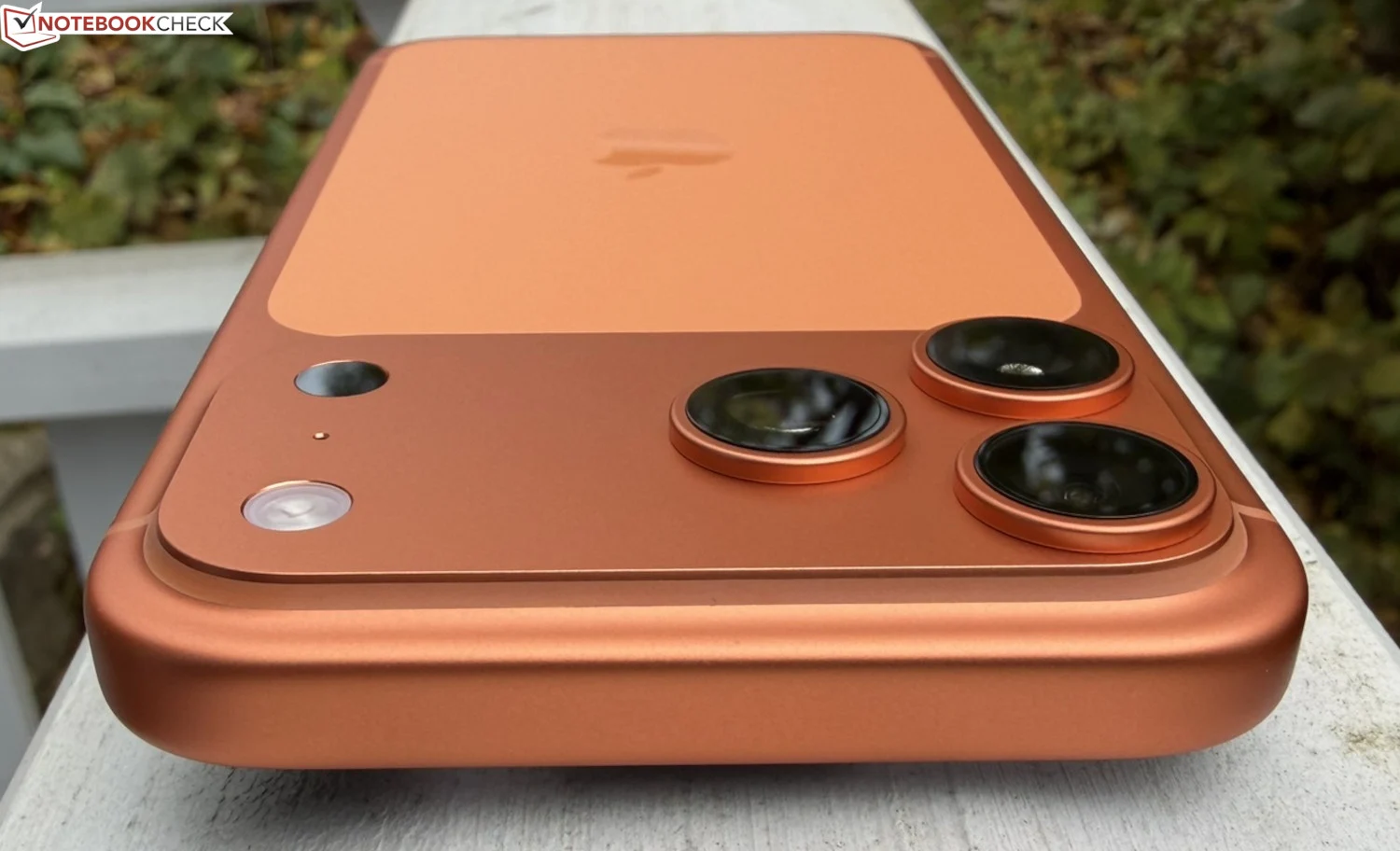
    Aesthetically, Apple has made noticeable updates to the iPhone 17 Pro. The transition between the glass and the frame appears smoother, and the new frame design provides a comfortable grip. Even with the aluminum frame, the iPhone weighs in at 7.27 ounces, which is comparable to earlier stainless steel versions and noticeably heavier than the lighter titanium models. While the weight gives a sense of solidity, it detracts from the lightness that many users appreciated in past versions. Here’s a look at the weight progression of Apple’s last seven Pro models:

    Design Choices and Conclusion

    The color choices are appealing, and the SIM tray is seamlessly integrated into the chassis, enhancing the overall premium feel. The large camera bump is more pronounced than it has ever been. With a thickness exceeding 0.51 inches at this point, the iPhone 17 Pro is no longer considered a slim device, which is evident both when held and when placed on a surface. However, this substantial design can also contribute to a sense of value.

    In conclusion, the iPhone 17 Pro by Apple merges contemporary industrial design with recognized styles. It is a well-crafted smartphone, yet its material selection and heft spark debate. It remains a stylish device that is visually appealing, but also creates division among users.

    Source:
    Link


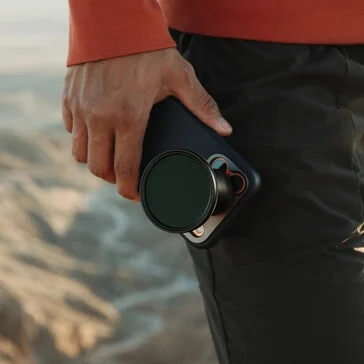
  • Apple’s TechWoven Cases for iPhone 17 Pro: Durability Tested

    Apple’s TechWoven Cases for iPhone 17 Pro: Durability Tested

    Key Takeaways

    1. Apple’s FineWoven cases were discontinued due to quick scratches and stains.
    2. TechWoven cases were introduced for the iPhone 17 Pro as an improved alternative.
    3. The new material offers good resistance to liquids and scratches, with easy cleaning.
    4. The coating has limitations: it doesn’t cover the edges fully and can wear away over time.
    5. While TechWoven cases may last longer than FineWoven cases, they feel slippery and are not as durable as silicone cases.


    Apple’s FineWoven cases faced a lot of backlash right after they were released last year, as the fabric surface showed scratches and stains very quickly. Due to this feedback, Apple took these cases out of its product range and introduced the TechWoven cases for the iPhone 17 Pro instead.

    Testing the New Material

    The experts at iFixit have evaluated how well this new material withstands liquids, dirt, and scratches. The first impressions are mostly good. Whether it’s coffee, olive oil, or hot sauce, alcohol successfully cleans off all residues. The case also passed an initial scratch test using a key without showing any damage.

    Pros and Cons of the Coating

    This better protection against liquids and scratches comes from the smooth and seemingly waterproof coating. However, there are two downsides to this design. Firstly, the coating does not go all the way to the edge of the back, which means that liquid can seep in and cause permanent stains where the fabric meets the plastic frame. Secondly, this coating can wear away over time.

    iFixit intentionally damaged the coating with a knife during their tests, leaving behind permanent coffee stains on the case. Because these stains are mostly under the coating, cleaning the case afterward is not possible. iFixit thinks that TechWoven cases will last longer than Apple’s FineWoven cases, but the pricey $59 accessories also feel quite slippery due to the coating, and they still aren’t as strong as silicone cases.

    Source:
    Link