
Key Takeaways
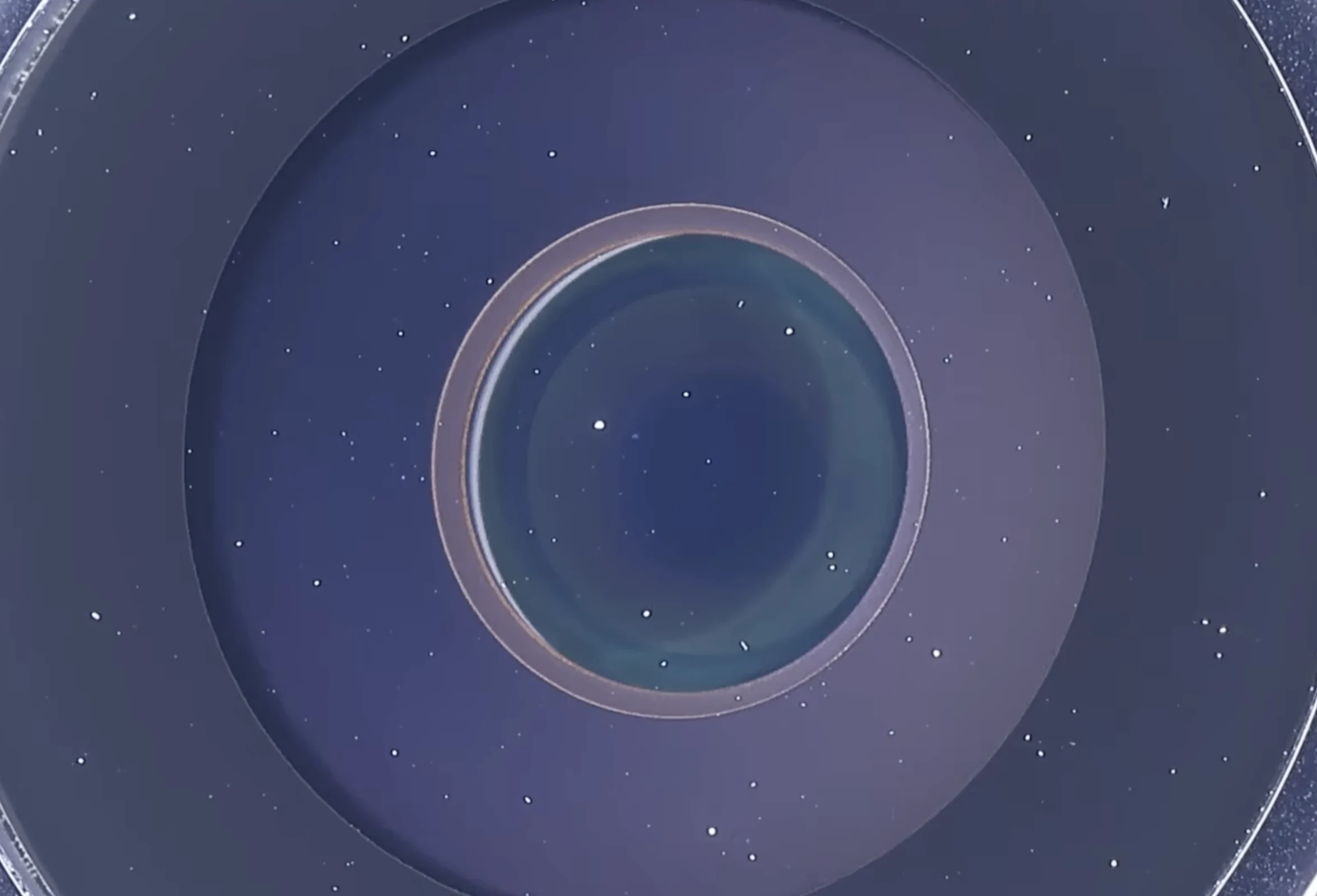
1. Macrolab3D uses a “wiggle stereoscope” technique to reveal hidden dust particles in the iPhone 17 Pro’s camera system during production.
2. The wiggle method also showcases the multiple layers of the iPhone 17 Pro’s display, including a distinct touch layer grid.
3. Macrolab3D examines various components of the iPhone 17 Pro, highlighting that certain parts, like the speakers, will accumulate dirt over time.
4. The video features AI-generated narration, which has received mixed feedback from viewers, as Macrolab3D prefers a professional-sounding voice.
5. Macrolab3D typically focuses on subjects like insects and textures, demonstrating the versatility of his wiggle technique beyond technology.
Macrolab3D has discovered a captivating new application for his “wiggle stereoscope” in a brief video. He has filmed the iPhone 17 Pro, a high-end smartphone, in remarkable detail for the first time.
Revealing Hidden Dust
By moving the camera rapidly with slight wiggles, Macrolab showcases the spatial depth of the components, even without proper 3D vision. This technique allows viewers to easily spot where tiny dust particles have accumulated in the iPhone 17 Pro’s camera system during its production. Macrolab3D makes a distinction between dust trapped inside and dust that settled on the lens after it was unboxed.
Using a standard photograph would make it nearly impossible to identify the spatial arrangement inside the optics. Moreover, a significant amount of light is necessary, and it’s uncertain if other brands manage this better than Apple. While Macrolab3D usually does not concentrate on tech items, he did publish a video of an older iPhone back in July. However, that model already displayed clear signs of wear. The impact of dust is likely minimal, since fingerprints and oily marks on the surface generally have a much larger effect on image quality, especially at night with bright spots.
Exploring the Display Layers
The pixels on the iPhone 17 Pro’s display are equally intriguing. It’s not simply a flat expanse; the wiggle approach reveals at least some of the display’s layers. Above the pixel layer, there’s a distinct grid, likely representing the touch layer of the screen. It’s important to note that even Macrolab3D cannot expose all layers of a display, but it will be exciting to see what other layers can be uncovered in the future. For example, do modern tandem OLED panels appear different from the traditional single-layer OLEDs?
Another point of interest is how the display appears along its edges. A significant amount of material is still lost at the sides, though there has been progress in this area, as highlighted in our recent report on Coherent’s presentation at the SID-MEC conference in Germany. With deep UV laser cutting, less than one pixel is lost at the edge of the panel.
Detailed Examination of Components
Macrolab has also taken a close look at various components of the iPhone 17 Pro, including the packaging, USB-C port, and speakers. He notes that the speakers will likely never be as clean again. An AI-generated voice narrates this video, which has drawn some criticism from viewers. However, the content creator mentions that his own voice does not meet his quality expectations.
He describes himself not as a professional speaker, but as a photographer. Although he attempted to record his own voice six years ago, his accent is evident, even though the video remains understandable. In comments on YouTube, he expressed a preference for the narration to sound like that of a BBC news anchor.
Typically, Macrolab3D directs his focus toward other subjects, such as insects and their detailed characteristics. Even ordinary items like banknotes and materials can display fascinating textures through the wiggle method. In another video, Macrolab elaborates on the rationale behind the wiggling technique, and the other videos on his channel are also highly recommended.
Source:
Link
Leave a Reply