Key Takeaways
1. The Xiaomi 17 Pro series has significant hardware upgrades, including the new Light Hunter 950L sensor, which improves dynamic range and nighttime performance compared to its predecessor, the Xiaomi 15 Pro.
2. The ultra-wide-angle camera on the Xiaomi 17 series has a narrower field of view (17mm) than the previous model (14mm), along with reduced brightness when zooming in.
3. The Xiaomi 17 Pro Max has superior telephoto capabilities, achieving better color richness and 3D effects, especially in daylight, but both models outperform the iPhone 17 Pro Max in nighttime zoom shots.
4. The Xiaomi 17 Pro can capture macro photos at a much closer distance (20 cm) than the iPhone 17 Pro (100 cm), enhancing its telemacro capabilities.
5. In dynamic range assessments, the Xiaomi 17 Pro Max demonstrates a clear advantage over the Samsung Galaxy S25 Ultra, while also holding its own against the iPhone 17 Pro.
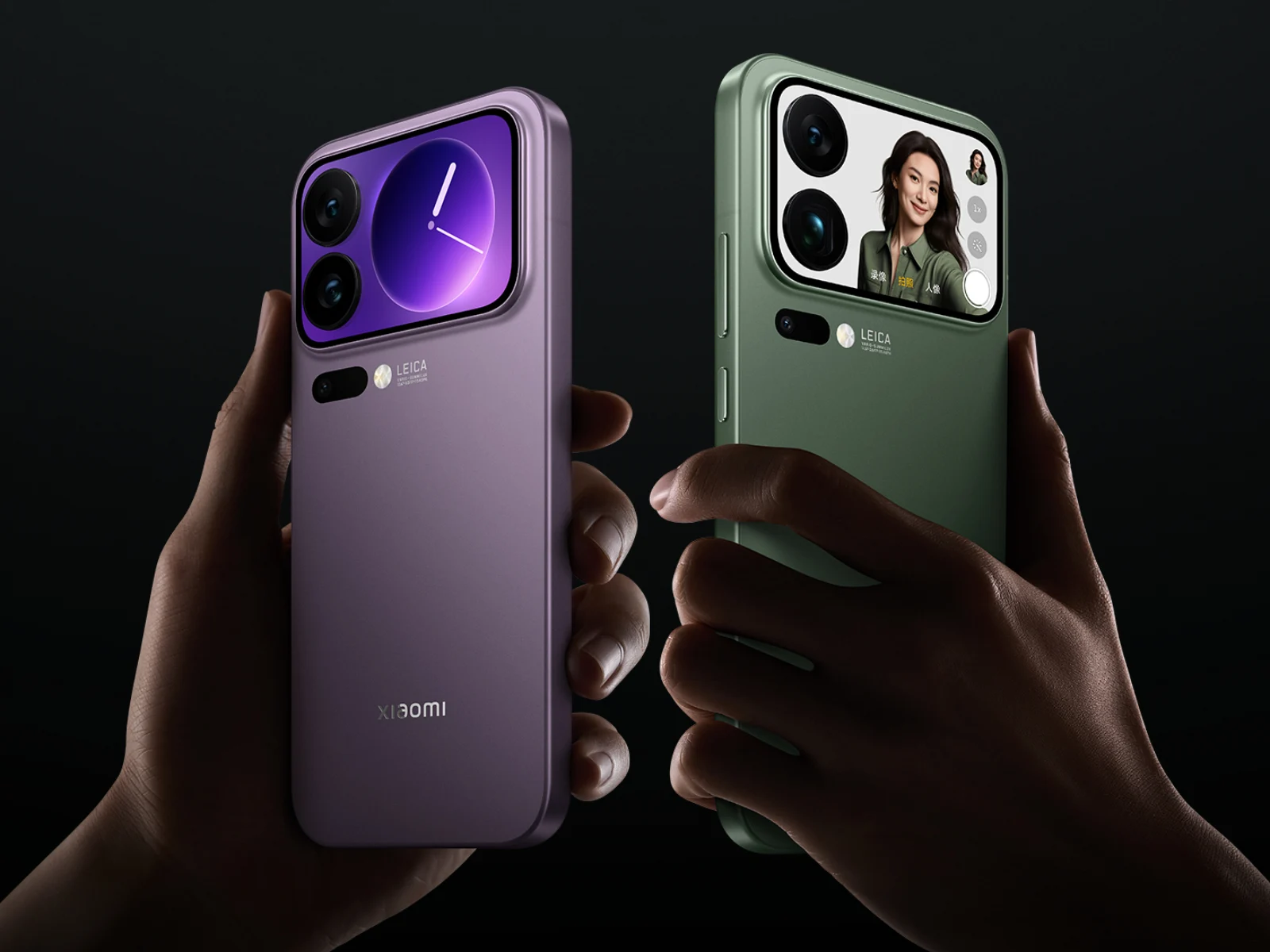
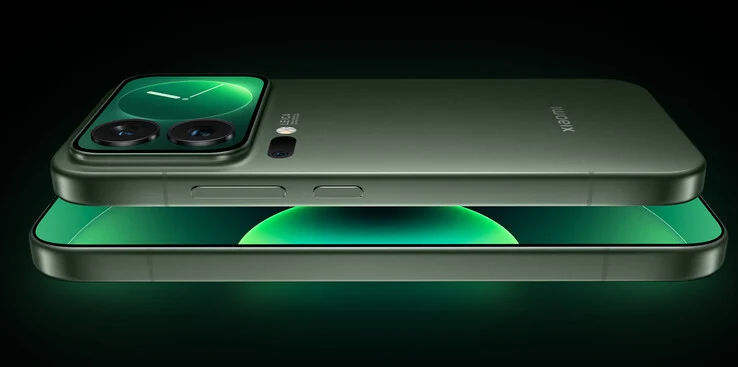
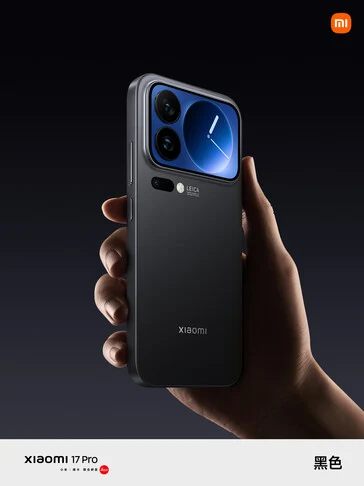
Exactly one week ago, we examined some early reviews of the iPhone 17 Pro and iPhone 17 Pro Max cameras against the Galaxy S25 Ultra. However, this weekend, our focus shifts to another pair of camera powerhouses. With the rebranding of its Xiaomi 15 successors, Xiaomi has positioned its latest devices alongside Apple. Now, the Xiaomi 17 Pro flagships equipped with Leica cameras must demonstrate their capabilities. On the hardware side, the camera sensors have undergone significant changes compared to the Xiaomi 15 Pro. Whether these enhancements result in superior photo quality will be a crucial consideration for potential customers.
Insights from Initial Reviews
As there are currently no global reviews of the new Xiaomi 17 series available, and embedding a Chinese video from Weibo may not be very accessible for many readers, we will primarily include screenshots from a 4K video along with images shared on social media platforms such as Weibo or X. We will also link to some of the initial hands-on impressions from popular YouTubers, though their content tends to emphasize the secondary display on the rear rather than the new Leica camera features. More YouTube content should become available in the upcoming weeks, but only the standard Xiaomi 17 is anticipated to launch in Europe, while the Xiaomi 17 Ultra is expected to arrive next year.
Examining Camera Performance
The screenshots featured here are sourced from a test video by a prominent smartphone reviewer in China (Xiaobai Evaluation on Weibo). In these initial sample images, the benefits of the new Light Hunter 950L sensor in the 23mm main camera of the current Leica camera flagships are clearly evident. With an impressive dynamic range of 16.5 stops, it shows significant advancements compared to the previous Xiaomi 15 Pro and the similarly sized 1/1.28-inch sensor found in the iPhone 17 Pro Max.
During nighttime, the new Xiaomi 17 Pro duo outperforms the Xiaomi 15 Pro in terms of dynamic range.
The subsequent set of images compares the ultra-wide-angle cameras, revealing a distinct drawback for the new Xiaomi 17 series. The field of view has decreased from the equivalent of 14mm to 17mm. Additionally, brightness has slightly diminished, which is particularly noticeable when zooming in.
Comparing Zoom and Telephoto Capabilities
While the ultra-wide and main cameras on the Xiaomi 17 Pro and Xiaomi 17 Pro Max are the same, the Pro Max model features a larger 1/2-inch sensor and a wider aperture for its 5x telephoto lens. In daylight conditions, this difference may not be very apparent. In flower photographs, the richer colors are noticeable, and the Xiaomi 17 series creates a more pronounced 3D effect.
Zoom shots at night have historically posed a challenge for smartphone cameras. Unless image processing tricks are applied, this scenario clearly highlights the advantages of the two Xiaomi 17 flagships over their predecessors and the iPhone 17 Pro Max. Both rivals struggle with bright light sources, resulting in blurriness and more visible optical artifacts. The iPhone 17 Pro Max also shows limited dynamic range in its night shot results.
The video also showcases telemacro capabilities. For the iPhone 17 Pro, the required distance to capture subjects is about 100 cm (39 inches), making true macro photography nearly impossible. In contrast, the Xiaomi 17 Pro can achieve this at just 20 cm (7.9 inches), while 30 cm (11.8 inches) is sufficient for the Xiaomi 17 Pro Max. Below, there’s a telemacro photograph comparing the two Xiaomi 17 Pro models.
Final Thoughts on Portrait and Dynamic Range
In concluding this camera comparison, we will examine two portrait examples taken with these devices, although the differences are likely subjective.
The well-known leaker Ice Universe has released several comparison photos of the Xiaomi 17 Pro Max alongside its competitors. The comparison with the Samsung Galaxy S25 Ultra is especially noteworthy, as Samsung’s flagship does not perform exceptionally well in this dynamic range assessment, while Apple’s new camera flagship holds its own reasonably well.
When evaluating pure in-image dynamic range, a clear victor emerges between the 50MP 1/1.28-inch main camera of the Xiaomi 17 Pro Max and the similarly sized 200MP 1/1.3-inch sensor of the Samsung Galaxy S25 Ultra.
This distinction becomes even more evident when closely examining the two tree images shared earlier.
To conclude, we would like to present a 10x zoom comparison featuring a Labubu figure, as shared by Ice Universe on Weibo. None of the phones perform poorly in this test, although Samsung’s flagship appears to be the least vibrant in direct comparison.
Source:
Link