

Key Takeaways
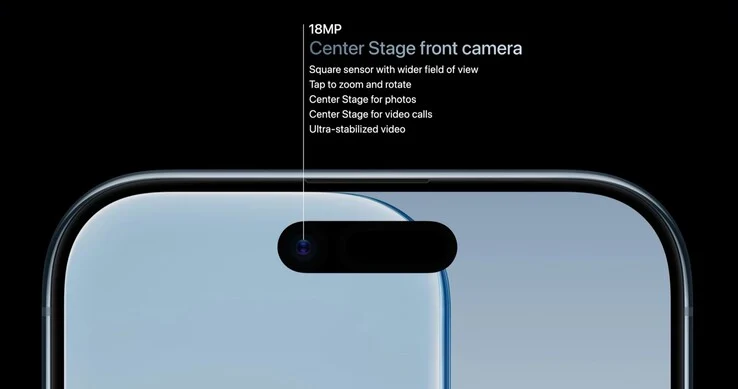
1. The iPhone 17 Pro features an innovative 18MP f/1.9 front camera with a unique square sensor, allowing easy switching between shot orientations.
2. The iPhone 17 Pro scored 154 points in the DxOMark selfie camera assessment, ranking it first among smartphones, surpassing competitors like the iPhone 16 Pro and Honor Magic6 Pro.
3. The front camera is praised for precise exposure, broad dynamic range, and true-to-life color reproduction, though skin tones may appear too warm at times.
4. With a 20mm focal length, the iPhone 17 Pro can fit larger groups into one frame more effectively than its predecessor’s 23mm lens.
5. While the camera excels in bokeh effect and depth of field, it struggles with noticeable image noise in low light and may have issues with video stabilization.
While the iPhone 16 Pro comes equipped with a 12MP f/1.9 main camera that has a small 1/3.6-inch sensor, the new iPhone 17 Pro boasts an innovative 18MP f/1.9 front camera featuring a unique square sensor. This design is not seen in any other smartphones on the market. It enables users to easily switch between square, portrait, and landscape shots without needing to rotate the device.
Impressive Performance Rankings
According to a comprehensive review by DxOMark, this enhancement has definitely paid off, as the iPhone 17 Pro achieved an impressive score of 154 points in the selfie camera assessment, securing the top spot in the rankings. Apple’s latest flagship model surpasses the iPhone 16 Pro and the Honor Magic6 Pro, both of which scored 151 points and are now in the second position. Following them are the iPhone 15 Pro with 149 points and the Google Pixel 9 Pro XL with 148 points.
Notable Camera Features
The front camera earns praise for its consistently precise exposure, broad dynamic range, and true-to-life color reproduction, although skin tones can sometimes look a bit too warm. With a 20mm focal length, it’s easier to fit larger groups into one frame compared to the predecessor’s 23mm. The depth of field is adequate, allowing for crisp images of subjects in both the foreground and background, even without a variable aperture.
Apple has also outperformed its rivals by delivering a remarkably precise bokeh effect, likely attributed to the Face ID technology. However, the relatively small sensor does exhibit noticeable image noise in low-light situations, and the image stabilization may not be entirely effective, as shown in the video linked below.
Source:
Link

Leave a Reply