Tag: iPhone 17 Pro

  • Apple A19 Pro GPU Benchmarks Show 40% Upgrade Over A18 Pro

    Apple A19 Pro GPU Benchmarks Show 40% Upgrade Over A18 Pro

    Key Takeaways

    1. Apple has launched the iPhone 17 Pro and iPhone 17 Pro Max with the new A19 Pro chipset, showing significant GPU improvements.
    2. The A19 Pro scored 6,557 on the 3DMark WildLife Extreme benchmark, a 35% increase over the A18 Pro’s score of 4,812.
    3. Despite improvements, the A19 Pro still lags behind competitors like the Dimensity 9400 and Snapdragon 8 Elite, which scored 7,003 and 7,156, respectively.
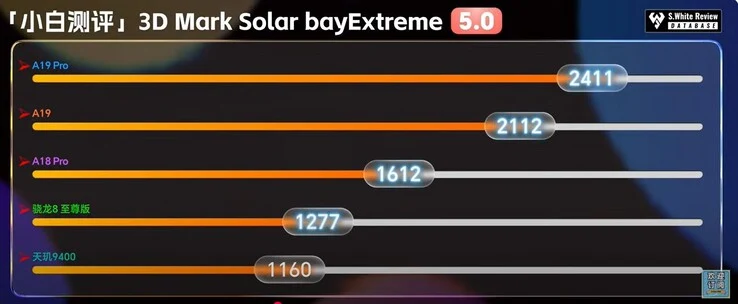
    4. The A19 Pro excels in ray-tracing tests, achieving a score of 2,411, a 50% improvement over the A18 Pro and outperforming competitors in this area.
    5. Overall, while the A19 Pro shows a 40% boost in GPU performance from the A18 Pro, it faces tough competition in raw performance from Snapdragon and Dimensity chipsets.


    Apple has launched the iPhone 17 Pro and iPhone 17 Pro Max, both powered by the new A19 Pro chipset. Recent hands-on evaluations by prominent reviewers have showcased the GPU capabilities of this new system on chip (SoC).

    Performance Scores

    According to Xiaobai’s Tech Reviews, the A19 Pro achieved a score of 6,557 on the 3DMark WildLife Extreme benchmark. In contrast, last year’s iPhone 16 Pro Max, which uses the A18 Pro, managed a score of 4,812 on the same test. This shows an impressive 35% increase in GPU performance between the two generations.

    Competitive Landscape

    Interestingly, even though the A19 Pro shows a remarkable improvement over its predecessor, it still trails behind competitors like the Dimensity 9400 and Snapdragon 8 Elite. The Dimensity 9400 and Snapdragon 8 Elite scored 7,003 and 7,156, respectively. This gap is expected to grow as the newer Dimensity 9500 and Snapdragon 8 Elite Gen 5 are set to launch next week.

    Ray Tracing and Other Tests

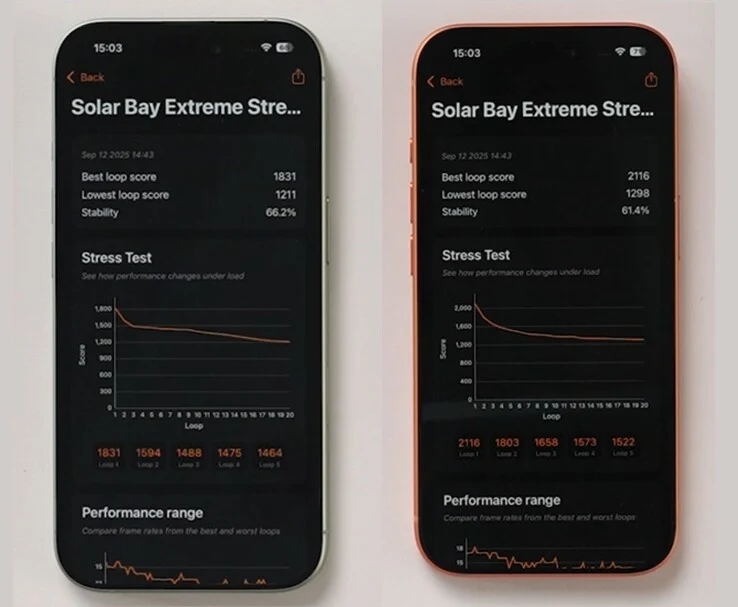
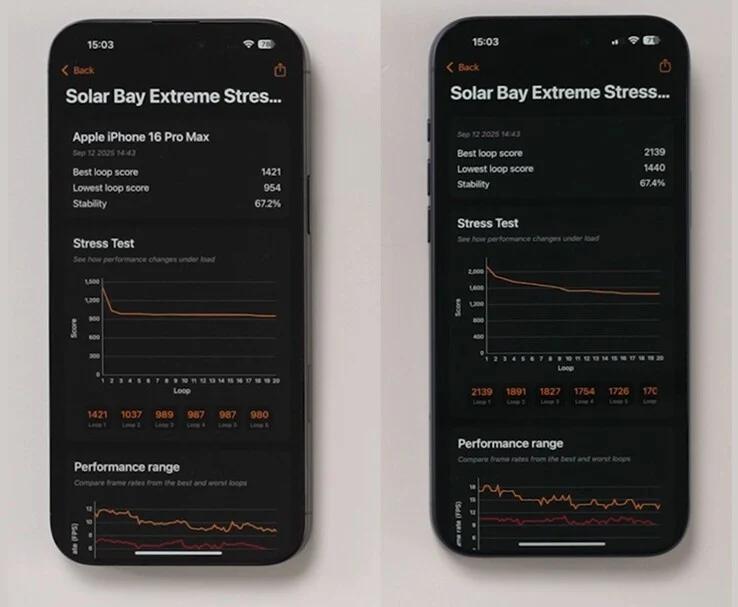
    On the other hand, the A19 Pro performs exceptionally well on demanding ray-tracing benchmarks like the Solar Bay Extreme test, where it scored 2,411 compared to the A18 Pro’s 1,612. This shows a 50% improvement. The Dimensity 9400 and Snapdragon 8 Elite fall short here too, with scores of 1,160 and 1,277, respectively.

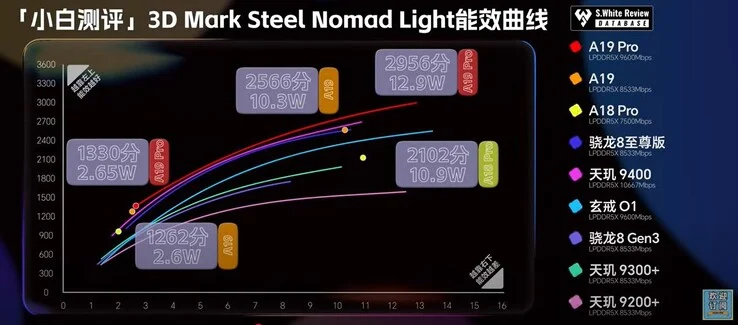
    In the Steel Nomad Light test, the A19 Pro recorded a score of 2,956, surpassing the A18 Pro’s score of 2,102, reflecting a 40% advantage. For reference, a Snapdragon 8 Elite device, the OnePlus 13 (buy on Amazon), scored 2,599, while the Vivo X200 Pro, which runs on the Dimensity 9400, scored 2,495.

    Conclusion

    To sum up, the A19 Pro provides roughly a 40% boost in GPU performance when compared to the A18 Pro from last year. However, when pitted against the Snapdragon 8 Elite and Dimensity 9400, there’s no clear winner due to the differences in benchmark performance, with the latter two exhibiting superior raw performance but lagging in ray-tracing capabilities.

    Source:
    Link


  • Xiaomi 17 Pro Expected to Cost 45% Less Than iPhone 17 Pro

    Xiaomi 17 Pro Expected to Cost 45% Less Than iPhone 17 Pro

    Key Takeaways

    1. The iPhone 17 Pro does not match Evan Blass’ pre-launch concept, while the Xiaomi 17 Pro meets its promotional promises with a rear-facing display.

    2. The Xiaomi 17 Pro will feature a “Magic Back Screen,” a 6.3-inch display, and is powered by the Snapdragon 8 Elite Gen 5 SoC.

    3. Priced at around 5,999 yuan ($843), the Xiaomi 17 Pro offers three cameras, while the iPhone 17 has two and costs more for lesser storage.

    4. The Xiaomi 17 Pro’s price is significantly lower than the iPhone 17 Pro, potentially costing 54.5% less for similar storage options.

    5. The Xiaomi 17 Pro is expected to launch primarily in the Chinese market, similar to previous Xiaomi models, limiting its availability elsewhere.


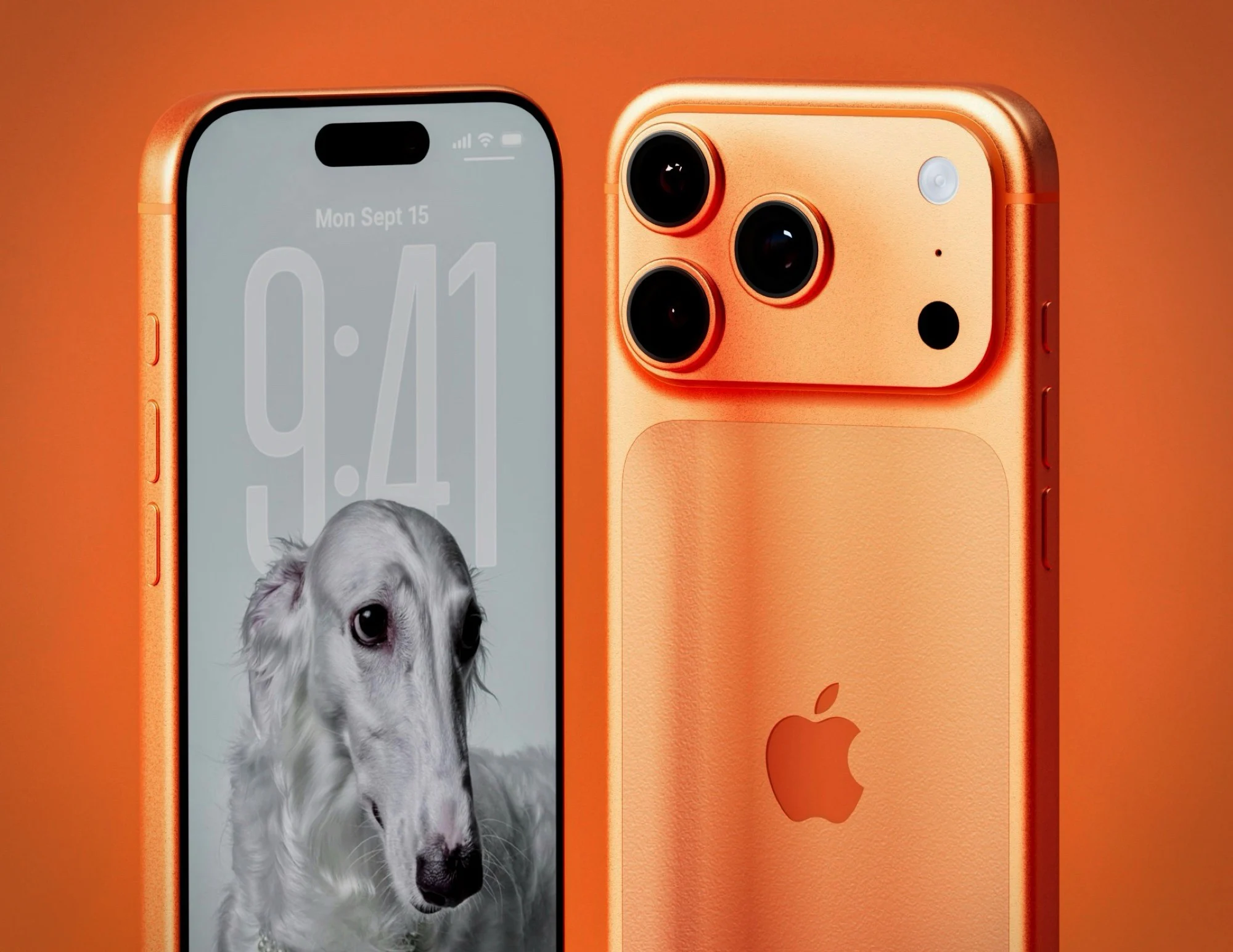
    The iPhone 17 Pro has officially missed the mark on Evan Blass’ pre-launch concept, which showcased a rear-facing display with a camera hump. In contrast, the Xiaomi 17 Pro is set to deliver on its promise, as indicated by its genuine promotional materials.

    Exciting Features of the Xiaomi 17 Pro

    This device is expected to feature a “Magic Back Screen,” maintaining a form factor around 6.3 inches, alongside a sleek, high-end display powered by the Snapdragon 8 Elite Gen 5 SoC. This new chip is seen as Qualcomm’s response to Apple’s A19 Pro.

    Competitive Pricing Comparison

    The Xiaomi 17 Pro is anticipated to be priced around 5,999 yuan (approximately $843), which coincides with the recently announced starting price of the standard iPhone 17. The iPhone 17 has two rear cameras, while the Xiaomi 17 Pro is believed to have three cameras, similar to the iPhone 17 Pro, and it runs on the more basic A19 processor.

    In addition, the stated price for the Xiaomi 17 Pro is for a model with 512GB of storage, while Apple charges the same for a 256GB version of the iPhone 17. The current iPhone 17 Pro starts at 8,999 yuan (about $1,265) for the same base storage, with the 512GB variant priced at 10,999 yuan (around $1,546).

    Market Exclusivity Insights

    If the forecast from well-known leaker Digital Chat Station comes true, the Xiaomi 17 Pro could be offered at just 54.5% of the price of its Apple counterpart with equivalent storage.

    It’s important to note that these predictions seem to pertain mainly to the Chinese market, as the 17 Pro is likely to launch exclusively there, much like the 15 Pro did previously. The 15 Pro isn’t even available on Amazon, while its compact flagship counterpart, the 15, is readily accessible.

    Source:
    Link


  • iPhone 17 Pro’s A19 Pro Outperforms A18 Pro in AnTuTu Test

    iPhone 17 Pro’s A19 Pro Outperforms A18 Pro in AnTuTu Test

    Key Takeaways

    1. Apple has launched the iPhone 17 Pro models featuring the new A19 Pro chip, which shows only minor enhancements compared to the A18 Pro.
    2. The A19 Pro chip maintains the same architecture as its predecessor, including a 6-core CPU, 6-core GPU, and 16-core Neural Engine.
    3. Initial benchmarking results show a slight performance increase of about 4%, largely due to an upgrade from 8 GB to 12 GB of RAM.
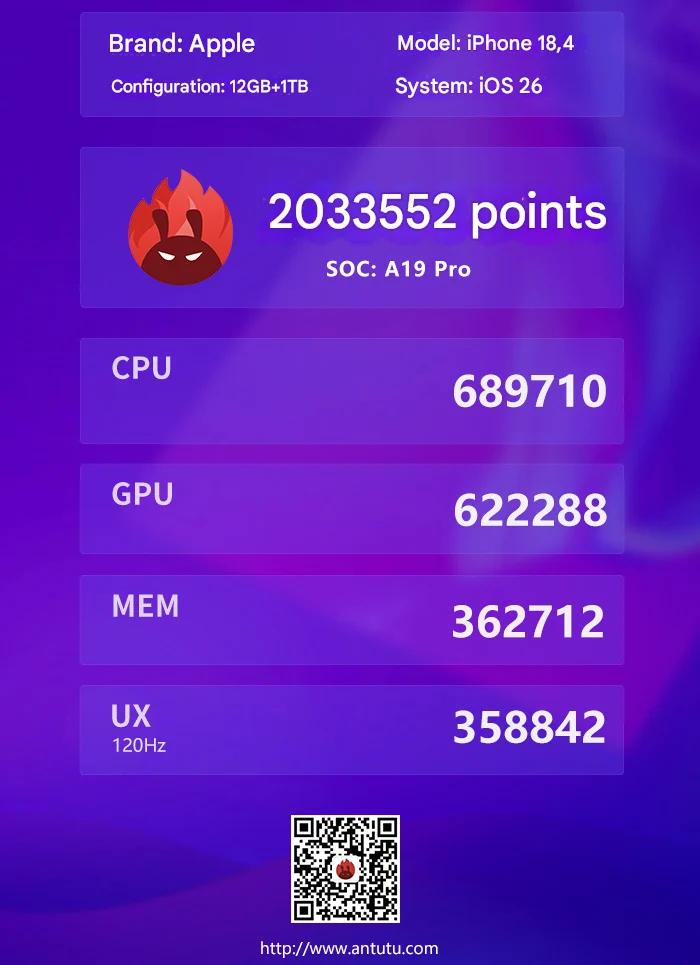
    4. The iPhone 17 Pro achieved an AnTuTu score of 2,033,552, with a notable memory score improvement of nearly 49% over the iPhone 16 Pro.
    5. The CPU score for the A19 Pro has decreased by 5.5% compared to the A18 Pro, suggesting no significant CPU performance boost is expected.


    Apple has launched the iPhone 17 Pro models, bringing several enhancements compared to the previous versions. One notable upgrade is the new A19 Pro chip. Nevertheless, there isn’t a significant difference when looking at it alongside the A18 Pro. Specifically, the latest SoC maintains the same setup as its forerunner, which includes a 6-core CPU, a 6-core GPU, and a 16-core Neural Engine.

    Performance Claims

    While Apple touts the A19 Pro as the “most powerful iPhone chip ever,” this claim largely stems from its adjustments and the vapor chamber it uses. Regarding actual performance, initial Geekbench results reveal only a minor enhancement, and an AnTuTu benchmark listing echoes this finding.

    Benchmarking Results

    AnTuTu has noted that the A19 Pro in the iPhone 17 Pro has been tested on their platform. The first benchmark results indicate that the SoC has achieved an overall score of 2,033,552 points. In contrast, the A18 Pro from the iPhone 16 Pro scored 1,954,677 in AnTuTu’s database.

    In essence, this indicates a roughly 4% increase in overall score, primarily attributed to the upgrade from 8 GB of RAM to 12 GB. Specifically, the breakdown of the AnTuTu score shows that the iPhone 17 Pro received a memory score of 362,712, which is nearly a 49% improvement over the memory score of 242,810 recorded for the iPhone 16 Pro.

    Future Considerations

    Curiously, the CPU score for the A19 Pro has dropped by 5.5% in comparison, which could be because it’s an initial benchmark score. Later AnTuTu benchmarks might provide a more favorable score. However, since the overall configuration mirrors that of the A18 Pro, there are no expectations for a dramatic CPU performance boost compared to its predecessor. For more details about the new Apple iPhone SoC, check out our launch coverage on AnTuTu’s Weibo.

    Source:
    Link


  • Leaker Criticizes Samsung’s Galaxy S Cameras, Starts Change Petition

    Leaker Criticizes Samsung’s Galaxy S Cameras, Starts Change Petition

    Key Takeaways

    1. Ice Universe criticizes Samsung’s mobile photography leadership and calls for the dismissal of the camera division head.
    2. There is growing dissatisfaction among fans regarding Samsung’s lack of significant camera upgrades compared to competitors like Vivo and Xiaomi.
    3. The upcoming iPhone 17 Pro’s new camera system poses a risk of Samsung falling behind Apple in mobile photography.
    4. Ice Universe has launched a petition for the replacement of Samsung’s camera division head, garnering over 3,000 signatures.
    5. Samsung’s flagship Galaxy S phones are currently not ranked among the top ten for camera quality, raising concerns about future models like the Galaxy S26.


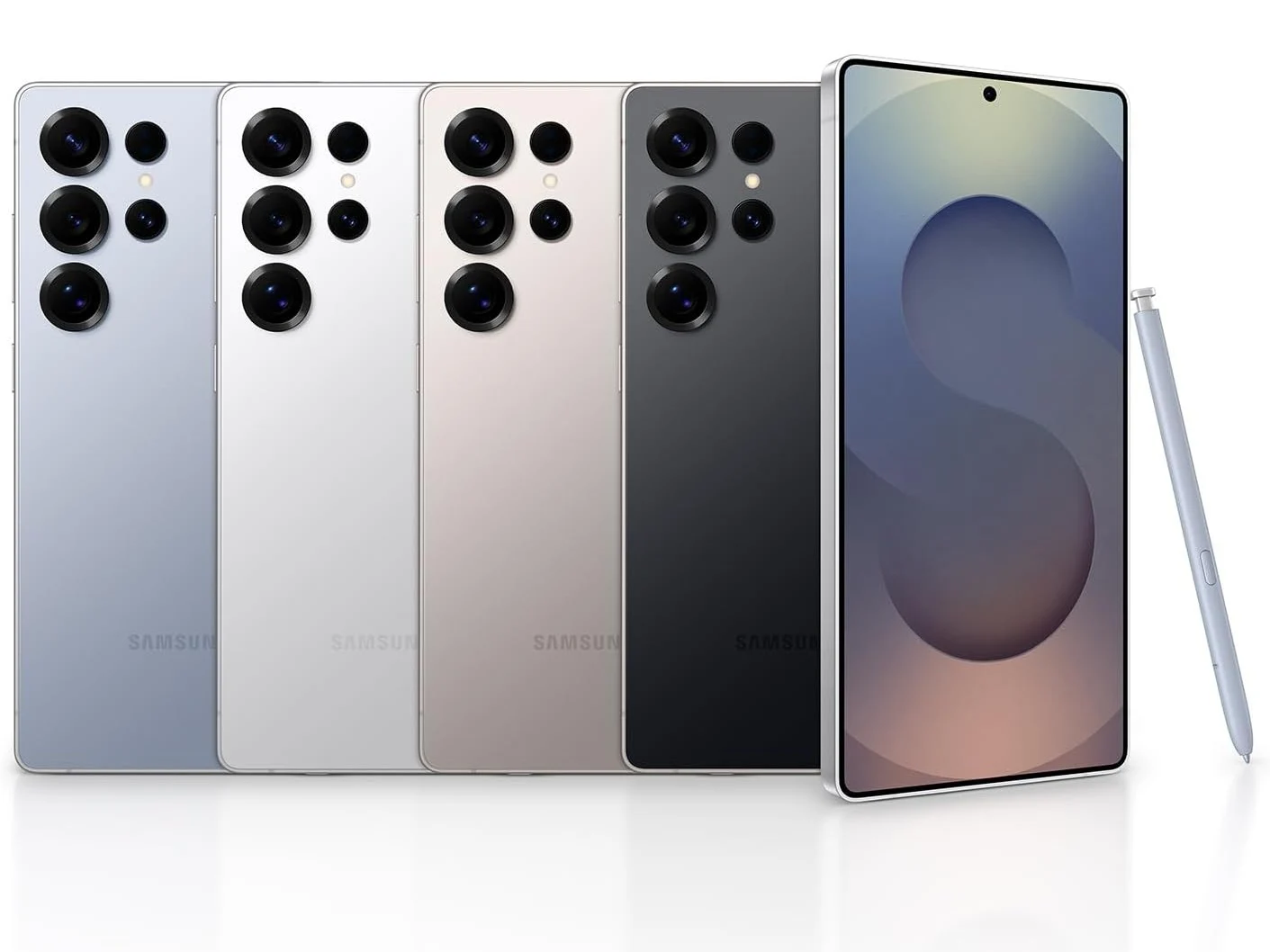
    For several days, Ice Universe has been actively criticizing Samsung’s current head of mobile photography on X. This leaker, known for their harsh remarks about Samsung, has been contrasting photos taken with the Galaxy S25 Ultra against those from other flagship devices to highlight how much the competition has moved ahead of Samsung.

    Open Letter to Samsung’s CEO

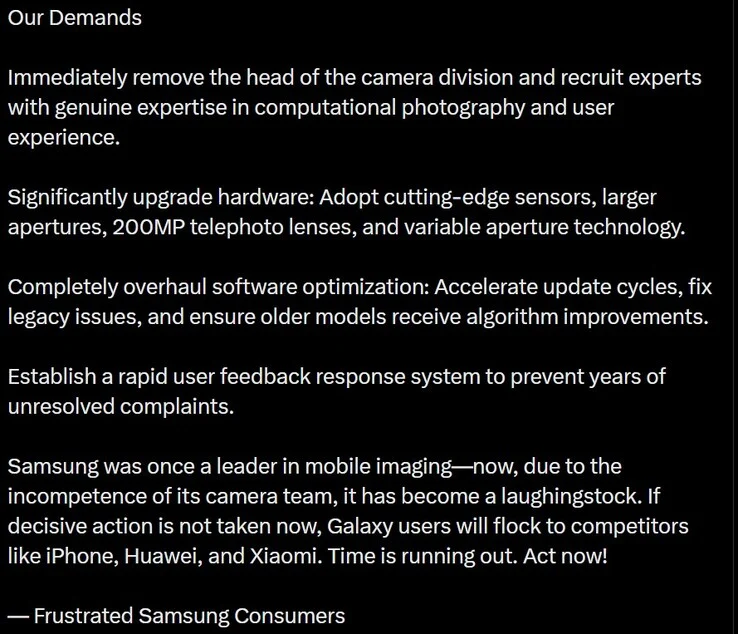
    Ice Universe seems to have taken their opposition to Samsung’s alleged negligence very seriously, even writing an open letter to the CEO of Samsung on X, urging him to dismiss the head of the camera division. This open letter reflects a growing dissatisfaction among fans. Many users replying to Ice Universe’s posts on X express that Samsung no longer leads in mobile photography. Years without significant camera enhancements have arguably left the company trailing behind Chinese rivals like Vivo and Xiaomi.

    Concerns Over Upcoming Releases

    Furthermore, with the introduction of the iPhone 17 Pro featuring a new 48 MP “Fusion” camera system, there is a risk that Samsung may fall behind Apple. Reports suggest the Galaxy S26 series may not include important camera upgrades again, potentially making the Galaxy S26 phones less appealing as camera options next year.

    This worry forms the basis of Ice Universe’s plea to Samsung’s CEO TM ROH. The leaker outlined nine reasons why Samsung has lagged in the camera field. Some significant points include:

    Due to these reasons, Ice Universe has not only committed to sharing the open letter daily on X but is also launching a petition titled “Urgent Replacement of Samsung Camera Division Head,” which has already garnered over 3,000 verified signatures at the time of this writing.

    The Need for Improvement

    While it’s uncertain how much impact Ice Universe’s petition will have, it’s clear that Samsung must enhance its efforts. The flagship Galaxy S phones, once regarded as some of the best camera phones available, currently do not even make it to the top ten rankings according to DXOMark.

    Ultimately, it remains to be seen how the camera quality of the Galaxy S26 will compare to that of the iPhone 17 Pro, Vivo X300 Pro, and others in the market.

    Source:
    Link


  • Apple’s iPhone 17 Pro Camera Marketing Hides Key Weaknesses

    Apple’s iPhone 17 Pro Camera Marketing Hides Key Weaknesses

    Key Takeaways

    1. The iPhone 17 and iPhone 17 Pro have improved cameras, especially in telephoto and front-facing options, but overall camera performance still shows limitations compared to previous models.
    2. The ultra-wide camera experiences vignetting and captures less detail in the corners, relying on digital zoom for macro photography, similar to the iPhone 16 series.
    3. Macro mode requires users to get very close to subjects, leading to distorted views and increased depth of field, with the iPhone Air lacking macro support entirely.
    4. Apple’s marketing claims about 8x optical zoom on the iPhone 17 Pro and Pro Max are misleading, as this zoom is achieved through digital magnification, not true optical zoom.
    5. The quality of digital zoom is questionable, effectively reducing the telephoto camera’s capabilities compared to older models, raising concerns about misleading advertising practices in the industry.


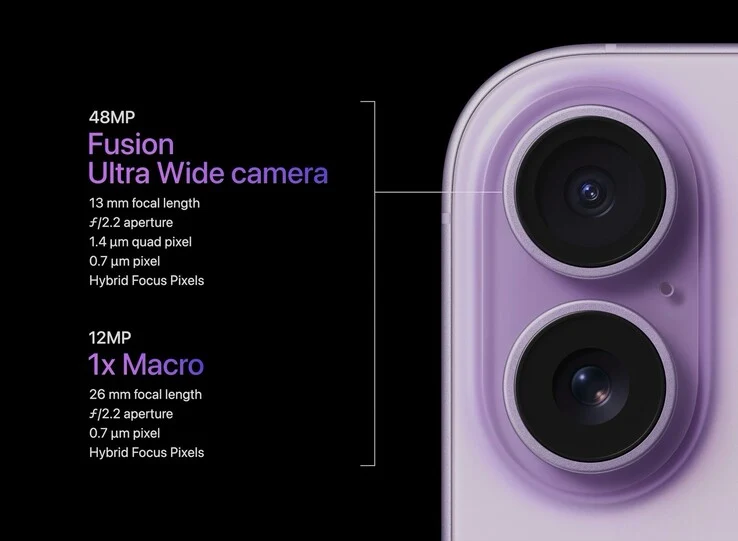
    According to Apple, the iPhone 17 and iPhone 17 Pro bring notable upgrades to their cameras, but when compared to the iPhone 16, the enhancements are mainly seen in the telephoto and front-facing cameras. The iPhone 17 and iPhone Air both feature a 48 MP f/2.2 ultra-wide camera with a 1/2.55-inch sensor and a 48 MP main camera that combines a 1/1.55-inch sensor with an f/1.6 lens. In contrast, the iPhone 17 Pro is equipped with an f/1.78 lens and a 1/1.28-inch sensor.

    Limitations in Camera Performance

    The inability of Apple to make improvements to these cameras presents several challenges for users. For instance, the ultra-wide camera still suffers from noticeable vignetting in initial sample images, and the corners of the photos capture significantly less detail. Additionally, Apple continues to depend on the ultra-wide camera for macro photography, just like it did with the iPhone 16 series. It also uses a standard 2x digital zoom, which effectively turns the camera into a 26mm macro camera with a small 1/5-inch sensor.

    Macro Mode and User Experience

    While it is possible to utilize the complete 48 MP sensor and 13 mm field of view in macro mode, users have to get really close to their subjects to take a large format shot. Even Apple’s sample photos indicate that, in contrast to rivals that allow macro photography with the telephoto lens, the wide-angle lens creates a distorted view with a significantly increased depth of field. The reliance on the ultra-wide camera also means that the iPhone Air does not even support macro mode at all.

    Misleading Marketing Practices

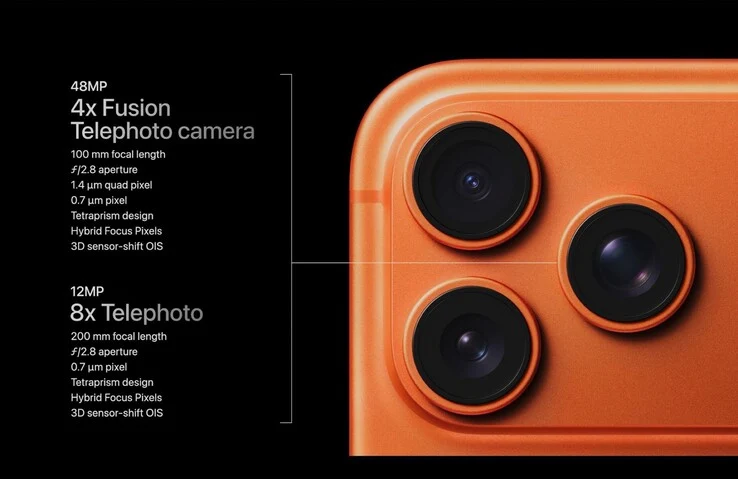
    What’s even more frustrating is that Apple’s marketing seems to be more misleading than ever before. The company claims that both the iPhone 17 Pro and iPhone 17 Pro Max can achieve 8x optical zoom with a focal length of 200mm, which could be considered a blatant falsehood without a lot of fine print. The 48 MP telephoto camera, which has a 1/2.55-inch sensor, provides a 35mm-equivalent focal length of 100mm. The touted 8x zoom can only be achieved through digital magnification.

    Apple asserts that the quality of this digital zoom is comparable to optical zoom, but this claim is questionable. Essentially, digital zoom reduces the camera to a 12 MP telephoto camera with a tiny 1/5-inch sensor, and the effective sensor area is less than half the size of the 5 MP sensor used in the iPhone 4 from 2010. Apple is not the only company engaging in this misleading advertising; for example, Samsung also promotes a 2x “optical quality zoom” for the Galaxy S25. Overall, Apple’s aggressive marketing tactics risk misleading unsuspecting consumers.

    Source:
    Link


  • Vivo Compares iPhone 17 Pro Camera Bump to X300 Designs

    Vivo Compares iPhone 17 Pro Camera Bump to X300 Designs

    Key Takeaways

    1. Apple has launched the iPhone 17 series, featuring a new 48 MP telephoto lens with 8x zoom on the Pro models.
    2. Vivo’s X300 will have a cold-carved glass design with a compact camera bump that protrudes only 1.28 mm.
    3. Vivo compares camera bumps, claiming the X300’s design is smoother and more compact than the iPhone 17 Pro.
    4. The X300 series will feature a BOE Q10 Plus display with “1-nit low brightness” technology for better viewing in low light.
    5. Vivo positions the X300 series as a strong alternative to Apple in the Android market, with more details expected soon.


    Apple has officially launched the iPhone 17 series, and the Pro versions show a significant enhancement in their camera features compared to the previous models. On the hardware front, the iPhone 17 Pro now includes a new 48 MP telephoto lens on the back, which allows for an impressive 8x zoom. This is a clear improvement from the 5x optical zoom seen in Apple’s former flagship devices.

    Vivo’s New Design

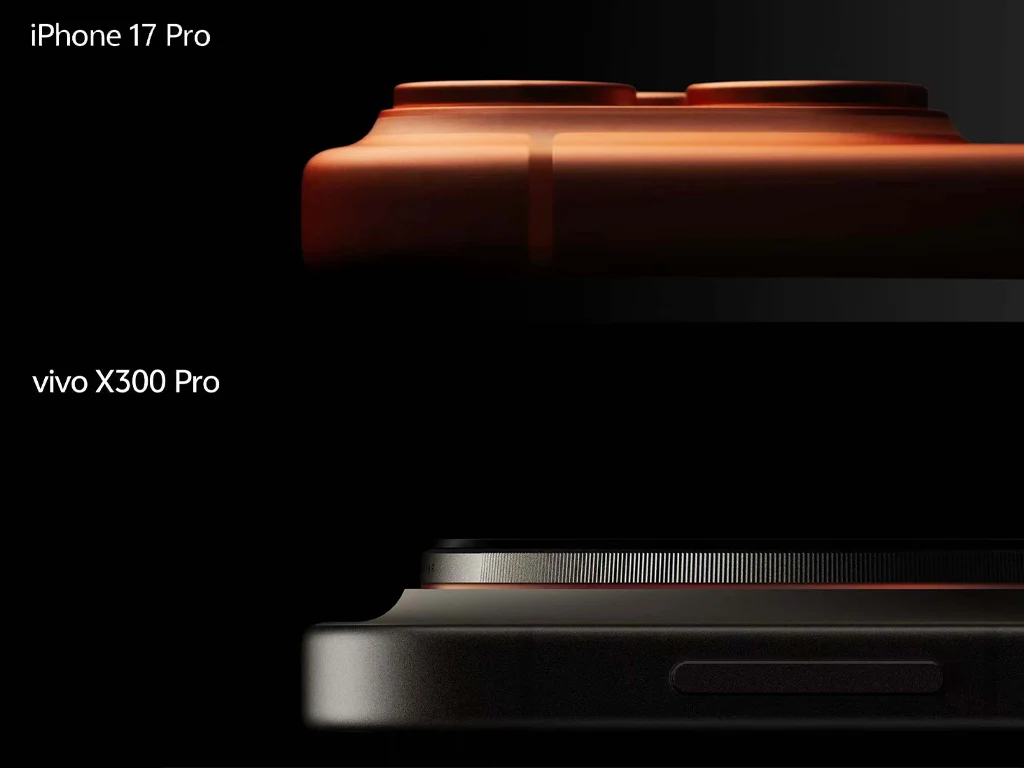
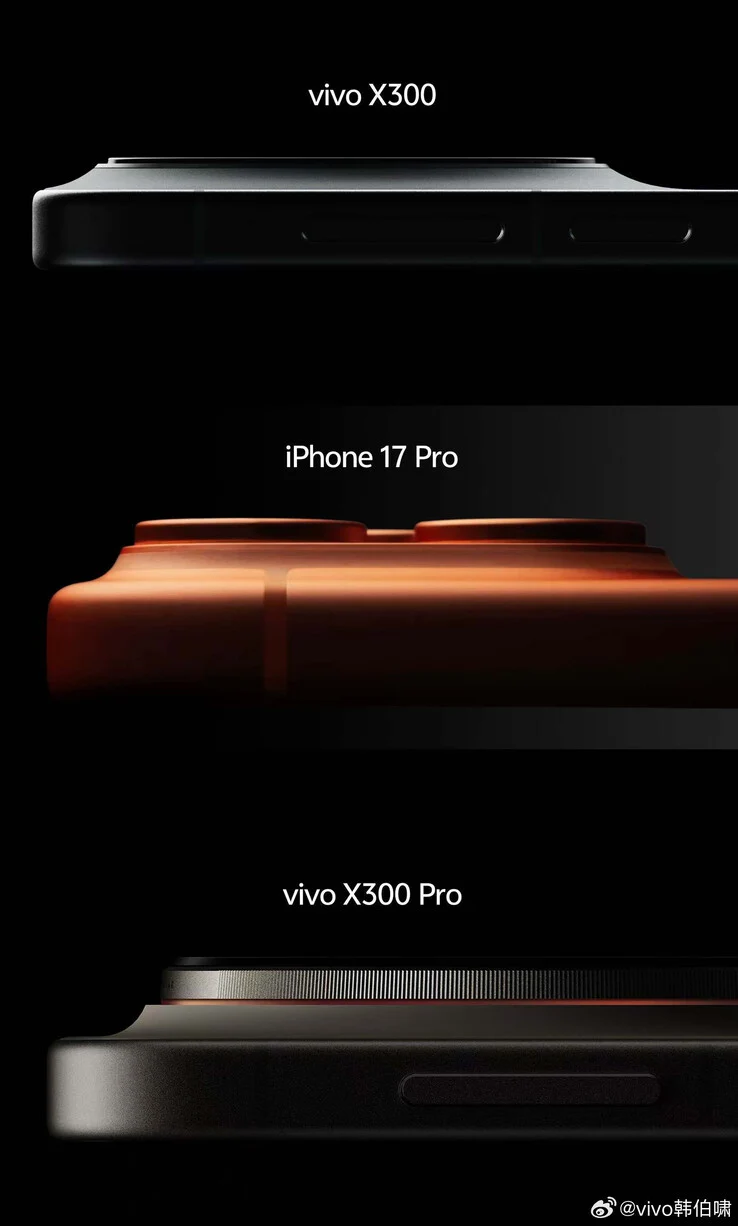
    In related news, Vivo has announced that the X300 will sport a cold-carved glass design on its rear, which includes a more elegant camera bump. Specifically, the company has stated that the camera module only sticks out 1.28 mm from the back glass.

    Comparing Camera Bumps

    Following Apple’s reveal of the iPhone 17 Pro, Vivo has demonstrated how the camera bump of Apple’s new flagship measures up against the X300 and X300 Pro. The company pointed out that while both upcoming flagship models come equipped with a large 200 MP sensor, they feature smaller camera bumps in comparison.

    Vivo emphasizes that the camera bump on the X300 is the most compact of the three, offering a smoother design than that of the iPhone 17 Pro. Through this comparison, the company has reiterated that the X300 Pro will include two 200 MP sensors, branding it as the “king of imaging.”

    Display Enhancements

    A recent Weibo post also highlighted that the X300 series will come with the BOE Q10 Plus display. This “luminous material” screen boasts “1-nit low brightness” technology, which ensures a pleasant viewing experience even in dark settings.

    With these improvements over the X200 series (12/256 GB Pro currently priced at $741.06 on TradingShenzhen), Vivo asserts that the X300 series will stand out as the “strongest alternative to Apple” in the Android market. More information regarding these forthcoming flagship devices is anticipated to be disclosed in the days ahead.

    Source:
    Link


  • Apple iPhone 17 Pro Max: Six Cases and Adjustable Crossbody Strap

    Apple iPhone 17 Pro Max: Six Cases and Adjustable Crossbody Strap

    Key Takeaways

    1. The iPhone 17 Pro and Pro Max feature a new design, a 48 MP telephoto camera, and Apple’s most powerful processor.
    2. Apple offers six protective case options, including the eco-friendly TechWoven case made from 100% recycled polyester.
    3. The $49 Silicone Case and Clear Case provide alternative styles, with the Clear Case designed to resist yellowing.
    4. Beats-branded cases include the Rugged Case for drop protection, the standard Beats Case, and the innovative Kickstand Case with a removable stand.
    5. A crossbody band is available for $59, compatible with certain cases, made from recycled PET fibers, and adjustable in length.


    The Apple iPhone 17 Pro and iPhone 17 Pro Max come with a fresh design, a 48 MP telephoto camera, and the most powerful processor Apple has created so far. They also offer a wider selection of accessories, indicating that Apple is stepping into the case market more assertively, reducing reliance on third-party manufacturers.

    Case Options

    There are six distinct protective cases offered by Apple, starting with the new TechWoven case, which aims to take the place of the delicate FineWoven options. This case is crafted from 100% recycled polyester, making it a more eco-friendly choice. It features a slightly textured TPU coating to ensure a better grip. As with all Apple cases, the TechWoven case supports MagSafe and includes a camera shutter button. The cost for this case is set at $59.

    Alternatives in Color and Style

    For those preferring vibrant hues, Apple has a $49 Silicone Case that provides a smooth surface and is made of 45% recycled silicone. Another option is the new iPhone 17 Pro Clear Case, which has a partially white back and is also priced at $49. This case promises to be relatively scratch-resistant and is designed not to yellow over time.

    Special Features with Beats Branding

    Apple has also introduced three cases under the Beats brand. The Rugged Case, priced at $79, is designed specifically for superior drop protection with thicker, shock-absorbing side panels. The standard Beats Case, which costs $45, is thinner and made of polycarbonate with a matte finish.

    Innovative Kickstand Feature

    A notable new option is the Beats Kickstand Case, which safeguards the iPhone 17 Pro for $59 and includes a unique stand that attaches to the case via a wrist strap. This strap, along with the stand, can be removed if you don’t need it.

    Crossbody Convenience

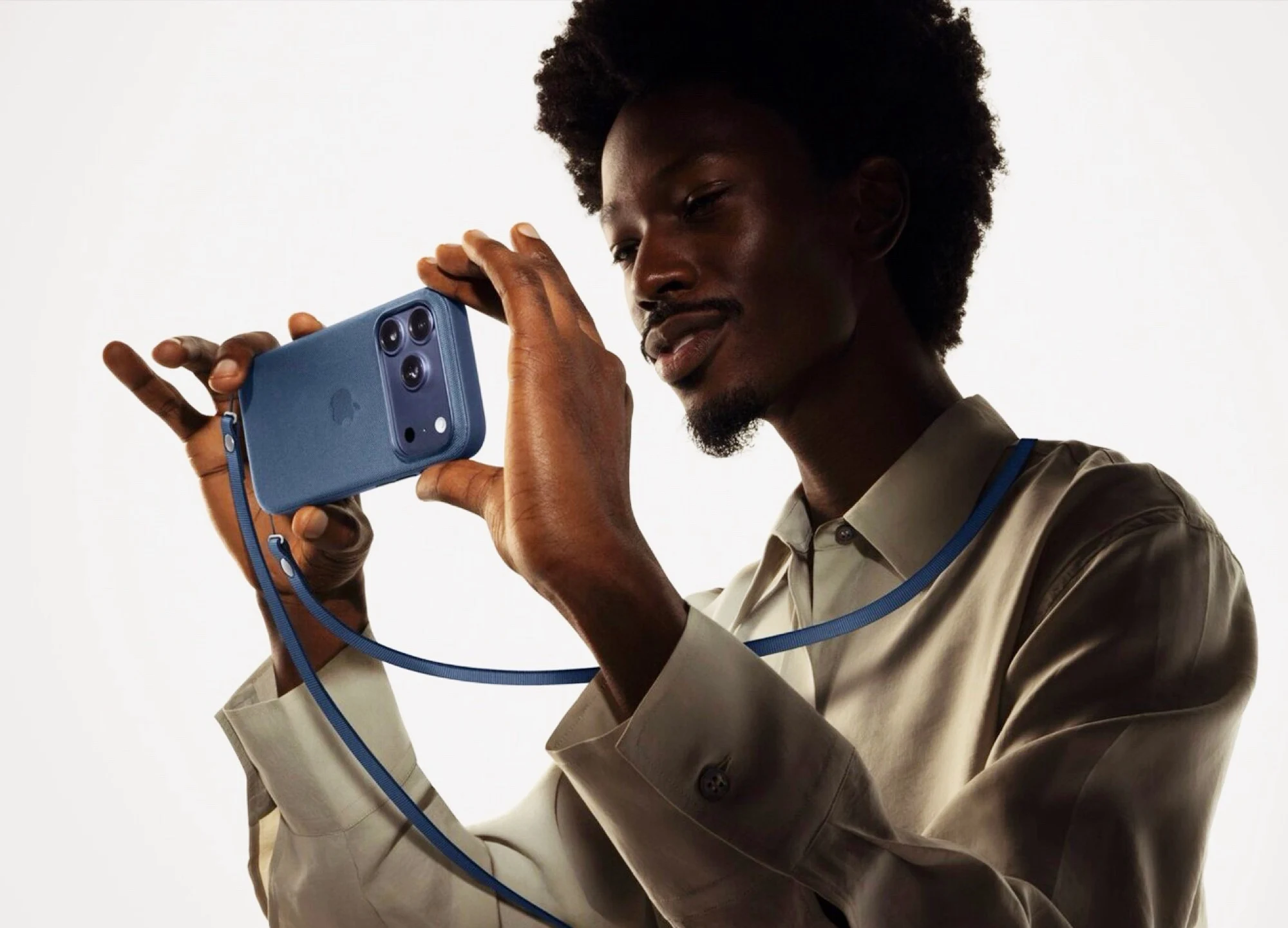
    Finally, Apple provides a crossbody band for $59, available in ten colors. This shoulder strap can be attached to either the TechWoven case or the Apple silicone case, allowing you to carry the iPhone 17 Pro or iPhone 17 Pro Max comfortably over your shoulder. The strap is entirely made from recycled PET fibers, and its integrated magnets enable continuous length adjustment from 1.08 to 2.08 meters.

    Source:
    Link


  • Apple Announces iPhone 17, iPhone Air, and iPhone 17 Pro Battery Specs

    Apple Announces iPhone 17, iPhone Air, and iPhone 17 Pro Battery Specs

    Key Takeaways

    1. The iPhone 17’s battery capacity increased by 3.7% compared to the iPhone 16, while the iPhone 17 Pro saw an 18.7% increase, and the iPhone 17 Pro Max had an 8.6% increase.
    2. The iPhone 17 Pro is Apple’s first smartphone with a battery capacity exceeding 5,000 mAh, just below the 20 Wh threshold for hazardous material classification.
    3. The iPhone Air features a smaller battery of 3,149 mAh, which is 32.6% less than the iPhone 16 Plus.
    4. The iPhone Air is designed to be slimmer at 5.64 millimeters, 27.6% thinner than its predecessor.
    5. Apple offers a $99 magnetic power bank for the iPhone Air, extending battery life by up to 65%.


    As is typical, Apple hasn’t disclosed the precise battery capacities for the new iPhones, but the EU energy labels on the Apple Online Store have made this information clear. The battery in the iPhone 17 has seen a slight increase of 3.7% compared to its predecessor, the iPhone 16. In contrast, the iPhone 17 Pro boasts a larger battery, with an increase of 18.7%, and the iPhone 17 Pro Max features an 8.6% higher capacity.

    Battery Capacity Highlights

    Notably, the iPhone 17 Pro marks a significant milestone as Apple’s first smartphone to have a battery capacity exceeding 5,000 mAh. This positions it just below the 20 Wh threshold, which requires batteries in Germany, Austria, and the USA to be classified as hazardous materials, leading to increased shipping costs.

    iPhone Air Specifications

    In contrast, the iPhone Air’s battery is considerably smaller, at 3,149 mAh, which is 32.6% less than the iPhone 16 Plus’s battery. However, the iPhone Air is also designed to be slimmer, coming in at 5.64 millimeters, which is 2.16 millimeters or 27.6% less thick. To help mitigate the impact of the smaller battery, Apple is providing a $99 magnetic power bank for iPhone Air users, which can attach to the back of the phone and extend battery life by up to 65%.

    Source:
    Link


  • Apple iPhone 17 Pro: Turn Off PWM to Avoid OLED Flickering

    Apple iPhone 17 Pro: Turn Off PWM to Avoid OLED Flickering

    Key Takeaways

    1. The iPhone 16 Pro uses PWM at a frequency of 239Hz to adjust screen brightness, leading to potential flickering.
    2. Users sensitive to flickering may experience eye fatigue and headaches, while others may not notice it.
    3. The iPhone 17 Pro introduces an option to disable PWM, potentially improving the experience for sensitive users.
    4. Disabling PWM may affect display performance at lower brightness, though specifics are unclear.
    5. It’s uncertain if the PWM-off feature will be available on other iPhone models with iOS 26.


    In our detailed examination of the Apple iPhone 16 Pro, we discovered that this top-tier smartphone utilizes PWM to lower the screen brightness, similar to most current OLED devices. Our tests showed a PWM frequency of 239Hz with a 15% amplitude, indicating the screen flickers 239 times every second. The way the display behaves can vary a bit based on the brightness level set.

    Implications of Low PWM Frequency

    A PWM frequency of 239Hz might make the screen flicker noticeably, which can lead to eye fatigue and headaches in users who are sensitive to such changes. On the other hand, those who are less sensitive often do not pick up on any flickering at all. Recently, MacRumors has verified that the Apple iPhone 17 Pro introduces a feature that allows users to turn off PWM completely, which could enhance the user experience for certain individuals. However, this setting needs to be activated manually in the system preferences.

    Performance Considerations

    When this feature is turned on, users receive a warning that it might negatively impact the display performance at lower brightness levels, but it’s not defined whether Apple is talking about response time, refresh rate, or color fidelity. Additionally, it remains uncertain whether this function will be accessible on other iPhone models running iOS 26 or how Apple will manage screen dimming without relying on PWM. More details on this topic will be included in our in-depth review of the iPhone 17 lineup.

    Source:
    Link


  • Apple A19 Pro GPU Leaked Benchmark Rivals M Series Chip Performance

    Apple A19 Pro GPU Leaked Benchmark Rivals M Series Chip Performance

    Key Takeaways

    1. The Apple A19 Pro chip in the iPhone 17 Pro shows a significant GPU performance boost with a Geekbench 6 Metal score of 45,657.
    2. The A19 Pro outperforms its predecessor, the A18 Pro, which scored 32,673, and is close to the iPad M2’s score of 45,862.
    3. The A19 Pro typically features a six-core GPU, while the iPhone Air version has a trimmed-down five-core GPU.
    4. The A19 Pro introduces a revised GPU architecture, enhancing performance for the Pro series devices.
    5. The improved GPU capabilities are expected to facilitate the introduction of more AAA games on Apple mobile devices.


    The GPU capabilities of the Apple A19 Pro found in the new iPhone Air, 17 Pro, and Pro Max have reportedly seen a significant enhancement this year, according to a leaked message. Recently, Vadim Yuryev (@VadimYuryev) shared on X (previously known as Twitter) the Geekbench 6 Metal score for the iPhone 17 Pro with the A19 Pro chip, acknowledging @jimmyjames_tech for discovering this information.

    Performance Scores Revealed

    In the post, a screenshot displays a Geekbench 6 GPU Metal score of 45,657. Vadim compared this to the A18 Pro, which received a score of 32,673, and the iPad M2 chip, which scored 45,862 in the identical test.

    Based on data from Notebookcheck, the A18 Pro logged 33,074 points, while the M2 chip had an average of 44,473 points in the Geekbench 6 GPU benchmark.

    CPU Insights

    We also recently touched on the leaked CPU performance details of the A19 and A19 Pro, which you can check out here. The A19 Pro generally features a six-core GPU, but the version in the iPhone Air is trimmed down to five GPU cores, similar to the standard A19. It employs a revised GPU architecture, consistent with the Pro series (iPhone 17 Pro and Pro Max).

    If the screenshots are accurate, the A19 Pro is poised to be a genuine game changer regarding GPU capabilities. With Apple likely to bring in more AAA games to its mobile devices, such impressive performance will be extremely advantageous.

    Source:
    Link