
Key Takeaways
1. Scratchgate Issue: Reports of scratches, especially around the camera area of the iPhone 17 Pro, have been confirmed by iFixit through detailed examination.
2. Material Weakness: The anodized aluminum layer is more fragile at sharp edges, leading to chipping and exposing the underlying metal when subjected to pressure.
3. Repairability Changes: The iPhone 17 Pro features a battery secured with screws for easier replacement, but repairs are now more complicated as most require access through the display.
4. Heat Management Improvement: A new vapor chamber has been added for better heat distribution and thermal efficiency, helping to manage the heat from the A19 Pro chip.
5. User Recommendations: Owners should consider using a protective case, avoid contact with hard objects, and clean the phone gently to minimize the risk of scratches.
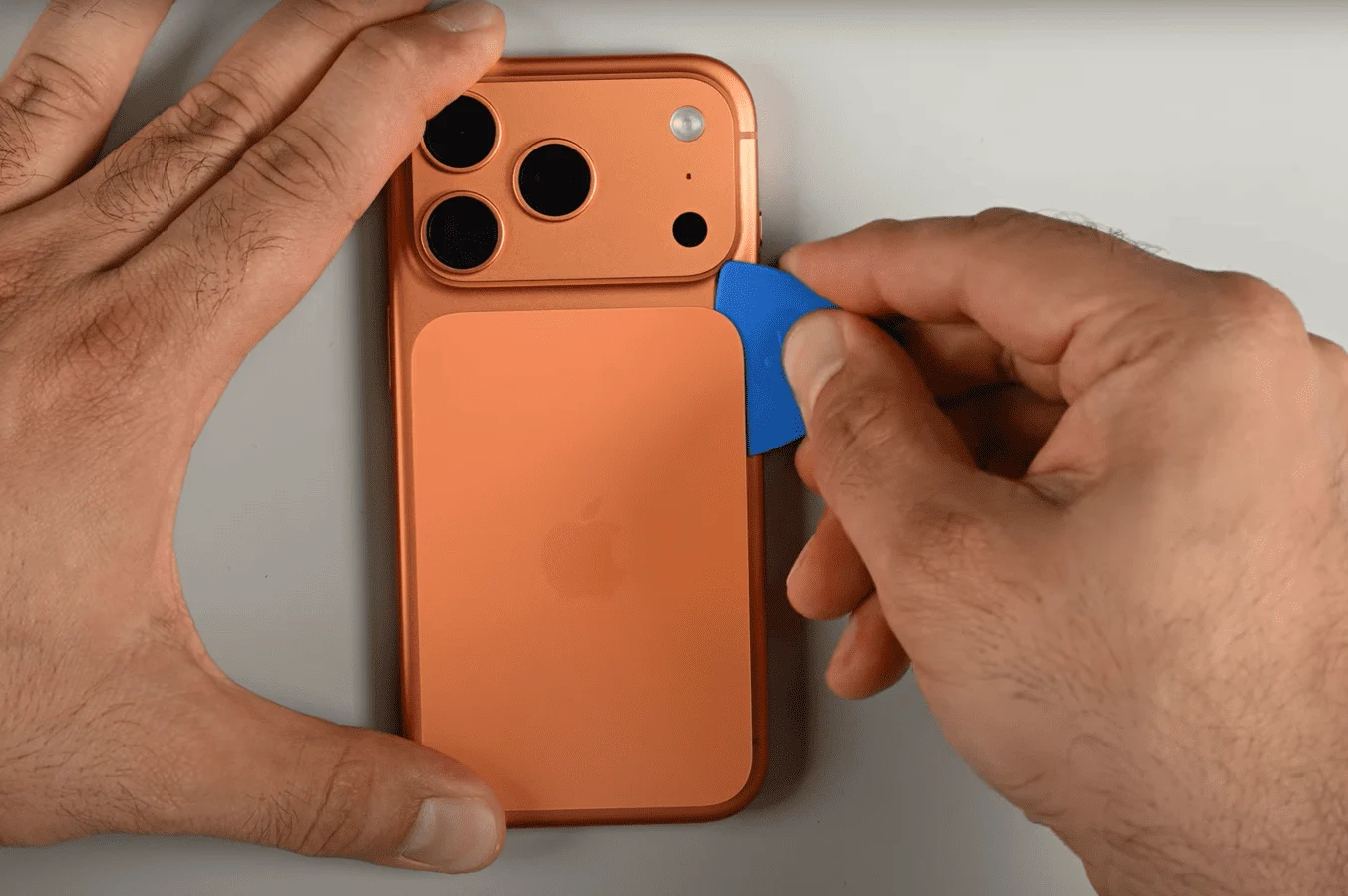
From the time users started to use the iPhone 17 Pro, reports of scratches have emerged, particularly around the camera area. In a recent teardown, iFixit validated this concern through a microscope, revealing how the anodized aluminum layer peels off at sharp edges, exposing the shiny aluminum beneath. This issue has been labeled Scratchgate and has raised significant questions about Apple’s choices in materials and the overall design.
Expert Analysis on the Problem
iFixit enlisted the help of materials experts and utilized the Evident DSX2000 microscope to scrutinize the finish under pressure. They conducted tests using picks that simulate the hardness of coins or keys. On flat surfaces, the anodized finish fared better, with most scratches appearing superficial. However, at the sharp corner of the camera bump, the oxide layer suffered severe chipping. According to iFixit, “when faced with a pick similar to a penny, the iPhone 17 Pro’s anodized coating chips away, exposing the shiny aluminum underneath.”
Understanding the Weakness
To gain a clearer picture of the issue, iFixit spoke with materials scientist David Niebuhr. He indicated that the anodized layer is more fragile around sharp transitions. He noted that thickening the oxide layer wouldn’t solve the problem, as it would lead to more flaking and loss of the underlying material. As Niebuhr stated, “Apple could have avoided this by designing a smoother curve and steering clear of sharp corners.”
Changes in Repairability
The teardown also disclosed various modifications concerning repairability. For the first time, the iPhone’s battery is housed in a tray secured by fourteen Torx Plus screws. iFixit mentioned this as a positive change since it eliminates the messy adhesive removal usually required during battery swaps. However, Apple has removed the dual-entry repair layout. The back panel now solely allows access to the wireless charging components, while most repairs need to be done through the display, which heightens the risk of damage during servicing.
In addition, Apple has integrated a vapor chamber for heat management in the iPhone 17 Pro. This chamber helps distribute heat via a copper lattice and enhances thermal efficiency compared to previous models. CT scans from iFixit demonstrated its placement between the battery and the logic board, effectively directing heat away from the A19 Pro chip. So far, Apple has not publicly addressed the Scratchgate issue or announced any measures to assist affected users.
Recommendations for Users
If you currently own or are thinking about purchasing an iPhone 17 Pro, it would be wise to use a case that shields the camera plateau, as this is the best method to minimize scratches. Refrain from tossing the phone into pockets with coins or keys, clean it gently with a soft cloth, and document any scratches right away if they show up. Although Scratchgate does not impact the phone’s performance, at this price point, any cosmetic damage can be quite frustrating for owners.
Source:
Link
Leave a Reply