Tag: Scratchgate

  • iPhone 17 Pro and Pro Max Dents and Scuffs Even in Cases

    iPhone 17 Pro and Pro Max Dents and Scuffs Even in Cases

    Key Takeaways

    1. Users are reporting significant scratches and scuffs on the iPhone 17 Pro and Pro Max shortly after release, leading to the term “scratchgate.”
    2. Many users experienced damage from minor drops, even while using reputable protective cases like Spigen and Pelican, which are usually effective.
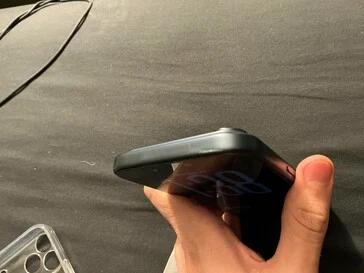
    3. Damage tends to occur around the top edges of the devices, raising concerns about the iPhone 17’s durability despite using protective gear.
    4. The shift from titanium to aluminum in the iPhone 17 models may contribute to increased damage due to the added weight, resulting in greater impact force.
    5. While current damage is mainly cosmetic, it suggests potential risks for more serious issues from higher drops, making AppleCare a wise investment for users.


    Apple’s latest iPhone 17 Pro and Pro Max models have quickly become embroiled in what some are calling “scratchgate.” Just days after their release, several demo units and early users have reported noticeable scuffs and scratches. Recent complaints from users indicate that the issue may be even more severe; some owners claim their devices are getting damaged even while housed in protective cases.

    User Experiences

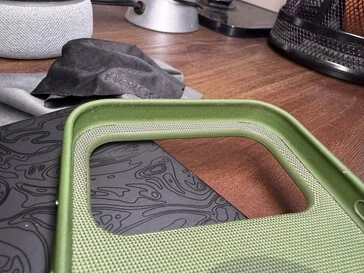
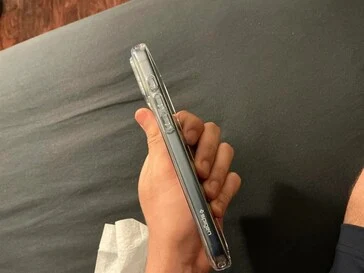
    On the subreddit r/iPhone17Pro, numerous iPhone 17 Pro users shared their experiences of damage after seemingly small drops, even with trusted cases. One user, u/Jman42023, mentioned that their new iPhone 17 Pro Max was dented after a fall from waist height while in Apple’s official Tech Woven Case. Another user, u/ChakiWRLD, expressed frustration that their iPhone 17 Pro sustained bruises from a 3-foot drop, all while using both a Spigen case and a screen protector.

    Surprising Damage Reports

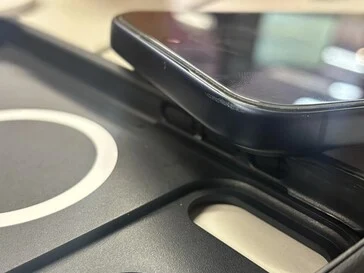
    A third user, u/holden_downunder98, voiced similar complaints, stating that their iPhone 17 Pro experienced impact damage while inside a Pelican case, which is particularly shocking since Pelican cases are usually known for their robust, heavy-duty protection. The damage consistently appears around the phone’s top edges. While Apple’s case may not provide much in terms of impact resistance, Spigen and Pelican cases have a strong reputation for drop protection. In fact, Pelican rates its most basic iPhone 17 Pro cases for drops from as high as 16 feet, suggesting that they should be able to handle falls from pocket height without issue.

    Material Concerns

    The shift from titanium to aluminum seems like it might be working against Apple this time. This isn’t the first time Apple has utilized aluminum; both the iPhone 16 and 16 Plus featured frames made from 100% recycled aluminum. However, the iPhone 17 Pro and Pro Max are noticeably heavier than the standard versions, resulting in greater force upon impact when dropped. This could explain why even devices that are well-protected are showing visible damage after minor falls.

    Currently, the damage appears to be primarily cosmetic, yet it highlights the potential for more serious issues if the Pro models are dropped from greater heights. Using a case should still help reduce the risk of damage. Spigen has introduced rugged cases for the iPhone 17 series, and other brands like OtterBox provide even more robust options. Ultimately, it looks like having AppleCare will be essential for users this year.

    Source:
    Link


  • iPhone 17 Pro Scratchgate: iFixit Reveals Aluminum Damage Risk

    iPhone 17 Pro Scratchgate: iFixit Reveals Aluminum Damage Risk

    Key Takeaways

    1. Scratchgate Issue: Reports of scratches, especially around the camera area of the iPhone 17 Pro, have been confirmed by iFixit through detailed examination.

    2. Material Weakness: The anodized aluminum layer is more fragile at sharp edges, leading to chipping and exposing the underlying metal when subjected to pressure.

    3. Repairability Changes: The iPhone 17 Pro features a battery secured with screws for easier replacement, but repairs are now more complicated as most require access through the display.

    4. Heat Management Improvement: A new vapor chamber has been added for better heat distribution and thermal efficiency, helping to manage the heat from the A19 Pro chip.

    5. User Recommendations: Owners should consider using a protective case, avoid contact with hard objects, and clean the phone gently to minimize the risk of scratches.


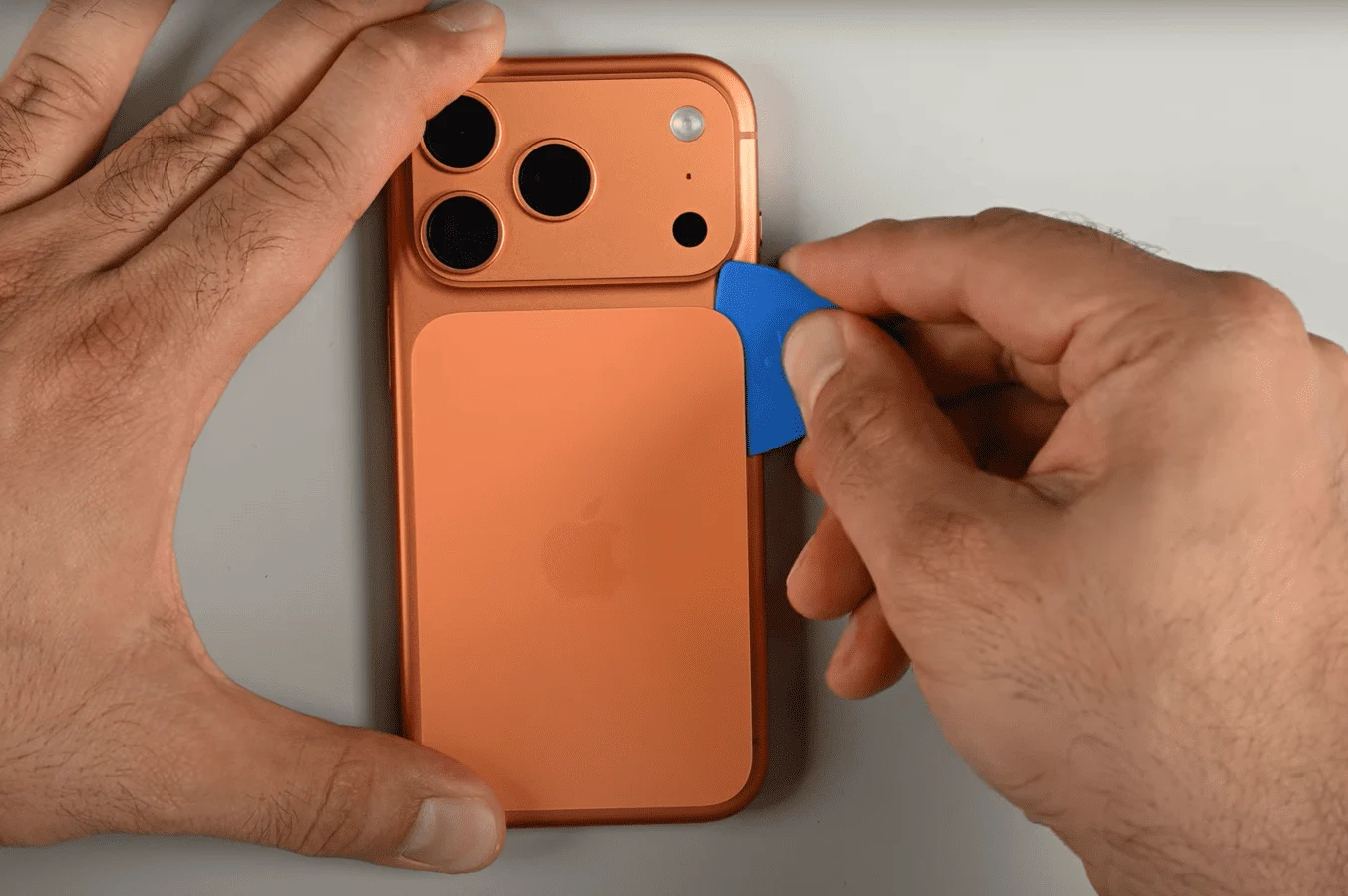
    From the time users started to use the iPhone 17 Pro, reports of scratches have emerged, particularly around the camera area. In a recent teardown, iFixit validated this concern through a microscope, revealing how the anodized aluminum layer peels off at sharp edges, exposing the shiny aluminum beneath. This issue has been labeled Scratchgate and has raised significant questions about Apple’s choices in materials and the overall design.

    Expert Analysis on the Problem

    iFixit enlisted the help of materials experts and utilized the Evident DSX2000 microscope to scrutinize the finish under pressure. They conducted tests using picks that simulate the hardness of coins or keys. On flat surfaces, the anodized finish fared better, with most scratches appearing superficial. However, at the sharp corner of the camera bump, the oxide layer suffered severe chipping. According to iFixit, “when faced with a pick similar to a penny, the iPhone 17 Pro’s anodized coating chips away, exposing the shiny aluminum underneath.”

    Understanding the Weakness

    To gain a clearer picture of the issue, iFixit spoke with materials scientist David Niebuhr. He indicated that the anodized layer is more fragile around sharp transitions. He noted that thickening the oxide layer wouldn’t solve the problem, as it would lead to more flaking and loss of the underlying material. As Niebuhr stated, “Apple could have avoided this by designing a smoother curve and steering clear of sharp corners.”

    Changes in Repairability

    The teardown also disclosed various modifications concerning repairability. For the first time, the iPhone’s battery is housed in a tray secured by fourteen Torx Plus screws. iFixit mentioned this as a positive change since it eliminates the messy adhesive removal usually required during battery swaps. However, Apple has removed the dual-entry repair layout. The back panel now solely allows access to the wireless charging components, while most repairs need to be done through the display, which heightens the risk of damage during servicing.

    In addition, Apple has integrated a vapor chamber for heat management in the iPhone 17 Pro. This chamber helps distribute heat via a copper lattice and enhances thermal efficiency compared to previous models. CT scans from iFixit demonstrated its placement between the battery and the logic board, effectively directing heat away from the A19 Pro chip. So far, Apple has not publicly addressed the Scratchgate issue or announced any measures to assist affected users.

    Recommendations for Users

    If you currently own or are thinking about purchasing an iPhone 17 Pro, it would be wise to use a case that shields the camera plateau, as this is the best method to minimize scratches. Refrain from tossing the phone into pockets with coins or keys, clean it gently with a soft cloth, and document any scratches right away if they show up. Although Scratchgate does not impact the phone’s performance, at this price point, any cosmetic damage can be quite frustrating for owners.

    Source:
    Link


  • iPhone 17 Pro Max Durability Test: Scratchgate Blame on Apple

    iPhone 17 Pro Max Durability Test: Scratchgate Blame on Apple

    Key Takeaways

    1. JerryRigEverything’s latest durability test criticized Apple’s design choices for the iPhone 17 Pro and Pro Max, particularly regarding scratch issues.
    2. The anodisation process creates a protective oxide layer on the aluminum body, but it is ineffective on sharp edges, leading to vulnerability to scratches.
    3. Apple did not round the edges of the camera area for aesthetic reasons, which compromises scratch resistance compared to the rest of the device.
    4. Common items like keys and coins can easily damage the protective layer on the camera edges, unlike the rest of the phone which might only require wiping to remove scratches.
    5. The new Ceramic Shield 2 display glass shows visible scratches at Mohs level 8, indicating an improvement in durability compared to older iPhone models.


    The latest durability assessment on JerryRigEverything’s YouTube channel has been somewhat atypical. The host, Zack Nelson, known as JerryRigEverything, used a crane scale to test the iPhone Air and didn’t hold back in his critique of Apple regarding the iPhone 17 Pro and Pro Max, which were examined in Orange and Blue, respectively. Zack pointed out that the many claims about scratched iPhones are valid and stem from issues that could have been avoided, implying that Apple is solely responsible for the situation dubbed “Scratchgate.”

    Explanation of the Issue

    JerryRigEverything provided a reasonable theory for this problem: During the anodisation process, the aluminium unibody of the phone gets a hard oxide layer, which is meant to shield the metal underneath from damage due to the environment. Even though this layer is rated at 9 on the Mohs hardness scale, it cannot be applied to sharp edges. Following the required DIN standard, Apple should have slightly rounded the edges of the camera area to enhance scratch resistance, akin to the rest of the device. However, it seems the company chose not to do this for aesthetic reasons.

    Consequences of Design Choices

    This choice has significant effects on the look of the large camera module. JRE effectively illustrated this using a microscope, showing that common items like keys and coins can easily scrape away the thin protective layer on the edges. While scratch residues from other objects can be wiped off the rest of the iPhone, the edges of the camera plateau are different; the delicate oxide layer actually comes off if the phone is not safeguarded by a case from the start.

    The durability test provides some confirmation of the many reports about scratched iPhone 17 demo units. Still, it’s worth noting that some scratches on the display glass or flat aluminium surfaces might be removable with a simple wipe, which has been seen in earlier iPhone models. The remaining parts of the durability test did not highlight any other serious issues: The new Ceramic Shield 2 display glass began to show visible scratches at Mohs level 8 (similar to the iPhone Air), indicating a clear improvement compared to older iPhone versions.

    Source:
    Link