Key Takeaways
1. Lightweight & Portable Design: The Roku U11MINI 4K is under 249 grams, making it easy to carry and not requiring FAA registration in the US.
2. Impressive Camera Capabilities: The U11MINI 4K captures 8K photos and 4K video at 30fps, while the F11PRO 2 offers 6K photos and 4K video, both featuring advanced stabilization.
3. Extended Flight Time: The U11MINI 4K includes three batteries for a total of 96 minutes of flight time, while the F11PRO 2 offers up to 35 minutes of flight.
4. User-Friendly Features: Both drones come with AI takeoff and landing systems, enhancing ease of use for beginners.
5. Attractive Black Friday Pricing: The U11MINI 4K is priced at $303 (41% off), and the F11PRO 2 is available for $319, making them affordable options for aerial photography enthusiasts.
Black Friday is known for its exciting tech sales, and this year, two drones from Roku really catch the eye for those wanting to dive into aerial photography with dependable, feature-rich devices. The F11PRO 2 and U11MINI 4K take different paths but are both offered at attractive Black Friday 2025 prices. These models boast features and specifications typically found in much pricier options within the same category.
Lightweight & User-Friendly
The Roku U11MINI 4K is all about being portable, tipping the scales at less than 249 grams and small enough to fit snugly in a jacket pocket. This featherweight drone doesn’t require FAA registration in the US, making it a breeze for beginners who wish to fly without facing extra red tape. Even with its compact form, the U11MINI 4K comes with a capable camera system that captures stunning 8K photos and 4K video at 30fps. It features a 48MP 1/2-inch CMOS sensor stabilized by a 3-axis gimbal and electronic image stabilization, which helps keep images clear even in breezy conditions.
Extended Flight Time
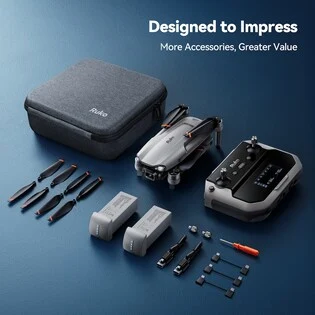
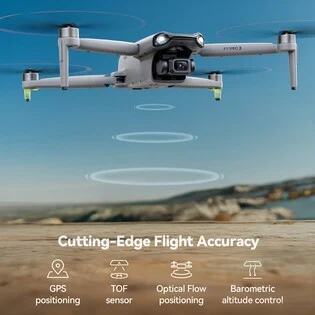
For those looking to fly longer, the three batteries included with the U11MINI 4K offer a total flight duration of 96 minutes. These batteries support PD3.0 fast charging, and the complete flight kit includes three charging cables along with an extra set of propellers. New flyers will find the built-in AI takeoff and landing system useful, as it employs GPS, barometric altitude hold, optical flow, and TOF positioning to ensure a smooth and predictable flying experience. Additionally, images can be sent over a distance of up to 20,000 ft, and Roku provides dedicated customer support 24/7. The U11MINI 4K has a significant 41% discount and is available for $303 on Amazon.
Robust Imaging Features
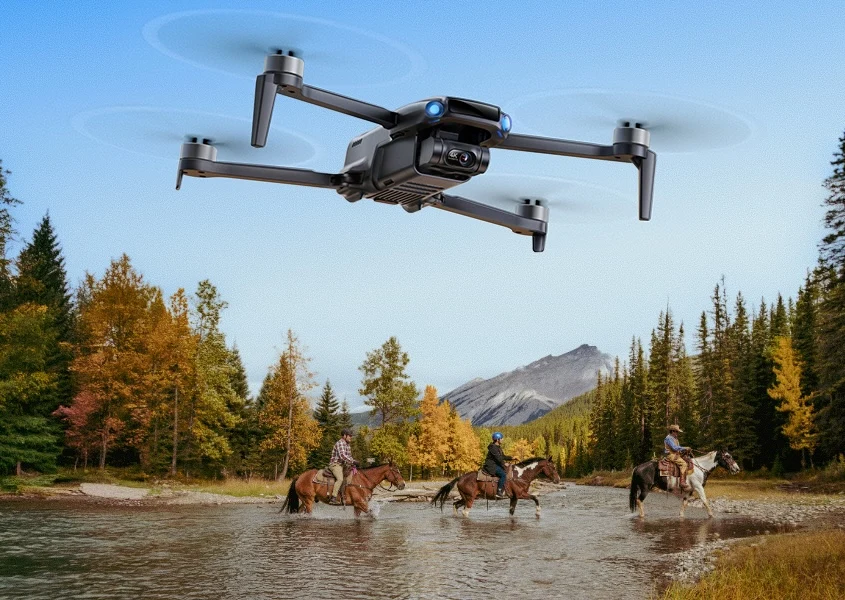
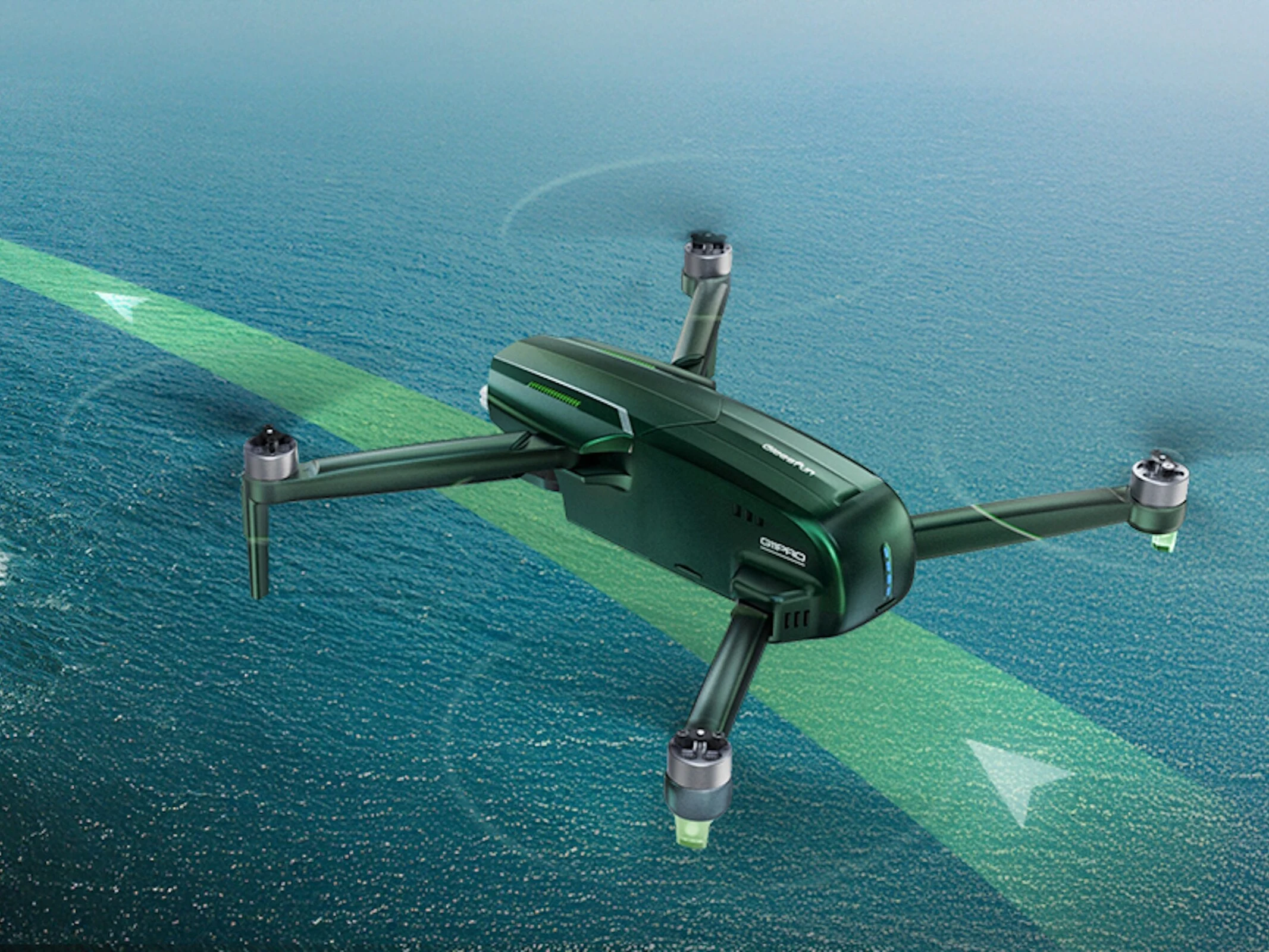
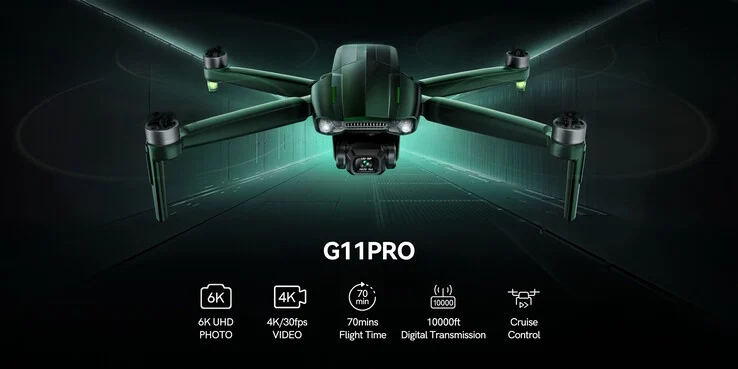
Conversely, the F11PRO 2 is slightly larger and aims to provide a strong imaging and flying experience. Its camera system takes detailed 6K photos and records 4K video at 30fps, backed by a 3-axis gimbal that minimizes vibrations for better stability. The camera comes equipped with a Sony lens, known for its excellent sharpness and color accuracy, satisfying users who appreciate high-quality aerial images and videos.
In addition, the F11PRO 2 can stay in the air for up to 35 minutes, providing pilots more chances to capture stunning landscapes or shoot longer videos. Various features enhance a stable flying experience, as the drone is optimized for low-altitude flight, while optical flow technology boosts positioning precision. Plus, it has a 10,000-ft transmission range with digital transmission for clearer signals. Convenient features like Cruise Control and Night Mode make it easier for users seeking simplified controls or improved low-light performance. Finally, this drone showcases a sleek and elegant design and is currently priced at $319 on Amazon.
Both Roku drones present a fantastic balance of performance and usability. With the ongoing Black Friday markdowns, they represent an affordable way for newcomers and enthusiasts to explore aerial photography.
Source:
Link