Key Takeaways
1. Blue Origin achieved its first successful flight with a reusable rocket booster, marking a significant milestone in space exploration.
2. The New Glenn booster is larger than SpaceX’s Falcon rocket and is designed for heavy payloads, enhancing Blue Origin’s capabilities.
3. NASA’s ESCAPADE mission successfully launched two Mars probes using Blue Origin’s booster, utilizing an innovative strategy to wait at Lagrange-2 for the optimal Earth-Mars launch window.
4. The probes, named Blue and Gold, aim to investigate Mars’ atmosphere and its changes over time, particularly due to solar winds.
5. Rocket Lab designed the probes for NASA, ensuring low mission costs of $18 million per unit, leveraging the capabilities of Blue Origin’s new orbital vehicle.
The space exploration company Blue Origin, which is supported by Jeff Bezos, has successfully achieved its first flight with a reusable rocket booster.
A Significant Milestone
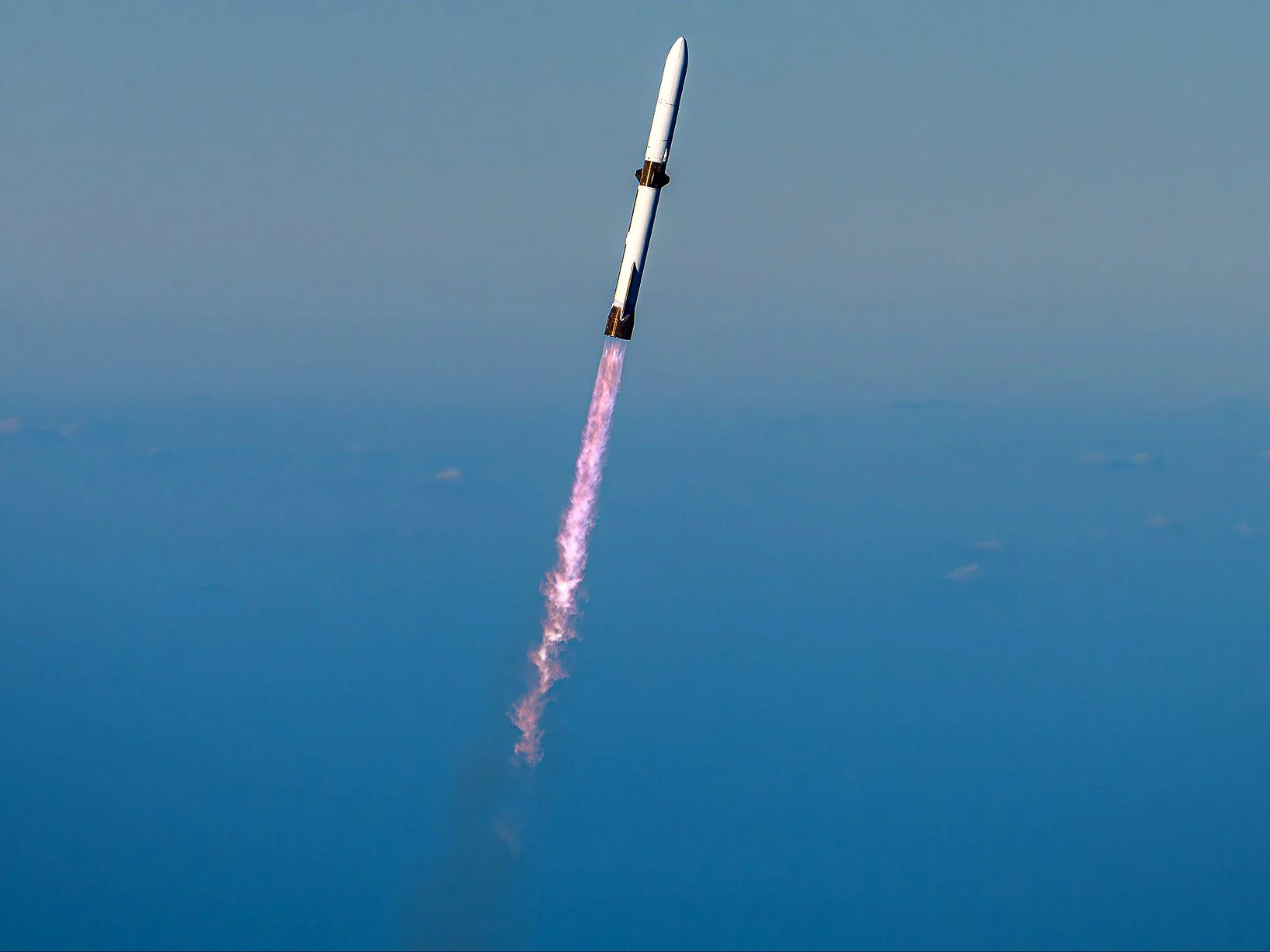
This landing on a barge in the ocean occurred nearly a decade after SpaceX, led by Elon Musk, successfully returned its Falcon rocket for the first time. However, Blue Origin’s New Glenn booster is significantly larger, standing at 190 feet tall with a diameter of 23 feet, compared to Falcon’s 135 feet and 12 feet. The New Glenn is part of Blue Origin’s new generation of orbital vehicles designed for heavy payloads. It’s also much bigger than China’s Yanxingzhe-1, which made its own return flight over the summer.
Accomplishments in Space
Along with the successful recovery of its orbital-class rocket, SpaceX’s Jon Edwards praised the achievement as “incredibly difficult.” In this endeavor, Jeff Bezos has taken a step ahead of his competitive rival Elon Musk, who also aims for Mars exploration.
NASA’s ESCAPADE mission, which stands for Escape and Plasma Acceleration and Dynamics Explorers, utilized the Blue Origin booster test flight to launch two Mars probes into orbit. The first stage of the rocket detached about three minutes post-liftoff, beginning its descent back through Earth’s atmosphere. Shortly after, it activated its BE-4 engines to decelerate and adjust its trajectory, leading to a safe landing on a designated recovery barge floating in the Atlantic Ocean, 375 miles from the separation point.
The Journey to Mars
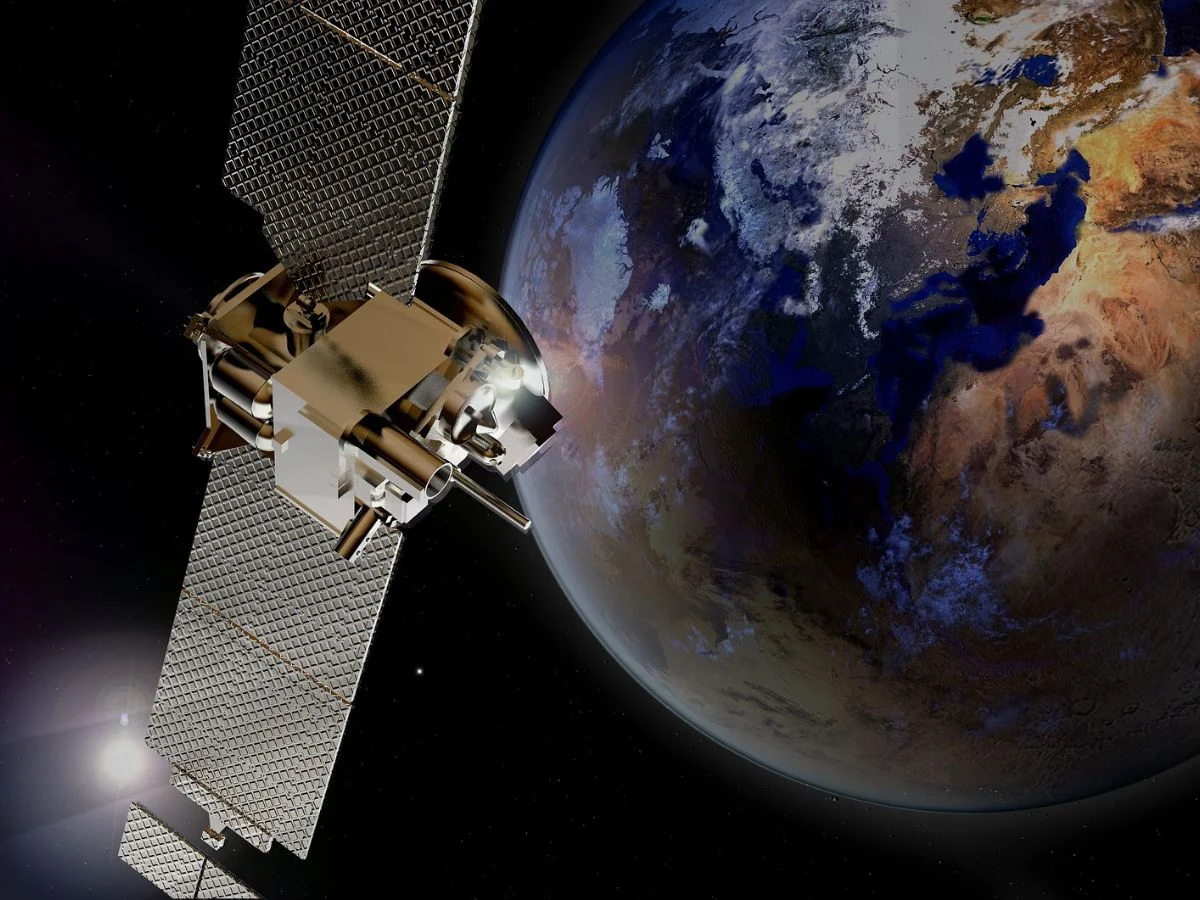
After the first stage separation, the second stage of the rocket propelled NASA’s two Mars orbiters into space roughly 33 minutes after launch. Named Blue and Gold, these identical spacecraft are now heading towards the Lagrange-2 point, which is a stable gravitational location between Earth and the Sun, located 930,000 miles away. The probes are set to loop back and utilize Earth’s gravity as a slingshot to propel them toward Mars in the next launch window, which opens in about a year.
This innovative strategy of lingering at Lagrange-2 until a suitable Earth-Mars launch window arises has enabled NASA to launch its probes utilizing the Blue Origin reusable rocket ahead of the window that opens every 26 months. The two probes initiated by Jeff Bezos will investigate the Martian atmosphere, particularly how it dissipates due to solar winds and other influences.
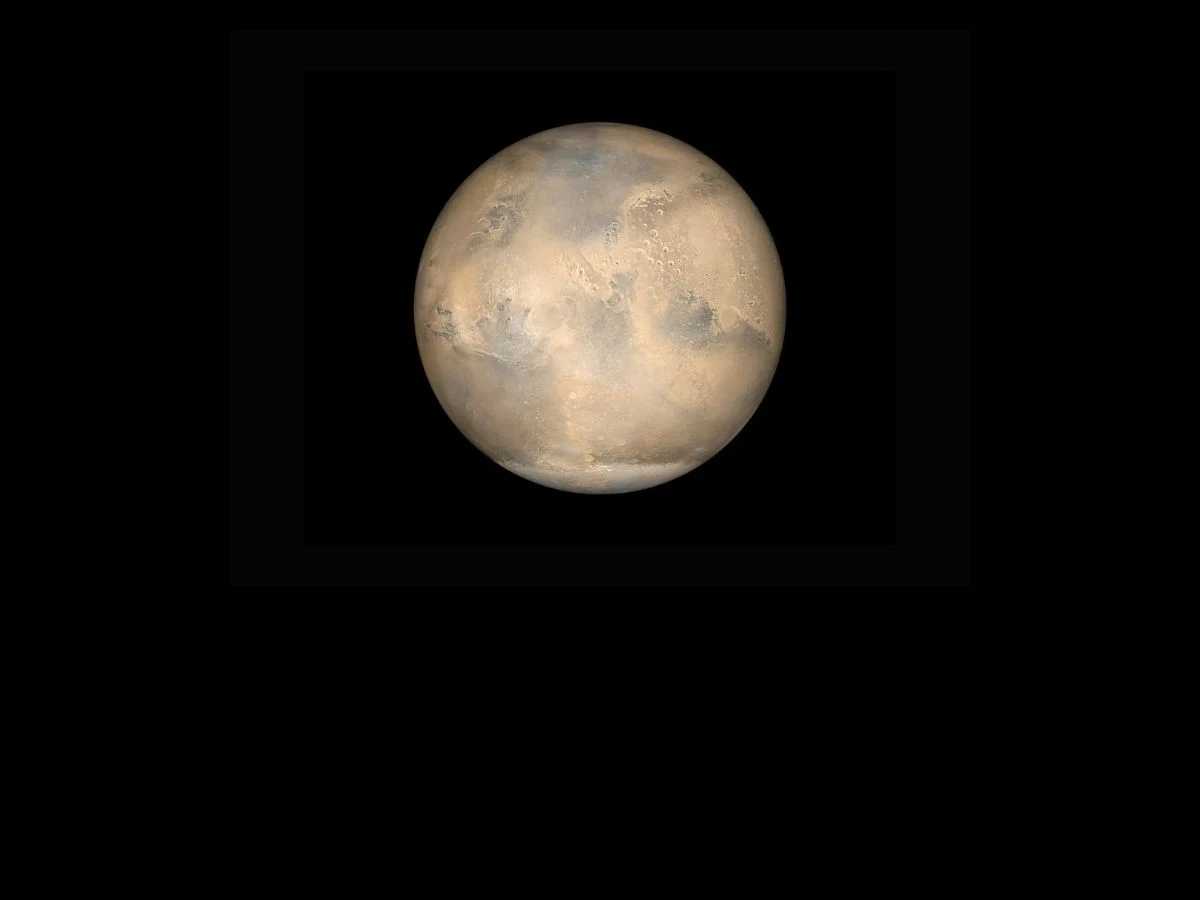
Mars once retained water on its surface due to its atmosphere, but its thinning likely led to evaporation. The Space Sciences Laboratory at UC Berkeley, which started the ESCAPADE mission, seeks to uncover the fate of Mars’ atmosphere with the assistance of the two probes launched by Blue Origin.
Future Mars Missions
While SpaceX is still conducting tests on its Starship 3 rocket, intended for Mars missions in the next window in 2026, the NASA probes from Blue Origin are likely to arrive first. “We created a high delta V system that can not only travel to Mars and execute the orbit insertion maneuver, but also climbs out of Earth’s gravity well, which reduces the need for direct transfer from the launch vehicle, greatly expanding our launch options,” said Richard French, VP of Rocket Lab, who designed the probes for NASA.
In addition to solving the Mars launch window dilemma, Rocket Lab boasts that it has managed to keep the expenses for the ESCAPADE mission down to $18 million per unit, covering both the construction of the probes and their launch. This low cost has been made possible by the new Blue Origin orbital vehicle.
Source:
Link