Key Takeaways
1. Mars was once warm and wet, with a thick atmosphere similar to Earth’s.
2. The planet’s atmosphere thinned over billions of years due to solar wind and a weak magnetic field.
3. The ESCAPADE mission, consisting of two spacecraft, aims to study Mars’ magnetosphere and atmosphere.
4. ESCAPADE launched early and will use Earth’s gravity to reach Mars, arriving in September 2027.
5. The mission will improve understanding of space weather around Mars, aiding in astronaut safety and equipment protection.
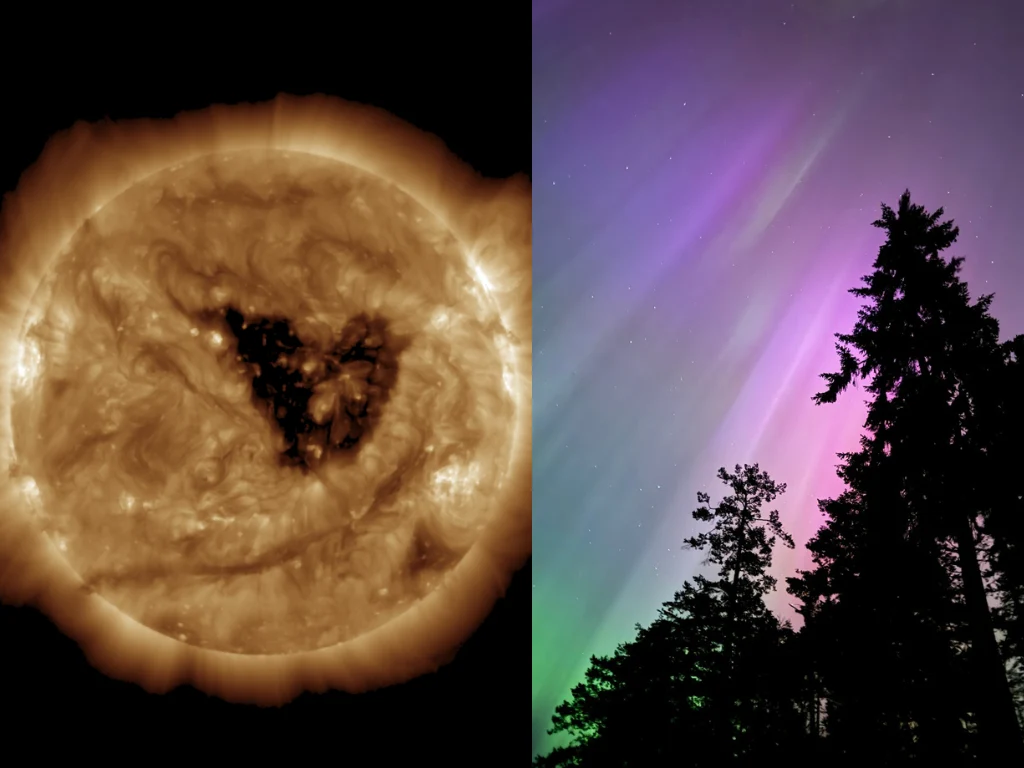
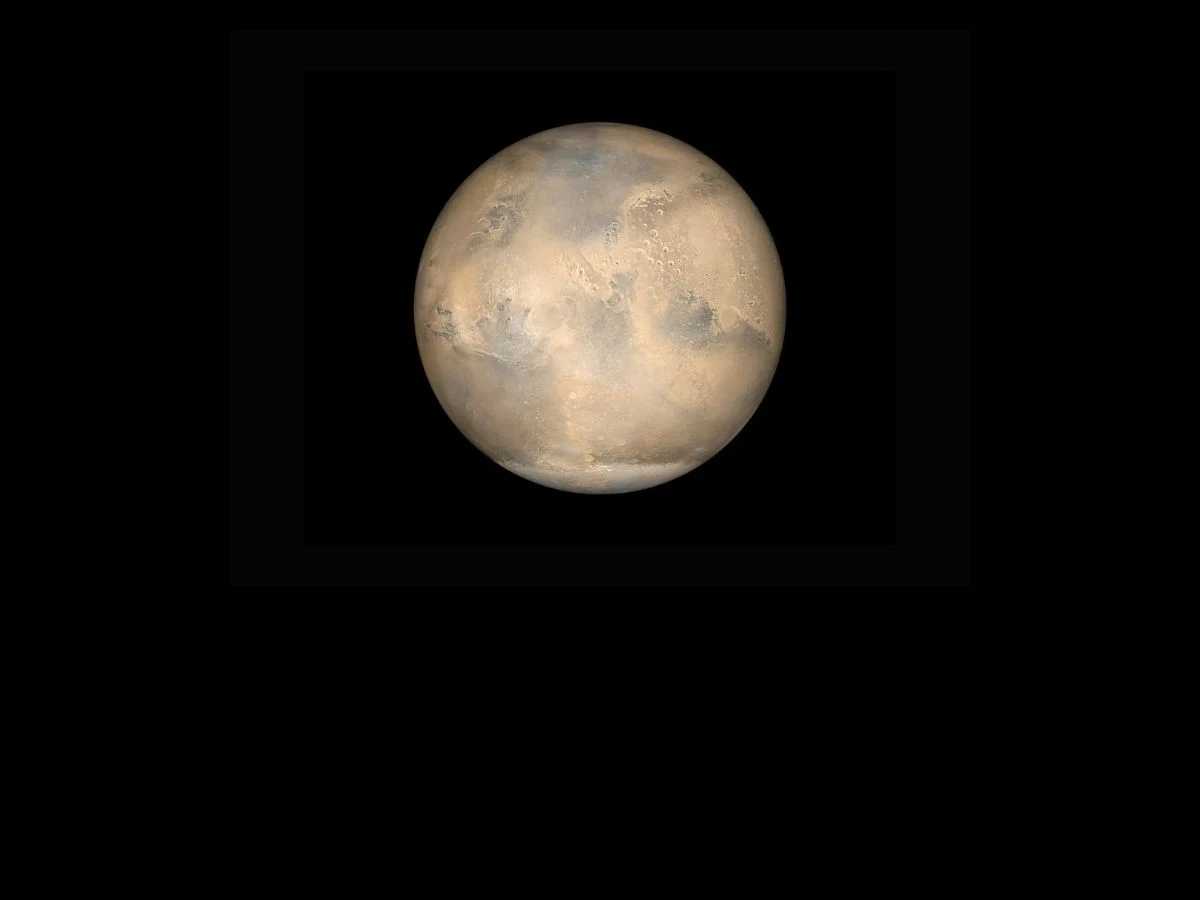
Previously, Mars was a warm and wet place, possessing a thick atmosphere that resembled Earth’s. However, over billions of years, this atmosphere gradually faded away, transforming it into a cold, dry planet with a thin atmosphere. This change happened because of solar wind, which is a flow of charged particles emitted by the Sun. The solar wind interacted with Mars’ upper atmosphere, taking advantage of the planet’s weak magnetic field. As a result, Mars cooled down, lost its surface water, and most of its atmosphere vanished.
Investigating Mars’ Atmosphere
To explore these changes, the Escape and Plasma Acceleration and Dynamics Explorer (ESCAPADE) was launched. This NASA mission consists of two separate spacecraft. It is led by the Space Sciences Laboratory at UC Berkeley and is funded by NASA’s Heliophysics Division. The mission aims to measure the magnetosphere surrounding Mars, assess the strength of the solar wind, observe how particles escape from Mars’ atmosphere, and analyze the ionosphere. Before heading to Mars, ESCAPADE will delve into Earth’s magnetotail, examining the solar wind in that region.
Launching Into Space
Normally, spacecraft launch when Earth and Mars are aligned, but ESCAPADE took off early, looping around Lagrange Point 2. It will use Earth’s gravity to perform a slingshot maneuver towards Mars, expected to arrive in September 2027 after leaving in November 2026. This mission is set to enhance our understanding of space weather around Mars and will provide insights for better shield designs, safety protocols, and protecting astronauts and equipment.
NASA’
Source:
Link