Category: Video / Photo

  • Sharp Launches Affordable XP-E501U Laser Projector

    Sharp Launches Affordable XP-E501U Laser Projector

    Key Takeaways

    1. The Sharp XP-E501U is the first model in the E-series, designed for educational settings and small to medium-sized rooms.
    2. It features WUXGA resolution (1,920 x 1,200 pixels) and supports inputs up to 4K@30Hz with a dynamic contrast ratio of 3,000,000:1.
    3. The projector offers 5,000 lumens of brightness and a lifespan of about 20,000 hours, along with an Eco mode for energy conservation.
    4. It includes a manual 1.2x zoom, keystone correction, an integrated 16W speaker, and multiple ports, including dual HDMI inputs.
    5. The Sharp XP-E501U is priced at $1,915 and is available for purchase at retailers like B&H Photo.


    Sharp has introduced the XP-E501U projector in the United States. This is the inaugural model in the brand’s E-series, which is specifically crafted for educational environments or any small to medium-sized rooms. The company describes it as a bright and low-maintenance option, providing users with a “cost-effective” display solution.

    Specifications and Features

    The XP-E501U projector boasts a WUXGA resolution of 1,920 x 1,200 pixels, allowing for inputs of up to 4K@30Hz. The native aspect ratio stands at 16:10, but it also accommodates 4:3, 16:9, and 21:9 formats. It offers an impressive dynamic contrast ratio of 3,000,000:1. Users can project images as wide as 300 inches, with a throw ratio ranging from 1.35 to 1.64:1. Image adjustments can be made using features like a manual 1.2x zoom and keystone correction tools.

    Brightness and Energy Efficiency

    This LCD projector from Sharp utilizes a blue laser light source, which provides up to 5,000 lumens of brightness and is designed to last approximately 20,000 hours. It also includes an Eco mode to conserve energy; for instance, the projector can automatically shut off when not in use. Additional features comprise an integrated 16W speaker and various ports, including dual HDMI inputs. Furthermore, it can be controlled remotely through the NaViSet Administrator 2 software. The projector can either be placed on a table or mounted on the ceiling, depending on your setup needs.

    Pricing and Availability

    The Sharp XP-E501U projector is currently available for purchase in the US at retailers like B&H Photo, with a price tag of $1,915.

    Source:
    Link


  • DJI Avata 360 Leaks: Release Date and Pricing Rumors Unveiled

    DJI Avata 360 Leaks: Release Date and Pricing Rumors Unveiled

    Key Takeaways

    1. DJI’s first 360° drone, the Avata 360, may launch before the end of the year due to potential US sales restrictions.
    2. The Federal Communications Commission (FCC) has released initial documents, allowing DJI to introduce the drone in the US market.
    3. The launch must occur before December 23 to avoid US sales limitations from a security audit.
    4. The Avata 360 is expected to be priced similarly to the Antigravity A1, rumored to be around $999, with only an 8% increase over the current Avata 2.
    5. The Avata 360 will feature two 1/1.1-inch camera sensors that can rotate 90° for first-person view (FPV) filming.


    The debut of DJI’s first 360° drone might be closer than we anticipated. Due to the possible US ban on new product sales, various reports suggest that the Avata 360 could officially be released before this year’s end. Allegedly, DJI is aiming to offer a lower price than Insta360 and its Antigravity A1 competitor.

    Certification and Market Readiness

    To summarize, the Federal Communications Commission (FCC) released initial documents about the Avata 360 recently. In simple terms, this certification paves the way for DJI to introduce the drone in a key market. However, this launch must happen before December 23, as afterwards, DJI could face US sales limitations due to a last-minute security audit that currently seems improbable.

    Launch Timeline and Pricing Strategy

    Consequently, DroneXL and other sources believe that DJI is likely to reveal the Avata 360 before this cutoff date. This timing is also anticipated for the Osmo Pocket 4. New information suggests that DJI plans to price the Avata 360 with the Antigravity A1 in mind. Although the price of the latter hasn’t been verified yet, rumors hint it could be around $999.

    Expected Features and Comparisons

    It appears that the Avata 360 will have a similar pricing structure, at least for its basic model. This pricing strategy should make it competitive against the Antigravity A1, though it would reflect an approximately 8% increase over the current Avata 2, which is priced at $849 on Amazon. For that additional $79, DJI is expected to include two 1/1.1-inch camera sensors, which will have the ability to rotate 90° for authentic first-person view (FPV) filming as well.

    Source:
    Link


  • BenQ Launches Compact UST Projector with 5000 Lumens Brightness

    BenQ Launches Compact UST Projector with 5000 Lumens Brightness

    Key Takeaways

    1. High Resolution and Brightness: The BenQ LU895UST features a WUXGA resolution of 1,920 × 1,200 and offers brightness up to 5,000 ANSI lumens.

    2. Ultra-Short-Throw Design: With a throw ratio of 0.253:1, it can project images as large as 200 inches from a very short distance.

    3. Advanced Color and Contrast: The projector has a 3,000,000:1 FOFO contrast ratio and covers 93% of the Rec.709 color spectrum, supporting various picture modes.

    4. Versatile Connectivity: It includes multiple ports such as two HDMI (2.0b/HDCP2.2), RJ45, and USB-A, along with a built-in 10W speaker.

    5. Compact Size and Price: The projector measures 327 x 328.3 x 131.6 mm and is priced at €3,999 in Europe, with no confirmed release date for North America.


    The BenQ LU895UST WUXGA Short Throw Simulation Projector has officially been introduced in Europe, aimed primarily at business environments, immersive entertainment spaces, or educational applications.

    Key Features

    The LU895UST boasts a WUXGA resolution of 1,920 × 1,200 and utilizes a laser light source. As per BenQ, this projector is the most compact ultra-short-throw option available, offering an impressive brightness of up to 5,000 ANSI lumens. With a throw ratio of 0.253:1, it can project images as large as 200 inches. Furthermore, this DLP projector features a 3,000,000:1 FOFO contrast ratio, covers 93% of the Rec.709 color spectrum, and includes various picture modes such as Simulation, HDR10, and sRGB.

    Connectivity and Design

    For image enhancement, the LU895UST includes features like 2D Keystone correction, and it’s described as “blending ready.” The device is equipped with multiple ports: two HDMI (2.0b/HDCP2.2), RJ45, and USB-A, along with a built-in 10W speaker. Its dimensions are compact, measuring 327 x 328.3 x 131.6 mm (12.87 x 12.93 x 5.18 inches). In Europe, this projector has a price tag of €3,999. The timeline for its potential release in North America is still unknown.

    BenQ’s latest offering is sure to catch the eye of professionals and educators alike, providing high-quality projection capabilities in a small form factor.

    Source:
    Link


  • DJI Osmo Pocket 4 to Launch with 1/1.1-Inch Variable Aperture Camera

    DJI Osmo Pocket 4 to Launch with 1/1.1-Inch Variable Aperture Camera

    Key Takeaways

    1. The Osmo Pocket 4 is set to launch around December 18, replacing the Osmo Pocket 3, which is currently priced at $529.
    2. It will feature a 1-inch type sensor, potentially allowing for both vertical and horizontal shooting.
    3. The device is rumored to have a variable aperture ranging from f/2.0 to f/4.0, similar to the Osmo Action 6.
    4. The Osmo Pocket 4 is expected to include a 1/1.1-inch sensor with a dynamic range of 13.5 EV.
    5. It may offer 360° panning capabilities, similar to the Osmo Mobile 8.


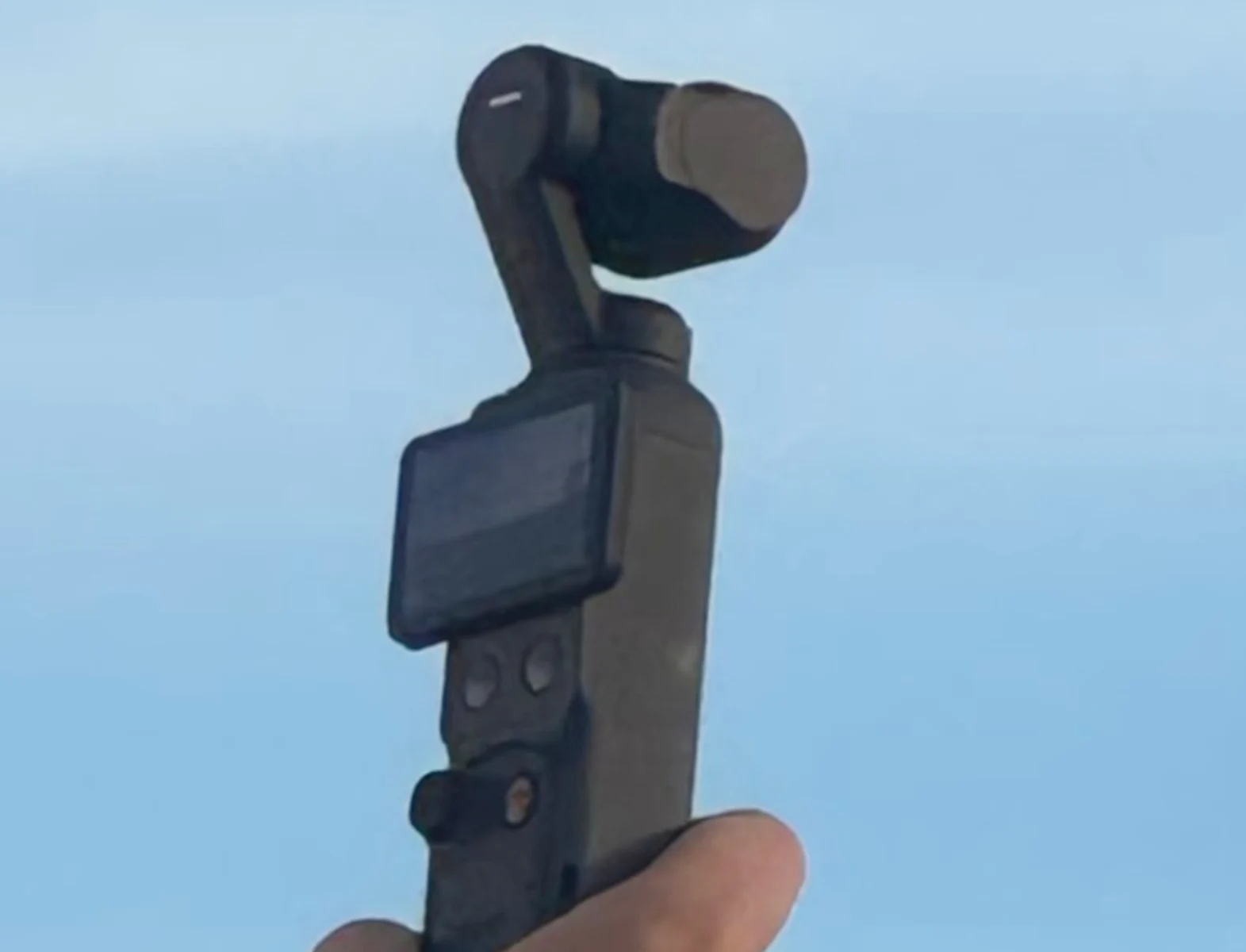
    The Osmo Pocket 4 is getting closer to its official launch, with rumors surfacing since May. It’s set to replace the Osmo Pocket 3, which is currently priced at $529 on Amazon, and is expected to be available around December 18. This release comes just after the global introduction of the Osmo Action 6, and it looks like the Osmo Pocket 4 will arrive just before DJI faces its FCC ban in the United States on December 23.

    New Features and Specifications

    In the meantime, Photorabz claims to have some insider information about the Osmo Pocket 4. According to sources wishing to stay anonymous, it seems that the new device will feature a 1-inch type sensor. However, it’s not clear if this sensor will be square, allowing for vertical and horizontal shooting, similar to the front-facing camera seen in Apple’s iPhone 17 series.

    What Else to Expect

    Despite the earlier hints, other reports suggest different features. A YouTuber has mentioned that the Osmo Pocket 4 will come with a variable aperture ranging from f/2.0 to f/4.0, similar to what the Osmo Action 6 offers. Thus, it’s likely that the Osmo Pocket 4 will incorporate the same 1/1.1-inch sensor with a dynamic range of 13.5 EV, just like its Osmo Action sibling. Additionally, the Osmo Pocket 4 is rumored to provide 360° panning capabilities, akin to those in the Osmo Mobile 8.


    Source:
    Link


  • Leica Q3 Monochrom: 60MP Full-Frame Sensor and Upgrades Revealed

    Leica Q3 Monochrom: 60MP Full-Frame Sensor and Upgrades Revealed

    Key Takeaways

    1. The Leica Q3 Monochrom features a completely black exterior, removing all color elements, including the logo and markings.
    2. The user interface has been redesigned with new color schemes for easier navigation between photo and video modes, with updates available for the standard Q3 and Q3 43.
    3. It is the first Q series model to include Content Credentials, enhancing image authenticity verification.
    4. The camera has a 60 MP full-frame sensor without a Bayer color filter, allowing only black-and-white photography and increasing maximum ISO to 200,000.
    5. Priced at US$7,790, the Q3 Monochrom includes a 28 mm f/1.7 lens, advanced viewfinder, and improved burst shooting capabilities.


    Since the debut of the Leica M9 Monochrom in May 2012, Leica has been providing a range of digital cameras equipped with monochrome sensors. Recently, the camera maker from Wetzlar has revealed a monochrome variant of the Leica Q3, taking the chance to implement several design changes to the compact model.

    Exterior Design Changes

    In keeping with its “Monochrom” name, the camera eliminates all color from its exterior – the classic red Leica logo, the yellow markings on the lens, and the red “A” signifying the aperture or shutter priority mode have all been removed. Leica has also added a new leather texture that is similar to that of traditional Leica cameras. There are three primary technical upgrades. Firstly, the user interface has been redesigned to feature different color schemes that help users easily identify between photo and video modes. This improvement will also be available to the Leica Q3 and Q3 43 via a firmware update by the end of the year.

    Innovative Features

    Secondly, the Leica Q3 Monochrom becomes the first model in the Q series to include Content Credentials, a functionality that aids in confirming the authenticity of images. Thirdly, the camera’s 60 MP full-frame sensor does not use a Bayer color filter, enabling it to take only black-and-white photos and videos (up to 8K). This design decision enhances photosensitivity and reduces image noise. When compared to the standard Q3, the Q3 Monochrom’s maximum ISO has increased to 200,000, doubling its capacity.

    Technical Specifications

    The other specifications are mostly consistent with the previous model. The Leica Q3 Monochrom is equipped with a 28 mm f/1.7 lens featuring optical image stabilization and a central shutter. It also has a 120 Hz OLED viewfinder with 5.76 million dots, a 3-inch touchscreen with 1.84 million dots, and autofocus capabilities. Powered by the Leica Maestro IV processor and 8 GB of buffer memory, it allows for a burst of up to 4 photos per second with autofocus and 15 photos per second without.

    With a price tag of US$7,790, the Leica Q3 Monochrom is currently available through authorized dealers and on Leica’s online store, reflecting a US$1,055 increase over the standard Leica Q3 that features a color sensor.


    Source:
    Link


  • DJI Launches Mini AG Drone with Remote and 10km Video Range

    DJI Launches Mini AG Drone with Remote and 10km Video Range

    Key Takeaways

    1. DJI has released the Neo 2 drone, Osmo Action 6 camera, and Osmo Mobile 8 smartphone stabilizer.
    2. The RC Track, an accessory for the Air 3S drone, was developed but never released, despite evidence of its existence.
    3. The new ‘RC Mini AG’ accessory features a 1.97-inch display, designed as a compact alternative to larger remote controls.
    4. The RC Mini AG has a resolution of 410 x 494 pixels, peak brightness of 800 nits, and can operate for up to 3 hours on a single charge.
    5. The RC Mini AG is compatible with OcuSync 4 technology, allowing video transmission up to 10 km, but its international availability remains unclear.


    DJI has unveiled a variety of gadgets in the past year. The latest releases include the Neo 2 drone, the Osmo Action 6 camera, and the Osmo Mobile 8 smartphone stabiliser, which is currently priced at $149 on Amazon. Yet, there are also some rumored products that were never released, even though there was significant evidence showing they were well developed.

    Missing Devices

    One notable example is the RC Track, designed as an accessory for the Air 3S drone. The FCC ended up disclosing numerous photos of the device and even a user manual, but the RC Track vanished without explanation. Now, a similar device has surfaced with the release of DJI’s T55, T70S, and T100S agricultural drones in China.

    New Features

    DJI refers to the new accessory as the ‘RC Mini AG’. This device features a 1.97-inch display and is intended to be a compact alternative to the larger remote controls, making it easier to fly a drone, even in urgent situations. The little screen has a resolution of 410 x 494 pixels and can reach peak brightness of 800 nits, according to DJI.

    The video below shows the small controller, which includes two joysticks for piloting a DJI drone. DJI claims that the RC Mini AG can operate for up to 3 hours on a single charge. Additionally, this remote control accessory is compatible with OcuSync 4 technology, which allows for video transmission up to 10 km. However, it is still unclear if DJI will make the RC Mini AG available internationally or if it will accompany any future consumer drones.


    Source:
    Link


  • Synology Unveils Smart Security Camera with License Plate Recognition

    Synology Unveils Smart Security Camera with License Plate Recognition

    Key Takeaways

    1. The BC800Z security camera features an 8MP sensor and records in 4K Ultra HD resolution with HDR for clear video in varying light conditions.
    2. It includes advanced AI capabilities, such as differentiating between people and vehicles, license plate recognition, and smoke detection.
    3. The camera has user-friendly features like Instant Search for quick footage retrieval, auto-tracking, and smartphone notifications through Synology’s app.
    4. It operates on power-over-Ethernet (PoE) and is weatherproof (IP66/IP67) with IK10 impact resistance.
    5. The BC800Z is priced at €399 in Europe and may require a Synology Surveillance Device License for use.


    Synology has introduced a cutting-edge security camera, the BC800Z. Tailored for businesses, this bullet camera ensures round-the-clock surveillance of your property.

    Impressive Specs

    The BC800Z features an 8MP sensor, which records video in stunning 4K Ultra HD resolution (3,840 x 2,160 px). It supports HDR, allowing for clear video even in varying light conditions. The camera includes a motorized varifocal lens that offers adjustable zoom, and its 1/1.8″ starlight sensor enables color night vision. Additionally, the Smart Bitrate Control technology helps maintain video quality while minimizing file sizes, which maximizes storage and reduces network demands.

    Advanced AI Capabilities

    The BC800Z incorporates local AI processing, providing a suite of smart features like the ability to differentiate between people and vehicles. It can recognize license plates, capturing details from a distance of 3 to 10 meters (approximately 9 to 32 feet). The camera can also keep track of how many people enter or exit a facility, sending alerts when the building reaches capacity. Moreover, it is capable of detecting smoke and unauthorized access from specific directions.

    User-friendly Features

    When it comes to reviewing footage from the BC800Z, a handy Instant Search function helps you quickly locate the clips you need. The auto-tracking feature smartly centers the target in the frame. Users can get notifications on their smartphones through Synology’s app, where they can also establish detection zones and access recorded videos. The camera operates on power-over-Ethernet (PoE) and boasts an IP66/IP67 weatherproof rating along with IK10 impact resistance. Potential buyers should be aware that a Synology Surveillance Device License might be necessary for this product. In Europe, the BC800Z security camera is available for €399.


    Source:
    Link


  • DJI Avata 360: 25% Battery Upgrade Before Global Release

    DJI Avata 360: 25% Battery Upgrade Before Global Release

    Key Takeaways

    1. DJI’s new drone, the Avata 360, offers a full 360-degree camera view without needing built-in landing gear.
    2. The Avata 360 can rotate its camera 90° for forward-facing recording, eliminating the need for image combination from multiple sensors.
    3. The new drone features a 38.67 Wh battery, providing a 22% increase in energy capacity compared to the Avata 2.
    4. The Avata 360 is expected to include dual 1/1.1-inch CMOS cameras for 8K video recording and 360° capture.
    5. The official name for the new model has been confirmed as DJI Avata 360 by the FCC.


    More information regarding DJI’s first consumer drone that offers a full 360-degree view has surfaced online, primarily coming from the Federal Communications Commission (FCC) in the United States. Over three months ago, there were whispers about DJI working on an alternative to the Antigravity A1, but it wasn’t until early November that clear images of the Avata 360 became available.

    New Features and Design

    Recently, additional details emerged suggesting that the Avata 360 might not require the Antigravity A1’s built-in landing gear. Essentially, the Avata 360 can rotate its camera by 90° to record footage facing forward without the need to combine images from two different sensors as seen with the Antigravity A1. The latest data from the FCC also indicates that DJI’s upcoming drone is set to have a significant battery enhancement compared to the current Avata 2, which is priced at $619 on Amazon.

    Battery Specifications

    For reference, DJI currently provides the Avata 2 with a 31.7 Wh battery (14.76 V), while its predecessor has a 35.71 Wh (14.76 V) battery. In contrast, the FCC has disclosed that DJI has chosen a 38.67 Wh (14.32 V) battery for the Avata 360, marking an approximate 22% increase in energy capacity over the Avata 2. Additionally, due to the differences in voltage, the battery capacity will actually expand by about 26%. Interestingly, the FCC has also confirmed that the official name for this model will be DJI Avata 360. Based on the latest rumors, the Avata 360 is expected to feature dual 1/1.1-inch CMOS cameras, allowing it to record 8K videos and capture in 360° format.


    Source:
    Link


  • New Moon Crater Discovered by Astronomers

    New Moon Crater Discovered by Astronomers

    Key Takeaways

    1. A new crater on the Moon, measuring 22 meters across, was discovered using the Lunar Reconnaissance Orbiter Camera (LROC).
    2. The impact that created the crater threw debris tens of meters away, indicating a significant event.
    3. The crater likely formed between 2009 and 2012 and is small compared to larger craters like the South Pole–Aitken basin.
    4. Understanding the frequency of impacts and crater degradation is vital for ensuring astronaut safety during future Moon missions.
    5. This discovery could help identify optimal landing sites for upcoming lunar missions, facilitating successful exploration efforts.


    While the Moon acts as Earth’s natural satellite, it features numerous craters, with some being quite noticeable. Recently, however, astronomers have identified a new crater measuring 22 meters across, which could play a significant role in the future of space exploration.

    Discovery Details

    This finding was achieved using the Lunar Reconnaissance Orbiter Camera (LROC) aboard the LRO. Initial observations suggest that the impact caused debris to be thrown tens of meters away from the crater itself.

    Historical Context

    Although this finding might remind some of two impacts seen by an amateur astronomer in early November, it seems that this event took place sometime between 2009 and 2012. It’s important to note that this crater is relatively small and appears to be nestled among many larger ones. For instance, the South Pole–Aitken basin is about 2,500 km in diameter, significantly overshadowing this newly discovered crater.

    Importance for Future Missions

    Nonetheless, this discovery holds great intrigue for astronomers. Future space missions aim to establish a colony on the Moon, and understanding the frequency of these impacts is crucial for ensuring the safety of astronauts on this natural satellite. A press release emphasized:

    “The LROC discovery of new craters is essential for understanding impact rates and crater degradation rates over time, as well as for planning safe, successful missions to the Moon.”

    Moreover, this finding could assist scientists in pinpointing an optimal landing site in the near future, paving the way for many successful missions in the years ahead.


    Source:
    Link


  • Leica Q3 Monochrom Camera: Price Leak Reveals Specs and Design

    Leica Q3 Monochrom Camera: Price Leak Reveals Specs and Design

    Key Takeaways

    1. The Leica Q3 Monochrom is set to be officially announced on November 20, with details and images already leaked.
    2. The camera features a design similar to the standard Leica Q3 but lacks color highlights and the iconic red Leica logo.
    3. The retail price is $7,790 in the U.S., significantly higher than the standard Leica Q3, which costs $6,735.
    4. The Q3 Monochrom includes a 60MP full-frame sensor that captures only black-and-white images, enhancing light sensitivity.
    5. Key specifications, such as the 5.76 million pixel OLED electronic viewfinder and 28mm f/1.7 Leica Summilux lens, remain consistent with the standard model.


    The Leica Q3 Monochrom is set to be officially announced on Thursday, November 20. However, LeicaRumors has already shared high-quality images of the product along with important details regarding the features and pricing of this full-frame compact camera ahead of the official reveal.

    Design Changes

    As expected, the camera’s body is modeled after the standard Leica Q3, but the Monochrom variant lacks any color highlights. The iconic red Leica logo is absent, while the lens and shutter speed dial display only white text. Additionally, the engraving of “Leica Q3” on the hot shoe is now in black instead of white. The leather finish resembles that of the Leica M11, giving this camera a more timeless appearance.

    Pricing Information

    LeicaRumors reports that the Leica Q3 Monochrom will retail for $7,790 in the United States. In contrast, the standard Leica Q3 with a color sensor is priced at $6,735. If the price increases by 15.6% in Europe, the Leica Q3 Monochrom would be priced at around €7,225 with VAT included. Buyers are compensated for the higher price tag through the design modifications and a 60MP full-frame sensor that lacks a color filter. This limitation means that the camera can only capture black-and-white photos and videos, but it should provide significantly improved light sensitivity.

    Specifications Remain Consistent

    Reports suggest that the remaining specifications will remain the same. The Leica Q3 Monochrom is anticipated to include an electronic viewfinder that utilizes an OLED panel with 5.76 million pixels and a refresh rate of 120Hz, along with a foldable 3-inch touchscreen. It will come with a 28mm f/1.7 Leica Summilux lens featuring macro capabilities, support for 8K video, and is expected to deliver relatively quick autofocus, thanks to the Leica Maestro IV processor.

    Source:
    Link