
Key Takeaways
1. The OSIRIS-APEX probe is on a mission to study the asteroid Apophis, which will come close to Earth in 2029.
2. The probe will map Apophis for 18 months to analyze its composition after getting within 5 meters of the asteroid.
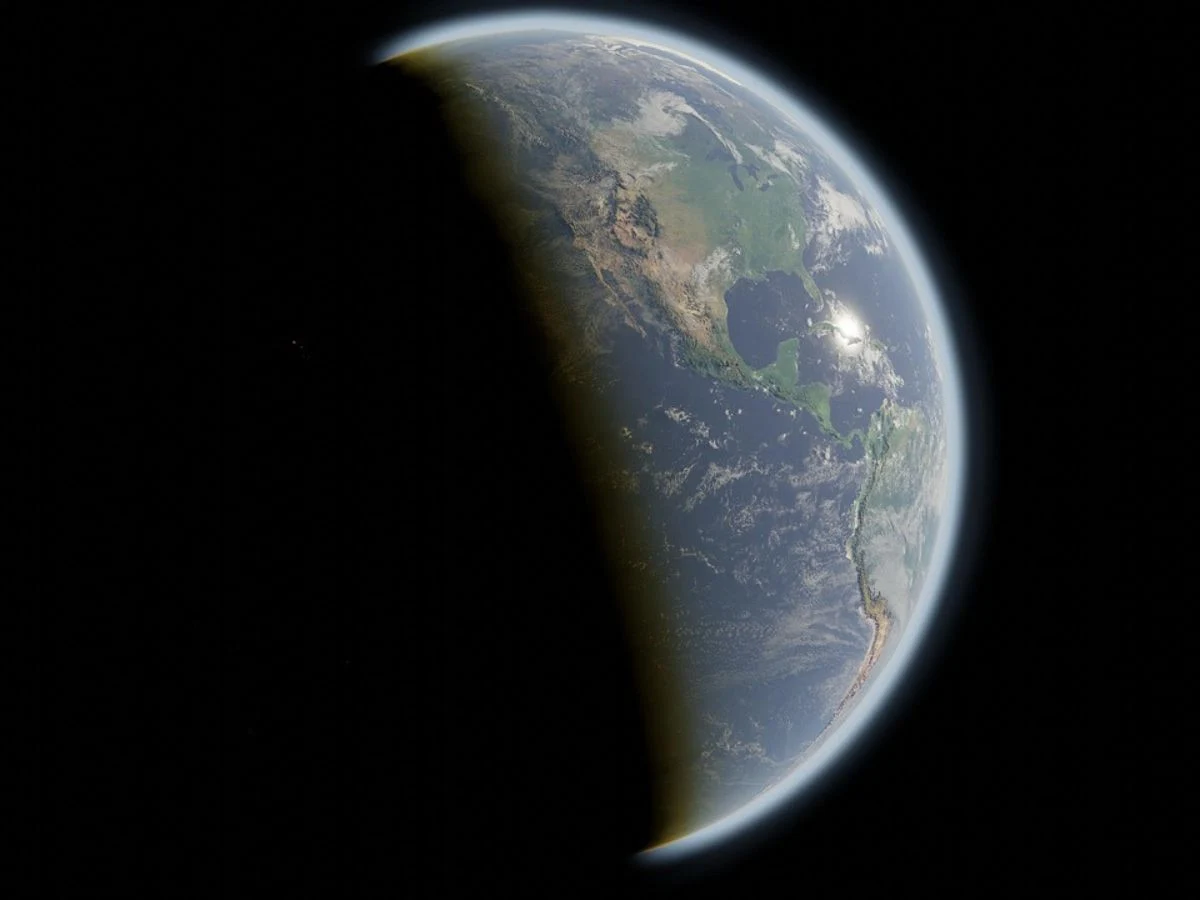
3. OSIRIS-APEX used Earth’s gravity to gain speed during a recent flyby, capturing images from 228,000 km away.
4. The probe took stunning photos of Earth and the Moon from distances of 228,000 km and 595,000 km, respectively.
5. The successful imaging indicates that the probe’s instruments are working well, supporting future space exploration missions.
NASA has carried out a range of missions to investigate numerous formations within our cosmos. From black holes and galaxies to exoplanets, several spacecraft are currently journeying through space for research purposes. Recently, the OSIRIS-APEX probe has captured stunning images of Earth while making its way to the asteroid Apophis.
Mission to Apophis
It’s important to understand that this probe is en route to this celestial body for closer examination. This asteroid is expected to come within about 32,000 km of Earth on April 13, 2029, marking a significant event. Moreover, once the probe gets near Apophis, it will spend 18 months mapping the asteroid to analyze its composition.
Close Encounter
One of the most astonishing aspects of this mission will be the probe’s approach, getting to within about 5 meters of the asteroid. After completing this maneuver, it will activate its engines to stir up dust and gather samples. Recently, OSIRIS-APEX conducted a flyby of Earth, utilizing our planet’s gravitational force to boost its speed. During this pass, it captured images of Earth from 228,000 km away using the MapCam camera, which showcased intriguing details.
Stunning Images
As it moved further away, the StowCam camera was able to photograph both the Moon and Earth at a distance of 595,000 km. These breathtaking images not only illustrate the vastness of our solar system but also signify good news for NASA. This indicates that the instruments on this probe are functioning well, paving the way for future explorations.
Source:
Link