Category: Video / Photo

  • Insta360 Ace Pro 2: New Accessory Before DJI Osmo Action 6 Launch

    Insta360 Ace Pro 2: New Accessory Before DJI Osmo Action 6 Launch

    Key Takeaways

    1. DJI is set to launch the Osmo Action 6 next week, featuring improvements over the Osmo Action 4 and Osmo Action 5 Pro.
    2. Insta360 is preparing to enhance the Ace Pro 2 model with potential hardware upgrades after the Arctic White Edition update.
    3. A new Polaroid-inspired instant printer grip for the Ace Pro 2 will be unveiled on November 12, likely included in new bundles.
    4. The grip will include features like a knurled control dial, dedicated shutter button, and rocker switch for focus and zoom.
    5. Pricing and details about a true next-generation model from Insta360 remain undisclosed.


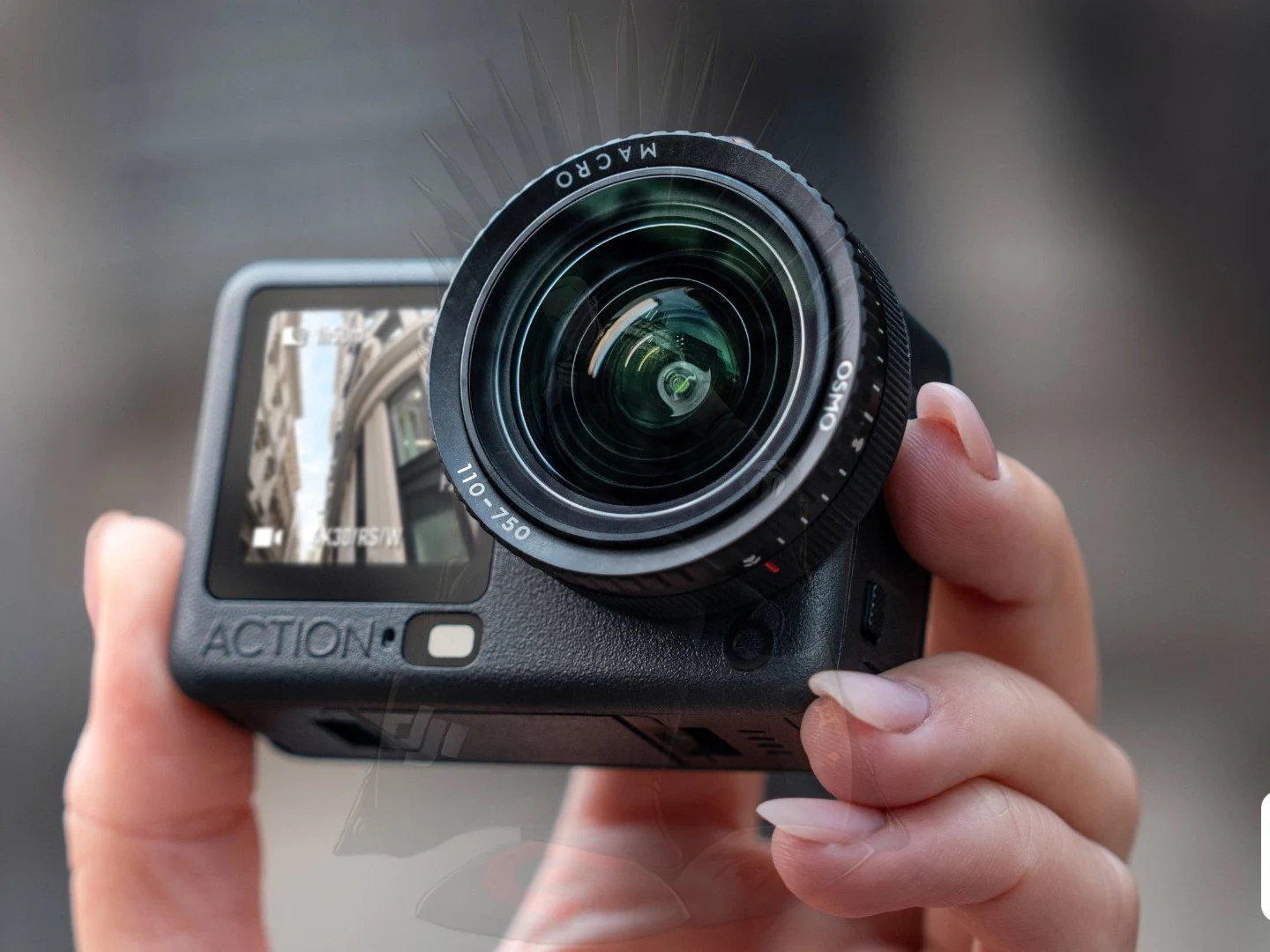
    DJI is just a little over a week away from launching the Osmo Action 6, which comes with many improvements compared to the Osmo Action 4 and the newer Osmo Action 5 Pro. While the launch is set for next week, Insta360 seems ready to enhance its Ace Pro 2 model. After the Arctic White Edition update in September, the company is hinting at what seems like a hardware upgrade this time, even though the original Ace Pro 2 was released over a year ago (curr. $415 on Amazon).

    New Grip on the Horizon

    Insta360 appears to be working on a Polaroid-inspired instant printer grip, which is scheduled to be unveiled on November 12. Based on the company’s previous updates, this new grip will likely be part of new Ace Pro 2 bundles rather than being sold alone. Meanwhile, some leaked images and teasers are giving us hints about what Insta360 plans to reveal on Wednesday.

    Features of the Grip

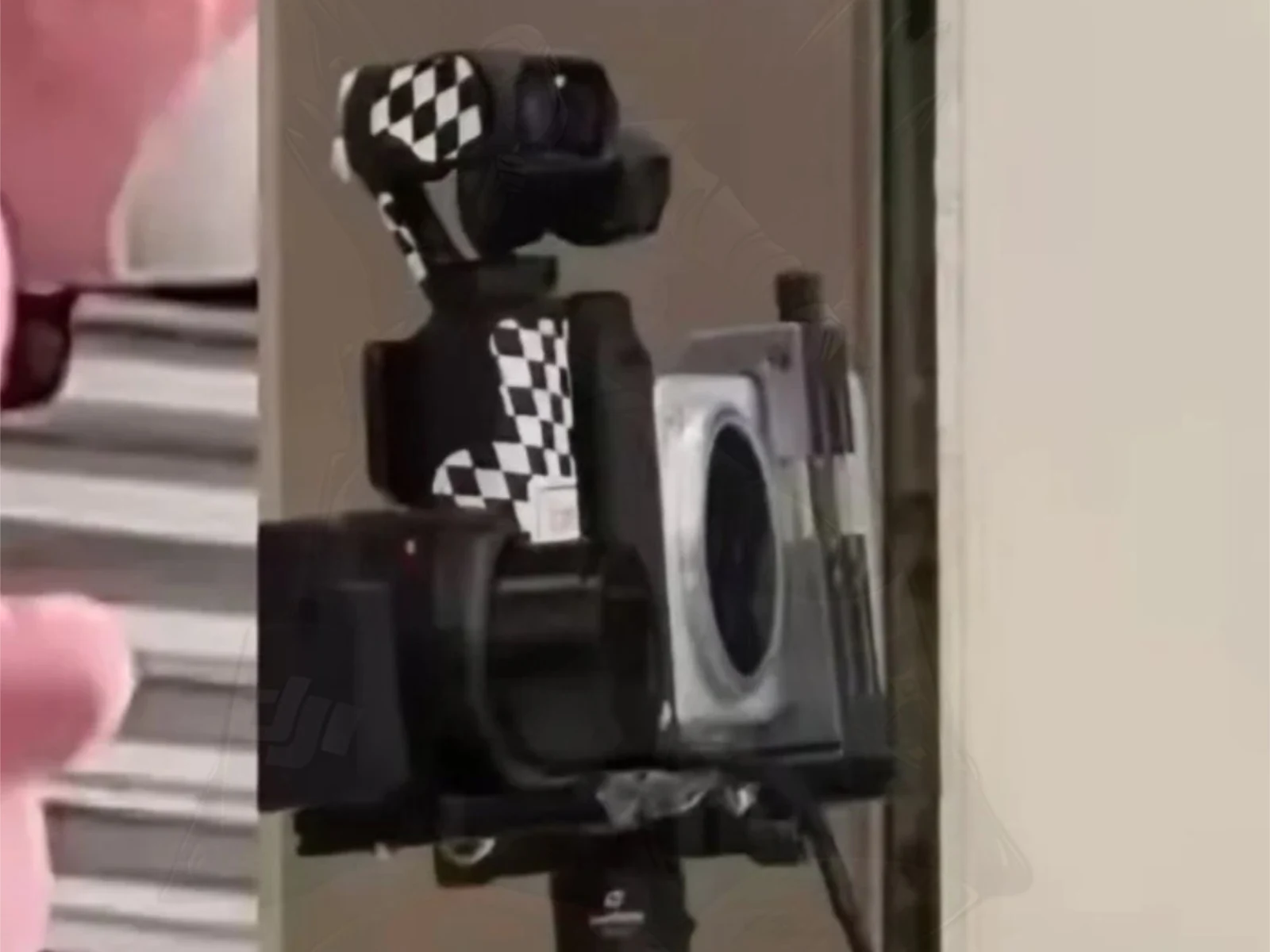
    Up until now, it seems that the Ace Pro 2 has been fitted into a modular grip that looks like a small camera or similar device. The video below illustrates that the grip includes a knurled control dial for adjusting exposure or modes, a dedicated shutter button, and a rocker switch for focus and zoom adjustments. Additionally, this grip features a built-in instant printer, which will probably be a key selling point for Insta360. Unfortunately, the pricing is still a mystery, as is the information regarding a true next-generation model.

    Source:
    Link


  • DJI Avata 360 Launch Details and Rumored 1/1.1-Inch CMOS Camera

    DJI Avata 360 Launch Details and Rumored 1/1.1-Inch CMOS Camera

    Key Takeaways

    1. Competition in Action Cameras: DJI and Insta360 have both launched new action cameras, with Insta360 introducing the X5 and DJI releasing the Osmo 360.

    2. Insta360’s New Drone: Insta360 will launch its first consumer drone, the Antigravity A1, in January 2026, while DJI is rumored to be developing a competing model.

    3. Rebranding of DJI’s Drone: The Mini 360 has been rebranded as the Avata 360, which will feature dual camera sensors for 360° imaging and obstacle sensors.

    4. Specifications and Pricing: The Avata 360 is expected to use camera hardware from the Osmo 360, offer 8K video recording, and be priced around $700 in China.

    5. Potential Launch Timeline: The Avata 360 is anticipated to weigh under 250 grams and could officially launch before the end of the year.


    It seems DJI and Insta360 are gearing up for another competition, having both launched their own action cameras this year. To summarize, Insta360 kicked things off with the X5, which has had several updates since its debut in April. Shortly after, DJI jumped into the 360° action camera market with the Osmo 360, priced currently at $412 on Amazon.

    New Developments in Drones

    Around the same timeframe, Insta360 unveiled its first drone under the new Antigravity brand. The Antigravity A1, a consumer model, is set to launch in January 2026. Meanwhile, there have been whispers online since August suggesting that DJI might be working on a competing model that could be released before the Antigravity A1 hits the market.

    Exciting New Features

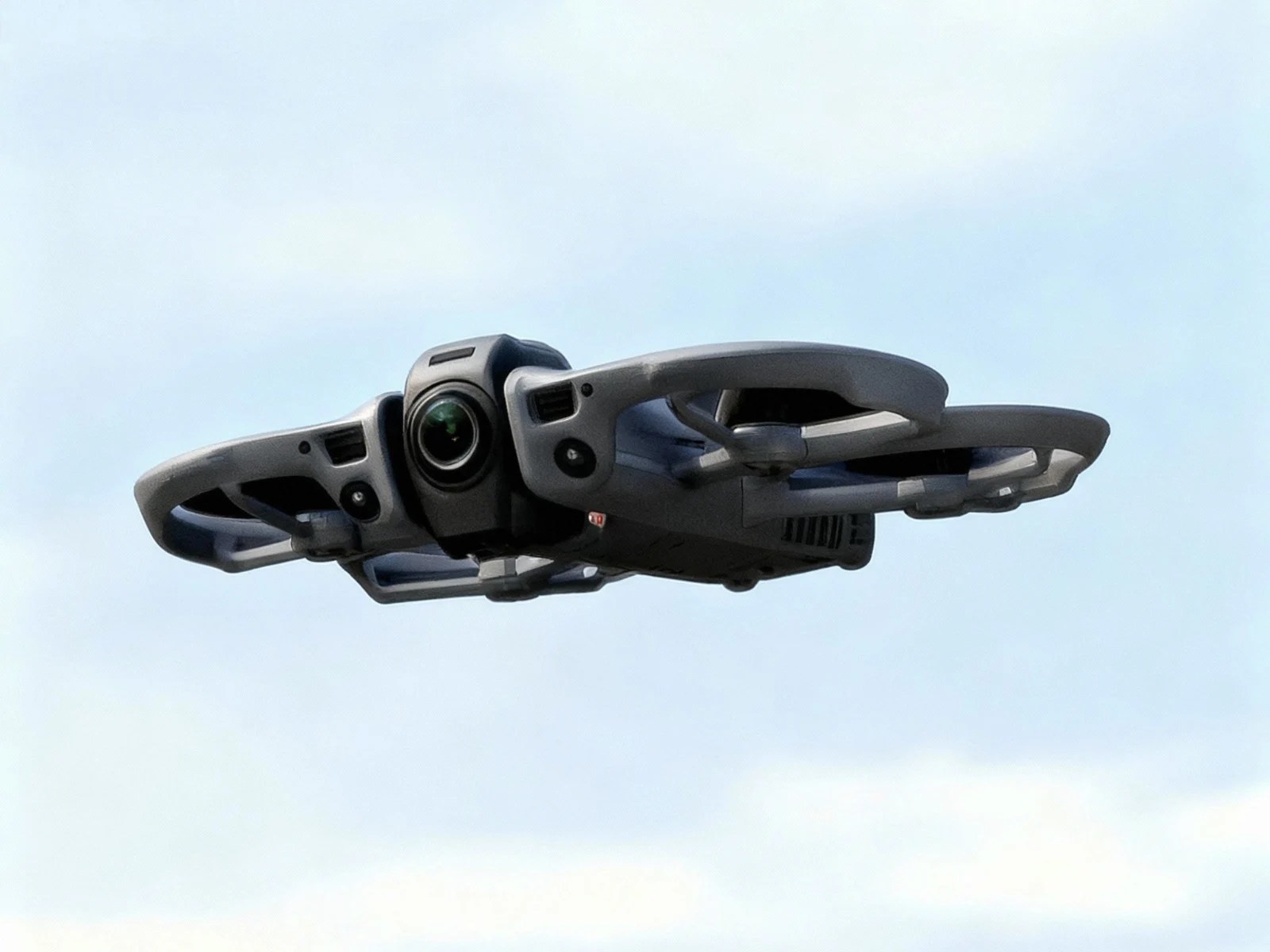
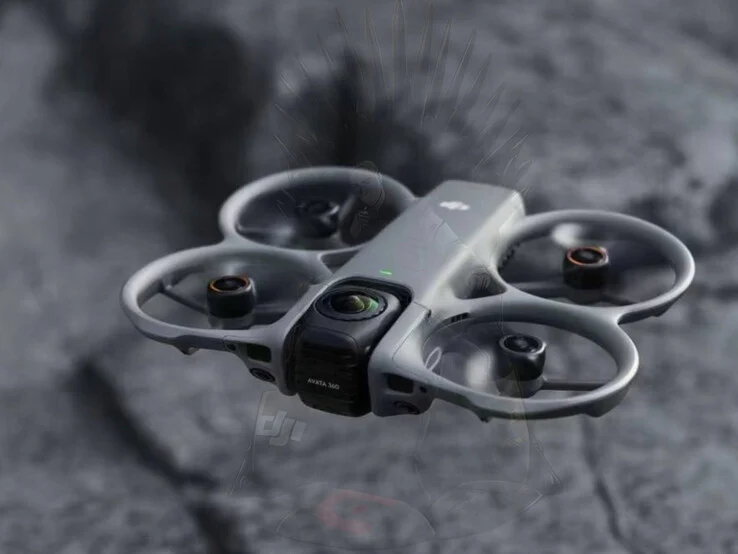
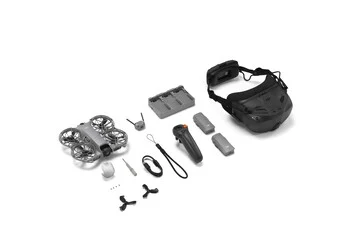
    Recently, the previously referred Mini 360 has been rebranded as the Avata 2’s successor, now known as the Avata 360. Igor Bogdanov has released several images that seem to confirm ‘Avata 360’ as the final retail name for the drone. This indicates that DJI might be ready to unveil its first 360° drone sooner than anticipated.

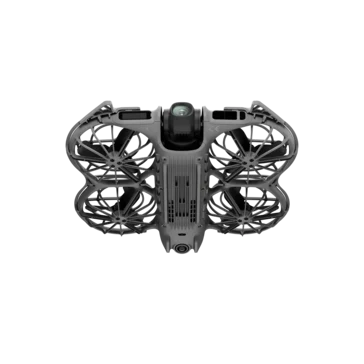
    The Avata 360 appears to have two camera sensors that can combine footage to produce a 360° image. It features the semi-protected propellers from the Avata 2 and includes front-facing obstacle sensors, supported by dual LiDAR sensors positioned on either side of the camera housing.

    Anticipated Specifications and Pricing

    According to earlier rumors, DJI is likely to use the camera hardware from the Osmo 360, equipped with a three-axis gimbal to ensure smooth 8K and 360° video recordings. It seems DJI plans to price the Avata 360 at about CNY 5,000 (around $700) in China, but it’s still uncertain if this price will be consistent in other regions.

    Nonetheless, the Avata 360 is expected to weigh less than 250 grams, which means it should fit into the C0 drone category. As things stand, there’s a good chance the Avata 360 could officially launch before the year wraps up.

    Source:
    Link


  • Sony, Samsung, Apple LOFIC Sensors to Bring Cinema-Level Quality by 2028

    Sony, Samsung, Apple LOFIC Sensors to Bring Cinema-Level Quality by 2028

    Key Takeaways

    1. Major tech companies like Sony, Samsung, and Apple are developing next-gen image sensors using LOFIC technology, with expected adoption between late 2026 and 2028.

    2. Sony plans to release a 1/1.3-inch LOFIC sensor for OPPO and Vivo, with prototypes ready by late 2026, marking a shift towards external OEM partnerships.

    3. Samsung is working on a 200 MP, 1/1.1-inch LOFIC module, anticipated for release between late 2026 and early 2027.

    4. Apple’s in-house CIS project with LOFIC technology is now expected to launch in 2028, potentially delaying the introduction originally planned for the 2027 iPhone 20 series.

    5. LOFIC technology enhances dynamic range and low-light performance in image sensors, shifting the focus of mobile photography from resolution to overall image quality.


    A recent post on Weibo by the trusted insider Digital Chat Station suggests that major tech companies like Sony, Samsung, and Apple are working on the next-gen image sensors that will use LOFIC (Lateral Overflow Integration Capacitor) technology. The timeline indicates that we can expect this technology to be adopted between late 2026 and 2028, hinting at a coordinated effort across the industry rather than just individual trials.

    Sony’s New Developments

    The leak reveals that Sony is getting ready to launch a 1/1.3-inch LOFIC sensor for brands like OPPO and Vivo, with prototype versions expected to be ready by late 2026. This is the first time it’s been reported that Sony is creating a LOFIC sensor specifically intended for external OEM partners, instead of for its own Xperia series. Furthermore, Samsung is believed to be working on a 200 MP, 1/1.1-inch module, known internally as HPA, which is anticipated to be released sometime between late 2026 and early 2027.

    Apple’s Progress with LOFIC

    On the other hand, Apple is reportedly making strides in its own in-house CIS (CMOS Image Sensor) project that incorporates LOFIC technology, with a release now expected in 2028. The leak from Digital Chat Station specifically states that Apple’s self-developed CIS with LOFIC support is “currently planned for the year 2028.”

    In the past, there have been indications that Apple’s first LOFIC sensor would be introduced with the 2027 “anniversary iPhone,” recognized now as the iPhone 20 series. The iPhone 20 holds special significance as it marks Apple’s 20th anniversary, and it would have been a great opportunity to unveil the company’s first in-house image sensor. However, the latest information suggests that this significant camera upgrade might be pushed back a year, delaying the LOFIC introduction to the 2028 iPhone models.

    Understanding LOFIC Technology

    For those who may not know, LOFIC allows a sensor to capture excess charge from bright areas using lateral capacitors, which helps avoid highlight clipping and enhances tonal range. This design results in better performance in low-light conditions and improves dynamic range, yielding more realistic details in both highlights and shadows.

    If this information is correct, it appears that Sony and Samsung could bring LOFIC sensors to market before the end of 2027, while Apple will adopt the technology later through its own CIS. This trend also highlights a shift from merely competing on resolution towards focusing on dynamic range and architectural innovations in mobile photography.

    Currently, there has been no official confirmation from any of the three companies regarding these details.

    Source:
    Link


  • Osmo Pocket 4 Launch Plans Revealed for DJI’s Next Vlogging Camera

    Osmo Pocket 4 Launch Plans Revealed for DJI’s Next Vlogging Camera

    Key Takeaways

    1. The Osmo Pocket 4 is expected to be released soon, as indicated by leaker Hakasushi.
    2. The new model may feature Hasselblad camera enhancements, marking a first for the series.
    3. The Osmo Pocket 4 is likely to be taller than its predecessor, with space for two new hardware buttons.
    4. It might include a 50 MP CMOS sensor (OmniVision OV50R40) capable of delivering high dynamic range (HDR).
    5. A refresh of the Osmo Pocket series is anticipated in December 2025, aligning with the launch timeline of the Osmo Pocket 3.


    Leaker Hakasushi has provided new details about the future of DJI’s vlogging camera line. Recent leaks have left us wondering how long it might take for DJI to unveil a successor to the Osmo Pocket 3 (currently priced at $565 on Amazon), which celebrated its second anniversary at the end of October.

    Possible Release Timeline

    Hakasushi suggests that fans of the Osmo Pocket won’t have to wait much longer for the arrival of a fourth-generation model. To recap, initial information regarding the so-called Osmo Pocket 4 came to light in May when Fixed Focus Digital hinted that this new device might be the first in its series to incorporate Hasselblad camera enhancements.

    Emerging Specifications

    As we look forward to more details about the Osmo Pocket 4, various clues have been surfacing over the past few months. For example, it appears that DJI’s upcoming vlogging camera will be a bit taller than its predecessor, allowing space for two new hardware buttons. The Osmo Pocket 4 might also feature the latest OmniVision OV50R40, a 50 MP CMOS sensor with a 1/1.3-inch optical format and the ability to deliver up to 110 dB of single exposure HDR.

    Anticipated Updates

    On X, Hakasushi has mentioned that DJI is planning to refresh the Osmo Pocket series next month. Although they haven’t directly referred to the Osmo Pocket 4 yet, the indication that a “fan favorite” will get an “upgrade” in December 2025 after a 26-month wait aligns perfectly with the Osmo Pocket 3’s launch timeline. Interestingly, the Neo 2 and Osmo Action 6 are expected to be released worldwide before December begins, eliminating those models as potential releases.

    Source:
    Link


  • Rare Sky Phenomenon Captured in New Zealand

    Rare Sky Phenomenon Captured in New Zealand

    Key Takeaways

    1. The sky offers many fascinating sights, including unusual cloud formations and meteor showers.
    2. Photographer Dan Zafra captured a rare event of red sprites while observing the Milky Way.
    3. Red sprites are brief, luminous events that are hard to see and predict, making the photograph exceptional.
    4. The captured image can help scientists learn more about red sprites and their formation.
    5. An Aurora Australis was also visible in the photograph, adding beauty to the scene.


    The sky can be a source of amazing sights, and recently, New Zealand showcased this when a photographer caught a very unusual event. This rare occurrence could also aid scientific research in the future.

    A Variety of Sky Wonders

    Observing the sky at different times can reveal many fascinating things. From oddly shaped clouds to meteor showers, every glance upward offers something new and different.

    A Night to Remember

    Just a few days ago, Dan Zafra was fortunate enough to photograph a rare sight during the night. While gazing at the night sky and the Milky Way galaxy, he managed to capture an image featuring red sprites.

    If you haven’t heard about them before, red sprites are brief luminous events that last only a few milliseconds above cumulonimbus clouds. They are notoriously difficult to see, as they are nearly invisible without proper equipment. Additionally, predicting their appearance is next to impossible, which makes this photograph quite exceptional.

    A Scientific Opportunity

    While this image is undeniably stunning, scientists may utilize it to gain a deeper understanding of red sprites and their formation, as many questions still linger about them today.

    In a delightful twist, an Aurora Australis can also be seen on the left side of the images, providing a unique and majestic element to the overall scene.

    Source:
    Link


  • DJI Osmo Pocket 4 Vlogging Camera Leaked Before Release

    DJI Osmo Pocket 4 Vlogging Camera Leaked Before Release

    Key Takeaways

    1. DJI is launching the Neo 2 on November 13 and the Osmo Action 6 on November 18.
    2. The Neo 2 is already available in China, while details for the Osmo Action 6 are mostly disclosed.
    3. The Osmo Pocket 4 is currently in beta testing, with rumors about its features circulating since May.
    4. The Osmo Pocket 4 will feature new buttons and an upgraded camera sensor with 50 MP output.
    5. An official global announcement for the Osmo Pocket 4 is unlikely before next year.


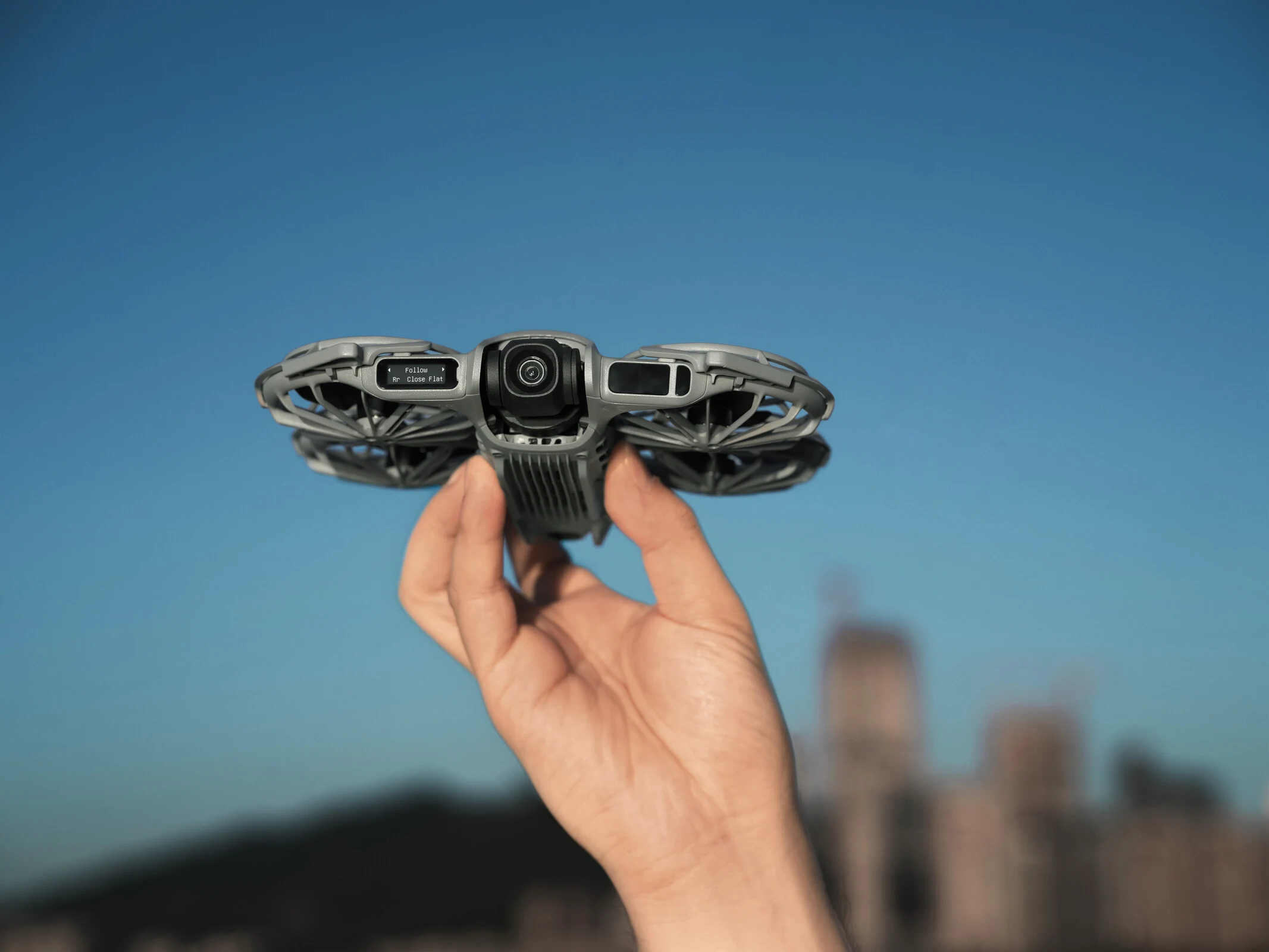
    DJI is gearing up to launch several new devices this month. To summarize, the company has kicked off global releases for both the Neo 2 and the Osmo Action 6 camera. Currently, the Neo 2 is set to launch on November 13, followed closely by the Osmo Action 6 on November 18.

    Details on the New Releases

    With the Neo 2 already available in China and most specs of the Osmo Action 6 disclosed, there is not much left to reveal about these gadgets. However, The New Camera has shifted its focus to the much-anticipated Osmo Pocket 4. Although rumors about this next-generation vlogging camera began circulating back in May, it remains less clear than DJI’s other upcoming products.

    Insights on Osmo Pocket 4

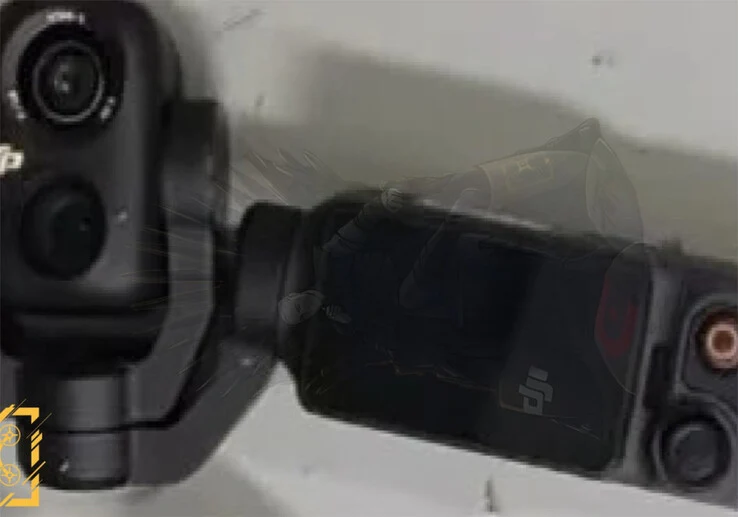
    Interestingly, the Osmo Pocket 4 seems to have entered the beta testing phase. In a recent image, it can be seen next to the Osmo Pocket 3, which currently retails for $565 on Amazon. The Osmo Pocket 4 has two new buttons located beneath its rotating display, making it easily recognizable. Previous leaks hint that this new device may come with several enhancements over the current model, including an OmniVision OV50R40 camera sensor that offers a native output of 50 MP.

    The emergence of an Osmo Pocket 4 prototype suggests that DJI is on the verge of launching the product soon. Nevertheless, the company’s beta testing leaks usually take place a few months prior to an official announcement. This implies that it might be unrealistic for DJI to globally reveal the Osmo Pocket 4 before next year begins.

    Source:
    Link


  • Amateur Astronomer Films Two Asteroid Impacts on the Moon

    Amateur Astronomer Films Two Asteroid Impacts on the Moon

    Key Takeaways

    1. Japanese astronomer Daichi Fujii captured two significant impacts on the Moon using his telescope.
    2. The first impact occurred on October 30, with an asteroid hitting the Moon at approximately 100,000 km/h (62,137 mph).
    3. A second impact was recorded just two days later, on November 1, in a different location.
    4. American telescopes were unable to observe these events due to a shutdown, leaving only Japanese telescopes to document them.
    5. These impacts enhance our understanding of lunar events and could inform future space exploration and human activities on the Moon.


    When gazing at the Moon, our planet’s natural satellite, we notice a lot of craters. Recently, a Japanese hobbyist astronomer succeeded in capturing two significant impacts and shared the pictures online.

    The First Impact

    On the night of October 30, Daichi Fujii, who is employed at the Hiratsuka Museum of Art, managed to record the first impact. He has a telescope that is always aimed at the Moon, which allowed him to take some rare visuals.

    In the initial video, a bright flash of light can be seen, which is the result of an asteroid crashing into the Moon. This impact was extremely powerful, with its speed approximated at 100,000 km/h (around 62,137 mph). But that’s not the end of the story; on November 1, just two days later, he witnessed another strong impact in a different location.

    Limited Observations

    Even though such events are rather uncommon, it’s worth mentioning that American telescopes did not capture them due to a shutdown, making it impossible for any observations. Thus, only Japanese telescopes were capable of recording these two occurrences.

    Additionally, while the display of these impacts is remarkable, it also enhances our understanding of how often impacts happen on the Moon. Moreover, the research that will be carried out on this topic will have significant implications for future space exploration and human activities on this celestial body.

    @dfuji1 on X

    Source:
    Link


  • Insta360 X5 Limited Edition: Upgraded 360-Degree Camera Release

    Insta360 X5 Limited Edition: Upgraded 360-Degree Camera Release

    Key Takeaways

    1. Insta360 has released the X4 Air with enhancements but chose to update the X5 instead of launching the X6.
    2. The X5 was originally launched in April and now has new color options, including the MM93 2025 Championship Edition.
    3. The MM93 edition celebrates Marc Márquez’s ninth Grand Prix World Championship with unique lenses and branding.
    4. The MM93 edition includes a year’s subscription to Insta360+, offering 1 TB of cloud storage.
    5. Only 9,393 units of the MM93 2025 Championship Edition will be available globally, priced at £599 in the UK, $699.99 in the US, and €685 in the Eurozone.


    Insta360 has recently introduced the X4 Air, featuring multiple enhancements compared to the previous X4 model. However, instead of launching the anticipated X6, the company has opted to give the X5 another update.

    Refreshing the X5

    For some background, the X5 made its debut in April. Since that time, Insta360 has rolled out both BMW Motorrad and Satin White versions, priced at $549 on Amazon. Now, they have added the MM93 2025 Championship Edition to their lineup.

    Celebrating Marc Márquez

    This new edition celebrates Marc Márquez’s achievement of winning his ninth Grand Prix World Championship. The MM93 2025 Championship Edition includes unique lenses and is adorned with Márquez’s branding on a sleek black casing. Additionally, customers will receive a year’s subscription to Innsta360+, which provides access to 1 TB of cloud storage.

    To further set the MM93 2025 Championship Edition apart from the Satin White version, which had a similar offering, Insta360 has included 360° footage of Marc Márquez, available through an Insta360+ cloud album. The MM93 2025 Championship Edition can be pre-ordered for £599 in the UK, $699.99 in the US, and €685 in the Eurozone. It’s important to mention that only 9,393 units are being offered globally by Insta360.

    Source:
    Link


  • Leica SL3 Reporter: 60MP Full-Frame Sensor in Rugged Design

    Leica SL3 Reporter: 60MP Full-Frame Sensor in Rugged Design

    Key Takeaways

    1. The Leica SL3 Reporter, launched in March 2024, features a tough design aimed at professionals, with an olive-green coating and aramid cover for enhanced durability.
    2. The camera maintains the same technical specs as the standard Leica SL3, including a 60MP full-frame sensor and 5-axis image stabilization.
    3. It can shoot up to 5 frames per second with continuous autofocus or 15 frames per second without autofocus and supports 8K video recording at 30 fps.
    4. The electronic viewfinder has a resolution of 5.76 million dots and a refresh rate of 120Hz, while the touchscreen has a resolution of 2.3 million dots.
    5. The Leica SL3 Reporter is priced at $7,995, compared to the black version, which is sold for $7,485.


    The Leica SL3 was first introduced in March 2024, but until now, it was only offered in black. Recently, a new version called the “Reporter” has been launched, which is designed to be extra tough and dependable for professionals, as stated in Leica’s official press announcement.

    Enhanced Durability Features

    To achieve this, Leica has applied a special olive-green coating that resists scratches and used aramid for the cover, which not only enhances durability but also gives a better grip. The design features black buttons, a black Leica logo instead of the usual white one, and the absence of the iconic red Leica emblem, giving the SL3 Reporter a more understated look. Like its predecessor, this camera is manufactured in Germany and maintains all the same technical specs as the standard Leica SL3.

    Technical Specs

    The camera is powered by a 60MP full-frame sensor and includes 5-axis image stabilization. With the Leica Maestro IV processor and an 8GB buffer, it can shoot up to 5 frames per second with continuous autofocus or 15 frames per second without autofocus using the electronic shutter. It supports 8K video recording at 30 frames per second and can capture 4K video at 60 frames per second. The electronic viewfinder boasts a resolution of 5.76 million dots and a refresh rate of 120Hz, while the 3.2-inch touchscreen has a resolution of 2.3 million dots.

    The Leica SL3 Reporter is now available for purchase on Leica’s official website and through authorized retailers at a price of $7,995. For reference, the black version of the Leica SL3 is sold for $7,485.

    Source:
    Link


  • DJI Drones Face Possible Ban in the US: What You Need to Know

    DJI Drones Face Possible Ban in the US: What You Need to Know

    Key Takeaways

    1. The US government is considering a ban on the sale of DJI drones due to national security concerns.
    2. The FCC’s recent ruling could lead to restrictions on products from companies deemed security threats, including DJI.
    3. DJI drones are seen as a risk because they collect imagery and location data that could be accessed by the Chinese government.
    4. DJI has offered to undergo a formal audit to prove compliance with US data standards, but communication with the government has stalled.
    5. Current DJI drone owners are unaffected by potential future bans, but future sales and support could be limited if restrictions are enacted.


    If you’re in the United States and have been considering a DJI drone, now could be a good moment to make a purchase before it gets tougher. The US government is edging closer to a ban on the sale of DJI drones, a move that could change the landscape of both consumer and commercial drone markets. A recent decision by the Federal Communications Commission (FCC) has paved the way for possible future bans on products from companies seen as national security threats, and DJI is central to this discussion.

    FCC’s Decision

    The FCC’s ruling is presented as a way to “protect America’s communication networks from devices that are seen as a risk to national security.” Essentially, this means that any upcoming DJI drones, and even some current models that use specific wireless technology, might soon be barred from being imported and sold in the US. This action is similar to previous measures against other Chinese tech companies like Huawei, highlighting the increasing distrust between Washington and Beijing concerning advanced technology.

    National Security Concerns

    The US government has consistently flagged DJI as a security risk. The main concern is that DJI’s drones, which are popular for photography, surveying, and public safety, gather substantial amounts of imagery and location data that might potentially be accessed by the Chinese government. Lawmakers have cautioned that even seemingly innocent hobby drones could leak sensitive geographical information if misused. While these worries aren’t new, they have gained momentum in recent years amid escalating tensions between the US and China.

    DJI, which is located in Shenzhen, has refuted these accusations. Adam Welsh, the global policy head of the company, stated to CNET that the new FCC regulations do not currently apply to DJI. However, the National Defense Authorization Act has set a deadline in December that could automatically place DJI on the FCC’s list of banned companies “without any proof of wrongdoing or the opportunity to appeal.” Welsh mentioned that DJI has proposed to undergo a formal audit to prove it meets US data and security standards, but over ten months have passed without any indication that this process has started. He expressed that DJI is pressing the government to either commence the audit or prolong the deadline.

    The Path Forward

    “The US government has every right to enhance national security measures,” Welsh noted, “but it must accompany this with due process, fairness, and transparency.” DJI asserts that it has nothing to conceal and is willing to collaborate in a formal review; however, the lack of communication from Washington puts it at risk of an automatic ban.

    Currently, this vote is just the first phase in a longer regulatory procedure. Any specific ban would necessitate additional public input and must clarify which products would face restrictions. Nevertheless, the groundwork has been established. The FCC and other agencies now possess greater authority to halt imports of drones or related gear that utilize technology regarded as hazardous. If no audit is conducted by year’s end, DJI drones could automatically be included in the ban, even without an explicit decision.

    If you already own a DJI drone, there’s no need to worry. The potential restrictions would only affect future sales, not devices that have already been bought. You can still operate your existing drone following current regulations, although federal agencies are already barred from purchasing or using DJI models. Private and commercial users may continue to use theirs, but if a ban is enacted, future support and firmware updates could become more limited, especially if the company loses access to essential US services.

    Source:
    Link