Key Takeaways
1. Release and Availability: The DJI Neo 2 launched in China on October 30, 2024, and will be available in Europe, Canada, and Brazil on November 13, 2024.
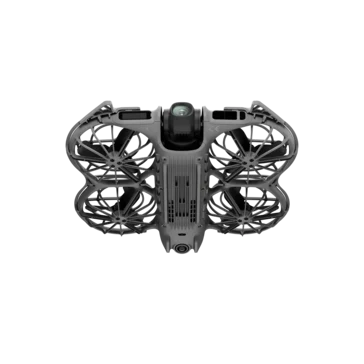
2. Lightweight Design with Smart Sensors: Weighing 151 g, the Neo 2 features optical and infrared sensors for full obstacle detection, including forward LiDAR for depth mapping.
3. Enhanced Camera Stabilization: The camera now has a two-axis gimbal for better stabilization, allowing for 4K video recording at 100 fps and improved HDR processing.
4. Improved Battery and Storage: The Neo 2 offers a battery life of up to 19 minutes and 49 GB of internal storage, enabling about 100 minutes of 4K/60 fps video recording.
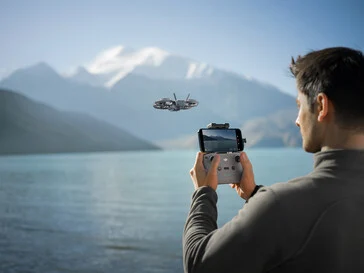
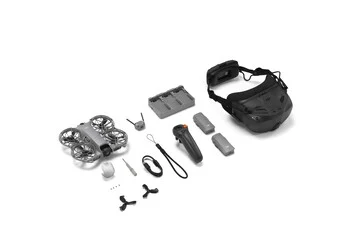
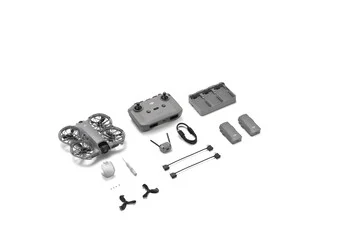
5. Advanced Control Options: Users can control the drone via gesture and voice commands, connect to the DJI RC-N3 controller for extended range, or use it with Goggles for a first-person view experience.
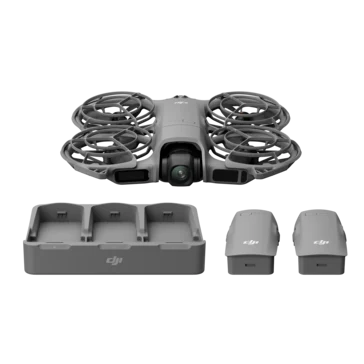
DJI has recently added to its well-liked compact drone series with the Neo 2, which follows the small Neo that was launched in September 2024. After its release in China on October 30, the Neo 2 is set to arrive in Europe, Canada, and Brazil on November 13. This new model is ideal for casual users and content creators looking for a compact, self-flying camera with slight enhancements compared to its previous version.
Lightweight and Smart Sensors
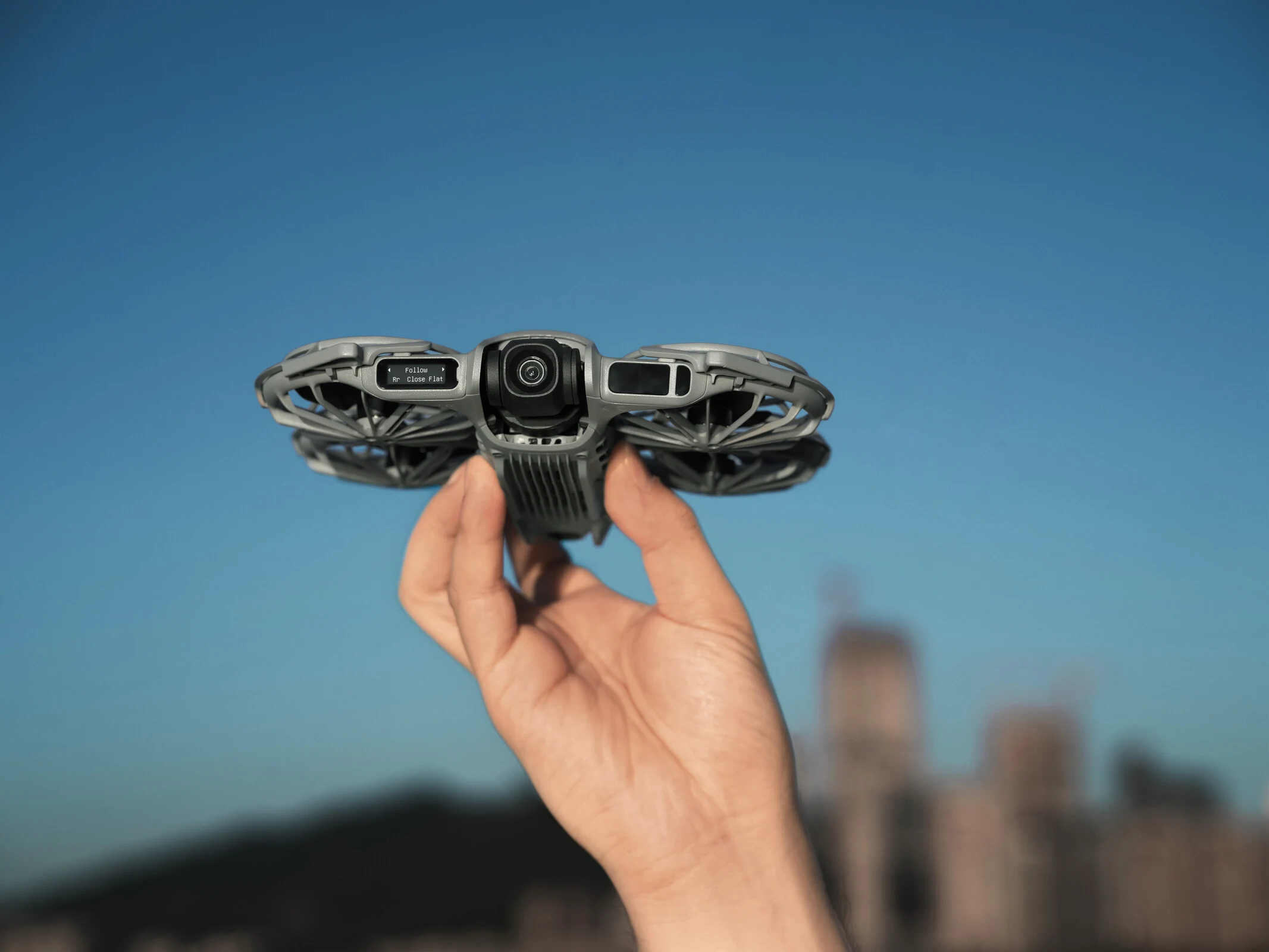
Weighing in at just 151 g, the Neo 2 is still quite light, although it does weigh a bit more than the original model. DJI has equipped it with a ring of optical and infrared sensors that enable complete obstacle detection. This includes forward LiDAR for depth mapping and downward positioning to ensure smoother landings. The original Neo lacked significant collision avoidance features, often depending solely on the pilot’s alertness.
Enhanced Camera Features
When it comes to camera capabilities, the Neo 2 uses the same sensor found in the first Neo but shifts from a single-axis system to a two-axis gimbal that stabilizes a 12 MP 1/2-inch CMOS sensor. It can record video at up to 4K @ 100 fps with improved HDR processing and reduced motion blur. As a result, shots taken without handheld support and slow-motion footage should appear much steadier compared to the Neo’s previous limit of 4K @ 30 fps.
Improved Battery and Storage
Battery life has also improved slightly, lasting up to 19 minutes. The internal storage now has 49 GB, allowing for about 100 minutes of 4K/60 fps video. Files can be transferred wirelessly at speeds up to 80 MB/s without needing any cables. The Neo 2 continues to support gesture and voice commands, while advanced users can connect DJI’s RC-N3 controller for a range of up to 10 km or pair the drone with Goggles and the Motion Controller for a first-person view flying experience.
Source:
Link