Tag: full-frame camera

  • Leica 44 MP Full-Frame Camera Coming Soon

    Leica 44 MP Full-Frame Camera Coming Soon

    Key Takeaway

    – Leica SL3-P is rumored for June 2026 release with a €5,900 price and a 44 MP full-frame sensor, positioned between the SL3-S (24 MP, €5,190) and SL3 (60 MP, €6,990).
    – The camera is reportedly based on the Panasonic Lumix S1RII architecture, not on the SL3-S or SL3, with Leica-like menu/RAW adaptations but a premium price.
    – Expected tradeoffs: higher resolution and faster autofocus than SL3-S, but worse video performance; operating concept said to resemble Panasonic cameras more than typical Leica bodies.


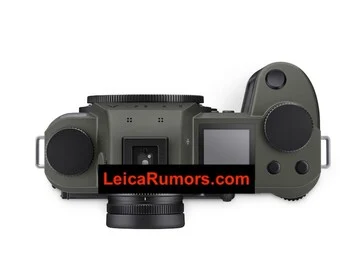
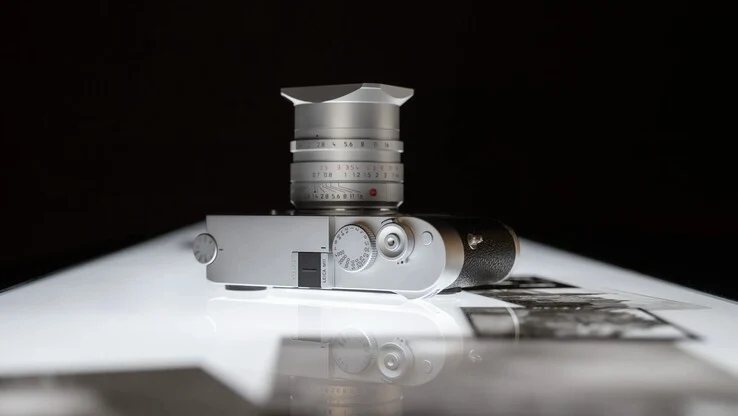
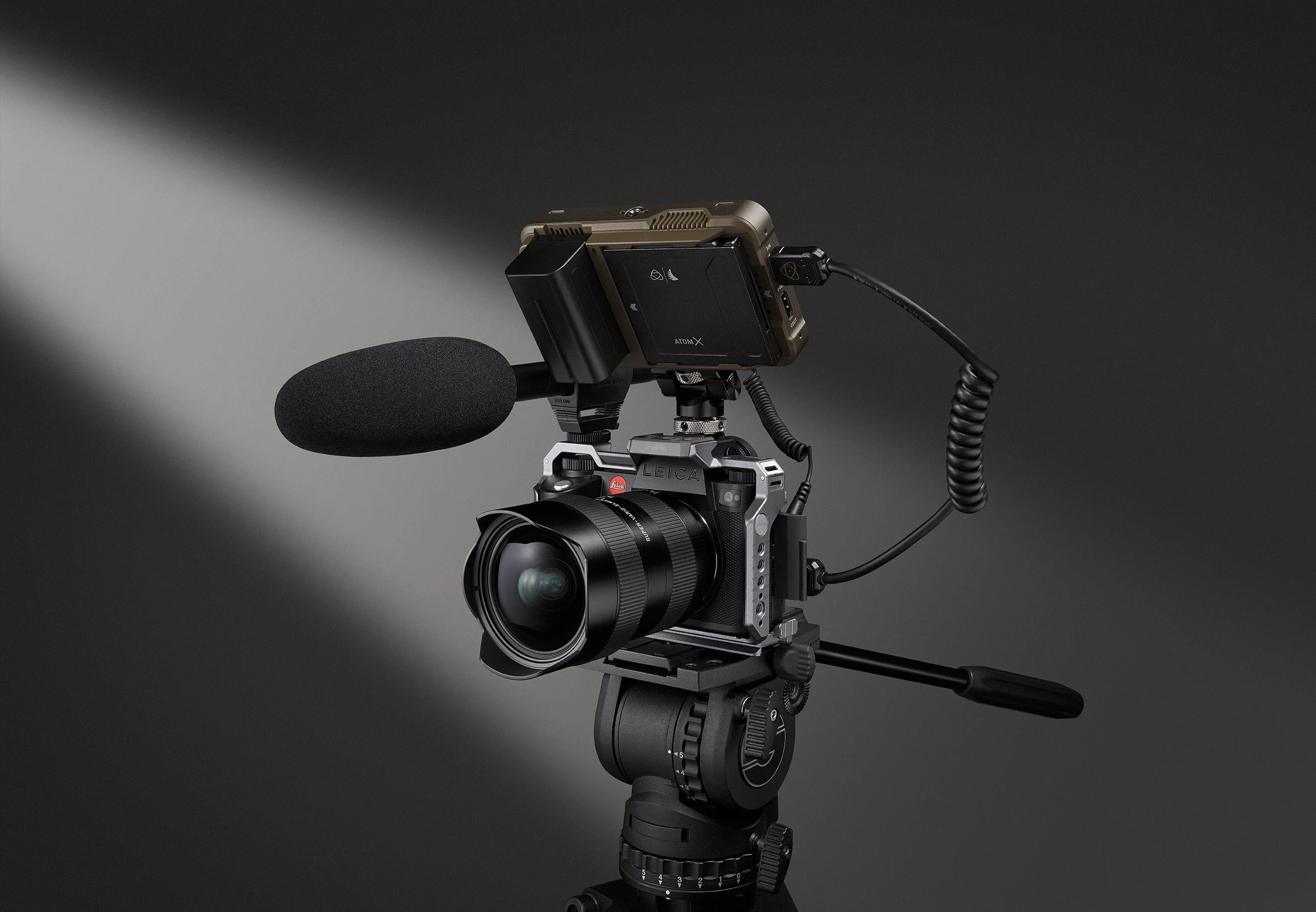
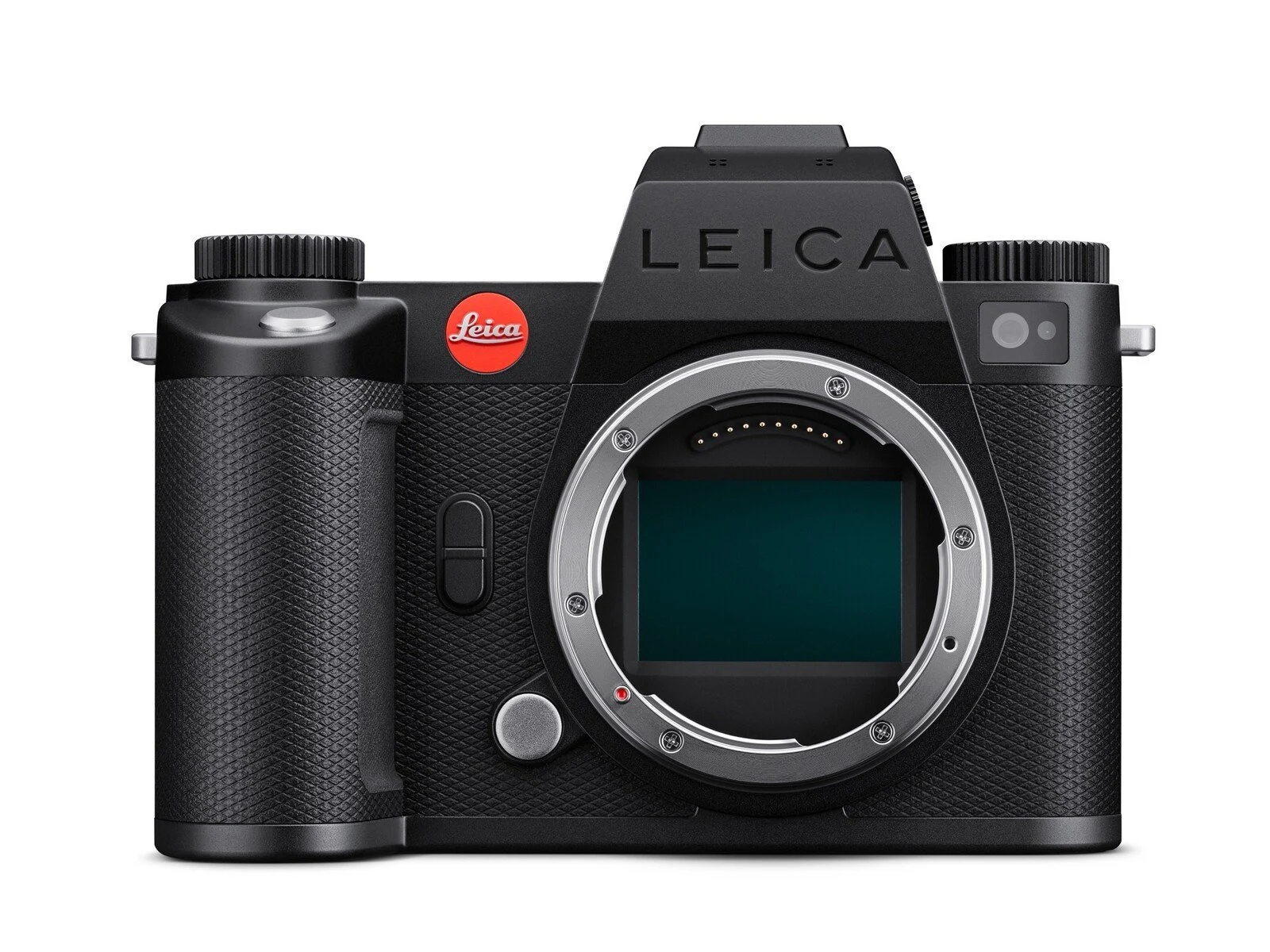
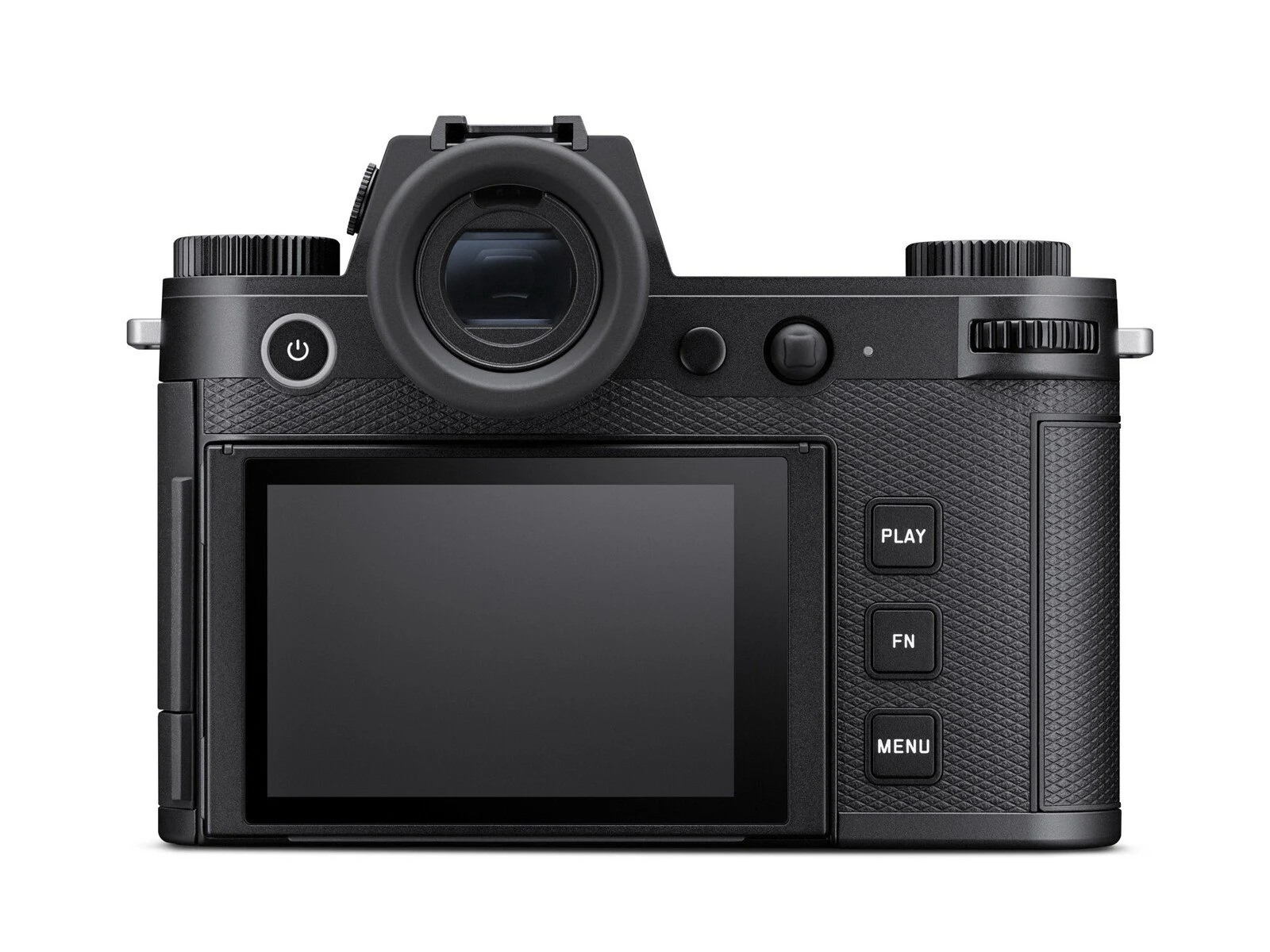
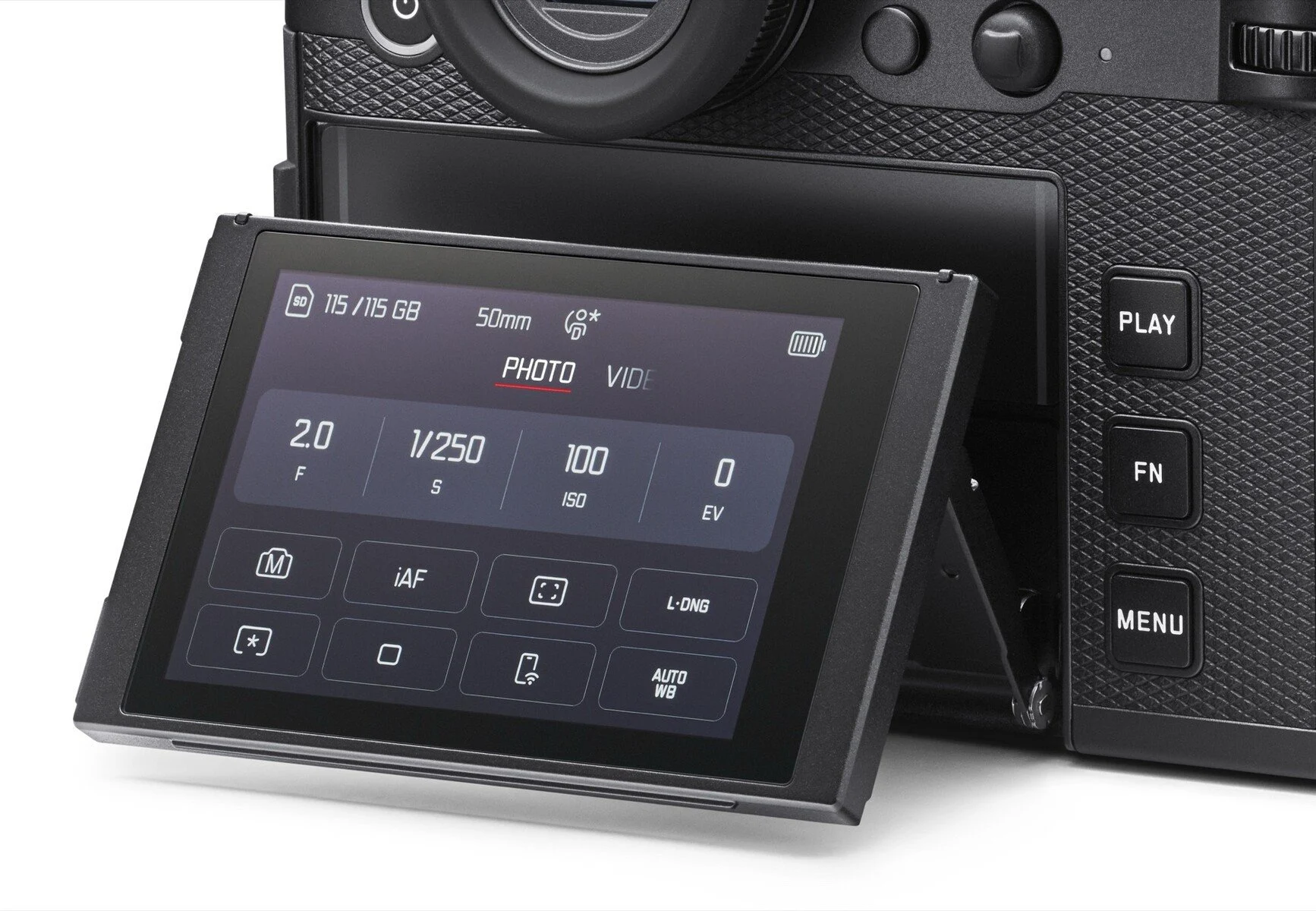
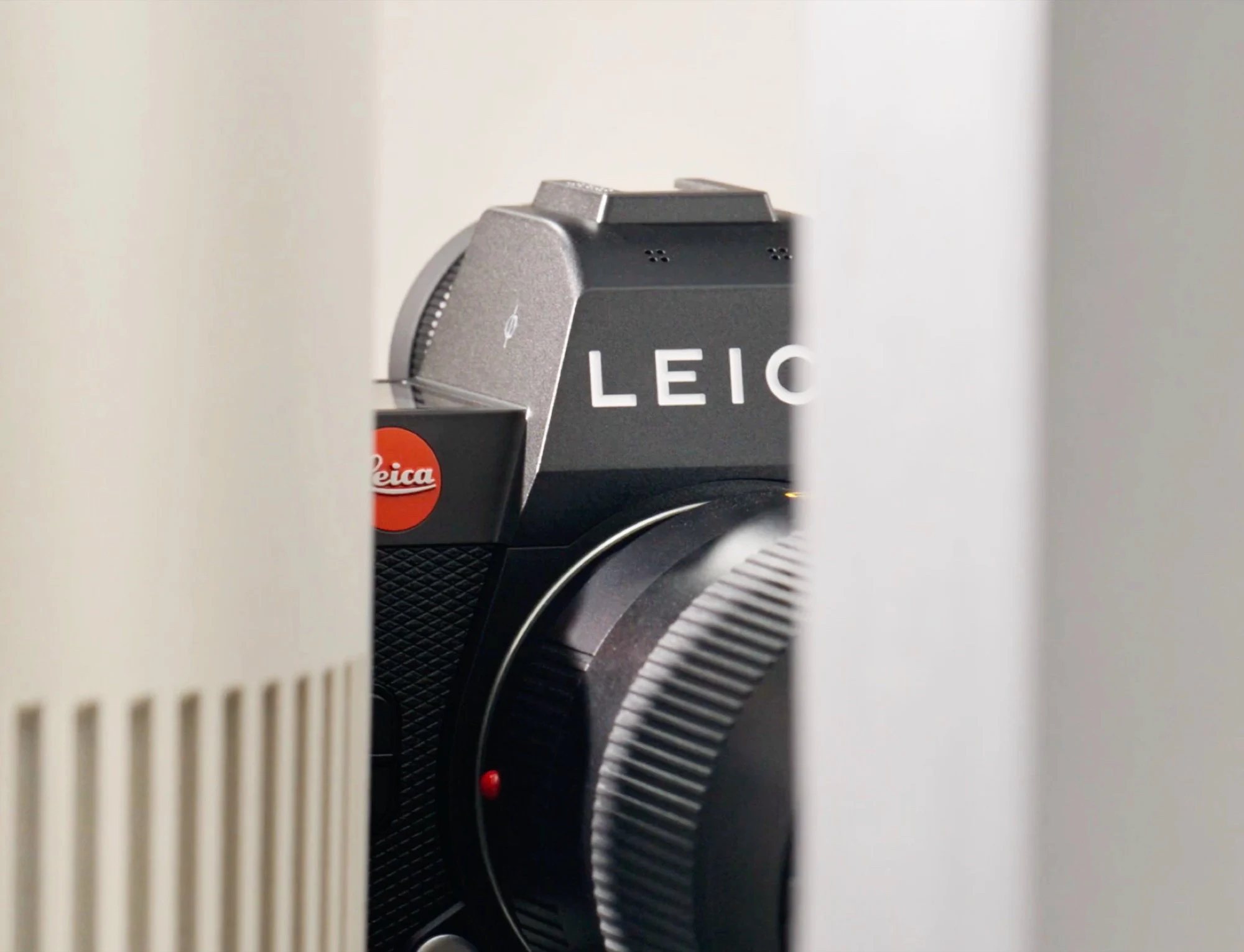
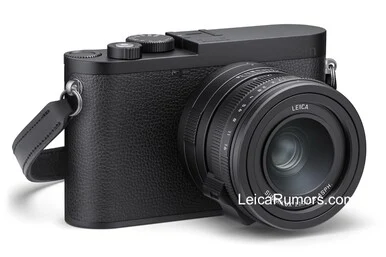
    Rumors swirling since March about Leica’s next big release, the SL3-P, have now found some firmer footing as LeicaRumors reports fresh details. The anticipated launch window points to June 2026, with a suggested retail price hovering around €5,900 and a 44-megapixel full-frame sensor aboard. The revelation frames the camera as a midpoint in the SL3 lineup, straddling performance and price in intriguing ways.

    New specs emerge

    The leaked specs place the SL3-P squarely between the SL3-S and the SL3. The SL3-S offers 24 MP for €5,190, while the SL3 sports a beefier 60 MP sensor for €6,990. Yet insiders claim the SL3-P isn’t simply a rehash of either model. Instead, it purportedly borrows its core from the Panasonic Lumix S1RII, which debuted in February 2025 and currently sells for around $2,997 in the U.S. market. This mix suggests Leica is pursuing a unique cross-brand approach with this release.

    Branding and design choices

    Historically, Leica has tweaked menus, controls, and RAW files in DNG format to fit its own ecosystem, even when underlying hardware originates elsewhere—seen in the D-Lux 8’s basis on the Panasonic LX100 II. For the SL3-P, buyers might still encounter Leica’s signature look in UI and processing, but the hardware performance could align closely with its Panasonic counterpart, raising questions about premium pricing for essentially similar image quality.

    In terms of target audience, the information from LeicaRumors hints that the SL3-P will edge ahead in resolution and autofocus speed relative to the SL3-S, while potentially sacrificing some video capabilities. This positioning suggests a camera aimed more at stills shooters, with an operating concept that leans toward Panasonic-like ergonomics rather than a pure Leica experience. If accurate, the pricing premium over the S1RII will be a hot topic for early buyers and analysts alike.

    Market positioning

    The overall strategy appears to be a blend of premium branding and pragmatic hardware sourcing. If the SL3-P uses the Lumix S1RII’s sensor and processing backbone, Leica would be leveraging established tech while charging a higher price due to its name and post-processing pipeline. The expected June 2026 launch supports a staggered rollout that could test consumer appetite for a Leica-branded camera built on another brand’s core tech.
    Sources

  • Leica Q3 Monochrom Camera: Price Leak Reveals Specs and Design

    Leica Q3 Monochrom Camera: Price Leak Reveals Specs and Design

    Key Takeaways

    1. The Leica Q3 Monochrom is set to be officially announced on November 20, with details and images already leaked.
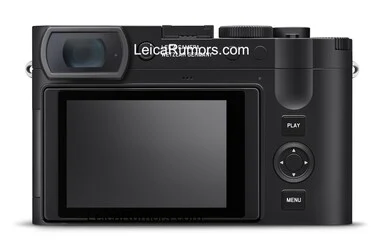
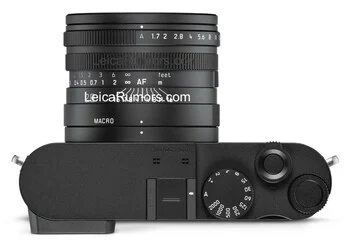
    2. The camera features a design similar to the standard Leica Q3 but lacks color highlights and the iconic red Leica logo.
    3. The retail price is $7,790 in the U.S., significantly higher than the standard Leica Q3, which costs $6,735.
    4. The Q3 Monochrom includes a 60MP full-frame sensor that captures only black-and-white images, enhancing light sensitivity.
    5. Key specifications, such as the 5.76 million pixel OLED electronic viewfinder and 28mm f/1.7 Leica Summilux lens, remain consistent with the standard model.


    The Leica Q3 Monochrom is set to be officially announced on Thursday, November 20. However, LeicaRumors has already shared high-quality images of the product along with important details regarding the features and pricing of this full-frame compact camera ahead of the official reveal.

    Design Changes

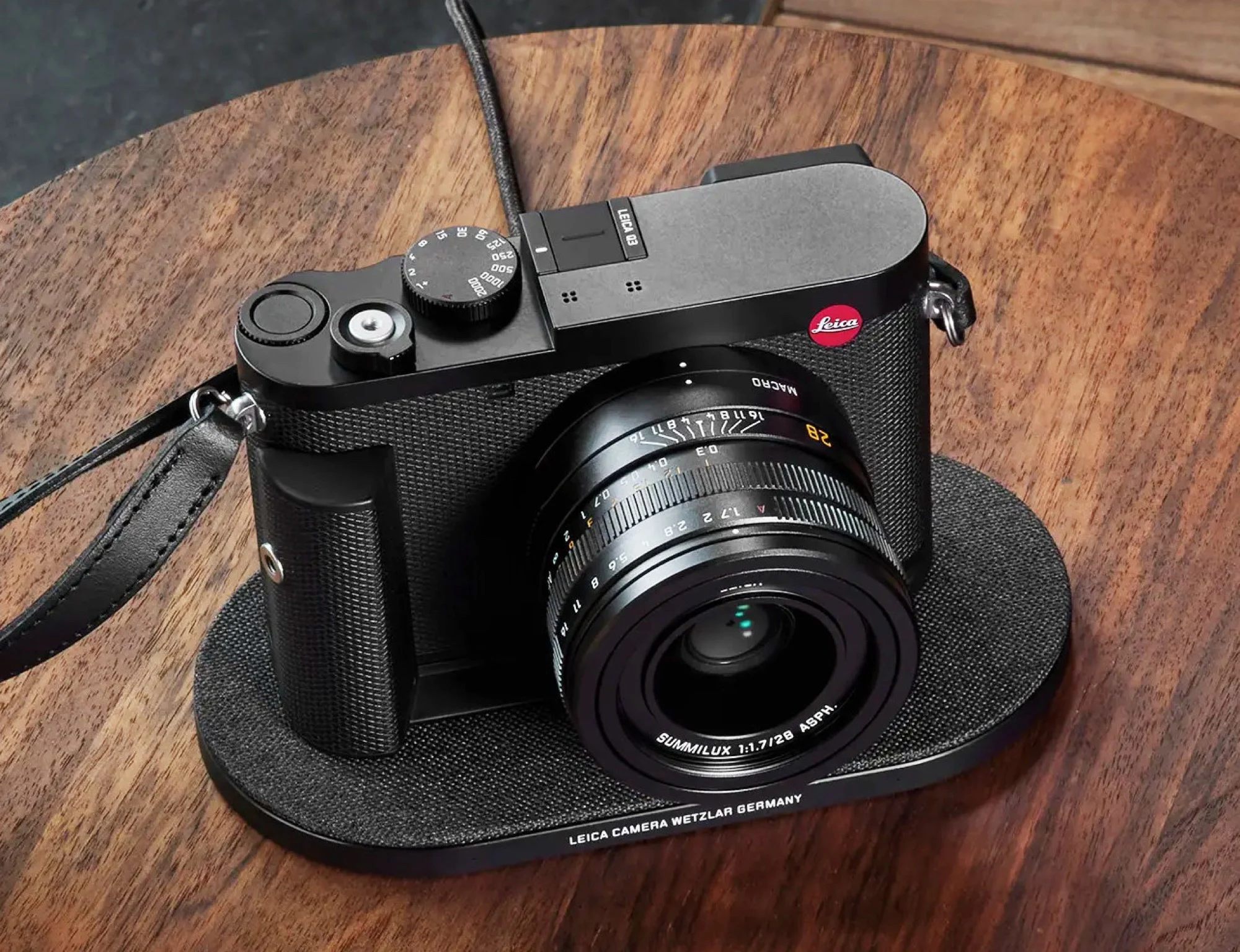
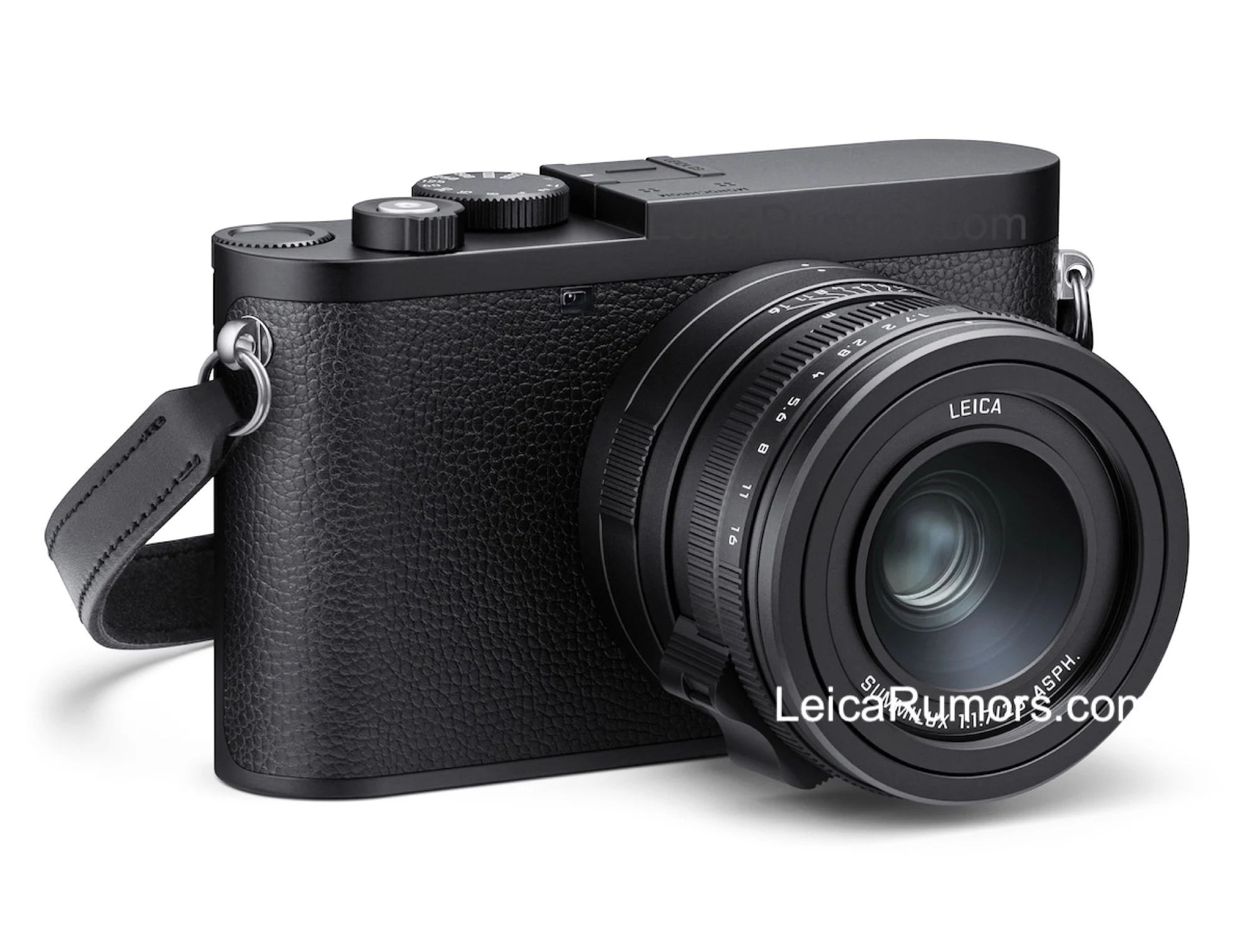
    As expected, the camera’s body is modeled after the standard Leica Q3, but the Monochrom variant lacks any color highlights. The iconic red Leica logo is absent, while the lens and shutter speed dial display only white text. Additionally, the engraving of “Leica Q3” on the hot shoe is now in black instead of white. The leather finish resembles that of the Leica M11, giving this camera a more timeless appearance.

    Pricing Information

    LeicaRumors reports that the Leica Q3 Monochrom will retail for $7,790 in the United States. In contrast, the standard Leica Q3 with a color sensor is priced at $6,735. If the price increases by 15.6% in Europe, the Leica Q3 Monochrom would be priced at around €7,225 with VAT included. Buyers are compensated for the higher price tag through the design modifications and a 60MP full-frame sensor that lacks a color filter. This limitation means that the camera can only capture black-and-white photos and videos, but it should provide significantly improved light sensitivity.

    Specifications Remain Consistent

    Reports suggest that the remaining specifications will remain the same. The Leica Q3 Monochrom is anticipated to include an electronic viewfinder that utilizes an OLED panel with 5.76 million pixels and a refresh rate of 120Hz, along with a foldable 3-inch touchscreen. It will come with a 28mm f/1.7 Leica Summilux lens featuring macro capabilities, support for 8K video, and is expected to deliver relatively quick autofocus, thanks to the Leica Maestro IV processor.

    Source:
    Link


  • Sony A7 V Launch: New 33MP Full-Frame Sensor & Performance Boost

    Sony A7 V Launch: New 33MP Full-Frame Sensor & Performance Boost

    Key Takeaways

    1. 33 Megapixel Full-Frame Sensor: The Sony A7 V features a newly designed full-frame CMOS sensor with 33 megapixels and a partially stacked structure for faster readout speeds.

    2. Improved Shooting Speed: The electronic shutter allows for shooting at 30 frames per second, significantly faster than the A7 IV’s 10 frames per second.

    3. Enhanced Video Capabilities: The A7 V is expected to record 4K video at 60 fps using the entire sensor area, improving video quality and dynamic range.

    4. Advanced Autofocus and Stabilization: The camera may include a new processor for better AI-assisted autofocus and improved in-body image stabilization, enabling slower shutter speeds without a tripod.

    5. Additional Features: Anticipated features include a foldable 3.2-inch touchscreen, dual SD card slots, an upgraded electronic viewfinder, and two USB-C ports, with a price around $3,000.


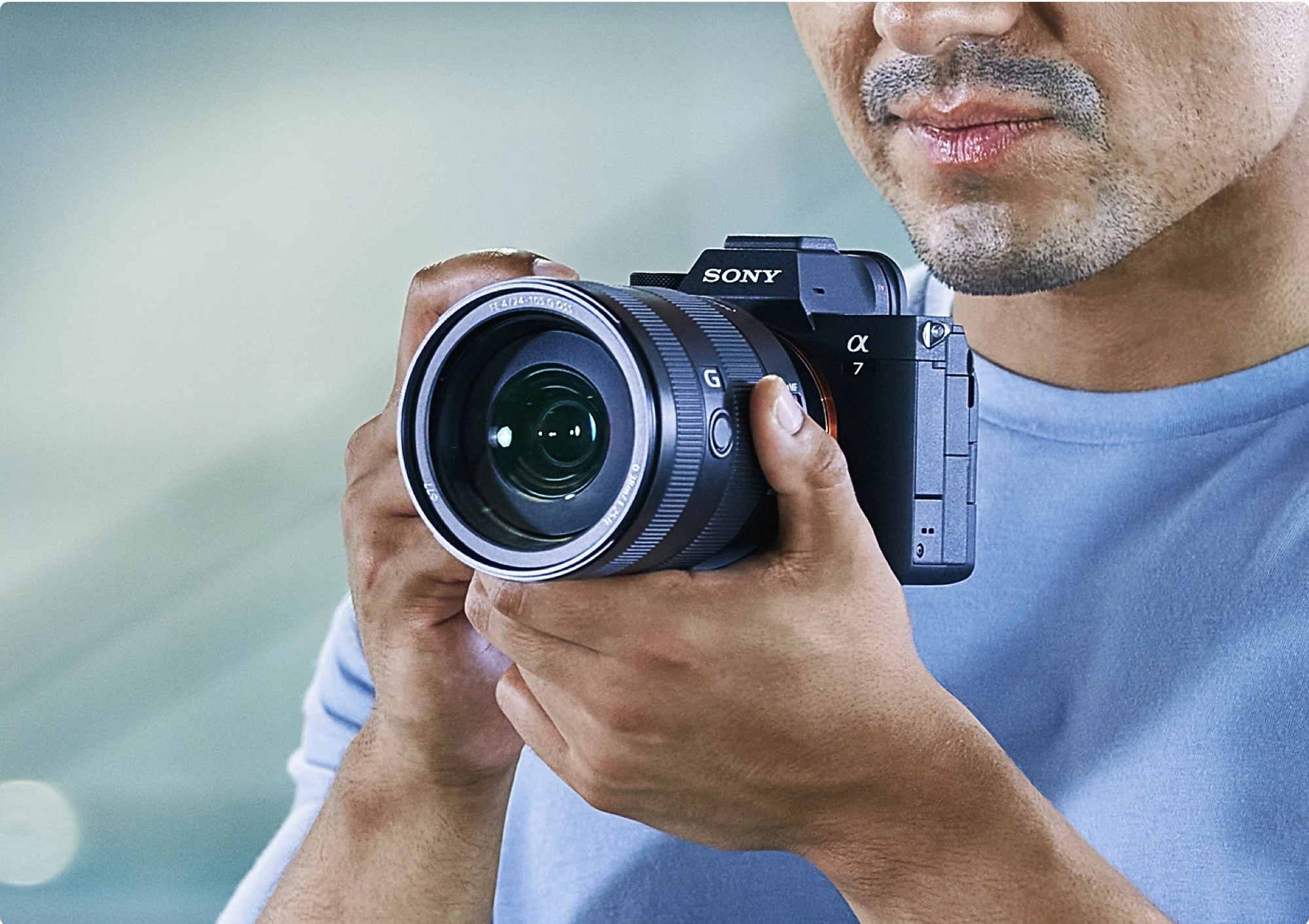
    The new model following the Sony A7 IV (starting at $2,198 on Amazon) is expected to be revealed on December 2. Over the last few weeks, many features of this full-frame camera have been leaked, but now leaker Andrea Pizzini alongside SonyAlphaRumors has acquired more details related to the sensor.

    New Sensor Features

    As per the latest report, Sony is continuing with a full-frame CMOS sensor that has a resolution of 33 megapixels. Nevertheless, this sensor seems to be newly designed with a partially stacked structure. This new setup is likely to deliver a significant benefit: quicker readout speed. This enhancement makes the electronic shutter more effective since moving subjects will be less prone to distortion. Furthermore, it allows for shooting at 30 frames per second with the electronic shutter, whereas the A7 IV is capped at 10 frames per second.

    Mechanical Shutter & Video Quality

    When using the mechanical shutter, the Sony camera remains limited to 10 frames per second. In contrast to earlier speculations, the Sony A7 V is anticipated to record 4K video at 60 fps utilizing the entire sensor area instead of just a cropped section. This should enhance video quality, particularly concerning dynamic range and noise performance compared to its predecessor.

    Additional Features and Price

    The Sony A7 V might also be equipped with a new processor to improve AI-assisted autofocus and enhance in-body image stabilization (IBIS), which is said to permit shutter speeds up to eight stops slower without needing a tripod. Rumors also suggest a foldable 3.2-inch touchscreen, dual SD card slots, an upgraded electronic viewfinder, and two USB-C ports could be part of the package. The anticipated price for the Sony A7 V is around $3,000. More information regarding features, pricing, and availability is expected to be officially announced on December 2.


    Source:
    Link


  • Leica SL3 Reporter: 60MP Full-Frame Sensor in Olive-Green Body

    Leica SL3 Reporter: 60MP Full-Frame Sensor in Olive-Green Body

    Key Takeaways

    1. The Leica SL3 Reporter will feature an olive green metal body instead of the traditional black.
    2. The red Leica logo will be removed for a more subtle appearance, with the “Leica” name engraved directly on the body.
    3. All buttons will be black, replacing the mix of black and silver found on the standard SL3.
    4. The synthetic leather covering will be replaced with a durable aramid material.
    5. The price of the Leica SL3 Reporter is expected to be around $8,000, an increase of about $500 from the standard SL3.


    The Leica SL3 was first introduced in March 2024, but there hasn’t been any news about a potential Leica SL4. Instead, Leica seems to be preparing to bring back the SL3 with a “Reporter” version. LeciaRumors has shared early photos and detailed insights regarding the features of this new full-frame camera. The report indicates that Leica is implementing five key design modifications.

    Design Changes

    To start, the camera’s metal body will sport an olive green finish rather than the traditional black. Next, the red Leica logo will be removed to create a subtler appearance. Additionally, the “Leica” name will now be engraved directly onto the body, eliminating the white coloring from this edition. Furthermore, all buttons will be black instead of a mix of black and silver. Finally, Leica will substitute the synthetic leather covering of the standard SL3 with a robust aramid material.

    Pricing and Specifications

    These changes are likely to increase the price of the Leica SL3 Reporter by about $500 in the U.S. compared to the regular SL3. For reference, the standard Leica SL3 is priced at $7,485, so the new model is expected to be around $8,000. It’s reported that the technology inside remains the same; Leica will continue to utilize a 60 MP full-frame sensor, equipped with five-axis image stabilization and the Leica L-mount.

    Features Overview

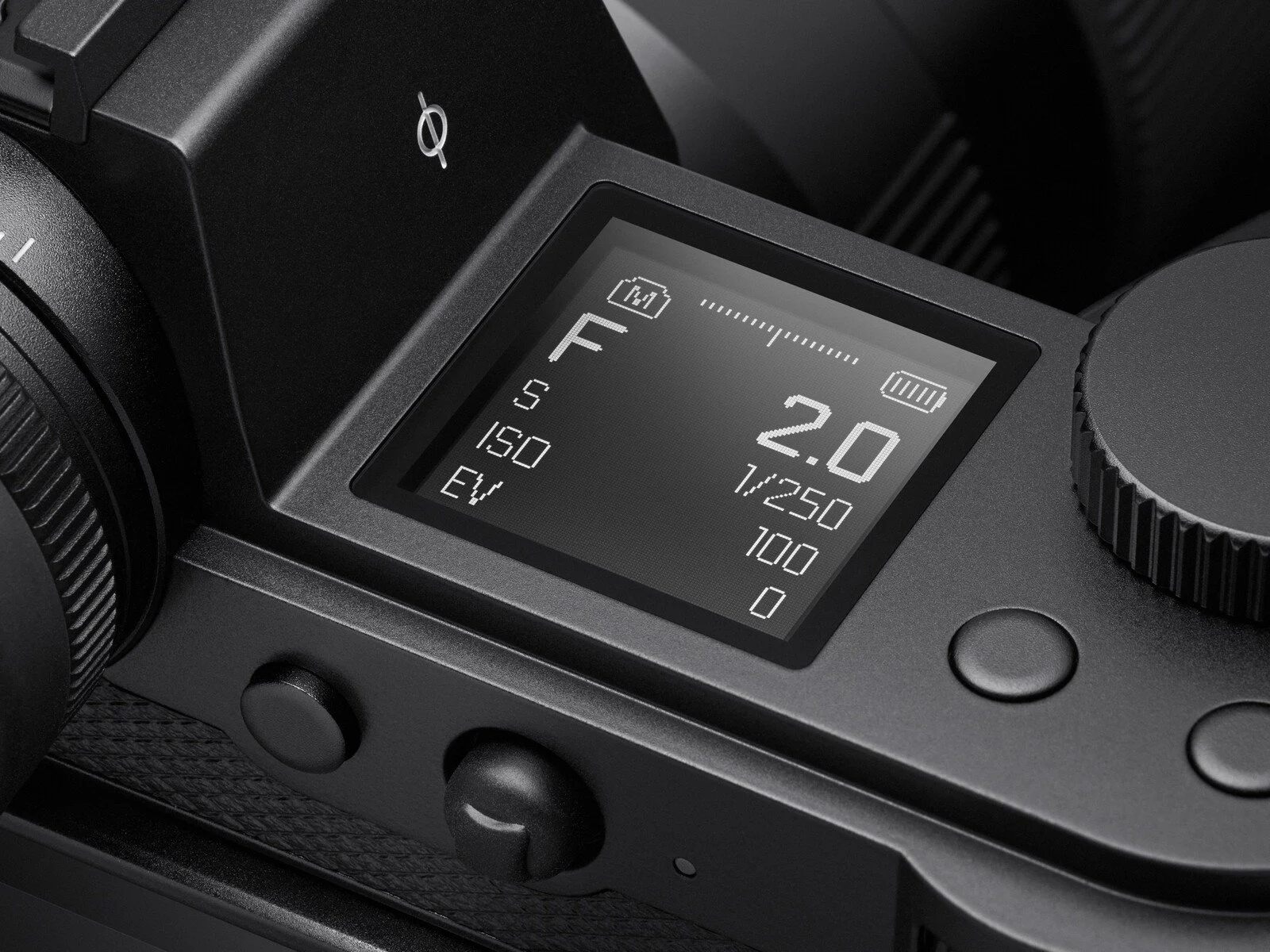
    The camera comes with both a mechanical and electronic shutter. In addition to the 3.2-inch touchscreen with 2.3 million pixels and a 1.28-inch transflective LCD located on the top, it also includes an electronic viewfinder with 5.76 million pixels and a refresh rate of up to 120 Hz. More details about the Leica SL3 can be accessed on the manufacturer’s official website.

    LeicaRumors’

    Source:
    Link


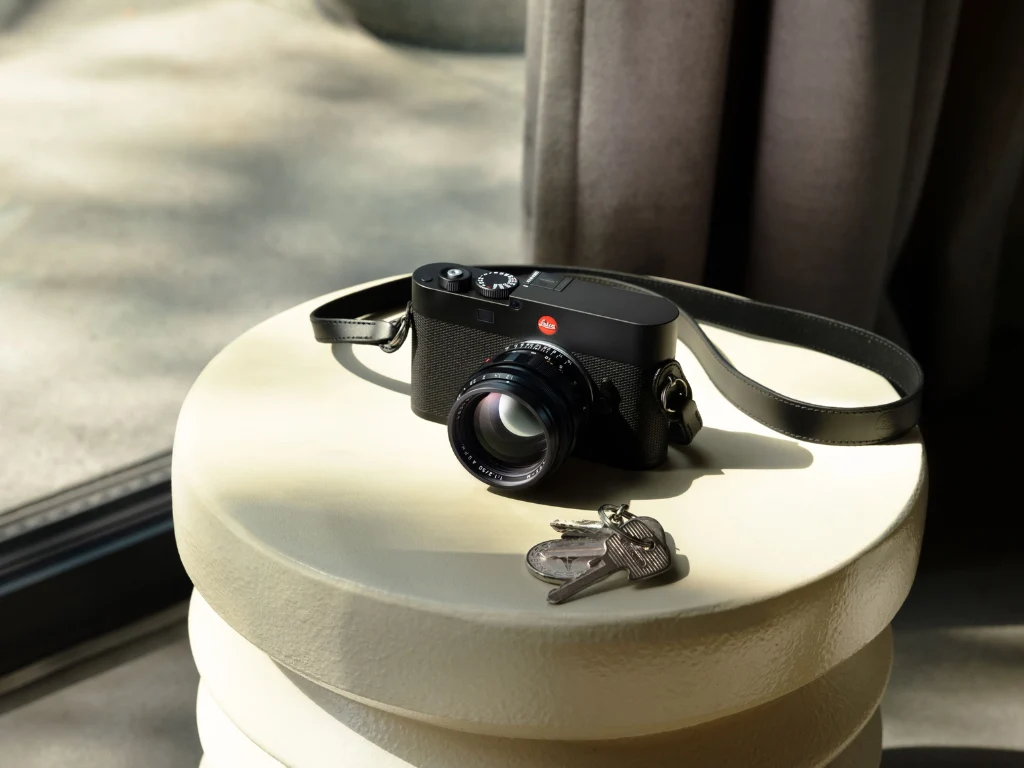
  • Leica M EV1: First Digital M-Series Camera with Built-in EVF

    Leica M EV1: First Digital M-Series Camera with Built-in EVF

    Key Takeaways

    1. The Leica M EV1 is the first M-camera with a built-in electronic viewfinder (EVF), featuring a 5.76 million dot display.
    2. It employs a 60.3MP full-frame BSI CMOS sensor and Maestro III processor, offering resolutions of 60, 36, or 18MP for DNG or JPEG files.
    3. The camera maintains a classic design with manual focus only, using focus assistance tools like peaking and focus-zoom.
    4. Continuous shooting is limited to 4.5 fps, with an estimated battery life of 244 shots using the rear monitor and 237 shots with the EVF.
    5. The M EV1 will launch on October 23, 2025, with a retail price of €7,950, integrating an EVF into the M series for the first time.


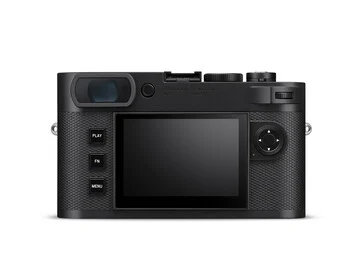
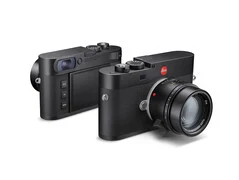
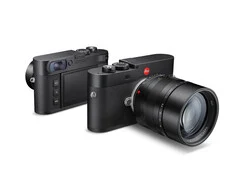
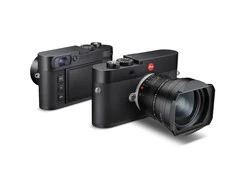
    Leica has welcomed a new addition to its M series: the Leica M EV1, which is the first M-camera equipped with a built-in electronic viewfinder. This new model features an EVF alongside the 60.3MP full-frame sensor and Maestro III processor, which are also found in the M11 line. These updates are designed to make shooting with the M series easier while still keeping the classic feel that users love.

    Specifications and Features

    The M EV1 utilizes the full-frame BSI CMOS sensor and Triple Resolution Technology from the M11. It can create DNG or JPEG files in resolutions of 60, 36, or 18MP. The camera is paired with Leica’s Maestro III image processor, offers 64GB of internal storage, and is compatible with UHS-II SD cards. Continuous shooting is capped at 4.5 fps, with a 3GB buffer that can hold around 15 L-DNG images or over 100 JPEGs, depending on the settings used. According to CIPA testing, the battery life is estimated to be about 244 shots when using the rear monitor and 237 shots with the EVF.

    Design and Functionality

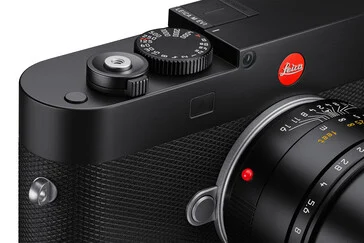
    Leica has maintained the M’s traditional aesthetic and mechanical controls, while introducing an EVF that boasts 5.76 million dots and a diopter adjustment range from −4 to +2 dpt. The EVF allows for a real-time preview of exposure, depth of field, and framing, which is particularly helpful when using fast Summilux or Noctilux lenses at very shallow depths of field, as noted by Leica. Focus assistance options include peaking and a focus-zoom feature with two magnification choices; the lever on the front, which was previously used for rangefinder framelines, can now be reassigned for focus assists or the camera’s 1.3× / 1.8× digital zoom.

    Autofocus and User Experience

    Notably, the M EV1 does not include autofocus; focusing remains manual by design, supported by magnification and peaking to enhance precision. This choice upholds the thoughtful shooting style that many M users appreciate, but it is a significant detail for potential buyers to consider.

    The built-in EVF of the M EV1 operates at a fixed 60 Hz, as per Leica’s specifications. Unlike previous digital M models like the M11 (currently priced at $10,120/€8,716 on Amazon), this model does not support external electronic viewfinders anymore, as Leica has eliminated the electronic contacts in the hot shoe that were used for the Visoflex 2. While the 60 Hz refresh rate should be adequate for most users capturing stills, those who are sensitive to display lag or motion judder may find it less smooth compared to the higher-refresh OLED viewfinders found in some mirrorless cameras.

    Historical Context and Release Date

    Leica is presenting the M EV1 as a natural evolution in a lineage that began with the Leica I in 1925, extending through the classic mechanical rangefinder models and into the digital M series. The M concept transitioned into the digital age with the M8 in 2006, followed by iterations like the M9, M10, and M11, as well as analog models such as the M6 and MP. What sets the M EV1 apart is its integrated EVF within an M-branded body, as earlier M users had to rely on external Visoflex EVFs. This should make the M line more appealing to photographers who favor an electronic viewfinder while maintaining the M’s signature manual focus experience.

    The Leica M EV1 is set to launch on October 23, 2025, at Leica Stores, online, and through authorized dealers. The recommended retail price is €7,950, and an optional matching leatherette hand grip is available for €395.


  • Leica M EV1 Rumors: Compact Full-Frame Camera Details Before Launch

    Leica M EV1 Rumors: Compact Full-Frame Camera Details Before Launch

    Key Takeaways

    1. The Leica M EV1 will be officially revealed on October 23 and resembles a Leica Q3 with interchangeable lenses, functioning similarly to a Leica M11 with an electronic viewfinder.
    2. It uses the older Leica Maestro III processor and has only 3 GB of buffer memory, with limited features like no wireless charging and a smaller battery capacity of 1,800 mAh.
    3. Weighing 485 grams with the battery, the M EV1 is one of the lightest full-frame cameras available, though it lacks autofocus and image stabilization.
    4. The camera features a 60 MP full-frame sensor and a 0.5-inch OLED viewfinder with 5.76 million pixels, but will not support autofocus lenses due to its M-mount.
    5. The price in Hong Kong is listed at $75,000 HKD (around $9,600), with expectations for the U.S. price to exceed $10,000 due to tariffs.


    The Leica M EV1 is set to be officially revealed on October 23. This camera is a response to many customers’ requests, resembling a Leica Q3 that features interchangeable lenses on the outside. However, technically, it can be more accurately seen as a Leica M11, but with an electronic viewfinder instead of a traditional rangefinder. Reportedly, the electronic components are the same as those found in the Leica M11.

    Older Technology

    This is somewhat disappointing, as it means that the Leica M EV1 operates on the older Leica Maestro III processor, which has only 3 GB of buffer memory. The likelihood of having wireless charging is also slim. Furthermore, the battery is expected to be a bit smaller, with Leica using the BP-SCL7, which has a capacity of 1,800 mAh at 7.4 volts. On a positive note, the camera is relatively lightweight; according to the latest updates from LeicaRumors, the Leica M EV1 weighs just 410 grams without the battery and 485 grams with it.

    Compact and Lightweight

    For comparison, the Leica M11 comes in at 530 grams with a battery, while the Sony A7r IV is heavier at 662 grams. Even the very compact Panasonic Lumix S9 weighs slightly more at 486 grams. This makes the Leica M EV1 one of the most compact and light full-frame cameras currently available, although it seems Leica is still not including autofocus or image stabilization. This is quite unfortunate, because if it had an L-mount instead of the M-mount, it could have supported autofocus lenses and also used Leica M lenses with an adapter.

    The slider located next to the lens mount, which is used to choose the frame lines on the Leica M11, will instead activate focus peaking and magnification in the viewfinder on the M EV1. In Hong Kong, the Leica M EV1 is listed at $75,000 HKD (approximately $9,600), which suggests that its price in the United States might exceed $10,000 due to the new Trump tariffs. It will feature a 60 MP full-frame sensor, a 0.5-inch OLED viewfinder with 5.76 million pixels, and will support Content Credentials.

    Source:
    Link


  • Sony A7 V Leaks: 33MP Full-Frame Camera with Upgrades

    Sony A7 V Leaks: 33MP Full-Frame Camera with Upgrades

    Key Takeaways

    1. The Sony A7 IV is priced at $2,198 and is seen as a budget-friendly full-frame camera option.
    2. The upcoming Sony A7 V is rumored to feature a new hinge design for a more versatile display.
    3. The A7 V is expected to maintain a 33-megapixel full-frame sensor, with potential improvements in dynamic range and low-light performance.
    4. A new image processor may enhance image quality and add video capabilities in the A7 V.
    5. The A7 V is likely to include two SD card slots for better data backup and security.


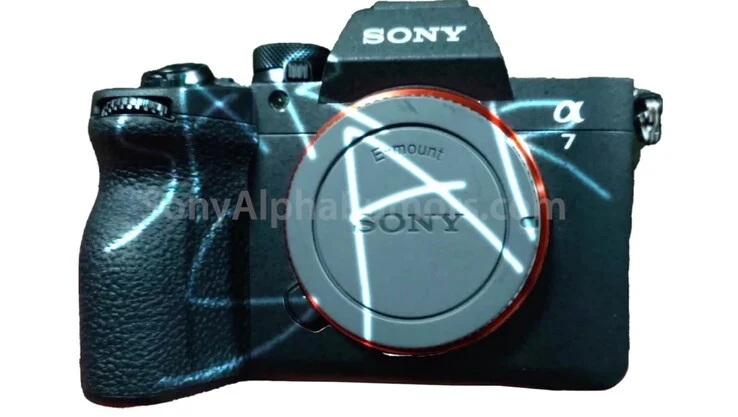
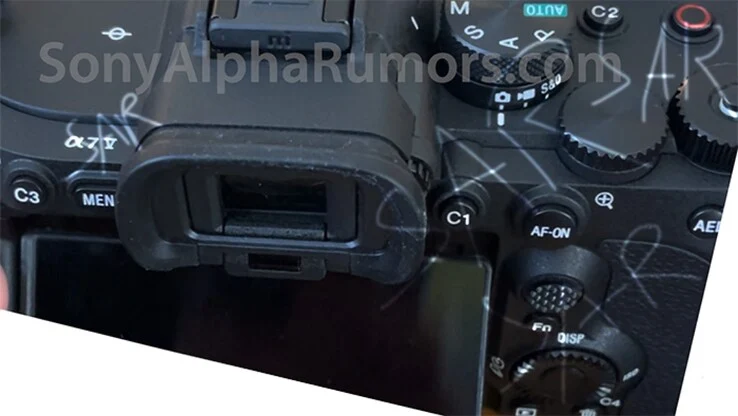
    The Sony A7 IV, starting at $2,198 on Amazon, stands out as one of the more budget-friendly options in Sony’s full-frame camera range. Rumors suggest that a new version, the Sony A7 V, is on the way, as SonyAlphaRumors has shared two images that reportedly showcase this upcoming model. From what can be seen in the photos, there’s at least one feature borrowed from the Sony A9 II that could enhance the user experience.

    Improved Display Hinge

    One notable upgrade is the updated hinge design that allows for a more versatile display. The screen can now be tilted directly up or down, rather than being restricted to just folding out to the side first. This enhances flexibility, making it easier for users to adjust the display as needed. The overall control layout and body design are likely to remain unchanged from the A7 IV, meaning that the more spacious and comfortable grip will still be a feature found on higher-end Sony models.

    Sensor and Image Quality

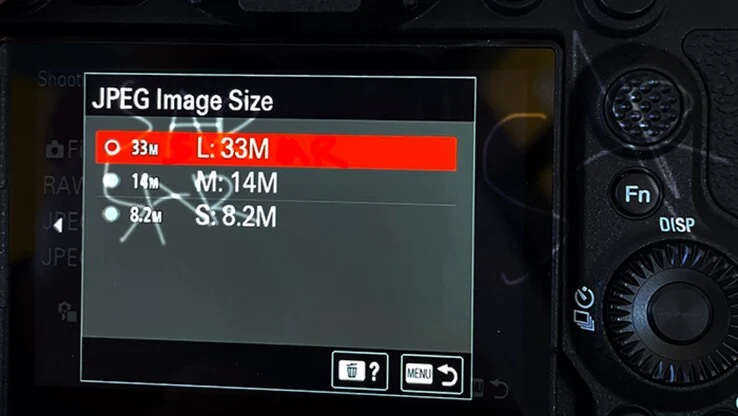
    In another image, it appears that the camera will maintain a 33-megapixel full-frame sensor. However, it’s still uncertain whether this will be the same sensor used in the A7 IV or if it’ll be a new one with the same resolution but improvements like a broader dynamic range or reduced noise in low light conditions.

    Even if the sensor remains the same, the introduction of a new image processor could enhance image quality and introduce additional video capabilities. The anticipated Sony A7 V is also expected to feature two SD card slots, enabling photographers to back up their images directly and minimize the risk of losing data due to card failure. An official announcement for Sony’s latest camera is anticipated to occur in October or November.

    Source:
    Link


  • Leica SL3-S: 96MP Photos, 6K Recording, and Content Credentials

    Leica SL3-S: 96MP Photos, 6K Recording, and Content Credentials

    Leica Camera AG has introduced the Leica SL3-S, the newest member of its SL-System family. This is the first camera in the SL-System to incorporate Content Credentials technology, which is in line with the Content Authenticity Initiative (CAI) aimed at ensuring photo authenticity and transparency.

    Impressive Specifications

    The SL3-S boasts a 24 MP BSI-CMOS full-frame sensor that enables Multi-Shot resolutions of 48 MP and 96 MP. With an ISO range from 50 to 200,000, this sensor provides excellent dynamic range and maintains high quality across different lighting situations. It also features a sophisticated phase-detection autofocus system that enables precise tracking and can shoot continuously at up to 30 fps.

    Innovative Features

    Equipped with Content Credentials technology, the SL3-S integrates secure metadata into images, capturing details like camera specs, author info, and editing history. The camera supports video recording up to 6K in 3:2 Open Gate formats, enhancing its versatility. It also includes ProRes 4:2:2HQ recording, HDMI RAW output, USB-C SSD recording, and a timecode interface, making it suitable for professional workflows. Powered by the Maestro IV processor, the camera excels in delivering accurate colors, a broad dynamic range, and minimal noise in Leica’s L-Log color space.

    Connectivity and Compatibility

    The SL3-S provides dual card slots for CFexpress Type B and UHS-II SD cards, along with USB-C tethering and full-size HDMI 2.1 output. Its built-in Bluetooth and Wi-Fi allow for easy integration with the Leica FOTOS app for quick DNG image transfers. Furthermore, it is certified under Apple’s “Made for iPhone® and iPad®” program, enabling direct connections to Apple devices. In 2025, Camera-to-Cloud functionality via Adobe Frame.io will be available for immediate uploads and post-production work.

    The SL3-S is compatible with Leica and L-Mount Alliance lenses, and adapters are available for cine lenses, with dedicated video settings to enhance performance. It also features in-body stabilization that offers up to five stops, improving usability with Leica M lenses.

    User-Friendly Design

    The camera sports a 3.2-inch tiltable touchscreen and a high-resolution EyeRes electronic viewfinder that refreshes at 120 fps. The user interface allows for smooth transitions between photo and video modes. Its compact and lightweight design ensures comfortable handling during extended shooting sessions.

    Pricing and Availability

    You can now find the Leica SL3-S at Leica Stores, authorized dealers, and the Leica Online Store for €5,190 (VAT included). For further details, check out leica-camera.com/sl3-s.

    Source:
    Link


  • Pixii Max vs Leica M11: Full-Frame Rangefinder Camera Review

    Pixii Max vs Leica M11: Full-Frame Rangefinder Camera Review

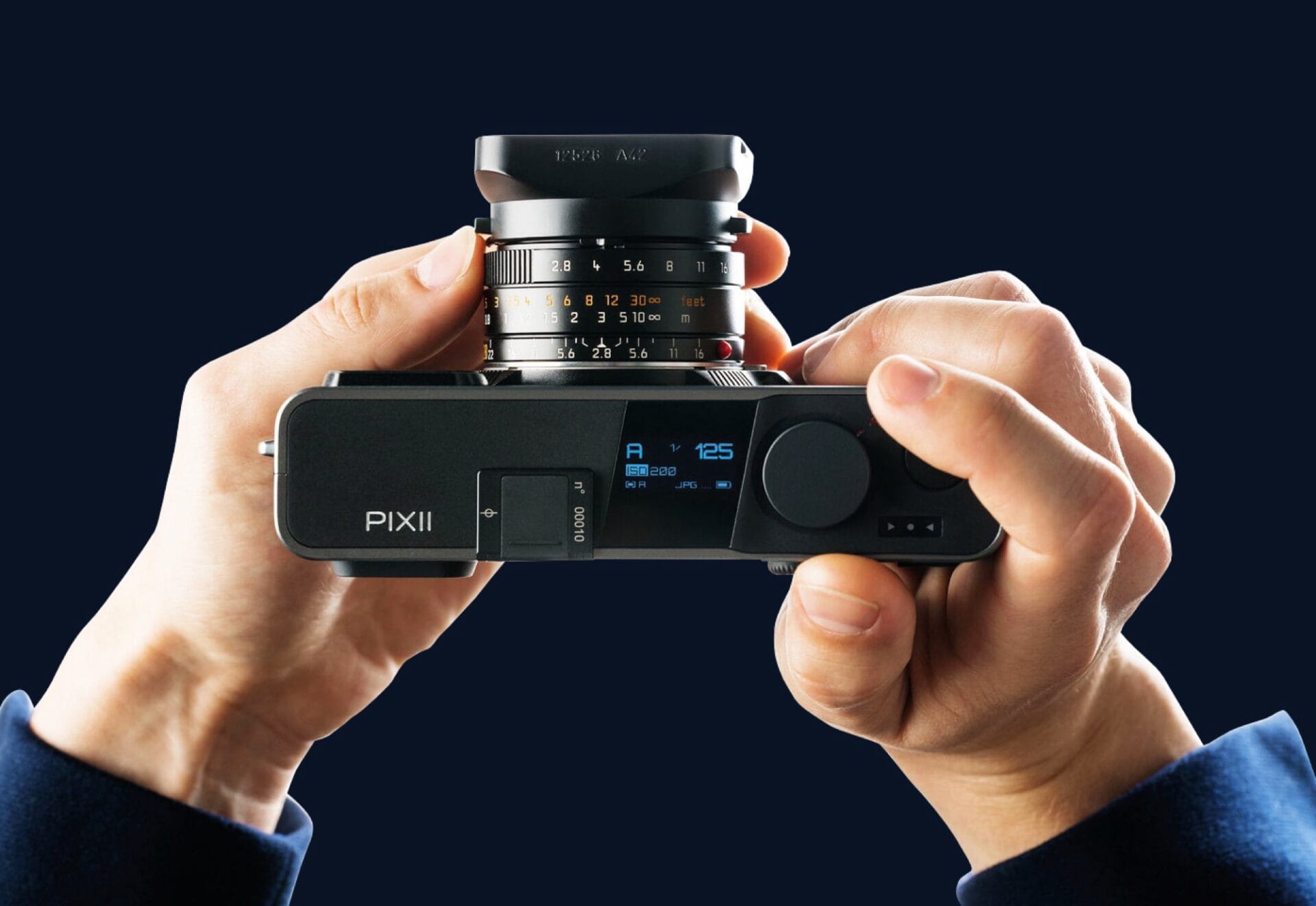
    The Pixii Max is one of the few options available besides the Leica M11, as both Leica and Pixii are among the last makers of rangefinder cameras. For the first time, the Pixii "Max" model comes with a full-frame sensor. With a starting price of $4,449, it is notably less expensive than the Leica M11, which is priced at $8,995. Even a pre-owned Leica M10 typically sells for over $4,000.

    Sensor Comparison

    Photons to Photos has taken a look at how the Pixii Max’s 24.5 MP full-frame sensor stacks up against the 60 MP sensor found in the Leica M11. The findings are pretty clear, as the Pixii Max reaches a maximum dynamic range of 10.5 f-stops, while the Leica M11 boasts a more impressive 11.8 f-stops. Even when it comes to higher light sensitivities, Leica consistently maintains about half an f-stop advantage, leading to noticeably superior image quality in addition to its higher resolution.

    Performance Analysis

    The Pixii Max does fall short compared to the Leica M10 from 2017, but it does outperform the Leica M (Typ 240) from 2012. A comparison with cameras that have smaller sensors reveals that having a full-frame sensor doesn’t always guarantee a better dynamic range. For instance, the Leica TL2 is slightly ahead of the Pixii Max, and the Fujifilm X100VI is about on the same level as the full-frame camera.

    Unique Features

    As a result, the Pixii Max struggles to match the Leica M11 in terms of image quality, but it offers a variety of unique features that set it apart. It includes a rangefinder and uses the Leica M bayonet, and it also comes with a monochrome RAW mode while lacking a rear display. For more information about the Pixii Max, you can visit the official product page.

    Source: Link,Link


    Image 1
    Image 1