Tag: Jack Dorsey

  • DiVine: Jack Dorsey Revives Vine’s 6-Second Loop, Bans AI

    DiVine: Jack Dorsey Revives Vine’s 6-Second Loop, Bans AI

    Key Takeaways

    1. Human-Centric Focus: DiVine aims to prioritize human-created content over viral, AI-generated videos, fostering genuine connections among users.

    2. Creator Ownership: The platform allows original Viners to reclaim their accounts and content, reinforcing the importance of creator rights and ownership.

    3. AI Content Verification: DiVine employs tools to block suspected AI-generated content, ensuring that only authentic videos made on real devices are shared.

    4. Decentralized Technology: Built on the Nostr protocol, DiVine promotes a decentralized, open-source environment to avoid the pitfalls of corporate algorithms that led to the original Vine’s downfall.

    5. Niche Monetization Approach: Instead of chasing mass virality, DiVine focuses on tipping and micropayments to support creators, raising questions about sustainability in a competitive social media landscape.


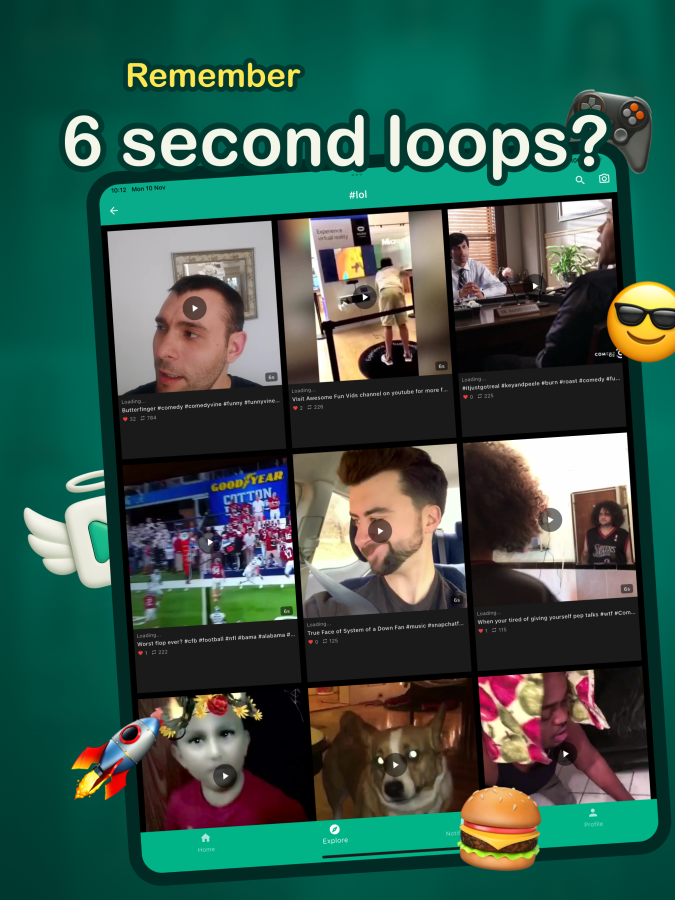
    Vine has returned, but this time it focuses more on human touch rather than just going viral. DiVine, a fresh take on the original Vine, brings back memories while standing firmly against AI. Spearheaded by former Twitter co-founder Jack Dorsey and early Twitter engineer Evan Henshaw-Plath, also known as ‘Rabble’, the app not only revives the classic six-second looping videos but also promises a feed centered around human content for future uploads.

    Archive and Ownership

    Henshaw-Plath explains that the team created the archive from a community backup, and now DiVine contains about 150,000 to 200,000 restored videos from around 60,000 original creators, featuring many of the most popular clips. Original Viners have the option to request their accounts back, allowing them to reclaim or delete content, which the team believes emphasizes creator ownership.

    AI Content and Verification

    The platform is designed to identify and block suspected AI-generated content, utilizing verification tools and device-provenance checks from the Guardian Project to ensure clips are authentic recordings from real phones. The founders see this as a necessary response to the overwhelming amount of AI-generated content flooding other social media timelines.

    Decentralized Technology

    DiVine’s technology is intentionally decentralized, built on the Nostr protocol, enabling anyone to create relays or media hosts. The code is open source, and Dorsey’s nonprofit ‘and Other Stuff’ has funded the project, aiming to showcase what a permissionless social network can be like. This setup is intended to protect against the corporate algorithm-driven environments that caused the original Vine to fail in its earlier version.

    Rebuilding the old Vine content was no easy task, Rabble acknowledges; the archive was stored in large binary files, requiring months of scripting to retrieve usable media and metadata. “So basically, I’m like, can we do something that’s kind of nostalgic?” he mentioned to TechCrunch. This nostalgia is practical too, as the restoration process includes views, a selection of comments, and features for creators to verify ownership.

    Mixed Reactions

    Initial feedback is varied, with some users on X and certain subreddits celebrating the comeback, while others express skepticism toward yet another Dorsey-led initiative. They question whether a smaller, curated app can thrive in a landscape dominated by larger platforms. There are doubts about growth and the difficulties of monetizing without the advertising systems that fuel TikTok and YouTube Shorts. DiVine is focusing on tipping, micropayments, and a niche creator economy instead of pursuing mass virality.

    The future of whether creators will reclaim their accounts in large numbers and if a decentralized feed can draw both users and developers remains uncertain. For the moment, DiVine is an intriguing experiment, a drive for nostalgia, a stand against AI, and a reminder that content created by humans still holds value in the cultural landscape.

    DiVine currently has a waitlist for its mobile app, which is worth checking out if you want to be among the first to use an application that might one day gain the popularity its predecessor enjoyed during its peak.

    Source:
    Link


  • “Secure WhatsApp Alternative Bitchat: Messages Without Internet”

    “Secure WhatsApp Alternative Bitchat: Messages Without Internet”

    Key Takeaways

    1. Bitchat is a new messaging app by Jack Dorsey that prioritizes user privacy and serves as an alternative to WhatsApp and Telegram.
    2. The app uses a decentralized Bluetooth mesh network for messaging, allowing communication without internet access and enhancing privacy.
    3. Messages are encrypted with AES-256-CGM, ensuring that only the intended recipient can read them, while intermediary devices cannot access the content.
    4. Bitchat does not require accounts or phone numbers, making it difficult to trace the sender even if messages are intercepted.
    5. A beta version of the app is currently being tested by 10,000 iPhone users, but its public release date is still unknown.


    The most recent endeavor of Twitter’s founder, Jack Dorsey, is called bitchat. This app serves as an alternative to popular messaging platforms like WhatsApp and Telegram, aiming to enhance user privacy. While WhatsApp does offer end-to-end encryption for all direct messages, a potential EU-wide chat control, which could soon be approved by the European Commission, might enforce weaker encryption and allow for the monitoring of messages.

    Unique Messaging Method

    Bitchat operates differently by sending messages through a decentralized Bluetooth mesh network instead of the internet. This system allows messages to be sent to any other smartphone with the bitchat app within a range of 328 yards. Each phone then forwards the message to the next device until it reaches the intended recipient. Notably, these intermediary devices cannot access the content of the messages, as they are protected by AES-256-CGM encryption, ensuring only the recipient can decrypt the information.

    Dependable Communication

    The speed at which a message is delivered will likely vary based on the number of active bitchat users and the distance separating the sender from the recipient. However, utilizing Bluetooth for message transmission makes it nearly impossible to censor or block communications, even if a government decides to cut off home internet or cellular services.

    Features and Privacy

    This WhatsApp alternative includes standard messaging functionalities such as favorites, pings, and group chats. To enhance user privacy, bitchat does not require accounts, phone numbers, or any other persistent identifiers. Thus, even if someone were to intercept the messages, pinpointing the sender would be extremely difficult. Currently, a beta version of bitchat is being trialed by 10,000 iPhone users, but it remains uncertain when the app will become publicly available.

    Source:
    Link


  • Bluesky Introduces Video Tab as User Growth Surges

    Bluesky Introduces Video Tab as User Growth Surges

    As the movement away from X continues, the number of Bluesky users has recently surpassed 25 million. More users means there’s a growing need for features that are already present on other social media platforms. The app now has a special video tab that gathers all the media a user has shared. The news was shared by Bluesky’s official account, along with some other useful updates.

    New Features and Updates

    Bluesky began allowing video uploads in September 2024. Earlier this month, a short outage of TikTok in the U.S. led the network to implement a vertical video feed. The addition of the video tab shows that the platform is changing and aims to promote more engaging posts.

    Whenever a social media platform rolls out new features, users often seize the chance to ask for even more functionalities. Bluesky is still in its early days, having only opened public sign-ups in February 2024. Users frequently request an edit function for posts, a feature that X offers only to premium subscribers. While there’s no timeline for when editing might be available, Bluesky has improved the process for blocking users who send hurtful direct messages. The latest 1.97 update also brings enhanced translation options.

    The Vision Behind Bluesky

    Bluesky was created by Jack Dorsey, the ex-CEO of Twitter, back in 2019. It’s no surprise that the layout feels similar to what users of X are used to. However, Bluesky’s open-source AT protocol lets users customize their feeds with smart filters. Although text and images are still the primary focus of the platform, videos are rapidly becoming an important part of the recommended content.

    X currently faces financial difficulties, and with Elon Musk’s increasing political involvement, it’s losing even more revenue. Bluesky does have stiff competition, like Meta’s Threads, but its prospects appear brighter than ever before.

    Source:
    Link


  • Bluesky’s Rise: Is It a Competitor to X Social Media?

    Bluesky’s Rise: Is It a Competitor to X Social Media?

    Bluesky, a newer microblogging site, has seen a huge increase in its number of users. Once just a quiet player behind X (previously known as Twitter), Bluesky has now stepped up as a strong option, especially as countless unhappy users are leaving Elon Musk’s controversial site. As of November 2024, Bluesky has gained over 20 million active users, which highlights both its attraction and its capability to change the social media scene.

    The Birth of Bluesky

    Started in 2022 by Jack Dorsey, who also helped create Twitter, Bluesky had a tough time getting noticed in a crowded market ruled by X and Facebook. It was made under AT Protocol, a decentralized tech for social media meant to give users greater control over their data and interactions. The aim was straightforward: to form a space where freedom of expression could flourish without the manipulation by algorithms that often plagues other platforms. Despite having a well-known supporter, Bluesky’s growth was initially sluggish.

    A Turning Point in 2024

    Everything shifted in 2024 when major incidents started to unfold in the realm of social media. X, under Musk’s management, has run into a number of issues, from changes in moderation rules to problems with user experience. These incidents opened up chances for competitors, and Bluesky took full advantage of the situation.