Category: Phones

Stay updated with the latest phone news, reviews, and trends. Discover cutting-edge smartphones, features, and innovations in our Phones category at GizNewsDaily

  • Xiaomi Redmi Note 15 Pro and Pro Plus Leaked Before Global Launch

    Xiaomi Redmi Note 15 Pro and Pro Plus Leaked Before Global Launch

    Key Takeaways

    1. Sudhanshu Ambhore revealed new certification papers for two upcoming global Redmi smartphones from Xiaomi.
    2. Xiaomi recently launched the Redmi Note 15 series in China, including the Note 15, Note 15 Pro, and Note 15 Pro Plus.
    3. The Redmi Note 15 Pro Plus Satellite Messaging Version may not be available internationally.
    4. Certification details suggest that the Redmi Note 15 Pro will have different regional versions, with global and Thai variants identified.
    5. The global Redmi Note 15 Pro Plus will feature a 6,500 mAh battery, 100 W wired charging, and a Samsung ISOCELL S5KHPE camera, differing from the Chinese version.


    Leaker Sudhanshu Ambhore has uncovered new certification papers regarding two upcoming global Redmi smartphones from Xiaomi. To summarize, Xiaomi introduced the Redmi Note 15, Redmi Note 15 Pro, and Redmi Note 15 Pro Plus at the same time in China last month. While these models are likely to be released outside of China eventually, it appears that the Redmi Note 15 Pro Plus Satellite Messaging Version may not be available internationally.

    Certification Details

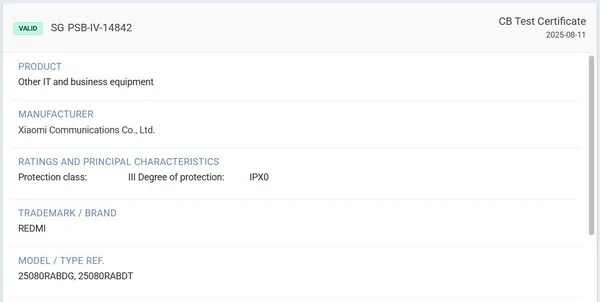
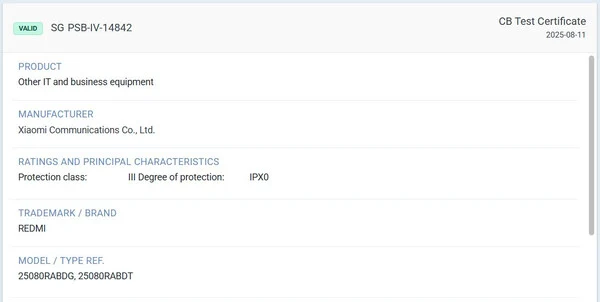
    Ambhore has found that Xiaomi is subtly certifying the models 25080RABDG, 25080RABDT, 2510ERA8BG, and 2510ERA8BT with TÜV SÜD in Singapore. To clarify, 25080RABDG and 25080RABDT are different regional versions of the same phone, much like 2510ERA8BG and 2510ERA8BT. Although the PSB certification does not explicitly state this, it is believed that 25080RABDG and 25080RABDT are the global and Thai versions of the Redmi Note 15 Pro, respectively. With Xiaomi also working on a Redmi Note 15 Pro 4G model, it’s likely that the Redmi Note 15 Pro will be marketed as the Redmi Note 15 Pro 5G outside of China.

    Global Variants

    On the other hand, 2510ERA8BG and 2510ERA8BT pertain to the global and Thai variants of the Redmi Note 15 Pro Plus. Recent leaks indicate that Xiaomi plans to differentiate the global version of the Redmi Note 15 Pro Plus from the one sold in China, similar to what was done with the Redmi Note 14 Pro Plus (currently priced at $377 on Amazon). At the moment, the Redmi Note 15 Pro Plus is set to be launched globally featuring a 6,500 mAh battery that supports 100 W wired charging along with a Samsung ISOCELL S5KHPE primary camera. In contrast, the OmniVision OV50M telephoto camera found in the Chinese version will not be included.

    Source:
    Link


  • iPhone 17 Pro’s A19 Pro Outperforms A18 Pro in AnTuTu Test

    iPhone 17 Pro’s A19 Pro Outperforms A18 Pro in AnTuTu Test

    Key Takeaways

    1. Apple has launched the iPhone 17 Pro models featuring the new A19 Pro chip, which shows only minor enhancements compared to the A18 Pro.
    2. The A19 Pro chip maintains the same architecture as its predecessor, including a 6-core CPU, 6-core GPU, and 16-core Neural Engine.
    3. Initial benchmarking results show a slight performance increase of about 4%, largely due to an upgrade from 8 GB to 12 GB of RAM.
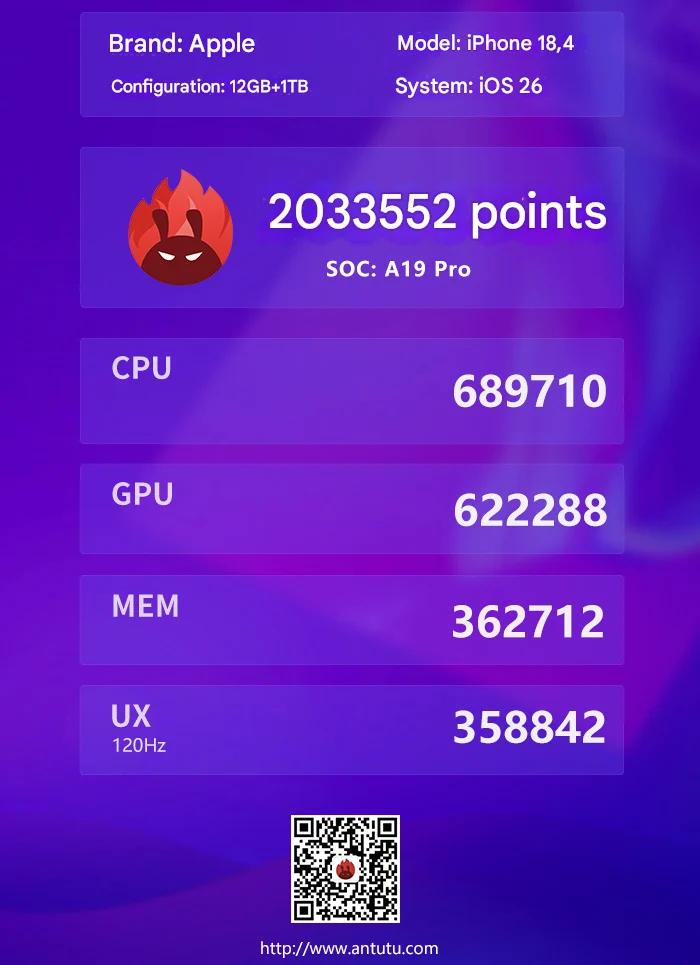
    4. The iPhone 17 Pro achieved an AnTuTu score of 2,033,552, with a notable memory score improvement of nearly 49% over the iPhone 16 Pro.
    5. The CPU score for the A19 Pro has decreased by 5.5% compared to the A18 Pro, suggesting no significant CPU performance boost is expected.


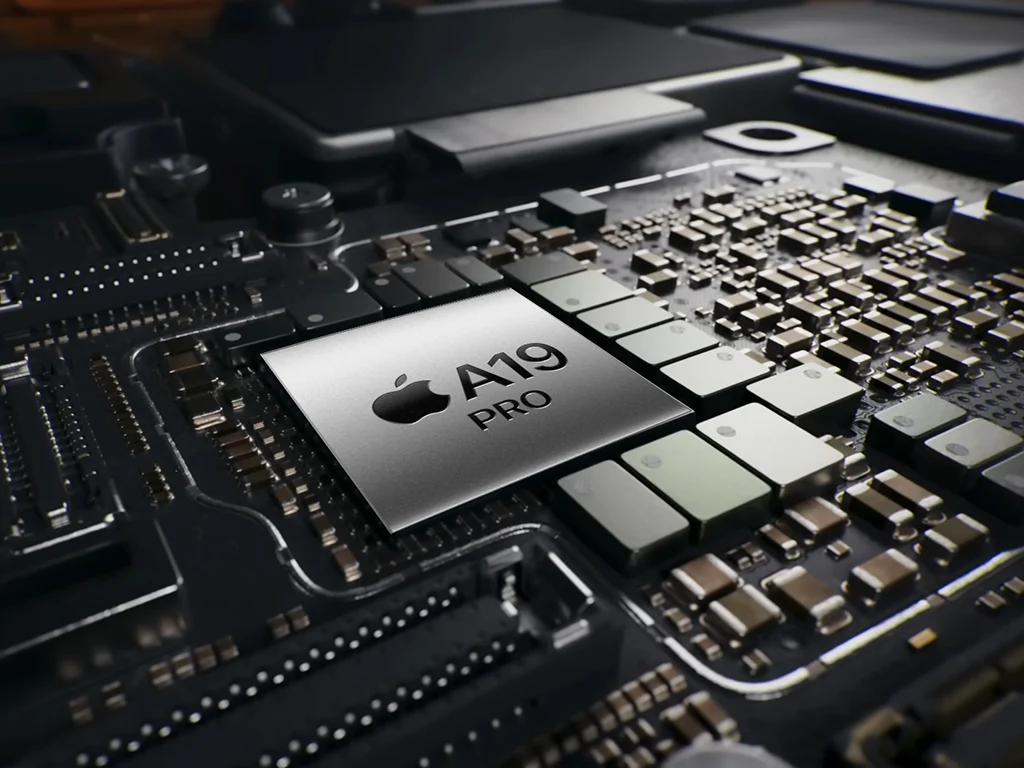
    Apple has launched the iPhone 17 Pro models, bringing several enhancements compared to the previous versions. One notable upgrade is the new A19 Pro chip. Nevertheless, there isn’t a significant difference when looking at it alongside the A18 Pro. Specifically, the latest SoC maintains the same setup as its forerunner, which includes a 6-core CPU, a 6-core GPU, and a 16-core Neural Engine.

    Performance Claims

    While Apple touts the A19 Pro as the “most powerful iPhone chip ever,” this claim largely stems from its adjustments and the vapor chamber it uses. Regarding actual performance, initial Geekbench results reveal only a minor enhancement, and an AnTuTu benchmark listing echoes this finding.

    Benchmarking Results

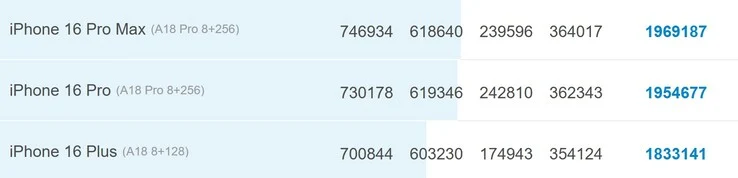
    AnTuTu has noted that the A19 Pro in the iPhone 17 Pro has been tested on their platform. The first benchmark results indicate that the SoC has achieved an overall score of 2,033,552 points. In contrast, the A18 Pro from the iPhone 16 Pro scored 1,954,677 in AnTuTu’s database.

    In essence, this indicates a roughly 4% increase in overall score, primarily attributed to the upgrade from 8 GB of RAM to 12 GB. Specifically, the breakdown of the AnTuTu score shows that the iPhone 17 Pro received a memory score of 362,712, which is nearly a 49% improvement over the memory score of 242,810 recorded for the iPhone 16 Pro.

    Future Considerations

    Curiously, the CPU score for the A19 Pro has dropped by 5.5% in comparison, which could be because it’s an initial benchmark score. Later AnTuTu benchmarks might provide a more favorable score. However, since the overall configuration mirrors that of the A18 Pro, there are no expectations for a dramatic CPU performance boost compared to its predecessor. For more details about the new Apple iPhone SoC, check out our launch coverage on AnTuTu’s Weibo.

    Source:
    Link


  • iPhone 18 and 18 Pro: Smaller Dynamic Island, No Under-Display Face ID

    iPhone 18 and 18 Pro: Smaller Dynamic Island, No Under-Display Face ID

    Key Takeaways

    1. The iPhone 18 may introduce a new pressure-sensitive button for camera control and could replace the standard model with an iPhone Air.
    2. Rumors suggest the iPhone 18 and iPhone 18 Pro will not have under-display Face ID or front camera, but will maintain a smaller Dynamic Island for Face ID sensors.
    3. The front camera might be repositioned as a punch hole, differing from earlier expectations.
    4. The pill-shaped cutout design may continue with the iPhone 19 series and the 20th-anniversary model could feature no visible holes.
    5. Setsuna Digital has a mixed track record for leaks but has previously provided accurate information about Apple products.


    The iPhone 17 series has just been released, yet people are already looking ahead to what Apple has planned for 2026.

    In recent months, there has been a flow of rumors regarding the iPhone 18. Some sources suggest that Apple might add a new pressure-sensitive button for camera control and may even alter the existing lineup. This could mean replacing the standard model with an iPhone Air, which would join the Pro, Pro Max, and a potential foldable iPhone.

    Latest Rumors from a Trusted Source

    A new rumor has emerged from Setsuna Digital, a well-known leaker on the Chinese platform Weibo. According to MacRumors, this leaker claims that the iPhone 18 and iPhone 18 Pro will not feature an under-display Face ID or an under-display front camera, as previously thought. Instead, it seems Apple is focusing on a smaller Dynamic Island that will contain the Face ID sensors. The front camera might have a separate placement, possibly as a punch hole, as earlier suggested. How Apple will manage to fit both components remains unclear.

    Future Design Speculations

    If these rumors are accurate, the pill-shaped cutout will continue for at least one more generation, likely appearing with the iPhone 19 series and the expected 20th-anniversary model, which is rumored to feature a design with no visible holes.

    Setsuna Digital has a history of leaking accurate information, such as details about the vapor chamber heat spreader in the iPhone 17, which was revealed around the same time last year. However, it’s worth noting that this account has also made several errors in the past. Regardless, there’s a strong possibility that Apple will revamp the front display over the next two iPhone generations.

    Setsuna Digital on Weibo via MacRumors, Photo by Omar Al-Ghosson on Unsplash

    Source:
    Link


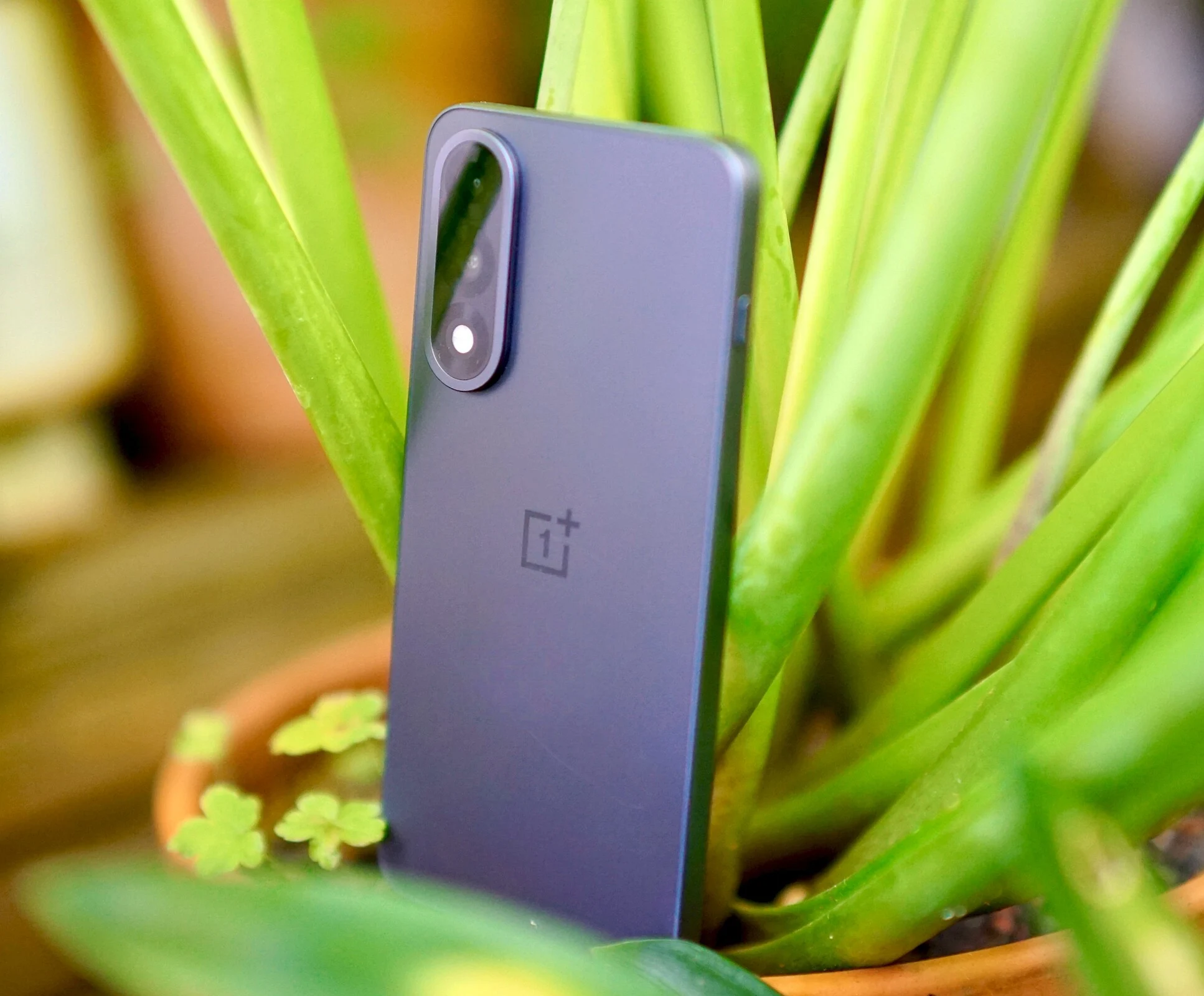
  • OnePlus Nord 5 Review: Great Smartphone Overshadowed by Rival Model

    OnePlus Nord 5 Review: Great Smartphone Overshadowed by Rival Model

    Key Takeaways

    1. Affordable Premium Experience: The OnePlus Nord 5 offers a high-end experience under $500 with features like a 144 Hz AMOLED display and strong performance.

    2. Cost-Cutting Adjustments: Compared to its predecessor, the Nord 5 has a smaller battery, slower storage, less RAM, and a changed notification slider.

    3. Material Changes: The build quality has shifted from metal in the Nord 4 to plastic in the Nord 5, affecting the premium feel.

    4. Software Support: The Nord 5 promises up to six years of software updates, enhancing its long-term value.

    5. Alternatives to Consider: The OnePlus Nord 4 remains a strong option with its better build quality, faster memory, and additional RAM.


    Designing a follow-up to a highly successful smartphone can be quite challenging. This is especially true during a time when cost-saving strategies are becoming more common. A recent example of this is the OnePlus Nord 5, which we explored in depth in our latest review.

    Premium Features at an Affordable Price

    Priced at under $500, the Nord 5 offers a high-end experience with its vibrant 144 Hz AMOLED display, a noticeably enhanced SoC performance compared to the Nord 4, decent cameras, and robust speakers all housed within a solid build. Additionally, the promise of up to six years of software updates boosts its value for the future.

    Cost-Cutting Changes

    Yet, there are clear signs of cost reduction in the Nord 5 when compared with its earlier version. The EU variant comes with a smaller battery, the UFS 3.1 storage is not as fast as the previous model, there is less RAM, and the beloved OnePlus notification slider has been replaced with a customizable plus button.

    The most apparent savings can be seen in the build quality. The chassis is now made from plastic in 2025, in contrast to the Nord 4’s heavily marketed metal unibody. While the OnePlus Nord 5’s casing is still quite durable and visually appealing, it lacks the premium sensation of its predecessor. At least there are slight improvements to the camera features.

    Final Thoughts and Alternatives

    If you are thinking about getting the OnePlus Nord 5, we suggest checking out our comprehensive review. It covers the smartphone’s advantages and disadvantages, and it also dives into the PWM aspect concerning the Nord 5.

    Alternatively, you might want to take a look at last year’s OnePlus Nord 4, which stands out with its metal body, quicker memory, and extra RAM.

    Source:
    N/A)


  • Samsung Leads in Android Sales; Apple iPhone in Q2 Top 3

    Samsung Leads in Android Sales; Apple iPhone in Q2 Top 3

    Key Takeaways

    1. The Apple iPhone 16 is the most popular smartphone globally for Q2 2025, following strong sales in Q1 2025.
    2. The iPhone 16 Pro Max and iPhone 16 Pro maintain strong sales despite their higher prices.
    3. The Samsung Galaxy A16 5G is the top-selling Android smartphone due to its affordability and performance.
    4. The Xiaomi Redmi 14C 4G remains a popular choice for budget-conscious buyers, especially in regions like Latin America, the Middle East, and Africa.
    5. The iPhone 16e replaces the iPhone 15, offering a more affordable option but lacking certain advanced features.


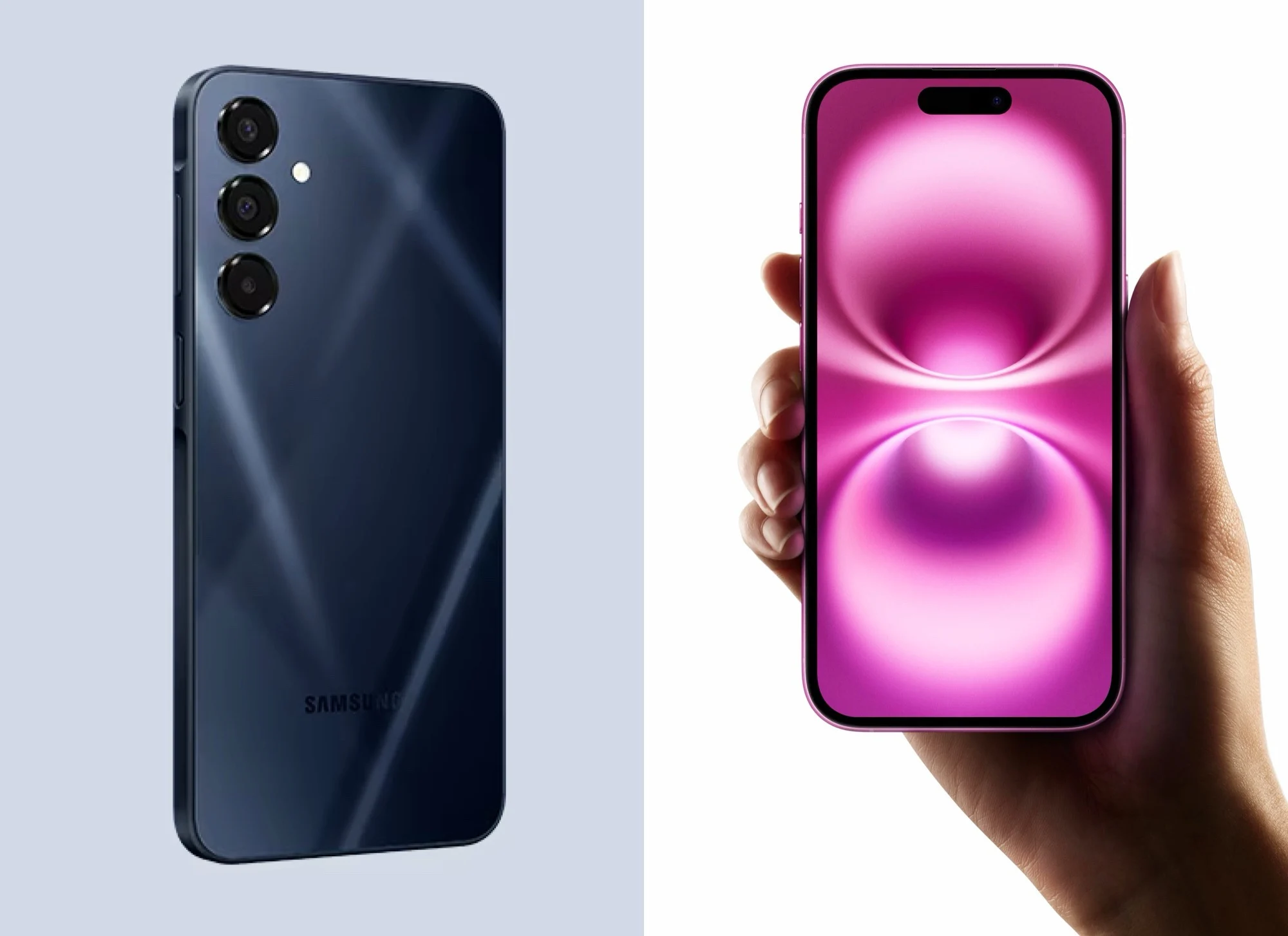
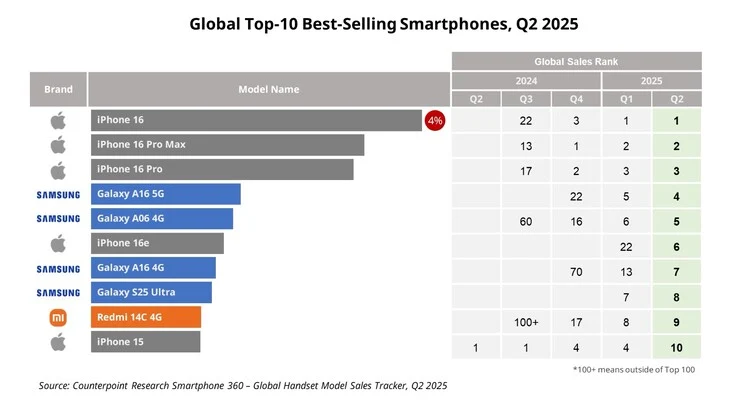
    According to recent findings from Counterpoint Research, the Apple iPhone 16 has once again claimed the title of the most popular smartphone globally during the second quarter of 2025, covering April to June. This follows the iPhone 16’s base model leading the charts in the first quarter. The positions for second and third place also remain the same, with the iPhone 16 Pro Max and iPhone 16 Pro continuing to attract many users, despite their higher price tags.

    Samsung’s Strong Performance

    During the same timeframe, the Samsung Galaxy A16 5G emerged as the top-selling Android smartphone. Its success can be attributed to a blend of an affordable price, reasonable performance powered by the Samsung Exynos 1330, and six significant Android updates, a combination that seems to resonate with consumers. In fourth position is the Galaxy A06 4G, followed closely by the iPhone 16e. The only flagship Android device to make it into the top ten is the Samsung Galaxy S25 Ultra. As seen in the first quarter, the Xiaomi Redmi 14C 4G remains the sole smartphone in the top performers’ list that is not from either Apple or Samsung.

    Affordable Choices Drive Sales

    Counterpoint Research notes that the very low price of the Redmi 14C 4G is attracting numerous buyers, especially in regions like Latin America, the Middle East, and Africa. Overall, there hasn’t been much change from the first to the second quarter. The iPhone 15 was mainly replaced by the iPhone 16e, which isn’t surprising since the newer, more affordable model was sometimes available at a reduced price, thanks to its faster Apple A18 ARM chip. However, those who opt for the iPhone 16e will miss certain features, particularly the ultra-wide-angle camera and MagSafe technology.

    Source:
    Link


  • Slim Chinese Flagships: Big Batteries & Telephoto Cameras Ahead

    Slim Chinese Flagships: Big Batteries & Telephoto Cameras Ahead

    Key Takeaways

    1. The iPhone Air is part of a trend started by the Samsung Galaxy S25 Edge, aiming to attract new buyers and set the stage for future models.
    2. The iPhone Air has trade-offs, including a single camera and less battery life than expectations, despite claims of parity with the iPhone 16 Plus.
    3. Samsung’s Galaxy S25 Edge offers an extra camera and a larger battery, but still lacks a telephoto lens compared to other competitors.
    4. Chinese smartphone brands are developing ultra-thin flagship models with substantial battery capacity, expected to be released in 2026.
    5. Future flagship smartphones will likely feature advanced cameras and new chipsets, with their global availability depending on the success of the iPhone Air.


    The iPhone Air, which Apple unveiled last week, represents the latest chapter in a trend that started months ago with the Samsung Galaxy S25 Edge. These sleek smartphones are designed to attract new buyers and, at least for Apple, serve as a foundation for entirely new models in the years ahead. However, the initial iPhone Air comes with quite a few trade-offs. While Apple assures users of battery life comparable to that of the iPhone 16 Plus, it is doubtful that the iPhone Air can last multiple days on a single charge. Additionally, with only one camera, it falls short in features compared to the iPhone 17 Pro.

    Competing Features

    Samsung steps up by providing an extra camera and a bigger 3,900 mAh battery. However, the thin design has led to a reduction in raw battery capacity and the absence of a telephoto lens—a gap not expected from the upcoming Chinese smartphone brands. Chinese leaker Digital Chat Station posted on Weibo, revealing that the top five smartphone makers in China are developing ultra-thin and lightweight flagship models. These phones, like those from Apple and Samsung, will measure between 5 and 6 mm thick, yet they will come equipped with a substantial 6,000 mAh battery.

    Future Innovations

    The upcoming flagship smartphones are also anticipated to feature advanced cameras with next-generation chipsets such as the Snapdragon 8 Elite Gen 5 or the Mediatek Dimensity 9500, likely to debut in the first half of 2026. The leading brands in China include Huawei, Xiaomi, Vivo, Oppo, and Honor. Whether these smartphones will be available globally in 2026 could largely hinge on the market demand for the iPhone Air, which, as per reports, is currently facing restrictions in China due to its exclusive use of eSIM technology.

    Source:
    Link


  • Samsung Galaxy S26 Ultra: No Faster Charging in Certification

    Samsung Galaxy S26 Ultra: No Faster Charging in Certification

    Key Takeaways

    1. Samsung maintains a conservative approach with its Galaxy flagship phones compared to competitors like Xiaomi, Oppo, and Vivo.
    2. None of the Galaxy S26 models have received certification for charging over 45W, countering earlier expectations for the Ultra model.
    3. The Galaxy S26 series shows no significant improvements in charging capabilities compared to the previous Galaxy S25 models.
    4. The current certification details are specific to China, with little chance of faster-charging variants being released in other markets.
    5. Reliable sources like One UI code previously suggested higher charging speeds, but these have not been confirmed by the CQC database.


    It’s common knowledge that Samsung tends to stick to a more conservative approach with its Galaxy flagship phones compared to Xiaomi, Oppo, and Vivo, who have been making waves with their innovative smartphones. It’s not uncommon to see Samsung using the same camera sensor or battery across multiple generations, and we’re seeing this pattern again with the recent certification of the Galaxy S26 series in China.

    Charging Spec Surprises

    Despite previous rumors suggesting otherwise, none of the Galaxy S26 models have received certification from the Chinese CQC for charging over 45W, including the Galaxy S26 Ultra, which was expected to support 60W fast charging. This was based on credible leaks and analysis of One UI code. Typically, this code is a reliable source of information, but it contradicts the current details found in the CQC database regarding Samsung’s upcoming flagship models.

    Similarities to Previous Models

    The screenshot below highlights that no Galaxy S26 models surpass the charging capabilities of the Galaxy S25, Galaxy S25 Edge, and Galaxy S25 Ultra:

    This certification is currently specific to China. However, it would be quite rare for Samsung to release faster-charging variants of the Galaxy S26 exclusively for markets like Europe or the US.

    Source:
    Link


  • Motorola Moto G 2026 and Moto G Play 2026 Leaks Revealed

    Motorola Moto G 2026 and Moto G Play 2026 Leaks Revealed

    Key Takeaways

    1. The Moto G 2026 and Moto G Play 2026 have been spotted online with updated images, following earlier leaks.
    2. Both models maintain a 6.7-inch display with 720p resolution and similar peak brightness and refresh rate specs.
    3. They are powered by the MediaTek Dimensity 6300 chipset, the same as the Moto G 2025.
    4. The Moto G 2026 will feature a 50 MP main camera and 32 MP front camera, while the Moto G Play 2026 will have an 8 MP front and 32 MP rear camera.
    5. Both devices will have a 5,200 mAh battery, but with different charging speeds: 30 W for Moto G 2026 and 18 W for Moto G Play 2026.


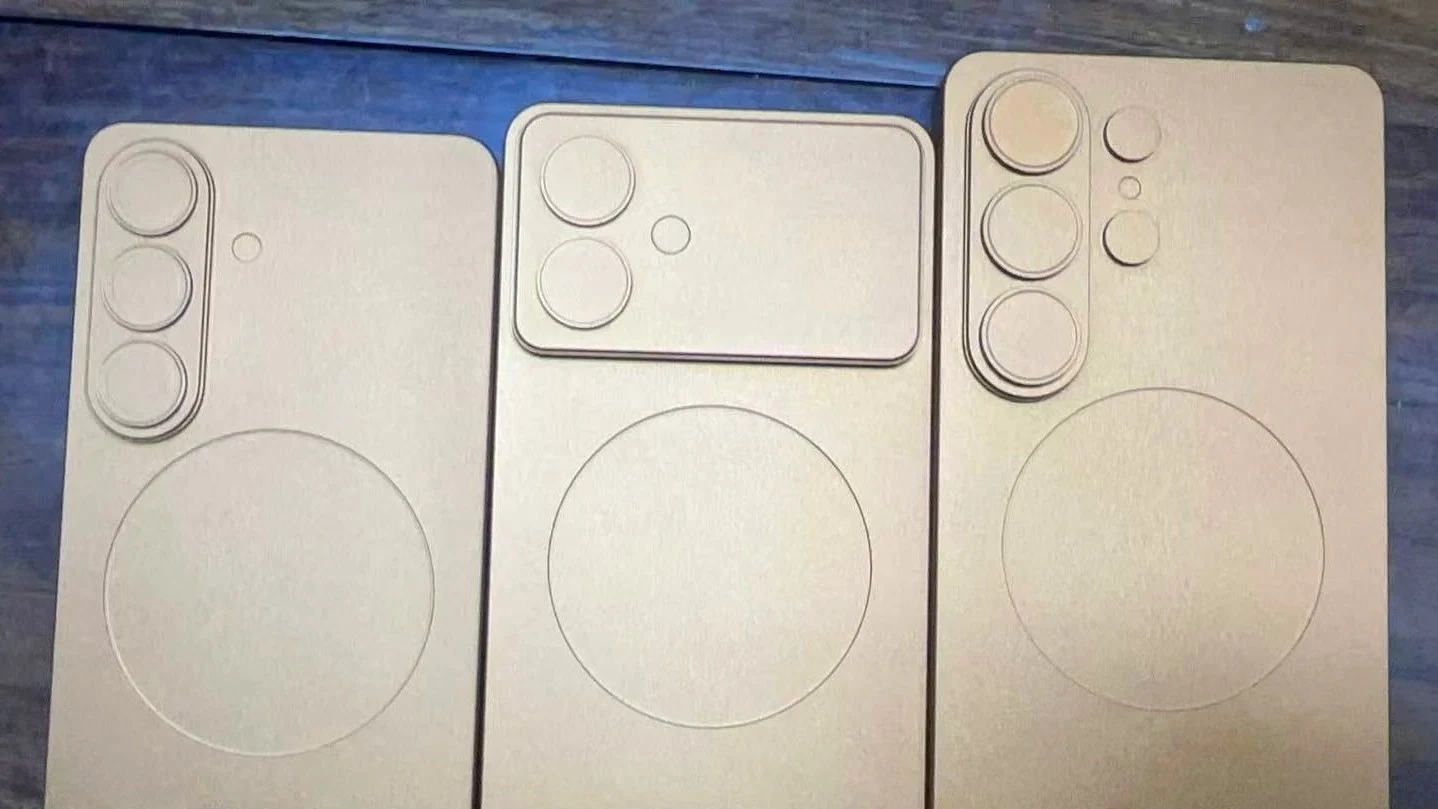
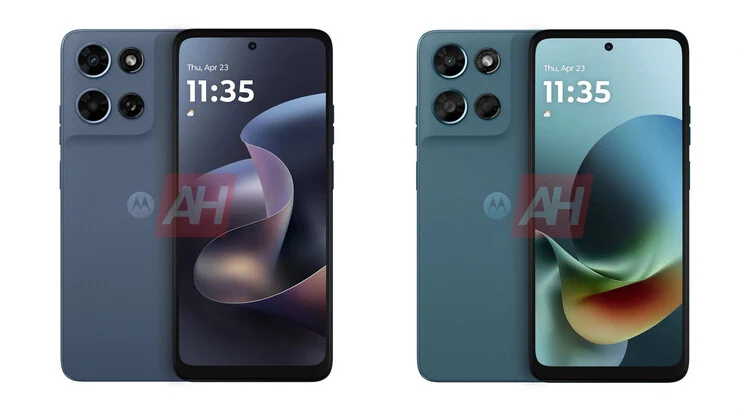
    Sightings of two yet-to-be-released Motorola smartphones have surfaced online following the launch of the Edge 60 Neo last week. Recently, Android Headlines has uncovered fresh images of the Moto G 2026, which was last seen in May alongside the Moto G Power 2026.

    New Appearances

    Now, the Moto G 2026 has been spotted again, this time with the Moto G Play 2026. Building on the leaks from spring, the latest images of the Moto G 2026 confirm that it keeps the overall design of its predecessor, though with some modifications. For example, the 2026 model continues to feature a 6.7-inch display with the same 720p resolution as the Moto G 2025.

    Display and Specs

    According to Android Headlines, the Moto G Play 2026 also boasts the same display specs, providing a peak brightness of 1,000 nits and a 120 Hz refresh rate; however, it is safeguarded by the somewhat dated Corning Gorilla Glass 3. Both smartphones are set to be powered by a MediaTek Dimensity 6300, the same 6 nm chipset used in the Moto G 2025 (currently priced at $174.99 on Amazon).

    Memory and Battery

    It’s expected that 4 GB of RAM will be included again, along with 128 GB of expandable UFS 2.2 storage, while the Moto G Play 2026 will have only 64 GB of storage. Android Headlines reports that both devices will feature a 5,200 mAh battery, but the Moto G 2026 will support 30 W charging, compared to 18 W for the Moto G Play 2026. Additionally, the Moto G 2026 is anticipated to come with better cameras, featuring a 32 MP front-facing camera and a 50 MP main sensor, whereas the Moto G Play 2026 will have an 8 MP front and a 32 MP rear camera. Unfortunately, details about pricing and availability are still unclear at this time.

    Source:
    Link


  • Vivo X300 vs X200 Pro Mini: Enhanced Display, Biometric, Cooling

    Vivo X300 vs X200 Pro Mini: Enhanced Display, Biometric, Cooling

    Key Takeaways

    1. Vivo will not launch an X300 Pro mini; the Vivo X300 will replace the current compact flagship.
    2. The Vivo X300 will have thinner bezels compared to the X200 Pro mini, but not significantly thinner than the iPhone 16 Pro.
    3. The device will feature a Q10 Plus AMOLED screen with a 120 Hz variable refresh rate and an advanced ultrasonic fingerprint sensor.
    4. It will use a larger vapour chamber cooling system, improving thermal conductivity by 12%.
    5. The Vivo X300 will support up to 90 W wired charging for its 6,200 mAh battery and will include a 200 MP main camera, alongside 50 MP telephoto, ultra-wide, and selfie cameras with IP69 ratings.


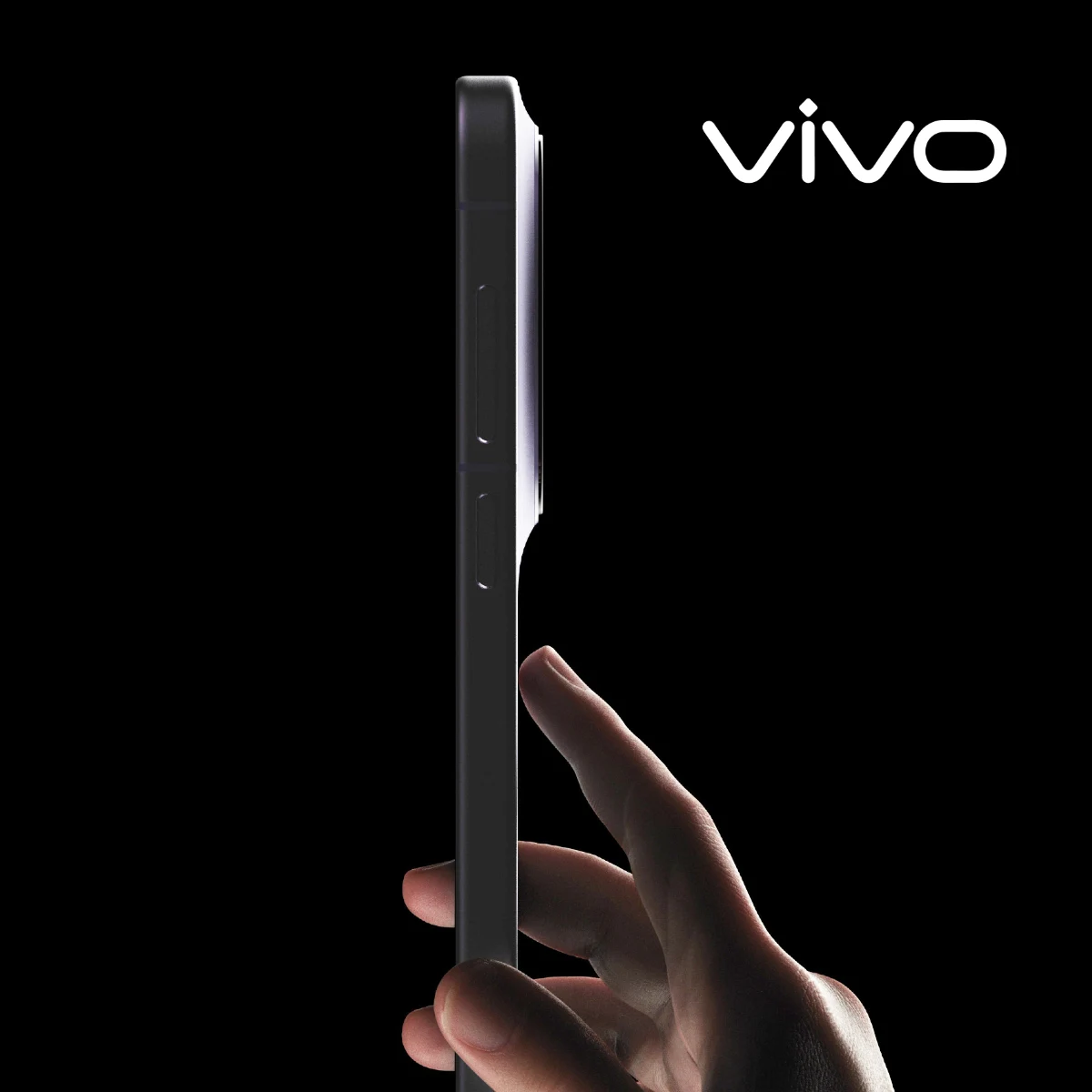
    Earlier this week, Han Bo Xiao, an executive at Vivo, stated that the company does not intend to launch an X300 Pro mini. Instead, he mentioned that the Vivo X300 will take the place of the current compact flagship, aligning with previous leaks.

    New Details Emerge

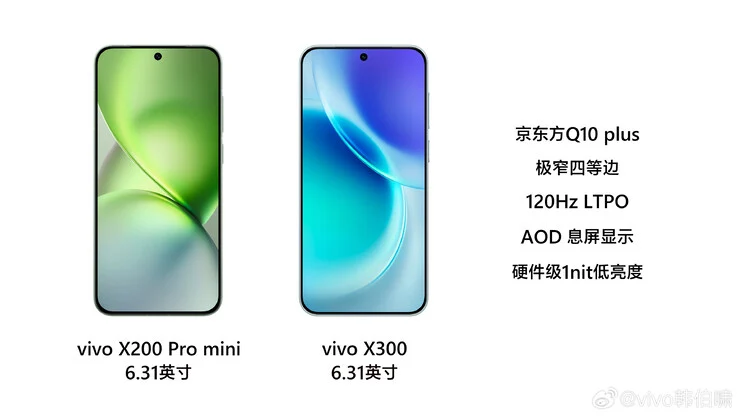
    Han Bo Xiao has provided additional insights about the Vivo X300 and how it compares to the X200 Pro mini. In a detailed post on Weibo, he stated that the Vivo X300 will have even thinner bezels than those found on the X200 Pro mini. However, based on an earlier teaser, these bezels are not expected to be significantly thinner than those of the iPhone 16 Pro, which is currently priced at $745 for a refurbished model on Amazon.

    Enhanced Display and Cooling

    The executive has also confirmed that the Vivo X300 will incorporate BOE’s latest Q10 Plus AMOLED screen, featuring a 120 Hz variable refresh rate and an advanced ultrasonic fingerprint sensor that surpasses those on previous Vivo models. It is claimed that the Vivo X300 utilizes a vapour chamber cooling system that is 17% larger than that of the X200 Pro mini, though it reportedly only improves overall thermal conductivity by 12%.

    Charging and Camera Features

    As anticipated, Vivo has equipped the X300 with a USB 3.2 Type-C port. Leakers like Yogesh Brar suggest that this port will support up to 90 W wired charging for the device’s substantial 6,200 mAh battery. Additionally, the phone is rumored to come with a 200 MP main camera, alongside 50 MP telephoto, ultra-wide, and selfie cameras, all featuring IP69 ratings for water and dust resistance.

    Source:
    Link


  • Leaker Criticizes Samsung’s Galaxy S Cameras, Starts Change Petition

    Leaker Criticizes Samsung’s Galaxy S Cameras, Starts Change Petition

    Key Takeaways

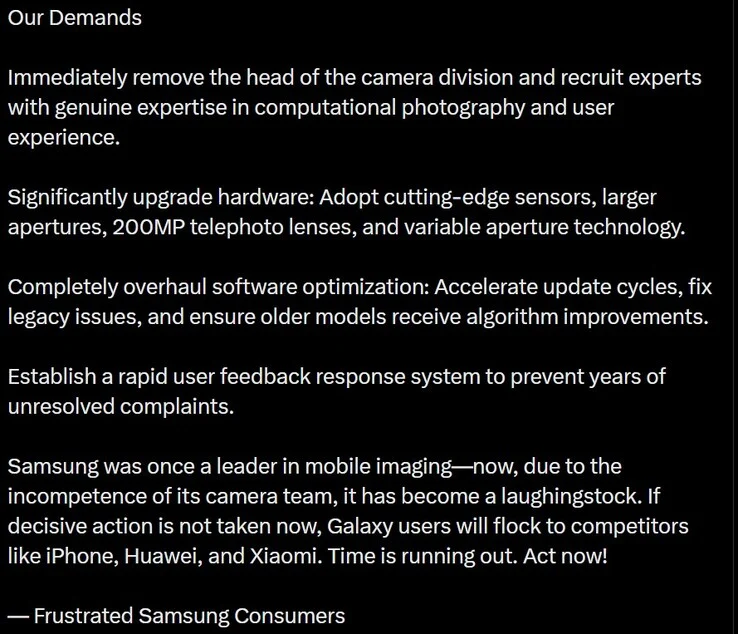
    1. Ice Universe criticizes Samsung’s mobile photography leadership and calls for the dismissal of the camera division head.
    2. There is growing dissatisfaction among fans regarding Samsung’s lack of significant camera upgrades compared to competitors like Vivo and Xiaomi.
    3. The upcoming iPhone 17 Pro’s new camera system poses a risk of Samsung falling behind Apple in mobile photography.
    4. Ice Universe has launched a petition for the replacement of Samsung’s camera division head, garnering over 3,000 signatures.
    5. Samsung’s flagship Galaxy S phones are currently not ranked among the top ten for camera quality, raising concerns about future models like the Galaxy S26.


    For several days, Ice Universe has been actively criticizing Samsung’s current head of mobile photography on X. This leaker, known for their harsh remarks about Samsung, has been contrasting photos taken with the Galaxy S25 Ultra against those from other flagship devices to highlight how much the competition has moved ahead of Samsung.

    Open Letter to Samsung’s CEO

    Ice Universe seems to have taken their opposition to Samsung’s alleged negligence very seriously, even writing an open letter to the CEO of Samsung on X, urging him to dismiss the head of the camera division. This open letter reflects a growing dissatisfaction among fans. Many users replying to Ice Universe’s posts on X express that Samsung no longer leads in mobile photography. Years without significant camera enhancements have arguably left the company trailing behind Chinese rivals like Vivo and Xiaomi.

    Concerns Over Upcoming Releases

    Furthermore, with the introduction of the iPhone 17 Pro featuring a new 48 MP “Fusion” camera system, there is a risk that Samsung may fall behind Apple. Reports suggest the Galaxy S26 series may not include important camera upgrades again, potentially making the Galaxy S26 phones less appealing as camera options next year.

    This worry forms the basis of Ice Universe’s plea to Samsung’s CEO TM ROH. The leaker outlined nine reasons why Samsung has lagged in the camera field. Some significant points include:

    Due to these reasons, Ice Universe has not only committed to sharing the open letter daily on X but is also launching a petition titled “Urgent Replacement of Samsung Camera Division Head,” which has already garnered over 3,000 verified signatures at the time of this writing.

    The Need for Improvement

    While it’s uncertain how much impact Ice Universe’s petition will have, it’s clear that Samsung must enhance its efforts. The flagship Galaxy S phones, once regarded as some of the best camera phones available, currently do not even make it to the top ten rankings according to DXOMark.

    Ultimately, it remains to be seen how the camera quality of the Galaxy S26 will compare to that of the iPhone 17 Pro, Vivo X300 Pro, and others in the market.

    Source:
    Link