Tag: Face ID

  • Google Pixel 11 May Introduce True Rival to Apple Face ID

    Google Pixel 11 May Introduce True Rival to Apple Face ID

    Key Takeaways

    1. Many Android phones use selfie cameras for facial recognition, leading to lower security and performance issues in low light.
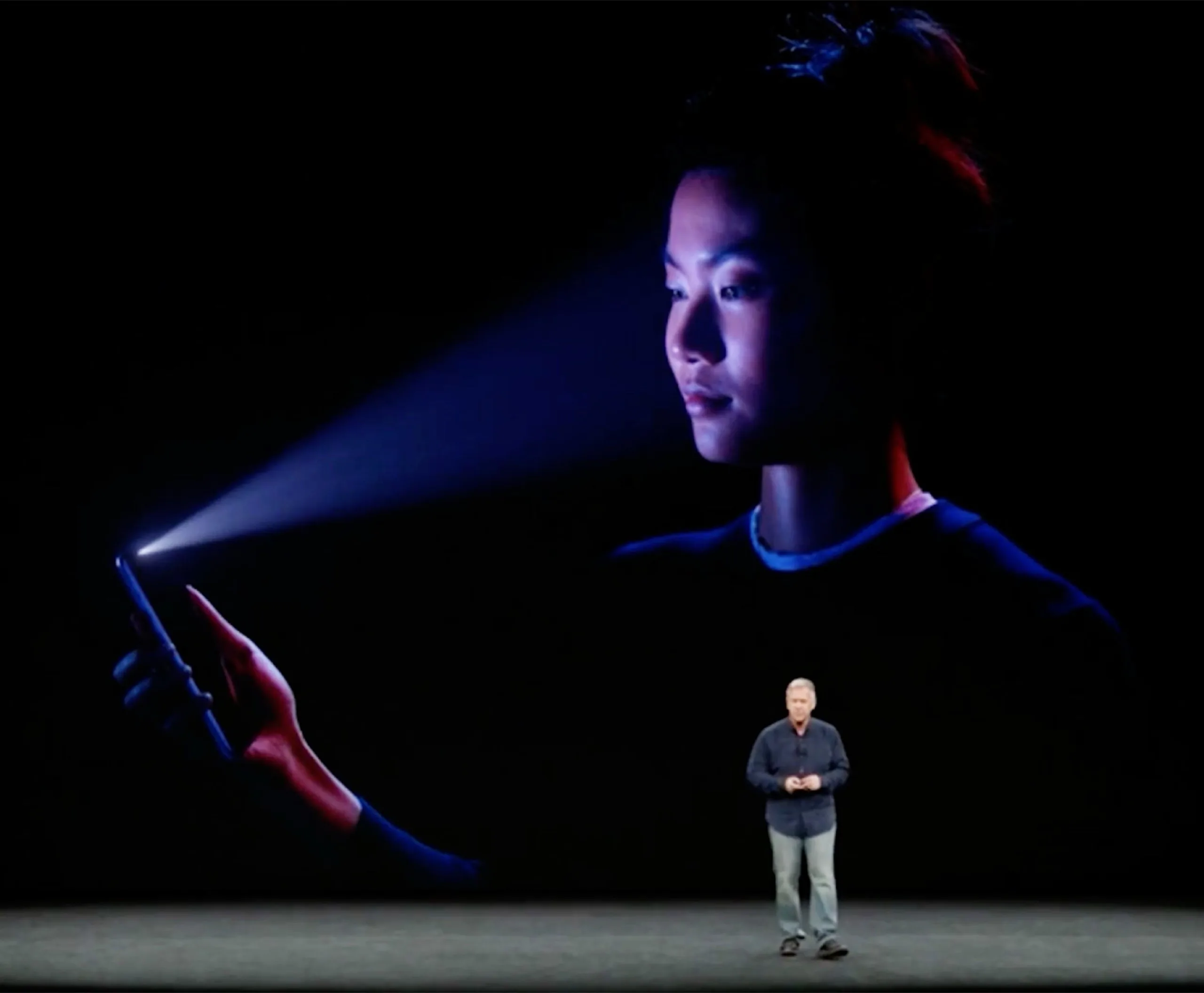
    2. Apple’s Face ID utilizes infrared technology for a 3D scan, providing reliable performance regardless of lighting conditions.
    3. Google is testing new facial recognition technology called “Project Toscana,” which may compete with Face ID in speed and reliability.
    4. The upcoming technology could feature an infrared projector integrated into the OLED display, unlike previous systems.
    5. Enhanced facial recognition may be introduced with the Google Pixel 11 series, with potential plans for Chromebooks in 2026.


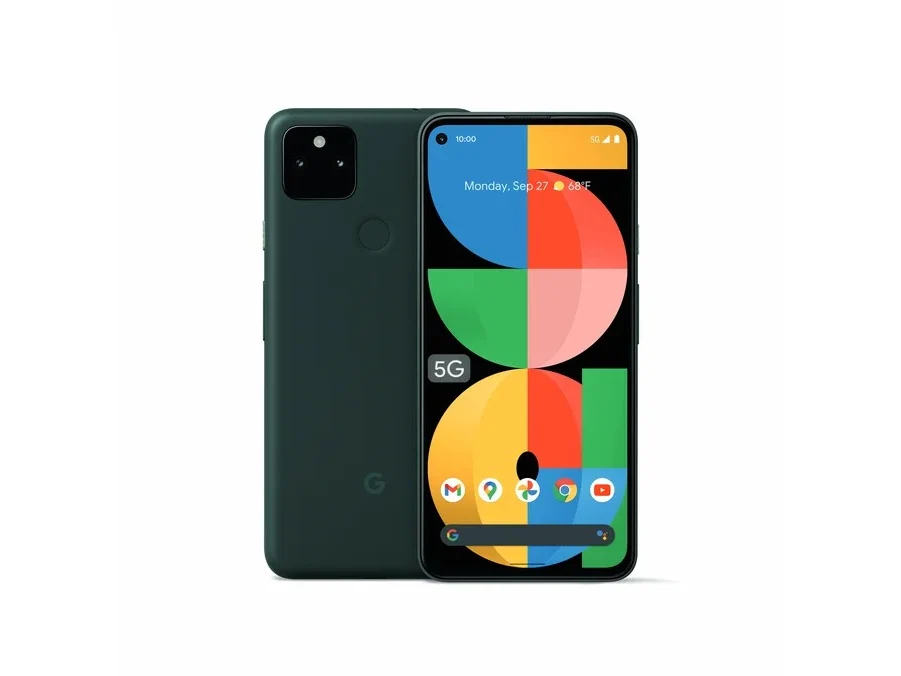
    Many Android phones can be unlocked using facial recognition, but a lot of them just use the selfie camera. This can lead to less security since the face isn’t scanned in 3D. It also means that facial recognition can struggle in low light situations, causing it to work slower or sometimes not at all.

    Apple’s Advanced Face ID

    In contrast, the Face ID on the Apple iPhone 17 employs an infrared projector along with an infrared camera to create a 3D scan of the face. Thanks to its built-in light source, this system usually operates quickly and dependably, no matter the surrounding light conditions. In light of this, Android Authority has discovered that Google is testing a new facial recognition technology that may match Face ID’s speed and reliability.

    New Technology in Development

    Differing from Face ID or the Pixel 4’s Soli radar system, this upcoming tech supposedly operates with just a simple punch-hole in the screen. Internally referred to as “Project Toscana,” this technology is said to be in beta testing, indicating that it is quite far along. While specific technical details are still under wraps, it’s possible that Google could employ an infrared projector that is seamlessly integrated into the OLED display, similar to how Face ID functions.

    Future Prospects

    Alternatively, Google might bring back the Pixel 4’s radar system, this time embedding it within the display itself. According to Android Authority, this enhanced facial recognition feature could make its debut with the Google Pixel 11 and Pixel 11 Pro later this year. There are also whispers of a version for Chromebooks, but it might not hit the market until 2026.

    Source:
    Link


  • Apple iPhone 18 Pro Design Upgrade Rumors Surface

    Apple iPhone 18 Pro Design Upgrade Rumors Surface

    Key Takeaways

    1. Apple planned to reduce the size of the punch hole on the iPhone 18 Pro but not eliminate it entirely by 2026.
    2. New prototypes aim to hide Face ID components under a special glass panel.
    3. Infrared sensors for Face ID will be placed beneath the screen to enhance security against tricks.
    4. Production challenges may hinder the timely delivery of the new Face ID module with the iPhone 18 Pro.
    5. The iPhone 18 Pro will still have a pill-shaped punch hole, albeit smaller, and full-screen designs without cutouts are not expected.


    Back in 2023, a display expert mentioned that the Apple iPhone 18 series might have a tinier punch hole by 2026. This was because Apple planned to put some sensors needed for the 3D facial recognition feature, known as Face ID, underneath the screen. However, recent reports from both analysts and tipsters indicate that Apple’s schedule has changed, and the punch hole on the iPhone 18 Pro will only become a little smaller.

    New Developments on Prototypes

    A post on Weibo from the well-known leaker Smart Pikachu, who has accurately shared details about Apple’s future products before, now states that the current prototypes of the iPhone 18 series are designed to hide these components by placing them beneath a new kind of glass panel. Specifically, this pertains to the infrared sensors that Apple uses to perform a 3D scan of the user’s face, preventing Face ID from being tricked by a simple printed photo.

    Production Challenges Ahead

    Apple’s suppliers might be trying to accelerate the production of these components, but it’s still unclear if Apple will be able to deliver this new Face ID module with the iPhone 18 Pro. Since it’s not likely that Apple will put the selfie camera or all the Face ID sensors under the display, the pill-shaped punch hole of the iPhone 18 Pro is expected to remain, although it will likely be smaller. In the meantime, a display with no cutouts, like the one on the Nubia RedMagic 11 Pro, is not anticipated.

    Smart Pikachu (Weibo)

    Source:
    Link


  • iPhone 18 and 18 Pro: Smaller Dynamic Island, No Under-Display Face ID

    iPhone 18 and 18 Pro: Smaller Dynamic Island, No Under-Display Face ID

    Key Takeaways

    1. The iPhone 18 may introduce a new pressure-sensitive button for camera control and could replace the standard model with an iPhone Air.
    2. Rumors suggest the iPhone 18 and iPhone 18 Pro will not have under-display Face ID or front camera, but will maintain a smaller Dynamic Island for Face ID sensors.
    3. The front camera might be repositioned as a punch hole, differing from earlier expectations.
    4. The pill-shaped cutout design may continue with the iPhone 19 series and the 20th-anniversary model could feature no visible holes.
    5. Setsuna Digital has a mixed track record for leaks but has previously provided accurate information about Apple products.


    The iPhone 17 series has just been released, yet people are already looking ahead to what Apple has planned for 2026.

    In recent months, there has been a flow of rumors regarding the iPhone 18. Some sources suggest that Apple might add a new pressure-sensitive button for camera control and may even alter the existing lineup. This could mean replacing the standard model with an iPhone Air, which would join the Pro, Pro Max, and a potential foldable iPhone.

    Latest Rumors from a Trusted Source

    A new rumor has emerged from Setsuna Digital, a well-known leaker on the Chinese platform Weibo. According to MacRumors, this leaker claims that the iPhone 18 and iPhone 18 Pro will not feature an under-display Face ID or an under-display front camera, as previously thought. Instead, it seems Apple is focusing on a smaller Dynamic Island that will contain the Face ID sensors. The front camera might have a separate placement, possibly as a punch hole, as earlier suggested. How Apple will manage to fit both components remains unclear.

    Future Design Speculations

    If these rumors are accurate, the pill-shaped cutout will continue for at least one more generation, likely appearing with the iPhone 19 series and the expected 20th-anniversary model, which is rumored to feature a design with no visible holes.

    Setsuna Digital has a history of leaking accurate information, such as details about the vapor chamber heat spreader in the iPhone 17, which was revealed around the same time last year. However, it’s worth noting that this account has also made several errors in the past. Regardless, there’s a strong possibility that Apple will revamp the front display over the next two iPhone generations.

    Setsuna Digital on Weibo via MacRumors, Photo by Omar Al-Ghosson on Unsplash

    Source:
    Link


  • Zenni Optical Launches ID Guard: Lens Coating Blocks Facial Scans

    Zenni Optical Launches ID Guard: Lens Coating Blocks Facial Scans

    Key Takeaways

    1. Zenni Optical has introduced ID Guard, a pink-tinted coating for eyeglass lenses that blocks near-infrared light to protect against unauthorized facial scans.
    2. The ID Guard coating is currently available for basic 1.50 index lenses at a price of $14.95, with plans to expand to more lens varieties.
    3. Facial recognition technology, like Apple’s Face ID, can be vulnerable to facial cloning, where criminals use 3D-printed masks to bypass security.
    4. The ID Guard coating effectively blocks infrared light in the range of 700 nm to 1050 nm, providing an added layer of security against hackers attempting to replicate faces.
    5. Users should remove their glasses when unlocking devices with facial recognition, as the coating may hinder the functionality of such technology.


    Eyeglass maker Zenni Optical has rolled out a new feature called ID Guard, which is a pink-tinted coating for eyeglass lenses designed to stop unauthorized facial scans that could compromise personal safety by blocking near-infrared light. Customers can opt for this coating with their Clear, Blokz, and EyeQLenz lenses, with more lens varieties anticipated in the near future. The ID Guard coating is currently available for basic 1.50 index lenses at a price of $14.95.

    Face ID Vulnerabilities

    Some Apple iPhones allow users to unlock their devices using Face ID, which utilizes infrared light to project a pattern of dots onto the user’s face. A camera detects this pattern and unlocks the iPhone when it matches the previously saved data.

    Risks of Facial Cloning

    Criminals can take advantage of this technology by creating a fake version of someone’s face when that person unknowingly stares at a concealed infrared projector and camera. Bkav has shown that they can 3D print masks from scanned facial data that can bypass the Face ID security on certain iPhones. Despite Apple adding liveliness detection to ensure phones only unlock with natural movements, resourceful researchers have still managed to overcome this security measure.

    Zenni Optical aims to combat the risk of facial cloning with the ID Guard coating, which prevents infrared light from reaching the area of the face behind the lenses. This coating effectively blocks infrared light in the range of 700 nm to 1050 nm, exceeding the 700 nm to 900 nm spectrum used by Apple Face ID. The company claims that this technology can hinder hackers from replicating target faces, but users must remember to take off their glasses when they wish to unlock their devices.

    Additional Security Concerns

    For those concerned about personal privacy, it’s important to understand that MEMS microphones in smartphones can emit radio frequency waves, which may enable hackers to remotely listen in on conversations. This can be prevented by using Faraday bags, such as one available on Amazon.

    Source:
    Link

  • Apple Tests Under-Display Face ID for iPhone 18 Pro Models

    Apple Tests Under-Display Face ID for iPhone 18 Pro Models

    Key Takeaways

    1. Apple is testing under-display Face ID technology for the iPhone 18 Pro and Pro Max, expected in 2026.
    2. The iPhone 18 Pro series will feature a single hole cutout in the top left corner of the display.
    3. The design of the hole cutout is similar to older Android devices, which have since moved to a centered design.
    4. Non-pro models (iPhone 18 and iPhone 18 Air) will retain the 2+1 punch hole design (Dynamic Island) like the iPhone 16.
    5. The upcoming iPhone 17 Air will already have a successor in the works with the iPhone 18 series.


    The iPhone 17 series is still several months from its release, yet there are already speculations regarding the iPhone 18 series. Recently, new information has emerged about the possible designs for the iPhone 18 Pro and iPhone 18 Pro Max.

    Under-Display Face ID Testing

    According to Chinese insider, Digital Chat Station, Apple is currently experimenting with under-display Face ID technology for the iPhone 18 Pro and iPhone 18 Pro Max, expected to launch in 2026. The leak also indicates that the devices will feature a single HIAA (hole in active matrix) cutout.

    Design Details

    A report from The Information provided further details, mentioning that this single hole will be positioned in the top left corner of the display. This design approach was previously adopted by Android devices a few years ago, but it has since been replaced by a more centered hole design.

    Non-Pro Models

    In contrast, the non-pro versions, which consist of the iPhone 18 and iPhone 18 Air, will maintain a standard 2+1 punch hole (Dynamic Island) similar to the iPhone 16, as stated by Digital Chat Station. This differentiation in design between the pro and non-pro models isn’t surprising, as it’s happened before.

    It’s noteworthy that the yet-to-be-released iPhone 17 Air is already set to have a successor in the works.

    Source:
    Link

  • iPhone SE4 Render: First SE Model with Modern Design

    iPhone SE4 Render: First SE Model with Modern Design

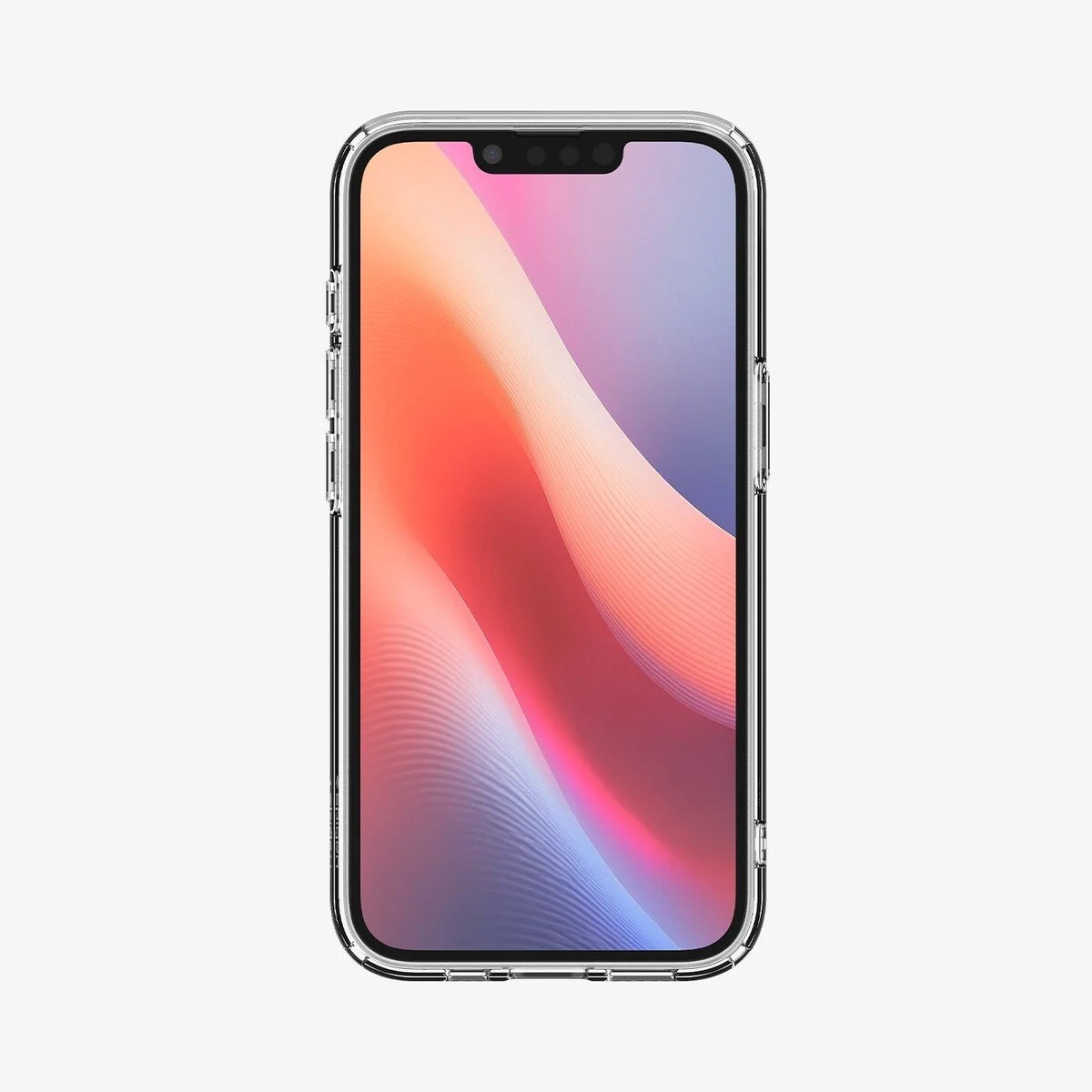
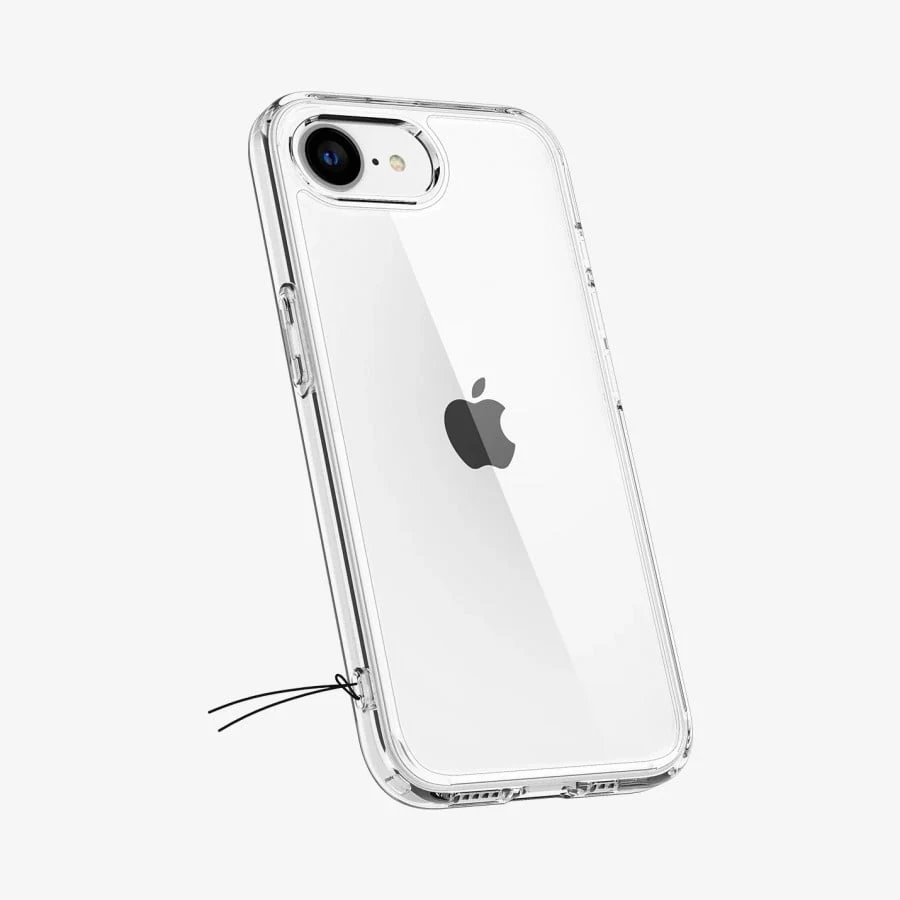
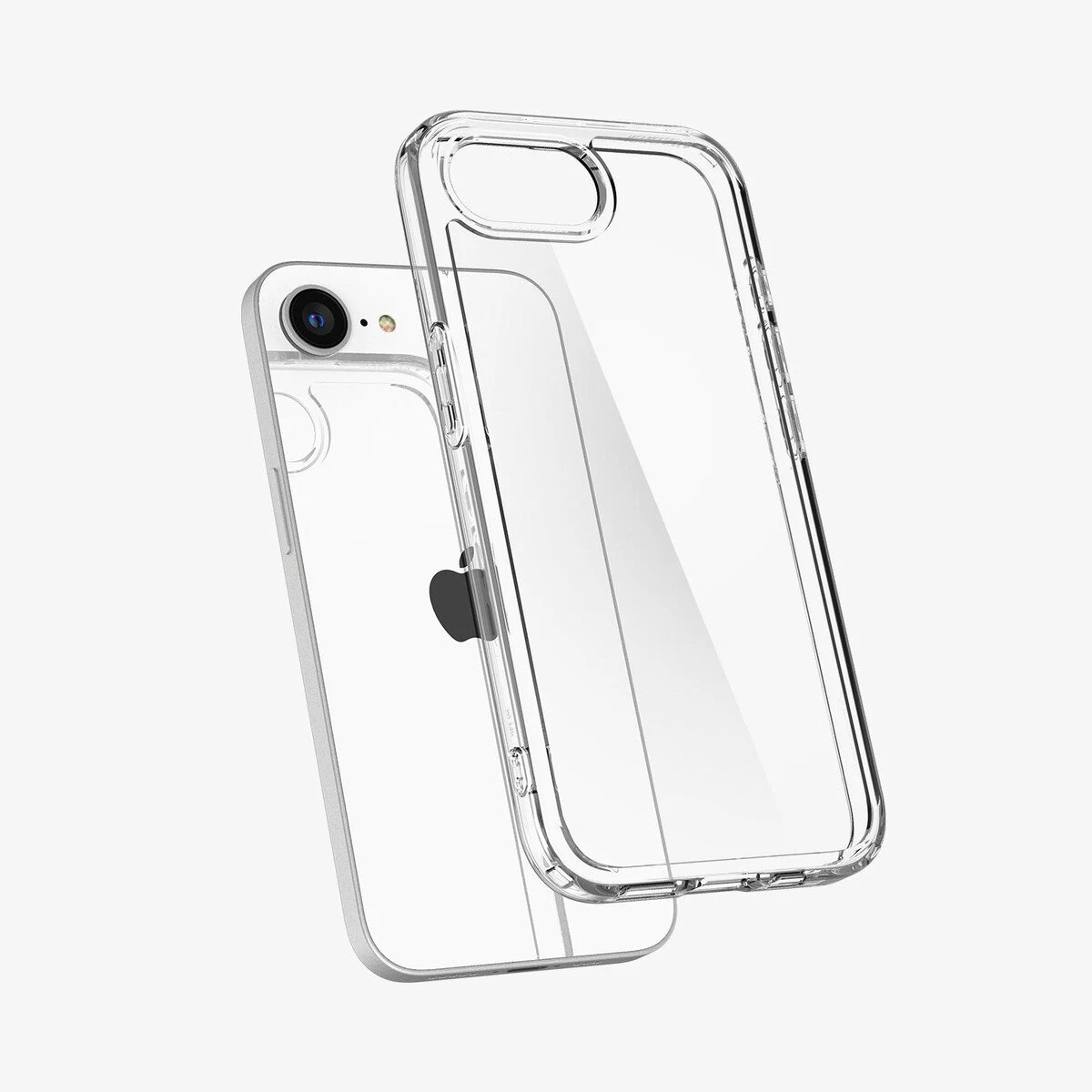
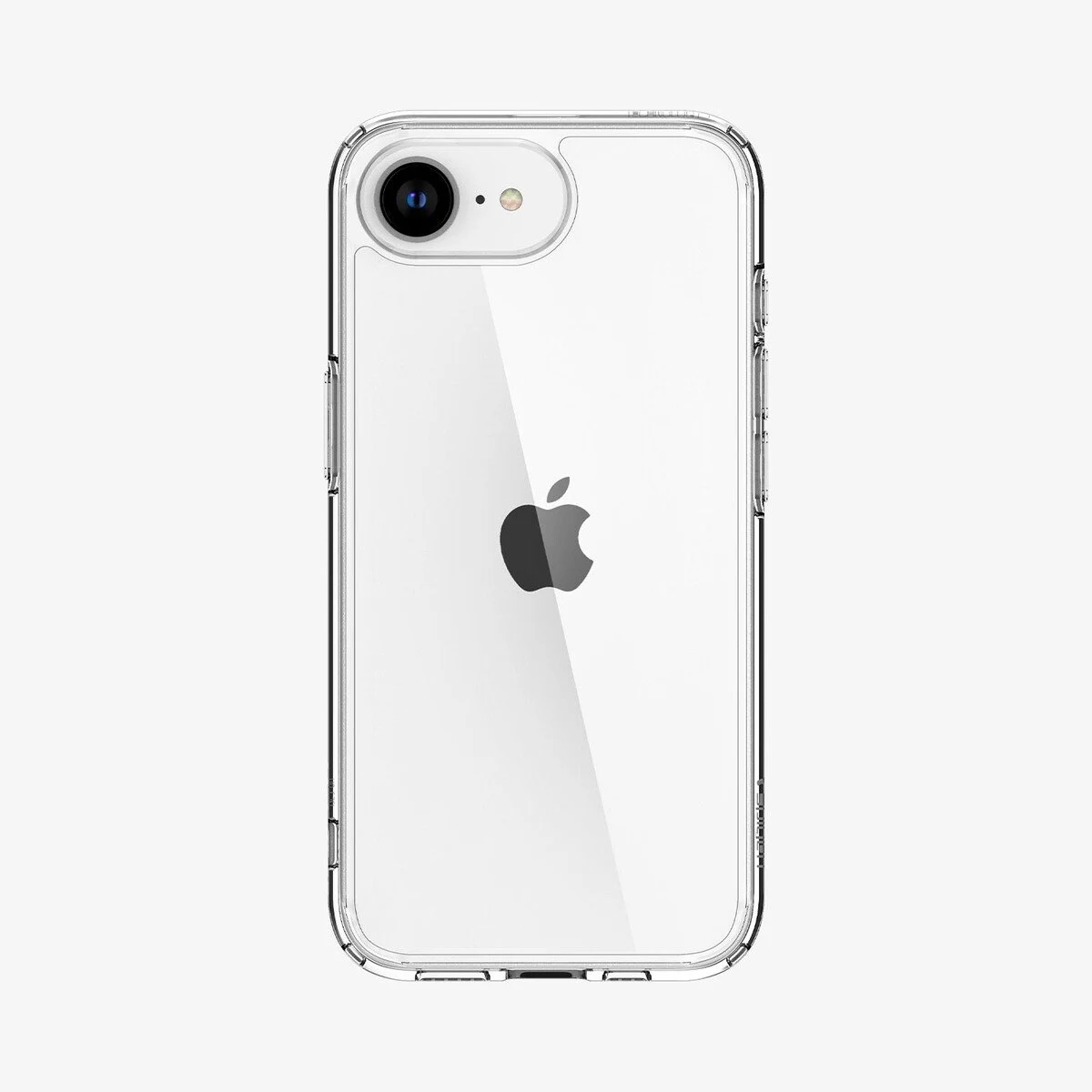
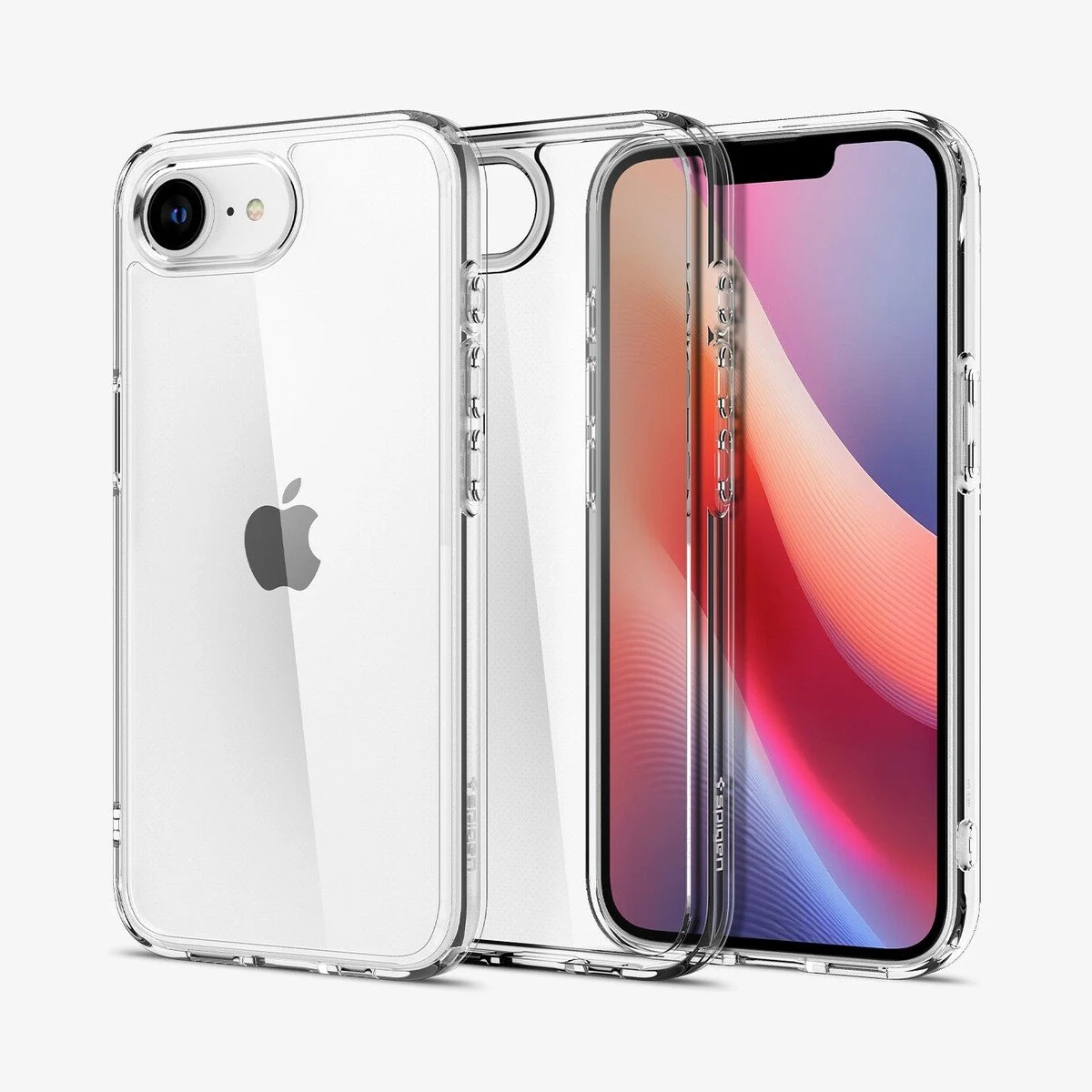
    Apple is likely to unveil the iPhone SE 4 this week, bringing significant changes in both design and features. One of the most talked-about updates is the potential inclusion of Face ID, alongside the elimination of the home button. This shift will give the front of the phone a similar appearance to the iPhone 14. Recently, Spigen, a case manufacturer, shared renders of the new device with its case, which supports earlier design speculations.

    New Look and Display

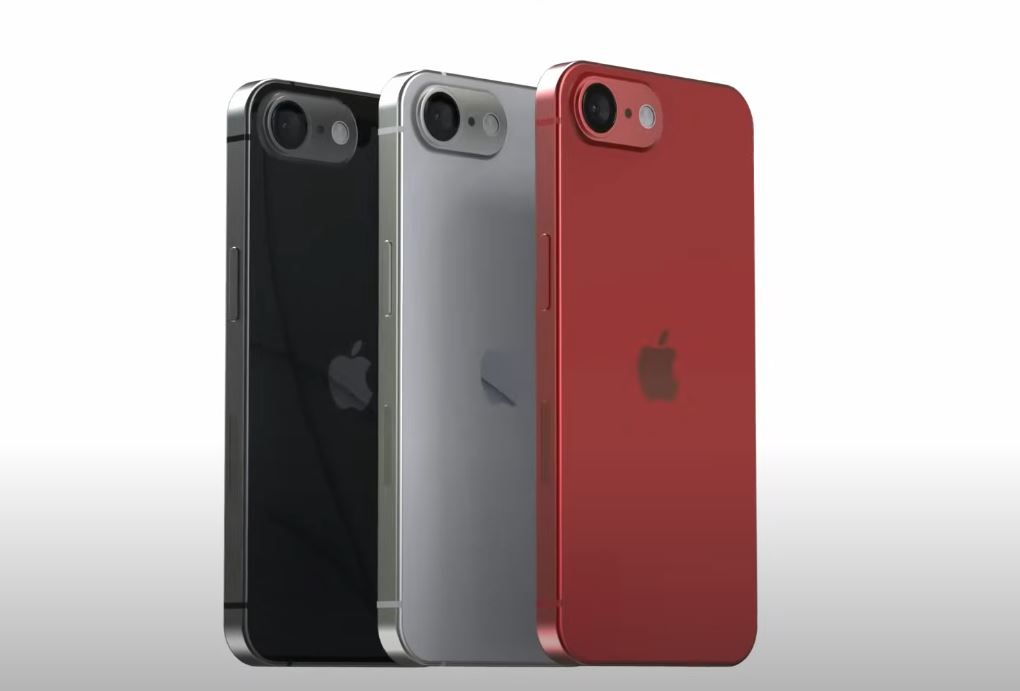
    In contrast to the iPhone SE 2022, the new model features a fully flat design. When examined closely, the display seems to have rather slim bezels. The expected display size is 6.1 inches, which is significantly larger than the 4.7 inches of the previous SE model. Regarding color choices, this upcoming version is anticipated to offer some new shades, in addition to the classic black, white, and red options.

    Camera Details

    On the rear, the iPhone SE 4 retains a single camera setup. The flash and the extra sensor maintain their original positions, providing a look quite similar to that of its predecessor. Previous rumors suggested that the camera sensor could have a resolution of 48MP. However, based on the design’s lack of a noticeable bump, it appears that there won’t be an increase in sensor size. While it shares the same resolution as the iPhone 16 and captures images at 24MP, the picture quality may not reach the same level as more premium models.

    Performance Expectations

    Nonetheless, much of the image quality relies on processing, which is likely to improve thanks to the Apple A18 chip. Indeed, the iPhone SE 4 is rumored to be powered by the same chip used in the iPhone 16. There are also claims that this upcoming model will support Apple Intelligence. The SE 4 is a smaller device, and with its redesign, it certainly appears more attractive. It will be interesting to see what software features Apple includes in its most affordable iPhone of 2025.


  • Apple’s Smart Doorbell: Face ID to Unlock Your Home Soon

    Apple’s Smart Doorbell: Face ID to Unlock Your Home Soon

    Apple is said to be developing a new device that aims to extend its smartphone security features into homes for enhanced safety. According to reports, the company’s upcoming innovation may be a smart doorbell that uses Face ID to unlock doors.

    Details on Apple’s Smart Doorbell

    Mark Gurman revealed these details in his Power On Newsletter. The tech giant from Cupertino is reportedly looking to incorporate its facial recognition technology from phones into its smart home products. The doorbell is expected to connect to smart deadbolts and might even work with current HomeKit-compatible third-party locks.

    Possible Collaborations

    It’s possible that Apple will team up with a lock manufacturer to create a more complete product instead of designing the doorbell entirely in-house. Since this is the first mention of the Apple smart doorbell, it’s probably still a long way from being released to the public. Gurman notes that the development of the smart doorbell featuring Face ID is in its early phases, suggesting that we might see it by the end of next year at the earliest.

    Competition in the Smart Home Market

    With this new device, Apple seems poised to enter the competition against Amazon’s Ring and Google’s Nest products. Plus, the smart doorbell won’t be the only new product in the pipeline. Apple appears to be working on several additional smart home devices, including a smart home hub, which is expected to be announced sometime next year along with other new gadgets. This is all the information available right now, so stay tuned for more details as they come out.

  • iPhone SE 4 Rumored to Have Impressive Camera Setup

    iPhone SE 4 Rumored to Have Impressive Camera Setup

    Apple’s iPhone SE series has been on the back burner for quite a while. However, a bunch of recent reports suggest that the iPhone SE 4 might drop in Spring 2025. We already got some info about this upcoming budget device, and now, a new report from a South Korean outlet has surfaced, giving more credibility to previous rumors.

    Camera Details

    According to the ET News report, LG Innotek is set to be the main supplier for both the front and rear camera systems of the iPhone SE 4. The report goes on to say that this budget-friendly iPhone will feature a single 48 MP rear camera and a 12 MP TrueDepth front camera, confirming previously rumored details about the camera and Face ID support. Additionally, production for these components has reportedly already kicked off in Vietnam.

    Expected Features and Pricing

    With a launch targeted for Spring next year, the iPhone SE 4 is anticipated to come with a 6.06-inch OLED display sourced from LG, an up-to-date A-series chip, 8 GB of RAM, USB-C, and Face ID. Pricing will definitely play a big role in the device’s success, but given the enhanced specs, a significant price increase seems quite possible.

    Source: Link