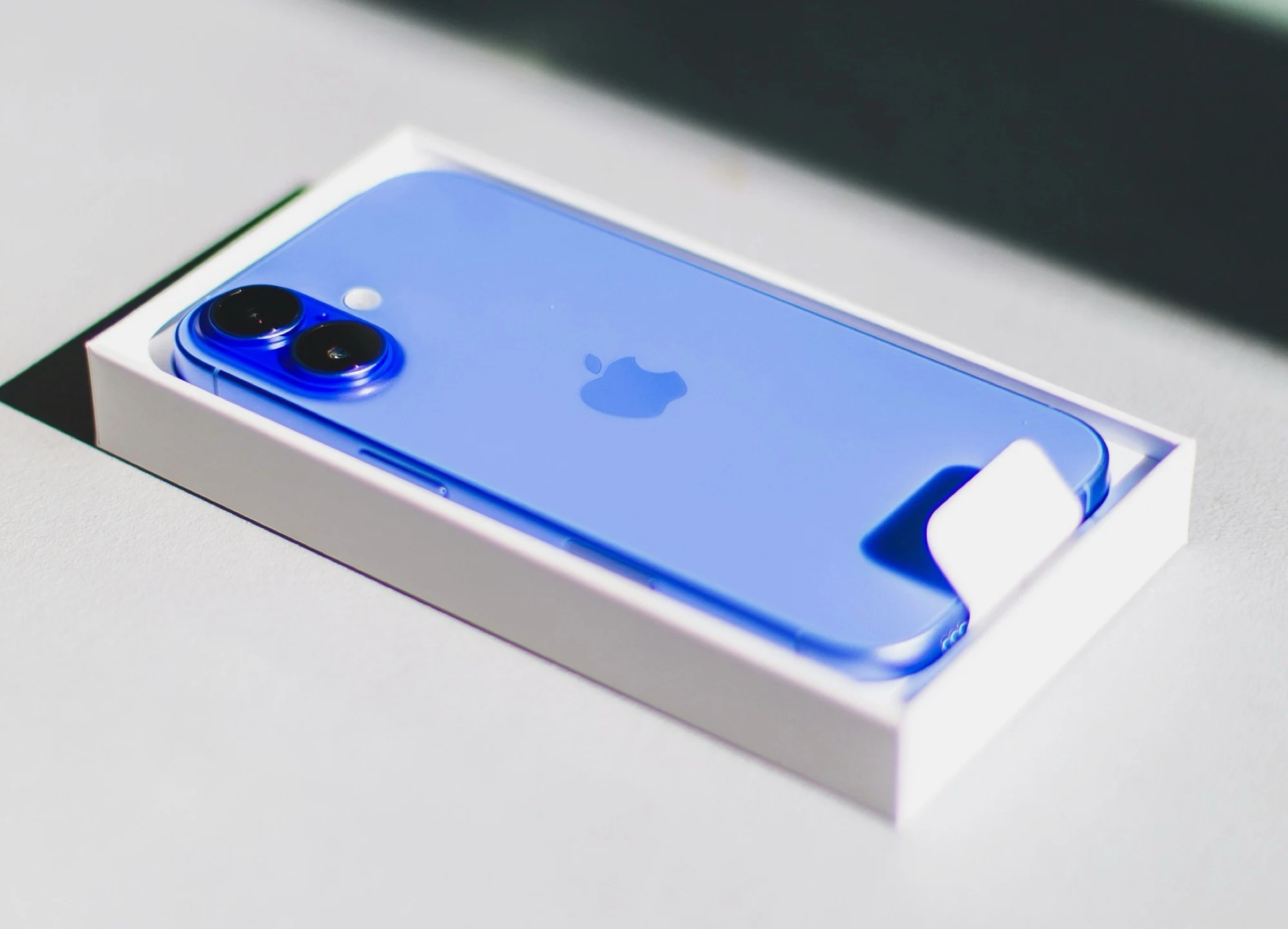
Tag: iPhone 16

  • iPhone 16 Tops 2025 Sales; Galaxy S25 Ultra Enters Top 10

    iPhone 16 Tops 2025 Sales; Galaxy S25 Ultra Enters Top 10

    Key Takeaways

    1. Apple has a smaller range of smartphone models but remains a strong market leader, with iPhones being the top-selling smartphones globally in 2025.
    2. The iPhone 16 was the best-selling model last year, followed by the iPhone 16 Pro Max and iPhone 16 Pro.
    3. The iPhone 17 Pro Max quickly reached fourth place, while the iPhone 17 showed the highest growth among all models, thanks to its 120Hz OLED display.
    4. Apple holds seven out of the top ten smartphone rankings, with the iPhone 15 and iPhone 16e in eighth and tenth place, respectively.
    5. The most popular Android phone in 2025 is the Samsung Galaxy A16 5G, with only one flagship model, the Galaxy S25 Ultra, making it into the top ten.


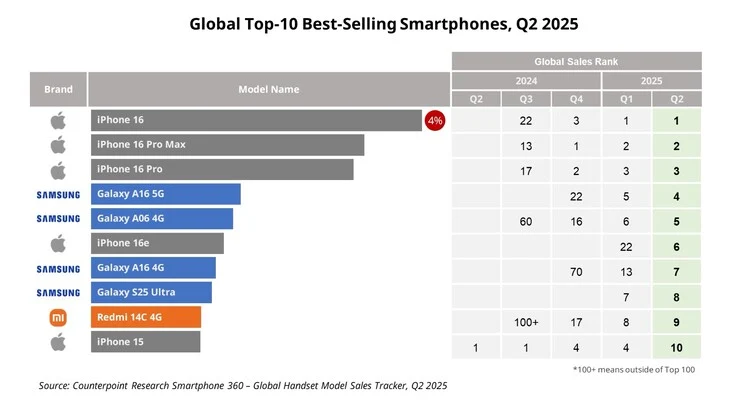
    Apple has a smaller range of smartphone models when compared to other brands. Despite this, the company has managed to maintain a strong market presence, leading to iPhones being the top-selling smartphones around the globe in 2025. Data from Counterpoint Research shows that the Apple iPhone 16 was the clear favorite last year, followed closely by the iPhone 16 Pro Max and iPhone 16 Pro.

    iPhone 17 Series Performance

    Even though the iPhone 17 series launched only in late September, the iPhone 17 Pro Max quickly secured the fourth spot. Interestingly, the iPhone 17, which came in at seventh place, demonstrated the highest growth among all iPhone models. This suggests that Apple’s choice to include a 120Hz OLED display in the base model was a smart move. The entry-level iPhone 15 and iPhone 16e took the eighth and tenth positions, respectively. Predictably, the iPhone 16 Plus and iPhone Air did not make it into the top ten. Nevertheless, Apple still holds seven of the top ten rankings.

    Android Competitors

    On the other hand, the most popular Android phone of 2025 is the Samsung Galaxy A16 5G, priced at approximately $184 on Amazon, landing in fifth place, just ahead of the more budget-friendly Galaxy A06 4G. The Samsung Galaxy S25 Ultra, positioned in ninth place, is the sole Android flagship to make the top ten. This high-end model experienced significant growth in Japan, achieving sales three times that of its predecessor. Collectively, the models in this top-ten list represent 19% of the worldwide smartphone market.

    Source:
    Link


  • Samsung Leads in Android Sales; Apple iPhone in Q2 Top 3

    Samsung Leads in Android Sales; Apple iPhone in Q2 Top 3

    Key Takeaways

    1. The Apple iPhone 16 is the most popular smartphone globally for Q2 2025, following strong sales in Q1 2025.
    2. The iPhone 16 Pro Max and iPhone 16 Pro maintain strong sales despite their higher prices.
    3. The Samsung Galaxy A16 5G is the top-selling Android smartphone due to its affordability and performance.
    4. The Xiaomi Redmi 14C 4G remains a popular choice for budget-conscious buyers, especially in regions like Latin America, the Middle East, and Africa.
    5. The iPhone 16e replaces the iPhone 15, offering a more affordable option but lacking certain advanced features.


    According to recent findings from Counterpoint Research, the Apple iPhone 16 has once again claimed the title of the most popular smartphone globally during the second quarter of 2025, covering April to June. This follows the iPhone 16’s base model leading the charts in the first quarter. The positions for second and third place also remain the same, with the iPhone 16 Pro Max and iPhone 16 Pro continuing to attract many users, despite their higher price tags.

    Samsung’s Strong Performance

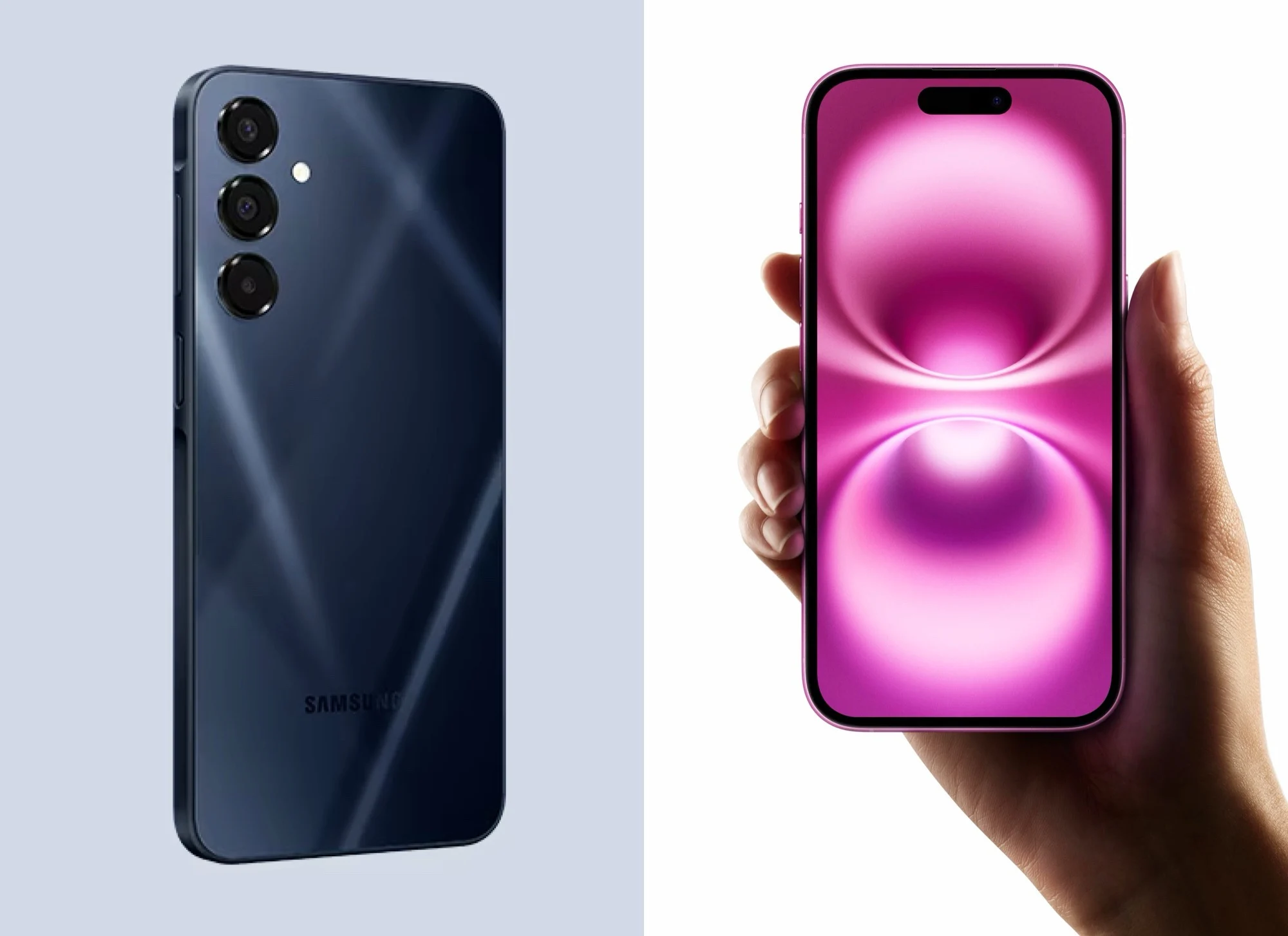
    During the same timeframe, the Samsung Galaxy A16 5G emerged as the top-selling Android smartphone. Its success can be attributed to a blend of an affordable price, reasonable performance powered by the Samsung Exynos 1330, and six significant Android updates, a combination that seems to resonate with consumers. In fourth position is the Galaxy A06 4G, followed closely by the iPhone 16e. The only flagship Android device to make it into the top ten is the Samsung Galaxy S25 Ultra. As seen in the first quarter, the Xiaomi Redmi 14C 4G remains the sole smartphone in the top performers’ list that is not from either Apple or Samsung.

    Affordable Choices Drive Sales

    Counterpoint Research notes that the very low price of the Redmi 14C 4G is attracting numerous buyers, especially in regions like Latin America, the Middle East, and Africa. Overall, there hasn’t been much change from the first to the second quarter. The iPhone 15 was mainly replaced by the iPhone 16e, which isn’t surprising since the newer, more affordable model was sometimes available at a reduced price, thanks to its faster Apple A18 ARM chip. However, those who opt for the iPhone 16e will miss certain features, particularly the ultra-wide-angle camera and MagSafe technology.

    Source:
    Link


  • Apple iPhone 17 Pro May Omit SIM Slot in Europe

    Apple iPhone 17 Pro May Omit SIM Slot in Europe

    Key Takeaways

    1. The iPhone 16 supports both nano-SIM and eSIM in Europe, while the US model only allows two eSIMs.
    2. The iPhone 17, launching on September 9, may eliminate the physical SIM card slot in Europe.
    3. Apple employees in the EU must complete training on eSIM-compatible iPhones by September 5 in preparation for the iPhone 17.
    4. Since the iPhone 14, US users can manage two eSIMs and store up to eight eSIMs, but cannot use physical SIM cards.
    5. Users must purchase eSIMs online instead of buying physical SIM cards, and may need to convert from a SIM card to an eSIM when upgrading to a new iPhone.


    The Apple iPhone 16 offers support for both nano-SIM and eSIM in Europe, but in the US, it only allows the use of two eSIMs. With the upcoming release of the iPhone 17 set for September 9, there is a possibility that Apple will exclusively utilize digital SIM cards in Europe and eliminate the physical SIM card slot altogether.

    Training for Apple Employees

    MacRumors has found a note in Apple’s SEED app, which is aimed at training staff at Apple Stores. This note indicates that employees in the European Union are required to finish their training on eSIM-compatible iPhones by September 5 at the latest. The timing hints that this training is to prepare for the iPhone 17 launch. However, it’s still unclear whether all four models in the iPhone 17 series will lack the SIM card slot or if just the iPhone 17 Air will be without it due to its slim design.

    Changes in eSIM Usage

    In the US, since the iPhone 14, users can manage two eSIM cards at the same time and can store up to eight eSIMs on their devices, which simplifies handling various SIMs while traveling. Nevertheless, this also means that users can no longer simply buy a SIM card at the airport and insert it into their iPhone. Instead, they must purchase eSIMs online, which might require some adjustments. Furthermore, when moving to a new iPhone, users should be aware that they may need to swap out a SIM card for an eSIM.

    Source:
    Link


  • iPhone 16 Supports 25W Qi2 Wireless Charging with iOS 26

    iPhone 16 Supports 25W Qi2 Wireless Charging with iOS 26

    Key Takeaways

    1. The iPhone 16 series will support Qi2 25W wireless charging with the iOS 26 update.
    2. Belkin’s new Qi2 chargers can charge iPhone 16 models from 0% to 50% in about 25 minutes.
    3. Currently, iPhone 16 models only support 25W charging with Apple’s new MagSafe charger.
    4. The Qi2 25W standard allows for faster charging speeds than the previous maximum of 15W.
    5. iOS 26 is expected to be unveiled in September, alongside the iPhone 17 series, which may feature 50W wireless charging.


    The iPhone 16 series, which includes the iPhone 16, iPhone 16 Plus, iPhone 16 Pro, and iPhone 16 Pro Max, will be getting support for Qi2 25W wireless charging with the upcoming iOS 26 update.

    Charging Capabilities

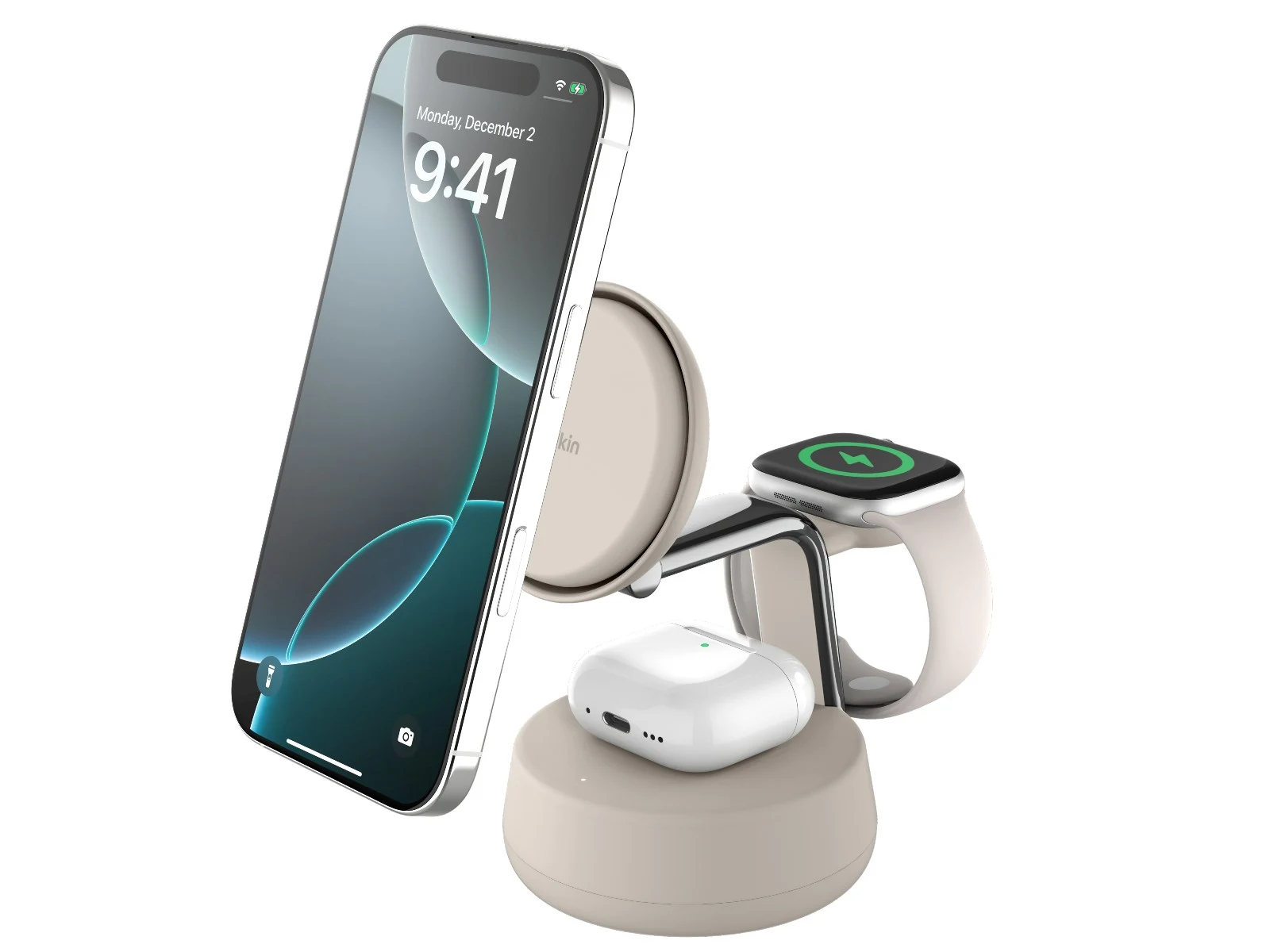
    In a press release regarding its new Qi2 25W charging stands, which was noted by MacRumors, Belkin has stated that these new accessories can charge iPhone 16 models running iOS 26 from a complete discharge to 50% in roughly 25 minutes. This charging time is identical to what Apple promotes for its updated 25W MagSafe charger, hinting that iOS 26 will enable quicker Qi2.2 charging for the iPhone 16 series.

    Current Wireless Charging Support

    At the moment, the iPhone 16 and iPhone 16 Pro can only utilize 25W wireless charging with the new Apple MagSafe charger that launched in late 2024. If official Qi2.2 certification is added, it would allow faster charging speeds with third-party accessories too. Belkin has already introduced three new 25W Qi2 chargers, and other companies, such as Anker and Ugreen, are also preparing Qi2.2-certified power banks and charging stands.

    Qi2 Standard Overview

    Last month, the Wireless Power Consortium (WPC) revealed the Qi2 25W standard, which increases wireless charging speeds from the previous maximum of 15W of the Qi2 standard. Currently, the only confirmed phone supporting 25W Qi2 charging is the newly launched Google Pixel 10 Pro XL, while the rest of the Pixel 10 series is limited to 15W.

    With the anticipated iOS 26, all iPhone 16 models, except the basic iPhone 16e, are expected to support the new 25W Qi2 standard. Apple is expected to unveil iOS 26 in September, coinciding with the launch of the iPhone 17 series, which is rumored to come with even quicker 50W wireless charging.

    Source:
    Link


  • Qi2 25W Wireless Charging Officially Supports Pixel 10 Series

    Qi2 25W Wireless Charging Officially Supports Pixel 10 Series

    Key Takeaways

    1. The new Qi2 standard (Qi v2.2.1) allows for fast wireless charging up to 25 W, an increase from the previous maximum of 15 W.
    2. Market research by WPC shows that faster wireless charging is the most desired feature by users.
    3. Major Android smartphones are expected to support the new 25 W charging, with the Pixel 10 series likely being among the first.
    4. Google is rumored to be creating a wireless charging accessory called “Pixelsnap” for the Pixel 10 series, possibly featuring magnetic charging.
    5. The new Qi2 25 W standard will also be compatible with the latest iPhone models that support MagSafe, but it’s uncertain if the upcoming iPhone 16 series will include this support.


    Wireless charging technology for smartphones has just gotten a boost with the Wireless Power Consortium (WPC) unveiling the next-generation Qi2 standard. This updated version, called Qi v2.2.1, allows for fast charging of up to 25 W. In contrast, the previous version only managed a maximum of 15 W, marking a significant improvement.

    Market Insights

    In an official statement, WPC provided insights from their market analysis. Their research indicates that quicker wireless charging is the “most sought-after feature by users,” and with the new Qi2 wireless charging protocol, it appears that this demand has been met.

    Compatibility Expectations

    Regarding compatibility, WPC mentioned that “major Android smartphones” will be able to utilize this faster wireless charging technology, although they did not name any specific devices. Considering that Google has been assisting in enhancing Qi2 charging speeds, it is likely that the upcoming Pixel 10 series will be among the first to adopt the new 25 W wireless charging standard.

    Future Accessories

    There have also been rumors that Google is developing a new wireless charging accessory named “Pixelsnap.” This gadget is expected to provide a magnetic charging upgrade for the Pixel 10 series. However, it remains uncertain if Google’s future flagship smartphones will come equipped with built-in magnets.

    As for devices with integrated magnets, the new Qi2 25 W standard will also be compatible with the Apple iPhone. The latest models already support 25 W fast wireless charging via MagSafe using a 30 W power adapter (30 W Ugreen Nexode GaN charger curr. $12.99 on Amazon). WPC emphasizes that to achieve the improved charging speed, support for the Qi 2.2.1 specification is needed, and it’s still unclear if the iPhone 16 series will include this support.

    Source:
    Link

  • Apple shareholders sue for misleading AIM progress updates

    Apple shareholders sue for misleading AIM progress updates

    Key Takeaways

    1. Shareholders believe the company misled them about the impact of Apple Intelligence on iPhone 16 sales, feeling features were intentionally delayed.
    2. The lawsuit claims potential losses could reach hundreds of billions of dollars by June 9, 2025, due to these delays.
    3. Expected improvements to Siri were not delivered, with upgrades postponed to 2026, despite earlier assurances at WWDC.
    4. Apple’s share value has dropped nearly 25% since December 26, 2024, resulting in a market value loss of about $900 billion.
    5. The lawsuit names CEO Tim Cook, CFO Kevan Parekh, and former CFO Luca Maestri for misleading investors and committing securities fraud.


    Shareholders have expressed their belief that the company misled them into thinking that Apple Intelligence would have a greater impact on the sales of the iPhone 16. This led Eric Tucker’s group to feel that the company intentionally minimized the time needed to roll out the promised features.

    Potential Financial Impact

    The lawsuit claims that this delay could result in potential losses amounting to hundreds of billions of dollars for the fiscal year ending June 9, 2025. In 2024, the tech giant made several announcements about changes, aiming to offer a more personalized experience to its users.

    Changes and Delays

    While some of these changes did happen, the anticipated improvements to the integrated virtual assistant Siri did not materialize as expected. During WWDC, the company had assured a more personalized and improved Siri, but it was noticeably absent. The launch was postponed in March, with upgrades now set for 2026. At WWDC 2025, the company simply stated they were still in development.

    Share Value Decline

    As reported by Reuters, shares have dropped nearly a quarter in value since December 26, 2024, which translates to a market value loss of about $900 billion. Some of this decline is attributed to tariff changes introduced during the Trump administration.

    The lawsuit names CEO Tim Cook, CFO Kevan Parekh, and former CFO Luca Maestri as defendants, accusing them of misleading investors and committing securities fraud.

    Source:
    Link

  • iPhone 17 Leaks: Slimmer Premium Design and New Color Options

    iPhone 17 Leaks: Slimmer Premium Design and New Color Options

    Key Takeaways

    1. The iPhone 16 is the most compact and least powerful model in Apple’s 2024 lineup.
    2. It features vibrant colors like Pink, Teal, and Ultramarine, with a Renewed Premium version priced under $720.
    3. Apple may retire at least one color for the iPhone 17, which might introduce a new Lavender option.
    4. The rumored purple tint for the iPhone 17 may only be available in the non-Pro version.
    5. The iPhone 17 is expected to be a gradual upgrade over the iPhone 16, potentially lighter and slimmer.


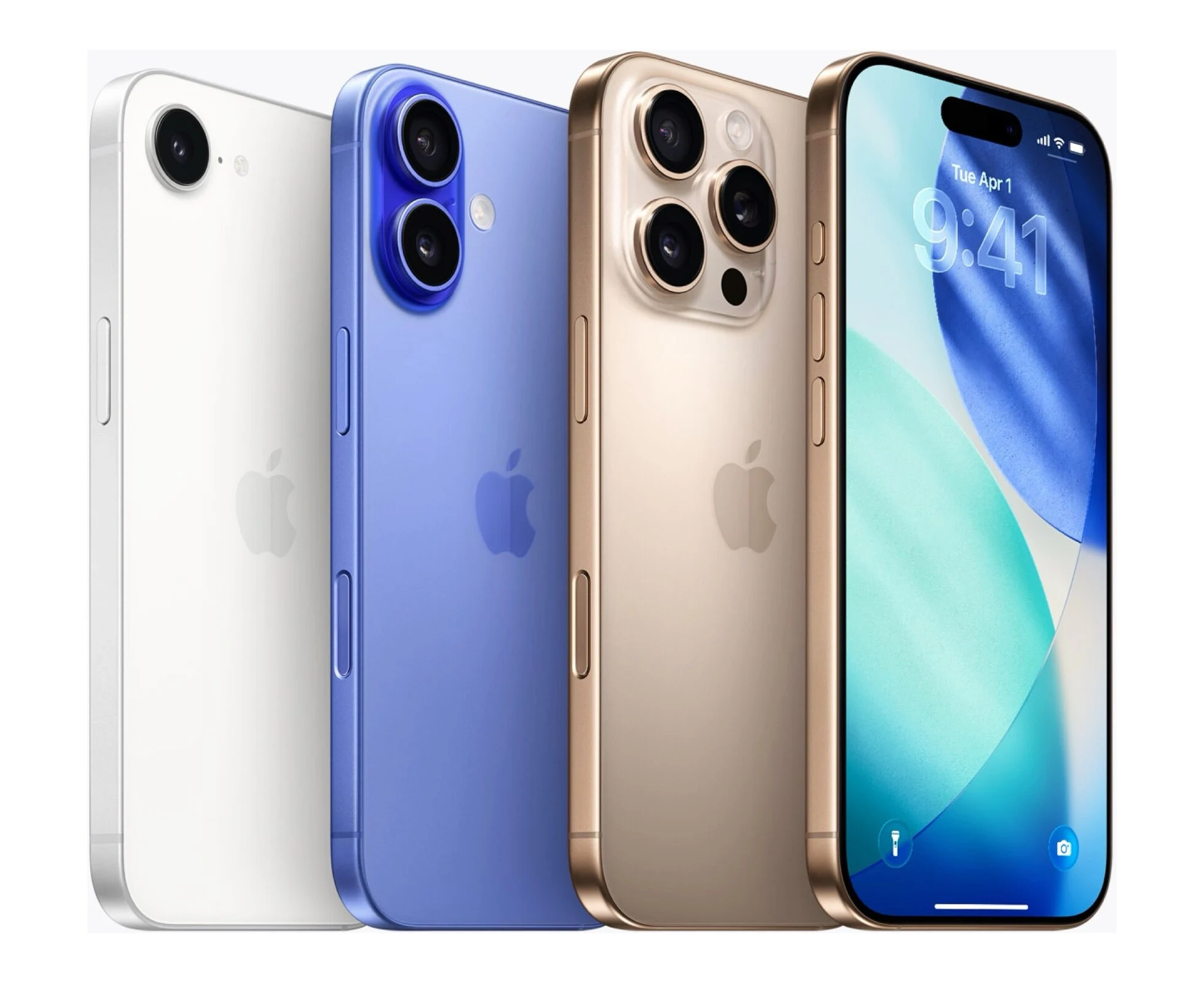
    The iPhone 16 stands out as the most compact and least powerful model in Apple’s 2024 flagship lineup. Nevertheless, it boasts some of the most striking colors available, including Pink, Teal, and Ultramarine. This model is currently offered in a Renewed Premium version with 128GB of internal storage, priced at just under $720, and is SIM-unlocked.

    Potential Color Changes

    Even though these colors are vibrant, Apple might be retiring at least one of them for the upcoming iPhone 17, as suggested by recent rumored renders. The leaks suggest that the design of the new smartphone will closely resemble the 16 on the back but will feature a new Lavender color option.

    Exclusive Shades

    The purple tint depicted in the latest image may not exactly reflect the actual colors of the future iPhone 17. The leaks imply that this hue could be specific to the non-Pro version, potentially absent from other models like the innovative Air variant that could be released.

    What to Expect

    It is anticipated that the new device will mark a gradual upgrade over the iPhone 16 when it launches in 2025. There are talks that it may be a bit lighter and slimmer compared to the current standard flagship device from Apple.

    Source:
    Link

  • iOS 26: Android Features Coming to iPhones You Need to Know

    iOS 26: Android Features Coming to iPhones You Need to Know

    Key Takeaways

    1. Apple is adopting features from Android, with iOS 26 introducing many long-awaited capabilities.
    2. The new Visual Intelligence feature allows users to capture screenshots and search for visible content within apps.
    3. Visual Intelligence is similar to Google Lens and Circle to Search found on Android devices.
    4. The feature is powered by ChatGPT, enhancing the AI capabilities of recent iPhone models.
    5. Apple’s focus on improved software is seen as a response to competition from Android brands.


    Smartphone companies are always looking at each other for ideas. Android brands often borrow design concepts from the iPhone, but Apple tends to lag behind when it comes to software capabilities. The recent WWDC 2025 event showcased its latest software suite for its devices, including the new iOS 26. Apple is finally adding many much-anticipated Android features to the iPhones, so let’s take a look at what’s on the way.

    New Feature Unveiling

    1. Visual Intelligence: Also Known as Circle to Search
    Apple’s Visual Intelligence
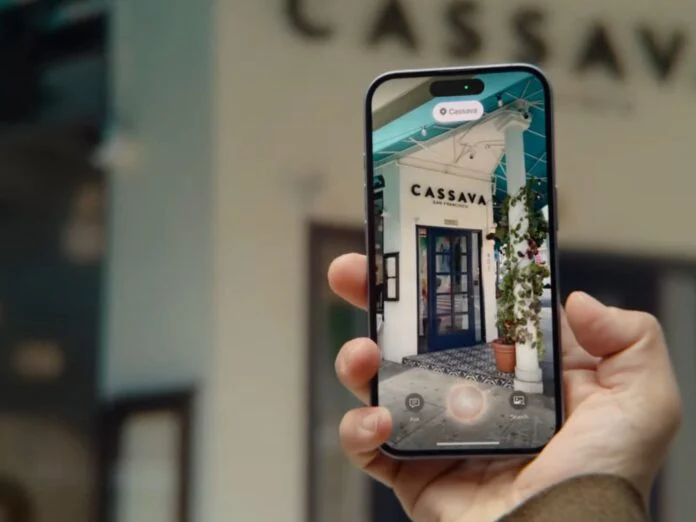
    If you’ve tried Google Lens or the well-known Circle to Search function on Android, this new feature will seem familiar. With iOS 26, Apple is introducing a fresh Visual Intelligence, which, as the name indicates, acts as an on-screen search tool. It enables users to capture a screenshot and look up anything visible within any app. This can include text, objects, locations, or even unfamiliar products.

    Enhanced Capabilities

    While Apple has been promoting its Apple Intelligence alongside the iPhone 16 series, the new Visual Intelligence takes things a step further, as it is driven by ChatGPT. Therefore, recent iPhones like the iPhone 15 Pro models, as well as the entire iPhone 16 series, will be capable of executing more intricate tasks and answering inquiries through AI.


  • iOS 26 Boosts iPhone Battery Life but Reduces Performance

    iOS 26 Boosts iPhone Battery Life but Reduces Performance

    Key Takeaways

    1. iOS 26 will be available in the fall for iPhone models from 11 to 16, featuring design changes and new AI capabilities.
    2. The new “Adaptive Power” feature slows down the processor and dims the screen to extend battery life, in addition to the existing Low Power Mode.
    3. A warning in settings indicates that certain tasks may take longer when Adaptive Power is active.
    4. iOS 26 will automatically switch to Low Power Mode when the battery level drops to 20%.
    5. The update may support future iPhone models like the rumored iPhone 17 Air, which could benefit from energy-saving features.


    Apple revealed iOS 26 on Monday, marking the next significant upgrade for the iPhone. This new operating system will be available in the fall for all models ranging from the iPhone 11 to the iPhone 16. The update brings a variety of design changes, innovative AI features, an overhauled camera app, and the introduction of a new gaming app. One noteworthy addition is the “Adaptive Power” feature, which users can turn on alongside the existing “Low Power Mode” found in the system settings.

    Understanding Adaptive Power

    While Low Power Mode mainly limits background tasks, like fetching new emails, Adaptive Power takes a different approach. It slows down the iPhone’s processor and dims the screen brightness. By focusing on these two energy-hungry elements, this feature aims to prolong battery life. It’s important to note that a message in the system settings warns users that certain tasks might take longer when Adaptive Power is in use. Additionally, when the battery level falls to 20%, iOS 26 will automatically switch to Low Power Mode.

    Future Prospects

    This feature seems particularly designed for the upcoming iPhone 17 Air, which is rumored to have a 6.6-inch display while housing a small 3,000 mAh battery. Therefore, users might rely heavily on features like Adaptive Power to make it through the day without needing to recharge. Speculations have also emerged that iOS 26 might utilize AI to monitor user habits and intelligently lower power usage. However, there’s no evidence of this feature in the initial beta version of iOS 26, at least not yet.

    Apple | The Verge | MacRumors

    Source:
    Link


  • Bluefox NX1: Compact 4-Inch Smartphone with 3000mAh Battery

    Bluefox NX1: Compact 4-Inch Smartphone with 3000mAh Battery

    Key Takeaways

    1. The Bluefox NX1 features a compact 4-inch display, making it significantly smaller than most modern smartphones.
    2. It has a sleek design with dimensions of 10 x 4.9 x 1.2 cm and includes a 3,000 mAh battery for decent battery life.
    3. The device runs on a MediaTek Helio G81 chipset, with options for up to 8 GB of RAM and expandable storage via microSD.
    4. The camera setup includes a 5 MP front camera and a 21 MP rear camera using a Sony IMX230 sensor.
    5. The Bluefox NX1 is priced starting at ¥599 (about $83) and is expected to have a global release later in June.


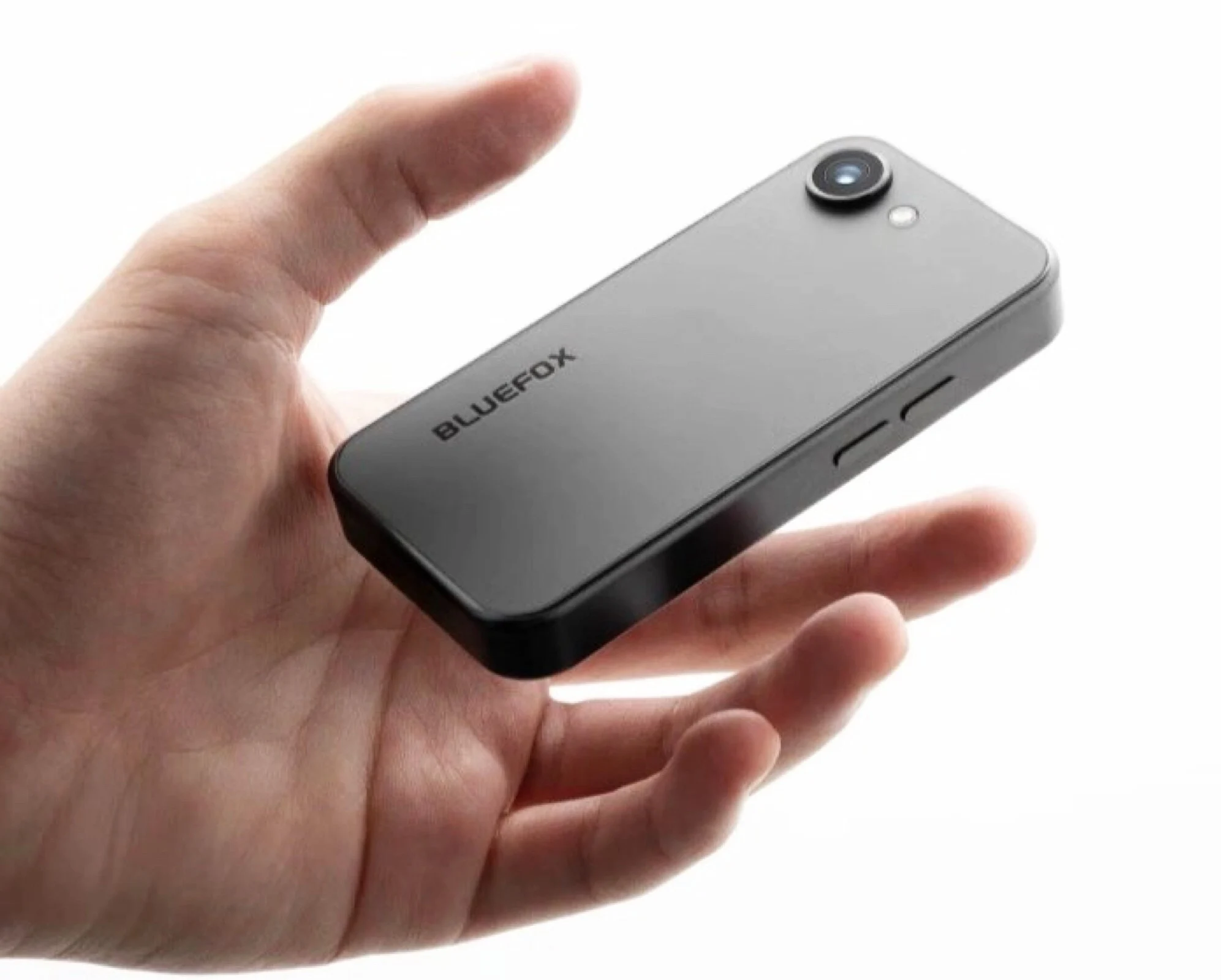
    Smartphones that have a 6.3-inch display are now viewed as small by current standards. Take the Apple iPhone 16, which has a 6.1-inch screen and is one of the tiniest smartphones on the market today. However, breaking this norm is the ultra-compact Bluefox NX1, which sports a minuscule 4-inch display, akin to the size of the iPhone 5’s screen.

    Compact Design

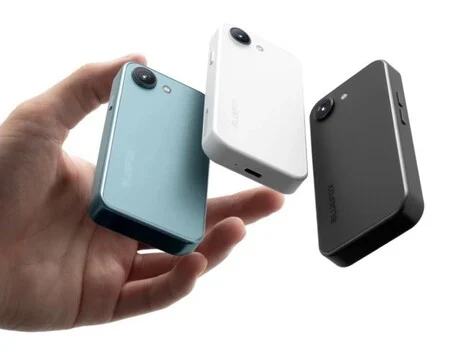
    With dimensions of merely 10 x 4.9 x 1.2 cm (3.9 x 1.9 x 0.5 in), the NX1 is even more compact than the iPhone 5, thanks to its sleeker bezels. The thicker profile allows Bluefox to fit a 3,000 mAh battery, which should deliver decent battery life considering the small display and basic hardware. The IPS panel boasts a resolution of 1,168 x 540, achieving a peak brightness of 500 nits and a refresh rate of 60 Hz. To keep costs down, the company had to make some sacrifices apart from just the display.

    Performance and Features

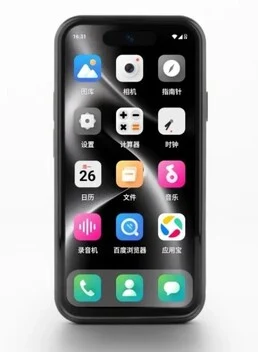
    Inside, the Bluefox NX1 runs on the MediaTek Helio G81, a chipset that was first introduced in 2019. It is available with up to 8 GB of RAM and 128 GB of storage, which can be expanded via a microSD card. The 5 MP front camera is surrounded by a Dynamic Island-like feature that can display battery level and incoming calls. On the rear, the device features a 21 MP main camera using a Sony IMX230 sensor. Although the NX1 comes preloaded with Android 15, Bluefox hasn’t provided any information regarding future updates.

    Pricing and Availability

    The Bluefox NX1 made its debut in China, with entry-level pricing starting at ¥599 (about $83) for the version that has 4 GB of RAM and 64 GB of internal storage. There’s also a premium version available with 8 GB of RAM and 128 GB of storage, priced at ¥799 (around $111). A global release is anticipated to happen later in June.

    Source:
    Link