Tag: Digital Markets Act

  • Apple uses Siri AI as anti-EU tool to push DMA exemption

    Apple uses Siri AI as anti-EU tool to push DMA exemption

    Key Takeaway

    – Apple introduced iOS 27 with new AI features led by Siri AI, which can access screen content, apps, and the iPhone camera.
    – In the EU, Siri AI is not available on iPhone or iPad due to the Digital Markets Act, only on Mac, Apple Watch, and Apple TV.
    – Apple claims the EU refused to cooperate on security/privacy, while the EU says Apple chose not to offer the feature.
    – Apple applied for an 18-month exemption that was rejected, and is reportedly working on an EU-compliant solution behind the scenes.


    Apple’s newest iOS 27 update hits iPhones hard

    On Monday, Apple has revealed iOS 27, the next major operating system update for smartphones such as the iPhone 17. In addition to performance optimizations and minor design adjustments, the update primarily introduces new AI features, led by Siri AI. Apple’s new chatbot is strongly reminiscent of products such as ChatGPT, including its own app, whereby Siri AI can also access the screen content, installed apps and the iPhone’s camera.

    Siri AI blocked in Europe for iPhones

    In the EU, however, Siri AI is only available at launch on the Mac, the Apple Watch and on Apple TV, but not on the iPhone or iPad, the platforms that the EU considers to be “gatekeepers” due to their large market share. According to Apple, the EU refused to work constructively with the iPhone manufacturer to find a way to offer Siri AI in the EU without compromising the security and privacy of users. Reuters now quotes a spokesperson for the European Commission as saying that it would be solely Apple’s decision not to offer Siri AI in the EU.

    Apple blames Brussels for the AI gap

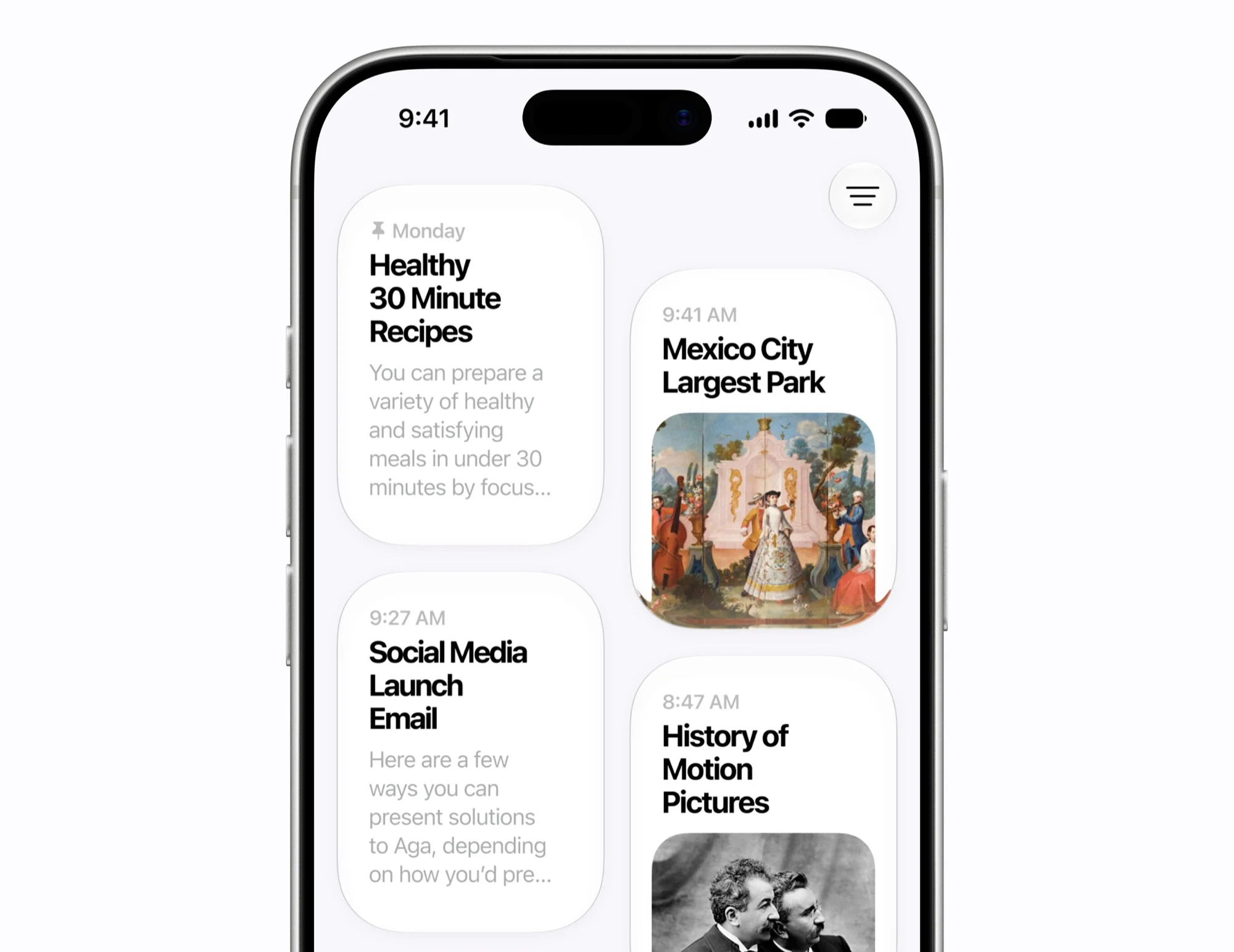
    Instead of finding a viable solution that meets the requirements of the Digital Markets Act, Apple would have simply applied for an exemption valid for at least 18 months, which the Commission unsurprisingly rejected. The fact that Apple is choosing to incite customers against the EU’s policy and spread propaganda instead of developing a compliant solution is a strategy that the company has been pursuing for a long time, probably in the hope of influencing EU antitrust law. Behind the scenes, however, an EU-compliant solution is clearly already in the works, because as the screenshot embedded below shows, the Siri app can already integrate third-party chatbots.

     

    Sources
  • Apple Sets Strict Rules for iPhone Features on Garmin Fenix 8 and Other Smartwatches

    Apple Sets Strict Rules for iPhone Features on Garmin Fenix 8 and Other Smartwatches

    Key Takeaway

    1. Apple’s opposition to EU regulations on the iOS ecosystem has been challenged, with concerns about user security and privacy seen as unpersuasive.
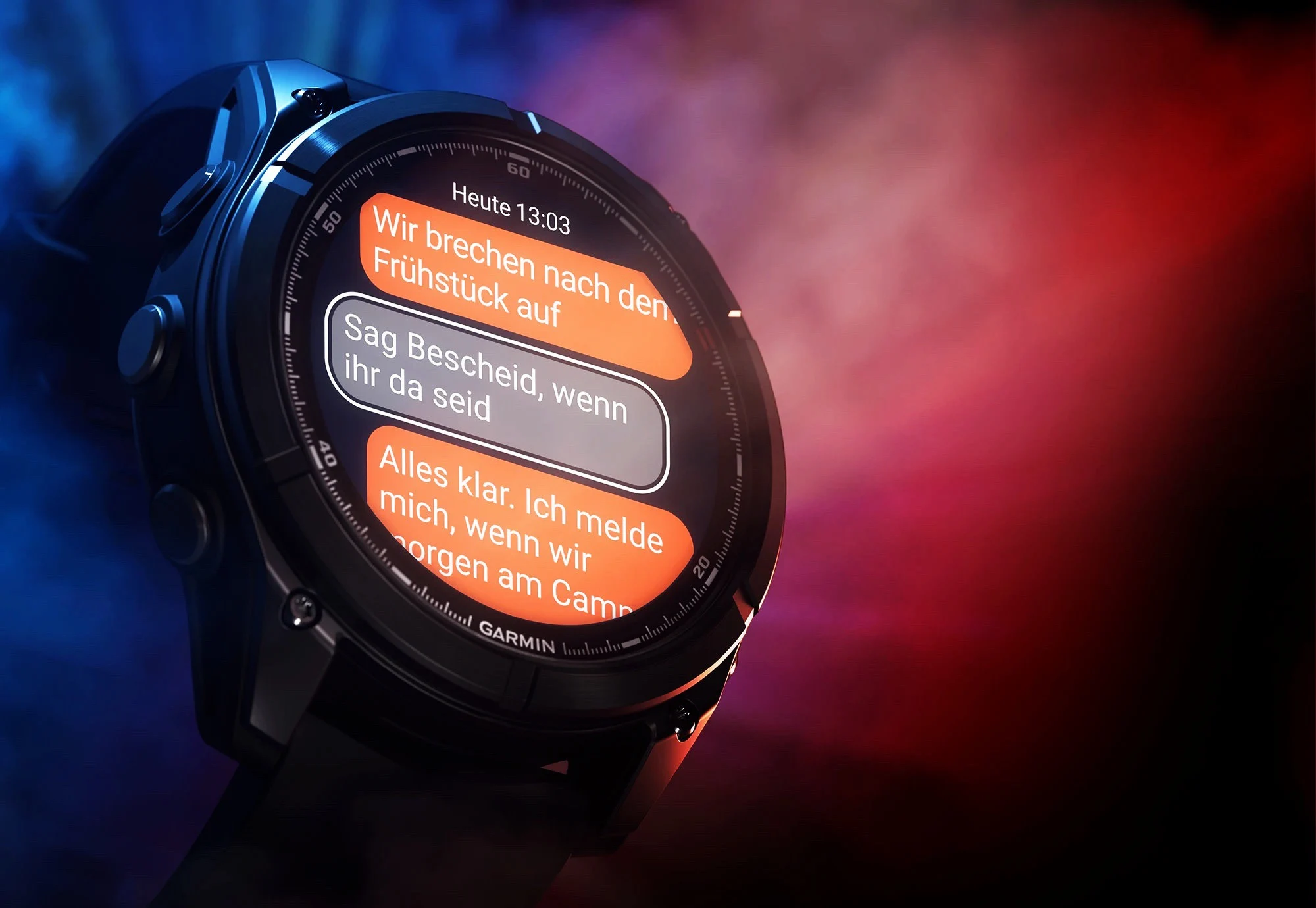
    2. Following the Digital Markets Act, Apple is preparing to enable “Notification Forwarding” with iOS 26.5, allowing smartwatches to access push notifications.
    3. Apple’s new developer license agreement restricts notification data use, prohibiting advertising, AI training, location monitoring, data transfer, and content modification.
    4. The update enables users of certain smartwatches (e.g., Garmin Fenix 8, Huawei Watch GT 6) to receive richer notifications, including images and videos, and reply to messages directly from their devices.

    Apple’s Recent Moves Against the EU’s Digital Markets Act

    Just a few month ago, apple made a statement to try and sway public opinion against the european union’s new regulations, claiming they were protecting user privacy and security. Despite their effort, they did not succeed. Many found that claims about safeguarding users’ data were more about keeping control over their ecosystem than genuine concern.

    What Does the Digital Markets Act Mean for Smartwatches?

    This new law requires apple to open up certain functionalities to other brands. From now on, smartwatch makers will have access to push notifications and live updates, making cross-device compatibility a reality. Apple, after releasing iOS 26.3, is expected to fully enable this feature with iOS 26.5, under a new developer license agreement which emphasizes user data privacy.

    Protection of User Data and Privacy Guidelines

    • Prohibits usage of push notification data for advertisements
    • Ban on using data for training artificial intelligence models
    • Cannot monitor or track user’s location through notifications
    • Data transfer to other devices or apps is not allowed
    • Notification content can only be altered in layout, not content
    • Data must stay on local devices, not stored on servers
    • Encrypted data can only be decrypted on the device itself

    Possible Benefits for Users with Third-Party Devices

    If Notification Forwarding works as it should, users of smartwatches like Garmin Fenix 8 ($1,199), Huawei Watch GT 6, or Pebble Round 2 could finally get richer notifications. This includes images, videos, and even replying to messages directly from their watch, greatly enhancing the usability and freedom of choice in wearable devices.

    Sources
  • Apple’s Propaganda Hides Its Battles with Consumers and EU

    Apple’s Propaganda Hides Its Battles with Consumers and EU

    Key Takeaways

    1. Major corporations, especially American tech giants, have significant control over news and user experiences, impacting consumer choices.
    2. The European Union’s Digital Markets Act (DMA) aims to reduce the dominance of these tech companies, but progress is slow due to resistance from firms like Apple.
    3. Apple employs manipulation tactics to influence consumer perceptions and pressure the EU regarding privacy and feature availability.
    4. Rival brands prove that innovation and privacy can coexist, highlighting Apple’s limitations and reluctance to embrace competition.
    5. Apple’s concerns about third-party payment systems and app safety may be more about protecting its revenue than about user privacy.


    People today are increasingly influenced by major corporations. Firms like Google and various social media platforms control the news that users encounter, while Palantir works on privatizing mass surveillance. Apple dictates which apps can be used on more than a third of smartphones across Europe. The European Union’s introduction of the Digital Markets Act (DMA) seeks to counterbalance the dominance of these American tech giants.

    Slow Progress

    Progress is indeed underway, though it is happening at a sluggish pace. This delay is largely due to companies like Apple who constantly search for ways to keep as much control as they can over their users and their finances. For instance, while installing third-party app stores is now finally an option, Apple has made it intentionally complicated. They also possess the ability to disable apps coming from alternative stores, which goes against the principles of a free market.

    Manipulation Tactics

    For years, Apple has tried to sway consumers into making choices that aren’t in their best interest as a way to pressure the EU. Just recently, Apple released a new piece of propaganda, where it openly accuses the EU for the absence of features like live translations, iPhone mirroring, and the “Places Visited” in Apple Maps in some countries. Essentially, the message suggests that “the EU is compelling Apple to compromise user privacy.”

    Alternatives Exist

    On the other hand, rival brands demonstrate that innovation and privacy can coexist. The features mentioned earlier have long been available on other platforms within the EU. Moreover, Apple is currently set to allow notifications from third-party smartwatches on iPhones by simply adding an option to the system settings. This indicates that someone at Apple realizes that empowering consumers with choices is better than limiting them while claiming that the EU is hindering the launch of new, innovative features.

    Apple has voiced concerns about being obliged to permit payment systems from other companies—is it really about privacy, or is it the 30% commission that Apple misses out on? Additionally, Apple argues that third-party app marketplaces harbor unsafe apps, much like its own App Store does. It’s quite ironic that Apple criticizes the DMA for not fostering a more competitive marketplace, especially when successful companies manipulate the rules to benefit themselves. Perhaps it’s time for Apple to reflect on its own practices.

    Source:
    Link


  • Replace Siri with Google Gemini on Apple iPhone Soon

    Replace Siri with Google Gemini on Apple iPhone Soon

    Key Takeaways

    1. Apple has adjusted the iPhone to comply with EU rules, allowing third-party apps like PayPal to use the NFC chip for contactless payments.
    2. Users can now access alternative app stores, such as the Epic Games Store, for downloading apps and games.
    3. The iPhone 16 will feature a USB-C port due to EU regulations.
    4. Upcoming iOS updates will allow users to choose rival voice assistants, like Google Gemini, as defaults instead of just Siri.
    5. Apple is developing an AI-enhanced version of Siri to better compete with advanced alternatives from Google, Microsoft, and OpenAI.


    Apple has made many adjustments to the iPhone in recent years to stay within the bounds of EU rules like the Digital Markets Act. Because of this, third-party applications, including PayPal, can now utilize the NFC chip for contactless payments. Furthermore, users can now access alternative app stores, including the Epic Games Store, for downloading apps and games. The introduction of the USB-C port on the iPhone 16 also stems from the EU’s requirement for USB-C.

    Changes in Default Settings

    With iOS already allowing users to choose a browser like Google Chrome or a different email app as their default, similar changes are on the way for voice assistants. According to information from Bloomberg, Apple is developing iOS updates that will enable users to utilize rival voice assistants like Google Gemini instead of just Siri. Up until now, users have had to open specific apps to use other voice assistants, rather than being able to activate them through the lock button or voice commands.

    Future of Siri

    Mark Gurman, an editor at Bloomberg, believes that many iPhone users will jump at the chance to swap out Siri for a more advanced alternative. Apple’s AI capabilities currently lag behind those of Google, Microsoft, and OpenAI, which sometimes causes Siri to use ChatGPT for more complicated questions. Nevertheless, Apple is reportedly already working on an AI-enhanced version of Siri to better compete with its competitors.

    Source:
    Link

  • European Union Lacks iPhone Mirroring and SharePlay in iOS 18.4

    European Union Lacks iPhone Mirroring and SharePlay in iOS 18.4

    Key Takeaways

    1. iOS 18.4 introduces new features like priority notifications and support for non-English languages for beta testers.
    2. iPhone Mirroring and SharePlay Screen Sharing are not available for users in the EU due to regulatory uncertainties.
    3. Apple cites concerns over the Digital Markets Act (DMA) regarding user privacy and data security as reasons for the feature limitations.
    4. The DMA has previously impacted Apple, forcing changes like the switch from Lightning to USB-C for the iPhone 15.
    5. It is uncertain if iPhone Mirroring will be available in iOS 19, leaving EU users without this feature for now.


    With the upcoming launch of iOS 18.4, iPhone users, especially those in the European Union (EU), are eagerly anticipating some long-awaited additions. Sadly, EU users must wait a bit longer for one of these features.

    New Release Candidate Details

    The latest Release Candidate for iOS 18.4 was made available on Monday for beta testers. This update brought enhancements to Apple Intelligence, adding features like priority notifications and support for non-English languages. However, EU users observed that iPhone Mirroring is still not accessible. Additionally, SharePlay Screen Sharing, which permits FaceTime users to share their screens, is also absent.

    Apple’s Explanation

    Apple has explained that the lack of iPhone Mirroring in the EU is due to “regulatory uncertainties,” a rather vague justification. Last June, the company pointed to the Digital Markets Act (DMA), expressing concerns:

    We worry that the interoperability requirements of the DMA might force us to compromise the integrity of our products in ways that could endanger user privacy and data security.

    It seems Apple is sticking to its stance on this matter. Given that Apple’s practices have been a key focus of the DMA, the company is probably being cautious about certain features. The DMA is the law that famously compelled Apple to replace its Lightning connector with USB-C in the iPhone 15 (which can be found renewed on Amazon for $487.34).

    Future Outlook

    It is unclear whether iPhone Mirroring will eventually be available with iOS 19, which is anticipated to bring significant changes to Apple’s mobile operating system. For the time being, iPhone users in the EU will have to make do without this particular feature.

  • EU Might Compel Apple to Allow Users to Delete Photos App

    EU Might Compel Apple to Allow Users to Delete Photos App

    Apple could potentially undergo significant changes to its iPhones as the European Union (EU) pushes for increased compliance with the Digital Markets Act (DMA), aiming to create a more competitive app environment.

    EU's Push for App Uninstallation, Security Concerns

    The EU is specifically targeting Apple's Photos app, proposing that users should have the ability to uninstall any app, even core system apps like Photos. This requirement has raised concerns due to Photos' deep integration within iOS, providing access control to other apps and serving as the primary image library. It also plays a crucial role in interacting with iCloud for storage and sharing capabilities.

    Calls for Third-Party System Image Libraries

    EU Executive Vice President Margrethe Vestager suggests that Apple should allow third-party apps to function as the system image library. However, experts highlight the complexities involved in such a transition, potentially necessitating significant changes to iOS.

    Apple has already made some adjustments to comply with the DMA, including offering alternative app store options. Despite this, the European Commission (EC) contends that more needs to be done, particularly focusing on Apple's "anti-steering" practices and fees related to alternate app stores.

    Uncertainty Surrounding Photos Uninstallation

    While Vestager's remarks specifically mention the Photos app, it remains uncertain if the EC will rigorously enforce this requirement. Some argue that enabling the uninstallation of Photos could pose challenges, potentially leading to inadvertent data loss.

    The EU has also expressed dissatisfaction with Apple's current browser choice screen, implemented to adhere to the DMA. Vestager criticizes the lack of transparency in user decision-making, possibly due to the limited list of browsers displayed alongside Safari.

    The ongoing discussions between the EU and Apple regarding DMA compliance are expected to persist. As the EU emphasizes the importance of an open ecosystem, concerns linger regarding the potential implications on user experience and data security.