Category: Phones

Stay updated with the latest phone news, reviews, and trends. Discover cutting-edge smartphones, features, and innovations in our Phones category at GizNewsDaily

  • Apple’s iPhone 17 Pro Camera Marketing Hides Key Weaknesses

    Apple’s iPhone 17 Pro Camera Marketing Hides Key Weaknesses

    Key Takeaways

    1. The iPhone 17 and iPhone 17 Pro have improved cameras, especially in telephoto and front-facing options, but overall camera performance still shows limitations compared to previous models.
    2. The ultra-wide camera experiences vignetting and captures less detail in the corners, relying on digital zoom for macro photography, similar to the iPhone 16 series.
    3. Macro mode requires users to get very close to subjects, leading to distorted views and increased depth of field, with the iPhone Air lacking macro support entirely.
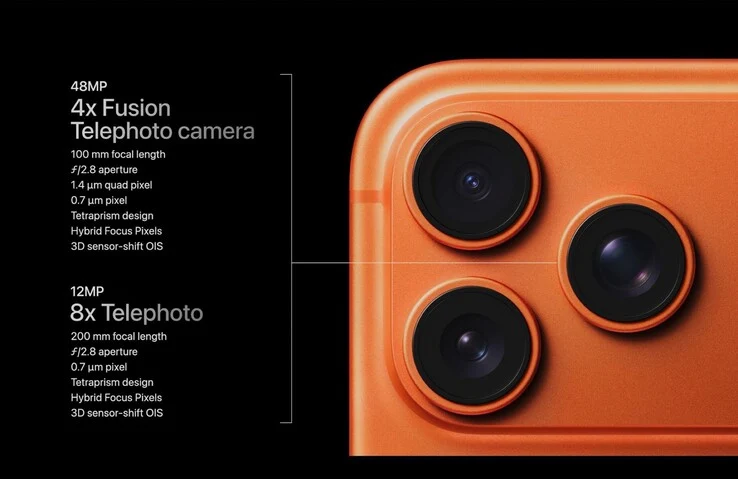
    4. Apple’s marketing claims about 8x optical zoom on the iPhone 17 Pro and Pro Max are misleading, as this zoom is achieved through digital magnification, not true optical zoom.
    5. The quality of digital zoom is questionable, effectively reducing the telephoto camera’s capabilities compared to older models, raising concerns about misleading advertising practices in the industry.


    According to Apple, the iPhone 17 and iPhone 17 Pro bring notable upgrades to their cameras, but when compared to the iPhone 16, the enhancements are mainly seen in the telephoto and front-facing cameras. The iPhone 17 and iPhone Air both feature a 48 MP f/2.2 ultra-wide camera with a 1/2.55-inch sensor and a 48 MP main camera that combines a 1/1.55-inch sensor with an f/1.6 lens. In contrast, the iPhone 17 Pro is equipped with an f/1.78 lens and a 1/1.28-inch sensor.

    Limitations in Camera Performance

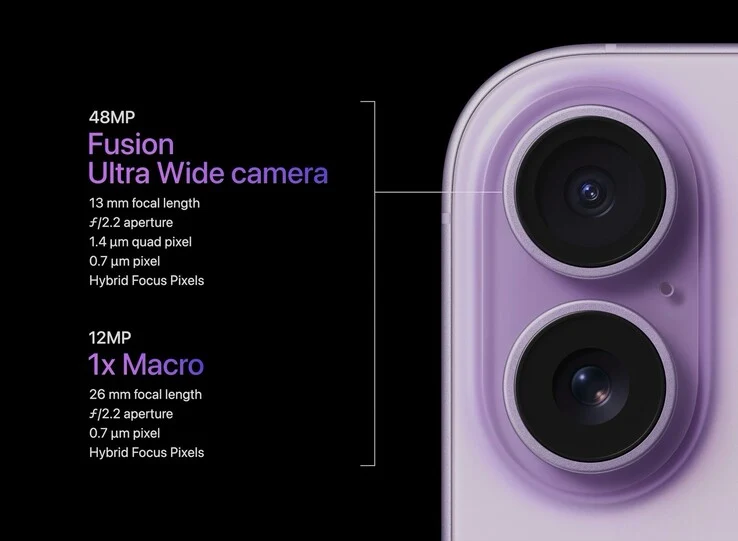
    The inability of Apple to make improvements to these cameras presents several challenges for users. For instance, the ultra-wide camera still suffers from noticeable vignetting in initial sample images, and the corners of the photos capture significantly less detail. Additionally, Apple continues to depend on the ultra-wide camera for macro photography, just like it did with the iPhone 16 series. It also uses a standard 2x digital zoom, which effectively turns the camera into a 26mm macro camera with a small 1/5-inch sensor.

    Macro Mode and User Experience

    While it is possible to utilize the complete 48 MP sensor and 13 mm field of view in macro mode, users have to get really close to their subjects to take a large format shot. Even Apple’s sample photos indicate that, in contrast to rivals that allow macro photography with the telephoto lens, the wide-angle lens creates a distorted view with a significantly increased depth of field. The reliance on the ultra-wide camera also means that the iPhone Air does not even support macro mode at all.

    Misleading Marketing Practices

    What’s even more frustrating is that Apple’s marketing seems to be more misleading than ever before. The company claims that both the iPhone 17 Pro and iPhone 17 Pro Max can achieve 8x optical zoom with a focal length of 200mm, which could be considered a blatant falsehood without a lot of fine print. The 48 MP telephoto camera, which has a 1/2.55-inch sensor, provides a 35mm-equivalent focal length of 100mm. The touted 8x zoom can only be achieved through digital magnification.

    Apple asserts that the quality of this digital zoom is comparable to optical zoom, but this claim is questionable. Essentially, digital zoom reduces the camera to a 12 MP telephoto camera with a tiny 1/5-inch sensor, and the effective sensor area is less than half the size of the 5 MP sensor used in the iPhone 4 from 2010. Apple is not the only company engaging in this misleading advertising; for example, Samsung also promotes a 2x “optical quality zoom” for the Galaxy S25. Overall, Apple’s aggressive marketing tactics risk misleading unsuspecting consumers.

    Source:
    Link


  • Baseus Launches Qi2.2 Magnetic Wireless Power Bank with 45W Fast Charging

    Baseus Launches Qi2.2 Magnetic Wireless Power Bank with 45W Fast Charging

    Key Takeaways

    – Revamped PicoGO 10K power bank now supports Qi2.2 wireless charging at 25 W.
    – Enhanced wired charging speed allows for fast charging up to 45 W via USB-C.
    – Can charge two devices simultaneously: one wirelessly and one through wired connection.
    – Improved self-charging at 30 W with graphene cooling technology and smart temperature control.
    – Sleek aluminum alloy design with silicone matte coating for anti-slip and fingerprint resistance; release scheduled for November 2025 with a launch discount.


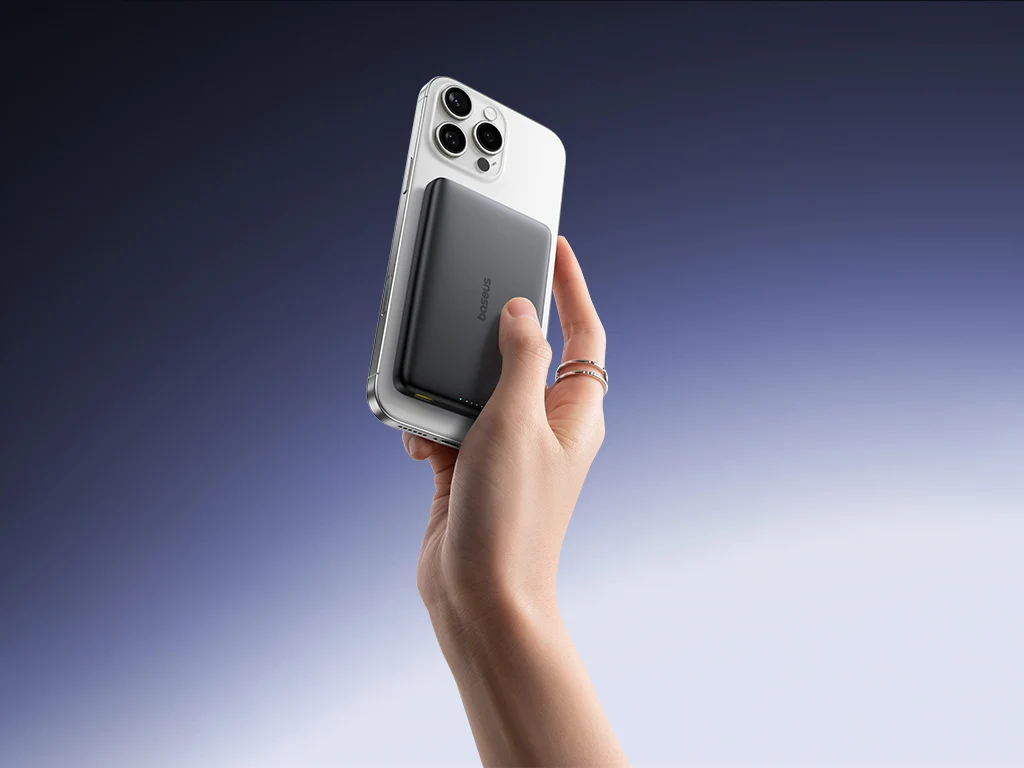
    Baseus has launched several new accessories, and among them is the revamped PicoGO 10K magnetic power bank. It continues to have a capacity of 10,000 mAh, but now features an upgraded wireless charging standard, Qi2.2, which allows it to deliver a wireless charging speed of 25 W.

    Upgraded Wired Charging Speed

    In addition to the improvements in wireless charging, the wired charging speed has also been enhanced. The new 10K PicoGo slim magnetic power bank can provide fast charging of up to 45 W via its wired connection. This means users can charge two devices simultaneously—one can be charged wirelessly while the other connects through the USB-C port.

    Enhanced Self-Charging Capabilities

    Baseus also points out that the PicoGo AM52 slim power bank can self-charge at a rate of 30 W, marking an improvement over its predecessor (Baseus Super Si Pro charger curr. $15.99 on Amazon). Thanks to its graphene cooling technology and smart temperature control, this portable charger is designed to ensure stable and efficient charging every time.

    Sleek Design Features

    When it comes to its design, the PicoGo AM52 features a housing made of aluminum alloy and a silicone matte coating that provides an anti-slip and fingerprint-resistant surface. Its slim and curved design is said to make it easier to hold both the power bank and a phone together.

    This new Qi2.2 PicoGo AM52 slim magnetic power bank is scheduled for release in November 2025. Baseus has also revealed that there will be a special launch discount, reducing the price from $59.99 to $47.99 for a short period.

  • Oppo Find X9 Pro Outshines iPhones with Bigger Battery and Camera

    Oppo Find X9 Pro Outshines iPhones with Bigger Battery and Camera

    Key Takeaways

    1. Oppo’s Find X9 series will include two models: Find X9 and Find X9 Pro, with details revealed by executive Zhou Yibao.
    2. The Find X9 features a 7,025 mAh battery with 80 W wired charging, while the Find X9 Pro has a larger 7,500 mAh battery with the same charging technology.
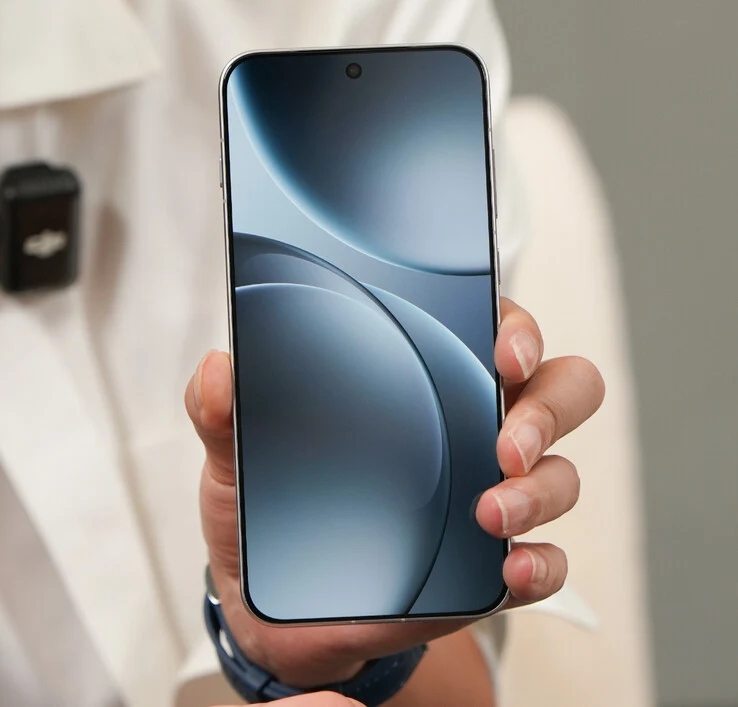
    3. Both devices will have a cold-carved glass design and titanium-colored bodies, with slimmer display bezels compared to the iPhone 17 and iPhone 16 Pro.
    4. The Find X9 series will focus on video enhancements and utilize Hasselblad’s imaging technology to compete with the iPhone.
    5. The official launch of the Find X9 and Find X9 Pro is expected around the same time as MediaTek’s Dimensity 9500 launch.


    Oppo continues to keep its fans guessing about when the Find X9 and Find X9 Pro will officially launch. However, executive Zhou Yibao has provided some more detailed insights into both smartphones. After a livestream event, he posted on Weibo, mentioning that he only showcased the Find X9 and not the Find X9 Pro.

    Smartphone Specifications Revealed

    Zhou Yibao has disclosed specs and details about both upcoming flagship devices. Comparing it to the Apple iPhone 17, he stated that the Find X9 has a massive 7,025 mAh battery that “can power two iPhone 17s,” alongside impressive 80 W wired charging. On the other hand, the Find X9 Pro will feature a larger 7,500 mAh battery and the same wired charging technology.

    Design Features

    Additionally, Yibao hinted that the Find X9 series would come with cold-carved glass, similar to the Vivo X300 and Vivo X300 Pro. Both the Find X9 and Find X9 Pro are expected to have titanium-colored bodies with reportedly slimmer display bezels than the iPhone 17 and the previous iPhone 16 Pro (currently priced at $747 – refurbished on Amazon).

    Enhancements and Launch Timing

    Yibao also mentioned that the Find X9 series will include “video upgrades” aimed at competing with the iPhone, which is considered the benchmark in this domain. Furthermore, both models will leverage Hasselblad’s imaging technology, setting them apart from the OnePlus 15. As of now, it’s anticipated that Oppo will reveal the Find X9 and Find X9 Pro around the same time MediaTek launches its Dimensity 9500, which was previously expected on September 22.

    Source:
    Link


  • Qualcomm Quick Charge 5+: Fast Charging Up to 140W with Cool Tech

    Qualcomm Quick Charge 5+: Fast Charging Up to 140W with Cool Tech

    Key Takeaways

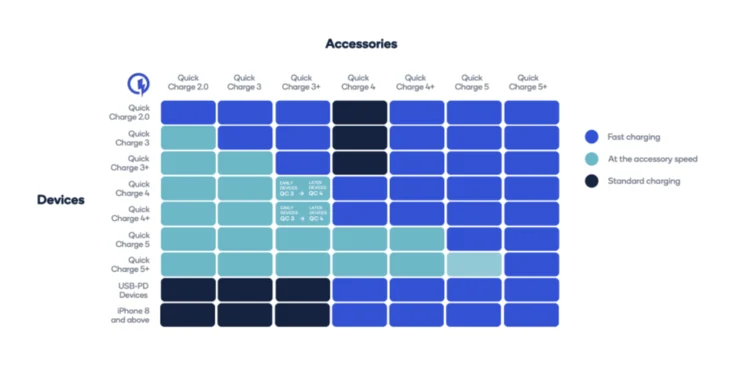
    1. Qualcomm has launched Quick Charge 5+, an improved version of its fast charging technology that offers cooler and more efficient charging.
    2. The new protocol uses lower voltage and higher currents, allowing devices to maintain high charging speeds for longer periods while reducing heat.
    3. Quick Charge 5+ can deliver up to 140W of power, making it more efficient than previous solutions that relied on higher voltage.
    4. The new standard maintains backward compatibility with earlier Quick Charge versions and supports a variety of devices through USB PD-PPS.
    5. Initial devices with Quick Charge 5+ support will be unveiled at the Snapdragon Summit in September 2025, with certified accessories available later this year.


    It’s been quite some time since we last talked about Qualcomm’s rapid charging technology. The previous major standard, Quick Charge 5, was revealed back in 2020. Today, the company has launched an improved version called Qualcomm Quick Charge 5+, which aims to provide a cooler and more power-efficient charging experience while still offering superfast charging speeds.

    Innovations in Charging

    Heat is the primary foe of battery health and life, but it’s also a necessary part of fast charging technologies. Qualcomm claims that its new Quick Charge 5 Plus protocol sidesteps the common issues faced by other fast charging options. It does this by using lower voltage along with higher currents, which allows devices to sustain their top charging speeds for extended times. Additionally, it smartly adjusts both voltage and current based on the needs of the connected device, capable of delivering up to 140W of power at 20V / 7A. “Compared to solutions that are limited to 5A, which often depend on higher voltage for increased wattage, this results in more heat, less efficiency, and higher costs. Quick Charge 5+ takes a more intelligent and efficient approach,” stated Qualcomm in a press release.

    Performance Expectations

    Qualcomm hasn’t shared exact figures on efficiency or speed improvements over Quick Charge 5, but it’s fair to assume that the new standard will provide slightly quicker and more efficient charging in general. To give you an idea, the QC5 offered charging speeds of over 100W, enabling a 4,500mAh battery to charge from 0 to 50% in just 5 minutes.

    Quick Charge 5 Plus maintains backward compatibility with earlier Quick Charge versions, and since it uses USB PD-PPS as its main protocol, you should be able to utilize a Quick Charge 5+ certified charger to power a variety of devices, including iPhones and laptops.

    Upcoming Devices

    The initial devices featuring Quick Charge 5+ support are expected to be revealed at the Snapdragon Summit 2025, scheduled for September 23 to 25. Meanwhile, QC5+ certified accessories and chargers are projected to become available later this year.


  • Xiaomi 16: Camera Upgrades and Major Battery Improvements Expected

    Xiaomi 16: Camera Upgrades and Major Battery Improvements Expected

    Key Takeaways

    1. Xiaomi will unveil new flagship smartphones, including the Xiaomi 15, Xiaomi 15 Pro, and a new ‘Pro Max’ model aimed at competing with Apple’s iPhone 17 Pro Max.
    2. A global launch event for the Xiaomi 15T and Xiaomi 15T Pro is scheduled for September 24.
    3. The Xiaomi 16 is expected to feature Qualcomm’s Snapdragon 8 Elite 2 or Snapdragon 8 Elite Gen 5 chipset.
    4. The Xiaomi 16 will have a 7,000 mAh battery with 50 W wireless and 100 W wired charging, and IP69 water and dust resistance.
    5. The upcoming model will include a 32 MP front camera and a triple 50 MP rear camera setup, with an upgraded telephoto camera using the ISOCELL JN5 sensor.


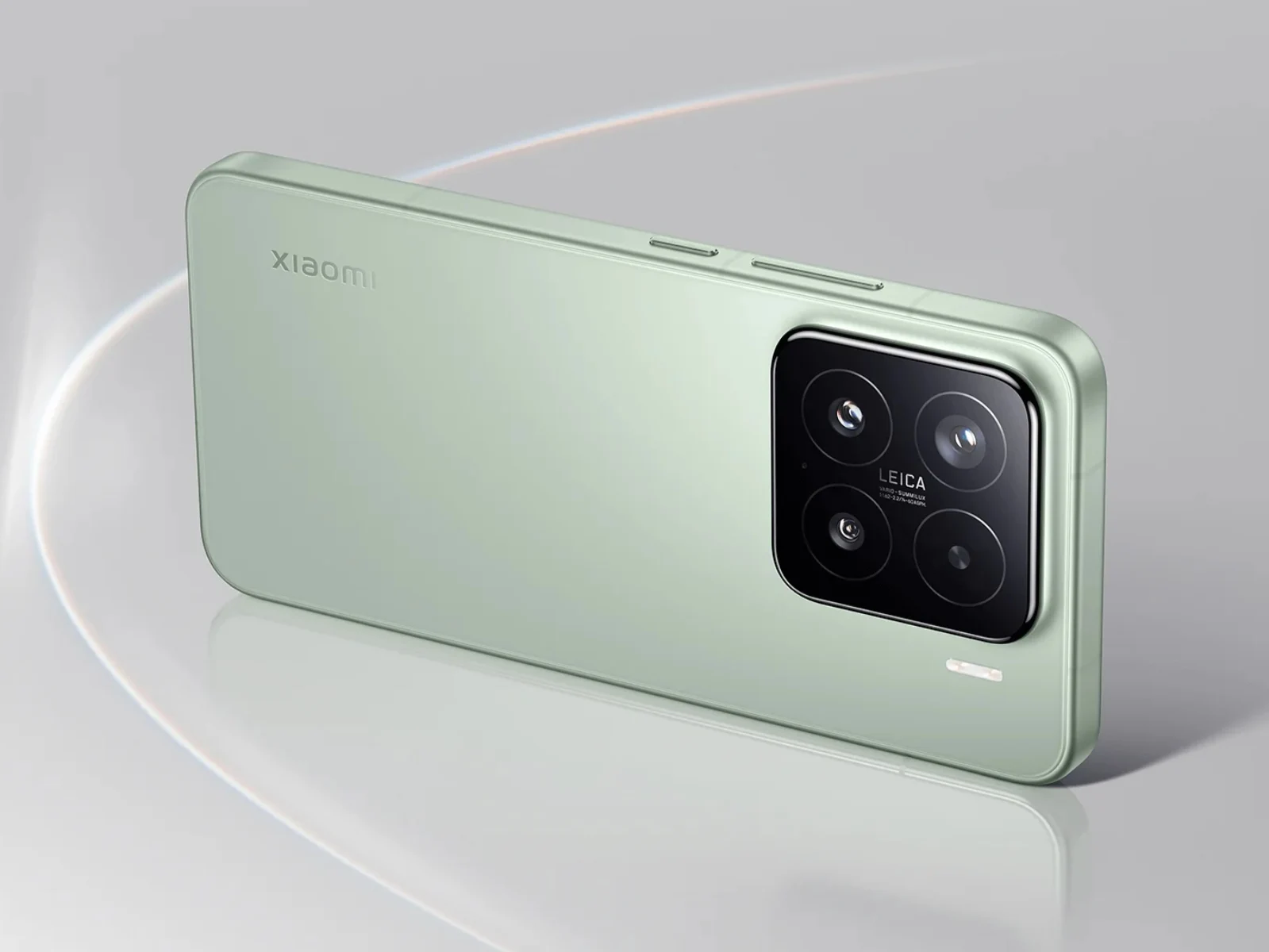
    Xiaomi is set to unveil its upcoming flagship smartphones later this month in China. According to the latest leaks and speculations, the tech giant plans to reveal not only a new version of the Xiaomi 15 (currently priced at $919 on Amazon) but also a successor to the Xiaomi 15 Pro, along with a new ‘Pro Max’ model aimed at competing more effectively against Apple’s iPhone 17 Pro Max than previous models have.

    Upcoming Launch Events

    In addition, Xiaomi will globally launch the Xiaomi 15T and Xiaomi 15T Pro, with the event planned for September 24. However, leaker Yogesh Brar has shifted his attention to the specifications of the Xiaomi 16 in his most recent updates.

    Key Features Leaked

    On X, the leaker has confirmed that the Xiaomi 16 will likely be among the first devices featuring Qualcomm’s Snapdragon 8 Elite 2 or Snapdragon 8 Elite Gen 5 chipset. It will come with a robust 7,000 mAh battery that supports both 50 W wireless charging and 100 W wired charging. The Xiaomi 16 will also upgrade its durability with IP69 water and dust resistance, similar to the Redmi Note 15 Pro Plus.

    In contrast, the next compact flagship from Xiaomi will include a 32 MP front camera and maintain the triple 50 MP rear camera setup seen in its predecessor. Notably, Xiaomi seems to be replacing the ISOCELL JN1 with the newer ISOCELL JN5 for an improved telephoto camera. Although there have been previous rumors about the Xiaomi 16 featuring a new 1/1.3-inch primary camera, Yogesh Brar does not mention this detail in his post.

    Source:
    Link


  • Samsung Galaxy S26 Ultra: No 3x Camera Upgrade News Revealed

    Samsung Galaxy S26 Ultra: No 3x Camera Upgrade News Revealed

    Key Takeaways

    1. Samsung typically introduces only one camera upgrade with each new Galaxy S Ultra model.
    2. The Galaxy S25 Ultra retains camera specs from the Galaxy S24 Ultra, except for the 5x telephoto camera.
    3. The upcoming Galaxy S26 Ultra may feature a new 10 MP telephoto camera setup, moving away from the existing specifications.
    4. The new camera sensor for the S26 Ultra reportedly has a 12 MP capability but will not be fully utilized.
    5. Previous transitions, such as from the Galaxy S21 Ultra to the S22 Ultra, show Samsung’s history of altering camera components, but the impact on image quality remains uncertain.


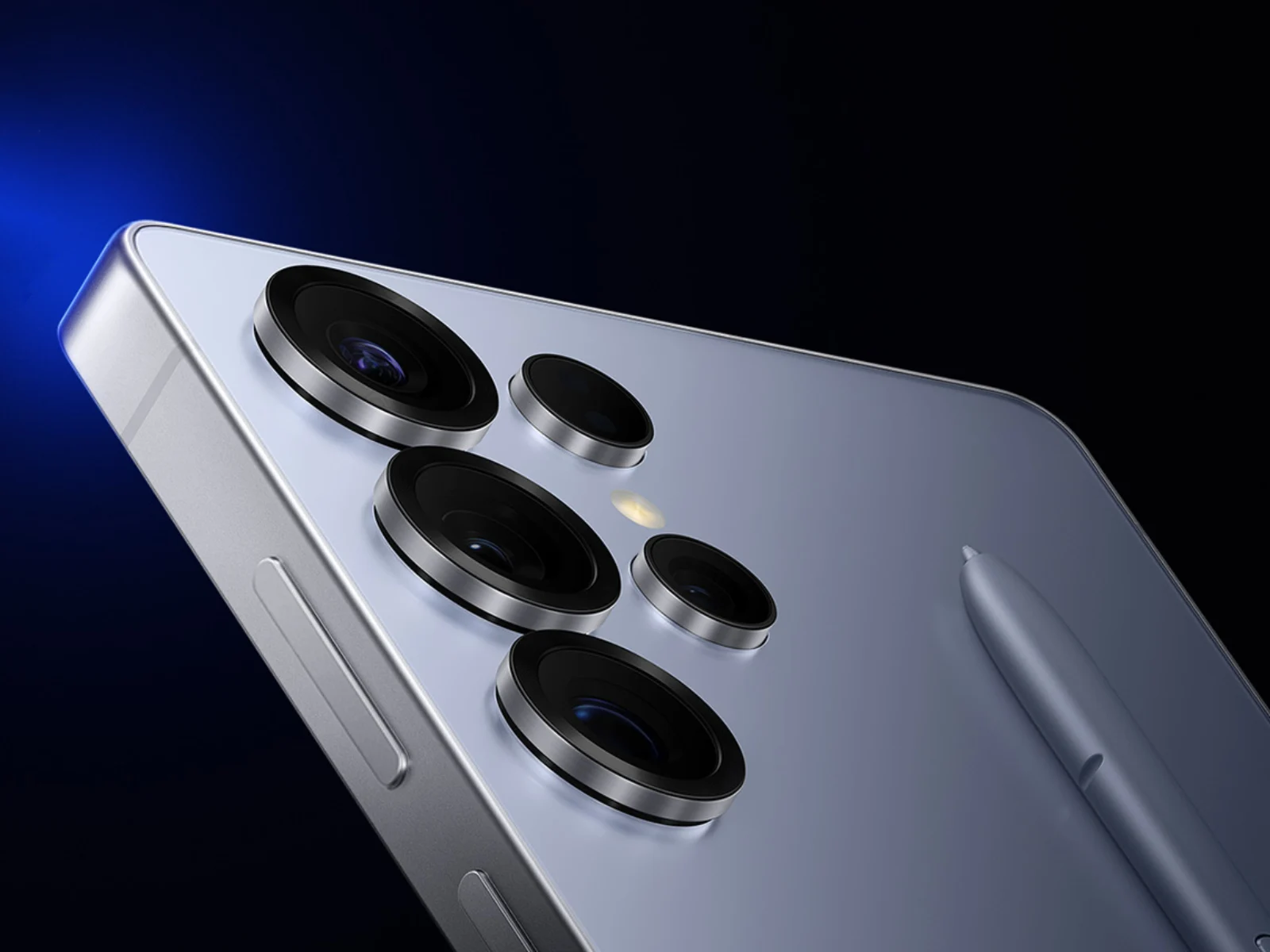
    Samsung often sets apart its Galaxy S Ultra flagship models with slight upgrades to their cameras. For example, the Galaxy S25 Ultra (currently priced at $1,049 on Amazon) was released in January featuring the same main, telephoto, and selfie cameras as the previous model. Likewise, the Galaxy S24 Ultra retains all the camera specs from the Galaxy S23 Ultra, except for the 5x telephoto camera.

    Camera Upgrades and Patterns

    To put it simply, Samsung usually adds just one camera improvement with each new Galaxy S Ultra release. However, according to the tipster Ice Universe, this pattern might change in the upcoming Galaxy S26 Ultra. In a post on X, the leaker suggests that Samsung is ready to move away from the 10 MP, 1/3.52-inch, 1.12 µm, and 3x (70 mm) telephoto camera that has been in use since the Galaxy S22 Ultra.

    Potential Changes for the S26 Ultra

    Ice Universe also claims that the Galaxy S26 Ultra might debut with a 3x telephoto solution that is technically less advanced. Reportedly, Samsung is switching to a new 10 MP camera setup, which is said to be a 12 MP sensor that the company won’t be using in full. Supposedly, this new sensor features an optical format of 1/3.94-inch, an f/2.4 aperture, and 1.0 µm pixels.

    Comparative Analysis of Camera Quality

    Though this might seem unusual, Samsung has done something similar when transitioning from the Galaxy S21 Ultra to the Galaxy S22 Ultra, switching from a 1/3.24-inch and 1.22 µm 3x camera to the Sony IMX754 that is currently in use. It is yet unclear how this latest alteration will influence image quality when comparing the Galaxy S25 Ultra and the Galaxy S26 Ultra, especially at the 3x zoom setting.

    Source:
    Link


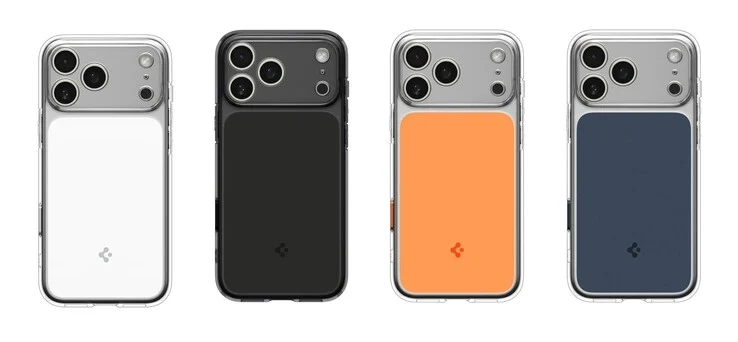
  • Spigen Launches New iPhone 17 and 17 Pro Cases in Stylish Colors

    Spigen Launches New iPhone 17 and 17 Pro Cases in Stylish Colors

    Key Takeaways

    1. Apple launched the iPhone 17 and iPhone 17 Pro at the “Awe Dropping” event, introducing new designs and first-party accessories.
    2. Spigen released a new series of cases for the iPhone 17, including clear models that match the new color options of the iPhone 17 Pro.
    3. The Spigen Ultra Hybrid T series features a polycarbonate back and TPU bumper, offering MagSafe compatibility and protection for the camera bar.
    4. Spigen updated popular case lines like Tough Armor and Liquid Air for the iPhone 17 series, with added features and new finishes.
    5. Spigen’s iPhone 17 cases are available on Amazon for under $30, with more options accessible through their storefront.


    Apple has recently revealed the iPhone 17 and iPhone 17 Pro at its latest “Awe Dropping” event, showcasing new designs along with fresh first-party accessories such as the TechWoven cases and crossbody straps.

    Spigen Launches New Case Collection

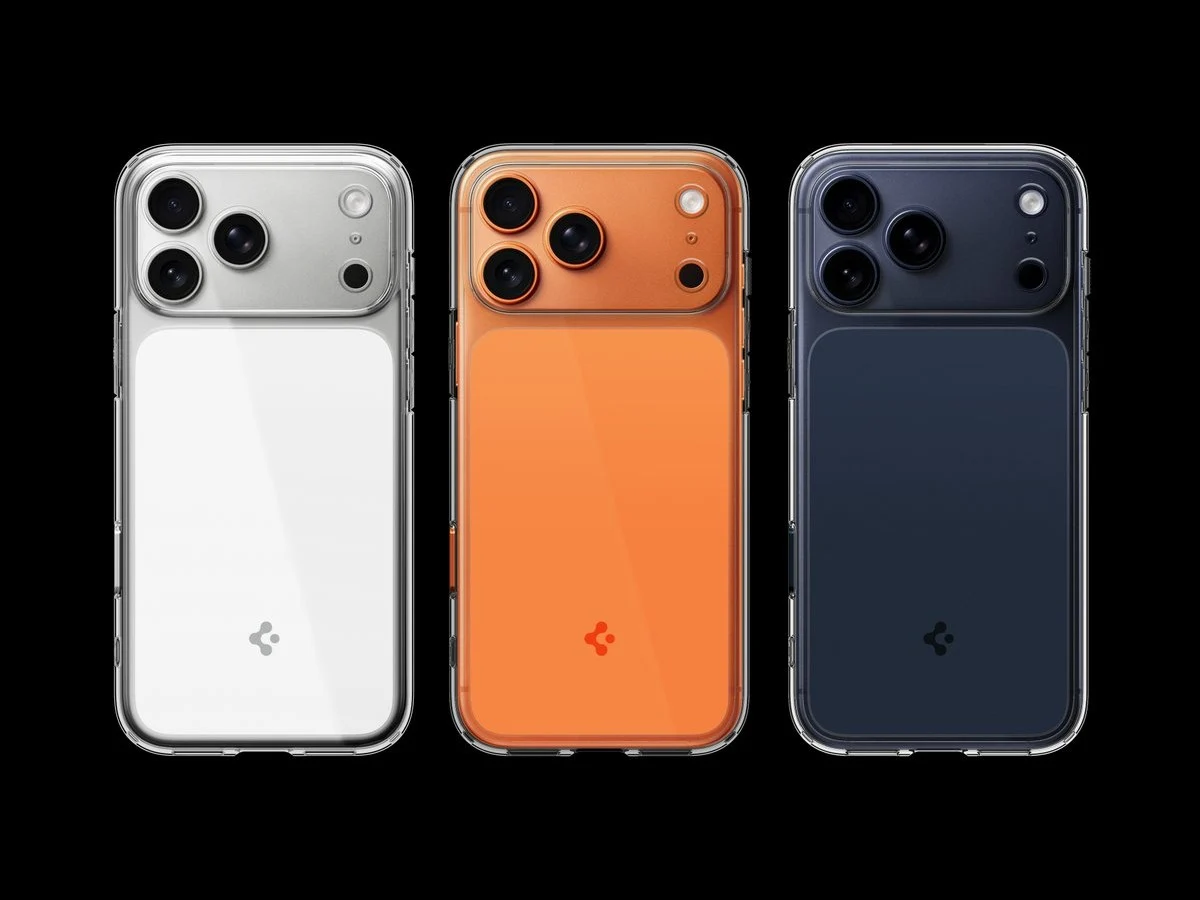
    In response, Spigen has introduced a new series of cases specifically designed for the latest iPhones. This collection features a wide range of styles, focusing especially on new clear models that are color-matched to the fresh hues of the iPhone 17 Pro. These cases provide comprehensive protection, covering the revamped camera bar, camera shutter button, and include built-in magnets for MagSafe compatibility.

    Ultra Hybrid T Series

    Debuting alongside the iPhone 17 Pro and iPhone 17 Pro Max is the Spigen Ultra Hybrid T series. This series resembles Apple’s own clear case but boasts extra color choices to complement the new Pro models. There’s even a matte black option, which might attract those who favor a black Pro iPhone.

    Constructed with a polycarbonate back and a TPU bumper, this case fully encloses the back of the iPhone, including the camera bar. It features precise cutouts for the camera lens, LiDAR scanner, and flashlight. Raised edges provide protection for the screen and camera lens against scratches, while integrated magnets ensure complete MagSafe support.

    Updates to Popular Case Lines

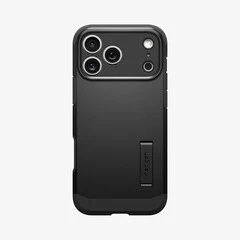
    Moreover, Spigen is refreshing its well-loved case lines for the iPhone 17 series. The Tough Armor makes a comeback with a built-in kickstand, a magnet ring, and multi-layer drop protection. It’s designed to endure heavy usage but is less bulky than many rugged cases. However, it will still add some extra thickness in comparison to slimmer cases.

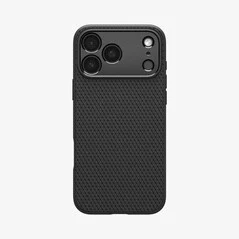
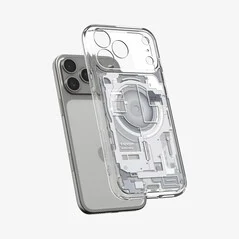
    Meanwhile, the slim Liquid Air has received an update for the new models. It is available in finishes such as black, green, blue, and titanium, though it drops the built-in magnets to maintain its sleek profile. Lastly, the Ultra Hybrid Zero One showcases a unique design that reflects the internal components of the iPhone. This case is offered with either a clear or black bumper and provides full MagSafe support.

    The Tough Armor, Ultra Hybrid Zero One, and Liquid Air cases are compatible with all models in the iPhone 17 series, including the iPhone Air.

    Pricing and Availability

    You can now find Spigen’s iPhone 17 cases on Amazon for under $30. For more options, including additional Spigen cases and accessories like screen protectors, check out its Amazon storefront.

    Source:
    Link


  • Arm Unveils Lumex CPU Cores and Mali G1-Ultra GPU for Smartphones

    Arm Unveils Lumex CPU Cores and Mali G1-Ultra GPU for Smartphones

    Key Takeaways

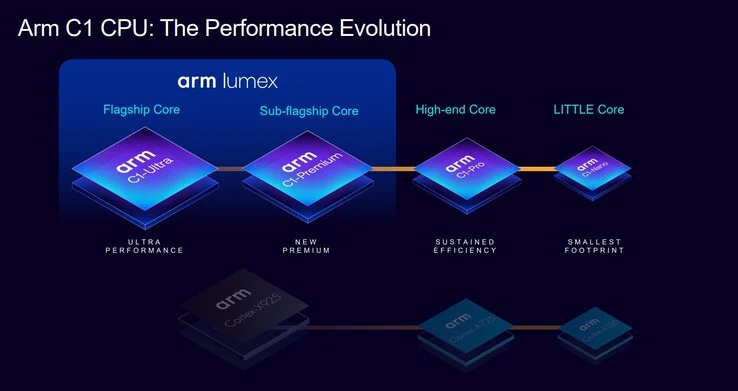
    1. Arm has introduced new CPU and GPU cores for smartphone SoCs, including the Lumex C1 Ultra, C1 Premium, C1 Pro, and C1 Nano, set to launch in 2025-26.
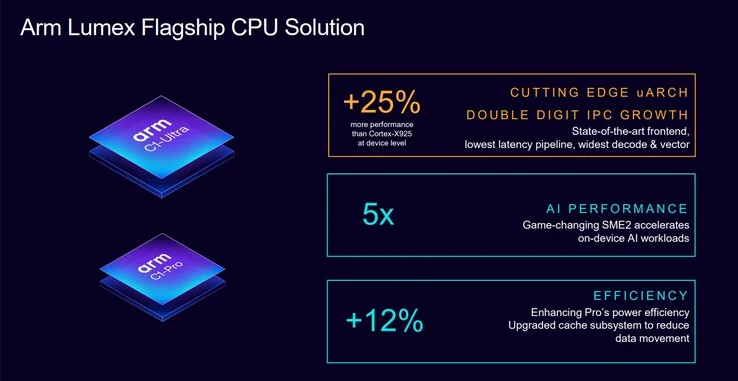
    2. The Lumex C1 Ultra offers up to a 25% performance increase over the Cortex-X925, while the C1 Pro is 12% more power efficient than the Cortex-A725.
    3. All new cores will utilize Arm’s v9.3 architecture, featuring the SME2 instruction set, which can enhance AI performance by up to 5x and improve power efficiency by 3x.
    4. The GPU branding has changed from Immortalis to Ultra, with the Mali G1-Ultra promising a 20% performance boost and a 2x improvement in ray tracing capabilities.
    5. The competitive landscape includes contenders like Apple’s GPUs, Qualcomm’s Adreno 840, and Samsung’s Xclipse 950, making the market highly competitive.


    Arm has unveiled its latest CPU and GPU cores designed for smartphone SoCs set to launch in 2025-26. The Dimensity 9500 from MediaTek is expected to be among the first to implement these new technologies, closely followed by Samsung’s Exynos 2600. In a significant shift, Arm has revamped its naming conventions for CPUs and GPUs, moving away from familiar names like Cortex and Mali to a more streamlined yet somewhat perplexing system.

    New Core Classifications

    The newly designed smartphone SoC cores will be divided into four distinct categories: Lumex C1 Ultra, Lumex C1 Premium, Lumex C1 Pro, and Lumex C1 Nano. The C1 Ultra serves as the successor to the Cortex-X925, while both the C1 Premium and C1 Pro act as ‘middle’ cores, succeeding the Cortex-A725. Meanwhile, the C1 Nano is the next iteration of the Cortex-A520. Arm showcased a reference design that includes two Lumex C1 Ultra cores along with a six-core cluster of Lumex C1 Pro, potentially giving us a first look at the Dimensity 9500.

    Performance Improvements

    In terms of performance, Arm asserts that the Lumex C1 Ultra can be as much as 25% quicker than the Cortex-X925, and the Lumex C1 Pro features 12% improved power efficiency over the Cortex-A725, thanks to notable gains in IPC. Competitors for these cores include successors to Apple’s Everest and Sawtooth cores found in the A19/A19 Pro and Qualcomm’s upcoming Nuvia cores, which are expected to launch alongside the Snapdragon 8 Elite 2/Snapdragon 8 Elite Gen 5.

    Architectural Advancements

    All four cores—the Lumex C1 Ultra, Lumex C1 Pro, Lumex C1 Premium, and Lumex C1 Nano—will be built on Arm’s latest v9.3 architecture. The most significant update is the introduction of the SME2 (Scalable Matrix Extension) instruction set. According to Arm, SME2 could provide up to a 5x performance boost in AI workloads, while also being 3x more efficient in terms of power consumption.

    Arm’s GPU branding has transitioned from Immortalis to Ultra, although it remains unclear what the names for lower-tier models will be. An earlier Geekbench listing for the Dimensity 9500 has already revealed this new branding. Arm claims that the Mali G1-Ultra can deliver a 20% enhancement in overall performance and a 2x boost in ray tracing capabilities, translating to a potential 40% increase in frames per second (FPS).

    Competitive Landscape

    Despite these impressive specifications, the competition is notably intense this time around. Alongside Apple’s GPUs, Qualcomm’s Adreno 840 and Samsung’s Xclipse 950 are also contenders, with the latter possibly being Samsung’s first set of in-house chips in recent years. While Arm has not provided a specific timeline for the release of these components, if recent leaks are to be believed, we can expect them to hit the market soon.

    Source:
    Link


  • Vivo Compares iPhone 17 Pro Camera Bump to X300 Designs

    Vivo Compares iPhone 17 Pro Camera Bump to X300 Designs

    Key Takeaways

    1. Apple has launched the iPhone 17 series, featuring a new 48 MP telephoto lens with 8x zoom on the Pro models.
    2. Vivo’s X300 will have a cold-carved glass design with a compact camera bump that protrudes only 1.28 mm.
    3. Vivo compares camera bumps, claiming the X300’s design is smoother and more compact than the iPhone 17 Pro.
    4. The X300 series will feature a BOE Q10 Plus display with “1-nit low brightness” technology for better viewing in low light.
    5. Vivo positions the X300 series as a strong alternative to Apple in the Android market, with more details expected soon.


    Apple has officially launched the iPhone 17 series, and the Pro versions show a significant enhancement in their camera features compared to the previous models. On the hardware front, the iPhone 17 Pro now includes a new 48 MP telephoto lens on the back, which allows for an impressive 8x zoom. This is a clear improvement from the 5x optical zoom seen in Apple’s former flagship devices.

    Vivo’s New Design

    In related news, Vivo has announced that the X300 will sport a cold-carved glass design on its rear, which includes a more elegant camera bump. Specifically, the company has stated that the camera module only sticks out 1.28 mm from the back glass.

    Comparing Camera Bumps

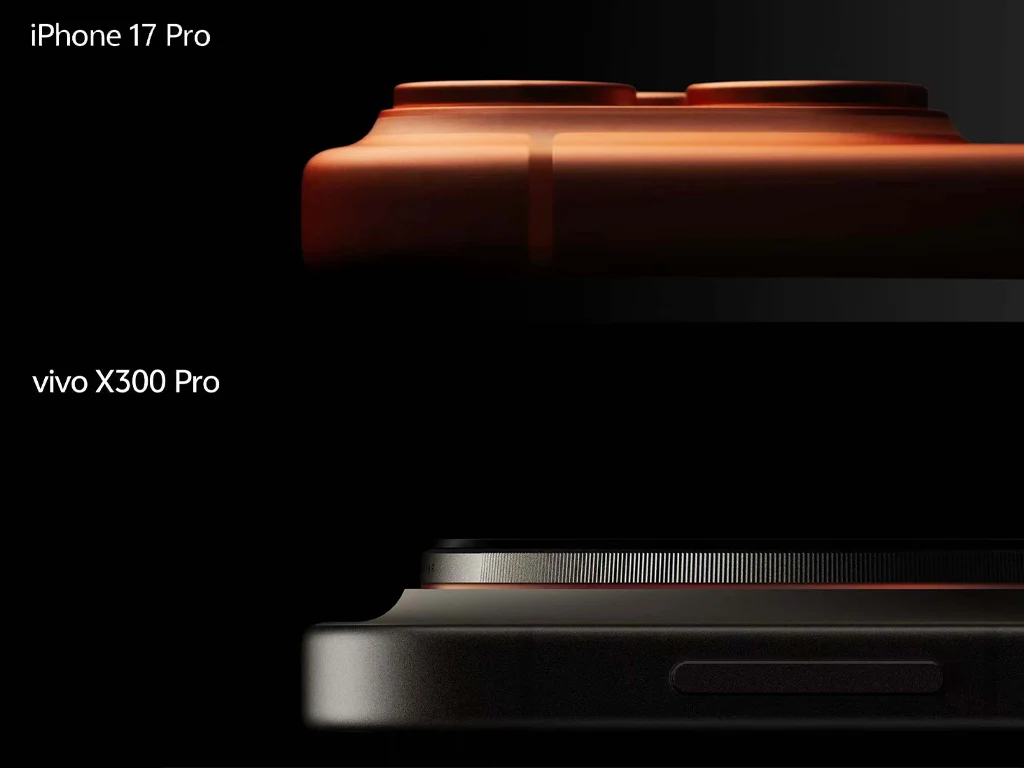
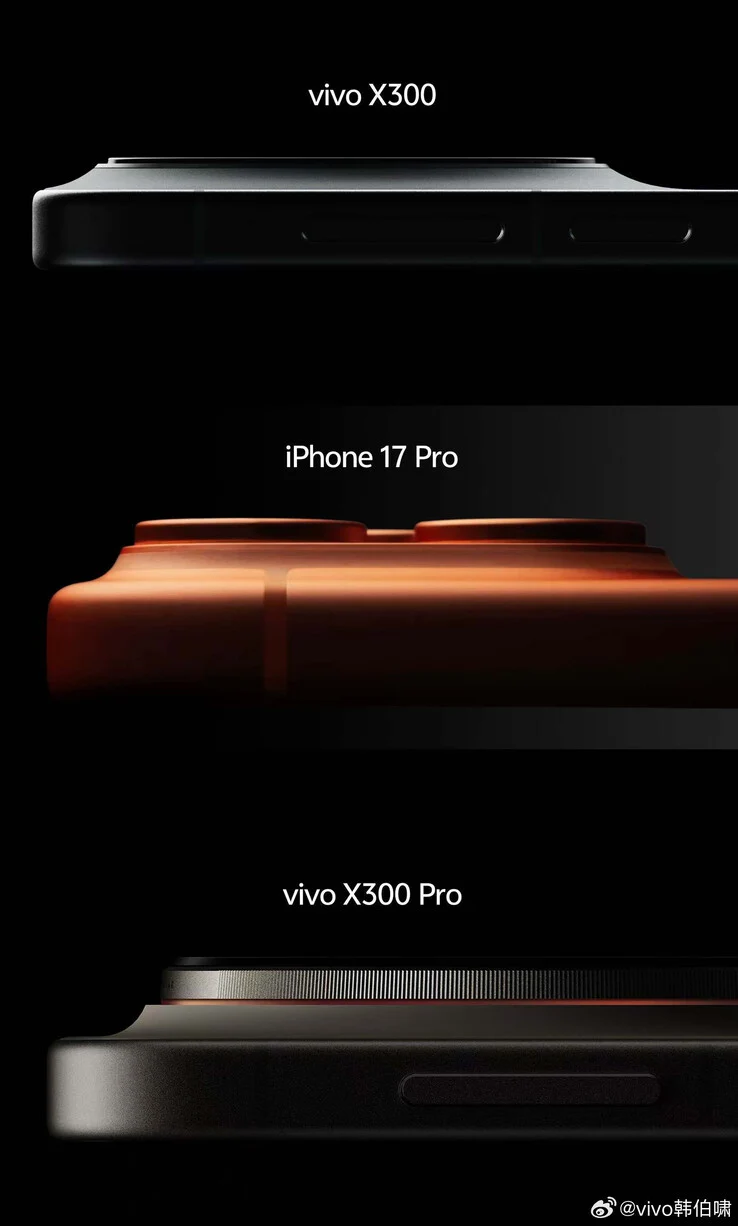
    Following Apple’s reveal of the iPhone 17 Pro, Vivo has demonstrated how the camera bump of Apple’s new flagship measures up against the X300 and X300 Pro. The company pointed out that while both upcoming flagship models come equipped with a large 200 MP sensor, they feature smaller camera bumps in comparison.

    Vivo emphasizes that the camera bump on the X300 is the most compact of the three, offering a smoother design than that of the iPhone 17 Pro. Through this comparison, the company has reiterated that the X300 Pro will include two 200 MP sensors, branding it as the “king of imaging.”

    Display Enhancements

    A recent Weibo post also highlighted that the X300 series will come with the BOE Q10 Plus display. This “luminous material” screen boasts “1-nit low brightness” technology, which ensures a pleasant viewing experience even in dark settings.

    With these improvements over the X200 series (12/256 GB Pro currently priced at $741.06 on TradingShenzhen), Vivo asserts that the X300 series will stand out as the “strongest alternative to Apple” in the Android market. More information regarding these forthcoming flagship devices is anticipated to be disclosed in the days ahead.

    Source:
    Link


  • Apple iPhone 17 Pro Max: Six Cases and Adjustable Crossbody Strap

    Apple iPhone 17 Pro Max: Six Cases and Adjustable Crossbody Strap

    Key Takeaways

    1. The iPhone 17 Pro and Pro Max feature a new design, a 48 MP telephoto camera, and Apple’s most powerful processor.
    2. Apple offers six protective case options, including the eco-friendly TechWoven case made from 100% recycled polyester.
    3. The $49 Silicone Case and Clear Case provide alternative styles, with the Clear Case designed to resist yellowing.
    4. Beats-branded cases include the Rugged Case for drop protection, the standard Beats Case, and the innovative Kickstand Case with a removable stand.
    5. A crossbody band is available for $59, compatible with certain cases, made from recycled PET fibers, and adjustable in length.


    The Apple iPhone 17 Pro and iPhone 17 Pro Max come with a fresh design, a 48 MP telephoto camera, and the most powerful processor Apple has created so far. They also offer a wider selection of accessories, indicating that Apple is stepping into the case market more assertively, reducing reliance on third-party manufacturers.

    Case Options

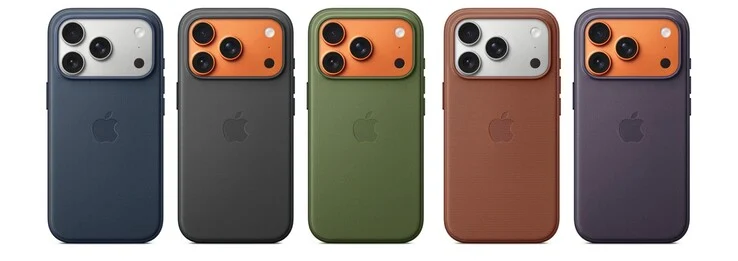
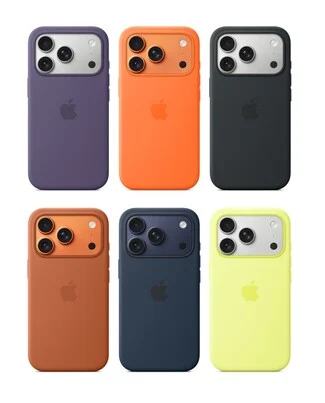
    There are six distinct protective cases offered by Apple, starting with the new TechWoven case, which aims to take the place of the delicate FineWoven options. This case is crafted from 100% recycled polyester, making it a more eco-friendly choice. It features a slightly textured TPU coating to ensure a better grip. As with all Apple cases, the TechWoven case supports MagSafe and includes a camera shutter button. The cost for this case is set at $59.

    Alternatives in Color and Style

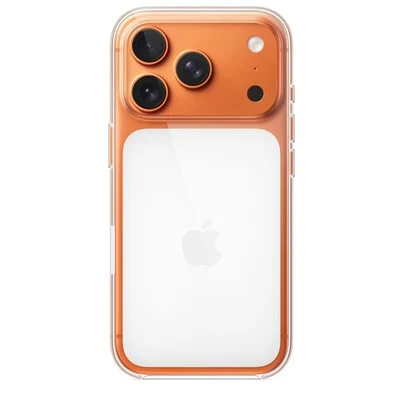
    For those preferring vibrant hues, Apple has a $49 Silicone Case that provides a smooth surface and is made of 45% recycled silicone. Another option is the new iPhone 17 Pro Clear Case, which has a partially white back and is also priced at $49. This case promises to be relatively scratch-resistant and is designed not to yellow over time.

    Special Features with Beats Branding

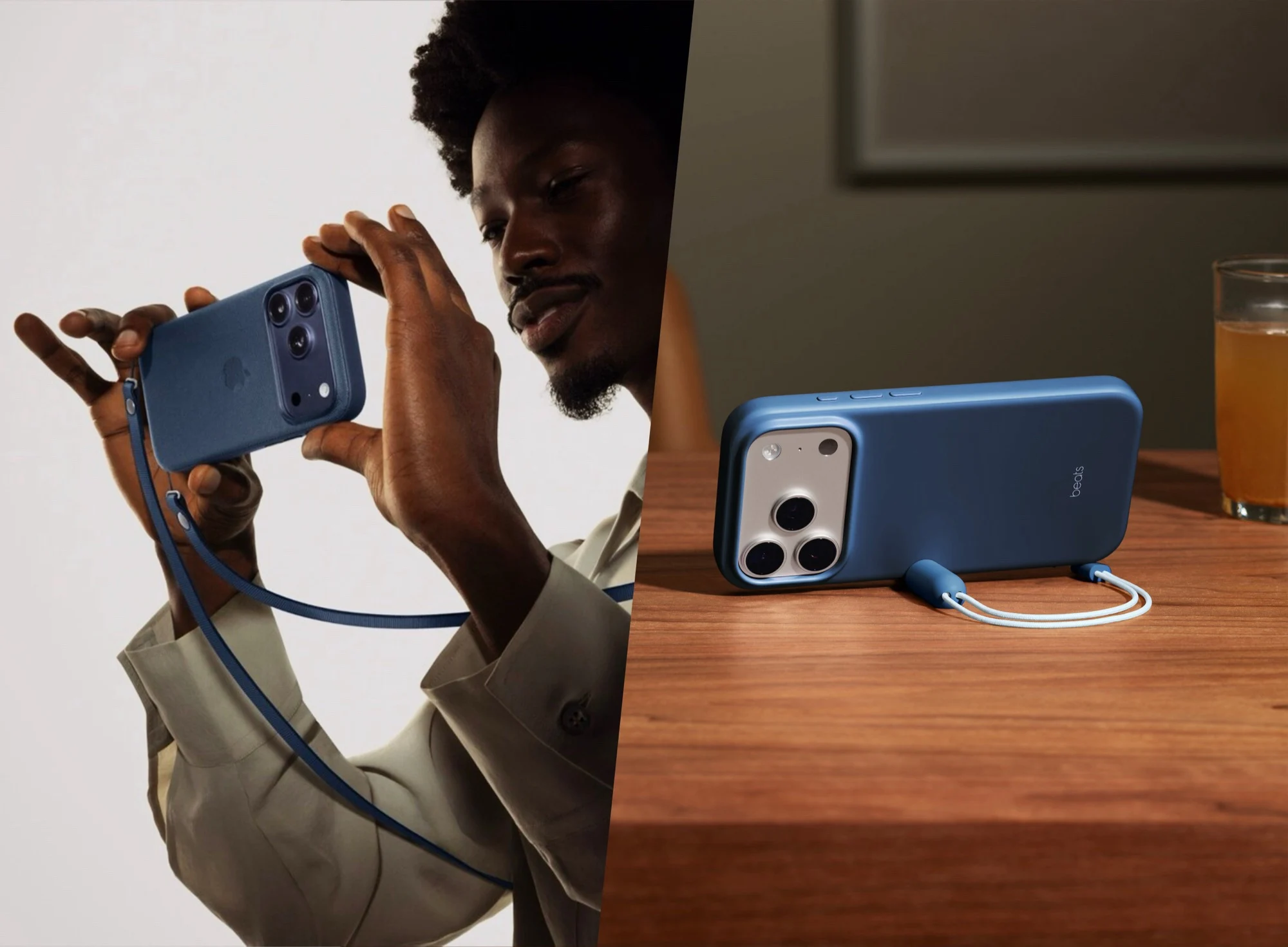
    Apple has also introduced three cases under the Beats brand. The Rugged Case, priced at $79, is designed specifically for superior drop protection with thicker, shock-absorbing side panels. The standard Beats Case, which costs $45, is thinner and made of polycarbonate with a matte finish.

    Innovative Kickstand Feature

    A notable new option is the Beats Kickstand Case, which safeguards the iPhone 17 Pro for $59 and includes a unique stand that attaches to the case via a wrist strap. This strap, along with the stand, can be removed if you don’t need it.

    Crossbody Convenience

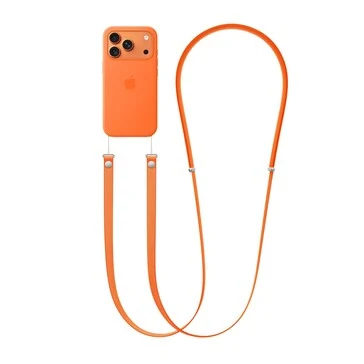
    Finally, Apple provides a crossbody band for $59, available in ten colors. This shoulder strap can be attached to either the TechWoven case or the Apple silicone case, allowing you to carry the iPhone 17 Pro or iPhone 17 Pro Max comfortably over your shoulder. The strap is entirely made from recycled PET fibers, and its integrated magnets enable continuous length adjustment from 1.08 to 2.08 meters.

    Source:
    Link