Category: Phones

Stay updated with the latest phone news, reviews, and trends. Discover cutting-edge smartphones, features, and innovations in our Phones category at GizNewsDaily

  • Poco M7 Plus 5G Launches Affordable 4GB RAM Variant

    Poco M7 Plus 5G Launches Affordable 4GB RAM Variant

    Key Takeaways

    1. The Poco M7 Plus comes in three versions: a basic model with 6GB RAM, a pricier option with 8GB RAM, and a new limited edition with 4GB RAM, all featuring 128GB expandable storage.
    2. The new 4GB RAM version is priced under ₹11,000 (~$125/€106), while the 6GB and 8GB models were launched at ₹13,999 (~$159/€135) and ₹14,999 (~$169/€145) respectively.
    3. The pricing announcement for the 4GB version will be made on September 15 at 7 PM IST.
    4. Key specifications include a 6.9-inch FHD+ display with a 144Hz refresh rate, Snapdragon 6s Gen 3 chip, a 7,000mAh battery, and a 50MP dual-camera setup.
    5. The 4GB version will be available on Flipkart during the Big Billion Days festival starting September 23 and is exclusive to India.


    When the Poco M7 Plus was revealed in August, it came in two versions — a basic one featuring 6GB of RAM and a pricier option with 8GB of RAM, both offering 128GB of expandable storage. Recently, Poco announced a limited edition of the smartphone that includes 4GB of RAM.

    Pricing Announcement

    Poco India shared this news on X, stating that this newer version of the Poco M7 Plus will be sold for under ₹11,000 (~$125/€106). To compare, the 6GB RAM model and the 8GB RAM model were priced at ₹13,999 (~$159/€135) and ₹14,999 (~$169/€145) at launch.

    Price Reveal Date

    Fortunately, we won’t have to wait long for the price announcement, as Poco has scheduled it for September 15 at 7 PM IST. Aside from the reduced RAM, all other specifications seem to remain unchanged.

    Specifications Overview

    The Poco M7 Plus features a 6.9-inch screen with a FHD+ resolution of 2340 x 1080 and a 144Hz refresh rate. The LCD display can reach a peak brightness of 800 nits, has a touch sampling rate of 288Hz, and is protected by Gorilla Glass 3. Under the hood, there’s a Snapdragon 6s Gen 3 chip paired with a 7,000mAh silicon-carbon battery, which supports 33W fast charging and 18W reverse charging.

    On the back, the phone has two cameras, including a 50MP f/1.8 lens. There’s also an 8MP camera on the front. Both cameras can record in 1080p at 30fps and come with features like night mode and voice-command photo taking.

    Additional Features

    Moreover, the Poco M7 Plus is equipped with a side-mounted fingerprint scanner, face unlock feature, an IR blaster, Wi-Fi 5, dual SIM capabilities, Bluetooth 5.1, and it holds an IP64 rating for dust and water resistance. It comes pre-installed with HyperOS 2 and is set to receive two generations of Android updates along with four years of security updates.

    The special 4GB version of the Poco M7 Plus will be available for purchase on Flipkart during the Big Billion Days festival, starting September 23. It appears that this model won’t be sold outside of India, but the Poco M7, which shares the same battery and display specifications, is currently available on Amazon.de for €149.90.

    Source:
    Link


  • Xiaomi 17 Launch This Month with Snapdragon 8 Elite Gen 5

    Xiaomi 17 Launch This Month with Snapdragon 8 Elite Gen 5

    Key Takeaways

    1. Xiaomi will launch its flagship smartphones under the name Xiaomi 17 series instead of Xiaomi 16 series.
    2. The Xiaomi 17 series will include three models: Xiaomi 17, Xiaomi 17 Pro, and Xiaomi 17 Pro Max.
    3. The Xiaomi 17 is expected to have similar pricing to last year’s Xiaomi 15, while the Pro models will offer more luxury and advanced features.
    4. The Xiaomi 17 Pro Max is anticipated to be the best camera phone Xiaomi has produced to date.
    5. Xiaomi aims to benchmark the new devices against the iPhone 17 series to compete with Apple’s latest offerings.


    Xiaomi is reportedly gearing up to introduce its next flagship smartphones, known as the Xiaomi 16 series, later this month, which will be the first to feature Qualcomm’s new Snapdragon 8 Elite Gen 5. However, recent updates indicate that there won’t actually be a Xiaomi 16 series.

    Change in Naming

    According to Xiaomi President Lu Weibing, the upcoming premium devices will be released under the name Xiaomi 17 series instead. The executive emphasized that the Xiaomi 17 series is set to bring about the “most significant leap forward” in the company’s history. This month, three models will be launched: the standard Xiaomi 17, the Xiaomi 17 Pro, and the Xiaomi 17 Pro Max.

    Device Details

    The Xiaomi 17 is expected to be a compact and high-end smartphone, maintaining the same pricing as last year’s Xiaomi 15. The Xiaomi 17 Pro will be an even more luxurious compact option, while the Xiaomi 17 Pro Max is rumored to be the most advanced camera phone that Xiaomi has ever produced. There is no mention of a Xiaomi 17 Ultra, which is probably because that model won’t be released until next year.

    Strategy Behind the Shift

    In an interesting development, Xiaomi has not tried to conceal its reasons for skipping the Xiaomi 16 series. Essentially, the upcoming phones powered by the Snapdragon 8 Elite Gen 5 are being benchmarked against the iPhone 17 series and will compete with Apple’s latest devices “of the same generation and level.”

    Source:
    Link


  • Qualcomm Announces Snapdragon 8 Elite Gen 5 for Upcoming Flagship SoC

    Qualcomm Announces Snapdragon 8 Elite Gen 5 for Upcoming Flagship SoC

    Key Takeaways

    1. Qualcomm will unveil the Snapdragon 8 Elite Gen 5 at the Snapdragon Summit this month.
    2. The Snapdragon 8 Elite Gen 5 will replace the Snapdragon 8 Elite as Qualcomm’s top-tier chipset.
    3. The naming change may be due to the number “4” being considered unlucky in China.
    4. The Snapdragon 8 Elite Gen 5 will power many upcoming Android flagship devices, including the Samsung Galaxy S26 and OnePlus 15.
    5. A less powerful chipset, possibly named Snapdragon 8 Gen 5, is expected to accompany the Elite version.


    Qualcomm has been planning its Snapdragon Summit for this month for quite a while. The company has now officially announced that it will unveil its next-generation flagship chipset during the event, along with the specific branding for the SoC.

    Snapdragon 8 Elite Gen 5 Release

    As stated in an official announcement, Qualcomm will introduce the Snapdragon 8 Elite Gen 5 at the Snapdragon Summit, which is set to take place at the end of the month. This new chipset will replace the Snapdragon 8 Elite as Qualcomm’s top-tier SoC for the year and will compete with Apple’s recently announced A19 Pro and MediaTek’s forthcoming Dimensity 9500.

    Naming Changes Explained

    It’s not entirely clear why Qualcomm has altered its naming convention, although many believe it relates to the number “4” being deemed unlucky in China. This theory might help clarify the transition from the Snapdragon 8 Gen 3 to the Snapdragon 8 Elite, and then to the Snapdragon 8 Elite Gen 5—with “Elite” representing the company’s Oryon cores.

    Future Android Flagships

    The Snapdragon 8 Elite Gen 5 will be the driving force behind many Android flagship devices over the next year, such as the Samsung Galaxy S26 series and the OnePlus 15. Internally, this chipset will be referred to as “SM8850,” and it is expected to be accompanied by the somewhat less potent “SM8845,” which might be marketed under the name “Snapdragon 8 Gen 5.”

    Source:
    Link


  • Xiaomi 17 Pro Redesign Leaks with Secondary Display on Weibo

    Xiaomi 17 Pro Redesign Leaks with Secondary Display on Weibo

    Key Takeaways

    1. Qualcomm’s new flagship SoC is named Snapdragon 8 Elite Gen 5.
    2. Xiaomi is expected to be the first brand to release smartphones with this chip, specifically in the Xiaomi 17 series.
    3. An accidental leak on Weibo revealed the back design of the Xiaomi 17 Pro models, indicating a new smartphone design.
    4. The leaked image shows a secondary display integrated with the camera layout and includes two embedded cameras, plus a third camera positioned near the flash.
    5. The secondary display on the Xiaomi 17 Pro is larger and may support full-screen apps, enhancing functionality compared to the Mi 11 Ultra.


    Qualcomm has recently announced that its next flagship system on a chip (SoC) will be named the Snapdragon 8 Elite Gen 5. Xiaomi is anticipated to be the first company to release smartphones equipped with this new chip. The forthcoming flagship devices will be part of the Xiaomi 17 series, and there has been an accidental leak on the company’s Weibo account showcasing the back design of what is believed to be the Pro version.

    Weibo Discovery

    Specifically, Chinese users on Weibo have pointed out that Xiaomi’s official profile picture was recently updated, revealing an image of an unreleased smartphone. The swift change in the profile picture has led many to believe that the image displayed hints at the back design of the Xiaomi 17 Pro models.

    Design Features

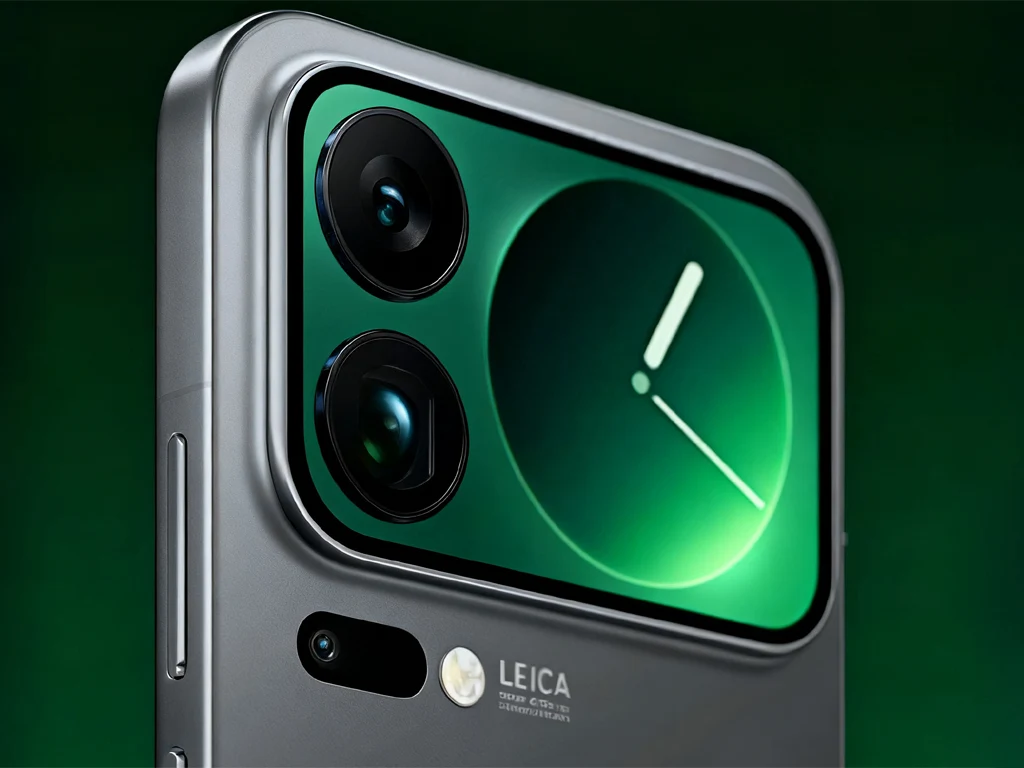
    The leaked image illustrates the rear of the phone, which includes a secondary display, aligning with details from recent spy photos. This secondary screen is integrated with the camera layout of the Xiaomi 17 Pro and features two embedded cameras.

    According to the image, a third camera will also be present on the back but will be located beneath the camera layout, adjacent to the flash. The redesign of the Xiaomi 17 Pro seems to follow the concept seen in the Mi 11 Ultra, which similarly had a secondary screen on its back.

    Enhanced Functionality

    However, in contrast to the Mi 11 Ultra, the secondary display on the Xiaomi 17 Pro models appears to be larger and more versatile. This secondary screen may even allow for full-screen apps to be run, similar to the external display on the Galaxy Z Flip 7. More official information regarding Xiaomi’s upcoming flagship smartphones powered by the Snapdragon 8 Elite Gen 5 is likely to surface shortly.

    Source:
    Link


  • Samsung Producing Continuous Zoom Camera Sensors for Other Devices

    Samsung Producing Continuous Zoom Camera Sensors for Other Devices

    Key Takeaways

    1. The Galaxy S26 series may not feature significant camera upgrades despite high expectations.
    2. Samsung is mass-producing a new continuous zoom camera technology, but it won’t be available in their Galaxy phones soon.
    3. This continuous zoom technology will likely debut in high-end Chinese smartphones instead of Samsung’s own devices.
    4. Unlike current fixed optical zoom cameras, the continuous zoom lens provides sharp clarity across various magnifications.
    5. Samsung’s strategy includes selling advanced technology to competitors and using them as testing grounds before applying them to their own products.


    Perhaps you’ve been eagerly awaiting major upgrades to the cameras on Galaxy flagship phones for quite some time. However, recent leaks indicate that the Galaxy S26 series may not introduce any significant changes in this department. To make matters worse, Samsung has started mass-producing a remarkable new continuous zoom camera technology that, unfortunately, we won’t be seeing in Galaxy phones in the near future.

    Future Prospects for Camera Technology

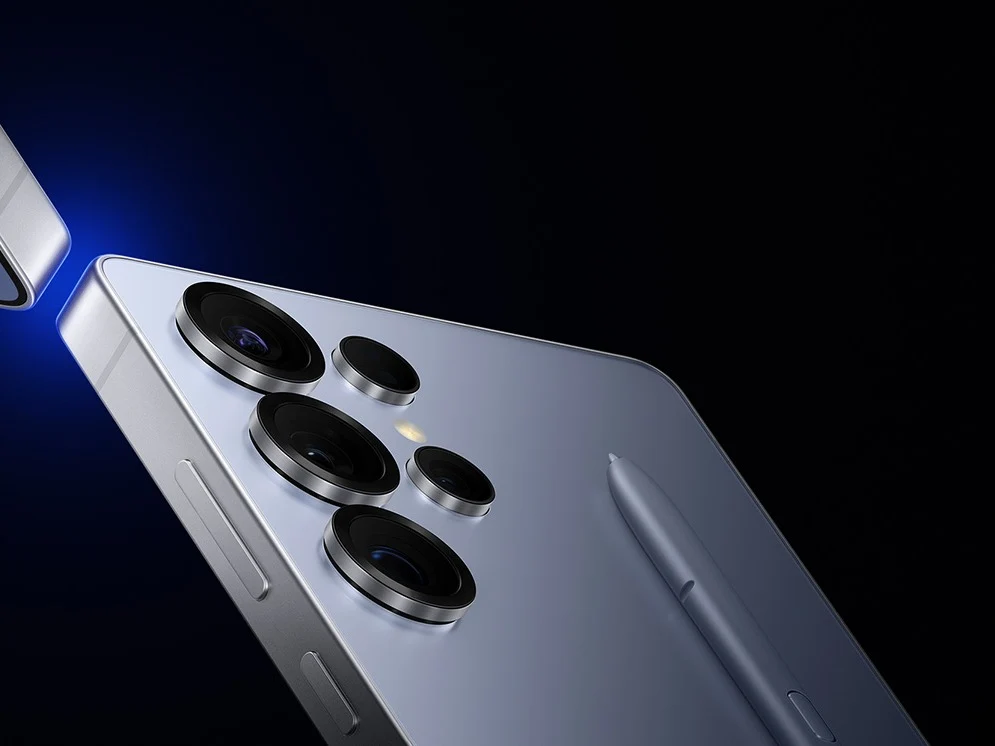
    As per Digital Chat Station, Samsung’s continuous zoom camera tech is expected to debut in the next generation of high-end Chinese smartphones. This technology is likely to be incorporated into the camera setups of future “Ultra” mobile devices, but—ironically—these won’t include Samsung’s own Ultra models.

    This new camera represents a major advancement from the current standards we are familiar with. Most smartphone cameras available today, even on premium devices, utilize a fixed optical zoom. This means you will get clear images at certain zoom levels, like 3x or 5x, but any zoom levels in between are achieved via digital cropping, which might lead to blurry and lower-quality images.

    The Advantage of Continuous Zoom

    The continuous zoom lens, however, operates differently. It behaves like a professional camera, adjusting its internal components to ensure sharp optical clarity across a broad spectrum of magnifications.

    This isn’t the first instance of Samsung sharing its latest technologies with competing brands rather than using them in its own products first. This trend extends beyond just camera sensors. Recently, Samsung has provided new display technologies to companies such as Apple and Google before implementing them in its own Galaxy devices, for instance.

    Samsung’s Strategy Explained

    Samsung’s approach appears to serve two primary objectives. Firstly, as a massive conglomerate with various divisions, Samsung can generate considerable profits by selling its cutting-edge technologies to other brands. Secondly, the South Korean giant might utilize these external brands as a “testing ground” to assess whether its new technologies are sufficiently developed, ensuring that widespread implementation won’t be counterproductive due to potential future problems.

    That being said, let’s remain optimistic about the arrival of Samsung’s continuous zoom camera technology on Galaxy phones in the near future.

    Source:
    Link


  • AGM G3 Pro: Rugged Smartphone with Night Vision & 3 Card Slots Pre-Order

    AGM G3 Pro: Rugged Smartphone with Night Vision & 3 Card Slots Pre-Order

    Key Takeaways

    1. Pre-order Incentives: The AGM G3 Pro is priced at $699/€699 and comes with a complimentary shoulder bag and AGM Buds 3 for orders placed before September 28.
    2. Battery and Dimensions: The smartphone features a large 10,000 mAh battery, weighs 375 grams, and has dimensions of 177.5 x 82.8 mm with a maximum thickness of 18.1 mm.
    3. Camera Capabilities: It includes an infrared camera with a resolution of 512 x 384 for temperature detection, a 64 MP main camera, and a 50 MP front camera.
    4. Performance Specs: Powered by a MediaTek Dimensity 7300 SoC, it has 12 GB of RAM, runs on Android 15, and provides 512 GB of internal storage with expandable memory options.
    5. Durability and Display: The phone meets IP68, IP69K, and MIL-STD-810 certifications and features a 6.72-inch display with a resolution of 1,080 x 2,400 and a refresh rate of 120 Hz.


    The AGM G3 Pro is now open for pre-order, priced at $699/€699. Those who place their orders before September 28 will receive a complimentary shoulder bag and AGM Buds 3.

    Dimensions and Battery Life

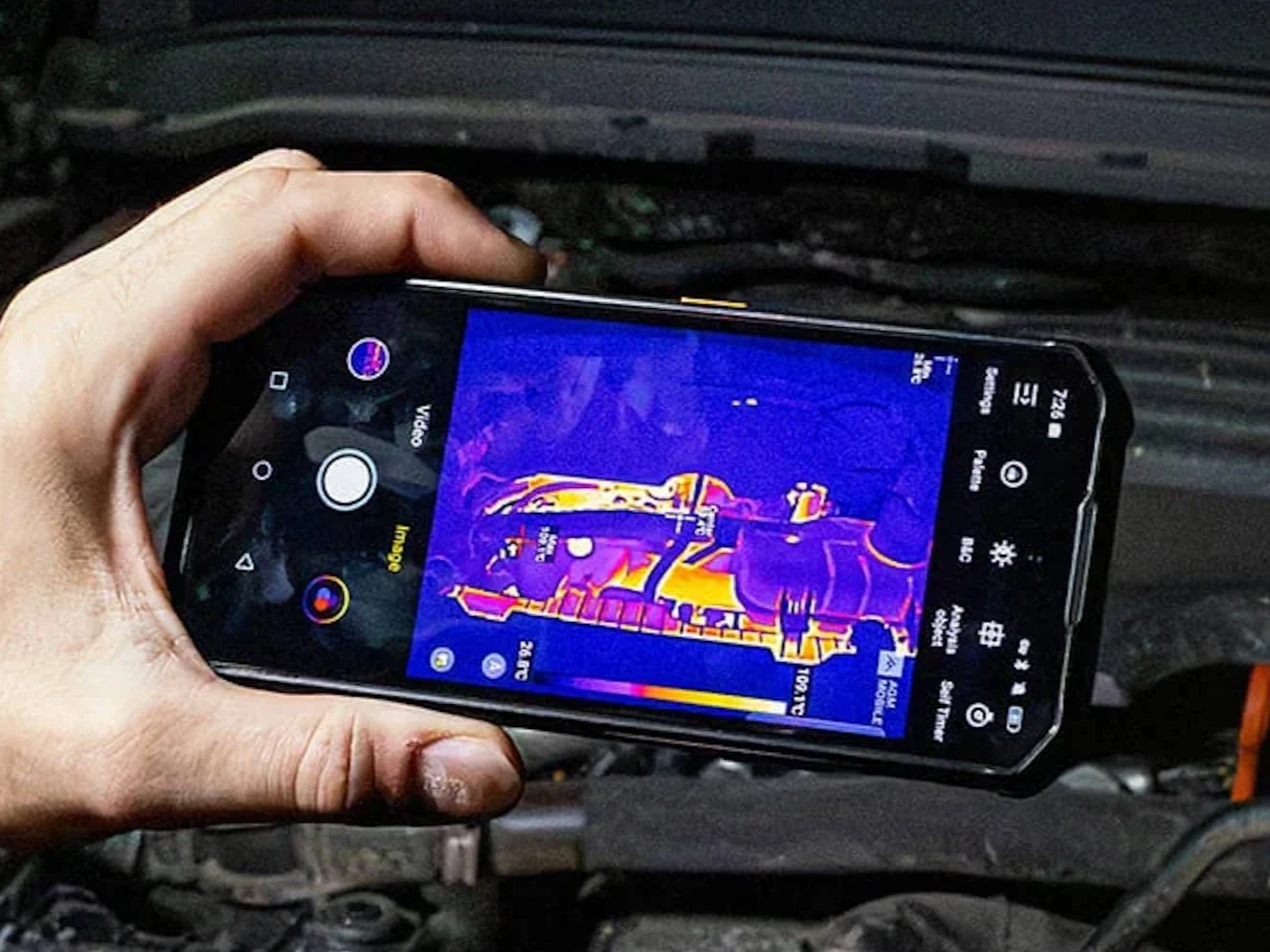
    This smartphone has dimensions of 177.5 x 82.8 millimeters, with a maximum thickness of 18.1 millimeters, and it weighs 375 grams. It is equipped with a massive 10,000 mAh battery that supports charging at up to 33 watts through USB PD. The infrared camera boasts a resolution of 512 x 384 and is said to detect temperatures ranging from -20°C to 550°C. This feature is useful for identifying animals, people, thermal bridges, and overheating cables. The main camera comes with a 64 MP resolution, while the front camera offers 50 MP.

    Performance and Features

    Under the hood, the device runs on a MediaTek Dimensity 7300 SoC, paired with 12 GB of RAM. It operates on Android 15 and offers 512 GB of internal storage. Users can expand memory using a microSD card while simultaneously utilizing two SIM cards thanks to its three card slots. The display is 6.72 inches, with a brightness level of 450 cd/m², a resolution of 1,080 x 2,400, and a maximum refresh rate at 120 Hz. The manufacturer claims the device meets IP68, IP69K, and MIL-STD-810 certifications. Additionally, there’s a flashlight located on the back of the phone.

    Conclusion

    AGM is making a strong statement with the G3 Pro, combining high specifications with practical features. This phone appears to be an excellent choice for users seeking durability and advanced technology in their devices. With its unique offerings and the special pre-order incentives, it could attract a lot of attention in the market.

    Source:
    Link


  • BOE Launches 144Hz LCD Display for Next-Gen Budget Smartphones

    BOE Launches 144Hz LCD Display for Next-Gen Budget Smartphones

    Key Takeaways

    1. BOE’s new ADS Pro-series panel offers visuals comparable to the Sony Xperia 1 V with a resolution of 1.5K (2720 x 1224, 443 ppi).
    2. The panel features an “independent RGB pixel arrangement” technology to enhance viewing quality.
    3. It will be available in two refresh rate options: 120Hz or 144Hz, with potential VRR technology.
    4. The display is projected to be 20% more power-efficient than previous models but remains an LCD, not OLED.
    5. It boasts a peak brightness of 1,500 nits, targeting smartphones priced at $200 or less.


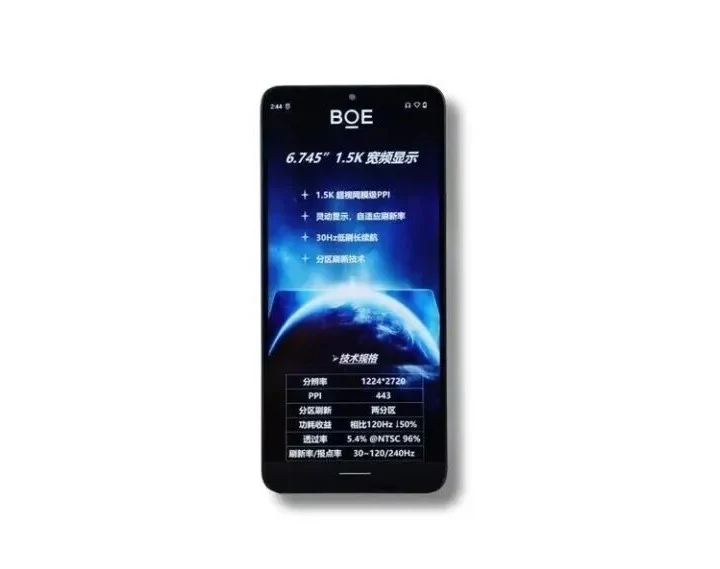
    BOE has unveiled its latest ADS Pro-series panel designed for mobile devices, claiming it offers visuals as sharp, vibrant, and clear as the Sony Xperia 1 V. Interestingly, this panel has a resolution of 1.5K (2720 x 1224, or 443 pixels per inch (ppi)), which is notably less than the 4K standard.

    Pixel Arrangement Technology

    The impressive visual quality is said to be due to an “independent RGB pixel arrangement,” which bears a resemblance to TCL’s upcoming Real RGB technology. This innovation aims to enhance the viewing experience significantly.

    Refresh Rate Options

    The panel is expected to come in two refresh rate options: 120Hz or 144Hz. Both versions may include VRR (Variable Refresh Rate) technology, enabling the display to adjust its refresh rate dynamically. However, this capability might only be available in specific staged intervals, with the lowest refresh rate potentially dropping to 30Hz.

    Power Efficiency and Display Type

    Additionally, this new display is projected to be up to 20% more power-efficient compared to some previous models in its category, although the exact models it surpasses have not been specified. Despite these modern features, the 6.745-inch display remains an LCD instead of an OLED.

    This panel also promises to deliver an impressive peak brightness of 1,500 nits, making it suitable for smartphones that could be priced at $200 or less in the near future.

    Source:
    Link


  • iPhone Air Offers All Apple Portrait Photo Features

    iPhone Air Offers All Apple Portrait Photo Features

    Key Takeaways

    1. The iPhone Air is impressively thin at 5.6mm, significantly slimmer than the iPhone 17 Pro and Pro Max at 8.8mm.
    2. Despite having a single wide-angle 48MP rear camera, the iPhone Air effectively utilizes next-generation portrait features from the iPhone 15 series.
    3. The Air can create proper bokeh effects for a wider range of subjects compared to previous models like the iPhone 16e and SE series.
    4. It automatically saves depth-of-field information, allowing users to convert standard photos into portrait images post-capture.
    5. There is a special offer on a clear ESR Classic Hybrid Magnetic Case for the iPhone Air, now priced at $24.99 after a 24% discount.


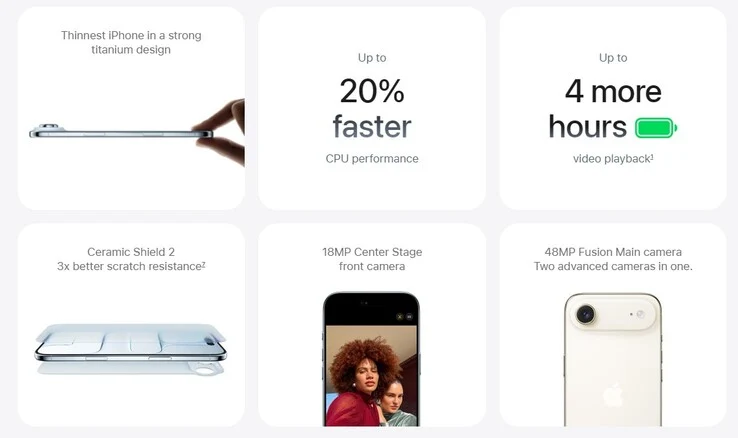
    Apple claims the iPhone Air embodies “what the future looks like” due to its impressive thinness, measuring around 5.6mm, especially when compared to the roughly 8.8mm thickness of the iPhone 17 Pro and Pro Max. Although it has a single wide-angle 48MP rear camera, some potential buyers might worry about its capability to take convincing portrait shots.

    However, a recent article from 9to5Mac suggests otherwise. The blog reports that they have tested an Air unit and found it can effectively utilize the “next-generation” portrait features that were introduced with the iPhone 15 series.

    Impressive Bokeh Effects

    Interestingly, the Air seems capable of creating ‘proper’ bokeh effects in the right situations. Unlike the iPhone 16e, SE 2022, and SE 2020, which limit this mode to people or animals, the Air allows for a wider range of subjects. This means users could finally showcase their culinary creations on Instagram with a professional touch.

    Automatic Depth-of-Field Capture

    The smartphone, which is only about 5.6mm thick, has a unique feature that automatically saves depth-of-field information with each photo taken. This functionality enables users to transform a standard shot into a portrait image after capturing it.

    In addition, the Air supports various advanced tools typically associated with the 17 or 17 Pro models, such as Depth Control, Focus Adjustment, and HDR in Portrait mode.

    Source:
    Link


  • Huawei Mate 90 Launch Expected with Latest Battery Specs

    Huawei Mate 90 Launch Expected with Latest Battery Specs

    Key Takeaways

    1. Huawei’s upcoming flagship may feature a 6,000mAh battery, an improvement over the 5,700mAh in previous models.
    2. High-end smartphones from competitors are expected to adopt around 7,000mAh batteries soon, raising the bar for battery capacity.
    3. The Mate 80 series will likely be the only lineup to feature the Kirin 9030 SoC, promising advancements in performance and connectivity.
    4. Future models, such as the Mate 90, may include Huawei’s first flagship 7,300mAh battery, potentially available before 2026.
    5. The new Kirin processor and battery advancements will be key marketing points for Huawei as they respond to increased competition.


    The well-known leaker, Digital Chat Station, is saying that Huawei’s upcoming “annual flagship” will feature a battery with an approximate capacity of 6,000mAh.

    Comparison with Previous Models

    If this information is about the Mate 80, it represents an improvement from the maximum 5,700mAh battery found in the 70-series models.

    However, this might still seem a bit lackluster when we consider that around 7,000mAh batteries are expected to become standard in high-end smartphones once devices like the Xiaomi 16 series, OnePlus 15, Realme GT 8 Pro, and the Magic8 Pro from Honor, which used to be part of Huawei, are launched.

    Unique Features of Mate 80 Series

    The Mate 80 series could respond to this competition by being the sole lineup in its generation to feature the Kirin 9030 SoC—something that will be highlighted in their marketing for the first time in several years since the US trade restrictions against the company, according to Digital Chat Station.

    This new processor is anticipated to provide “new breakthroughs” in its architecture, connectivity, and overall performance.

    Future Expectations

    Nonetheless, the Mate 90 and its variants could be worth waiting for, as they may come with Huawei’s first-ever flagship 7,300mAh battery.

    It’s interesting to point out that the phrasing in the leak indicates that this feature might actually arrive sooner than 2026, potentially in a successor to the notable Pura 80 Ultra.

    Source:
    Link


  • iPhone Air Battery Life Praised for No SIM Card Slot Impact

    iPhone Air Battery Life Praised for No SIM Card Slot Impact

    Key Takeaways

    1. All-Day Battery Life: The iPhone Air promotes an impressive battery life with four additional hours of video playback compared to the iPhone 15 Pro.

    2. Slim Design with High Capacity: At only 0.22 inches thick, the iPhone Air houses a 3,149 mAh battery, addressing previous concerns about battery performance in compact phones.

    3. Innovative Engineering: Apple created the iPhone Air with a new “plateau” design, integrating advanced technologies like the A19 Pro chipset and high-density battery solutions.

    4. Enhanced Battery Technology: The iPhone Air utilizes a “high-density” battery, allowing for more efficient space usage, particularly by adopting an eSIM-only format to free up room for additional battery cells.

    5. Performance Parity: Despite its slim profile, the iPhone Air’s battery performance matches that of the iPhone 16 Pro, achieving up to 27 hours of video playback.


    Apple promotes the iPhone Air as having a battery life that lasts “all-day,” boasting four extra hours of video playback compared to the iPhone 15 Pro.

    Focus on Battery Life

    This strong emphasis on the iPhone Air’s battery performance in advertisements is clearly aimed at alleviating worries about the longevity of Apple’s slimmest iPhone to date.

    At a mere 0.22 inches (5.64 mm) thick, the iPhone Air has a battery capacity of 3,149 mAh, while earlier compact models haven’t been known for their battery prowess.

    Innovative Design and Technology

    Apple claims to have created the iPhone Air entirely from the ground up, successfully incorporating “multiple technologies” into the brand new “plateau” design. This likely includes the Apple A19 Pro chipset, a 48MP Fusion camera, and the new 18 MP Center Stage front camera, as well as connectivity features like eSIM and 5G modem.

    According to Apple, the centralized layout of the iPhone Air’s components has created space for a “high-density battery,” which probably refers to the silicon carbon electrode technology that many Chinese phone manufacturers have started using in recent years. For example, in phones like the foldable Oppo Find N5, this technology has boosted cell energy density by adding a remarkable 6% silicon, allowing for a massive 5,600 mAh battery in one of the slimmest devices available.

    Evolving Battery Technology

    It seems Apple has taken a similar approach with the “high-density” battery in the iPhone Air, concentrating all other components within the camera plateau. Tim Cook recently revealed another innovative strategy that Apple employed to ensure an all-day battery life for the iPhone Air.

    To begin with, Apple was able to allocate more space for the iPhone Air’s larger battery by using its latest A19 Pro chipset instead of the A19 chip found in the iPhone 17. Built on TSMC’s third-generation 3nm process, the A19 Pro provides higher transistor density, allowing for better performance in the same space or maintaining the same performance in a more compact size. For the iPhone Air, Apple likely opted for the latter, also freeing up more space by omitting the physical SIM card slot and tray.

    As Tim Cook explained, transitioning to an eSIM-only format for the iPhone Air permitted Apple to utilize every available space below the components in the camera plateau for battery cells, even in the area where the SIM card slot would have been located.

    While Apple is cautious not to draw direct comparisons between the iPhone Air’s battery life and that of the iPhone 17 Pro, the 27 hours of video playback achieved in tests far exceed what one might expect from its 0.22-inch titanium frame. This performance aligns with the battery life of the iPhone 16 Pro, even with the thinner design and larger ProMotion display.

    The impressive battery life of the iPhone Air seems to stem from the successful extension of the battery into areas that were previously occupied by the physical SIM card, as Tim Cook highlighted while praising the features of its first iPhone without a SIM card slot.

    Source:
    Link