Tag: Kirin 9030

  • Huawei Advances Towards 2 nm Node Technology Without EUV

    Huawei Advances Towards 2 nm Node Technology Without EUV

    Key Takeaways

    1. Huawei has introduced its first 5 nm smartphone SoC, the Kirin 9030, made with SMIC’s N+3 technology for the Mate80 series.
    2. A recent patent reveals Huawei’s potential move towards 2 nm technology, focusing on innovative techniques for advanced semiconductor nodes.
    3. The patent outlines a method to achieve a 21 nm metal pitch using DUV infrastructure with only four exposures, thanks to Self-Aligned Quadruple Patterning (SAQP).
    4. There are concerns about the practical application of this technology, particularly regarding low yield rates for commercial production.
    5. Despite reports of China developing EUV tools and a 3 nm node, recent updates are scarce, and any official announcements may be delayed.


    A few days ago, Huawei showcased its first 5 nm smartphone SoC made using SMIC’s N+3 node technology. The Kirin 9030 is the driving force behind the latest Mate80 series. Now, it seems that Huawei might be on the verge of another significant advancement: moving to 2 nm technology. Semiconductor researcher Dr. Frederick Chen found a patent from Huawei dated 2022, which has recently been made public but is still pending approval.

    New Techniques for Advanced Nodes

    The patent talks about leveraging existing DUV infrastructure to achieve a 21 nm metal pitch, making it comparable to 2 nm chips from TSMC and other competitors. Normally, DUV lasers would require multiple exposures to accomplish this, but Huawei has innovatively reduced the number to just four using SAQP (Self-Aligned Quadruple Patterning).

    Challenges Ahead

    Naturally, there are doubts about the practical application of this project. For one, the yield rates might be too low to support commercial production. Even if yields improve, they are unlikely to match those of EUV-based technologies.

    Earlier reports mentioned that China was developing its own EUV tools and a 3 nm node utilizing carbon nanotube semiconductors. However, there hasn’t been much recent news on this front. Even if this initiative comes to fruition, it is expected that official announcements will be delayed due to China’s tendency to keep its semiconductor advancements under wraps.

    Source:
    Link


  • Huawei Mate 80 Pro Debuts with Kirin 9030 and 9030 Pro Chips

    Huawei Mate 80 Pro Debuts with Kirin 9030 and 9030 Pro Chips

    Key Takeaways

    1. The Huawei Mate 80 Pro features the Kirin 9030 chipset, making it more powerful than the Mate 80, which uses the older Kirin 9020.
    2. The Mate 80 Pro offers a 6.75-inch LTPO AMOLED display with a variable refresh rate of 1-120 Hz and a peak brightness of 8,000 nits.
    3. Its camera setup includes a 50 MP main camera, a 40 MP ultra-wide camera, a 48 MP macro telephoto camera, and a 13 MP front camera, with advanced features like optical image stabilization.
    4. The device supports 80 W wireless and 100 W wired charging, while both it and the Mate 80 have a 5,750 mAh battery.
    5. The starting price for the Mate 80 Pro is CNY 5,999 (~$847) for the 12 GB RAM and 256 GB storage model, with a top model priced at CNY 7,999 (~$1,129).


    Huawei has introduced the Mate 80 Pro in China as part of a significant launch event today. This device is the middle model in the Mate 80 series and is the only one among the four models that incorporates Huawei’s latest Kirin 9030 chipset. In contrast, the Mate 80 uses the older Kirin 9020, while the Mate 80 Pro Max and Mate 80 RS Ultimate Design utilize the Kirin 9030 Pro exclusively.

    Performance Specifications

    Interestingly, the Mate 80 Pro can also be configured with the Kirin 9030 Pro chipset, but this option is only available if you choose the 16 GB RAM version. Consequently, the Mate 80 Pro can be over 40% more powerful than the Mate 80 when paired with the Kirin 9030 Pro. However, it’s important to note that even with the Kirin 9030 Pro, the Mate 80 Pro may still lag behind modern flagship competitors such as the iPhone 17 Pro, Find X9 Pro, or the Galaxy S25 Plus (currently priced at $969 on Amazon).

    Display and Camera Features

    In terms of display, both the Mate 80 and the Mate 80 Pro feature a 6.75-inch LTPO AMOLED screen that supports a variable refresh rate of 1-120 Hz, boasts a peak brightness of 8,000 nits, and has a resolution of 1,280 x 2,832 pixels. Additionally, the Mate 80 Pro is equipped with a camera setup that includes a 50 MP main camera, a 40 MP ultra-wide camera, a 48 MP macro telephoto camera, and a 13 MP front camera, all supported by a 3D depth sensor for face unlocking. For comparison, the Mate 80 Pro shares its f/1.4-f/4.0 variable aperture and optical image stabilization (OIS) features with its Pro Max counterpart, particularly on its 4x telephoto lens.

    Charging and Pricing Information

    The Mate 80 Pro also outshines the regular Mate 80 with its charging capabilities, offering 80 W wireless and 100 W wired charging, although both models come with the same 5,750 mAh battery. The starting price for the Mate 80 Pro is CNY 5,999 (~$847) for the 12 GB RAM and 256 GB storage option. There are also three other memory configurations available, culminating in a model with 16 GB of RAM and 1 TB of storage priced at CNY 7,999 (~$1,129). As for the rest of the Mate 80 series, Huawei has yet to announce any plans for an international release.

    Source:
    Link


  • Kirin 9030: SMIC’s First 5nm Smartphone SoC Appears on Geekbench

    Kirin 9030: SMIC’s First 5nm Smartphone SoC Appears on Geekbench

    Key Takeaways

    1. SMIC has successfully developed its first 5 nm-grade smartphone SoC, the Kirin 9030, using the N+3 process node.
    2. The Kirin 9030 features a high transistor density of about 125 Mtr/mm², comparable to Samsung’s 5LPE node.
    3. The chip is tested with the Huawei Mate 80 Pro Max, featuring a CPU with varying core speeds and a Maleoon 935 GPU.
    4. Geekbench scores for the Kirin 9030 are 1,131 (single-core) and 4,277 (multi-core), though these do not reflect its full potential.
    5. Despite advancements, the Kirin 9030 is expected to lag behind competitors like Snapdragon 8 Elite Gen 5 and MediaTek Dimensity.


    SMIC has made a notable advancement in its ability to produce semiconductors. The company has successfully created its first 5 nm-grade smartphone System on Chip (SoC) using its N+3 process node, which has been in the works since last year. With an impressive transistor density of about 125 Mtr/mm², this chip can stand alongside Samsung’s 5LPE node. This particular chip is the Kirin 9030, which will be the driving force behind the new Huawei Mate 80 series smartphones.

    Specifications Revealed

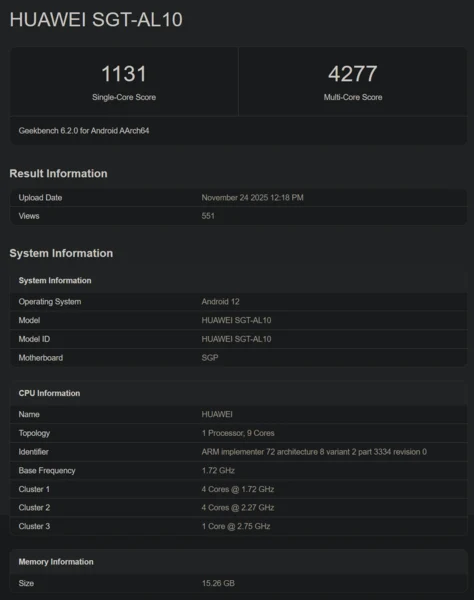
    Recently, the Kirin 9030 was found on Geekbench while being tested with the Huawei Mate 80 Pro Max (model HUAWEI SGT-AL10), which comes equipped with 16 GB of RAM. The chip includes one primary CPU core (likely from the Taishan family) running at 2.75 GHz, along with four additional cores clocked at 2.27 GHz and another four cores at 1.72 GHz. Additionally, it boasts a Maleoon 935 GPU, although detailed specifications for this GPU remain unclear.

    Performance Insights

    In the Geekbench tests, the Kirin 9030 achieved scores of 1,131 for single-core and 4,277 for multi-core performance. A leaker known as Digital Chat Station on Weibo pointed out that these results do not fully represent the chip’s capabilities, as it was not operating at its maximum speed during testing. Even when at full capacity, the Kirin 9030 is expected to fall short compared to competitors like the Snapdragon 8 Elite Gen 5 and MediaTek Dimensity, which is understandable due to its significant process node disadvantage.

    Conclusion

    In summary, while SMIC’s Kirin 9030 marks a step forward in semiconductor technology, it still has a way to go before matching leading contenders in the market. The developments in the Huawei Mate 80 series will be interesting to follow, particularly as they showcase this new chip’s potential.

    Source:
    Link


  • Huawei MatePad Edge to Support Windows Apps & DirectX Specs Leak

    Huawei MatePad Edge to Support Windows Apps & DirectX Specs Leak

    Key Takeaways

    1. Huawei has launched the MatePad Edge, a device that combines features of a tablet and a computer, aiming to compete with Microsoft’s Surface tablets.
    2. A leak suggests the MatePad Edge may run Windows applications and support DirectX 11, although not natively.
    3. The device is expected to have a Kirin 9030 SoC, up to 2 TB of storage, and 32 GB of RAM, enhancing its performance capabilities.
    4. It will feature a 14.2-inch display with a 120 Hz refresh rate, a 32 MP front camera, and a dual rear camera with a 50 MP primary sensor.
    5. The MatePad Edge is set to launch on November 25, 2025, in China, and will include features like a 6-speaker system and stylus pen compatibility.


    Huawei has recently unveiled the MatePad Edge, marking a new product category for the brand. With its design resembling both a tablet and a computer, it aims to compete directly with Microsoft’s Surface tablets. A new leak indicates that this device may also be capable of running Windows applications and supporting DirectX 11.

    Details from the Leak

    This information comes from a Weibo leaker named 看山叔, who has a reputation for revealing early insights about Huawei products. According to the leak, the MatePad Edge will support Windows apps, in addition to apps from HarmonyOS for both PC and mobile.

    However, it’s important to note that Windows applications may not run natively on this device, and the same goes for DirectX 11 support. The leak has also provided additional specifications for the Huawei MatePad Edge. As reported earlier by Digital Chat Station, a trusted source, the device is expected to offer up to 2 TB of storage and 32 GB of RAM.

    Performance Specifications

    Moreover, the leaker has mentioned that the MatePad Edge will utilize the Kirin 9030 SoC, which is anticipated to perform well in tasks that rely heavily on the CPU. Newly revealed information states that the MatePad Edge will feature a 14.2-inch display, boasting a refresh rate of 120 Hz and an impressive 94% screen-to-body ratio.

    Additionally, the device is expected to include a 32 MP front-facing camera and a dual-camera setup on the rear, with a primary sensor of 50 MP. The internal components will reportedly be driven by a robust 12,800 mAh battery, along with support for 140 W fast charging (Anker 200 W Desktop Charger currently priced at $49.99 on Amazon).

    Other Features and Launch Date

    Other notable features from this leak include a 6-speaker system, compatibility with stylus pens, and an advanced cooling system. The launch date for the Huawei MatePad Edge is scheduled for November 25, 2025, in China.


    Source:
    Link


  • Huawei Announces Mate 80 Series and Mate X7 Launch Date

    Huawei Announces Mate 80 Series and Mate X7 Launch Date

    Key Takeaways

    1. Huawei has officially announced the Mate 80 series and the premium foldable Mate X7 smartphone.
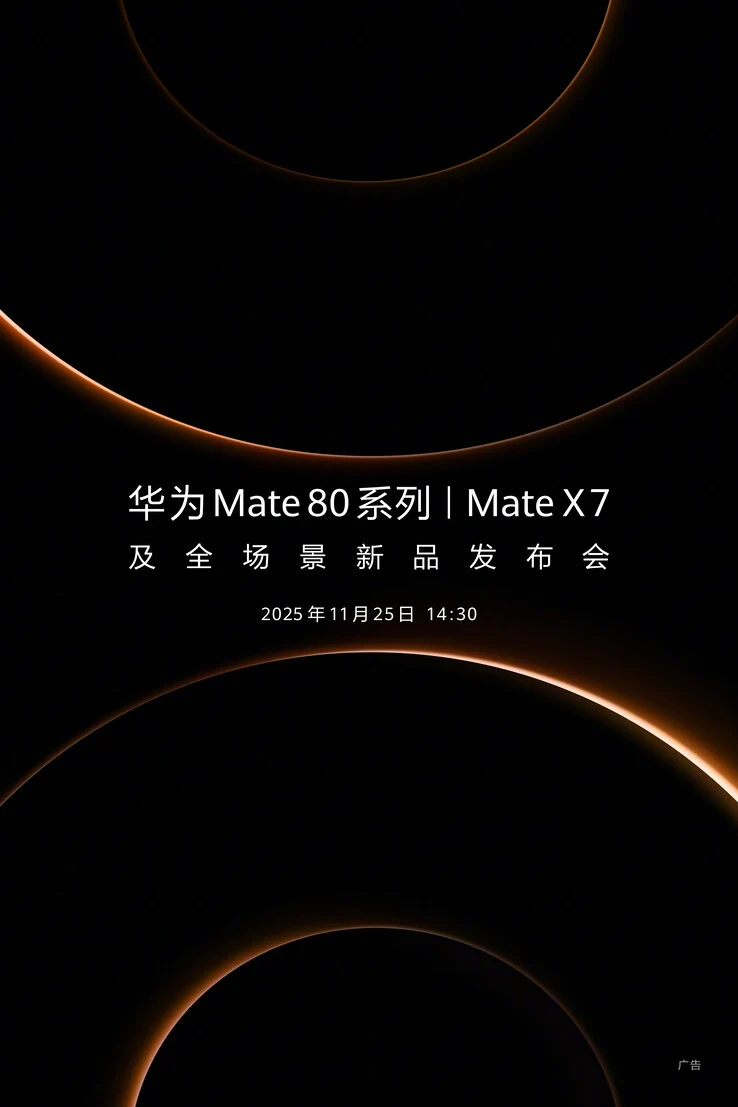
    2. The launch date for both the Mate 80 series and Mate X7 is set for November 25 in China.
    3. The Mate 80 Pro Max model is expected to feature a gold finish and a unique circular camera setup, possibly with a second cutout for magnetic accessories.
    4. The Mate X7 will replace the Mate X6 and is rumored to have a 7.95-inch inner display with 2K resolution.
    5. Both the Mate 80 series and Mate X7 will be powered by the new Kirin 9030 processor and may include up to 20GB of RAM.


    The Huawei Mate series represents the top tier of smartphones. The well-known Chinese technology company has now officially announced the Mate 80 series, which follows last year’s Mate 70 series. In addition, they have also revealed plans to introduce the Mate X7, which is a premium foldable smartphone.

    Launch Date

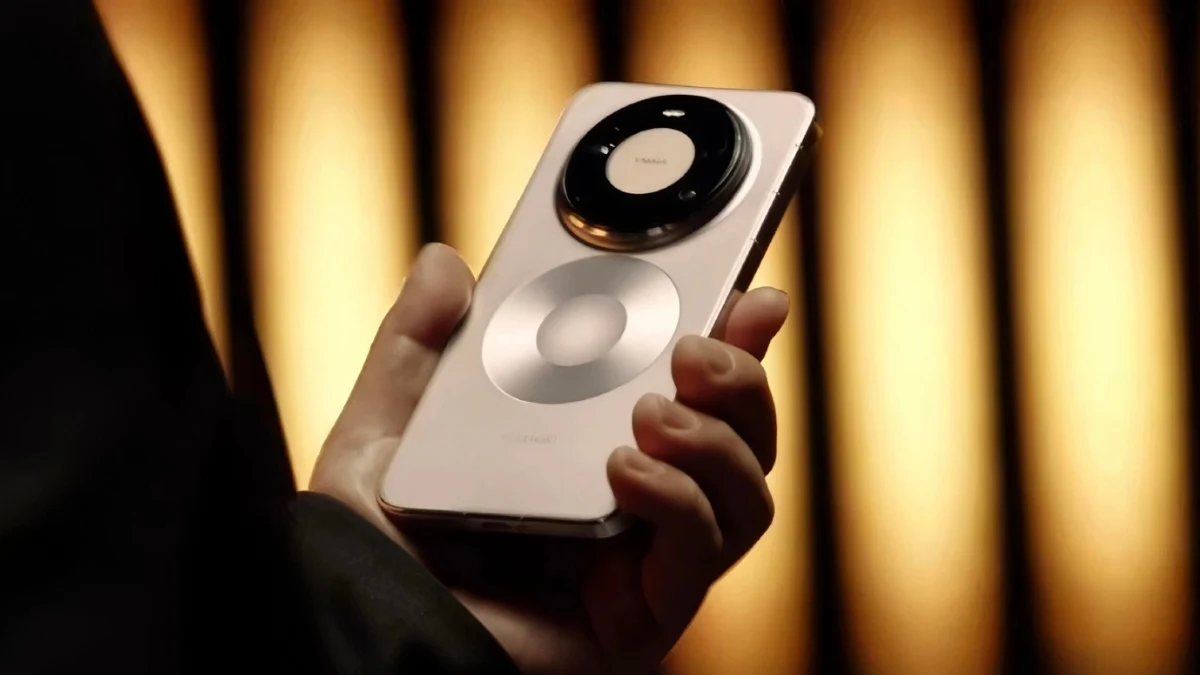
    The Mate 80 series along with the Mate X7 is scheduled for release on November 25 in China. In the meantime, a new video shared by Yu Chengdong, the CEO of Huawei Consumer Business Group, provides a sneak peek at one of the devices from the Mate 80 lineup.

    Teaser Insights

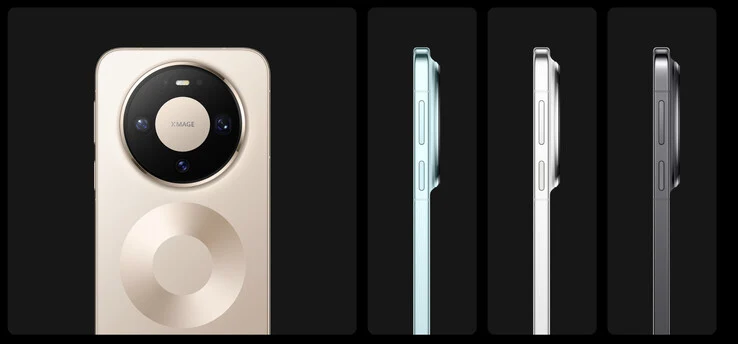
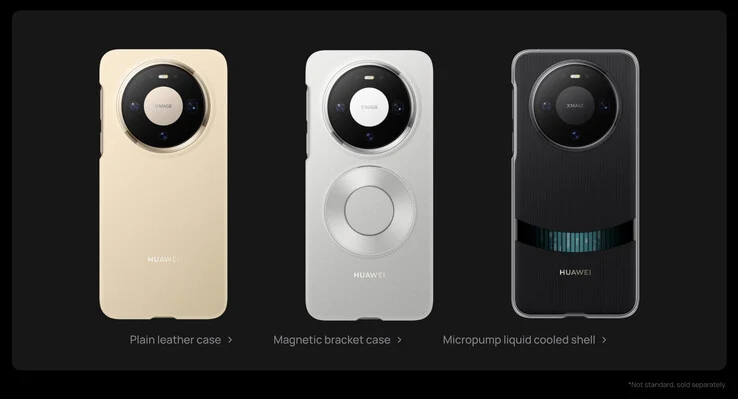
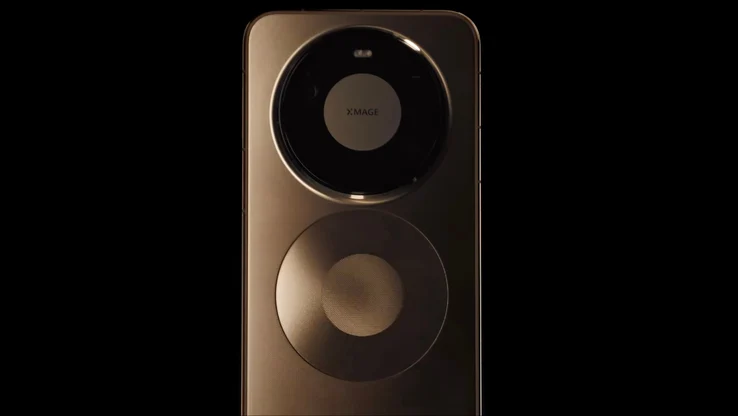
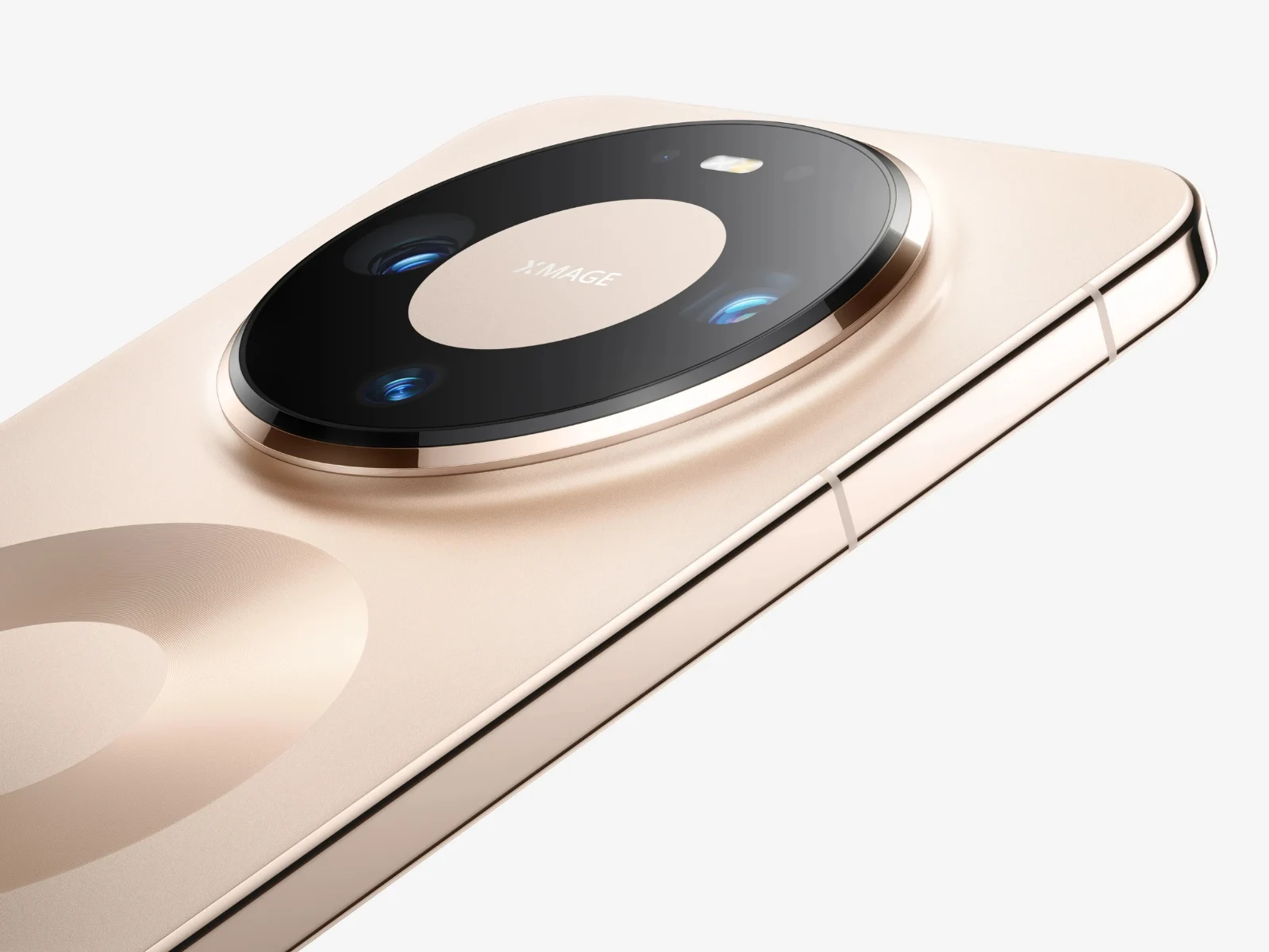
    The device showcased in the teaser is likely the anticipated Mate 80 Pro Max model, which might replace the Plus version. It features a gold finish and a recognizable circular camera setup on the back. Interestingly, there seems to be a second circular cutout, which could be Huawei’s own take on MagSafe for connecting magnetic accessories. For context, the previous Mate 70 series included various models: the standard Mate 70, Mate 70 Pro, Mate 70 Pro+, and the Mate 70 RS Ultimate.

    Mate X7 Expectations

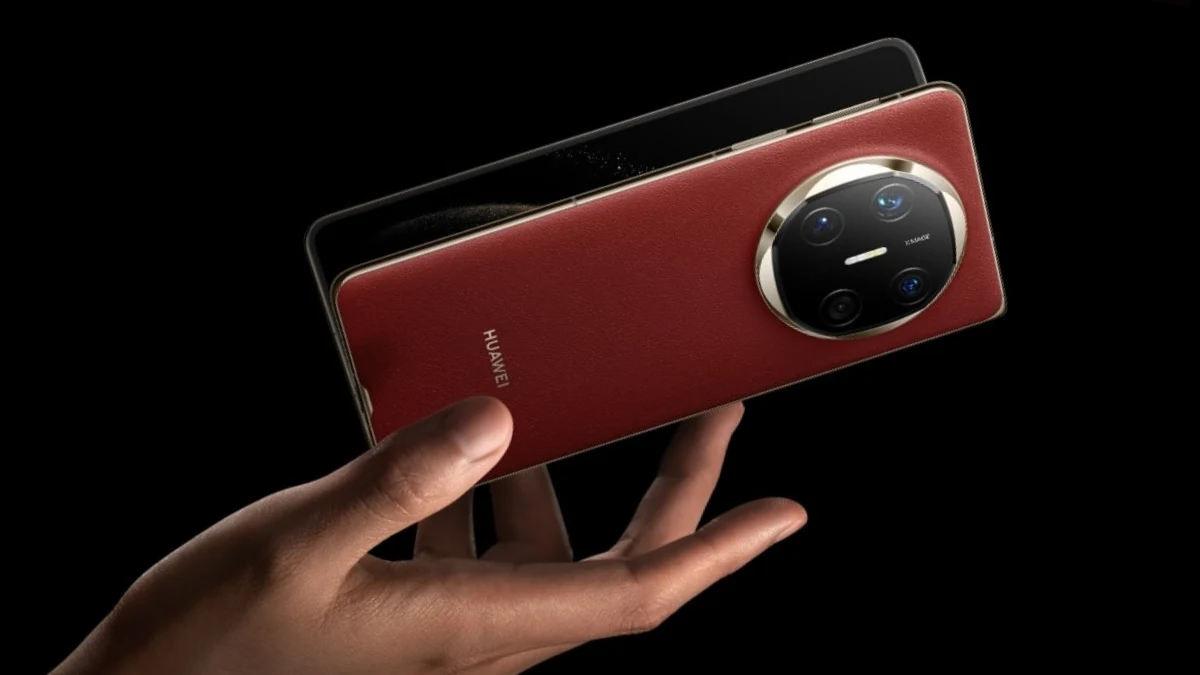
    Regarding the Mate X7, it is set to take over from last year’s Mate X6 flagship foldable smartphone. A recent leak hinted that the Mate X7 will undergo significant design changes. It’s rumored to include a 7.95-inch inner display boasting a 2K resolution. Both the Mate 80 series and the Mate X7 are expected to be driven by the new Kirin 9030 processor and can feature up to 20GB of RAM.

    Source:
    Link


  • Huawei Mate X7: Leaked Details Before November Launch

    Huawei Mate X7: Leaked Details Before November Launch

    Key Takeaways

    1. Huawei is developing a new flagship foldable device codenamed “Delphi,” likely to be called the Mate X7.
    2. The Mate X7 is expected to have a 7.95-inch inner display with LTPO technology and 2K resolution, powered by the Kirin 9030 chipset.
    3. The new chipset may offer a 20% performance boost over the previous Kirin 9020 and could be used in the upcoming Mate 80 series.
    4. The device is rumored to have a larger battery and improved camera system, potentially featuring two 50MP primary cameras.
    5. The anticipated launch for the Mate X7 is around November, mirroring the release schedule of the Mate X6.


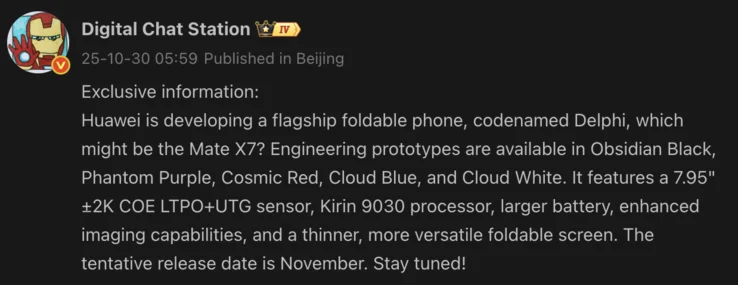
    A recent leak from Digital Chat Station, a tipster on Weibo, indicates that Huawei is developing a new flagship foldable device. This phone, believed to be codenamed “Delphi,” might be introduced as the Huawei Mate X7. The tipster has shared potential specifications, color choices, and other exciting features about the upcoming foldable phone.

    Expected Display and Performance

    The Huawei Mate X7 is anticipated to sport an inner display of 7.95 inches. It will likely use an LTPO panel with a stunning 2K resolution. The device is rumored to be powered by the Kirin 9030 chipset, which is expected to be Huawei’s next flagship processor. This chipset might also be used in the forthcoming Mate 80 series. Previous reports from Huawei Central suggest that the Kirin 9030 could deliver a 20% boost in performance compared to the Kirin 9020, which was utilized in the Mate X6 and Mate 70 series. However, there is still uncertainty regarding whether it will adopt a 5nm manufacturing process.

    Battery and Camera Upgrades

    In addition, the tipster has mentioned that the Mate X7 could feature a larger battery while still achieving a slimmer profile. Improvements in the camera system are also anticipated. Earlier leaks from the same source hinted that Huawei might be testing two 50MP primary cameras, with sensor dimensions of 1/1.56-inch and 1/1.3-inch. The prototype model is currently undergoing tests with various color options, including Obsidian Black, Phantom Purple, Cosmic Red, Cloud Blue, and Cloud White.

    Launch Timeline

    The Huawei Mate X6 was unveiled last November. It is expected that the Chinese technology company will aim for a similar launch schedule for the Mate X7. Moreover, there are expectations that the Mate 80 series could also see a release in November.

    Source:
    Link


  • Huawei Mate 80 Pro Leaks in Two Colors with Round Camera Design

    Huawei Mate 80 Pro Leaks in Two Colors with Round Camera Design

    Key Takeaways

    1. The Huawei Mate 80 series will launch in November, featuring the Mate 80 Pro in new colors like yellow and black.
    2. The camera setup has been redesigned, with a larger module and a new arrangement that includes a prominent periscope telephoto camera.
    3. The series will consist of four variants: Mate 80, Mate 80 Pro, Mate 80 Pro+, and Mate 80 RS Porsche Design, likely powered by the HiSilicon Kirin 9030 processor.
    4. The Mate 80 series is expected to have a battery capacity of at least 6,000 mAh, supporting 100W fast charging and wireless charging.
    5. The main camera will feature a larger 50 MP sensor, but additional camera details have not yet been revealed.


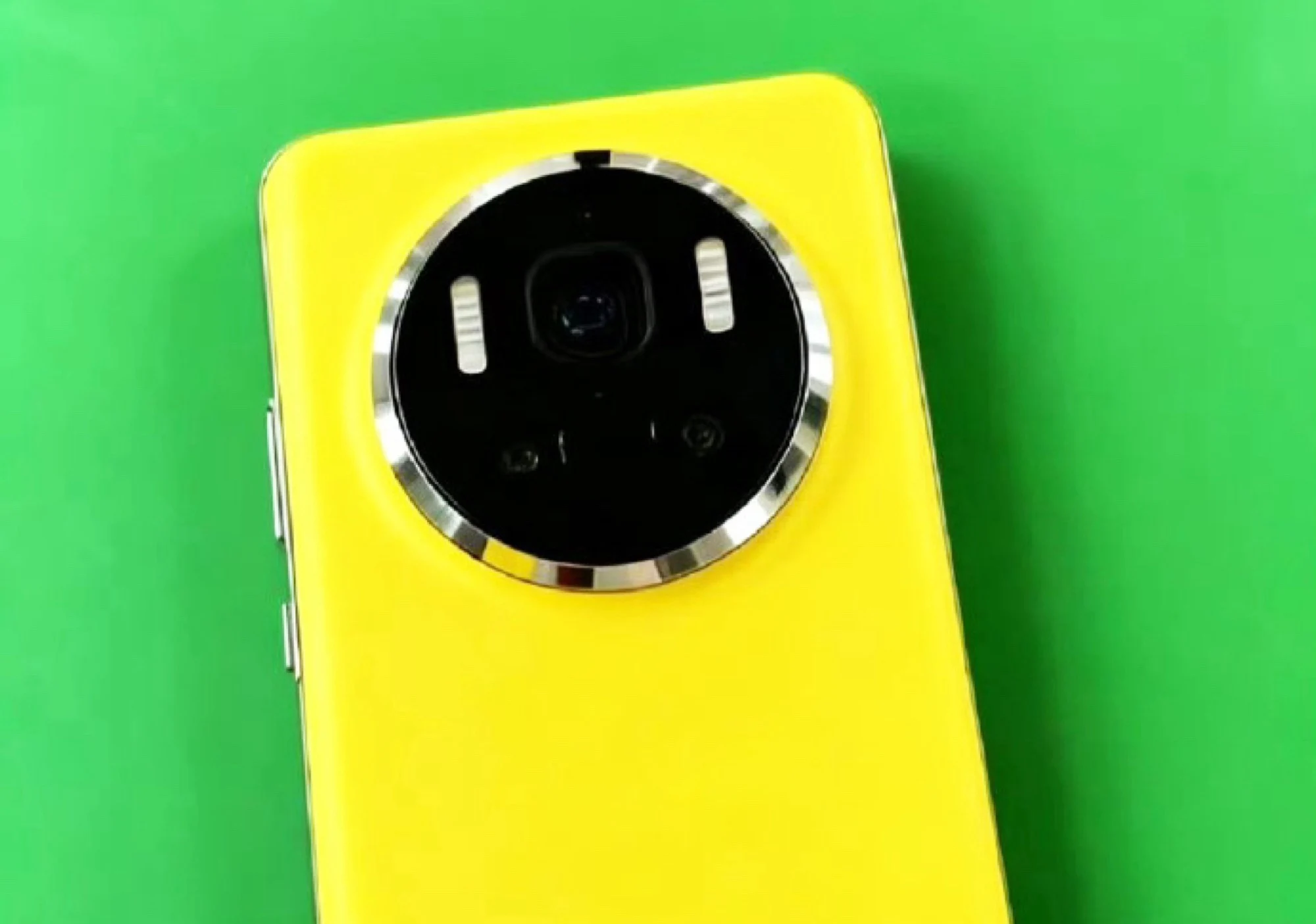
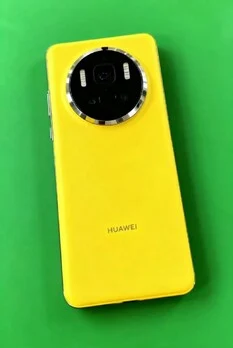
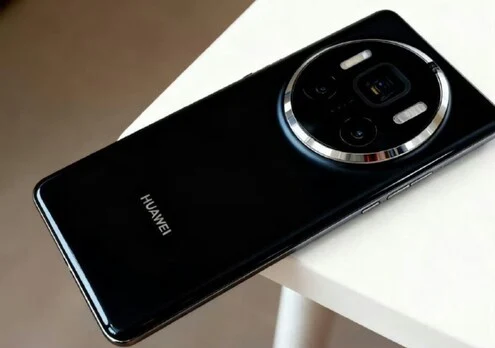
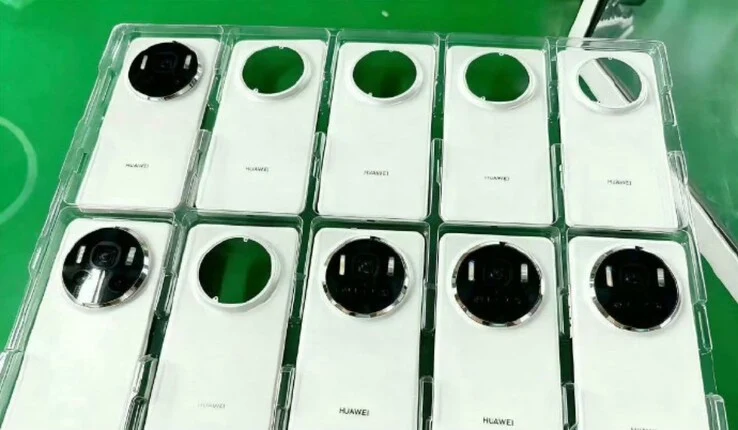
    The Huawei Mate 80 series is set to debut in November. A well-known leaker, Director Shi Guan, has recently shared three images of the Huawei Mate 80 Pro, featuring colors like yellow and black, along with a white plastic case for protection. Unlike the Pura 70 Pro, Huawei sticks with a round camera setup for the Mate series.

    Camera Setup Changes

    This new camera module is much bigger than the one on the Huawei Mate 70 Pro, and the arrangement of the cameras has been totally revamped. The periscope telephoto camera is now situated at the top center and boasts a notably larger front lens compared to its predecessor. Below it, you will find the main camera and the ultra-wide-angle camera, while two LED flashes are placed beside the telephoto camera. The purpose of the second flash is still unclear, but it’s likely that Huawei aims for enhanced performance and a greater range.

    Design and Model Variants

    The back of the phone will have a slight curve, and the frame includes a lock button along with volume controls. The Huawei Mate 80 series is anticipated to feature four variants: the Mate 80, Mate 80 Pro, a premium Mate 80 Pro+, and the exclusive Mate 80 RS Porsche Design. Speculation indicates that these flagship models will utilize the new HiSilicon Kirin 9030 processor.

    Battery and Camera Specs

    Additionally, rumors hint at a battery capacity of at least 6,000 mAh, supporting 100W fast charging through USB-C as well as wireless charging. While it’s known that the 50 MP main camera will have a bigger sensor, no other camera configuration details have been disclosed so far. The Huawei Mate 70 Pro gained attention among its rivals due to its main camera featuring a variable aperture and a periscope telephoto lens equipped with a macro function.

    Source:
    Link


  • Huawei Mate 90 Launch Expected with Latest Battery Specs

    Huawei Mate 90 Launch Expected with Latest Battery Specs

    Key Takeaways

    1. Huawei’s upcoming flagship may feature a 6,000mAh battery, an improvement over the 5,700mAh in previous models.
    2. High-end smartphones from competitors are expected to adopt around 7,000mAh batteries soon, raising the bar for battery capacity.
    3. The Mate 80 series will likely be the only lineup to feature the Kirin 9030 SoC, promising advancements in performance and connectivity.
    4. Future models, such as the Mate 90, may include Huawei’s first flagship 7,300mAh battery, potentially available before 2026.
    5. The new Kirin processor and battery advancements will be key marketing points for Huawei as they respond to increased competition.


    The well-known leaker, Digital Chat Station, is saying that Huawei’s upcoming “annual flagship” will feature a battery with an approximate capacity of 6,000mAh.

    Comparison with Previous Models

    If this information is about the Mate 80, it represents an improvement from the maximum 5,700mAh battery found in the 70-series models.

    However, this might still seem a bit lackluster when we consider that around 7,000mAh batteries are expected to become standard in high-end smartphones once devices like the Xiaomi 16 series, OnePlus 15, Realme GT 8 Pro, and the Magic8 Pro from Honor, which used to be part of Huawei, are launched.

    Unique Features of Mate 80 Series

    The Mate 80 series could respond to this competition by being the sole lineup in its generation to feature the Kirin 9030 SoC—something that will be highlighted in their marketing for the first time in several years since the US trade restrictions against the company, according to Digital Chat Station.

    This new processor is anticipated to provide “new breakthroughs” in its architecture, connectivity, and overall performance.

    Future Expectations

    Nonetheless, the Mate 90 and its variants could be worth waiting for, as they may come with Huawei’s first-ever flagship 7,300mAh battery.

    It’s interesting to point out that the phrasing in the leak indicates that this feature might actually arrive sooner than 2026, potentially in a successor to the notable Pura 80 Ultra.

    Source:
    Link


  • Huawei Mate 80 Series Launching with New Kirin Processor in 2025

    Huawei Mate 80 Series Launching with New Kirin Processor in 2025

    Key Takeaways

    1. The Kirin 9030 is expected to be a direct upgrade from the Kirin 9020.
    2. The anticipated launch of the Kirin 9030 is in 2025, coinciding with new high-end smartphones.
    3. It may be unveiled towards the end of 2025, aligning with the release of Mate 70 series models.
    4. The Kirin 9030 is likely to be used in other devices, including the Mate X7 foldable flagship.
    5. It could also power the next generation of Pura-series smartphones expected in early 2026.


    Huawei’s upcoming mobile SoC flagship is believed to be the Kirin 9030, which fits as a direct upgrade from the existing Kirin 9020, a logical progression.

    Expected Launch Timeline

    This new processor is anticipated to arrive in 2025, coinciding with the release of the company’s next high-end smartphones. While competitors like the Dimensity 9500 and Snapdragon 8 Elite 2 aim for a launch as soon as September 2025 to compete with the Apple A19 Pro, the “9030” might not be part of that competition at all.

    Potential Release Date

    Instead, it is now expected to be unveiled towards the end of the year. This timing could align perfectly for it to feature in the successors to the Mate 70, 70 Pro, Pro+, and RS models.

    The Kirin 9030 is also likely to find its way into other devices, such as the Mate X7 foldable flagship, along with its even more advanced XT 2 tri-folding version.

    Future Applications

    Furthermore, it could power the next generation of Pura-series smartphones, especially if they are set to launch in the first half of 2026, making the 9030 still a relevant option.

    Source:
    Link