Category: Phones

Stay updated with the latest phone news, reviews, and trends. Discover cutting-edge smartphones, features, and innovations in our Phones category at GizNewsDaily

  • Meizu 22: Compact Phone with Snapdragon 8s Gen 4 for $420

    Meizu 22: Compact Phone with Snapdragon 8s Gen 4 for $420

    Key Takeaways

    1. The Meizu 22 features a 6.3-inch OLED LTPO display with a 1.5K resolution, 120Hz refresh rate, and a peak brightness of 6,000 nits.
    2. It is powered by the Qualcomm Snapdragon 8s Gen 4 chip, with options for up to 16GB of RAM and 1TB of storage, and includes a vapor cooling chamber for better thermal performance.
    3. The smartphone has a versatile camera setup with a 50MP main sensor, a 50MP ultrawide camera, a 50MP periscope telephoto lens, and a 50MP front-facing camera for selfies.
    4. The Meizu 22 is equipped with a 5,510mAh battery that supports 80W wired and 66W wireless fast charging, and it runs on Flyme AIOS 2 based on Android 15.
    5. It is currently available in China with four memory options and prices ranging from CNY 2,999 (~$420) to CNY 4,199 (~$590), but no details on international availability yet.


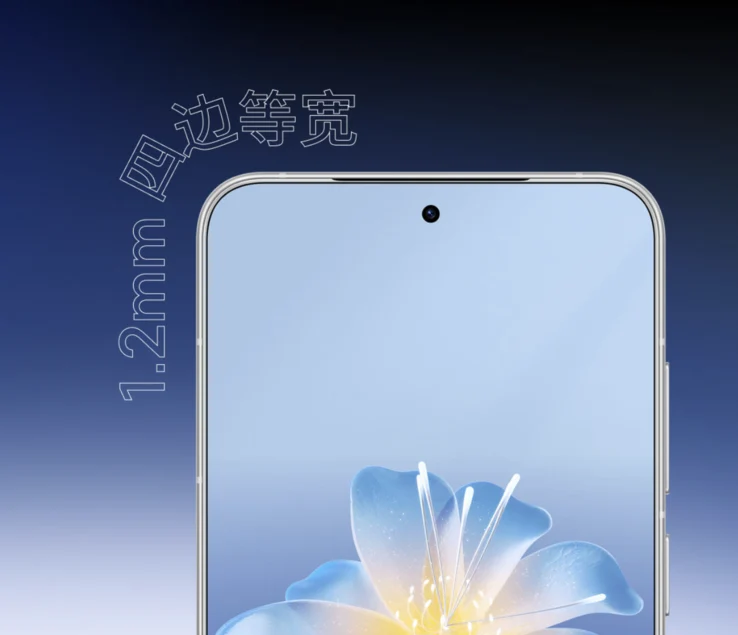
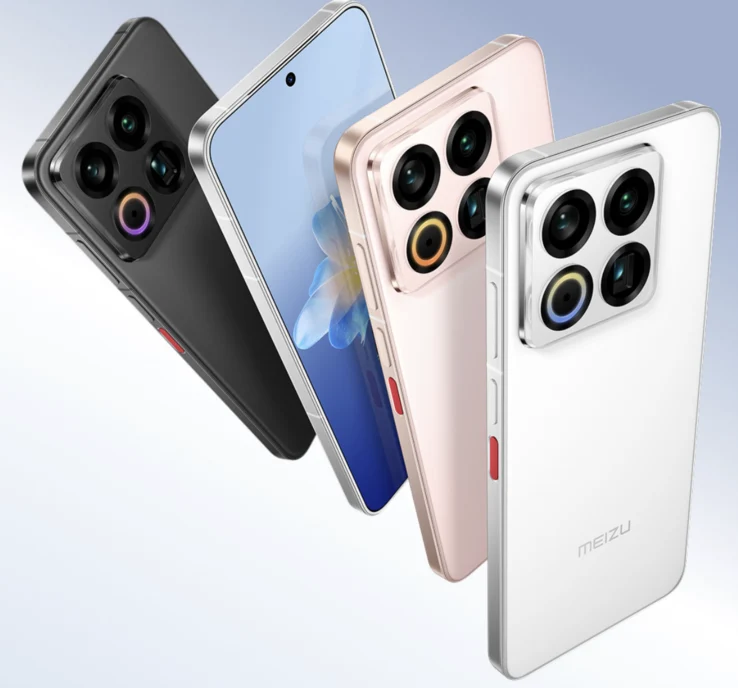
    The Meizu 22 has been revealed as the latest flagship Android smartphone from the company. It boasts a 6.3-inch OLED LTPO display that has a 1.5K resolution and a smooth 120Hz refresh rate. The device is designed with ultra-slim display bezels measuring just 1.2mm, resulting in an impressive 96.4% screen-to-body ratio. Additionally, the display can achieve a peak brightness of 6,000 nits.

    Performance Specs

    This smartphone is equipped with the Qualcomm Snapdragon 8s Gen 4 chip. Just to clarify, this is a premium 8-core processor built on a 4nm architecture that made its debut in April 2025. This chipset is also utilized in devices like the Poco F7 and Nothing Phone (3). It typically scores around 2 million on the AnTuTu V10 benchmark. To improve thermal performance, the Meizu 22 includes a vapor cooling chamber measuring 4,500 mm². Users can choose from configurations that offer up to 16GB of RAM and 1TB of storage.

    Camera Features

    On the back, the Meizu 22 is fitted with a 50MP OV50H main sensor featuring optical image stabilization, a 50MP ultrawide camera, and a 50MP periscope telephoto lens capable of 3x optical zoom. For selfies, it offers a 50MP front-facing camera.

    The device is powered by a 5,510mAh battery that supports 80W wired and 66W wireless fast charging. The Meizu 22 runs on Flyme AIOS 2, which is based on Android 15. It measures 8.15mm in thickness and weighs 190g. The smartphone also holds an IP66/IP68 rating, ensuring it’s resistant to dust and water. Available colors include Borderless Black, White, and Love Pink.

    Availability and Pricing

    The Meizu 22 has officially launched in China, but there’s no word yet on availability in other countries. It comes in four different memory options: 12GB/256GB, 12GB/512GB, 16GB/512GB, and 16GB/1TB, with prices set at CNY 2,999 (~$420), CNY 3,399 (~$477), CNY 3,699 (~$520), and CNY 4,199 (~$590), respectively.

    Source:
    Link


  • Xiaomi 17 Pro Leak Reveals Disappointing Camera Specs

    Xiaomi 17 Pro Leak Reveals Disappointing Camera Specs

    Key Takeaways

    1. The Xiaomi 17 Pro series will be powered by the Snapdragon 8 Elite Gen 5 and features a new design.
    2. It will have a Leica-enhanced triple camera setup, including a 50 MP primary sensor, a telephoto lens with 5x optical zoom, and an ultrawide lens.
    3. The camera specifications suggest a slight downgrade compared to the Xiaomi 15 Pro, particularly in low-light performance and focal length for the telephoto lens.
    4. The ultrawide lens on the 17 Pro has a longer focal length (17 mm) than the 15 Pro’s (14 mm), indicating a potential reduction in capability for wider shots.
    5. The 17 Pro Max is rumored to have a different camera setup that may be a significant upgrade over the Xiaomi 15 Pro.


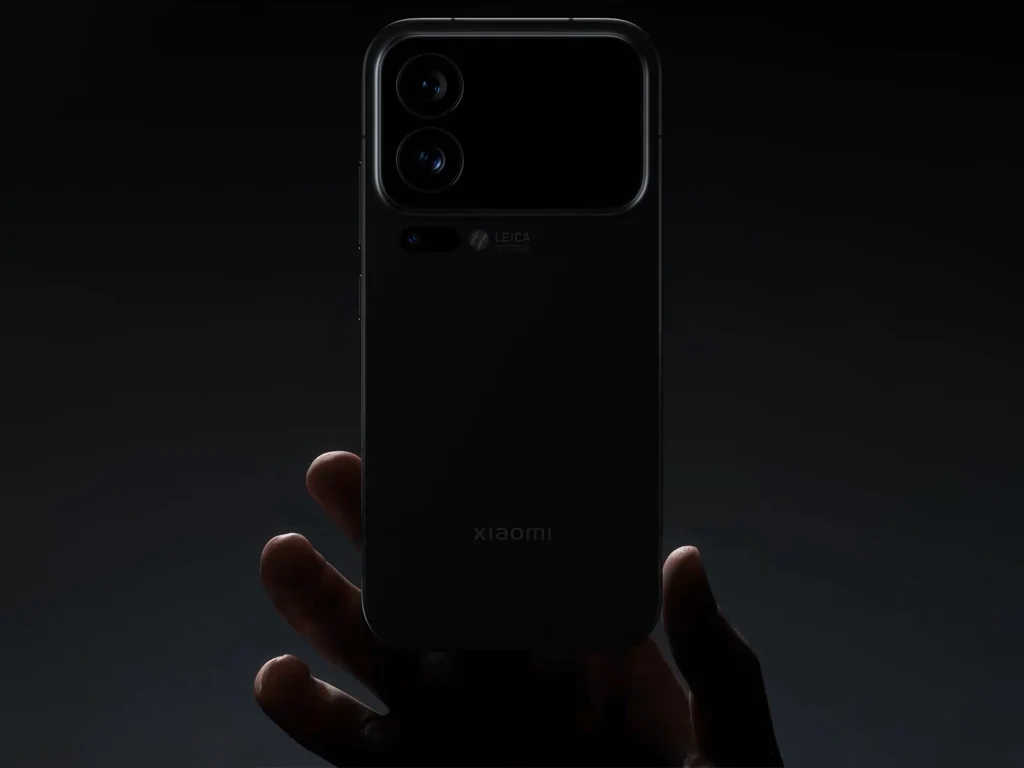
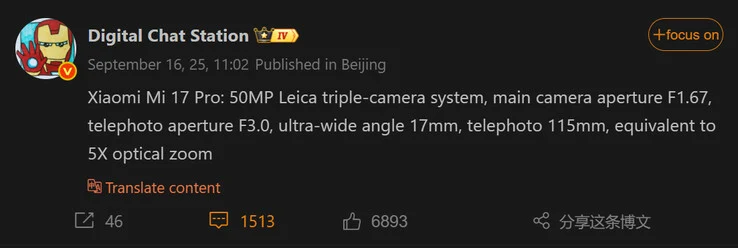
    The Xiaomi 17 Pro series has recently been revealed through an official teaser, confirming what had been hinted at by leaks. The upcoming flagship phones, powered by the Snapdragon 8 Elite Gen 5, will showcase a fresh design. Although specific specifications have not yet been disclosed by the company, a leak from the reliable Weibo leaker, Digital Chat Station, has provided insights into the camera features.

    Camera Details

    According to the information shared by Digital Chat Station, the compact Xiaomi 17 Pro will sport a Leica-enhanced triple camera arrangement. This setup includes a primary 50 MP sensor with an f/1.67 aperture. Additionally, there will be a telephoto camera boasting a 115 mm equivalent focal length, an f/3.0 aperture, and 5x optical zoom.

    As for the third sensor, it will be an ultrawide camera with a 17 mm focal length. While the resolution of the other two cameras remains undisclosed, these specifications suggest that the Xiaomi 17 Pro might experience a slight downgrade in its rear camera capabilities compared to its predecessor, the 15 Pro (12/256 GB currently priced at $706.16 on TradingShenzhen).

    Comparing with the Previous Model

    For a clearer comparison, the Xiaomi 15 Pro includes a 50 MP primary sensor that has a larger f/1.4 aperture. The telephoto camera in the previous model also provides 5x zoom but features an f/2.5 aperture along with a 120 mm equivalent focal length. This means that, in terms of light capture, the telephoto lens in the 15 Pro is superior and offers a longer focal length than its successor.

    This change could indicate a potential drop in low-light performance for the Xiaomi 17 Pro’s telephoto lens. Moreover, the shorter focal length may result in a deeper depth of field for telephoto images, which could be advantageous for landscape shots but less ideal for portrait or macro photography.

    Rumors and Future Expectations

    The leaked specifications suggest that the ultrawide lens with a 17 mm focal length is also a reduction in capability since the Xiaomi 15 Pro’s ultrawide lens with a 14 mm focal length can capture broader shots.

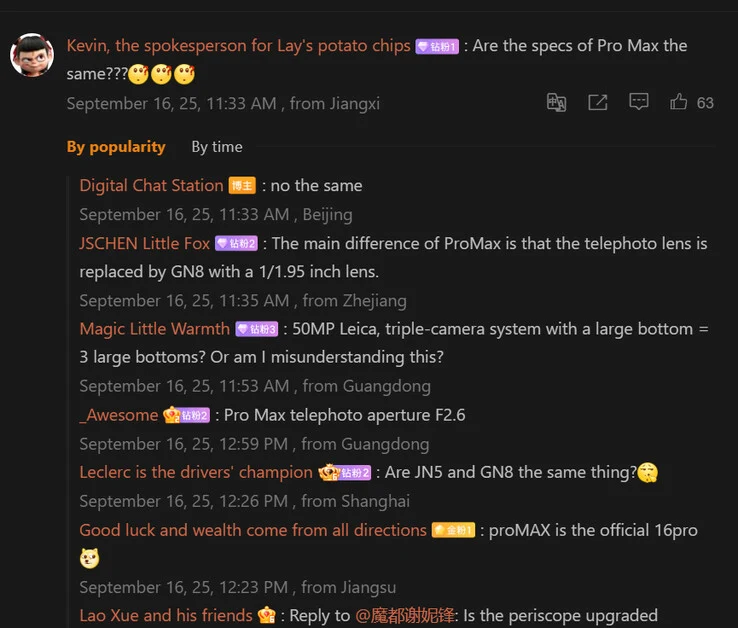
    Naturally, all these details are still speculative, and the official camera setup for the Xiaomi 17 Pro is yet to be confirmed by the company. Even if these leaks are accurate, Digital Chat Station has indicated that the 17 Pro Max will feature a different camera setup, which may present a significant enhancement over the Xiaomi 15 Pro.

    Source:
    Link


  • Upgrade Your BlackBerry Passport to Android with a Square Screen Kit

    Upgrade Your BlackBerry Passport to Android with a Square Screen Kit

    Key Takeaways

    1. Zinwa has launched the BlackBerry Q25 Pro and is developing a new model called the Q27.
    2. A DIY upgrade kit for the BlackBerry Passport will feature a MediaTek Helio G99 chipset, replacing the Qualcomm Snapdragon 801.
    3. The upgrade kit includes 12GB of RAM, 256GB of UFS 2.1 storage, an NFC chip, and a USB-C port.
    4. Camera improvements include a new 50MP main camera and an 8MP front camera, with Android 14 pre-installed.
    5. Key hardware features like the 4.5-inch touchscreen, 3,450mAh battery, and QWERTY keyboard will remain unchanged from the original BlackBerry Passport.


    Zinwa has recently introduced a fresh version of the BlackBerry Q20 Classic, dubbed the Q25 Pro, and is also working on a brand-new BlackBerry-style smartphone known as the Q27. In addition, the company is set to release a DIY upgrade kit for the BlackBerry Passport. Although the pricing and availability details are yet to be disclosed, Zinwa has verified that the specifications are nearly the same as those of the Zinwa Q25 Pro.

    Upgrade Kit Features

    The upgrade kit will replace the mainboard, which shifts out the Qualcomm Snapdragon 801 in the BlackBerry Passport for a more up-to-date MediaTek Helio G99. This new chipset includes two ARM Cortex-A76 performance cores that can boost up to 2.2GHz, six Cortex-A55 efficiency cores, and comes with a built-in 4G modem. Zinwa is pairing this chip with 12GB of RAM and 256GB of UFS 2.1 storage. Furthermore, the kit will introduce an NFC chip and a USB-C port for charging convenience.

    Camera Enhancements

    Camera capabilities are also improved, featuring an 8MP front camera and a 50MP main camera. The upgrade kit will come pre-installed with Android 14; however, Zinwa has not announced if newer Android updates will be provided in the future. Other hardware elements, such as the square 4.5-inch touchscreen with a resolution of 1440 x 1440 pixels, the 3,450mAh battery, and the QWERTY keyboard, will remain the same as the original BlackBerry Passport. For reference, the BlackBerry Passport was first released in September 2014 with a manufacturer’s suggested retail price of $599.

    Source:
    Link


  • Shrinkflation in Smartphones: A Growing Concern for Consumers

    Shrinkflation in Smartphones: A Growing Concern for Consumers

    Key Takeaways

    1. Many new smartphones are released annually, creating excitement among consumers for upgrades and new features.
    2. Not all smartphones show improvement over their predecessors; some models may regress in key areas.
    3. The OnePlus Nord 5 has switched from a premium metal unibody design to a plastic body compared to the Nord 4.
    4. The OnePlus Nord 5 has lower storage and RAM options than the previous model, reducing its overall capabilities.
    5. The OnePlus Nord 5 lacks the iconic physical notification slider, replacing it with a new programmable Plus Key.


    Hundreds of new smartphones are released each year, and many consumers eagerly anticipate these new gadgets. This excitement could stem from the need for an upgrade or a desire to see how the features and specifications of these devices are advancing.

    Not All Phones Show Improvement

    However, not every phone demonstrates progress compared to its predecessor. In fact, some models take noticeable steps backward. A case in point is the OnePlus Nord 5, which we recently reviewed. It’s certainly a solid device that received a decent overall score in our evaluation.

    Comparing with the Previous Model

    Yet, when you compare it to last year’s OnePlus Nord 4, the reductions are quite apparent. In 2024, OnePlus promoted a metal unibody design in a premium mid-range smartphone priced under €500. The Nord 5, however, has switched to a plastic body. While the design remains sturdy and visually appealing, it lacks the premium feel and is far less impressive.

    The OnePlus Nord 5 also shows a decline in storage capabilities. It now only features UFS 3.1 flash, while the previous model boasted the faster UFS 4.0. Additionally, the RAM has decreased, with options of 8GB or 12GB instead of the earlier 12GB or 16GB. Although this may not significantly affect everyday usage, it is still a step down.

    Missing Iconic Features

    Another notable absence is the physical notification slider, which has been a classic element of OnePlus devices. Instead, there’s a new programmable Plus Key.

    Source:
    Link


  • Vivo X300 Beats Vivo X200 Ultra in Early Benchmark Tests

    Vivo X300 Beats Vivo X200 Ultra in Early Benchmark Tests

    Key Takeaways

    1. Vivo is launching its flagship smartphones, the X300 and X300 Pro, in China, competing with Oppo’s Find X9 and Find X9 Pro.
    2. Both Vivo and Oppo will use the new Dimensity 9500 chipset, set to be introduced by MediaTek on September 22.
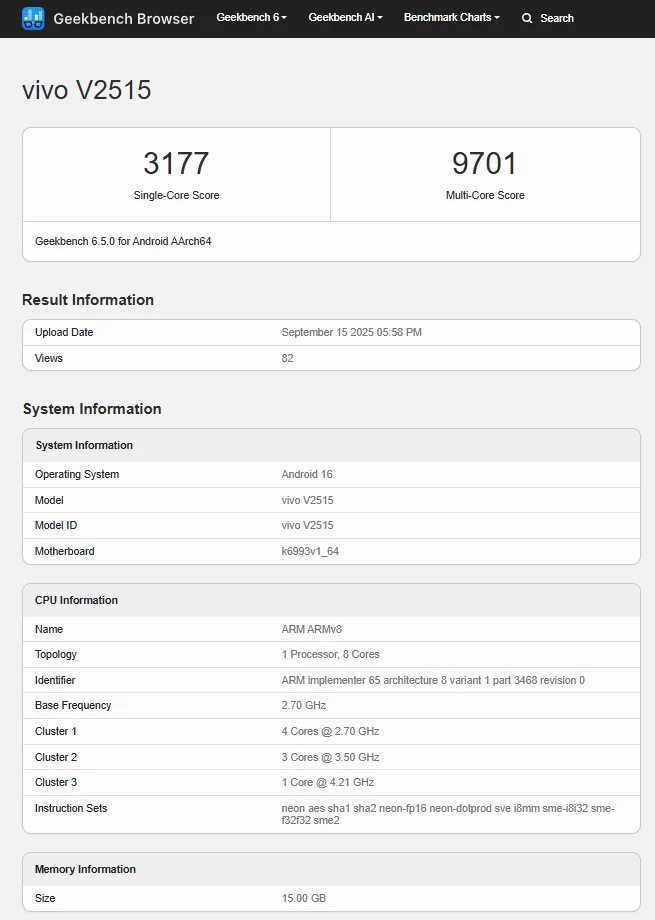
    3. The Vivo X300 has shown significant performance improvements, with a 27.8% increase in single-core and a 32.5% increase in multi-core scores on Geekbench.
    4. The Dimensity 9500 chipset offers over 30% better multi-core performance and a 59% increase in single-core performance compared to the previous Dimensity 9400.
    5. While the Vivo X300 outperforms the X200 Ultra, it still lags behind some Snapdragon 8 Elite-powered smartphones, and its global release date remains uncertain.


    Vivo is currently putting its efforts into launching its upcoming flagship smartphones in China. The company is promoting the X300 and X300 Pro while Oppo prepares to unveil the Find X9 and Find X9 Pro in the same region. Furthermore, both companies will utilize the same Dimensity 9500 chipset, which MediaTek is set to introduce on September 22.

    Benchmarking Insights

    Recently, the global variant of the Vivo X300 has been spotted on Geekbench. Interestingly, the Chinese version also appeared on this benchmarking site about a month earlier. During this period, the single-core performance has risen by 27.8%, reaching a score of 3,177. At the same time, the multi-core performance has seen a boost of 32.5%.

    Performance Comparison

    Consequently, the Dimensity 9500 showcased below achieves more than 30% better multi-core results compared to the averages from the Dimensity 9400 in our assessments. Even more impressively, the upcoming chipset delivers a staggering 59% increase in single-core performance on Geekbench 6. Additionally, the Vivo X300 surpasses the Vivo X200 Ultra in the same tests, which recorded averages of 2,976 and 9,284 with its Snapdragon 8 Elite processor and 16 GB of RAM.

    Market Positioning

    That said, the Vivo X300 still falls behind some smartphones powered by the Snapdragon 8 Elite, such as the Asus ROG Phone 9 Pro and the RedMagic 10S Pro (currently priced at $949 on Amazon). Nevertheless, the leaked benchmark results suggest that Vivo plans to release the X300 globally with 16 GB of RAM. Unfortunately, it is still unclear when the Vivo X300 will be launched officially outside of China, or if the X300 Pro will debut at the same time.

    Source:
    Link


  • Sony Xperia 1 VII Receives Major Android 16 Update

    Sony Xperia 1 VII Receives Major Android 16 Update

    Key Takeaways

    1. The Sony Xperia 1 VII is back on sale after fixing a mainboard issue and has received its first major Android update to version 71.1.A.2.68, upgrading it to Android 16.
    2. The update is 1.1 GB and includes minor user interface tweaks but does not feature Google’s new “Material 3 Expressive” design.
    3. Security enhancements include Google’s Advanced Protection feature, which needs to be manually activated to block unsafe apps and websites, as well as scam calls.
    4. Sony does not support Live Updates, but the new notifications in Android 16 are better grouped, and there are improvements for hearing aid support.
    5. Users can now capture and share screenshots as HDR images with the Android 16 update.


    The Sony Xperia 1 VII is back on the market after a halt in sales due to a mainboard problem. Now, the company has rolled out its first significant Android update for this flagship device. The Xperia 1 VII originally launched with Android 15, and Sony has promised updates will continue through Android 19.

    Update Details

    The new update, version 71.1.A.2.68, is a hefty 1.1 GB download and upgrades the device to Android 16. However, the update doesn’t bring as many changes as one might expect on a Google Pixel phone. Sony has only made slight tweaks to the user interface and hasn’t integrated Google’s new “Material 3 Expressive” design. Many users on Reddit have shared their dissatisfaction, although Sony has at least improved some system settings.

    Security Enhancements

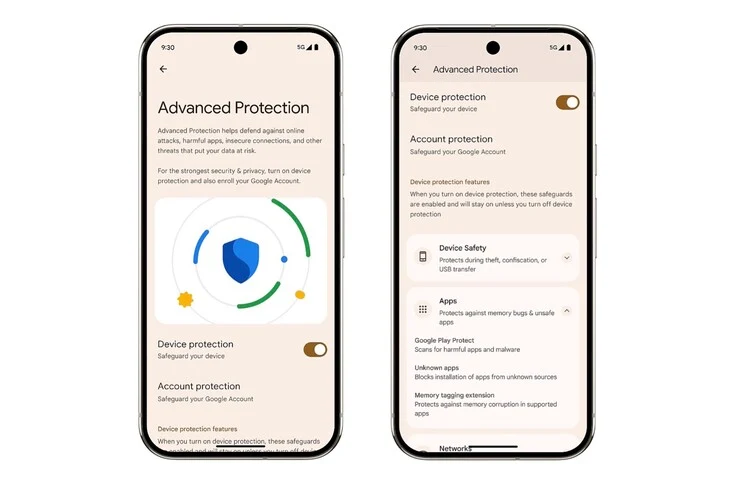
    The Android 16 update also brings a variety of security enhancements. The Advanced Protection feature from Google aims to shield users from malware and different types of attacks, but it needs to be turned on manually in the settings. When activated, this feature blocks apps and websites that Google has deemed unsafe, while also attempting to identify and block scam calls in most situations.

    New Features and Improvements

    Currently, Sony does not support Live Updates, which are a new form of push notifications capable of being continuously updated—for example, to show the estimated time of arrival for a food delivery. Yet, the notifications in Android 16 are designed to be more intelligently grouped, and there are improvements in support for hearing aids. Finally, Android 16 enables users to capture and share screenshots as HDR images.

    Source:
    Link


  • Pixel 10 GPU Performance Issues May Be Fixed with Driver Update

    Pixel 10 GPU Performance Issues May Be Fixed with Driver Update

    Key Takeaways

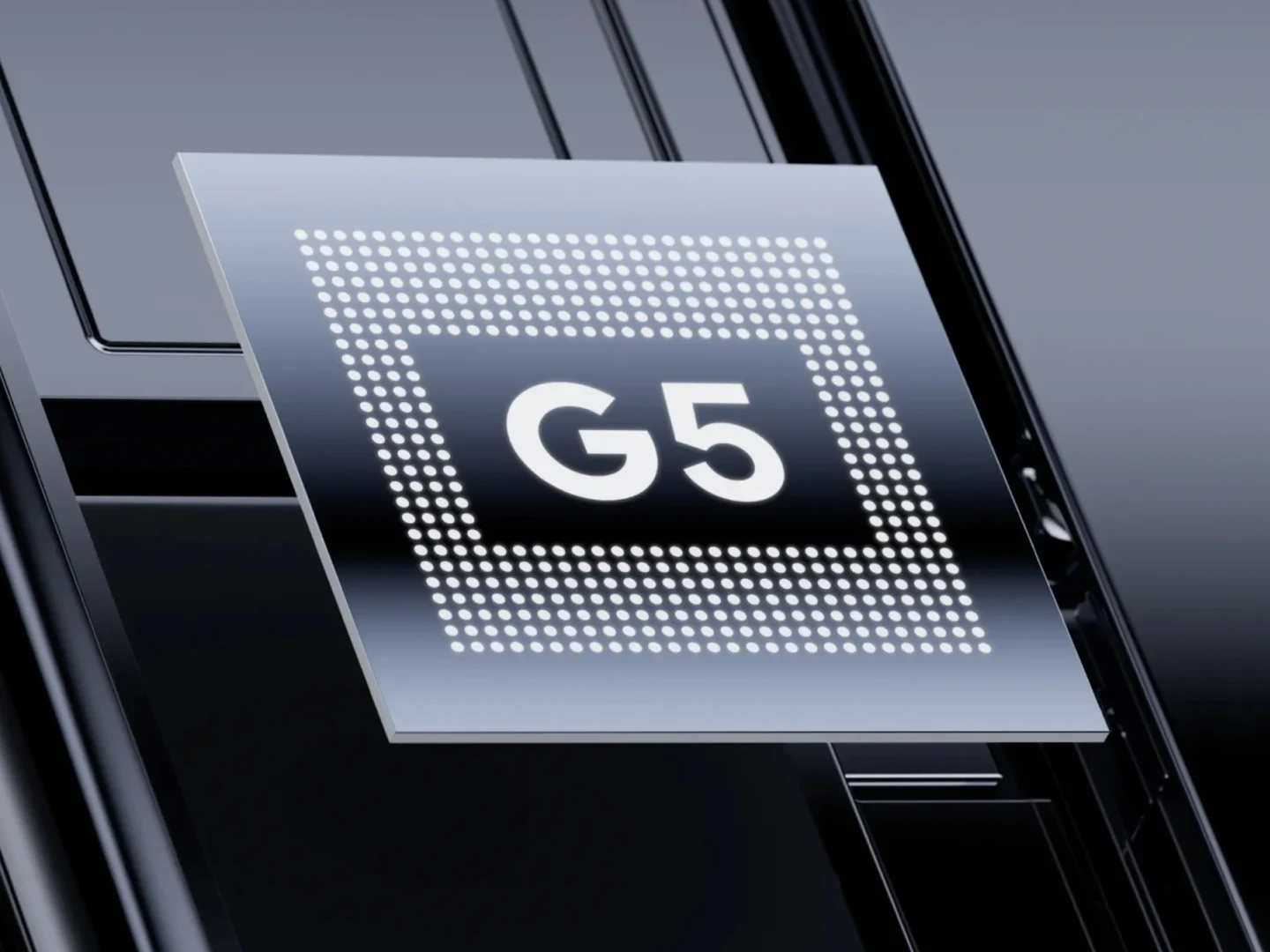
    1. Google launched the Pixel 10 series on August 20, featuring the new Tensor G5 chip, which is built on a 3 nm process for improved performance.
    2. The Tensor G5’s GPU, PowerVR DXT-48-1536, shows disappointing real-world performance, particularly under load, despite strong theoretical specifications.
    3. The Pixel 10 phones are currently using an outdated GPU driver (version 24.3), which is likely limiting their performance.
    4. A new driver (version 25.1) from Imagination Technologies is available, which supports Vulkan 1.4 and could significantly improve performance.
    5. Google needs to prioritize releasing the updated driver to unlock the full potential of the Tensor G5 in the Pixel 10 devices.


    Google revealed its Pixel 10 series on August 20, and while the design changes were minor, there were notable enhancements inside the device. The new SoC, Tensor G5, is Google’s first chip built on a 3 nm process, which theoretically should lead to a significant boost in performance. Despite this, real-world performance has been less impressive, especially regarding the GPU. Thankfully, there may be an easy solution, provided Google takes action.

    GPU Specifications and Performance

    The Tensor G5 is equipped with a PowerVR DXT-48-1536 GPU made by Imagination Technologies. On paper, this GPU appears to be robust, supporting Vulkan 1.3 with a theoretical performance of 1.5 TFLOPS FP32 and a maximum clock speed of 1,100 MHz. However, tests in the real world and synthetic benchmarks reveal performance levels that do not align with the SoC’s potential. Users have also observed that the GPU remains at a low idle frequency of 396 MHz, even when under significant load (source: Android Police).

    Driver Issues Affecting Performance

    It has come to light that the Pixel 10 phones are using an outdated driver, version 24.3, which likely contributes to the disappointing GPU performance. Fortunately, Imagination Technologies has rolled out a new driver, version 25.1, which adds support for Vulkan 1.4, enhances OpenCL features, and ensures compatibility with Android 16. This update is expected to enhance real-world performance and enable the Tensor G5 in the Pixel 10 devices to reach its full potential.

    What’s Next for Google?

    The next step is for Google to push out a driver update. Although the latest GPU driver was made available before the Pixel 10 series was introduced, the phones have continued to run an earlier version. It remains uncertain how high a priority driver updates are for Google. Nonetheless, the company has already addressed issues with red, green, and white lines appearing on some Pixel 10 units, making it possible that the GPU performance fix could be the next item on their agenda.

    Source:
    Link


  • Xiaomi 17 Pro Appears on Geekbench with Snapdragon 8 Elite Gen 5

    Xiaomi 17 Pro Appears on Geekbench with Snapdragon 8 Elite Gen 5

    Key Takeaways

    1. The Oppo Find X9 Pro and Vivo X300 are featuring MediaTek’s Dimensity 9500 chip, aiming to compete with Qualcomm’s Snapdragon 8 Elite Gen 5.
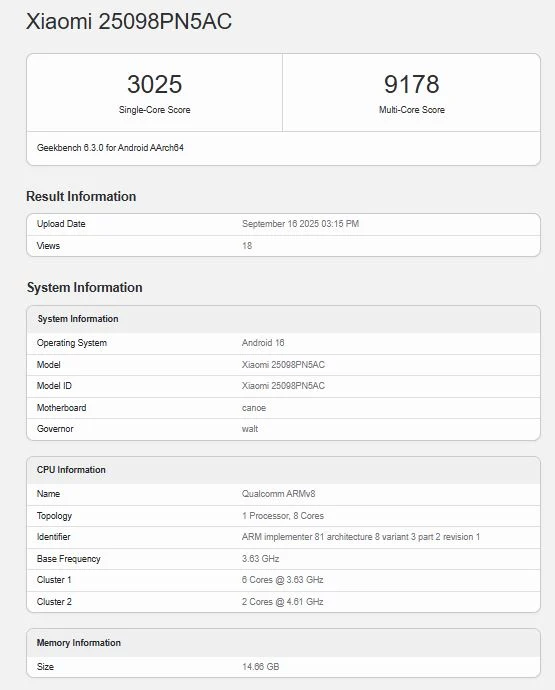
    2. The Xiaomi 17 Pro has shown benchmarks on Geekbench with a single-core score of 3,025 and a multi-core score of 9,178, which are considered underwhelming.
    3. Previous Snapdragon 8 Elite devices, like the Oppo Find X8 Ultra and Asus Zenfone 12 Ultra, have achieved similar or better benchmark scores compared to the Xiaomi 17 Pro.
    4. The testing conditions for the benchmark results are unclear, which may affect the perceived performance of the Xiaomi 17 Pro.
    5. The Xiaomi 17 Pro is equipped with 16 GB of RAM and Qualcomm’s Adreno 840 GPU, but its performance is not as strong as the Oppo Find X Pro with the Dimensity 9500.


    Both the Oppo Find X9 Pro and Vivo X300 have recently been spotted on Geekbench showcasing MediaTek’s Dimensity 9500 chip. This new processor is set to compete against Qualcomm’s Snapdragon 8 Elite Gen 5, which has also been seen on Geekbench with the forthcoming Xiaomi 17 Pro.

    Xiaomi 17 Pro Benchmark Results

    The Xiaomi 17 Pro has appeared on Geekbench just before its launch scheduled for later this month. It carries the model number “25098PN5AC” and has achieved a single-core score of 3,025 and a multi-core score of 9,178. Unfortuantly, these results are quite underwhelming, as we’ve previously seen similar or slightly higher scores from Snapdragon 8 Elite devices like the Oppo Find X8 Ultra and the Asus Zenfone 12 Ultra (available on Amazon). In fact, it’s also not as good as the results from the Oppo Find X Pro powered by the Dimensity 9500.

    Testing Conditions and Specifications

    Like all benchmark sightings that take place before a device’s official launch, the specific testing conditions remain unclear, which could explain the unsatisfactory scores. Nevertheless, the Snapdragon 8 Elite Gen 5 on this device was tested at what seems to be standard speeds, featuring six cores clocked at 3.63 GHz and two performance cores at 4.61 GHz. Moreover, this phone is equipped with 16 GB of RAM and Qualcomm’s Adreno 840 GPU.

    Source:
    Link


  • Vivo X300 Series Launch: New Advanced CarPlay Features

    Vivo X300 Series Launch: New Advanced CarPlay Features

    Key Takeaways

    1. The X300 and X300 Pro smartphones will launch in 2025, featuring advanced connectivity for smart car users.
    2. The “car screen mirroring” feature will enhance control over a car’s console display when using Vivo smartphones.
    3. OriginOS 6 will allow users to start their cars remotely and open the trunk using voice commands.
    4. Vivo’s assistant, Xiao V, will evolve into “Xiao P” for in-car assistance, helping with messages and navigation.
    5. The screen mirroring feature is compatible with over 1 million vehicles, but initial Xiao V (or P) features will only work with the XPeng P7.


    The X300 and X300 Pro are set to launch in 2025, bringing Vivo’s closest version of AirDrop yet. They are also expected to be the perfect smartphones for users who own smart cars.

    Enhancements in Car Connectivity

    Bucky, a software director at the company, shared on Weibo that the new flagship models will improve on the existing “car screen mirroring” feature of OriginOS. This function allows Vivo smartphones to take control of a car’s main console display as soon as the user enters the vehicle.

    Exciting New Features

    With the introduction of OriginOS 6, which will accompany the X300 series, users will be able to start their cars remotely. This update may even include the ability to open the trunk using voice commands through Vivo’s assistant, Xiao V.

    A New Assistant on the Road

    While in the car, Xiao V is set to transform into “Xiao P,” showcasing Vivo’s ambition to bring a touch of Knight Rider into reality. However, instead of a fully autonomous AI, it will primarily help users send and receive messages while driving and transfer addresses from their phones to the car’s navigation system.

    Current Reach and Future Compatibility

    Vivo’s screen mirroring feature has reportedly made its way into over 1 million vehicles, primarily those sold in China by companies like BYD, MG, and Leapmotor. However, the Xiao V (or P) features in OriginOS 6 will initially only be compatible with one vehicle, the P7 from XPeng, upon its launch.

    Source:
    Link


  • Xiaomi 17 Pro Expected to Cost 45% Less Than iPhone 17 Pro

    Xiaomi 17 Pro Expected to Cost 45% Less Than iPhone 17 Pro

    Key Takeaways

    1. The iPhone 17 Pro does not match Evan Blass’ pre-launch concept, while the Xiaomi 17 Pro meets its promotional promises with a rear-facing display.

    2. The Xiaomi 17 Pro will feature a “Magic Back Screen,” a 6.3-inch display, and is powered by the Snapdragon 8 Elite Gen 5 SoC.

    3. Priced at around 5,999 yuan ($843), the Xiaomi 17 Pro offers three cameras, while the iPhone 17 has two and costs more for lesser storage.

    4. The Xiaomi 17 Pro’s price is significantly lower than the iPhone 17 Pro, potentially costing 54.5% less for similar storage options.

    5. The Xiaomi 17 Pro is expected to launch primarily in the Chinese market, similar to previous Xiaomi models, limiting its availability elsewhere.


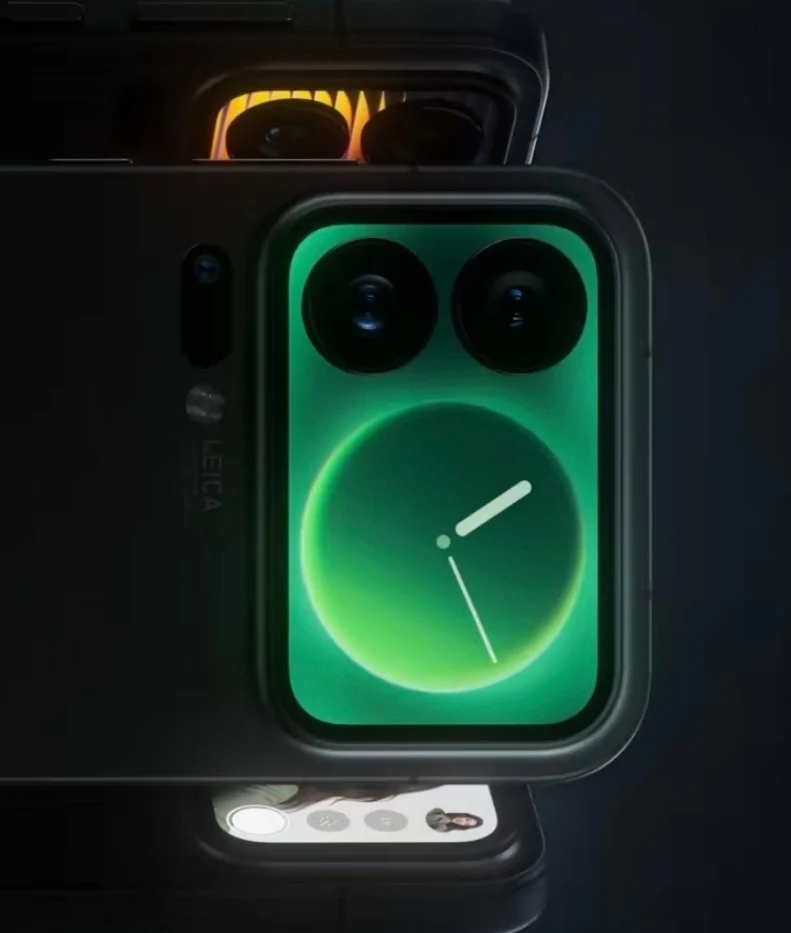
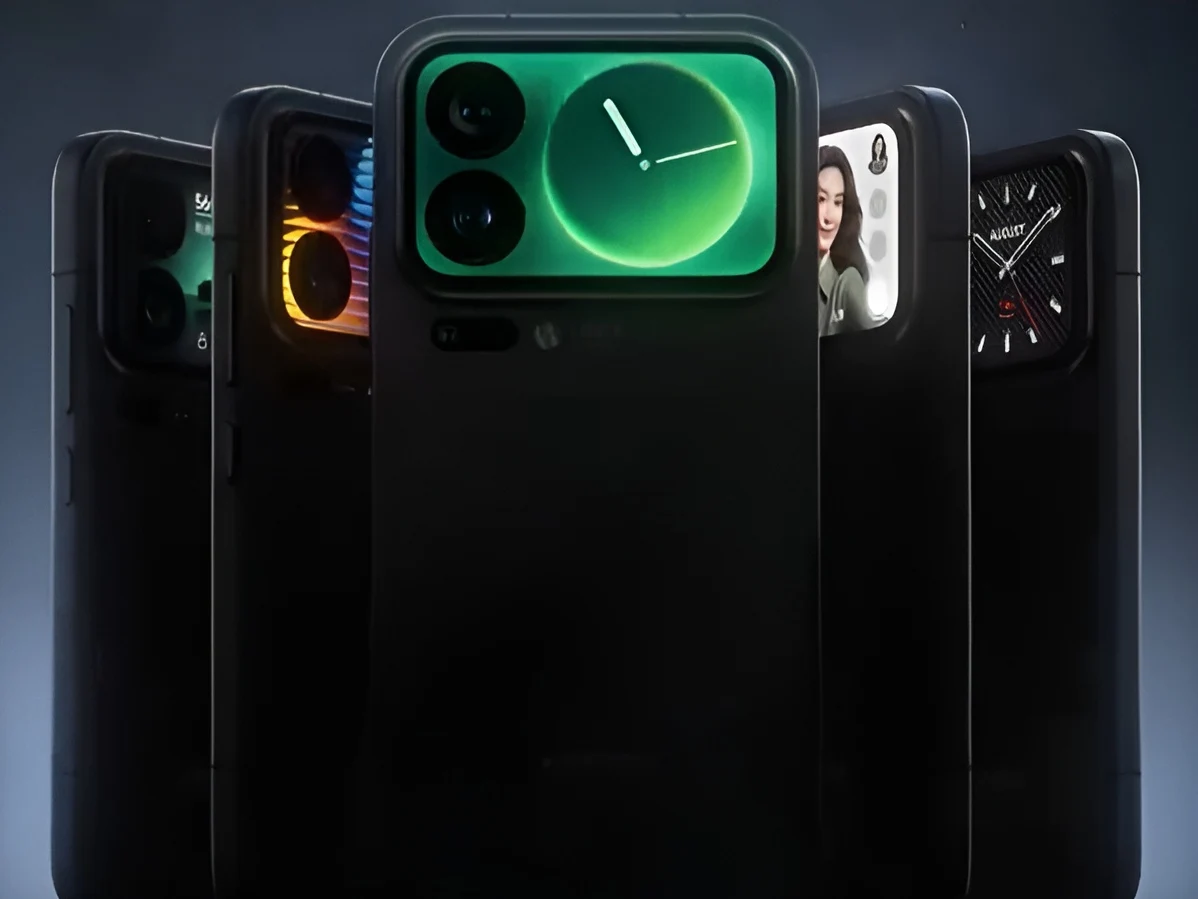
    The iPhone 17 Pro has officially missed the mark on Evan Blass’ pre-launch concept, which showcased a rear-facing display with a camera hump. In contrast, the Xiaomi 17 Pro is set to deliver on its promise, as indicated by its genuine promotional materials.

    Exciting Features of the Xiaomi 17 Pro

    This device is expected to feature a “Magic Back Screen,” maintaining a form factor around 6.3 inches, alongside a sleek, high-end display powered by the Snapdragon 8 Elite Gen 5 SoC. This new chip is seen as Qualcomm’s response to Apple’s A19 Pro.

    Competitive Pricing Comparison

    The Xiaomi 17 Pro is anticipated to be priced around 5,999 yuan (approximately $843), which coincides with the recently announced starting price of the standard iPhone 17. The iPhone 17 has two rear cameras, while the Xiaomi 17 Pro is believed to have three cameras, similar to the iPhone 17 Pro, and it runs on the more basic A19 processor.

    In addition, the stated price for the Xiaomi 17 Pro is for a model with 512GB of storage, while Apple charges the same for a 256GB version of the iPhone 17. The current iPhone 17 Pro starts at 8,999 yuan (about $1,265) for the same base storage, with the 512GB variant priced at 10,999 yuan (around $1,546).

    Market Exclusivity Insights

    If the forecast from well-known leaker Digital Chat Station comes true, the Xiaomi 17 Pro could be offered at just 54.5% of the price of its Apple counterpart with equivalent storage.

    It’s important to note that these predictions seem to pertain mainly to the Chinese market, as the 17 Pro is likely to launch exclusively there, much like the 15 Pro did previously. The 15 Pro isn’t even available on Amazon, while its compact flagship counterpart, the 15, is readily accessible.

    Source:
    Link