Key Takeaways
1. The Samsung Galaxy S25 Ultra may feature a variable-aperture camera, a technology not seen since the Galaxy S10 in 2019.
2. Samsung’s variable-aperture camera development is primarily aimed at competing with flagship devices from Chinese brands and Apple.
3. Apple plans to introduce a variable-aperture camera in the iPhone 19 Pro, set for release in 2027.
4. Chinese brands, such as Xiaomi, are expected to launch high-end devices with variable apertures as early as late next year, while Huawei currently leads in this technology.
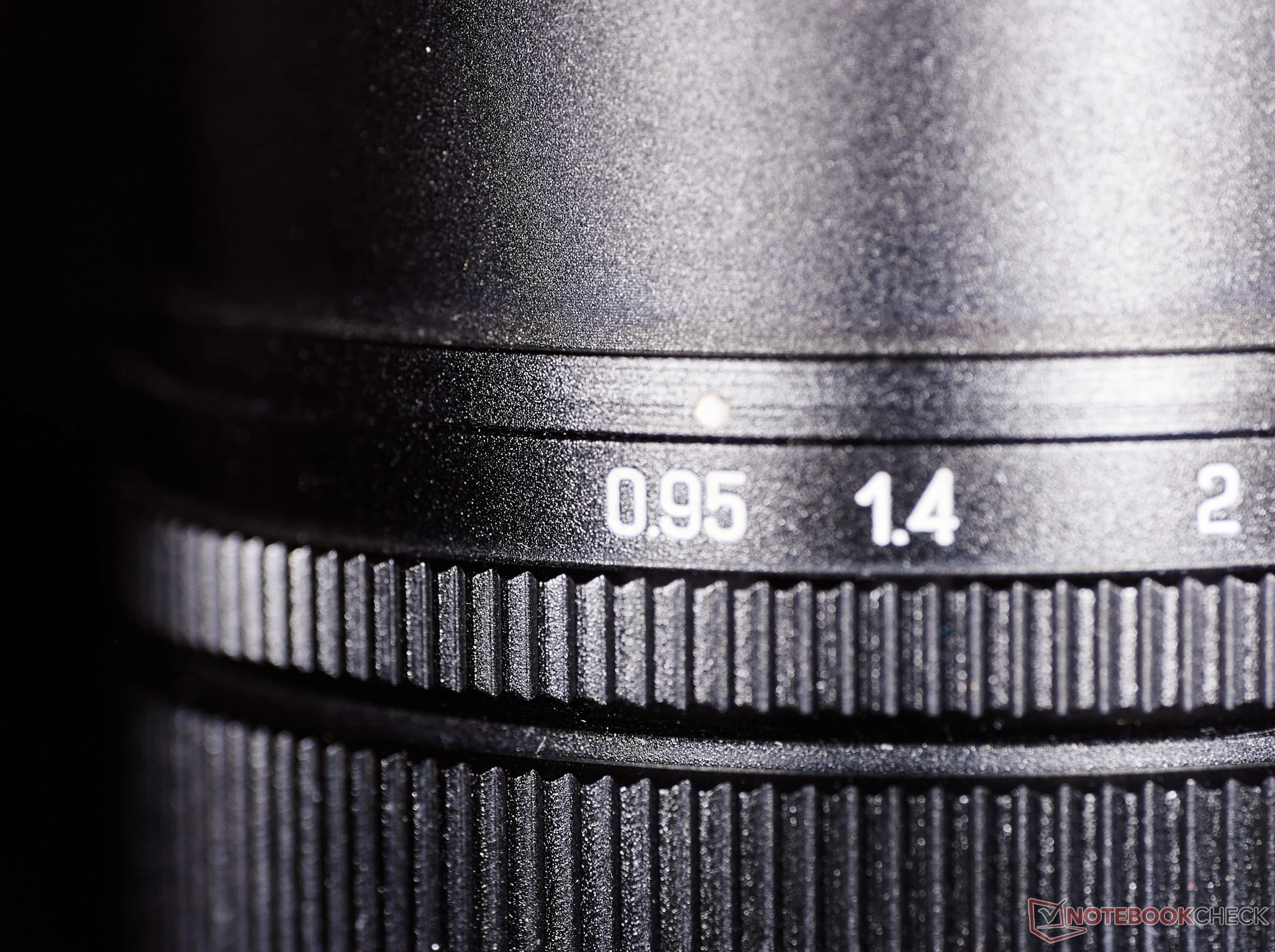
5. Many manufacturers have moved away from variable apertures due to size and cost, but with stabilizing megapixel counts and sensor sizes, they are reconsidering it for high-end cameras.
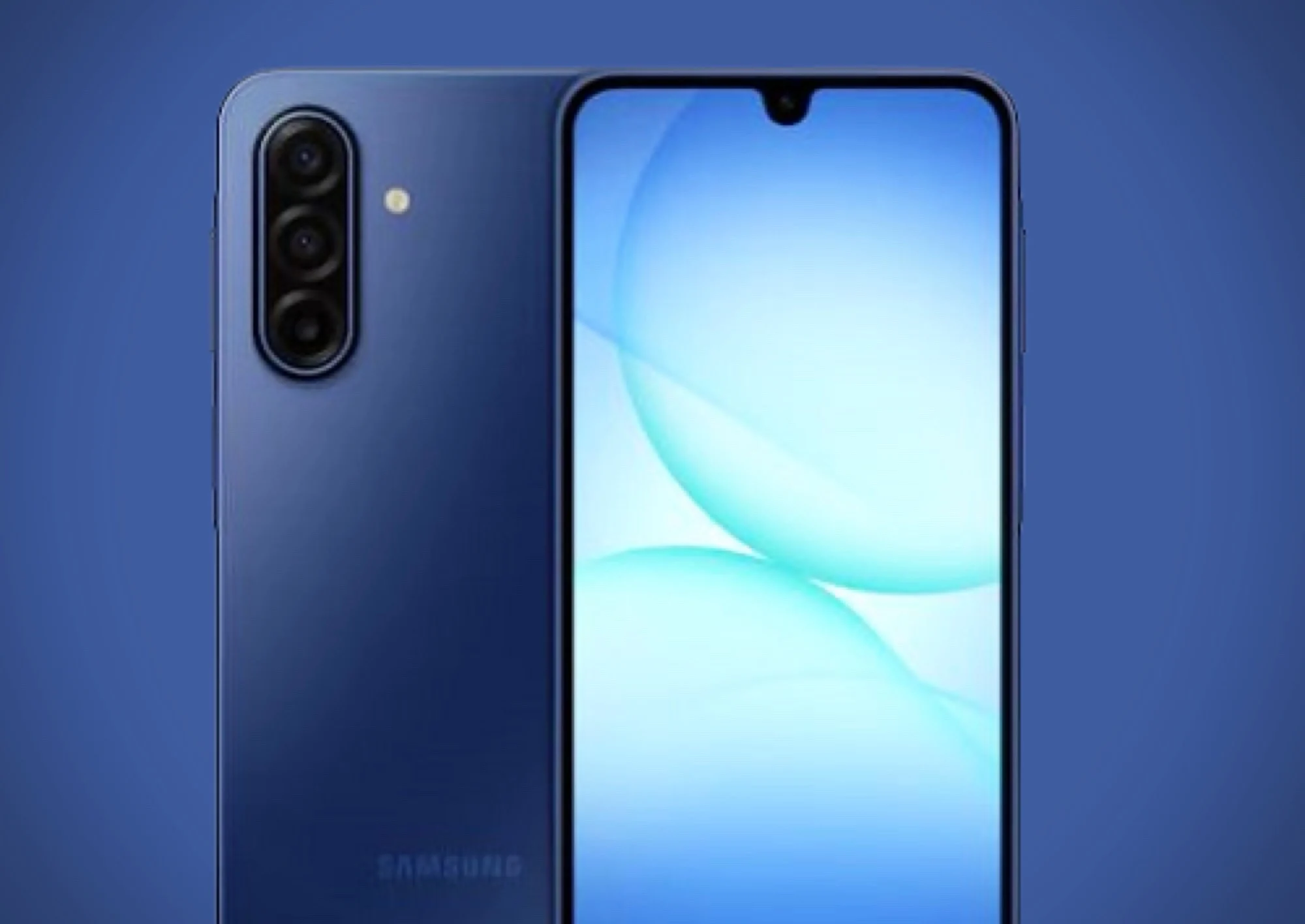
Rumors have been going around for quite a while that the next version of the Samsung Galaxy S25 Ultra will include a variable-aperture camera, marking its first appearance since the Galaxy S10 back in 2019. A recent report from ET News, which relies on insights from industry insiders, has confirmed that Samsung Electronics is working on such a camera. However, it seems that this technology is mainly aimed at flagship devices from Chinese brands and the Apple iPhone; it might not be available in time for the Galaxy S26 Ultra’s launch.
Apple’s Plans for Variable Aperture
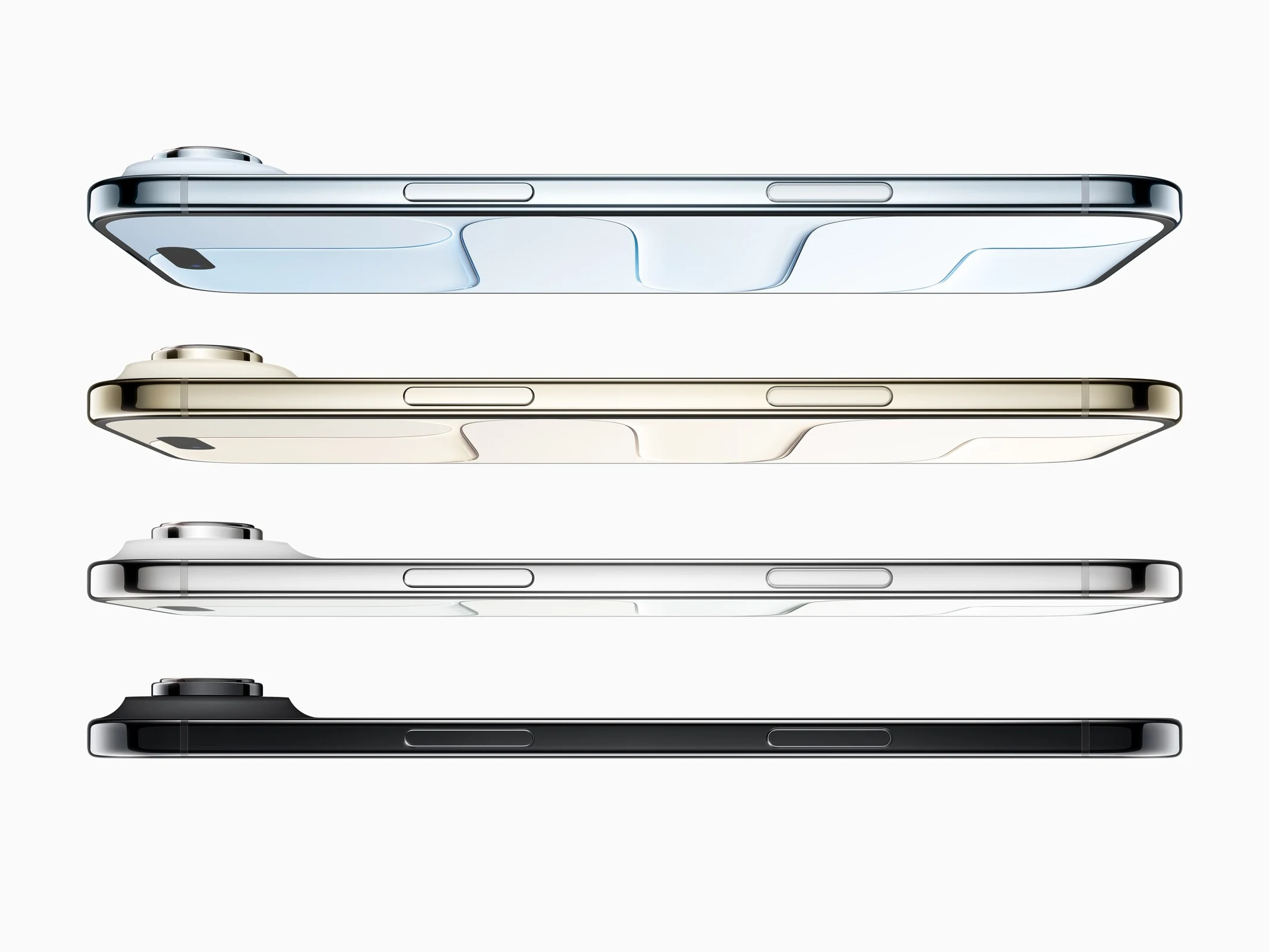
Apple is reportedly looking into implementing a variable-aperture camera for the iPhone 19 Pro, targeted for a 2027 release. In contrast, Chinese smartphone brands like Xiaomi may introduce several high-end devices featuring variable apertures as soon as the latter half of next year. At present, Huawei is the leading brand incorporating variable apertures into their smartphones. Meanwhile, the Xiaomi 15 Ultra’s main camera still utilizes a fixed aperture of f/1.6, limiting its capabilities.
The Challenges of Fixed Apertures
The combination of a relatively large 1-inch sensor with a fixed aperture leads to a shallow depth of field, which can hinder the ability to capture sharp images of the entire subject. This is particularly problematic in landscape or group photography where objects are in both the foreground and background. According to ET News, many manufacturers have moved away from using variable apertures over recent years due to the increased size and cost they bring to camera systems. However, as the megapixel trend stabilizes at 200 MP and the sensor sizes have plateaued at 1-inch sensors, companies are now reevaluating variable apertures as the next significant advancement for high-end cameras.
Source:
Link