Category: Phones

Stay updated with the latest phone news, reviews, and trends. Discover cutting-edge smartphones, features, and innovations in our Phones category at GizNewsDaily

  • Xiaomi 17 Series Launch Date Confirmed with Full Flagship Lineup

    Xiaomi 17 Series Launch Date Confirmed with Full Flagship Lineup

    Key Takeaways

    1. Confirmed Launch Date: The Xiaomi 17 series will be launched in China on September 25, 2025, earlier than previously expected.

    2. Design Changes: The non-Pro version features a new squircle camera island design and lacks the secondary display found in Pro models.

    3. Camera Setup: The non-Pro Xiaomi 17 will have a three-camera arrangement, including a flash module integrated into the camera island.

    4. Pricing Expectations: The non-Pro model is expected to be priced similarly to the previous generation’s standard model, which is currently around $624.72.

    5. Display Size: The non-Pro Xiaomi 17 is anticipated to have a compact 6.3-inch display, consistent with the non-Max Pro model.


    Xiaomi has been building up excitement for the Xiaomi 17 series, and now they’ve made the Chinese launch date official. The flagship phones powered by the Snapdragon 8 Elite Gen 5 will be revealed in China sooner than what was previously thought.

    Confirmed Launch Date

    Earlier reports suggested that the launch would occur on September 29, 2025, but Xiaomi has now confirmed it will happen on September 25 instead. In addition to this announcement, the company has also given a first look at the non-Pro flagship model in this series.

    Design Changes

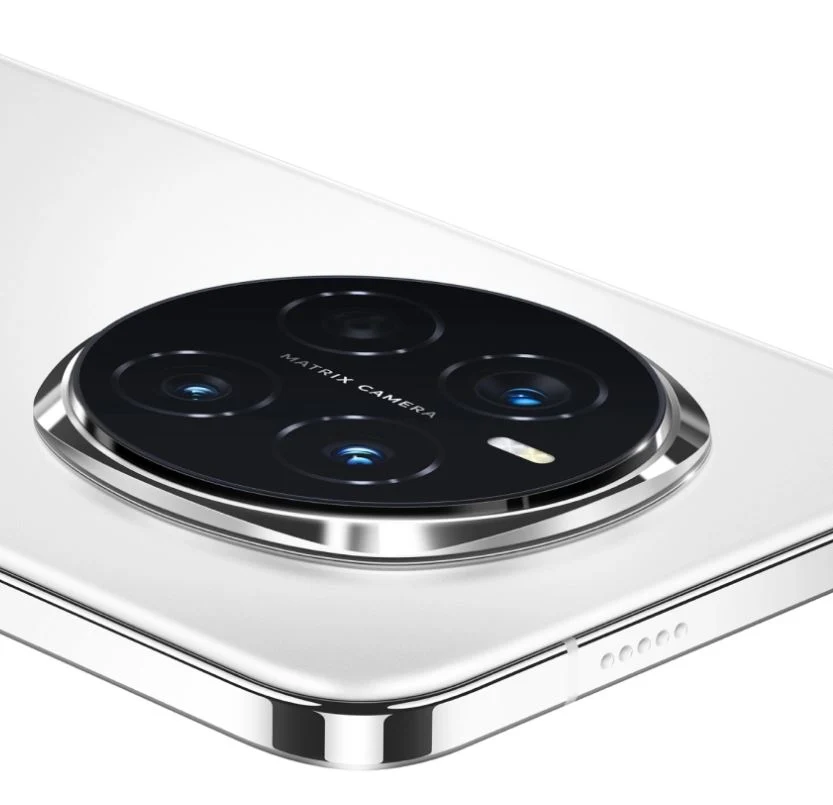
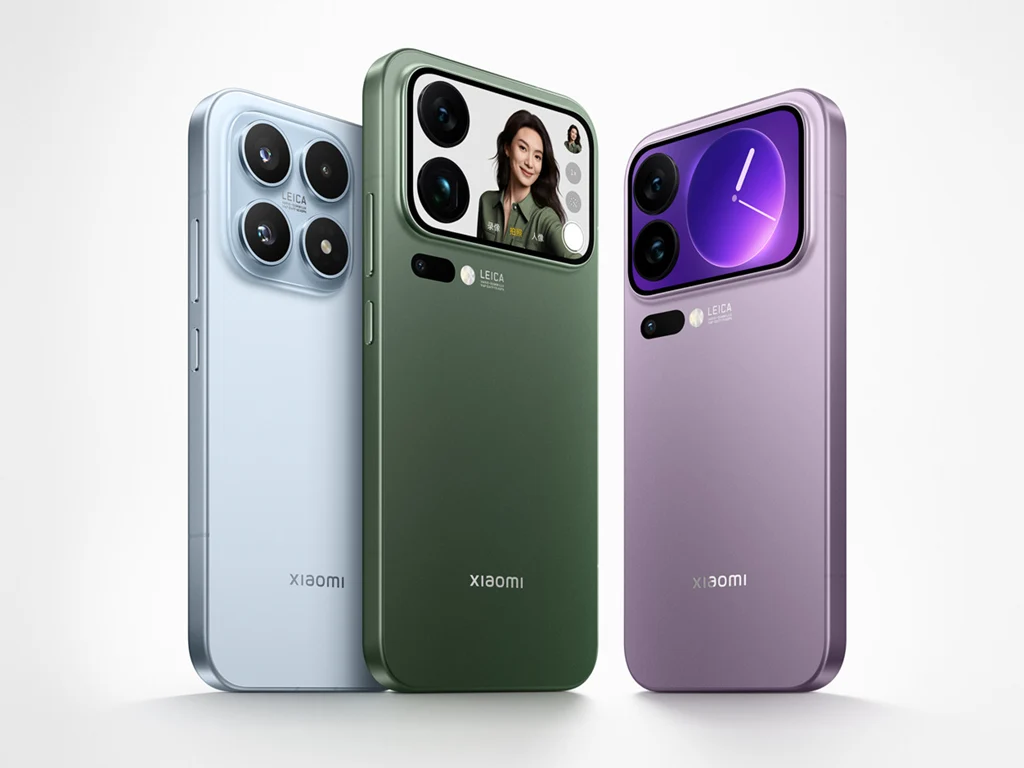
    The latest image reveals that the non-Pro version of the Xiaomi 17 will come with a slightly refreshed back design. It lacks the secondary display that the Pro models will feature, but it showcases a different camera island compared to its predecessor.

    Previously, the Xiaomi 15 had a more square-shaped camera island, while the Xiaomi 17 adopts a squircle design, resembling that of the iPhone 16 Pro series. This image also confirms the presence of a three-camera arrangement on the back, including the flash module, all integrated into the camera island.

    Pricing Expectations

    As of now, there is no official pricing for the Xiaomi 17 series flagship phones; however, Lu Weibing, president of Xiaomi, has suggested that the non-Pro model will be priced similarly to the standard last-gen model (Chinese 12/256 GB currently at $624.72 on TradingShenzhen).

    The image also indicates that the non-Pro Xiaomi 17 will have a compact size, and previous reports suggest it will feature a 6.3-inch display, which is the same as that of the non-Max Pro model. Xiaomi is anticipated to release more details about the upcoming Snapdragon 8 Elite Gen 5 phones in the near future.

    Source:
    Link



  • Vivo Teases X300 Series Launch with New Flagship Phone Photos

    Vivo Teases X300 Series Launch with New Flagship Phone Photos

    Key Takeaways

    1. Vivo X300 series smartphones will launch in China on October 13, 2025.
    2. The new series will feature the Dimensity 9500 chipset, competing with Qualcomm’s Snapdragon 8 Elite Gen 5.
    3. Performance differences between the Dimensity 9500 and Snapdragon 8 Elite Gen 5 are expected to be minimal based on early benchmarks.
    4. The Vivo X300 series will introduce a Sony LYT 828 primary camera with a 50 MP resolution and Hybrid Frame HDR technology.
    5. New camera enhancements include 200 MP HP8 and LYT 602 periscope sensors, along with UFS 4.1 storage and an improved ultrasonic fingerprint sensor.


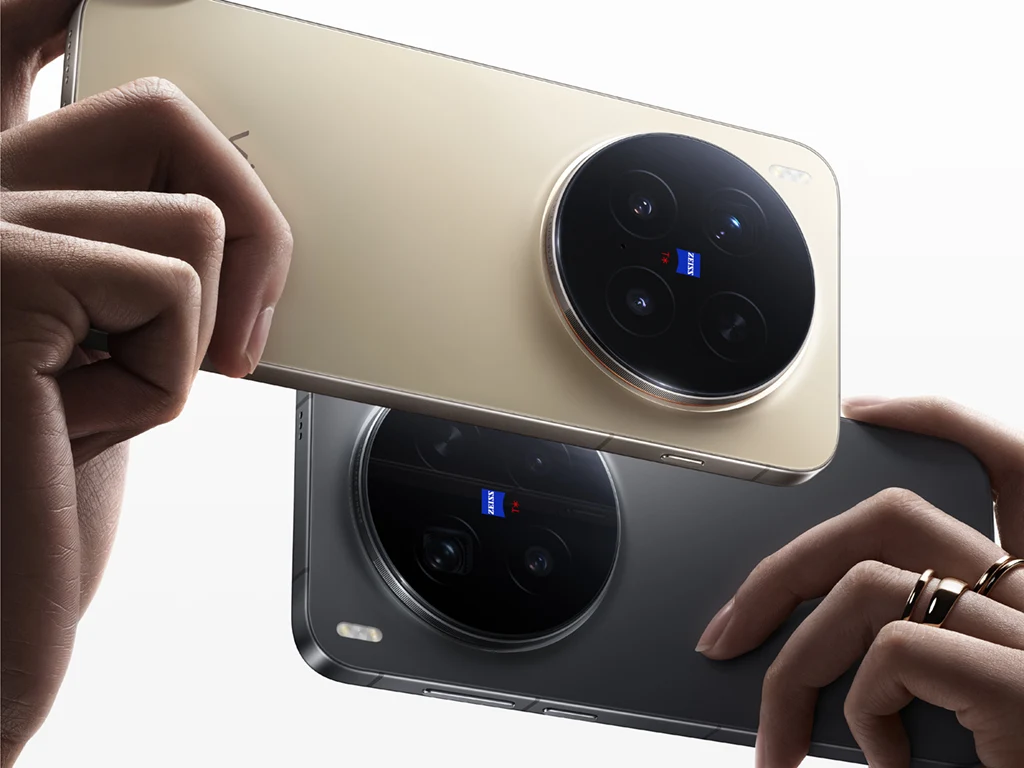
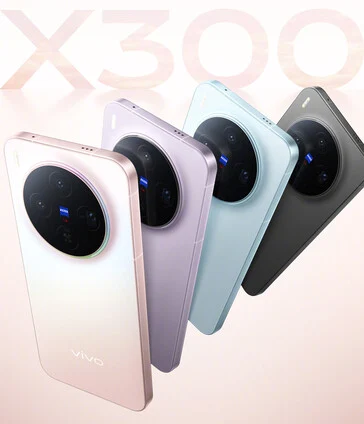
    Vivo has announced the launch date for its X300 series. The much-anticipated flagship smartphones are scheduled to be released in China on October 13, 2025, just 18 days after Xiaomi showcases its Snapdragon 8 Elite Gen 5 devices. The new Vivo series will mark the debut of smartphones powered by the Dimensity 9500 chipset.

    Competition in the Market

    This new MediaTek flagship system-on-chip (SoC) aims to rival the Snapdragon 8 Elite Gen 5, and early Geekbench results indicate that Qualcomm might have a small advantage when it comes to raw performance. However, it’s worth noting that flagship products from both Qualcomm and MediaTek usually show similar benchmark results. After their official launches, we shouldn’t expect a significant difference in performance between these next-gen chips.

    Details on the New Devices

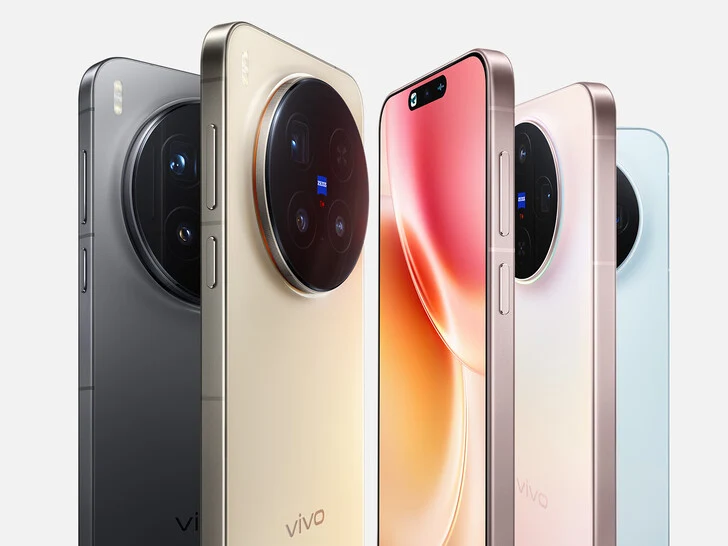
    In addition to confirming the launch date for the Vivo X300 series, the company has also provided a glimpse of what to expect from its upcoming flagship phones. While there won’t be any major changes in design, recent leaks suggest that the Dimensity 9500 won’t be the sole hardware improvement for these new devices.

    As per the reliable Weibo leaker Digital Chat Station, the Vivo X300 series will introduce a new phone equipped with a Sony LYT 828 primary camera. This sensor is newly released, featuring a size of 1/1.28-inch, a resolution of 50 MP, and Hybrid Frame HDR technology, which enhances dynamic range.

    Camera Enhancements

    The leaks also indicated that the Vivo X300 series will be the first to incorporate the 200 MP HP8 and LYT 602 periscope sensors. These enhancements in the camera department are expected to make the upcoming phones more appealing choices for photography enthusiasts compared to previous flagship models. Furthermore, the series is anticipated to include UFS 4.1 storage and an improved ultrasonic fingerprint sensor.

    Source:
    Link


  • Honor Magic8 Series and Magic Pad3 Pro Launch Date Revealed

    Honor Magic8 Series and Magic Pad3 Pro Launch Date Revealed

    Key Takeaways

    1. Xiaomi is expected to be the first to adopt Qualcomm’s Snapdragon 8 Elite Gen 5 with the launch of the Xiaomi 17 series this month in China.
    2. Honor is preparing multiple new devices powered by the Snapdragon 8 Elite Gen 5, including the Honor Magic Pad3 Pro and models from the Magic8 series, set to launch on October 15.
    3. The Magic8 series will evolve from the previous Magic7 lineup, featuring devices like the Magic8, Magic8 Pro, and Magic8 Mini, with a focus on AI capabilities.
    4. The Magic8 Pro is anticipated to include a 200 MP main camera and a periscope zoom lens, highlighting advanced photography features.
    5. In addition to the Magic Pad3 Pro, Honor may also launch the Watch5 Pro and Earbuds 4 during the same event on October 15.


    Xiaomi is likely to lead the way in adopting Qualcomm’s new Snapdragon 8 Elite Gen 5. The Xiaomi 17 series is set to launch this month in China, closely followed by Honor, who has shared fresh details regarding its release plans.

    Honor’s Upcoming Devices

    According to Fixed Focus Digital, Honor is preparing several new devices for a launch next month. Some of these will be powered by the Snapdragon 8 Elite Gen 5, including the Honor Magic Pad3 Pro and at least one model from the Magic8 series. These devices are rumored to be unveiled on October 15.

    Magic8 Series Expectations

    The Magic8 series is expected to be a direct evolution of last year’s Magic7 lineup, with devices like the Magic8, Magic8 Pro, and Magic8 Mini anticipated to debut on October 15. Among these, the Magic8 Pro is expected to feature the Snapdragon 8 Elite Gen 5. Reports suggest that the Magic8 lineup will emphasize AI capabilities and include a 200 MP main camera paired with a periscope zoom lens.

    Additional Launches

    The Magic Pad3 Pro is also likely to be powered by the Qualcomm chipset, making it the first tablet to feature this SoC. Moreover, there are rumors that Honor will also introduce the Watch5 Pro and Earbuds 4 during the same event.

    Source:
    Link


  • iPhone Air Bends in JerryRigEverything Test but Avoids Bendgate 2.0

    iPhone Air Bends in JerryRigEverything Test but Avoids Bendgate 2.0

    Key Takeaways

    1. The iPhone Air is Apple’s slimmest phone at just 5.6mm thick, raising durability concerns due to past bending issues with earlier models.
    2. The new Ceramic Shield 2 glass shows impressive scratch resistance, with minimal marks at level 7 on the Mohs hardness scale.
    3. The iPhone Air struggles with screen reflections, performing worse than older Samsung models despite claims of improved anti-reflection coating.
    4. Its grade 5 titanium frame is significantly more rigid and elastic than aluminum, making it less prone to bending during stress tests.
    5. The iPhone Air withstood up to 216 pounds of pressure before damage occurred, indicating it can handle everyday accidents without severe issues.


    At just 5.6mm thick, the iPhone Air has become Apple’s slimmest phone to date, sparking curiosity among smartphone fans about its durability, especially in light of the notorious bending issues with the iPhone 6 Plus. Zack Nelson, who is more commonly known as JerryRigEverything, has put this device to the test in his signature durability challenge. The findings reveal that the iPhone Air is indeed quite robust.

    Durability Tests

    Zack kicked off his highly anticipated video on the iPhone Air’s durability with a scratch test, showcasing the impressive strength of Apple’s new Ceramic Shield 2. Typically, smartphone glass begins to show scratches at a level 6 on the Mohs hardness scale, but Zack’s tools hardly marked the surface even at level 7. “Apple ruined my line,” he humorously remarked, pointing out that Corning’s new Ceramic Shield 2 represents a significant leap forward compared to last year’s iPhone 16 series and even surpasses the Galaxy S25 Ultra’s Gorilla Armor 2, which had visible scratches at level 6 in a previous test.

    Screen Reflection Issues

    However, the iPhone Air didn’t perform as well when it came to reducing screen reflections. Despite Apple’s claims that their newer phones come with an “Apple-designed coating for better anti-reflection,” it was less effective at minimizing glare under bright lighting compared to Samsung’s older Galaxy S24 Ultra.

    Bend Test Results

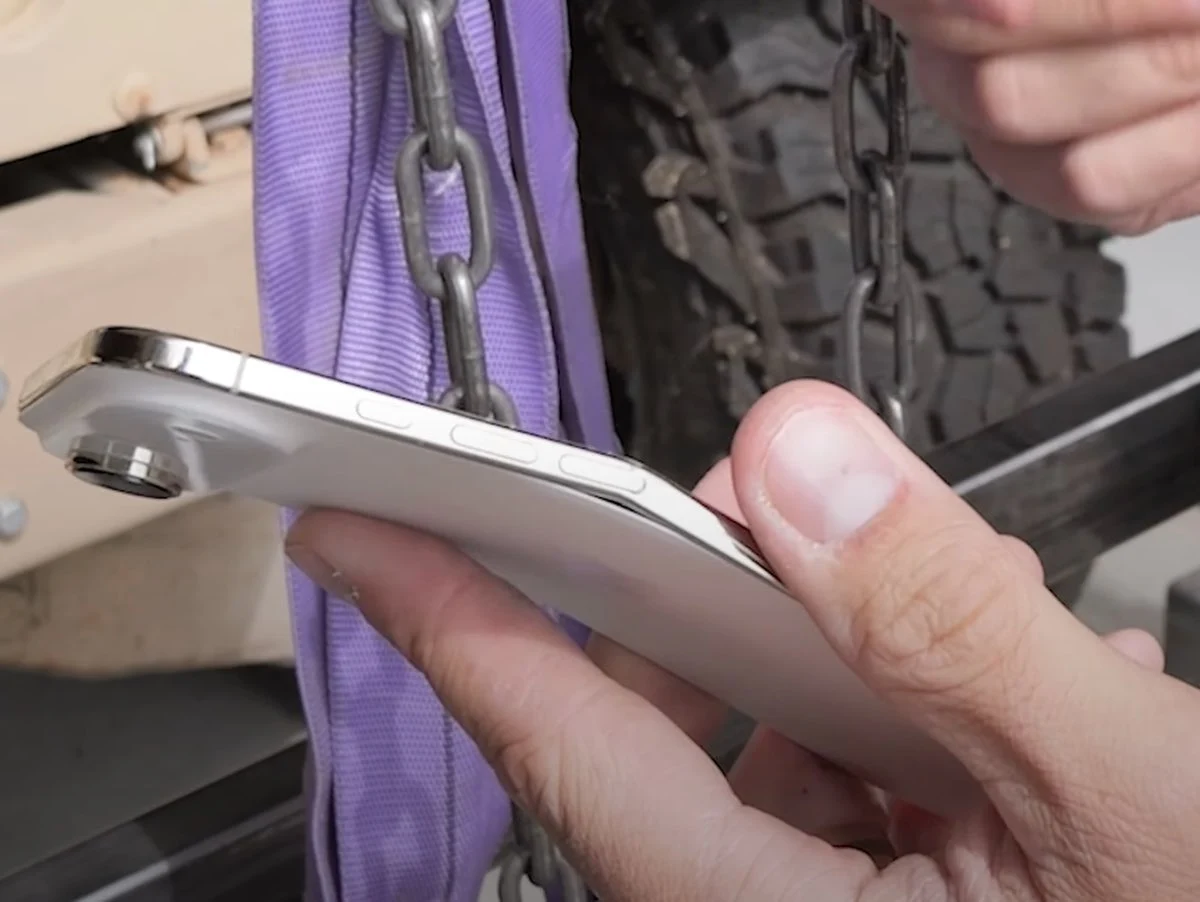
    In contrast to the iPhone 17 and 17 Pro, the Air features a grade 5 titanium frame, which Apple asserts is much less prone to bending. This titanium is twice as rigid as aluminum and 60% more elastic. This elasticity proved essential when Zack conducted the notorious bend test. Initially, he pressed down from the back with both thumbs, and the phone hardly moved. When he bent it from the front, there was some noticeable bend, but it returned to its original shape “just like it was out of the box a few minutes ago.”

    Feeling adventurous, Zack upped the ante. Using a crane scale in his garage, he applied pressure directly to the center of the iPhone Air until it finally buckled. The device withstood an impressive amount of pressure, reaching up to 216 pounds (about 98 kg) before the front glass cracked and the titanium frame bent beyond repair. Interestingly, the back glass remained intact, and the phone was still operational after the tests. This should alleviate any worries regarding “Bendgate 2.0.” At the very least, everyday accidents—such as sitting on your phone—are unlikely to result in severe damage to the iPhone Air. As Zack quipped, “your pants pockets would rip off before the Air would.”


  • Xiaomi 17 Series Leak Reveals Improved Battery Over Previous Models

    Xiaomi 17 Series Leak Reveals Improved Battery Over Previous Models

    Key Takeaways

    1. The Xiaomi 17 series will include three models: standard, Pro, and Pro Max, with significant battery upgrades compared to the Xiaomi 15 series.
    2. The standard Xiaomi 17 model is expected to feature a 7,000 mAh battery, an increase from the 5,400 mAh battery in the Xiaomi 15.
    3. The Xiaomi 17 Pro will have a 6,300 mAh battery, while the Pro Max model will boast the largest battery at 7,500 mAh.
    4. All models in the Xiaomi 17 series are anticipated to support 100 W fast charging, an upgrade from the 90 W charging in the previous models.
    5. The Xiaomi 17 Ultra is rumored to have a 6,800 mAh battery, indicating a boost in battery capacity compared to the previous Xiaomi 15 Ultra.


    Xiaomi is preparing to unveil its latest flagship smartphone lineup, the Xiaomi 17 series. While the company has revealed the new back design for the Pro models, specific details regarding the main specifications of the devices remain undisclosed. Nonetheless, recent leaks have provided insight into what users can anticipate from the next Snapdragon 8 Elite Gen 5 smartphones.

    Battery Specifications Leaked

    A recent leak from a Weibo user known as Panda Is Very Bald has revealed battery specifications for the Xiaomi 17 series. According to this leak, the standard model will be equipped with a 7,000 mAh battery, which is a significant improvement over the 5,400 mAh battery found in the Xiaomi 15.

    In contrast, the Xiaomi 17 Pro is said to come with a 6,300 mAh battery, which may not be as impressive when compared to the standard variant. Still, it represents an upgrade from the 6,100 mAh battery in the Xiaomi 15 Pro.

    Pro Max and Charging Features

    The leaker also indicates that the Xiaomi 17 Pro Max will boast the largest battery of the bunch, with a capacity of 7,500 mAh. In terms of charging capabilities, all three models are expected to support 100 W fast charging, which is a slight enhancement from the 90 W fast charging of the Xiaomi 15 and 15 Pro (the 100 W Ugreen 20K Nexode power bank is currently priced at $59.99 on Amazon).

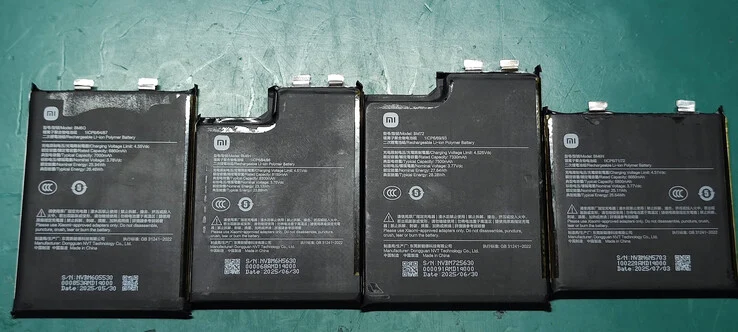
    Interestingly, the leaker has presented an image that appears to display all the batteries for the Xiaomi 17 series, totaling four. Panda Is Very Bald notes that the last battery is designated for the Xiaomi 17 Ultra, which has not yet been officially announced, and the image reveals a 6,800 mAh cell.

    Comparisons with Previous Models

    When compared to the Chinese Xiaomi 15 Ultra, which has a 6,000 mAh battery, it seems that the 17 Ultra will also receive a significant boost in battery capacity. These upgrades in battery size should enhance the overall run times of the forthcoming devices, unless the Snapdragon 8 Elite Gen 5 proves to be less efficient than its predecessor, the Snapdragon 8 Elite.

    Source:
    Link


  • Starlink Launching 5G Service with Major Satellite Expansion

    Starlink Launching 5G Service with Major Satellite Expansion

    Key Takeaways

    1. SpaceX is seeking FCC approval to launch 15,000 new V3 generation direct-to-cell satellites to enhance mobile service coverage.
    2. The new satellites will provide 20 times the throughput of the current Starlink V2 satellites, enabling full 5G service for mobile phones.
    3. Plans include expanding the Starlink ground station network to improve coverage, speed, and reduce latency, with projected speeds of up to 100 Mbps.
    4. SpaceX aims to establish itself as a major player in the mobile network industry, akin to traditional carriers like AT&T and Verizon.
    5. The launch of the V3 satellites depends on the success of the Starship 3 rocket tests, with a targeted launch date for the satellites set for 2026.


    SpaceX is getting ready to send a huge number of direct-to-cell satellites into orbit, aiming to create the largest satellite constellation that will transmit its new 5G service to mobile phones on Earth.

    Launching a New Era

    In its latest application, SpaceX is asking the FCC to approve the launch of an astonishing 15,000 new V3 generation direct-to-cell satellites. These new satellites are designed to provide 20 times the throughput of the current roughly 650 V2 satellites that Starlink uses for mobile service.

    Currently, the Starlink direct-to-cell satellites can only enable messaging and limited data for certain optimized apps through partnerships, such as the T-Satellite service with T-Mobile. With the new fleet of up to 15,000 V3 satellites, Starlink expects to establish a cellular network capable of delivering 5G data to any phone on the ground.

    Expanding the Network

    In its filing, SpaceX also plans to grow its extensive network of Starlink ground stations to enhance coverage, improve speeds, and reduce latency. The Starlink 5G service is projected to reach speeds of up to 100 Mbps, similar to what the Starlink Mini dish currently provides, but this will be achieved through a special satellite modem chip inside carrier phones.

    As for partnerships, while SpaceX is making deals with companies like T-Mobile for Starlink satellite connections, it appears to have ambitions to become the first space carrier in the world. Thanks to the vast spectrum it acquired for $17 billion from Dish’s parent company, Elon Musk mentioned that “you should be able to have Starlink like you have an AT&T, or T-Mobile, or Verizon [service]” in the near future.

    A Game Changer

    It’s clear that such a Starlink 5G service could transform the industry, even if Musk tends to downplay its potential due to the fact that U.S. carriers still “own a lot of spectrum.” While the Starlink 5G network may only offer downloads of 100 Mbps, that speed is comparable to the median LTE speeds offered by Verizon and AT&T just last year.

    All these ambitious plans depend on the successful tests of the Starship 3 rocket, which will be used to launch the V3 satellites that are about the size of a Boeing 737 when deployed. SpaceX is aiming for the first flight of the Starship 3 this year and hopes to launch the V3 satellites in 2026, which will also allow it to activate its gigabit speed network for dedicated devices like the new Performance dish.

    Source:
    Link


  • iPhone Air Teardown Reveals Details of MagSafe Power Bank

    iPhone Air Teardown Reveals Details of MagSafe Power Bank

    Key Takeaways

    1. The iPhone Air has a 3,149mAh battery, slightly smaller than the iPhone 15 Pro’s 3,274mAh battery.
    2. Early reviews indicate decent battery life, but heavy users may need additional power support.
    3. Apple offers a MagSafe battery for $99, claiming to increase the iPhone Air’s battery life by 65%.
    4. The MagSafe battery is thicker than the iPhone Air and makes the combined thickness 48% greater than a Samsung Galaxy Z Fold 7.
    5. The MagSafe battery uses the same 12.26Wh battery as the iPhone Air, but energy loss limits its charging capability to 65%.


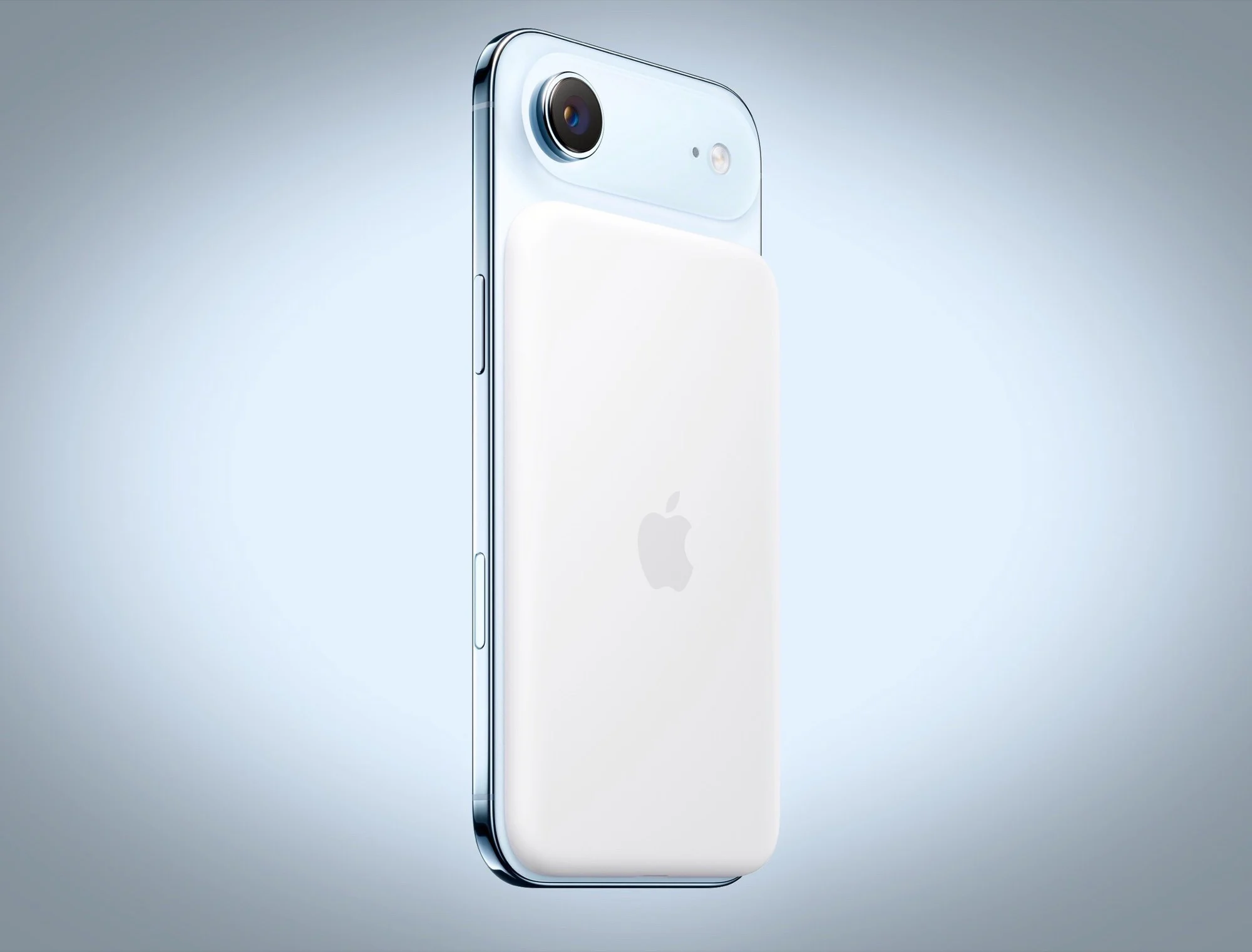
    The iPhone Air has a battery with a capacity of only 3,149mAh. While this amount is lower than most other smartphones on the market, it’s just slightly less than the iPhone 15 Pro’s 3,274mAh battery. Early reviews suggest that the slim smartphone offers reasonably good battery life, but users who rely heavily on their phones may struggle to make it through the day. For those users, Apple sells an iPhone Air MagSafe battery priced at $99, which claims to boost the phone’s battery life by 65%.

    Disassembly Insights

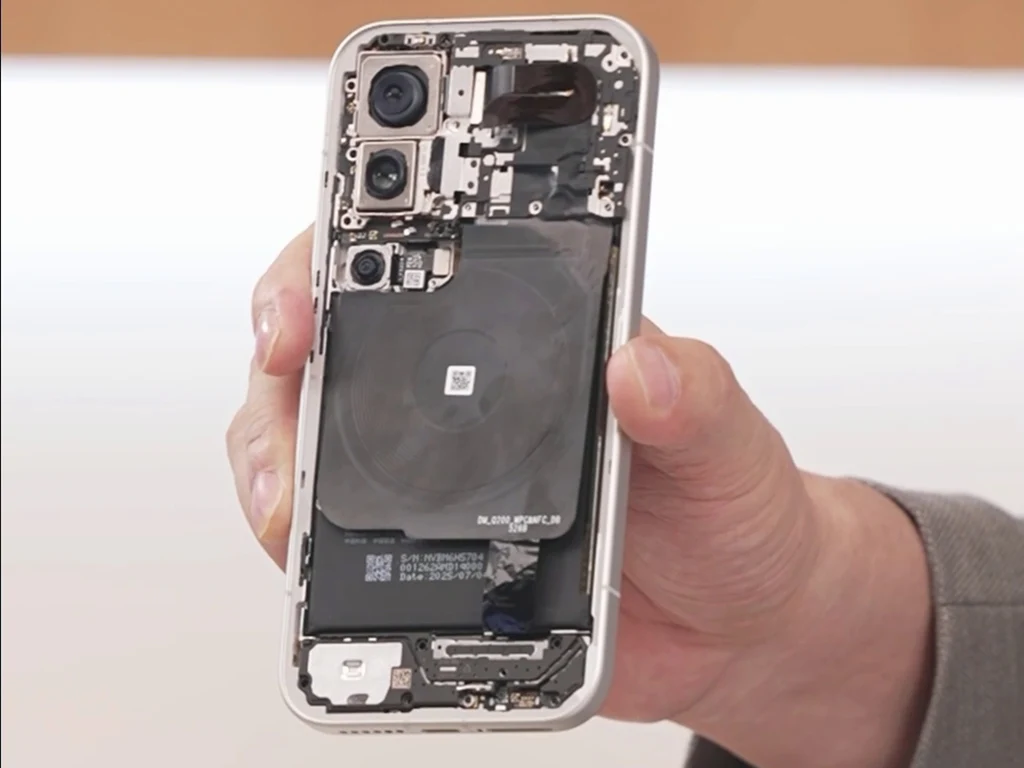
    iFixit has recently taken apart this pricey magnetic power bank, and the video linked below reveals that the MagSafe battery, measuring about 0.3 inches in height, is actually thicker than the iPhone Air. When paired with the smartphone, the total thickness hits 0.52 inches, making the combined device 48% thicker than a Samsung Galaxy Z Fold 7. To access the power bank, the glued back cover must be ripped off, complicating the repair process significantly. The battery itself is secured in the housing with the same adhesive used in the iPhone, allowing it to be released through voltage application.

    Battery Specs Surprises

    Interestingly, Apple has used the same 12.26Wh battery in the power bank as in the iPhone Air. This could simplify the process for obtaining replacement parts. However, the reason the power bank can only charge the iPhone Air up to 65% is due to energy loss during wireless charging. Notably, the power bank is nearly three times thicker than the 0.11-inch battery, as the plastic casing would not be sturdy enough if it were any thinner.

    Source:
    Link


  • OnePlus 15 Hands-On Review: New Design Details Revealed

    OnePlus 15 Hands-On Review: New Design Details Revealed

    Key Takeaways

    1. OnePlus is set to unveil a new design style with the upcoming OnePlus 15 smartphone.
    2. The OnePlus 15 may feature a flat screen with rounded corners and thinner bezels than the iPhone 17 Pro Max.
    3. The device is expected to have an aluminum frame with a ceramic coating and an earth-toned matte finish.
    4. It will adopt a square camera module design, moving away from the previous circular setup.
    5. The OnePlus 15 is rumored to be powered by the Snapdragon 8 Elite Gen 5 processor, offering improved performance over the OnePlus 13.


    Earlier this year, OnePlus announced plans to unveil a fresh design style for its smartphones. The new flagship device, known as the OnePlus 15, is anticipated to showcase this updated aesthetic. Ahead of its official release, a well-known leaker has shared their hands-on impressions, providing additional insights into the phone’s design.

    Design Overview

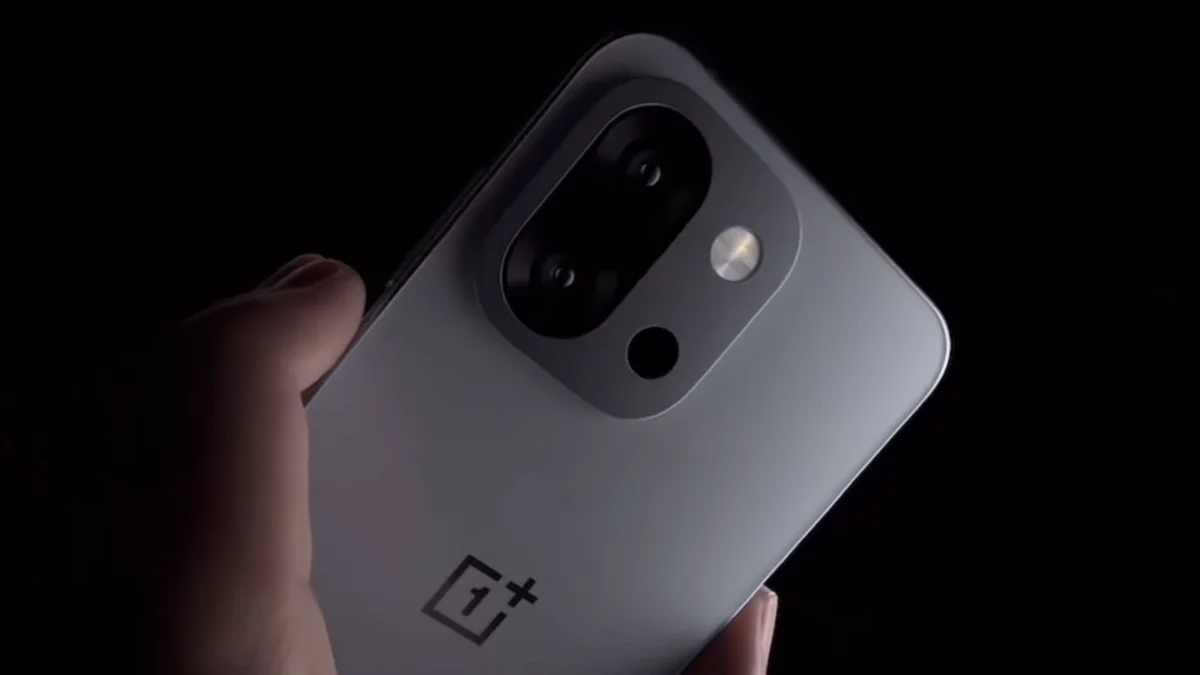
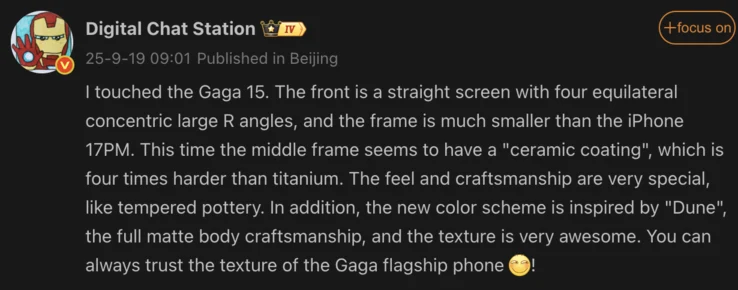
    According to Digital Chat Station on Weibo, the OnePlus 15 might come with a flat screen featuring rounded corners and thinner bezels than those found on the iPhone 17 Pro Max. The leaker also mentions that the device will have an aluminum frame covered with a “ceramic coating.” Additionally, it is suggested that the OnePlus 15 will be available in a color scheme inspired by natural earth tones, complemented by a matte finish.

    Camera and Renders

    Current leaks indicate that the phone will sport a square camera module design, moving away from the circular camera setup seen in the previous model. Several unofficial images of the OnePlus 15 have appeared online, yet Digital Chat Station warns that these leaked visuals may not accurately represent the actual device.

    Since the company has not yet disclosed the phone’s design publicly, it’s wise to take this information with a grain of salt.

    Performance Expectations

    In terms of performance, the OnePlus 15 is rumored to be equipped with the Snapdragon 8 Elite Gen 5 processor. A recent listing on Geekbench indicated that this new model achieves scores approximately 20% higher in both single-core and multi-core CPU tests when compared to the OnePlus 13, which utilized the Snapdragon 8 Elite processor. The OnePlus 15 is projected to make its debut in October.

    Source:
    Link


  • Pixel 10 Pro XL Audio Recording Issues: Causes and Solutions

    Pixel 10 Pro XL Audio Recording Issues: Causes and Solutions

    Key Takeaways

    1. The Pixel 10 series was revealed on August 20, with minimal design changes from the Pixel 9 series, except for an extra camera on the standard model.
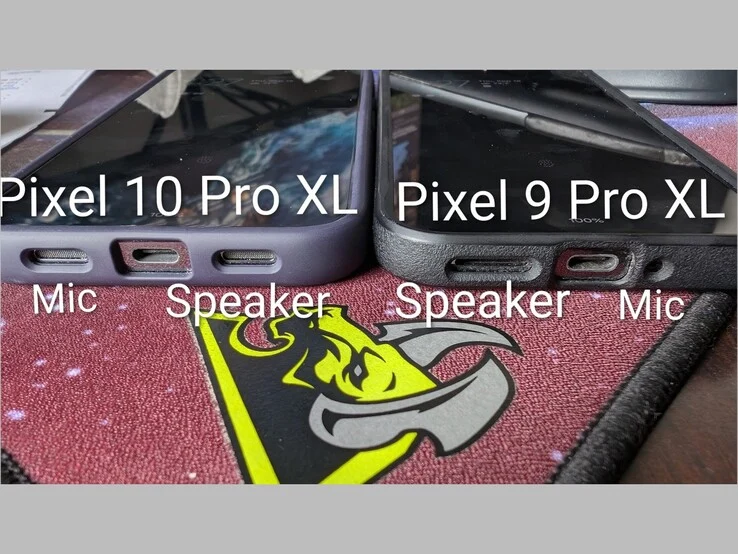
    2. Users of the Pixel 10 Pro XL are experiencing audio recording issues during video capture due to a design change where the speaker and microphone were switched.
    3. The new placement of the microphone can become obstructed when filming videos in landscape mode, affecting audio quality.
    4. Suggested solutions for users include adjusting hand placement or turning the phone 180 degrees, though this may be uncomfortable for right-handed users.
    5. The Tensor G5 chip has shown disappointing GPU performance, but a driver update may improve it; the new phones are also easier to repair.


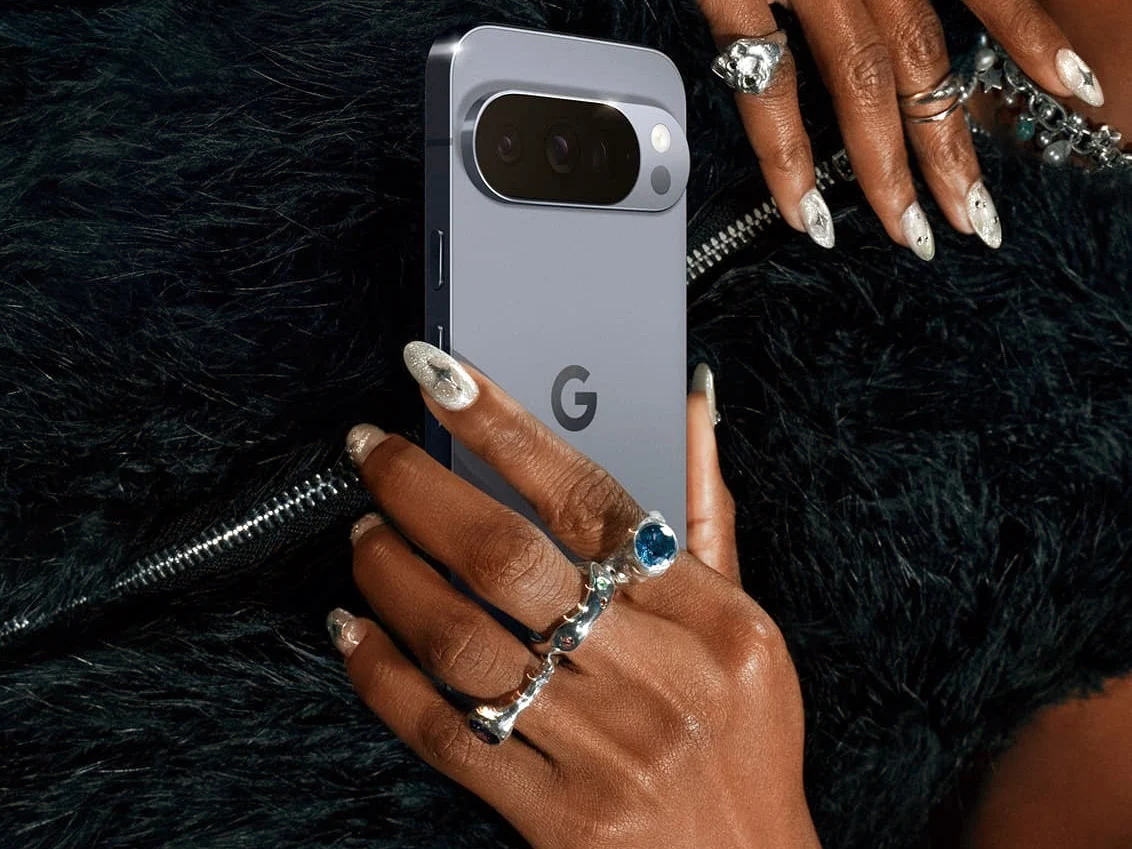
    The Pixel 10 series was revealed on August 20, and when looking at the design, it appears not a lot has changed from the Pixel 9 series. The standard Pixel 10 does include an extra camera on the back, but that’s pretty much it. However, some users of the Pixel 10 Pro XL (available on Amazon) have been experiencing problems with audio recording while shooting videos. It turns out that Google made a slight design adjustment with the Pixel 10 Pro XL, which ended up causing this issue.

    Audio Problems Noted

    According to Artem Russakovskii from Android Police, their Pixel 10 Pro XL exhibited some strange audio behavior when capturing videos. After talking to a few Google employees, they discovered that the speaker and microphone at the bottom of the Pixel 10 Pro XL were switched compared to the Pixel 9 Pro XL. Google made this change to prevent sound from being obstructed or muted while gaming in landscape mode. Unfortunately, this resulted in the microphone being obstructed or partially covered when filming videos in landscape, which is the cause of the audio problems.

    Suggested Solutions

    A straightforward solution could be to pay closer attention to hand placement while recording videos in landscape. Another option would be to turn the phone 180 degrees to keep the microphone free from the palm. However, as Artem pointed out, this might feel quite uncomfortable for right-handed users.

    Overall Impact

    The swap of the speaker and microphone isn’t a major issue and is not significant enough to deter customers from choosing the Pixel 10 Pro XL. Yet, it isn’t the only problem with the device. The Tensor G5 chip that powers the entire lineup has displayed disappointing performance, particularly in terms of GPU capabilities. On a brighter note, it has been reported that a simple driver update could potentially unlock greater performance from the chip. Also, this year’s phones are considerably easier to take apart and repair, which is definitely a benefit.

    Source:
    Link


  • Apple iPhone Air: Indestructible Challenge Surpasses JerryRigEverything

    Apple iPhone Air: Indestructible Challenge Surpasses JerryRigEverything

    Key Takeaways

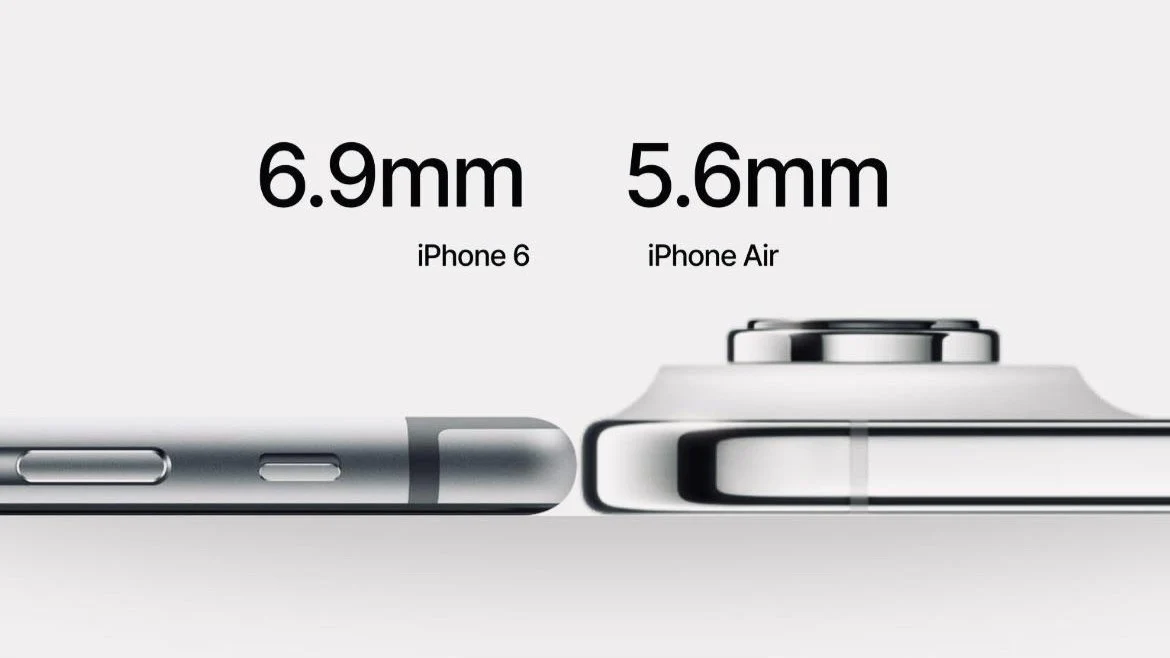
    1. The iPhone 17, also known as the iPhone Air, is the slimmest iPhone ever at 5.6 mm, sparking comparisons with the thicker iPhone 6.
    2. The iPhone 6 faced issues with bending, leading to the “Bendgate” scandal for Apple.
    3. Durability tests for the iPhone Air are being conducted, with positive early results shared by HowToHacks on YouTube.
    4. A TikTok video shows a tester bending the iPhone Air and striking it with a hammer, with no damage reported so far.
    5. The iPhone Air is reinforced with titanium, but a crack is heard in the TikTok video, indicating potential vulnerabilities.


    Starting today, September 19, 2025, Apple’s latest iPhone, the 17th generation, is now officially for sale. Apple boasts that this is the slimmest iPhone ever created. In fact, the iPhone Air, measuring just 5.6 mm, looks almost clumsy next to the notorious iPhone 6 from 2014. This comparison has sparked a lot of interest on social media platforms like Reddit, particularly in the MathJokes subreddit. The iPhone 6, which is notably thicker at 6.9 mm, unfortunately, proved to be too bendable, leading to the embarrassing Bendgate scandal for Apple.

    Durability Tests on the Horizon

    There are signs that Zack Nelson will soon release his durability evaluation of the iPhone Air. Meanwhile, several other durability tests are already available online. A YouTube channel called HowToHacks has shared a brief video where they perform a bend test, and thankfully, the outcome appears to favor Apple.

    Tension Builds with TikTok

    For fans of the iPhone Air, there’s a shorter video on TikTok that might raise the tension. Lasting only 18 seconds, the tester not only attempts to bend the ultra-slim phone over a table edge but also strikes it with a hammer. It seems the online community is eager to put the iPhone Air to the test. So far, they have not succeeded in damaging it. Clearly, Apple anticipated these challenges and has reinforced the device with titanium. However, a crack can be heard at the end of the video. Perhaps a follow-up test is on the way?

    Source:
    Link