Key Takeaways
1. The Galaxy S25 Ultra and Galaxy S24 Ultra feature OLED displays with a brightness of up to 2,600 nits but are not energy-efficient.
2. The upcoming Galaxy S26 Ultra will use new M14 material and CoE technology for enhanced brightness and power efficiency.
3. CoE technology will allow for a thinner display by replacing polarizing plates with a color filter, reducing energy consumption.
4. The Galaxy S26 Edge and Galaxy S26 Pro will not benefit from the new M14 material and will continue using the older M13 material.
5. Samsung has experience with CoE technology from its foldable devices, but details about the Galaxy S26 Ultra’s new display technology are not officially confirmed.
The Galaxy S25 Ultra and Galaxy S24 Ultra feature outstanding OLED displays that can reach a brightness of up to 2,600 nits. However, their underlying technology isn’t the most energy-efficient. The upcoming Galaxy S26 Ultra might change this, as Samsung reportedly plans to use improved technology and new materials to enhance brightness and energy savings. Unfortunately, the Galaxy S26 Pro and Edge variants will not benefit from these advancements.
New Developments in OLED Technology
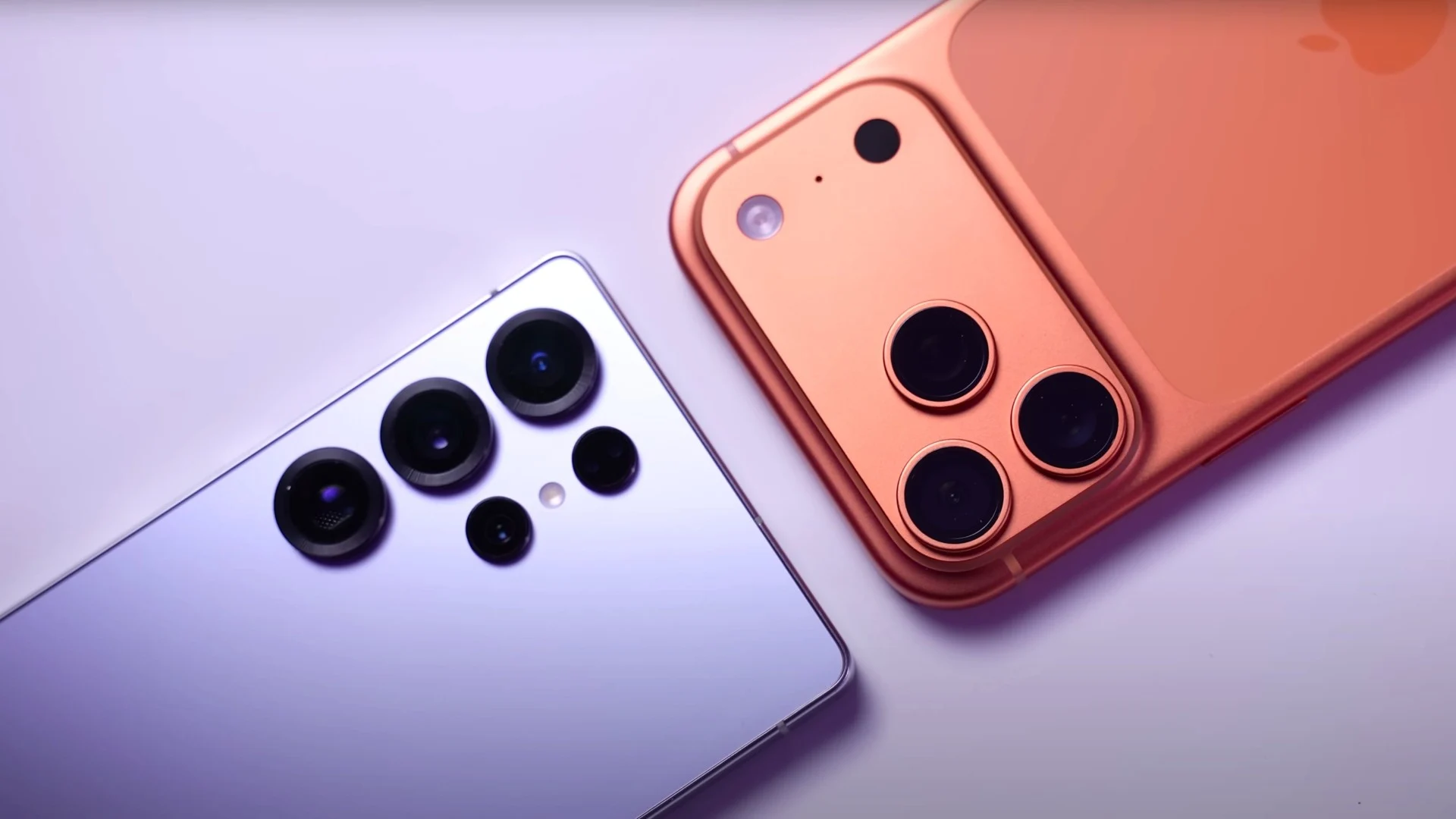
As per a report by ET News (translated from Korean), Samsung Display has created a new material called M14, and will be employing Color-filter-on-thin-film-encapsulation (CoE) technology for the OLED screen in the Galaxy S26 Ultra. This upgrade means the display can be thinner while achieving greater brightness and improved power efficiency. There are guesses that Apple might utilize the M14 material in its iPhone 17 series, potentially putting the Galaxy S26 Ultra on equal footing, if not better.
Comparison with Previous Models
Currently, Samsung uses M13 material in its Galaxy S24 Ultra and Galaxy S25 Ultra, along with a polarizing layer. While these phones are already bright, the polarizing plates contribute to a thicker display and require more energy to achieve that brightness. The new CoE technology will replace the polarizing plates with a color filter, and the internal reflections will be minimized by a black Pixel Define Layer (PDL).
Limitations for Other Models
There have been previous reports about the CoE technology making its way into the next generation of Galaxy S flagships, but the introduction of M14 material is a fresh piece of news. It’s worth mentioning that Samsung has experience with CoE, as its foldable devices, starting from the Galaxy Z Fold 3, have already featured this OLED technology.
Sadly, the Galaxy S26 Edge and Galaxy S26 Pro (which is believed to be the new base variant) will not receive this upgrade. According to the report, these models will continue using the older M13 material. It’s important to note that Samsung has not officially confirmed any details regarding the new display technology for the Galaxy S26 Ultra, so this information should be taken cautiously.
ET News via Android Authority
Source:
Link