Category: Phones

Stay updated with the latest phone news, reviews, and trends. Discover cutting-edge smartphones, features, and innovations in our Phones category at GizNewsDaily

  • Xiaomi 17 Pro Camera Samples vs iPhone 17 Pro Comparison

    Xiaomi 17 Pro Camera Samples vs iPhone 17 Pro Comparison

    Key Takeaways

    1. Xiaomi will fully introduce the Xiaomi 17 series in China on September 25, 2025, showcasing high dynamic range capabilities.
    2. The Xiaomi 17 Pro series features the new Light Hunter 950L sensor, achieving a dynamic range of 16.5 EV, surpassing the 13.5 EV of the previous Xiaomi 15 Pro.
    3. Enhanced optical coating in the Xiaomi 17 Pro series reduces glare and ghosting, improving image quality.
    4. Comparison images show the Xiaomi 17 Pro delivering more saturated and vibrant photos compared to the iPhone 17 Pro’s more realistic captures.
    5. Caution is advised when interpreting camera samples, as companies may exaggerate their product capabilities.


    Xiaomi is set to fully introduce the Xiaomi 17 series in China on September 25, 2025. Before the big reveal, the firm has presented some camera samples from the Pro models. Based on the photos released, it appears that these new top-tier phones can deliver images with a notably high dynamic range.

    Innovative Sensor Technology

    According to the company, the Xiaomi 17 Pro series is the very first to feature the Light Hunter 950L sensor. This new technology is said to earn the title of “King of Backlight” for the devices. The sensor reportedly achieves a 16.5 EV dynamic range, which is made possible through the “LOFIC high dynamic range” tech.

    In contrast, the previous Xiaomi 15 Pro, equipped with the Light Fusion 900 sensor, is advertised to have a dynamic range of 13.5 EV. This advancement in Exposure Value (EV) for the Xiaomi 17 Pro series should allow for captures that reveal more intricate details in both shadows and highlights.

    Enhanced Optical Features

    The Xiaomi 17 Pro series also comes with an upgraded optical coating. This enhancement is claimed to minimize glare and ghosting effects, and the samples provided show no apparent glare or ghosting problems.

    Lu Weibing, the president of Xiaomi, shared another image from the Xiaomi 17 Pro, comparing it with the iPhone 17 Pro. From the comparison, it seems that Xiaomi’s Snapdragon 8 Elite Gen 5 flagship has managed glare issues quite well, and the dynamic range appears to be higher as well.

    Aesthetic Differences in Images

    Nevertheless, the photo taken by the Xiaomi 17 Pro looks more saturated and slightly more vibrant, while the iPhone 17 Pro’s capture may attract those who prefer more realistic photos. Despite the impressive appearance of the sample images, it’s important to approach these with skepticism, as companies often bend the truth about their products.

    Source:
    Link



  • OnePlus 15 Leaks Reveal Camera and Haptics Downgrades

    OnePlus 15 Leaks Reveal Camera and Haptics Downgrades

    Key Takeaways

    1. The OnePlus 15 is expected to be unveiled in October, following the OnePlus 13, with recent leaks revealing its design.
    2. The camera system will feature a triple rear camera setup, including a 50MP main sensor, but with a smaller sensor size and wider aperture compared to the OnePlus 13.
    3. The telephoto camera will have a 50MP sensor with 3x optical zoom, but it is also smaller than the one in the OnePlus 13.
    4. The OnePlus 15 will not include Hasselblad color tuning, as the partnership has ended, and will instead use the new DetailMax Engine.
    5. The haptic motor is reportedly smaller in the OnePlus 15, which may result in less powerful vibrations and feedback compared to the OnePlus 13.


    Rumors suggest that the OnePlus 15 might be unveiled in October, serving as the high-end smartphone that follows the OnePlus 13. Numerous leaks and speculations have circulated about this new device, with the most recent one disclosing its design. Furthermore, the global variant of the OnePlus 15 has recently gained certification. New information has emerged, indicating some reductions compared to its predecessor.

    Camera Specifications

    As per user @OnePlusClub on the social media platform X, the OnePlus 15 is likely to include a triple rear camera arrangement. It’s rumored to sport a 50MP main sensor with an f/1.8 aperture and a sensor size of 1/1.56”. In contrast, the OnePlus 13 features a larger 50MP sensor at 1/1.43″ with an f/1.6 aperture. The bigger sensor and wider aperture on the OnePlus 13 are set to enhance its performance in low light and deliver finer details.

    Telephoto and Ultra-wide Features

    Moreover, the OnePlus 15 is expected to be equipped with a 50MP 1/2.75″ ISOCELL JN5 telephoto sensor, featuring an f/2.8 aperture and 3x optical zoom capabilities. On the other hand, its predecessor has a more sizable 50MP Sony LYT-600 1/1.95″ sensor with an f/2.6 aperture. It’s likely that the ultra-wide camera on the upcoming model will stay the same as the OnePlus 13, utilizing the identical 50MP ISOCELL JN5.

    Changes in Camera System

    Another significant alteration in the OnePlus 15’s camera system is the absence of Hasselblad color tuning. The company recently revealed that its collaboration with Hasselblad has ended, and they will be implementing their own DetailMax Engine instead.

    In addition to the camera changes, another downgrade noted by the same source pertains to haptics. The haptic motor is reportedly being reduced from the AAC CSA+0916Turbo (602mm²) in the OnePlus 13 to the smaller AAC ESA1016 (560mm²) in the OnePlus 15. This smaller haptic motor could potentially lead to less powerful vibrations and not as precise feedback.

    At this stage, all this information is sourced from unofficial channels. The company has not yet shared any specifics about the OnePlus 15, so it’s wise to approach this information with some skepticism.

    Source:
    Link


  • iPhone 17 Pro Scratchgate: iFixit Reveals Aluminum Damage Risk

    iPhone 17 Pro Scratchgate: iFixit Reveals Aluminum Damage Risk

    Key Takeaways

    1. Scratchgate Issue: Reports of scratches, especially around the camera area of the iPhone 17 Pro, have been confirmed by iFixit through detailed examination.

    2. Material Weakness: The anodized aluminum layer is more fragile at sharp edges, leading to chipping and exposing the underlying metal when subjected to pressure.

    3. Repairability Changes: The iPhone 17 Pro features a battery secured with screws for easier replacement, but repairs are now more complicated as most require access through the display.

    4. Heat Management Improvement: A new vapor chamber has been added for better heat distribution and thermal efficiency, helping to manage the heat from the A19 Pro chip.

    5. User Recommendations: Owners should consider using a protective case, avoid contact with hard objects, and clean the phone gently to minimize the risk of scratches.


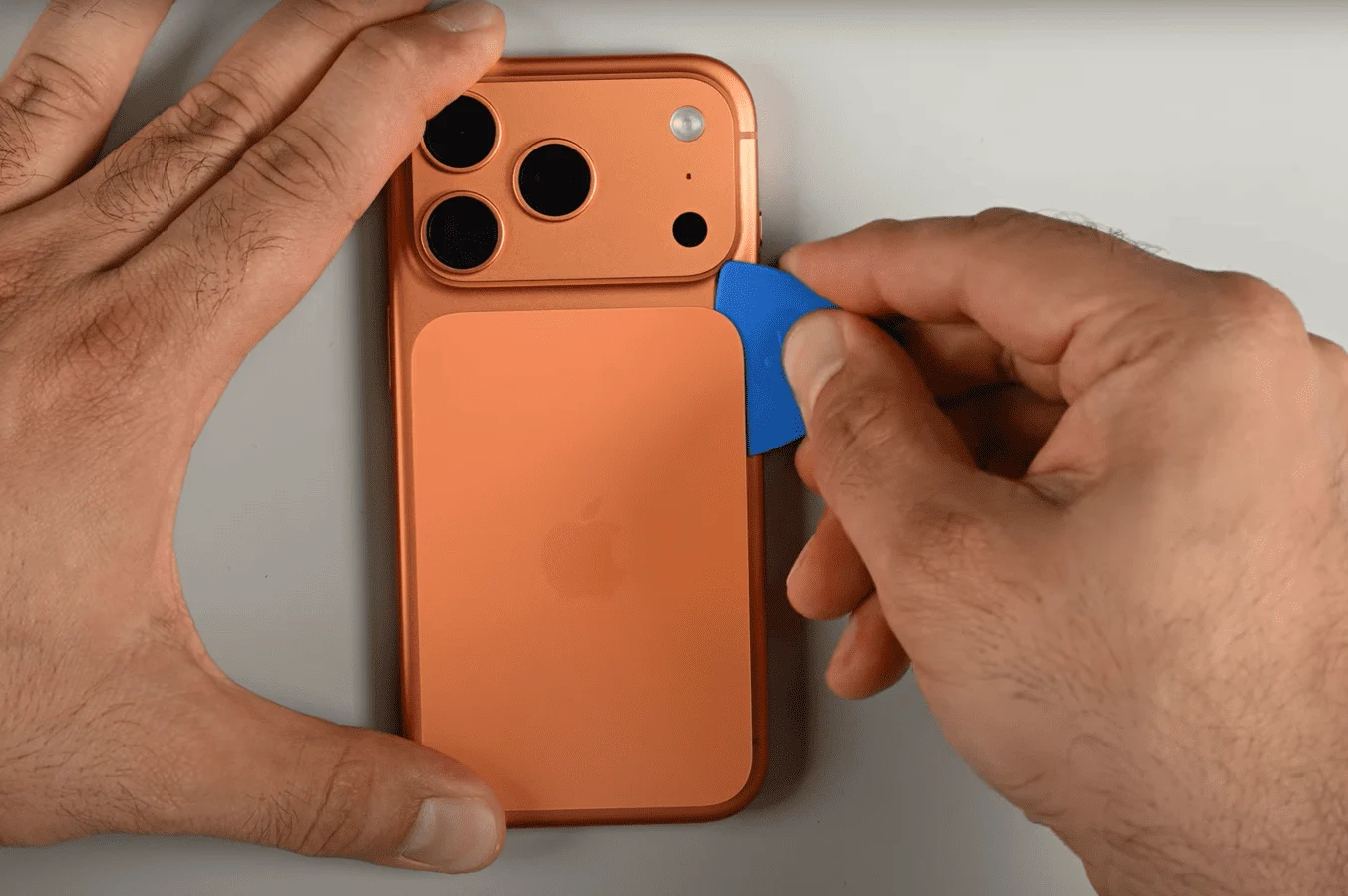
    From the time users started to use the iPhone 17 Pro, reports of scratches have emerged, particularly around the camera area. In a recent teardown, iFixit validated this concern through a microscope, revealing how the anodized aluminum layer peels off at sharp edges, exposing the shiny aluminum beneath. This issue has been labeled Scratchgate and has raised significant questions about Apple’s choices in materials and the overall design.

    Expert Analysis on the Problem

    iFixit enlisted the help of materials experts and utilized the Evident DSX2000 microscope to scrutinize the finish under pressure. They conducted tests using picks that simulate the hardness of coins or keys. On flat surfaces, the anodized finish fared better, with most scratches appearing superficial. However, at the sharp corner of the camera bump, the oxide layer suffered severe chipping. According to iFixit, “when faced with a pick similar to a penny, the iPhone 17 Pro’s anodized coating chips away, exposing the shiny aluminum underneath.”

    Understanding the Weakness

    To gain a clearer picture of the issue, iFixit spoke with materials scientist David Niebuhr. He indicated that the anodized layer is more fragile around sharp transitions. He noted that thickening the oxide layer wouldn’t solve the problem, as it would lead to more flaking and loss of the underlying material. As Niebuhr stated, “Apple could have avoided this by designing a smoother curve and steering clear of sharp corners.”

    Changes in Repairability

    The teardown also disclosed various modifications concerning repairability. For the first time, the iPhone’s battery is housed in a tray secured by fourteen Torx Plus screws. iFixit mentioned this as a positive change since it eliminates the messy adhesive removal usually required during battery swaps. However, Apple has removed the dual-entry repair layout. The back panel now solely allows access to the wireless charging components, while most repairs need to be done through the display, which heightens the risk of damage during servicing.

    In addition, Apple has integrated a vapor chamber for heat management in the iPhone 17 Pro. This chamber helps distribute heat via a copper lattice and enhances thermal efficiency compared to previous models. CT scans from iFixit demonstrated its placement between the battery and the logic board, effectively directing heat away from the A19 Pro chip. So far, Apple has not publicly addressed the Scratchgate issue or announced any measures to assist affected users.

    Recommendations for Users

    If you currently own or are thinking about purchasing an iPhone 17 Pro, it would be wise to use a case that shields the camera plateau, as this is the best method to minimize scratches. Refrain from tossing the phone into pockets with coins or keys, clean it gently with a soft cloth, and document any scratches right away if they show up. Although Scratchgate does not impact the phone’s performance, at this price point, any cosmetic damage can be quite frustrating for owners.

    Source:
    Link


  • Realme GT 8 Pro: New Camera Module Revealed Before October Launch

    Realme GT 8 Pro: New Camera Module Revealed Before October Launch

    Key Takeaways

    1. Realme GT 8 Pro will be revealed in October, as confirmed on Weibo.
    2. The design includes a unique camera module with three cameras and two LED flashes.
    3. Camera specs include a 50MP primary, 50MP ultrawide, and a 200MP periscope telephoto camera, possibly developed with Ricoh.
    4. The smartphone will feature a 6.78-inch AMOLED display with a 165Hz refresh rate and a large 7,000mAh battery.
    5. It is expected to be powered by the Qualcomm Snapdragon 8 Gen 5 Elite, making it a high-performance device.


    Realme has made it clear on the Chinese social platform Weibo that the Realme GT 8 Pro will be revealed in October. A promotional image has already revealed a unique camera module’s outline, which can be viewed more closely in a render shared by the fairly trusted leaker, Digital Chat Station.

    Design Details

    The leaker points out that this image isn’t directly from Realme, so the final version might look a bit different from what’s shown. Nonetheless, based on Realme’s teaser, it’s likely that the camera module’s shape is pretty much set. It features three cameras, with a rectangular space for the periscope telephoto camera and two LED flashes on either side of the cameras. Even though Realme hasn’t said much about the flagship’s specs, there are whispers of an intriguing and unique camera arrangement.

    Camera Specifications

    The Realme GT 8 Pro is said to come with a 50MP primary camera, a 50MP ultrawide camera, and a 200MP periscope telephoto camera. These cameras are rumored to have been developed alongside Ricoh, possibly featuring a Ricoh logo on the camera module. Whether this suggests that some exciting features from the Ricoh GR IV will be included is still uncertain.

    Display and Performance

    Regardless, the camera flagship is expected to showcase a 6.78-inch AMOLED display with an impressive refresh rate of 165Hz. The battery might be around 7,000mAh, with charging capabilities of up to 120 watts via USB-C. A Qualcomm Snapdragon 8 Gen 5 Elite is thought to be the power behind its operations, potentially making the Realme GT 8 Pro one of the fastest smartphones available today.


  • HMD Skyline 2: New Metal Unibody, Camera Upgrades & More

    HMD Skyline 2: New Metal Unibody, Camera Upgrades & More

    Key Takeaways

    1. The HMD Skyline, priced from $399, features a unique design reminiscent of Nokia Lumia devices, with a metal frame and rounded edges.
    2. The upcoming HMD Skyline 2 is expected to have a bold metal unibody design, while still supporting Qi2 wireless charging.
    3. Camera upgrades include a centered camera module, a Snapdragon 7s Gen 3 chipset, a 6.55-inch 144Hz pOLED screen, and a 108MP main rear camera.
    4. The device is rumored to have a 5,000mAh battery with 33-watt USB-C charging, while the premium Skyline 2 GT may offer additional features like waterproofing and faster charging.
    5. Significant upgrades for the Skyline 2 GT could include a faster processor, improved camera specs, a ToF sensor, and a specialized camera shutter button.


    The HMD Skyline, priced from $399 on Amazon, is a smartphone that really catches the eye with its unique design that’s reminiscent of Nokia Lumia devices. Its metal frame features rounded edges on the left and right sides, while the front curves nicely. However, the corners of the frame are sharper compared to the gently curved display corners.

    Upcoming Design Changes

    Recent updates from smashx_60, who has a track record of providing reliable info on HMD Global products, suggest that the HMD Skyline 2 will come with an even bolder design. The company seems to be moving towards a metal unibody design, meaning the back and the frame might be made as one piece rather than two separate parts. There should still be support for Qi2 wireless charging, but it seems that only the pricier HMD Skyline 2 GT will include built-in magnets for easier use with various accessories.

    Camera Enhancements

    The design of the camera module is said to be revamped and will be centered, unlike the previous corner placement. Previous leaks indicate that the HMD Skyline 2 could feature a Qualcomm Snapdragon 7s Gen 3 chipset, a 6.55-inch 144Hz pOLED screen boasting 1,200 nits of brightness, alongside a 50MP front-facing camera and a 108MP main rear camera, complemented by two additional cameras of 13MP and 50MP.

    Battery and Additional Features

    It’s rumored that the device will house a 5,000mAh battery that can be charged via USB-C at speeds of up to 33 watts. The more premium HMD Skyline 2 GT is expected to include a waterproof body and could receive five significant upgrades. These enhancements might consist of a faster Snapdragon 7 Gen 3 processor, a 50MP camera instead of the 13MP option, a ToF sensor, a specialized camera shutter button, and 45-watt rapid charging capabilities.

    Source:
    Link



  • Xiaomi 17 Flagship Phones: Major Display and Charging Upgrades

    Xiaomi 17 Flagship Phones: Major Display and Charging Upgrades

    Key Takeaways

    1. Xiaomi will launch the Snapdragon 8 Elite Gen 5 flagship phones on September 25, 2025.
    2. The Xiaomi 17 series features “Super Pixel” technology for improved screen clarity and 26% better power efficiency.
    3. The new “M10 screen luminescence technology” promises world-leading luminous efficiency across the Xiaomi 17 range.
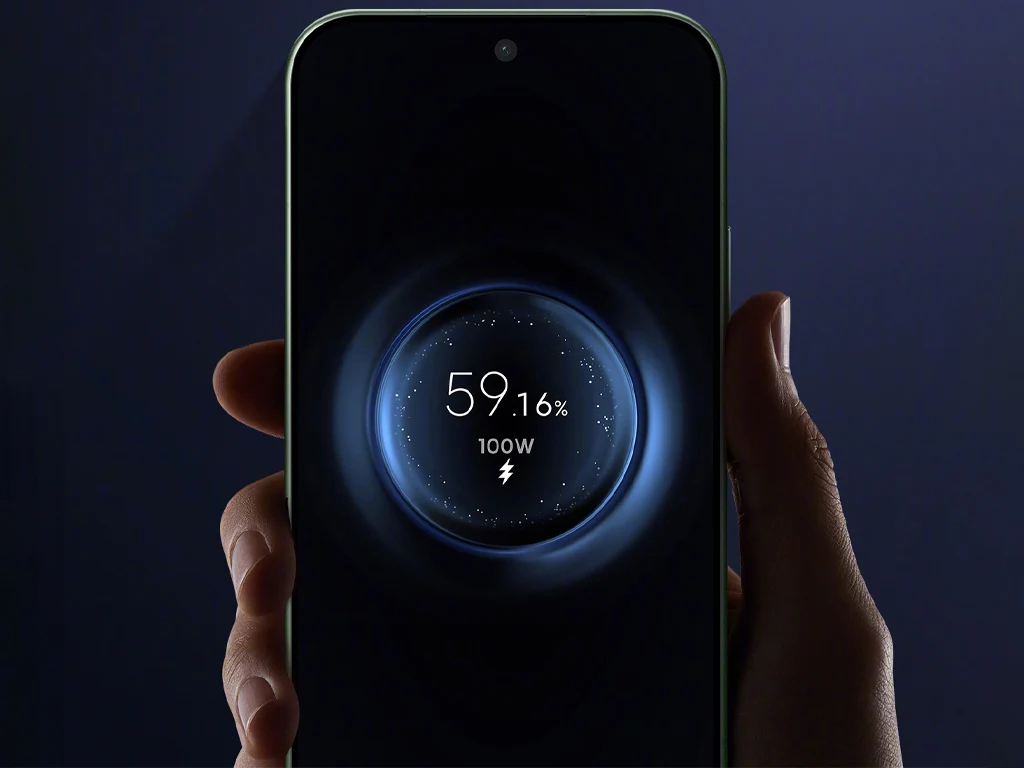
    4. Pro models will include L-shaped Si/C batteries with ultra-high energy density and support 100 W fast charging.
    5. The PPS charging protocol allows for fast charging with third-party chargers.


    Xiaomi has recently announced that the launch of its new Snapdragon 8 Elite Gen 5 flagship phones will happen sooner than expected. The full reveal of the Xiaomi 17 series will take place during the Chinese launch event on September 25, 2025, which is quickly approaching.

    Key Features Unveiled

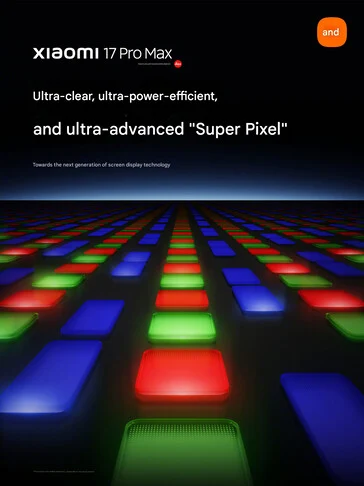
    Ahead of the launch, Xiaomi has disclosed several important features related to its flagship devices. One of the highlights is the display technology used in the Xiaomi 17 series, particularly emphasized for the Pro Max model. According to Lei Jun, the CEO, this high-end phone incorporates “Super Pixel” technology.

    This innovation is designed to enhance screen clarity, and Lei Jun mentions it will also improve power efficiency, boasting a 26% decrease in power usage compared to standard 2K displays. Additionally, he points out that the OLED panel will bring a significant boost in display quality, as it contains three RGB sub-pixels in each pixel.

    New Screen Luminescence Technology

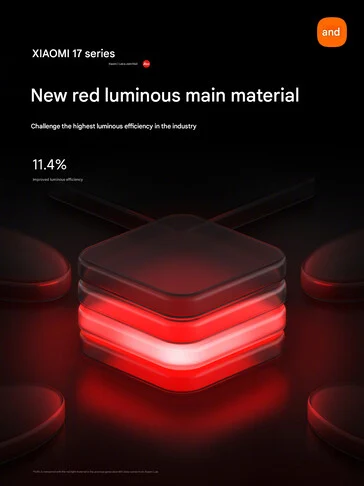
    In another teaser, Xiaomi has announced that the entire Xiaomi 17 range will utilize the new “M10 screen luminescence technology,” which promises to offer “world-leading luminous efficiency” for the flagship phones.

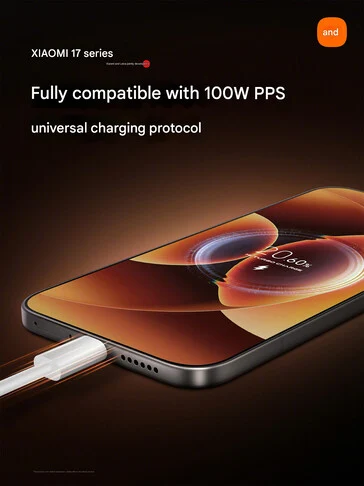
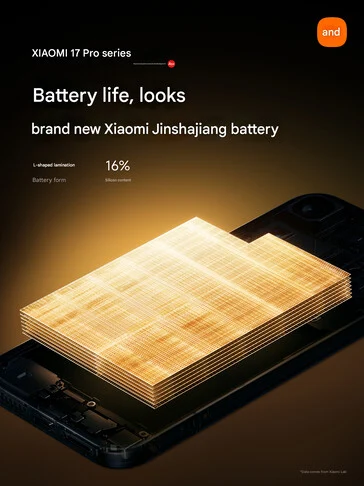
    Xiaomi has also confirmed that the Pro models are set to include L-shaped Si/C batteries, which have an “ultra-high” energy density. Furthermore, it has been stated that the upcoming Snapdragon 8 Elite Gen 5 flagship phones will support 100 W fast charging along with the PPS charging protocol.

    Fast Charging Capabilities

    The inclusion of the PPS universal charging protocol allows the flagship phones to be charged quickly even with third-party charging bricks. While the specific battery capacities for the Xiaomi 17 series remain unknown, the exciting news is that the launch is just around the corner.

    Source:
    Link


  • Vivo X300 Pro Unveiled with Superior Camera Accessories of X200 Ultra

    Vivo X300 Pro Unveiled with Superior Camera Accessories of X200 Ultra

    Key Takeaways

    1. Vivo will unveil the X300 and X300 Pro next month, while Xiaomi is launching the Xiaomi 15 and Xiaomi 15 Pro, priced at $890 on Amazon.
    2. The Vivo X300 Pro features a 6.78-inch, 1.5K LTPO AMOLED display with a 120 Hz refresh rate and is powered by a MediaTek Dimensity 9500 chipset.
    3. The camera system on the Vivo X300 Pro includes advanced VS1 and VS3+ camera chips and impressive hardware.
    4. Vivo has introduced first-party Camera Kit accessories for the X300 and X300 Pro, providing a 200 mm zoom and performing well in low light.
    5. It is currently unclear if Vivo will sell the Camera Kit accessories outside of China.


    Vivo is set to officially unveil the X300 and X300 Pro next month. However, Xiaomi is preparing to roll out the Xiaomi 15 Pro and the smaller Xiaomi 15, which is currently priced at $890 on Amazon. In the meantime, both companies are teasing information about their upcoming smartphones on social media. Additionally, Digital Chat Station has revealed key specifications for the Vivo X300 Pro to their audience.

    Display and Performance

    According to a mix of leaks and official announcements, Digital Chat Station indicates that the Vivo X300 Pro will feature a 6.78-inch, 1.5K LTPO AMOLED display with a refresh rate of 120 Hz, all packed into a 7.99 mm thin body. Furthermore, the report mentions that this device will be powered by a MediaTek Dimensity 9500 chipset. The camera system on the Vivo X300 Pro will include advanced VS1 and VS3+ camera chips, along with some impressive camera hardware.

    Camera Accessories

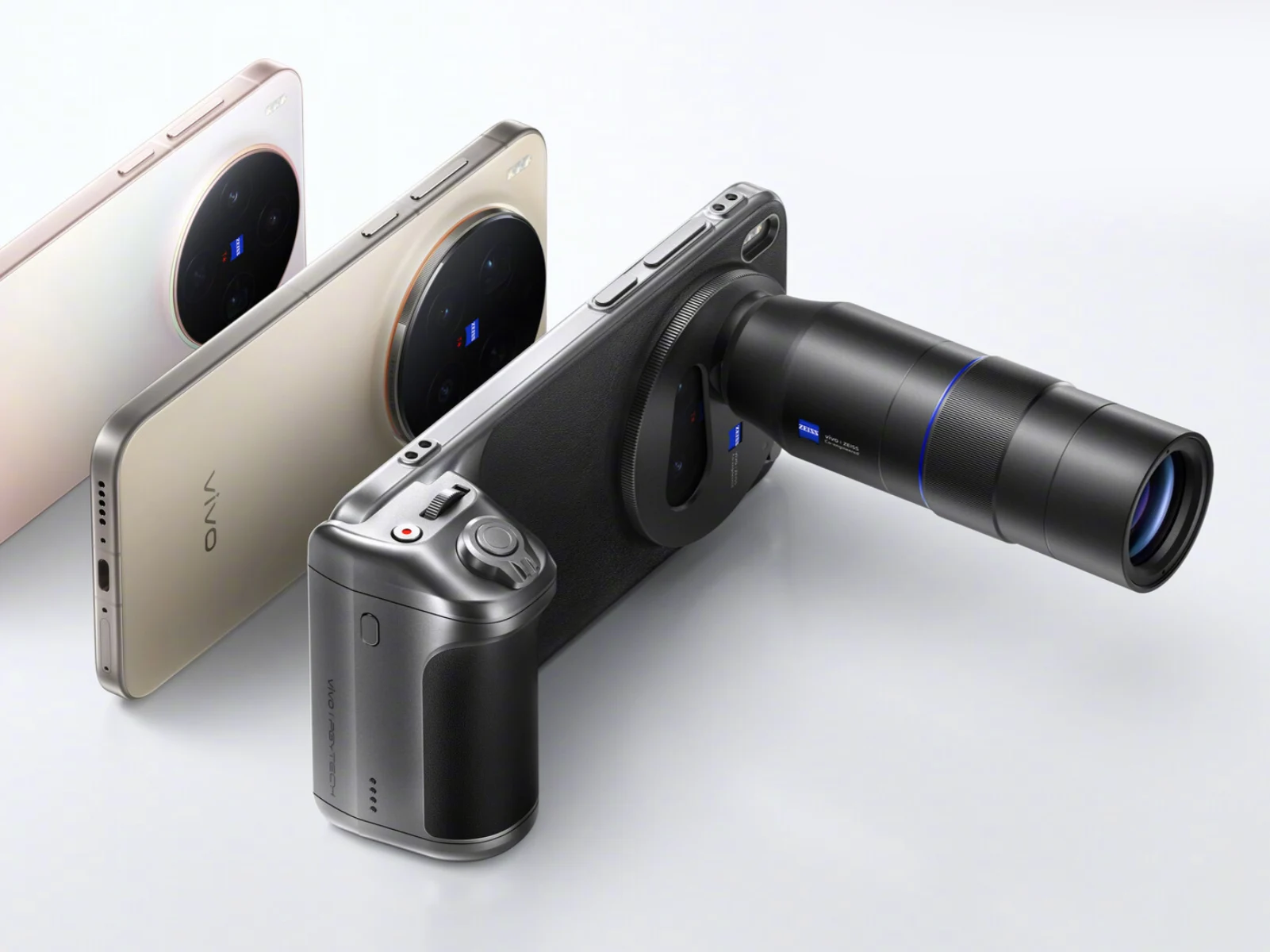
    At the same time, Vivo and Han Bo Xiao have introduced first-party Camera Kit accessories designed for both the X300 and X300 Pro models. This is similar to an accessory that was launched earlier this year with the X200 Ultra. These accessories provide a 200 mm zoom for both smartphones. Interestingly, the Camera Kit for the X300 Pro seems to perform well even at 800 mm in low-light situations. Nonetheless, it is still unclear whether Vivo intends to sell this accessory outside of China anytime soon.

    Source:
    Link


  • iPhone Air and 17 Pro Drop Test: Surprising Shatter Results

    iPhone Air and 17 Pro Drop Test: Surprising Shatter Results

    Key Takeaways

    1. Both the iPhone Air and iPhone 17 Pro can crack their screens when dropped face-first from six feet, despite remaining functional after impacts.
    2. The iPhone 17 Pro and iPhone Air bent under 200 and 190 pounds of pressure, respectively, but both still worked afterward.
    3. The new Ceramic Shield 2 front displays are more vulnerable to face-down drops, while the new Ceramic Shield rear panels offer better protection.
    4. The iPhone 17 Pro Max has a higher resistance of 240 pounds, making it slightly more durable than the other two models.
    5. Users are advised to use protective accessories, as repair costs for damages can be very high, reaching up to $749 for the 17 Pro.


    Post a successful bend test by well-known YouTuber JerryRigEverything, Allstate Protection Plans carried out independent breakability tests that showed Apple’s latest iPhone Air and iPhone 17 Pro can still get quite damaged due to gravity. The tests utilized robotic tools such as the “DropBot” and “BendBot” to mimic everyday accidents. Both phones passed controlled bending tests without losing their functionality, yet both screens cracked when dropped face-first from a height of six feet.

    Drop Tests Reveal Weaknesses

    In the drop tests, both the iPhone Air and iPhone 17 Pro remained functional after the impact, but their new Ceramic Shield 2 front displays broke instantly when dropped face-down. When dropped back-side down, the iPhone 17 Pro only suffered minor cosmetic damage, while the Air showed cracks on its back panel but continued to work. According to Allstate, this is due to the new Ceramic Shield rear panels that have taken the place of the older glass backs on earlier iPhone models.

    Bend Test Performance

    During the bend tests conducted by Allstate, the iPhone 17 Pro bent under 200 pounds of pressure, whereas the iPhone Air bent at 190 pounds. However, both devices were still operational afterward. Although these numbers are lower than the iPhone 17 Pro Max’s impressive 240-pound resistance, they still surpass the durability standards set by the industry. The iPhone Air, which is almost 35 percent thinner than the iPhone 17 Pro, came close to matching its strength, likely thanks to its rectangular camera housing and titanium frame, as noted by Allstate.

    As stated by Jason Siciliano, who is the VP of marketing at Allstate Protection Plans, it is recommended that iPhone 17 users utilize protective accessories for their devices, since repair costs can reach as high as $749 for the 17 Pro and $699 for the Air (not including AppleCare).

    Accessory Recommendation

    Consider purchasing the Spigen tempered glass screen protector for the iPhone 17 Pro on Amazon, to help prevent damage to your device.

    Source:
    Link


  • Galaxy S26 Ultra Upgrade Still Planned Despite Recent Reports

    Galaxy S26 Ultra Upgrade Still Planned Despite Recent Reports

    Key Takeaways

    1. Big companies like Samsung, Google, and Apple lag behind in battery size and charging speeds compared to some Chinese brands.
    2. The upcoming Galaxy S26 Ultra was initially expected to support fast charging up to 65W, but certification documents denied this upgrade.
    3. Recent confirmation indicates the Galaxy S26 Ultra will feature 60W fast charging instead of the previously rumored 45W.
    4. Samsung is also enhancing display technology for the Galaxy S26 Ultra with new M14 material and CoE technology for a thinner, brighter, and more energy-efficient screen.
    5. Previous flagship devices used M13 material; the new upgrades reflect ongoing improvements in Samsung’s display technology.


    For a long time, big companies like Samsung, Google, and Apple have been behind others when it comes to battery size and how fast they charge. Some Chinese brands have really pushed the limits, offering batteries with 7,000 mAh or more and charging speeds up to 120W. Although the top three brands aren’t likely to hit those figures soon, Samsung seems to be getting closer with its fast charging feature in the upcoming Galaxy S26 Ultra, despite recent reports.

    Galaxy S26 Ultra Charging Speed Update

    Recently, there have been many leaks about the Galaxy S26 Ultra, which hinted at an important upgrade in charging speed. However, a new certification document indicated that none of the Galaxy S26 models would receive this upgrade. Specifically, the Galaxy S26 Ultra was thought to support fast charging of up to 65W, but that hope has been dashed by the certification news.

    Confirmation of Charging Specs

    Now, well-known leaker PhoneArt (@UniverseIce on X) has confirmed that the Ultra will actually feature 60W fast charging instead of 45W. The post didn’t provide any extra details or sources, but it does confirm this expected upgrade for the Galaxy S26 Ultra once again.

    Display Technology Enhancements

    This charging improvement isn’t the only thing changing for the phone. A recent report suggests that Samsung plans to incorporate the new M14 material alongside CoE display technology for the OLED screen. This would make the display not just thinner but also brighter and more energy-efficient. In the last two generations, Samsung has employed the M13 material with a polarizing layer for its flagship devices, although its foldable phones since the Galaxy Z Fold 3 have already included CoE technology.

    Source:
    Link


  • Samsung Galaxy S26 Ultra Leaks: ProRes Rival & Bigger Display

    Samsung Galaxy S26 Ultra Leaks: ProRes Rival & Bigger Display

    Key Takeaways

    1. Display Enhancements: The Galaxy S26 Ultra is set to feature the new Samsung M14 AMOLED panel, promising a brighter, more energy-efficient, and thinner display compared to previous models, while other variants will retain the older M13 panel.

    2. Competitor Showcases: Chinese smartphone makers like Vivo have already highlighted the capabilities of the M14 display, boasting features such as 2,600 nits brightness and 144Hz refresh rate, though it remains unclear if these specs will apply to the Galaxy S26 Ultra.

    3. New Privacy Features: The Galaxy S26 Ultra will include a “Flex Magic Pixel” feature, providing a privacy filter to prevent screen peeking, with options for maximum privacy mode and manual settings for specific apps.

    4. Video Capabilities: Samsung is developing the Advance Professional Video Codec (APV) for the Galaxy S26 Ultra, aiming to attract video professionals with features like lossless compression, support for high-quality video formats, and efficient storage use.

    5. Competition with Apple: Samsung’s enhancements in camera and video capabilities aim to challenge Apple’s offerings, particularly targeting video creators who currently favor the iPhone 17 Pro.


    While the Apple iPhone 17 Pro, iPhone Air, and various Chinese smartphones like the Xiaomi 17, Vivo X300, and Oppo Find X9 are grabbing attention, there’s some thrilling news about Samsung’s upcoming Galaxy S26 models. Recent social media discussions and insider information have shed light on the successors to the Galaxy S25, Galaxy S25 Plus, Galaxy S25 Edge, and Galaxy S25 Ultra.

    Display Upgrades on the Horizon

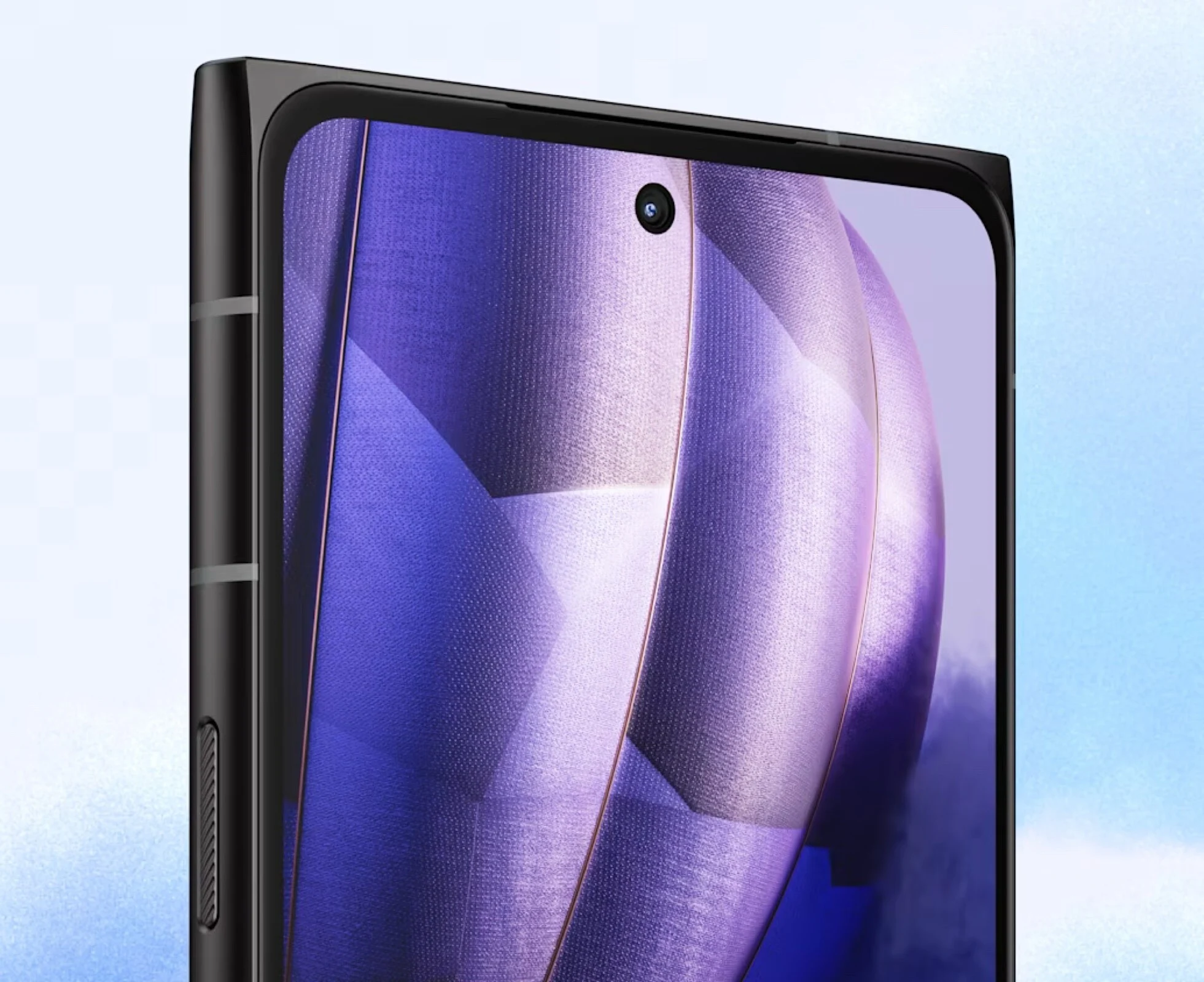
    One major enhancement expected for the Galaxy S26 Ultra is its display. According to the Korean outlet EtNews, the new Samsung M14 AMOLED panel could debut in a flagship device. When paired with the previously discussed COE technology, it promises a display that is brighter, more energy-efficient, and thinner for the Galaxy S26 Ultra. However, it seems this upgrade may only be available for the Ultra variant, while the Galaxy S26 Pro and Galaxy S26 Edge (also referred to as Galaxy S26 Air) will stick with the older M13 AMOLED panel, which is already used in the Galaxy S24 and Galaxy S25.

    Early Teasers by Competitors

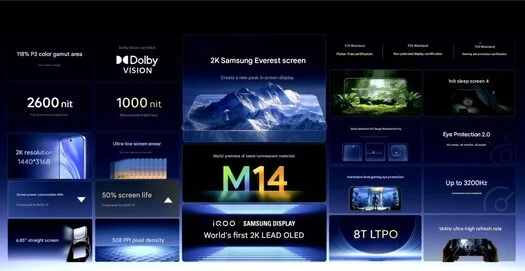
    Samsung has yet to officially announce its new M14 displays, but Chinese smartphone makers are already showcasing their features. Vivo was the first to highlight the M14 at the launch of the iQOO 15, claiming it can achieve a maximum brightness of 2,600 nits, consume 44% less power, and support a refresh rate of 144Hz. It remains uncertain if these specs will be part of the Galaxy S26 Ultra. Nevertheless, the absence of a polarizer is expected to bring significant benefits not just to the iQOO 15, but also to the Galaxy S26 Ultra.

    Privacy Features Confirmed

    A few months back, there were whispers about a “Flex Magic Pixel” feature for the Galaxy S26 Ultra. Recent code analysis of an early One UI 8.5 beta version has confirmed this feature. Code snippets shared by Android Authority indicate that it might be marketed under names like “Private Display” or “Privacy Display,” which aptly reflects its function. This feature acts as a privacy filter, similar to those from third-party vendors, and can be turned on with a button or through AI technology to prevent others from peeking at your screen on public transport.

    The code also suggests a maximum privacy mode that darkens the screen, alongside manual settings to activate it in specific apps or at designated times. With the combination of the M14 AMOLED panel and a more streamlined design that uses a color filter instead of a polarizer, the Samsung Galaxy S26 Ultra could deliver a notable display improvement, likely reserved for the Ultra model alone.

    Competing for Video Professionals

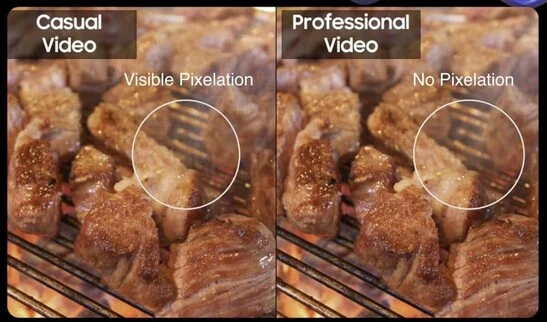
    Finally, Samsung appears to be eyeing camera experts with a new alternative to Apple’s ProRes. The APV codec aims to maintain high-quality, “Hollywood-level” video even after heavy post-processing. Some of the screenshots below come from an official Samsung video from the 2023 Samsung Developer Conference (SDC23), which we’ve linked at the end.

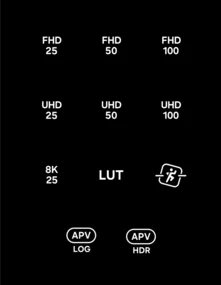
    Ice Universe reports, referencing two sources for this One UI 8.5 leak, that the Advance Professional Video Codec will be 20% more efficient in storage, creating smaller video files with lossless compression while supporting Log, HDR, and 12-bit colors. Other features mentioned include 4:4:4 chroma subsampling, frame rate support up to 4K100 and 8K25, along with Horizon Lock and LUT compatibility in the Galaxy S26 Ultra camera app. Samsung seemingly aims to entice aspiring video creators away from Apple’s iPhone 17 Pro. Time will tell if they will succeed, as earlier leaks regarding the Galaxy S26 camera hardware suggested brighter cameras but still used somewhat outdated sensors.

    Source:
    Link