Category: Phones

Stay updated with the latest phone news, reviews, and trends. Discover cutting-edge smartphones, features, and innovations in our Phones category at GizNewsDaily

  • iPhone 17 Durability Test: JerryRigEverything’s Review of Budget Model

    iPhone 17 Durability Test: JerryRigEverything’s Review of Budget Model

    Key Takeaways

    1. The entry-level iPhone 17 passed durability tests with excellent results, making it a strong option in the lineup.
    2. The front screen features a ceramic shield that protects it up to level seven on the Mohs hardness scale, showing good resistance to scratches.
    3. The back lacks the ceramic shield and showed varying scratch resistance, with level five and below causing minimal damage, while level six left lasting marks.
    4. The iPhone 17 successfully passed the bend test, demonstrating slight flexing but no cracks, indicating a robust design.
    5. Pre-order statistics suggest the iPhone 17 is expected to outsell the successful iPhone 16.


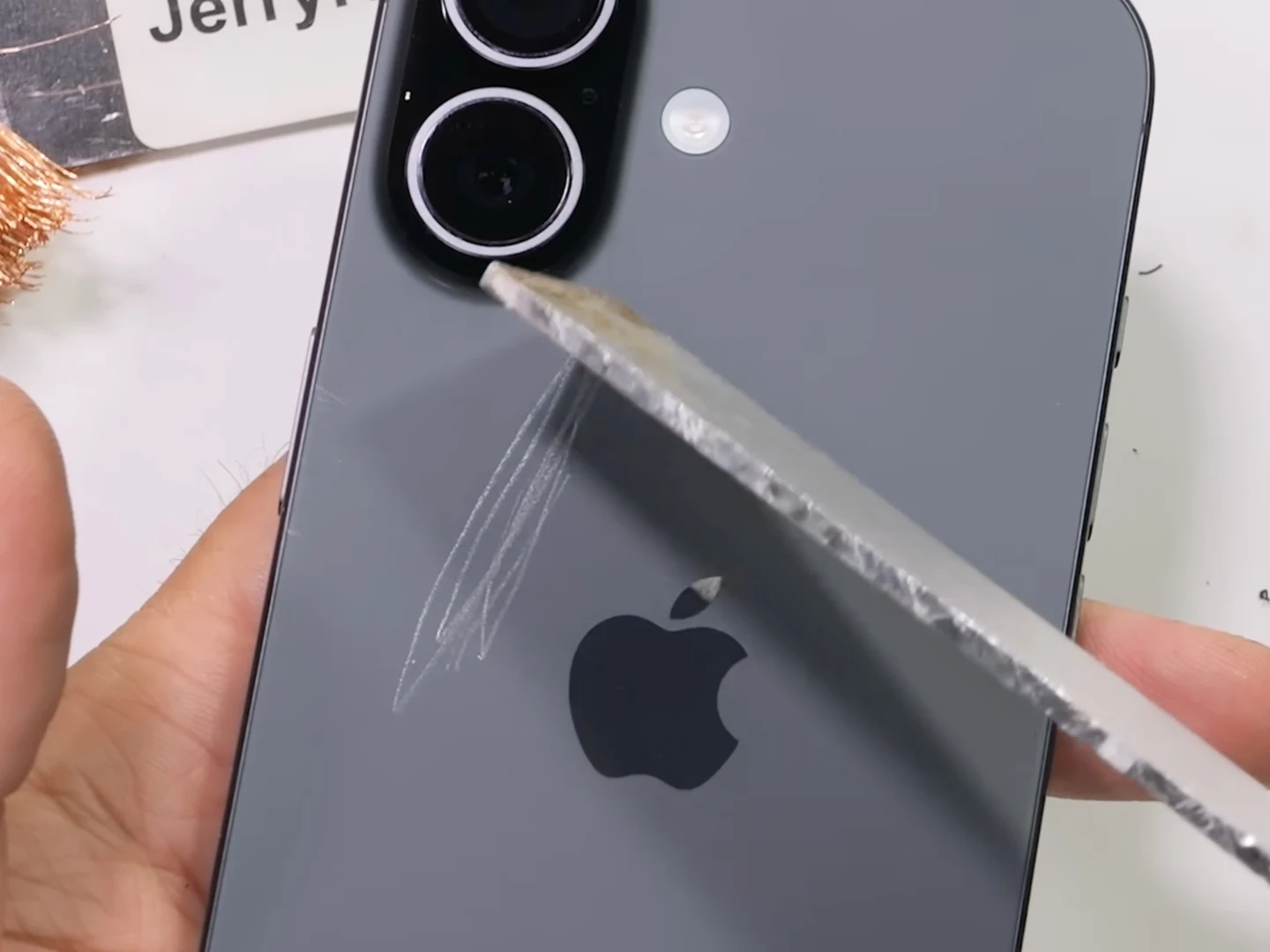
    Following the testing of the iPhone Air and the iPhone 17 Pro (Max), the entry-level iPhone 17 has also undergone the durability assessment by JerryRigEverything (linked below). This model is the most affordable in the series and is anticipated to outsell the already successful iPhone 16, based on pre-order statistics. Luckily, it has passed the durability evaluation with excellent results.

    Testing Methodology

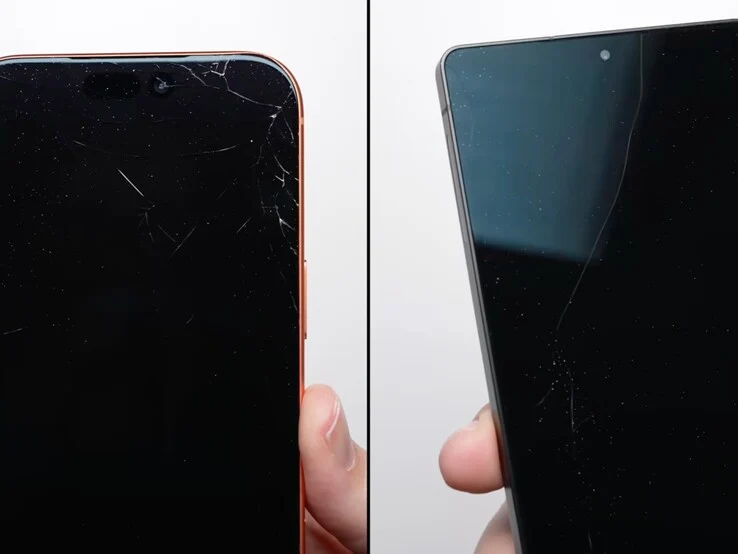
    In addition to standard scratch testing tools, JerryRigEverything employed everyday items to simulate typical wear and tear. Starting with the front of the iPhone 17, the ceramic shield performed admirably, protecting the screen up to level seven on the Mohs hardness scale. There was some minor smudging at level seven, but no scratches or cracks were evident. The back of the phone presents a more intriguing scenario, as it lacks the ceramic shield that enhances scratch resistance seen in the iPhone Air and Pro versions.

    Scratch Resistance Findings

    Interestingly, while a stainless-steel utility knife (rated at level five hardness) left only light scratches on the back, an aluminum piece with a hardness of level three managed to leave permanent marks. Although this was a deliberate scratching test, there have been multiple accounts of display units in stores getting scratched. Apple, however, refutes these claims, asserting that what some see as scratches are merely “material transfer.” In terms of the iPhone 17, a titanium rod (level six) also left lasting impressions. Conversely, a copper and nickel coin, a brass key, copper wire, a 90% silver coin, and a 90% gold coin did not create any permanent damage.

    Bend Test Results

    In the bend test, applying full pressure resulted in no cracks on either the front or back. The device exhibited only slight flexing, demonstrating that the combination of an aluminum frame and glass is sufficiently robust to endure bending from regular usage. This outcome was consistent across the entire lineup, including the iPhone Air, which, despite its slim profile, can handle considerable force.

    Source:
    Link


  • Vivo V60 Lite 4G: Enhanced Camera and AMOLED Display Launch

    Vivo V60 Lite 4G: Enhanced Camera and AMOLED Display Launch

    Key Takeaways

    1. The Vivo V60 Lite 4G offers significant upgrades in display quality, camera features, and design compared to the earlier V50 Lite 4G.
    2. It is powered by a Qualcomm Snapdragon 685 processor, with 8 GB of RAM and 256 GB of non-expandable storage, running on Android 15.
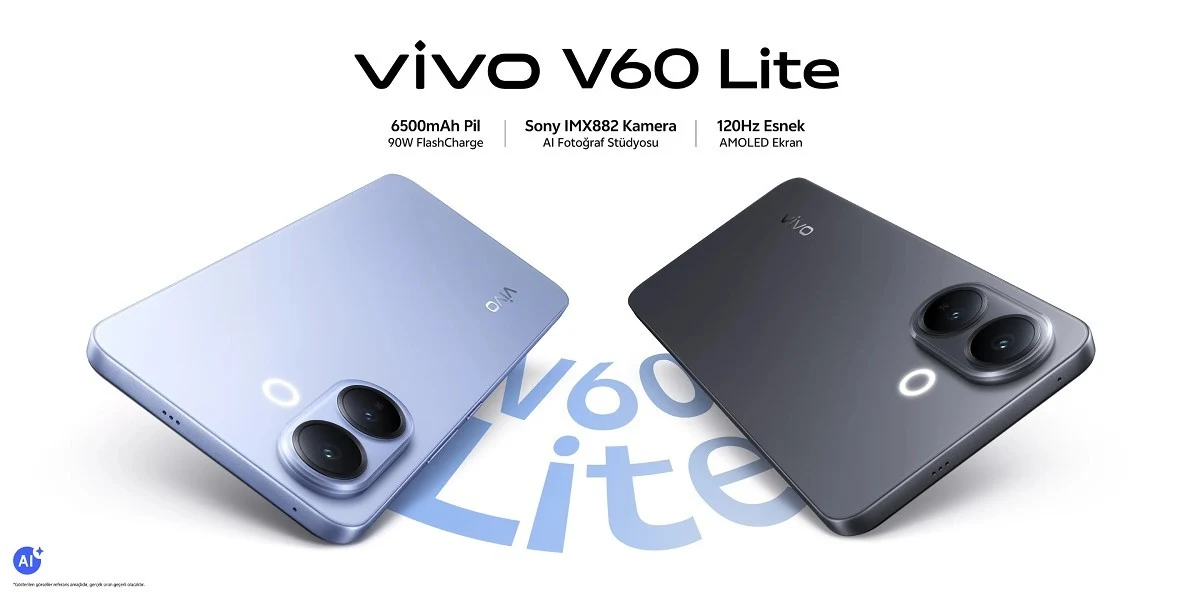
    3. The smartphone features a large 6,500 mAh battery with 90 W wired charging and comes with a 50 MP main camera, an 8 MP ultrawide camera, and a 32 MP front camera.
    4. The display is a 6.77-inch AMOLED screen with a resolution of 2392 x 1080 pixels, a 120 Hz refresh rate, and peak brightness of 1,800 nits, while the device is slimmer and lighter than its predecessor.
    5. The V60 Lite 4G is priced at TRY 22,000 ($530/€450) and includes features like IP65 water and dust resistance, Wi-Fi 5, Bluetooth 5.0, and a side-mounted fingerprint sensor.


    Vivo has just launched the V60 Lite 4G smartphone globally, following the earlier release of the V60 Lite 5G. This new model boasts impressive improvements compared to the previous Vivo V50 Lite 4G, especially in display quality, camera features, and overall aesthetics. It’s worth noting that the V50 Lite 4G was revealed earlier this year in March. Vivo seems to be quick with their V-series updates, not waiting an entire year between releases.

    Performance and Specifications

    On the other hand, the V60 Lite 5G shares its processor with the earlier version. Specifically, the V60 Lite 4G runs on the Qualcomm Snapdragon 685 chipset, which is positioned in the mid-range category. It comes with 8 GB of LPDDR4X RAM and 256 GB of UFS 2.2 storage, although this storage cannot be expanded. The device operates on Android 15, but there is no information available concerning the duration of software updates from Vivo.

    Battery and Camera Upgrades

    The smartphone features a generous 6,500 mAh battery that supports 90 W wired charging (the Ugreen Nexode 100 W charger is currently priced at $33.99 on Amazon). This time, Vivo has removed the 2 MP depth sensor and replaced it with an 8 MP ultrawide camera, which complements the 50 MP Sony IMX882 main rear camera. For selfies and video calls, there’s a 32 MP front-facing camera.

    Display and Design

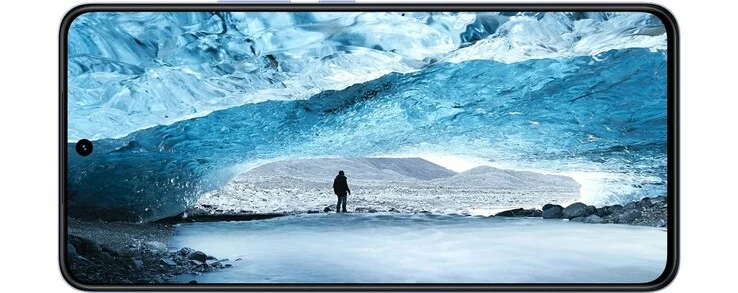
    Regarding the display, the Vivo V60 Lite 4G is equipped with a 6.77-inch AMOLED screen that offers a resolution of 2392 x 1080 pixels, a refresh rate of 120 Hz, and an impressive peak brightness of 1,800 nits. In terms of dimensions, the device is slimmer than its predecessor, measuring 7.59 mm (0.29 inches) thick (reduced from 7.8 mm) and weighing approximately 194 grams (0.42 lbs). Other notable features of the V60 4G model include IP65 water and dust resistance, Wi-Fi 5, Bluetooth 5.0, and a fingerprint sensor located on the side.

    The Vivo V60 Lite 4G comes in blue and black color variants and is priced at TRY 22,000 ($530/€450) for the 8 GB + 256 GB configuration. For more information about the device, you can visit Vivo Turkey’s official website.

    Source:
    Link


  • Apple Clarifies Demo iPhone 17 Marks Are Not Scratches

    Apple Clarifies Demo iPhone 17 Marks Are Not Scratches

    Key Takeaways

    1. Many display units of the iPhone 17 series were found with marks due to handling by customers, raising concerns about durability.
    2. Apple clarified that the marks are not scratches but residue from worn MagSafe stands used in stores, which can be cleaned off.
    3. Other iPhone models, like the iPhone 16 series, also showed similar marks from MagSafe stands, prompting Apple to work with retailers on solutions.
    4. Apple acknowledged that the camera plateau edges on the iPhone 17 Pro are prone to wear, similar to other anodized aluminum products.
    5. Despite reports of scratches on the iPhone 17 Pro and Pro Max, Apple maintains that the devices are designed to withstand wear, although the aluminum paint is still susceptible to damage.


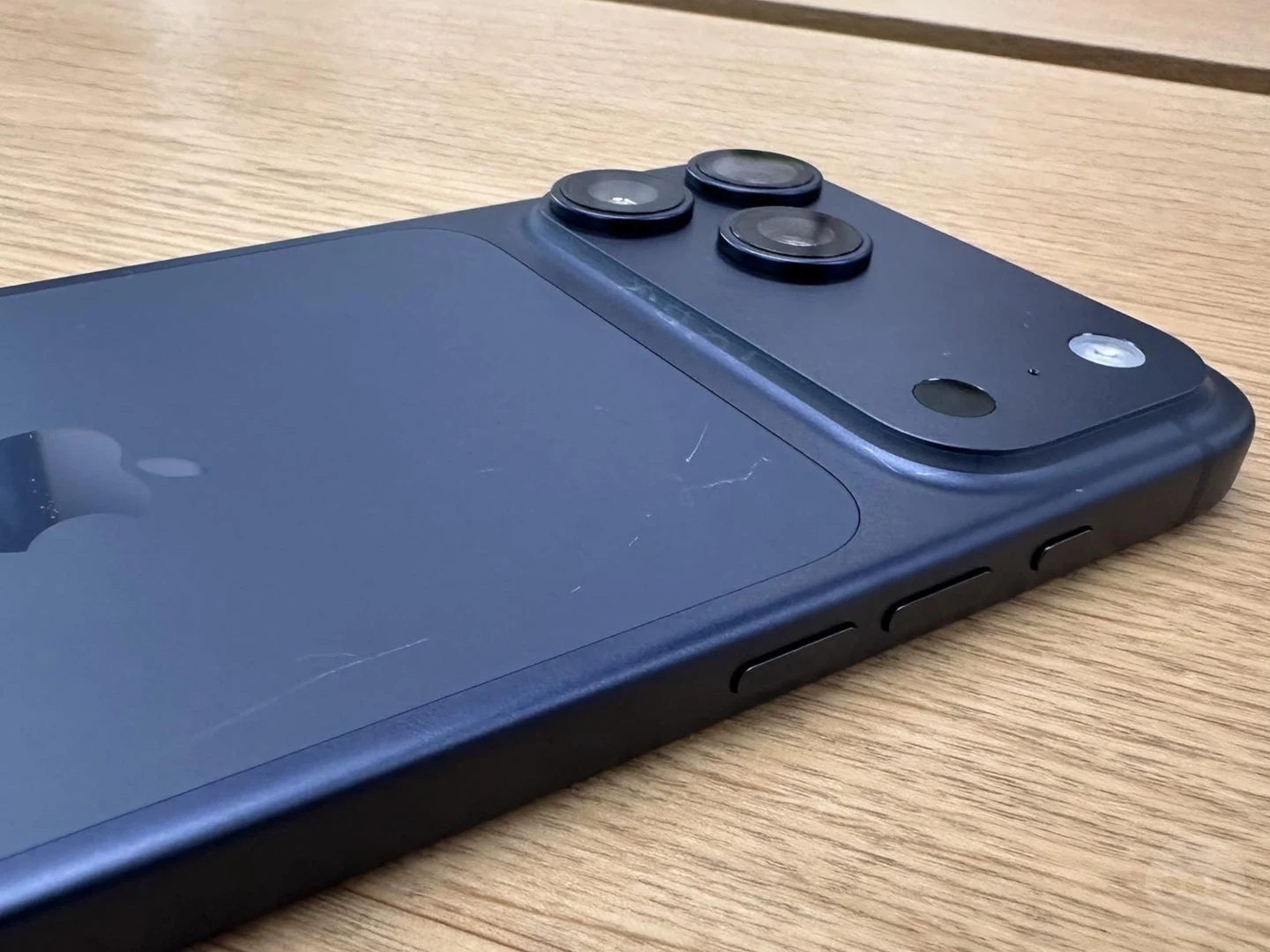
    Shortly after the iPhone 17 series was released, many display units in stores worldwide were found to have scratches and marks on their backs. These units were handled by a variety of customers, some more roughly than others, leading to concerns about the durability of the devices and Apple’s choice to use aluminum for its Pro models. In response to these worries, Apple has stated that the marks seen on these units are not actually scratches.

    Explanation of the Wear

    According to a report from 9to5Mac, after consulting with Apple, it was revealed that the visible imperfections were due to worn MagSafe stands. Some retailers had used these stands to showcase the new iPhones, which apparently caused “material transfer” onto the phones. Apple asserts that these marks were not scratches but rather residue from the stands that can be easily cleaned off.

    Other Models Affected

    The report indicates that other iPhone models, including the iPhone 16 series, were similarly affected by the MagSafe stands. Apple is currently working with retailers to resolve these issues.

    Camera Plateau Concerns

    Regarding the iPhone 17 Pro’s camera plateau edges, which JerryRigEverything pointed out as particularly vulnerable to scratches, Apple claims they are designed like “anodized aluminum cases on other Apple products” and will naturally experience wear over time.

    From the information available, Apple appears to dismiss the idea of “scratchgate,” despite numerous user reports of visible scuffs and scratches on the iPhone 17 Pro and Pro Max models. Although the display is more scratch-resistant and the glass on the back of the Pro models is tougher, the paint on the aluminum body appears to be susceptible to scratching. A recent report highlighted that even when using cases, the iPhone 17 Pro and Pro Max were developing dents and scuffs.

    Source:
    Link


  • Snapdragon 8 Elite Gen 5 vs Apple A19 Pro: Benchmark Comparison

    Snapdragon 8 Elite Gen 5 vs Apple A19 Pro: Benchmark Comparison

    Key Takeaways

    1. The Snapdragon 8 Elite Gen 5 shows significant performance improvements, narrowing the gap with Apple’s A19 Pro in single-core performance and outperforming it in multi-core benchmarks.
    2. It is 18% faster in single-core and 19% faster in multi-core performance compared to the Snapdragon 8 Elite, despite the core count remaining unchanged.
    3. The chip is built on TSMC’s N3P node, with potential for exceeding the 4,000 single-core score in Geekbench 6.4 with future devices.
    4. The Adreno 840 GPU exhibits notable gains, with performance increases of 16% to 39% across various benchmarks, although not as strong in 3DMark.
    5. The competition from Dimensity 9500’s Mali G1-Ultra and potential new GPU from Exynos 2600 indicates that Snapdragon 8 Elite Gen 5 may face challenges in the market.


    Prior Geekbench listings have given us a glimpse into how the Qualcomm Snapdragon 8 Elite Gen 5 compares to its previous versions. The improvement in performance is significant, as Qualcomm has finally narrowed the gap with Apple’s silicon. Recently, the company has shared some first-party benchmarks that provide a clearer picture of the chip’s performance capabilities.

    Performance Comparison

    In Geekbench, the Snapdragon 8 Elite Gen 5 competes closely with Apple’s A19 Pro in single-core performance, a situation that hasn’t been seen in several generations. In multi-core benchmarks, it even outperforms Apple silicon, which is expected due to its higher core count. Still, Qualcomm does better than its Android rivals, like the Dimensity 9500 (3,394/9,974) and Exynos 2600 (3,309/11,256), in single-core tests. It’s worth noting that these results came from pre-launch devices, so it’s wise to hold off on final judgments until more information is available.

    Impressive Improvements

    On the whole, the Snapdragon 8 Elite Gen 5 is 18% quicker than the Snapdragon 8 Elite in single-core performance and 19% faster in multi-core performance. These are remarkable stats, especially since the core count hasn’t changed between generations. Furthermore, the SoC is built on TSMC’s N3P node, which doesn’t offer a substantial increase in transistor density compared to N3E (the node used for the Snapdragon 8 Elite). There’s a strong possibility that the Snapdragon 8 Elite Gen 5 could surpass the 4,000 single-core mark in Geekbench 6.4 once additional devices are released.

    GPU Performance Gains

    The Adreno 840 GPU in the Snapdragon 8 Elite Gen 5 shows notable improvements compared to its predecessors, boasting a 16% gain in GFXBench 3.1 Manhattan ES Offscreen, 34% in Aztec Ruins Normal Tier Offscreen, and 39% in Aztec Ruins High Tier Offscreen. However, its performance in 3DMark is not as striking.

    That being said, the Dimensity 9500’s Mali G1-Ultra might pose a significant challenge this time around, as shown by an earlier benchmark leak. It’s still too soon to predict how the Exynos 2600 will perform, as it may introduce Samsung’s proprietary GPU rather than one based on AMD’s RDNA 3 architecture.


  • Qualcomm Snapdragon 8 Elite Gen 5 Launches with Flagship Phones

    Qualcomm Snapdragon 8 Elite Gen 5 Launches with Flagship Phones

    Key Takeaways

    1. Qualcomm has launched the Snapdragon 8 Elite Gen 5, replacing the previous Snapdragon 8 Elite.
    2. The new CPU cores provide a 20% performance boost, with a GPU that is 23% more efficient.
    3. The Hexagon NPU in the Snapdragon 8 Elite Gen 5 is 37% faster than its predecessor.
    4. It features Qualcomm’s X85 5G modem and supports the Advanced Professional Video (APV) codec for improved video recording.
    5. Devices from various brands, including Xiaomi, will start launching with the Snapdragon 8 Elite Gen 5 in the coming days.


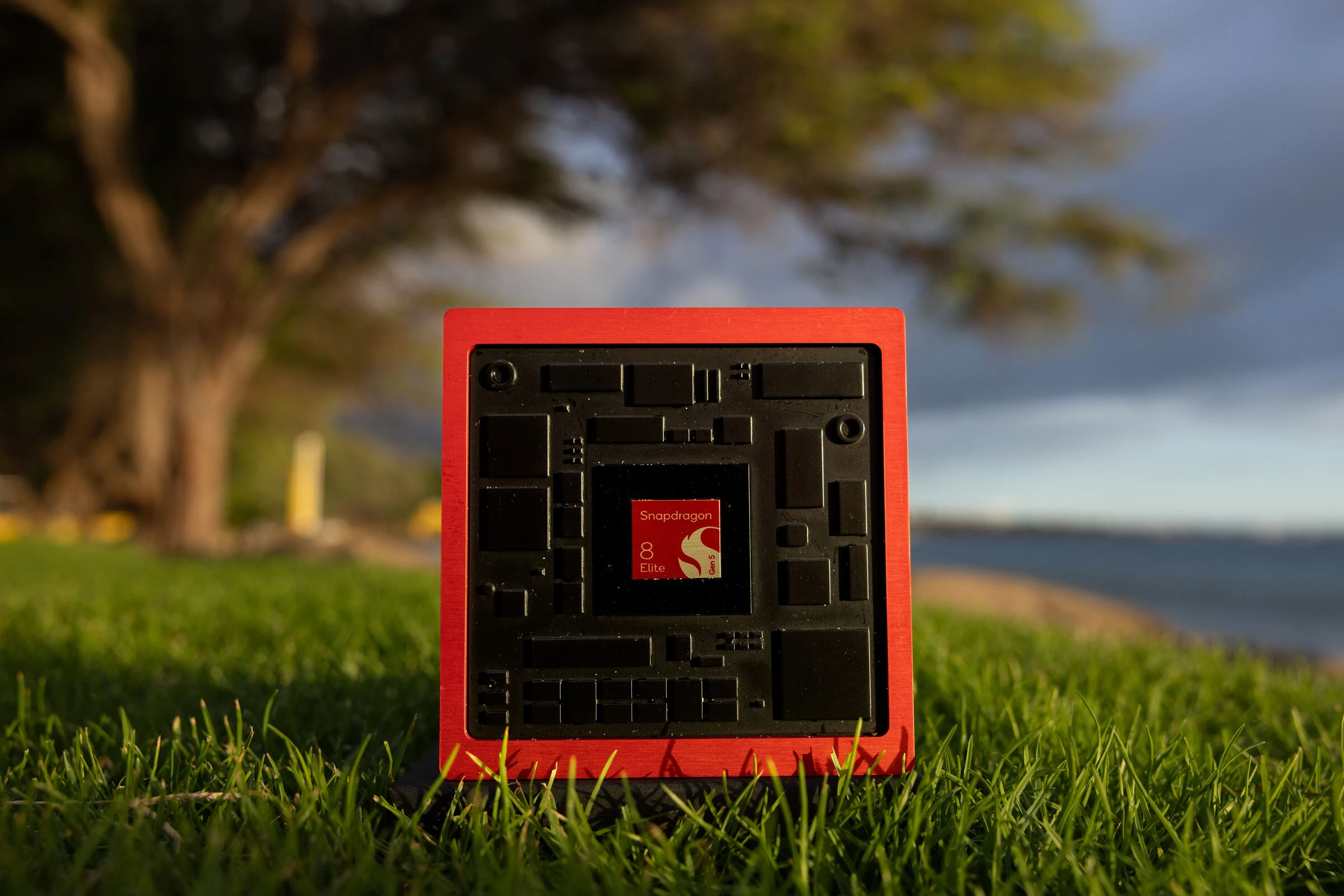
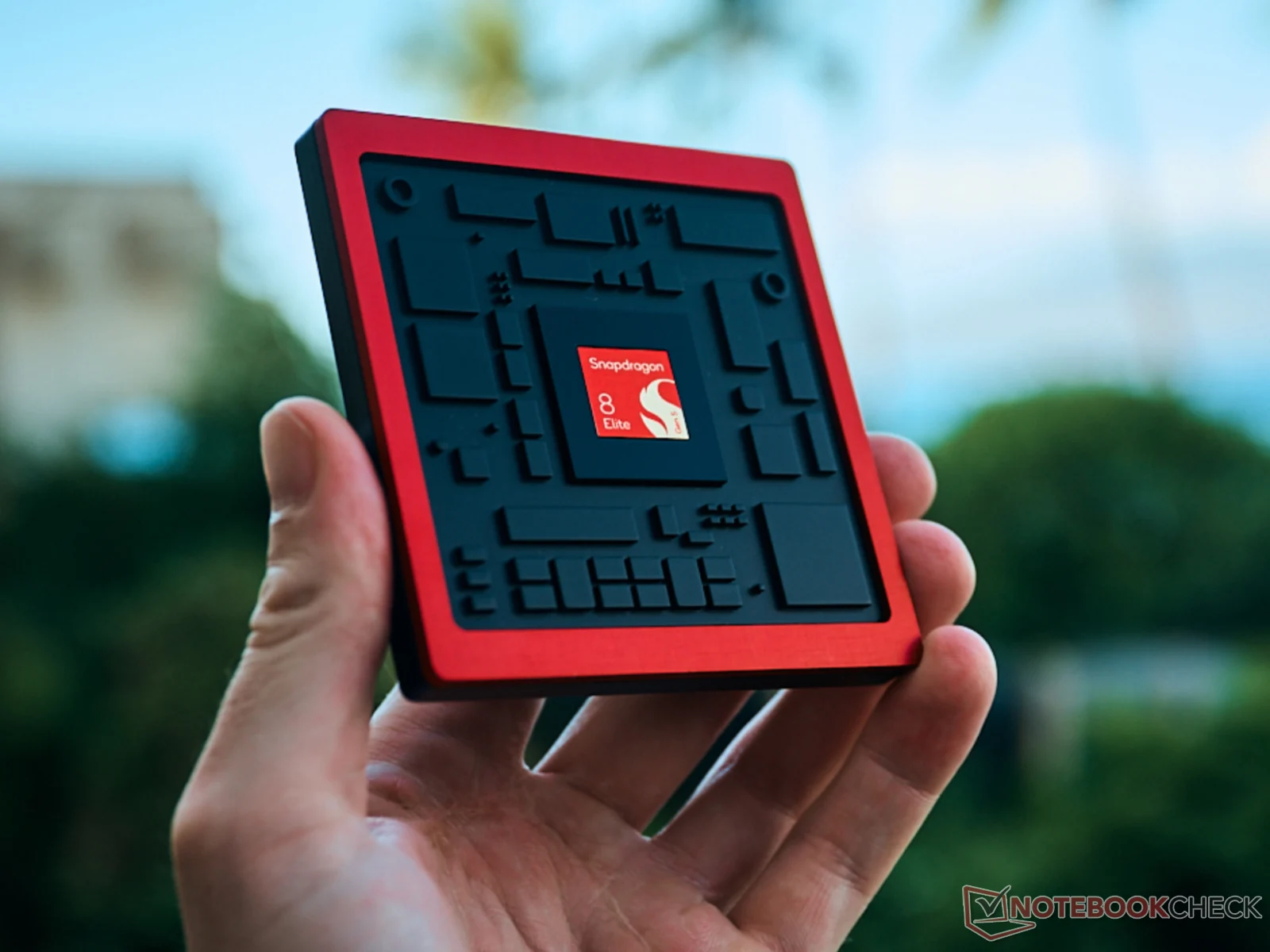
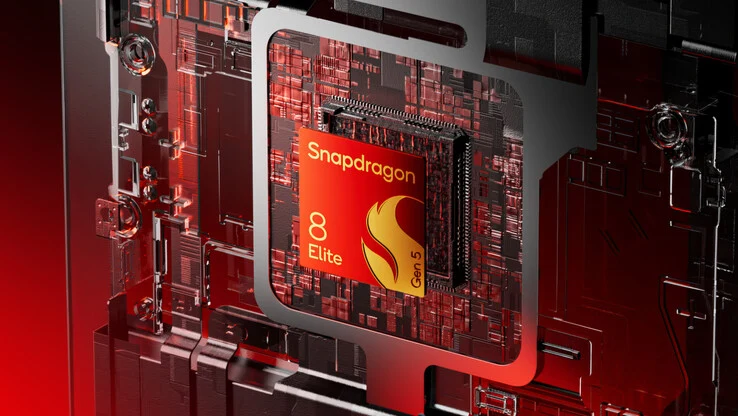
    Qualcomm has introduced the Snapdragon 8 Elite Gen 5, which replaces the Snapdragon 8 Elite that powers devices like the Galaxy S25 Ultra and OnePlus 13 (currently priced at $929 on Amazon) along with other leading smartphones. While the recently launched MediaTek Dimensity 9500 uses ARM’s Lumex platform, Qualcomm’s Snapdragon 8 Elite Gen 5 is built on its 3rd Gen Oryon CPU cores.

    Performance Improvements

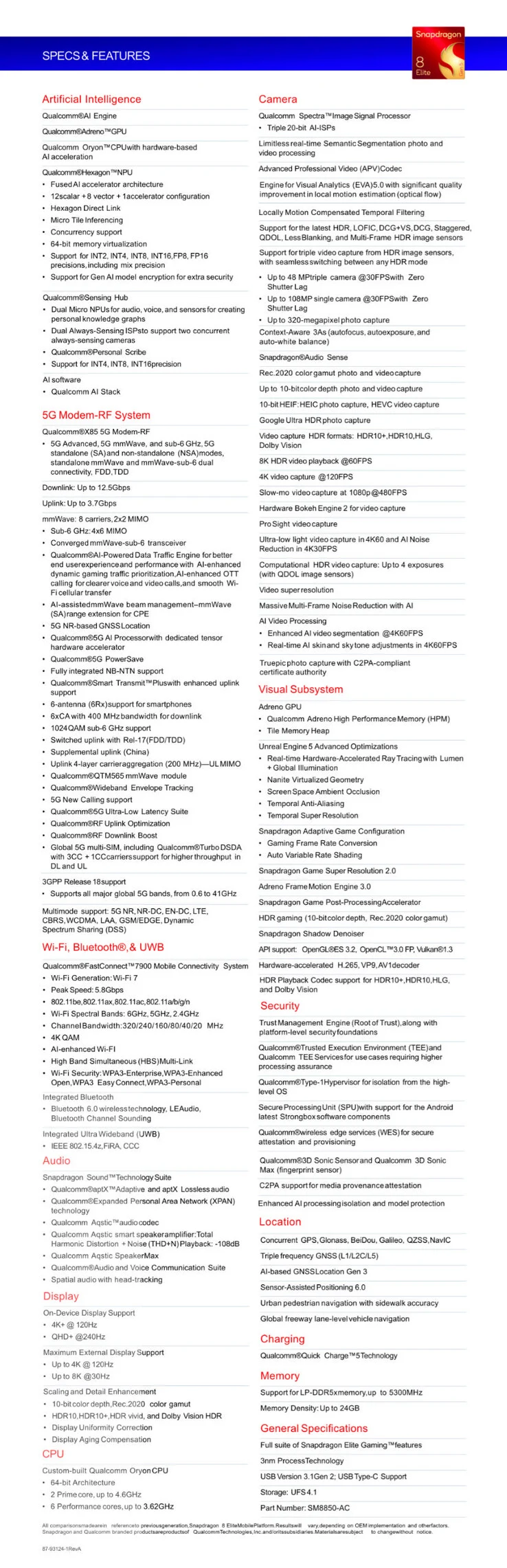
    Qualcomm claims that these new CPU cores provide a 20% boost in performance compared to the ones in the Snapdragon 8 Elite. Furthermore, the integrated GPU in the Snapdragon 8 Elite Gen 5 is reported to be up to 23% more efficient than the Adreno 830 found in the Snapdragon 8 Elite. Additionally, the Hexagon NPU in the new chipset is said to be 37% quicker than its earlier version.

    New Features

    The Snapdragon 8 Elite Gen 5 also comes with Qualcomm’s X85 5G modem, which was previously highlighted during MWC 2025. Qualcomm proudly states that this chipset is the “world’s first mobile platform” to include support for the Advanced Professional Video (APV) codec, promising enhanced video recording features for upcoming Android flagship devices.

    Device Availability

    In terms of availability, Qualcomm has confirmed that the Snapdragon 8 Elite Gen 5 will be featured in products from brands such as Asus ROG, Honor, iQOO, Nubia, OnePlus, Oppo, Poco, Realme, Redmi, RedMagic, Samsung, Sony, Vivo, Xiaomi, and ZTE. The company mentions that smartphones using the Snapdragon 8 Elite Gen 5 will begin launching “in the coming days.” Currently, only the Xiaomi 17, Xiaomi 17 Pro, and Xiaomi 17 Pro Max have been officially announced to debut this month with Qualcomm’s latest mobile technology.

    Source:
    Link


  • iPhone 17 Pro Max vs Galaxy S25 Ultra Drop Test Comparison

    iPhone 17 Pro Max vs Galaxy S25 Ultra Drop Test Comparison

    Key Takeaways

    1. The iPhone 17 Pro Max uses aluminum and glass materials, making it potentially less sturdy than the Galaxy S25 Ultra, which has a titanium frame.
    2. A drop test showed that both devices cracked during 1-meter drops, but the Galaxy S25 Ultra experienced worse damage due to more glass coverage.
    3. In corner drop tests from 1 meter, the iPhone 17 Pro Max sustained a noticeable dent, while the Galaxy S25 Ultra only showed light scuffing.
    4. Both devices experienced screen cracks from face drops, but Apple’s enhanced ceramic shield proved tougher than previous models.
    5. The iPhone Air demonstrated good bending resistance, but both the iPhone Air and iPhone 17 shattered when dropped face-down from six feet.


    Ever since the iPhone 17 series was unveiled on September 9, many people are wondering about the toughness of these devices, especially the slimmer iPhone Air. Apple has opted for aluminum and glass materials for the iPhone 17 Pro Max instead of titanium, which might make it less sturdy compared to not only the iPhone 16 Pro Max but also its main rival, the Galaxy S25 Ultra (available on Amazon). A recent drop test has provided insights into how these two smartphones compare in terms of durability.

    Comparing Durability

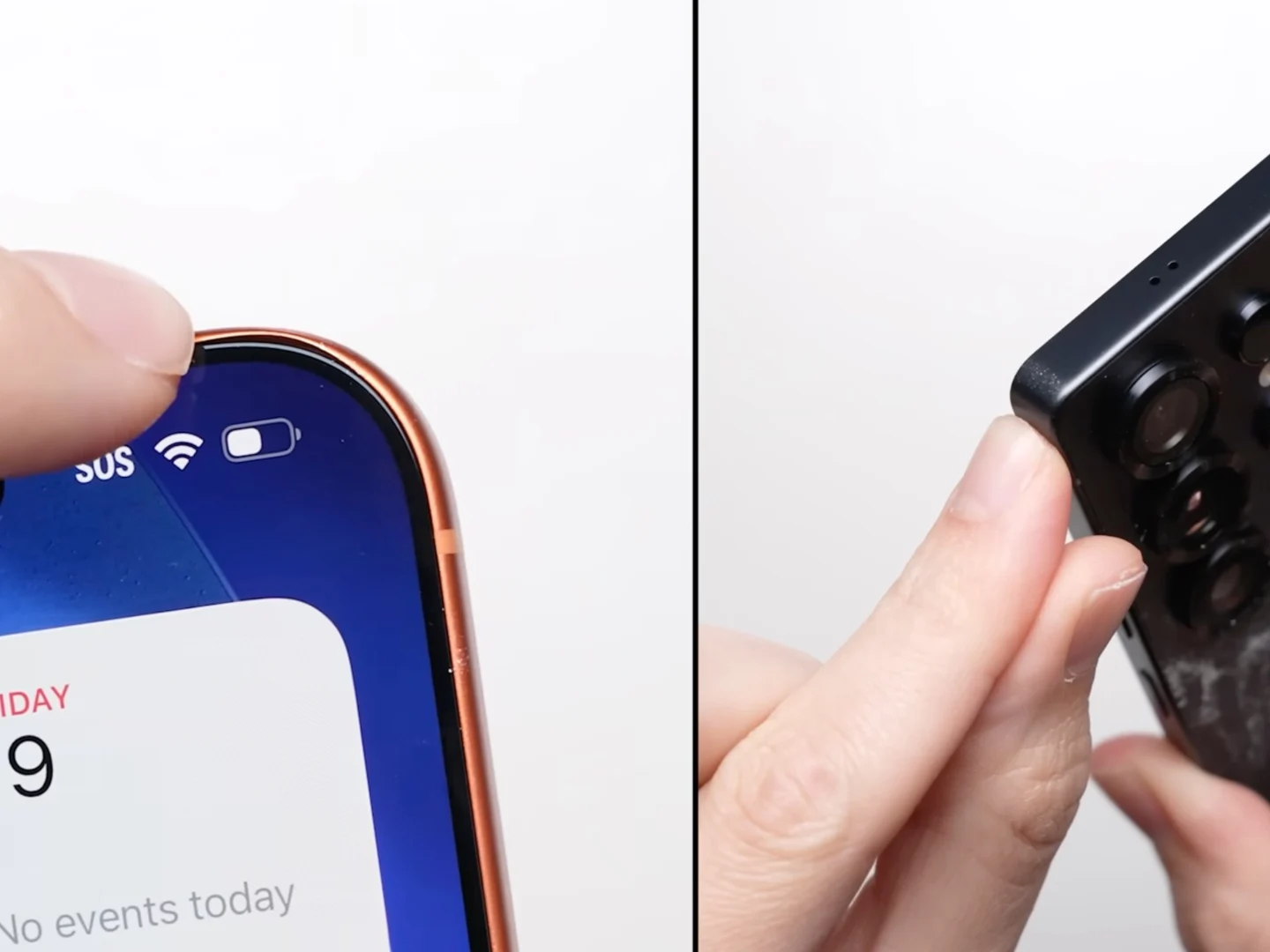
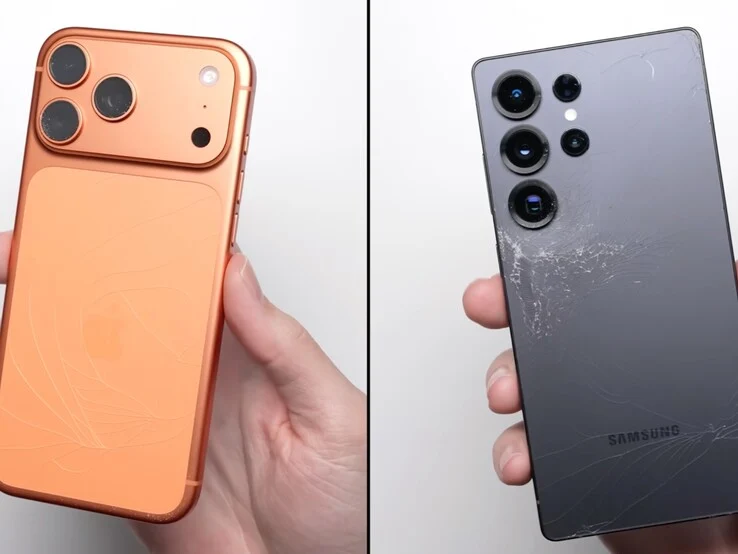
    A video posted by PhoneBuff on YouTube (linked below) showcased a drop test between the iPhone 17 Pro Max and the Galaxy S25 Ultra. They utilized a machine to drop both phones from heights of 1 meter and 1.5 meters onto their back, front, and corners. The iPhone 17 Pro Max features an aluminum unibody frame, while the Galaxy S25 Ultra is built with a titanium frame. The iPhone’s back is partially made of glass and shielded by a ceramic layer, whereas the back of the Galaxy S25 Ultra is fully covered with Gorilla Glass Victus 2.

    Results of the Tests

    During the 1-meter back drop test, both devices experienced cracking in their back glass, but the damage was notably worse on the Galaxy S25 Ultra. This is likely due to the fact that the iPhone 17 Pro Max has less glass overall. The Samsung phone also displayed cracks around its camera area, though both devices continued to function correctly.

    The next trial involved a 1-meter corner drop, where the advantages of titanium over aluminum became apparent. The iPhone 17 Pro Max sustained not just scuffs but also a noticeable dent, while the Galaxy S25 Ultra only showed light scuffing. In the subsequent test, which involved dropping both phones from 1 meter onto their face, both screens cracked, but PhoneBuff remarked that the damage wasn’t as severe as with older models. Apple’s enhanced ceramic shield has shown to be tougher, yet it still fails to withstand drops from 1 meter.

    Further Observations

    The tests continued with the same drops from a height of 1.5 meters, resulting in even more damage to both devices. The back glass of the Galaxy S25 Ultra was mostly shattered, with all camera lenses cracked. Conversely, the iPhone 17 Pro Max displayed only a slight increase in damage when dropped on its back. The front drop results were similar, but the corner drop led to worse damage for the iPhone, causing some focusing problems for its main camera. PhoneBuff mentioned that the camera issue seemed to fix itself eventually.

    Many channels have conducted teardowns and durability evaluations of the iPhone 17 series. Surprisingly, the iPhone Air has demonstrated strong bending resistance. However, a recent drop test by Allstate Protection revealed that both the iPhone Air and the iPhone 17 Pro shattered when dropped face-down from a height of six feet.

    Source:
    Link


  • Samsung Galaxy A36 Receives One UI 8 Update: First Major Upgrade

    Samsung Galaxy A36 Receives One UI 8 Update: First Major Upgrade

    Key Takeaways

    1. The One UI 8 stable update is rolling out to Samsung Galaxy A36 users, starting in South Korea.
    2. This update introduces Android 16, marking the Galaxy A36’s first major OS upgrade.
    3. Users can expect a revamped user interface for key applications and new customization options for home and lock screens.
    4. The update includes enhanced privacy and security features, though it lacks some advanced AI features found on flagship models.
    5. Samsung promises a total of five significant Android updates for the Galaxy A36, ensuring extended software support.


    Big news for all Samsung Galaxy A36 users: the One UI 8 stable update is now being rolled out to your device. Samsung has officially begun this process, starting in South Korea. This rollout comes shortly after the release of One UI 8.0 for high-end models like the Galaxy S24 and S25 series, as well as the Z Fold 6 and Flip 6.

    Update Features

    The One UI 8 update introduces Android 16 to the budget-friendly Galaxy A36, marking its first major OS upgrade. While the initial rollout is taking place in South Korea, users globally can expect to see the update on their devices in the upcoming weeks. Interestingly, this rollout is happening ahead of the previously stated October 2025 release date, which is a nice surprise for those eagerly awaiting the new software.

    User Experience Enhancements

    Once you’ve installed the update, you will notice several changes right away. The user interface of key applications like Quick Share and Samsung Internet has been revamped for a sleeker look. Additionally, there are new customization options that allow for greater control over the appearance of your home and lock screens, including a fresh adaptive clock style.

    Privacy and Security Improvements

    In addition to visual enhancements, the update also bolsters your device’s privacy and security features. However, it’s worth noting that some advanced AI-driven features found on flagship devices are not included here. This is typical for a mid-range phone, though.

    In conclusion, One UI 8 represents just the first of five significant Android updates that Samsung has promised for the Galaxy A36. This device is geared for extended software support.

    Source:
    Link


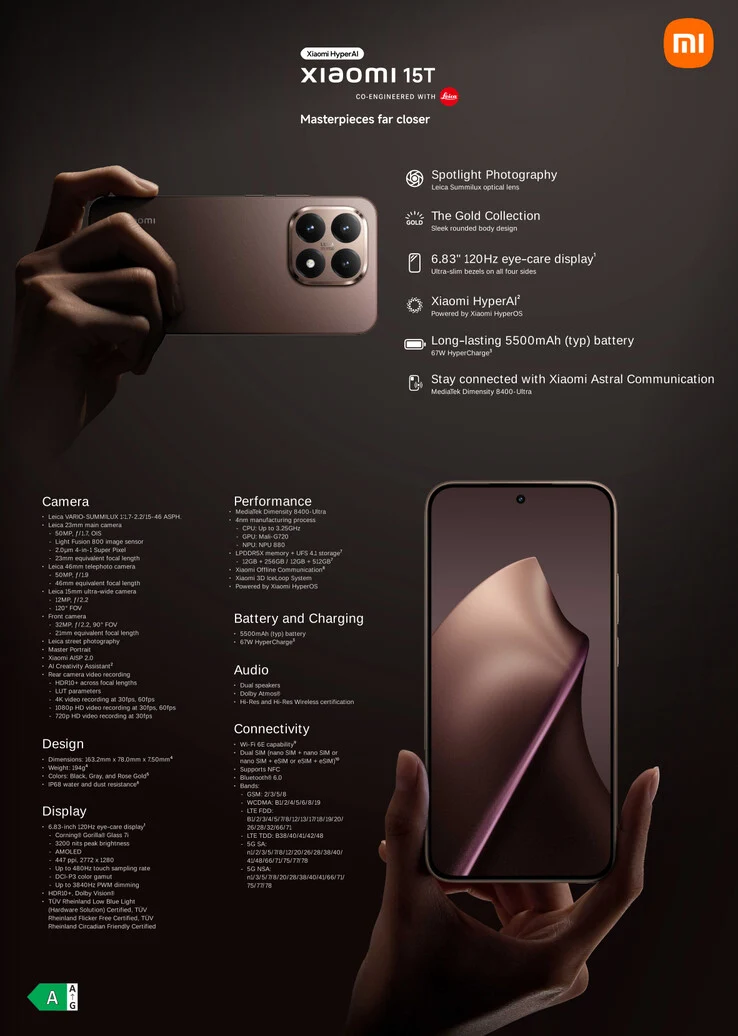
  • Xiaomi 15T Launches Worldwide with Key Upgrades from 14T

    Xiaomi 15T Launches Worldwide with Key Upgrades from 14T

    Key Takeaways

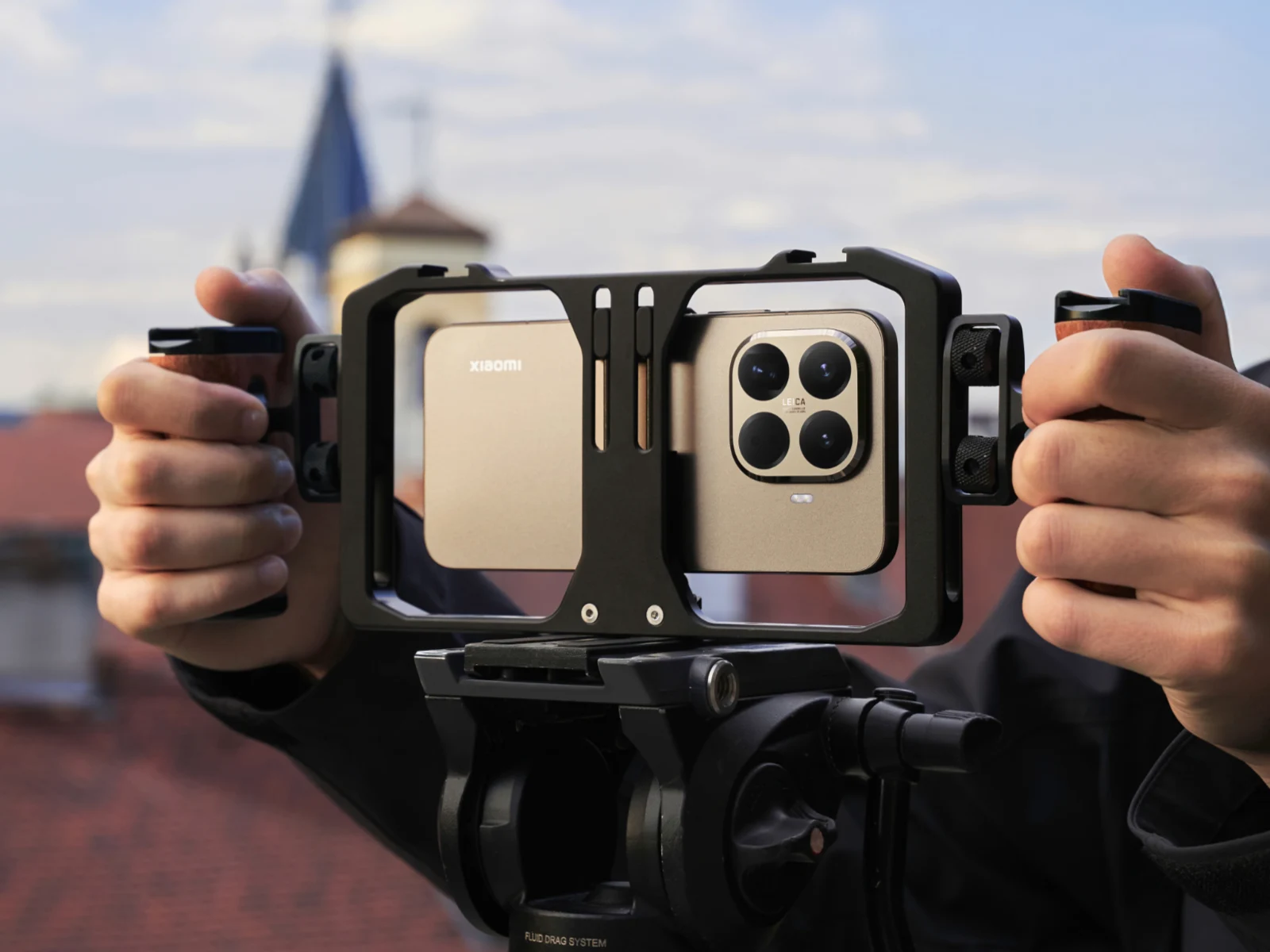
    1. New Design: The Xiaomi 15T features a fresh design with a rounded camera arrangement compared to the Xiaomi 14T.

    2. Camera Improvements: The device includes a 50 MP Light Fusion 800 sensor, a new telephoto lens at 46 mm, and an upgraded 32 MP front camera.

    3. Powerful Specs: It is powered by a 5,500 mAh battery and the MediaTek Dimensity 8400 Ultra chipset, with UFS 4.1 flash storage and LPDDR5X RAM.

    4. Display Quality: The smartphone has a 6.83-inch AMOLED display with a resolution of 2,772 x 1,280 pixels, a 120 Hz refresh rate, and peak brightness of 3,200 nits.

    5. Pricing and Updates: The Xiaomi 15T is priced at €649.90 (12 GB RAM, 512 GB storage) until October 10, after which storage will drop to 256 GB at the same price. It will receive four major Android updates and six years of security patches.


    Xiaomi has unveiled the Xiaomi 15T, one of the many devices that this brand has launched in a global event today. As hinted in leaks and teasers before the official reveal, the Xiaomi 15T features a fresh design compared to its predecessor, the Xiaomi 14T (currently priced at $479 on Amazon).

    Camera Upgrades

    For this year’s model, Xiaomi opted for a more rounded camera arrangement, though it might still have the same 12 MP, 15 mm, f/2.2 ultra-wide-angle camera with a 120° field of view as seen in the Xiaomi 14T. However, instead of the Sony IMX906, the Xiaomi 15T now uses the Light Fusion 800, which is a 50 MP sensor measuring 1/1.55 inches, previously found in the Poco F6 Pro.

    Enhanced Features

    The Xiaomi 15T also boasts a new telephoto lens at 46 mm, maintaining the same 50 MP output with an f/1.9 aperture as the 50 mm option on the Xiaomi 14T. The front camera has upgraded to a 21 mm equivalent focal length while keeping a 32 MP native output, an f/2.2 aperture, and a 90° field of view.

    In addition to these impressive camera features, the smartphone is powered by a 5,500 mAh battery and the MediaTek Dimensity 8400 Ultra, a 4 nm chipset that shows only slight improvements over the Dimensity 8400 we previously tested in the Poco X7 Pro. The Dimensity 8400 Ultra appears to switch from UFS 4 to UFS 4.1 flash storage, paired with LPDDR5X RAM.

    Display and Pricing

    Furthermore, the Xiaomi 15T sports a 6.83-inch AMOLED display with a resolution of 2,772 x 1,280 pixels, offering a refresh rate of 120 Hz and a peak brightness of 3,200 nits. The overall dimensions of the device are 163.2 x 78 x 7.5 mm, and it weighs 194 grams. The Xiaomi 15T is set to receive four major Android updates and six years of security patches. Up until October 10, the Xiaomi 15T with 12 GB of RAM and 512 GB of storage is priced at €649.90, which includes a complimentary Sound Party speaker. After this date, the price will remain the same, but the storage will drop to 256 GB. Alternatively, consumers can purchase the device for €699 with 512 GB of storage.

    Source:
    Link


  • Xiaomi 15T Pro Launches: 5x Periscope Camera & Dimensity 9400 Plus

    Xiaomi 15T Pro Launches: 5x Periscope Camera & Dimensity 9400 Plus

    Key Takeaways

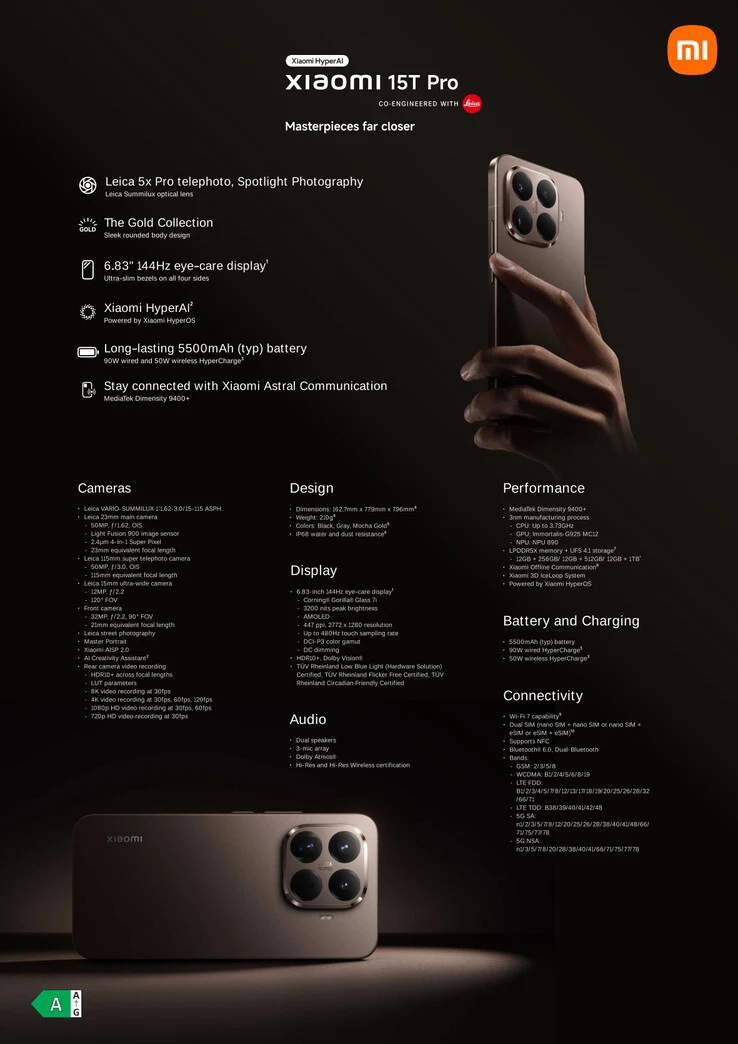
    1. Xiaomi has launched the 15T Pro in Europe, enhancing its sub-flagship smartphone lineup.
    2. The device features a periscope telephoto camera for the first time in the series.
    3. It includes the MediaTek Dimensity 9400 Plus chipset, offering significant performance improvements.
    4. The battery capacity is increased to 5,500 mAh, but wired charging is limited to 90 W.
    5. Pricing starts at €799 for the 12 GB RAM and 256 GB storage model, with free speaker promotion until October 10.


    Xiaomi has launched the new Xiaomi 15T Pro, enhancing its sub-flagship smartphone lineup. This device is now available for purchase in Europe starting today. Notably, the Xiaomi 15T Pro is the first model in the series to come equipped with a periscope telephoto camera. It also provides significant upgrades over the Xiaomi 14T Pro, such as an extended five years of OS updates with HyperOS 3, plus an additional sixth year for Android security patches.

    Performance Boost

    This year’s upgrade features the MediaTek Dimensity 9400 Plus chipset. This chipset is also included in the Galaxy Tab S11 Ultra and the compact Galaxy Tab S11 (currently priced at $859.99 on Amazon). The Dimensity 9400 Plus shows a substantial performance improvement over the Dimensity 9300 Plus in various CPU and GPU tests. In addition, the Xiaomi 15T Pro boasts a battery that is 10% bigger than the one in its predecessor, totaling 5,500 mAh. However, it’s worth mentioning that Xiaomi opted for a slower 90 W wired charging option for this model.

    Display and Camera Features

    Moreover, the Xiaomi 15T Pro features a 6.83-inch AMOLED screen, providing a refresh rate of 144 Hz, a peak brightness of 3,200 nits, a resolution of 2,772 x 1,280 pixels, and a pixel density of 447 PPI. On the camera front, the Xiaomi 15T Pro is outfitted with impressive hardware components.

    The starting price for the Xiaomi 15T Pro is €799 for the version with 12 GB of RAM and 256 GB of storage. There’s also an option for €899, which includes 12 GB of RAM and either 512 GB or 1 TB of storage, available after October 10. Customers who order between now and October 10 will receive a free Sound Party speaker. After the pre-order phase, the price for the Xiaomi 15T Pro will increase to as much as €999 for the 1 TB storage configuration.

    Source:
    Link


  • iPhone 17 Pro and Pro Max Dents and Scuffs Even in Cases

    iPhone 17 Pro and Pro Max Dents and Scuffs Even in Cases

    Key Takeaways

    1. Users are reporting significant scratches and scuffs on the iPhone 17 Pro and Pro Max shortly after release, leading to the term “scratchgate.”
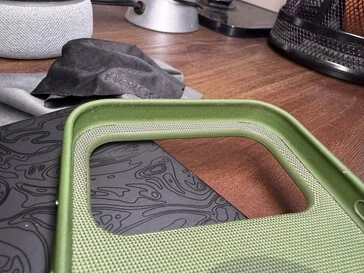
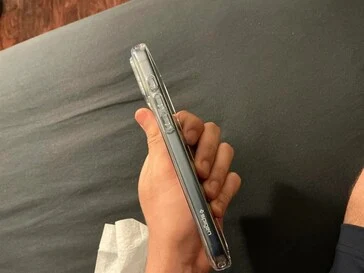
    2. Many users experienced damage from minor drops, even while using reputable protective cases like Spigen and Pelican, which are usually effective.
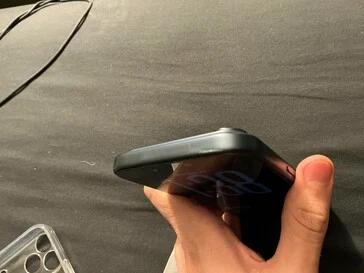
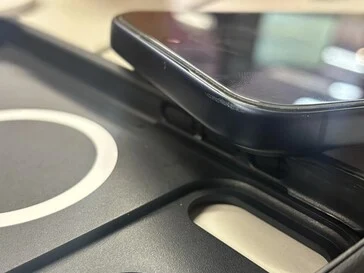
    3. Damage tends to occur around the top edges of the devices, raising concerns about the iPhone 17’s durability despite using protective gear.
    4. The shift from titanium to aluminum in the iPhone 17 models may contribute to increased damage due to the added weight, resulting in greater impact force.
    5. While current damage is mainly cosmetic, it suggests potential risks for more serious issues from higher drops, making AppleCare a wise investment for users.


    Apple’s latest iPhone 17 Pro and Pro Max models have quickly become embroiled in what some are calling “scratchgate.” Just days after their release, several demo units and early users have reported noticeable scuffs and scratches. Recent complaints from users indicate that the issue may be even more severe; some owners claim their devices are getting damaged even while housed in protective cases.

    User Experiences

    On the subreddit r/iPhone17Pro, numerous iPhone 17 Pro users shared their experiences of damage after seemingly small drops, even with trusted cases. One user, u/Jman42023, mentioned that their new iPhone 17 Pro Max was dented after a fall from waist height while in Apple’s official Tech Woven Case. Another user, u/ChakiWRLD, expressed frustration that their iPhone 17 Pro sustained bruises from a 3-foot drop, all while using both a Spigen case and a screen protector.

    Surprising Damage Reports

    A third user, u/holden_downunder98, voiced similar complaints, stating that their iPhone 17 Pro experienced impact damage while inside a Pelican case, which is particularly shocking since Pelican cases are usually known for their robust, heavy-duty protection. The damage consistently appears around the phone’s top edges. While Apple’s case may not provide much in terms of impact resistance, Spigen and Pelican cases have a strong reputation for drop protection. In fact, Pelican rates its most basic iPhone 17 Pro cases for drops from as high as 16 feet, suggesting that they should be able to handle falls from pocket height without issue.

    Material Concerns

    The shift from titanium to aluminum seems like it might be working against Apple this time. This isn’t the first time Apple has utilized aluminum; both the iPhone 16 and 16 Plus featured frames made from 100% recycled aluminum. However, the iPhone 17 Pro and Pro Max are noticeably heavier than the standard versions, resulting in greater force upon impact when dropped. This could explain why even devices that are well-protected are showing visible damage after minor falls.

    Currently, the damage appears to be primarily cosmetic, yet it highlights the potential for more serious issues if the Pro models are dropped from greater heights. Using a case should still help reduce the risk of damage. Spigen has introduced rugged cases for the iPhone 17 series, and other brands like OtterBox provide even more robust options. Ultimately, it looks like having AppleCare will be essential for users this year.

    Source:
    Link