Tag: Durability Test

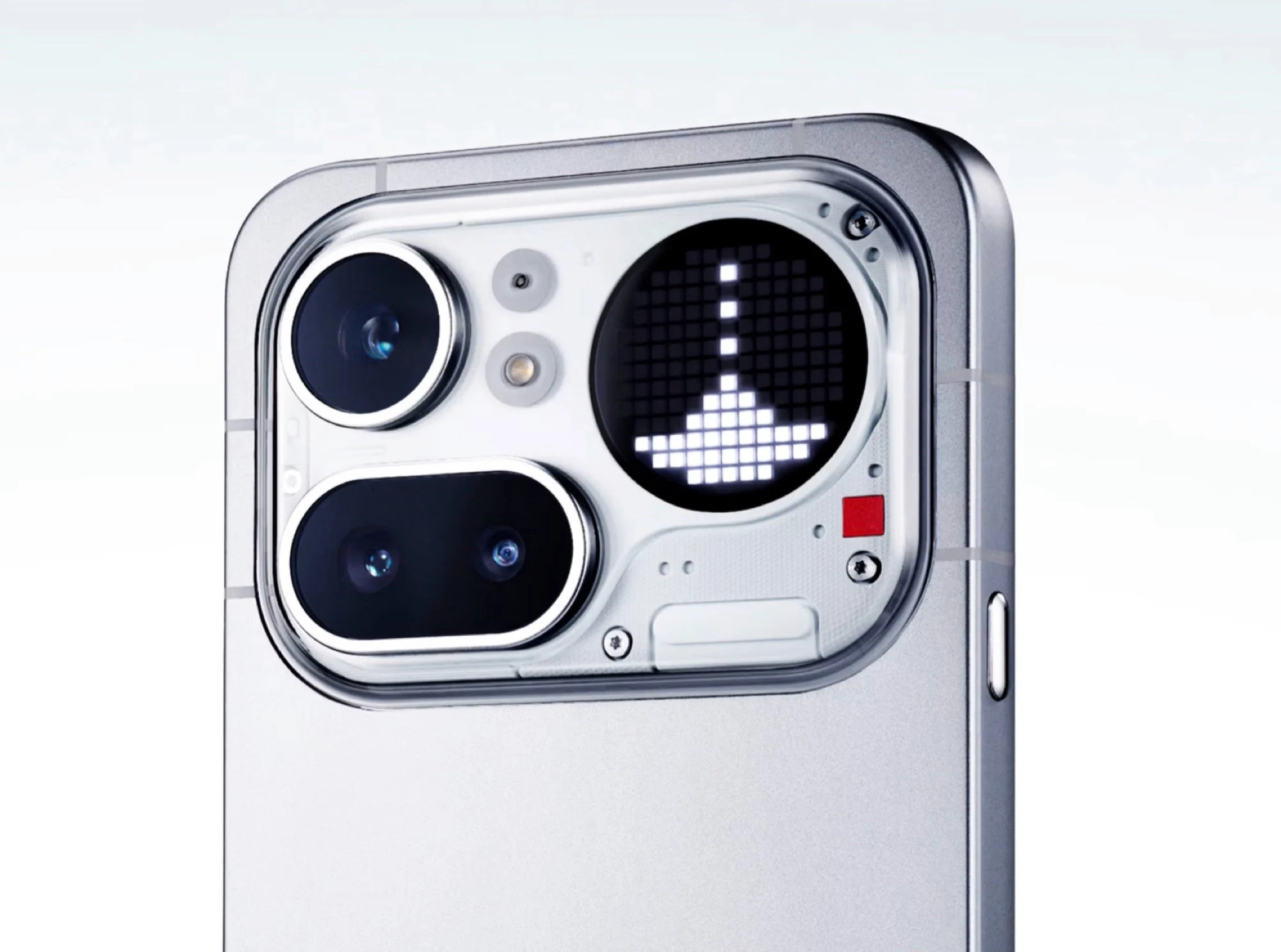
  • Nothing Phone 4a Pro Metal Unibody Durability Test Reveals Surprising Flaws

    Nothing Phone 4a Pro Metal Unibody Durability Test Reveals Surprising Flaws

    Key Takeaway

    1. The Nothing Phone (4a) Pro features an aluminum unibody design, enhancing premium feel but preventing wireless charging.
    2. It offers moderate scratch resistance with Gorilla Glass 7i, but the plastic camera cover is highly susceptible to scratches.
    3. The device demonstrates strong durability against bending and drops, though repairability is challenging.
    4. It has IP65 water resistance, protecting against rain and splashes, but is vulnerable to damage from debris or improper handling around the SIM slot.

    Design and Build Quality

    The Nothing Phone (4a) Pro, costin around $499, stands out with it’s unibody aluminum frame instead of typical plastic or metal mixed with a glass or plastic back. This special design makes the phone feeel premium, but on the downside, it dont support wireless charging because of the aluminum back. This design choice makes it more sturdy but gives it some limitations too.

    Durability and Testing Results

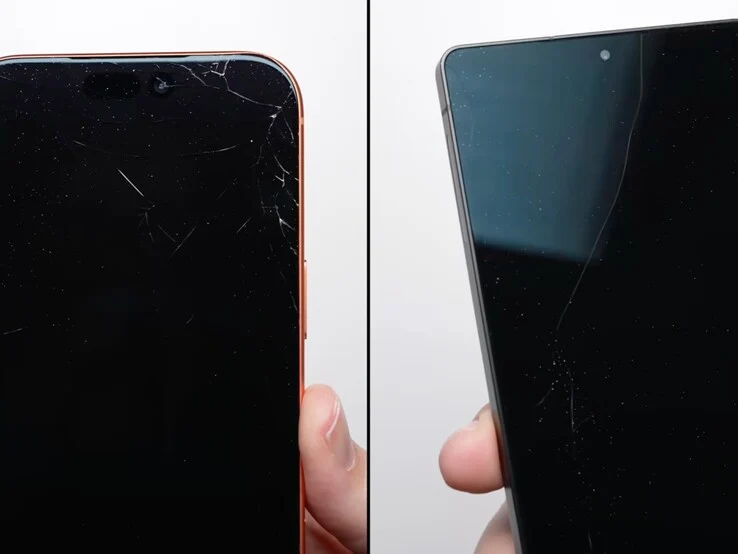
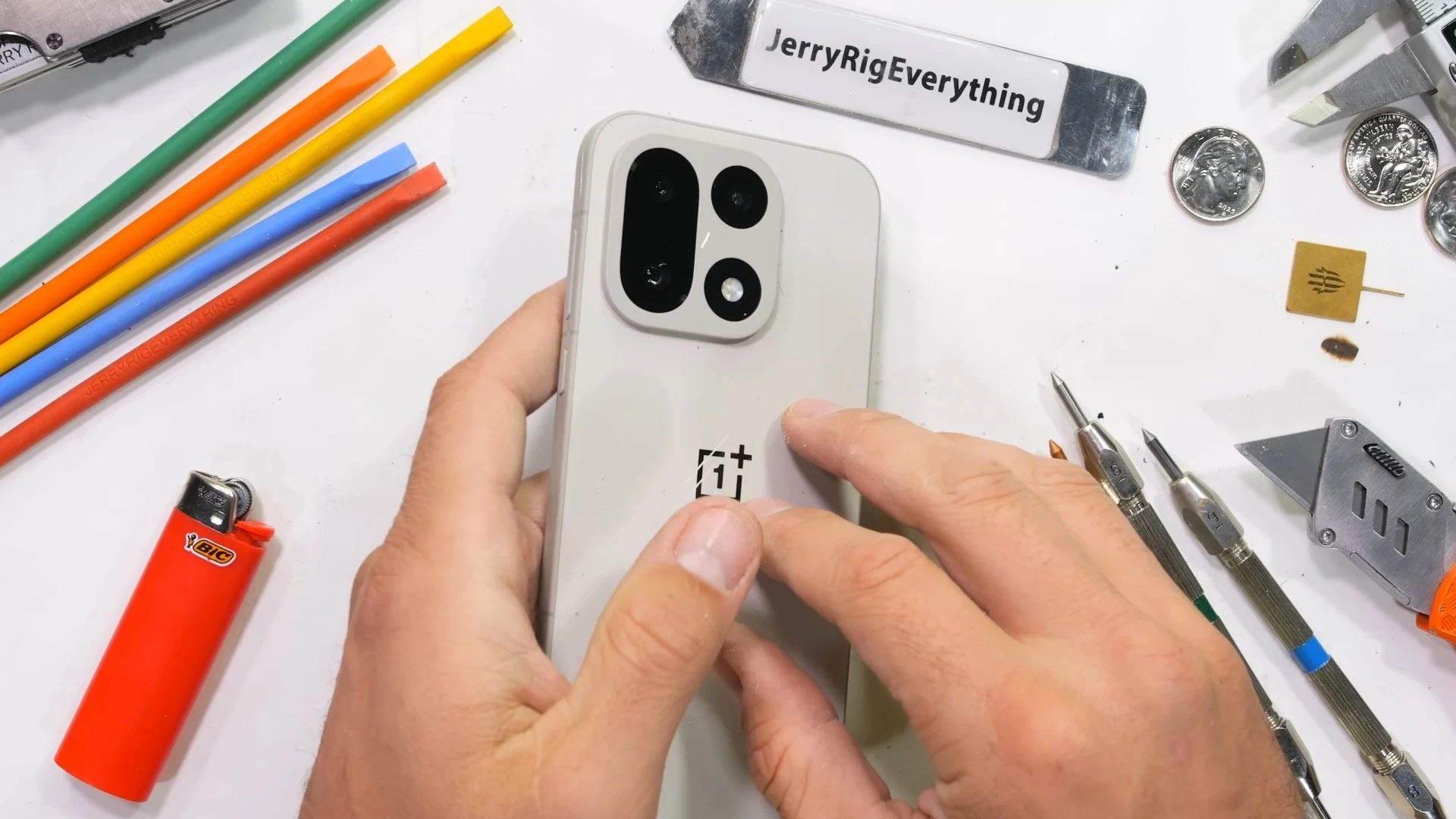
    Recently, a durability test was carried out by the YouTuber JerryRigEverything, to see how tough this mid-range mobile really is. The results shows that the aluminum body is only somewhat scratch resistant, but the phone don’t bend easily, even with lots of force applied. Since there is no glass back, it unlikely to shatter if dropped – more sturdy when falls happen. Gorilla Glass 7i on the display helps resist scratches, only showing marks when the object contacting it has a hardness level of 6 or more on the Mohs scale. Yet, the test also pointed out two main issues that need to be address.

    Weaknesses and Concerns

    First, the plastic cover over the camera module scratches quick, which may affect the overall look over time. Second, near the SIM card slot there’s a microphone hole that’s pretty big. This can be problem because a tool to open the SIM tray could accidentally go into the hole, damaging the seal. Such damage can ruin the waterproof aspect of the phone. A simple metal grille could have helped avoid this problem. But still, the IP65 rating means the phone only has protection against slight rain and splashes, so it’s not fully waterproof. Also, fixing this phone, if something breaks, might be complicated or not very affordable owing to its design.

    Sources
  • Samsung Galaxy Z TriFold Fails Durability Test Results

    Samsung Galaxy Z TriFold Fails Durability Test Results

    Key Takeaways

    1. The Galaxy Z TriFold has failed durability tests, particularly in the bending test.
    2. The device’s thin design (0.15 inches) contributes to its weak structural integrity.
    3. The smartphone’s interior screen is made of easily scratchable plastic, and the fiberglass back panel is also prone to scratches.
    4. Dust and dirt can severely affect the performance of the Galaxy Z TriFold’s hinges.
    5. The disassembly reveals design flaws, including potential hazards when removing the batteries.


    Samsung’s latest smartphones, like the impressively slim Galaxy Z Fold 7 (starting at $1,599 on Amazon), have passed all durability tests conducted by YouTuber Zack Nelson, until now. The new Galaxy Z TriFold, measuring just 0.15 inches at its thinnest point, failed the durability test. Even before the bending test kicks off around the 9:30 mark in the video below, the imported Samsung foldable faces issues. As the right side is folded with the rear camera first—a move Samsung specifically advises against—it begins to vibrate and show signs of trouble.

    Scratching Concerns

    It’s not uncommon for a foldable smartphone to have a 10-inch interior screen made of plastic that scratches easily, but the back panels are also prone to scratches due to being made of fiberglass, which is essentially another form of plastic and is more susceptible to scratches compared to metal or glass. Owners need to be extra cautious about keeping dust away from the Galaxy Z TriFold, even more than with traditional foldables. A test involving a significant amount of dirt leads to very crunchy hinges.

    The Bend Test Failure

    The bend test in the opposite direction ultimately causes the Galaxy Z TriFold to fail completely. With two hinges and a fairly weak structural integrity in its ultra-thin frame, the smartphone is easy to bend if one deliberately attempts to do so. After the frame breaks, the YouTuber starts a teardown of the Samsung TriFold around the 11:50 mark. This disassembly reveals three batteries and highlights another design flaw. Pulling the tabs to remove the batteries causes them to bend, which is a potentially hazardous issue. The YouTuber wraps up by advising against sitting on the unfolded Samsung foldable.

    Source:
    Link


  • OnePlus 15 Durability Test: Scratches vs. Broken Glass Explained

    OnePlus 15 Durability Test: Scratches vs. Broken Glass Explained

    Key Takeaways

    1. The OnePlus 15’s Sand Storm color option uses fiberglass-reinforced plastic, while the Infinite Black and Ultra Violet options are made of glass.
    2. The plastic back of the Sand Storm variant scratches easily, while the glass versions are less prone to scratches but more likely to break upon impact.
    3. OnePlus does not clearly communicate the differences in materials on its official website, leading to potential consumer confusion.
    4. The aluminum frame features a micro-arc anodizing process for increased scratch resistance, though scratches can still occur.
    5. The OnePlus 15 has a dust and waterproof rating of IP69 and features a dual-cell battery with a capacity of 7,300 mAh.


    Anyone looking into the OnePlus 15 should think about its daily durability, a topic frequently covered by the YouTube channel JerryRigEverything. Similar to the Xiaomi 17 Pro durability evaluation, the OnePlus 15 shows that at least one of its color options uses materials that might be unexpected for a high-end smartphone. The back of the Sand Storm color version is crafted from plastic, while the other two options, Infinite Black and Ultra Violet, are constructed from glass.

    Material Comparison

    Both plastics and glass come with their own pros and cons in practical use. Zack Nelson’s durability test and teardown video highlights that the fiberglass-reinforced plastic of the Sand Storm color scratches easily; even coins could leave visible marks over time, which is less likely with the glass variants. Conversely, the beige color option should withstand drops better, since glass is known to break more easily.

    Lack of Transparency

    We feel it’s worth noting that OnePlus does not clearly communicate these material differences on its official website. Aside from the fact that the Sand Storm model is 4 grams lighter, there is no clear mention of this in the specifications. The aluminum frame’s micro-arc anodizing process, claimed to be stronger than titanium, is heavily promoted. The durability tester did find it more resistant to scratches from a Stanley knife, though scratches are still possible.

    Bend Testing Results

    Regarding bend tests, the outcomes are quite predictable. Even the plastic version resists bending, and the glass models are likely to hold up just as well. The teardown part of the video also reveals the vapor chamber cooling system, which is large and relatively easy to tear. The OnePlus 15, rated dust and waterproof up to IP69, also has a dual-cell battery, which explains its capability to be sold in Europe with a capacity of 7,300 mAh.

    Source:
    Link


  • Pixel 10 Pro Fold Fails Durability Test, Not Dustproof

    Pixel 10 Pro Fold Fails Durability Test, Not Dustproof

    Key Takeaways

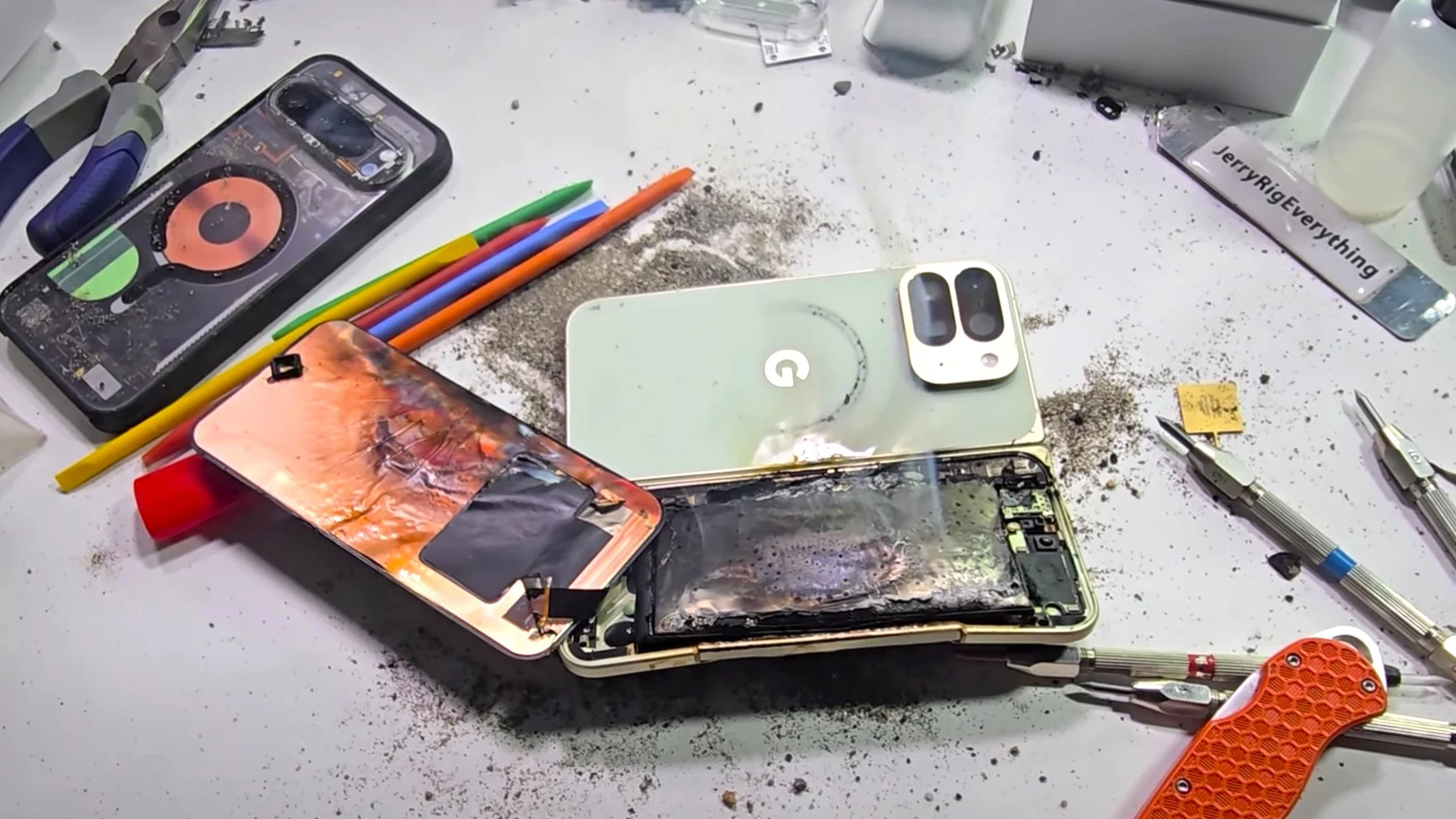
    1. The Pixel 10 Pro Fold fails the durability test, catching fire after a bend test, similar to previous models.
    2. The design flaw from earlier models, specifically the antenna placement near the hinge, remains unchanged in the new version.
    3. The IP68 rating claimed by Google may only apply to the display, as the hinge is not dustproof, contrary to expectations.
    4. The durability tester expresses disappointment in the lack of improvements regarding the device’s vulnerabilities.
    5. The Pixel 10 Pro Fold experiences a rare battery explosion during testing, highlighting significant flaws compared to competitors like the Samsung Galaxy Z Fold 7.


    We don’t often come across situations like this nowadays, especially since the recall of the notorious Samsung Galaxy Note 7. In the recent durability assessment by JerryRigEverything, the Pixel 10 Pro Fold catches fire shortly after failing the bend test in the same area where the Pixel 9 Pro Fold and the Pixel Fold struggled back in 2023.

    Anticipation of Failure

    Zack Nelson, the tester, was aware that the outcome of this test would be grim right after he took it out of the box. The major flaw from the previous models, specifically the antennas positioned near the hinge, remains unchanged in Google’s third-generation foldable. At the 6:30 mark in the video linked below, the bend test quickly leads to severe damage when he attempts to bend it against the fold.

    Critique of Durability

    Before that, the experienced durability tester expresses his discontent with the Pixel 10 Pro Fold. Google’s stated and only IP68 rating might only apply to the display, but it doesn’t extend to the hinge. Just like foldables from Samsung, Honor, and other companies, the hinge fails to be dustproof in reality. When it encounters dirt, a grinding noise can be heard coming from the “dustproof” hinge of the Pixel 10 Pro Fold. One must question how this foldable can legitimately claim an IP68 rating.

    Battery Issues and Disappointment

    Returning to the battery explosion and the significant failure during the durability test, the YouTuber is genuinely shocked that Google promotes a sturdier frame for its latest foldable. In truth, there has been no improvement regarding the vulnerabilities seen in previous models. With the first battery explosion noted in 10 years of durability evaluations, Google has really topped off its list of foldable mishaps. This is even more disheartening, especially since the Samsung Galaxy Z Fold 7 (priced from $1,699 on Amazon) passed JerryRigEverything’s bend test without any problems, despite having a much thinner design.

    Source:
    Link


  • iPhone 17 Durability Test: JerryRigEverything’s Review of Budget Model

    iPhone 17 Durability Test: JerryRigEverything’s Review of Budget Model

    Key Takeaways

    1. The entry-level iPhone 17 passed durability tests with excellent results, making it a strong option in the lineup.
    2. The front screen features a ceramic shield that protects it up to level seven on the Mohs hardness scale, showing good resistance to scratches.
    3. The back lacks the ceramic shield and showed varying scratch resistance, with level five and below causing minimal damage, while level six left lasting marks.
    4. The iPhone 17 successfully passed the bend test, demonstrating slight flexing but no cracks, indicating a robust design.
    5. Pre-order statistics suggest the iPhone 17 is expected to outsell the successful iPhone 16.


    Following the testing of the iPhone Air and the iPhone 17 Pro (Max), the entry-level iPhone 17 has also undergone the durability assessment by JerryRigEverything (linked below). This model is the most affordable in the series and is anticipated to outsell the already successful iPhone 16, based on pre-order statistics. Luckily, it has passed the durability evaluation with excellent results.

    Testing Methodology

    In addition to standard scratch testing tools, JerryRigEverything employed everyday items to simulate typical wear and tear. Starting with the front of the iPhone 17, the ceramic shield performed admirably, protecting the screen up to level seven on the Mohs hardness scale. There was some minor smudging at level seven, but no scratches or cracks were evident. The back of the phone presents a more intriguing scenario, as it lacks the ceramic shield that enhances scratch resistance seen in the iPhone Air and Pro versions.

    Scratch Resistance Findings

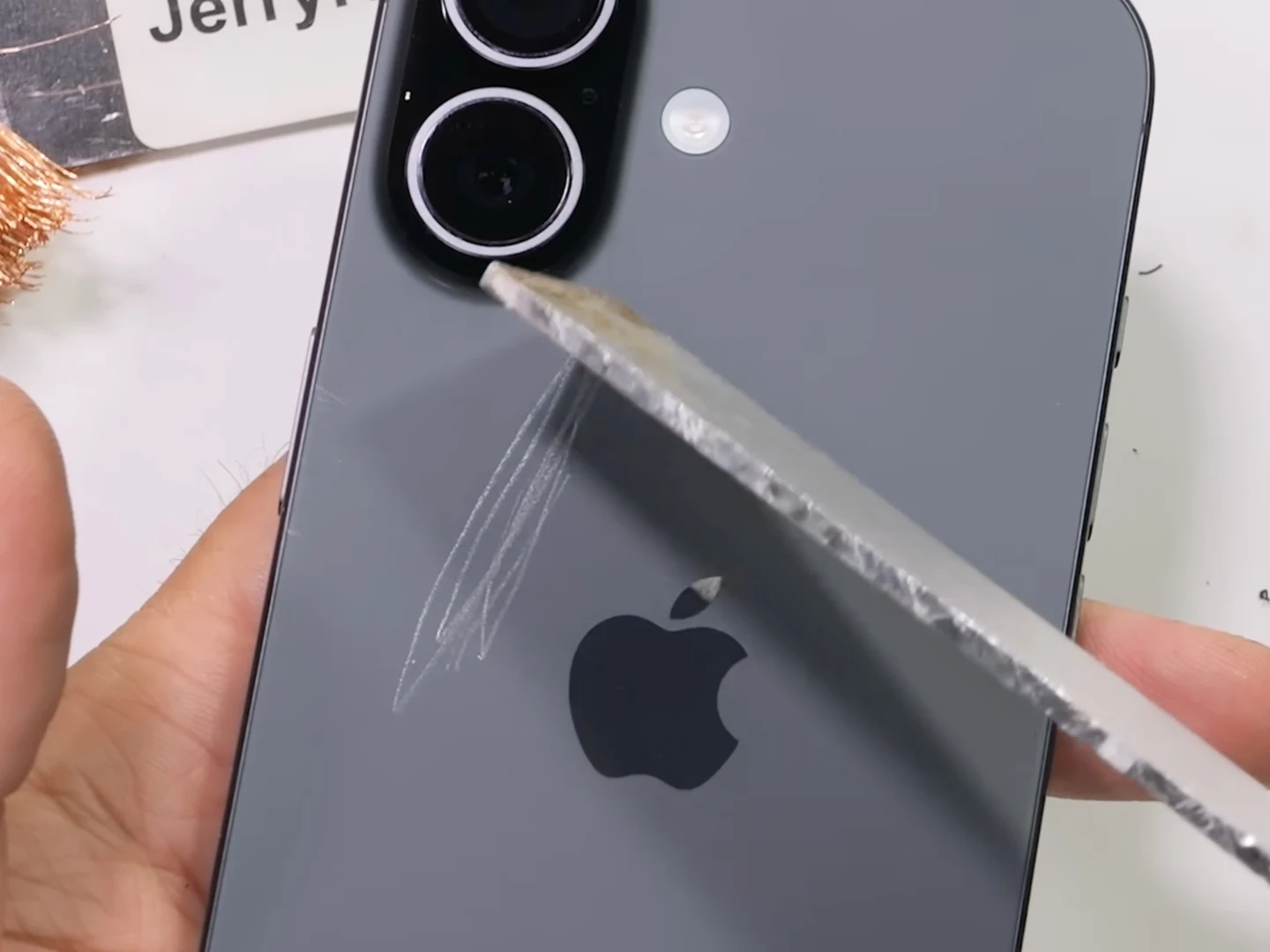
    Interestingly, while a stainless-steel utility knife (rated at level five hardness) left only light scratches on the back, an aluminum piece with a hardness of level three managed to leave permanent marks. Although this was a deliberate scratching test, there have been multiple accounts of display units in stores getting scratched. Apple, however, refutes these claims, asserting that what some see as scratches are merely “material transfer.” In terms of the iPhone 17, a titanium rod (level six) also left lasting impressions. Conversely, a copper and nickel coin, a brass key, copper wire, a 90% silver coin, and a 90% gold coin did not create any permanent damage.

    Bend Test Results

    In the bend test, applying full pressure resulted in no cracks on either the front or back. The device exhibited only slight flexing, demonstrating that the combination of an aluminum frame and glass is sufficiently robust to endure bending from regular usage. This outcome was consistent across the entire lineup, including the iPhone Air, which, despite its slim profile, can handle considerable force.

    Source:
    Link


  • iPhone 17 Pro Max vs Galaxy S25 Ultra Drop Test Comparison

    iPhone 17 Pro Max vs Galaxy S25 Ultra Drop Test Comparison

    Key Takeaways

    1. The iPhone 17 Pro Max uses aluminum and glass materials, making it potentially less sturdy than the Galaxy S25 Ultra, which has a titanium frame.
    2. A drop test showed that both devices cracked during 1-meter drops, but the Galaxy S25 Ultra experienced worse damage due to more glass coverage.
    3. In corner drop tests from 1 meter, the iPhone 17 Pro Max sustained a noticeable dent, while the Galaxy S25 Ultra only showed light scuffing.
    4. Both devices experienced screen cracks from face drops, but Apple’s enhanced ceramic shield proved tougher than previous models.
    5. The iPhone Air demonstrated good bending resistance, but both the iPhone Air and iPhone 17 shattered when dropped face-down from six feet.


    Ever since the iPhone 17 series was unveiled on September 9, many people are wondering about the toughness of these devices, especially the slimmer iPhone Air. Apple has opted for aluminum and glass materials for the iPhone 17 Pro Max instead of titanium, which might make it less sturdy compared to not only the iPhone 16 Pro Max but also its main rival, the Galaxy S25 Ultra (available on Amazon). A recent drop test has provided insights into how these two smartphones compare in terms of durability.

    Comparing Durability

    A video posted by PhoneBuff on YouTube (linked below) showcased a drop test between the iPhone 17 Pro Max and the Galaxy S25 Ultra. They utilized a machine to drop both phones from heights of 1 meter and 1.5 meters onto their back, front, and corners. The iPhone 17 Pro Max features an aluminum unibody frame, while the Galaxy S25 Ultra is built with a titanium frame. The iPhone’s back is partially made of glass and shielded by a ceramic layer, whereas the back of the Galaxy S25 Ultra is fully covered with Gorilla Glass Victus 2.

    Results of the Tests

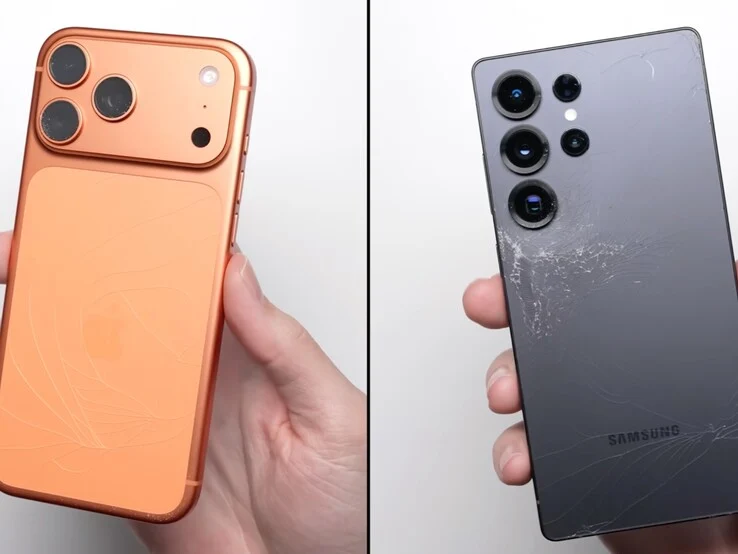
    During the 1-meter back drop test, both devices experienced cracking in their back glass, but the damage was notably worse on the Galaxy S25 Ultra. This is likely due to the fact that the iPhone 17 Pro Max has less glass overall. The Samsung phone also displayed cracks around its camera area, though both devices continued to function correctly.

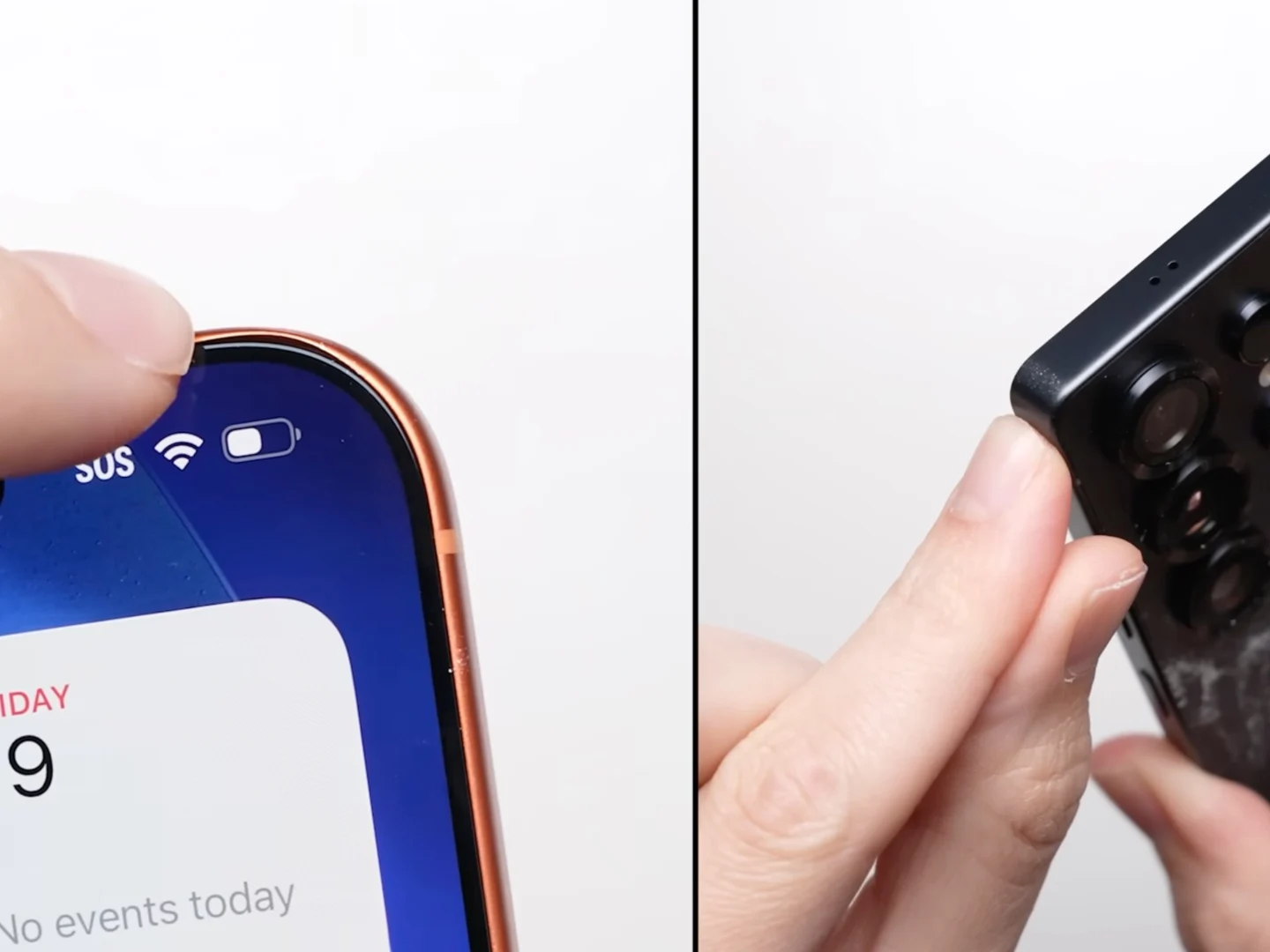
    The next trial involved a 1-meter corner drop, where the advantages of titanium over aluminum became apparent. The iPhone 17 Pro Max sustained not just scuffs but also a noticeable dent, while the Galaxy S25 Ultra only showed light scuffing. In the subsequent test, which involved dropping both phones from 1 meter onto their face, both screens cracked, but PhoneBuff remarked that the damage wasn’t as severe as with older models. Apple’s enhanced ceramic shield has shown to be tougher, yet it still fails to withstand drops from 1 meter.

    Further Observations

    The tests continued with the same drops from a height of 1.5 meters, resulting in even more damage to both devices. The back glass of the Galaxy S25 Ultra was mostly shattered, with all camera lenses cracked. Conversely, the iPhone 17 Pro Max displayed only a slight increase in damage when dropped on its back. The front drop results were similar, but the corner drop led to worse damage for the iPhone, causing some focusing problems for its main camera. PhoneBuff mentioned that the camera issue seemed to fix itself eventually.

    Many channels have conducted teardowns and durability evaluations of the iPhone 17 series. Surprisingly, the iPhone Air has demonstrated strong bending resistance. However, a recent drop test by Allstate Protection revealed that both the iPhone Air and the iPhone 17 Pro shattered when dropped face-down from a height of six feet.

    Source:
    Link


  • Samsung Galaxy Z Flip 7 Teardown Shows Dirty Hinge Issues

    Samsung Galaxy Z Flip 7 Teardown Shows Dirty Hinge Issues

    Key Takeaways

    1. The Pixel 10 Pro Fold is the first IP68-rated foldable device, while the Galaxy Z Flip 7 has a lower IP48 rating, making it less resistant to water and dust.
    2. Dirt infiltration in the Galaxy Z Flip 7’s hinge may not cause immediate damage, but it could lead to long-term issues with the device’s durability.
    3. The teardown process of the Galaxy Z Flip 7 reveals that the flexible AMOLED screen is delicate and requires careful handling during removal.
    4. The outer display of the Galaxy Z Flip 7 is easily removable, while the internal components include a dual-layer motherboard featuring the new Exynos 2500 chip.
    5. The teardown by JerryRigEverything offers valuable insights into the construction and potential vulnerabilities of these foldable devices.


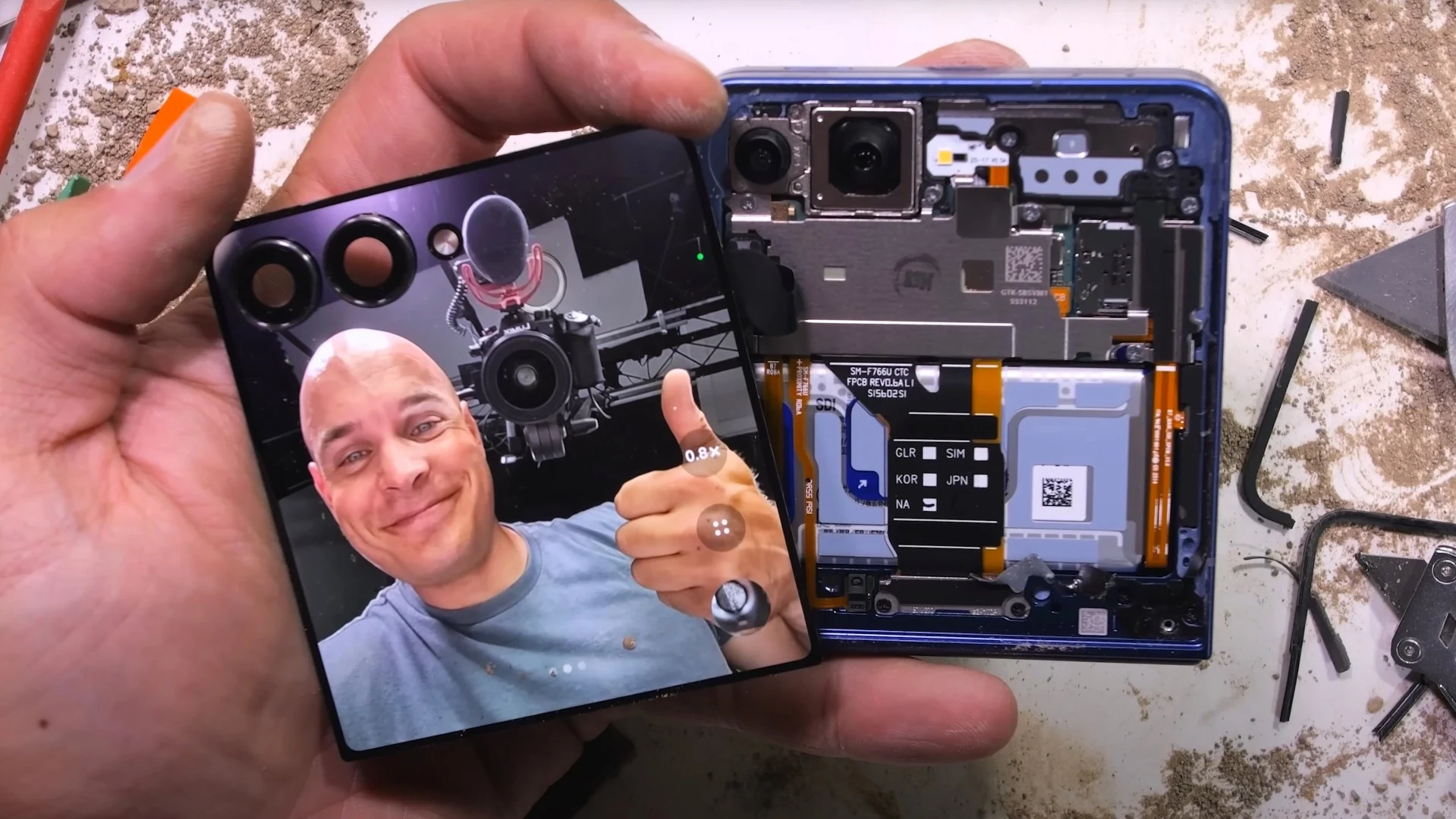
    We are eagerly anticipating the durability assessment and disassembly of the inaugural IP68-rated foldable, the Pixel 10 Pro Fold. On the other hand, the Galaxy Z Flip 7, which only boasts an IP48 water-resistance rating and lacks adequate dust protection, has shown that after a teardown, its hinge was quite filthy, filled with sand that infiltrated the compact foldable device following extensive exposure to dirt during testing.

    Potential Long-term Effects

    While this dirt infiltration doesn’t seem to cause any immediate significant damage, it might have adverse long-term consequences if you intend to use your Samsung flip phone over many years. The teardown video featured on the JerryRigEverything YouTube channel illustrates that the flexible AMOLED screen must be handled with extreme care during removal. Even an expert like Zack Nelson struggles to detach the panel, which is shielded by a very thin layer of glass, without inflicting damage on the display.

    Internal Components

    Fortunately, he successfully removes the larger outer display without any problems, which in the seventh generation of the Galaxy Z Flip, occupies half of the rear with sleek bezels. Inside the Samsung flip phone, you can discover the batteries, which are comparably simple to take out thanks to handy pull-tabs, a copper vapor chamber for efficient cooling, and a dual-layer motherboard. This motherboard is groundbreaking as it is the first globally to feature the Exynos 2500 chip released this year.

    Source:
    Link


  • Samsung Galaxy Z Fold 7 Durability Test: Frozen, Dropped, Bent

    Samsung Galaxy Z Fold 7 Durability Test: Frozen, Dropped, Bent

    Key Takeaways

    1. The Samsung Galaxy Z Fold7 is thinner and more durable than its predecessor, with a fold endurance of up to 500,000 folds.
    2. The device features a modified display structure and a thin titanium plate for added strength, along with an IP48 waterproof rating.
    3. Durability tests showed the phone survived being frozen, submerged in water, and exposure to various liquids without damage.
    4. The secondary display made of Gorilla Glass Victus 2 is scratch-resistant to items rated 6 or higher on the Mohs scale, while the foldable display can be scratched by items rated 3 or above.
    5. The Galaxy Z Fold7 performed well in drop tests, showing no visible damage, although the angle of impact affects its durability.


    The Samsung Galaxy Z Fold7 has been designed to be much thinner compared to its predecessor, the Galaxy Z Fold6, while also being built to be more durable. Samsung Display claims that this new smartphone can endure up to 500,000 folds, a significant improvement from the 200,000 folds that the Galaxy Z Fold6 could handle. To enhance its strength, Samsung has modified the display structure and added a thin titanium plate to fortify the panel. Additionally, the device comes with an IP48 rating, ensuring that it is waterproof.

    Rigorous Testing of Durability

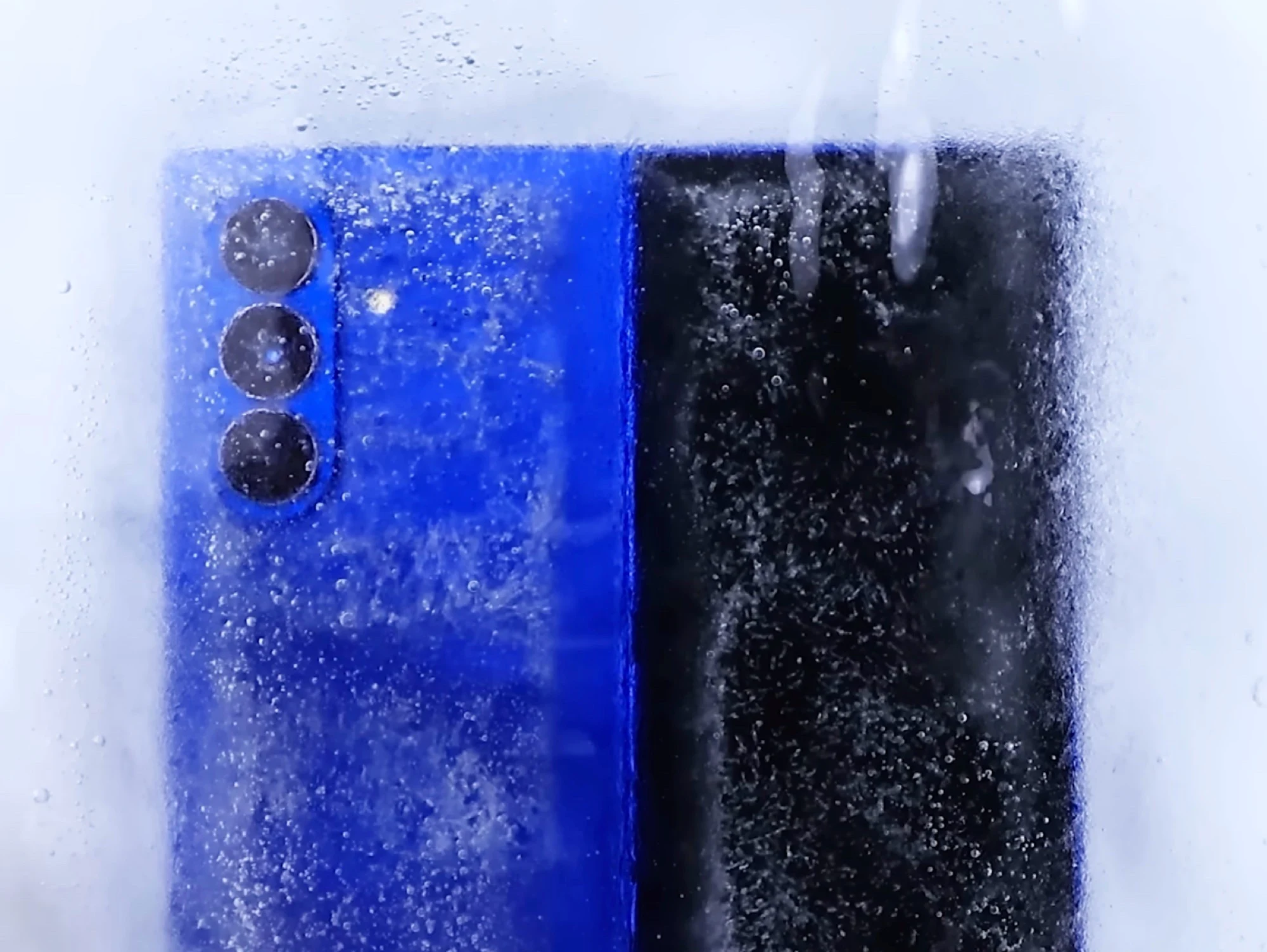
    The YouTube channel Gupta Information Systems conducted tests to determine how tough the Samsung Galaxy Z Fold7 really is. The phone was initially placed in a block of ice and left for twelve hours, then thawed without any signs of damage. Following that, it was submerged in a river for half an hour to assess its waterproof capabilities. It became clear that while the water itself posed no threat, the sand from the river was an issue as it got into the hinge. Thankfully, the YouTuber was able to wash the sand out using running water.

    Surviving Various Liquids

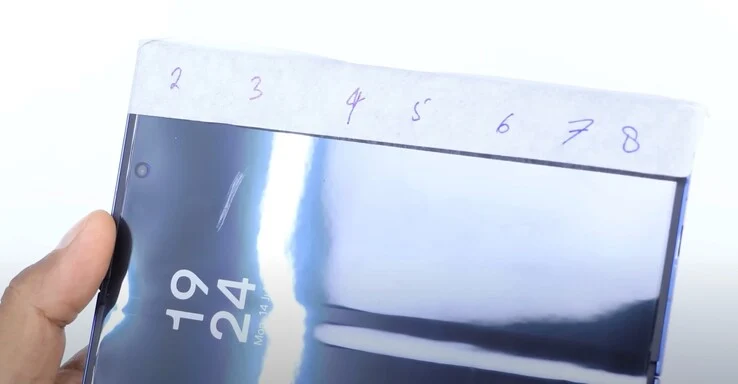
    The Galaxy Z Fold7 was then dipped into a range of liquids such as cola, coffee, dish soap, and milk, and it emerged unscathed from all of these tests. In a scratch test, it was revealed that the secondary display, crafted from Gorilla Glass Victus 2, only gets scratched when it comes into contact with items that have a hardness of 6 or higher on the Mohs scale. However, the foldable display’s “Ultra Thin Glass” is not as resilient, as it can be scratched by objects rated at 3 or above.

    Drop Test Performance

    Even with its sleek design, the Galaxy Z Fold7 remains inflexible, resisting bending even under significant pressure. It also withstood several drops from head height, showing no visible damage to either the display or the back. However, it is important to note that the angle at which the smartphone lands plays a crucial role in its overall durability.

    Source:
    Link


  • Nintendo Switch 2 Screen Shows Impressive Shatter Resistance

    Nintendo Switch 2 Screen Shows Impressive Shatter Resistance

    Key Takeaways

    1. The Nintendo Switch 2 features a protective plastic layer on the screen to prevent glass shards from scattering if damaged.
    2. The durability test showed the screen withstood 50 strikes from large pliers before shattering, demonstrating impressive resilience.
    3. The handheld continued to function normally even after enduring significant force during the tests.
    4. It’s recommended to keep the protective layer intact to avoid glass shard dispersion upon shattering.
    5. For added protection, using a glass screen protector is advised, which is available at an affordable price.


    YouTuber JerryRigEverything recently uploaded a video showcasing the Nintendo Switch 2, providing an inside look at this popular gaming handheld. While the focus of the video is mostly on disassembling the device, it also features a durability test at the end, revealing that the screen is quite shatter-resistant.

    Protective Layer Removal

    In the video, Zack, the YouTuber, starts by removing the plastic layer that protects the screen. According to Nintendo, this layer is designed to stop glass shards from scattering if the display gets damaged. It’s clear from the footage that the film is securely attached to the screen and won’t easily come off by itself.

    Durability Testing

    After examining the internals of the Switch 2, Zack proceeds to test the screen’s durability. During the first test, the gaming handheld withstood 13 significant strikes from large pliers, showing no signs of damage. The display endured another 14 heavy hits, remaining intact.

    It wasn’t until the 50th strike from the large pliers that the screen finally shattered, and as Nintendo mentioned, the glass shards did disperse. However, it’s impressive to see how well the Switch 2 screen held up through all those hits. Even more fascinating is that the handheld functioned normally after experiencing such force.

    Recommendations for Protection

    Considering that the glass shards do fly off when the screen shatters, it’s advisable to keep that protective layer intact. Although the plastic can scratch rather easily, using a glass screen protector is a simple fix (JSAUX 3-Pack tempered glass protector currently costs $7.58 on Amazon). If you’re curious to watch the gaming handheld endure all 50 strikes like a champ, check out the video linked below, and you can read more about the Switch 2 in our hands-on article.

    Source:
    Link

  • World’s Slimmest Foldable Phone Fails Bend Test: Here’s Why

    World’s Slimmest Foldable Phone Fails Bend Test: Here’s Why

    Key Takeaways

    1. The Oppo Find N5 is the thinnest book-style foldable smartphone, featuring an aluminum frame and glass-covered displays.
    2. Durability tests showed that the inner display scratches at level 2 and the outer display at level 6 on the Mohs hardness scale.
    3. Dust entering the hinge during the bend test caused inactive pixels to appear on the inner display, highlighting a lack of dust protection.
    4. The slim design may compromise structural rigidity, suggesting a thicker middle frame could improve durability.
    5. The Find N5’s hinge can support up to 50 kg, but real-life durability may vary, despite improvements over its predecessor.


    Oppo has unveiled the Find N5, which is claimed to be the thinnest book-style foldable smartphone in the world. This device has previously shown remarkable structural strength during the company’s tests. Renowned YouTube personality Zack Nelson, also known as JerryRigEverything, has now subjected the device to his well-known durability assessment.

    Durability Tests

    The Find N5 features an aluminum middle frame, alongside a glass-covered outer display and a soft inner screen. In the scratch test, the results were as expected: the inner display began to scratch at level 2 on the Mohs hardness scale, while the outer display started to scratch at level 6.

    Issues with Bending

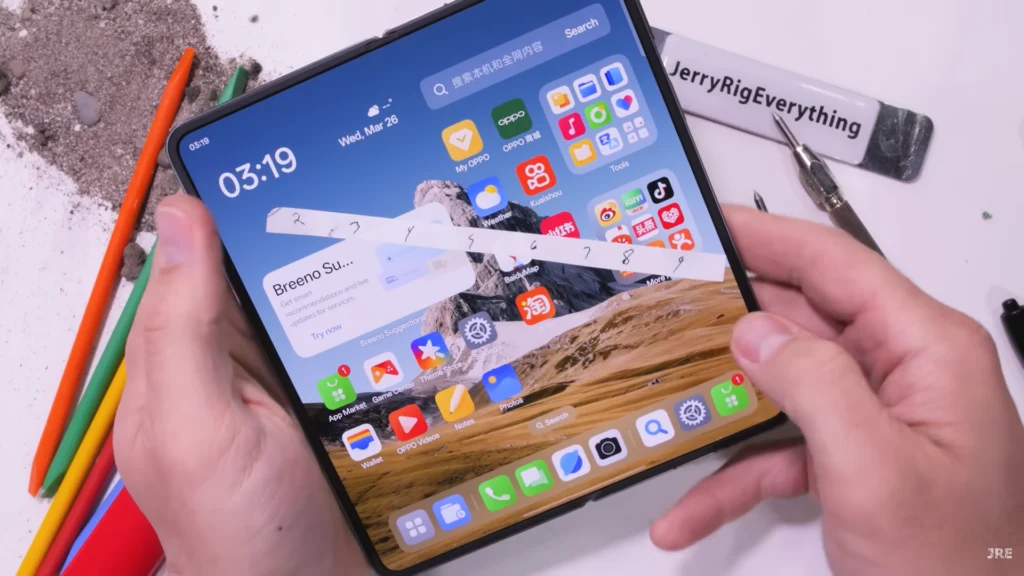
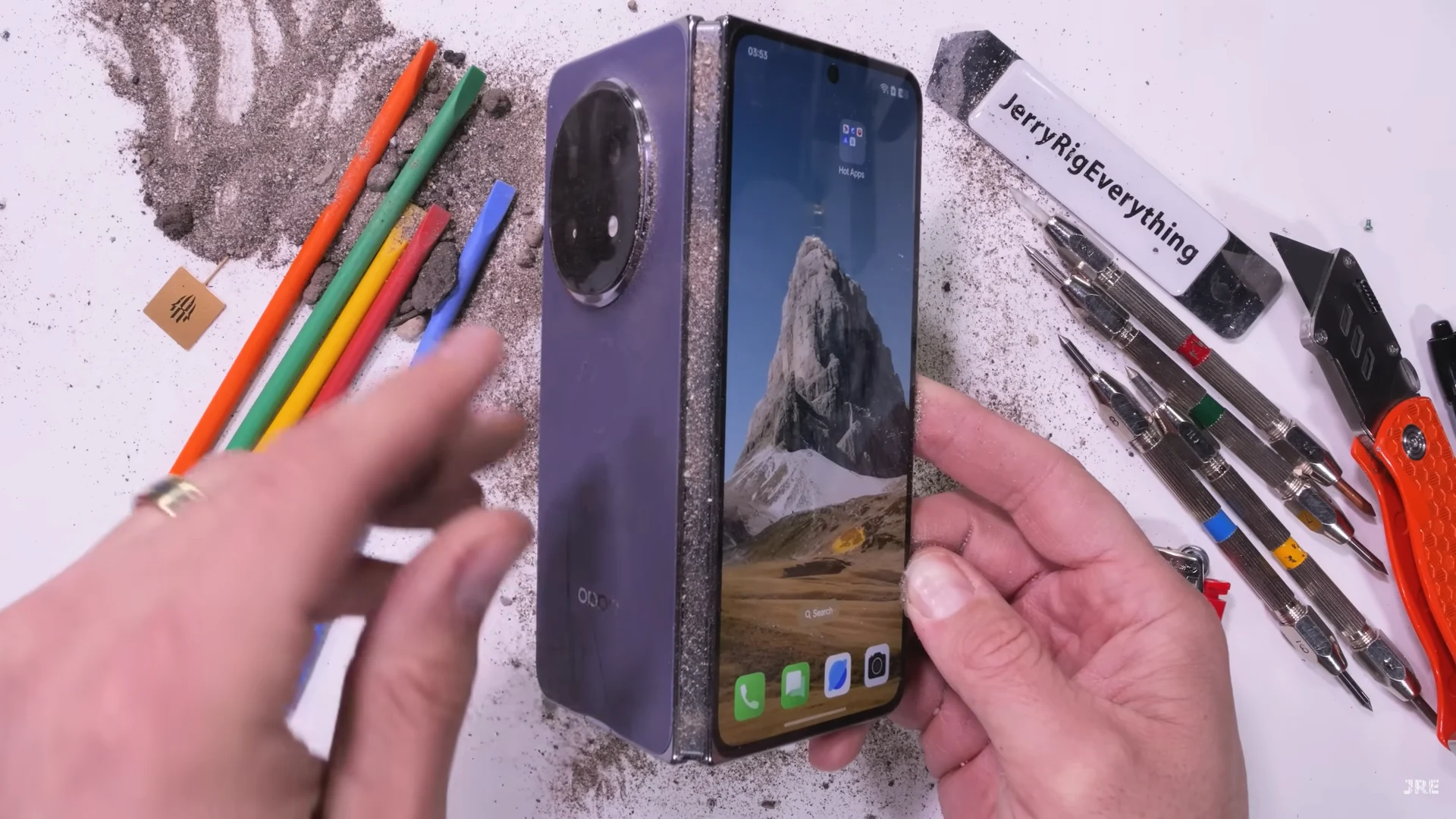
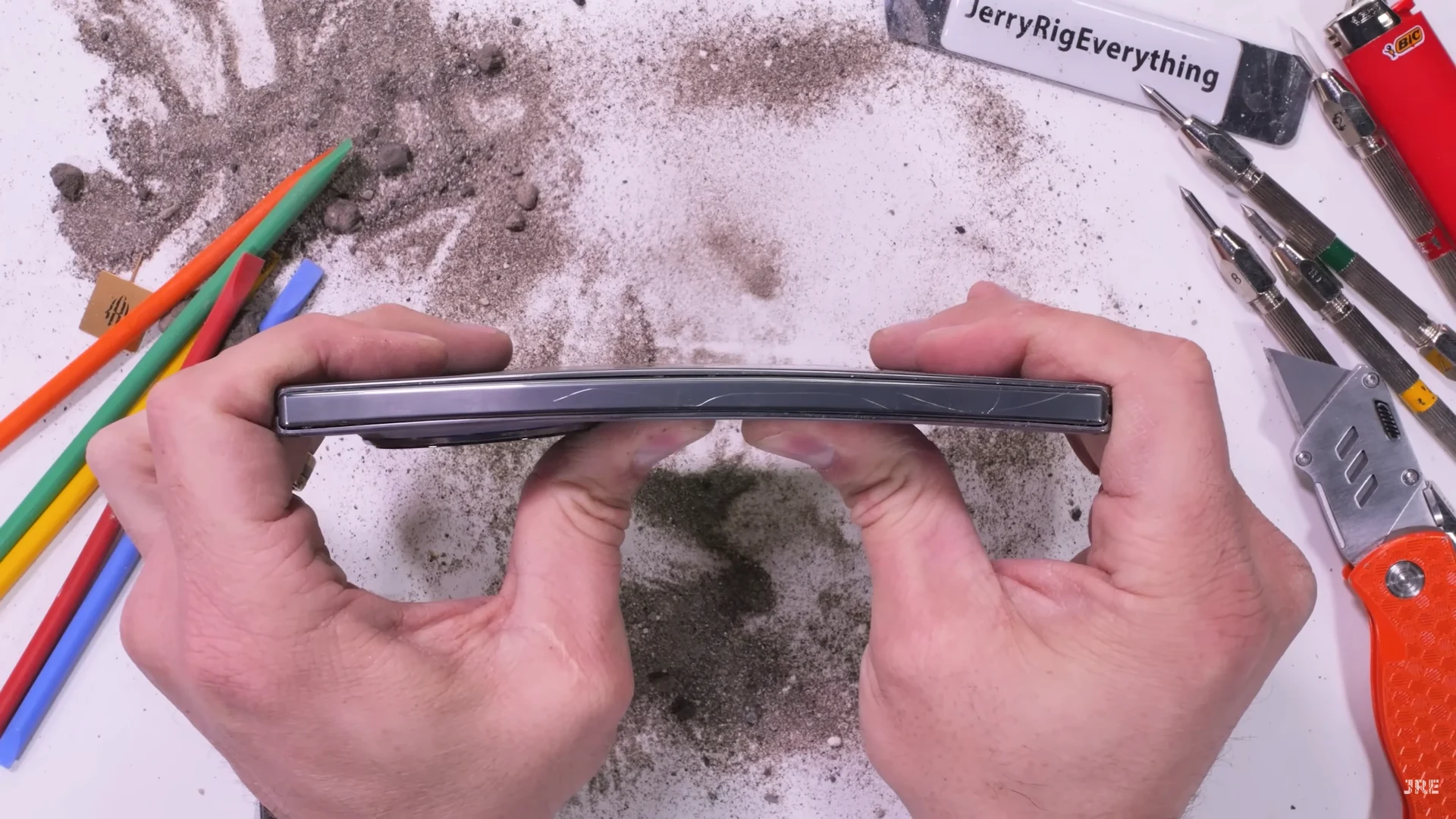
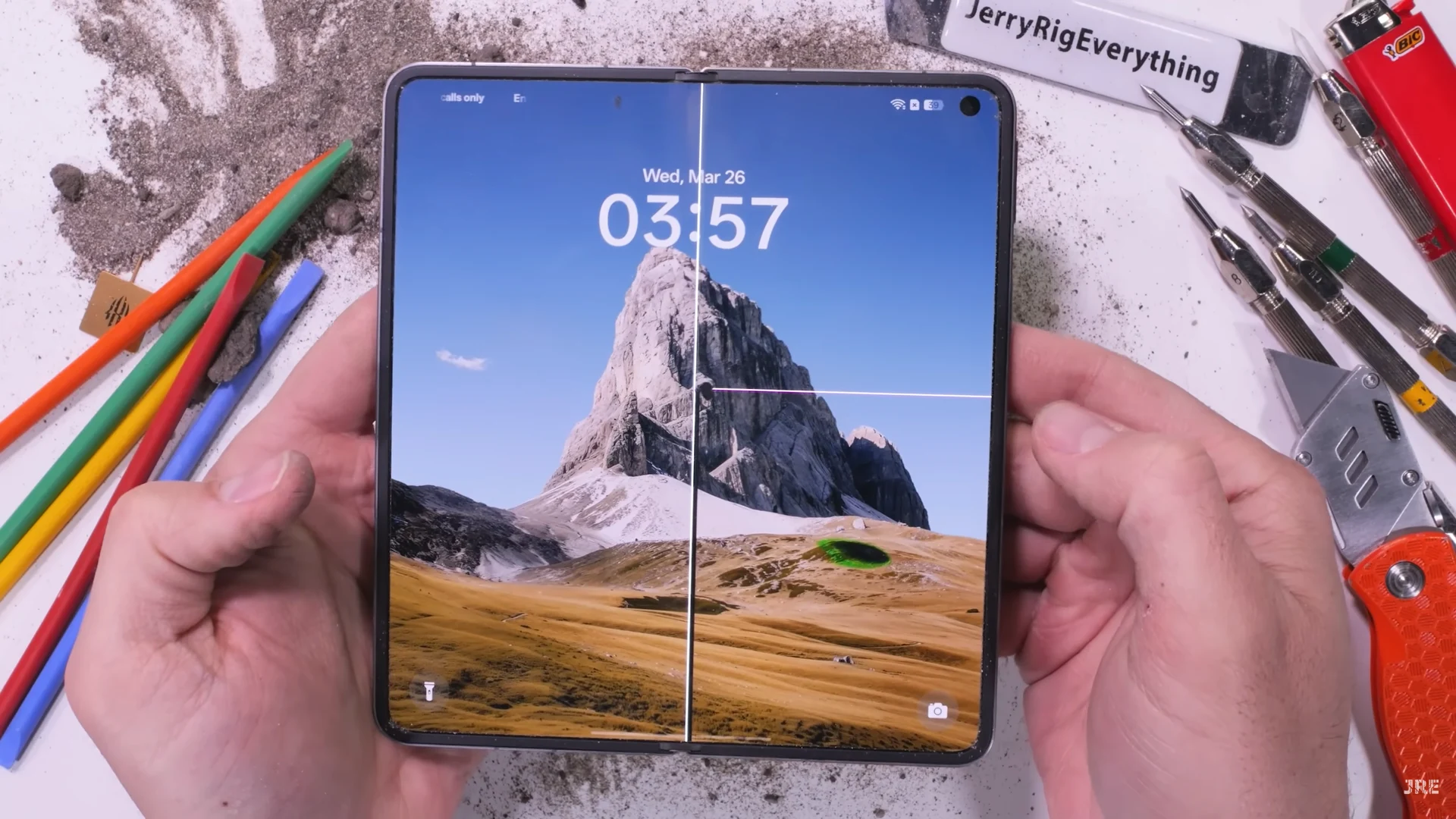
    However, things didn’t go well during the bend test. As Zack introduced dust around the hinge, some particles infiltrated it—this is not surprising since the hinge is water-resistant but lacks dust protection. He also applied dust over the display and folded the phone. The dust that entered through the hinge caused two lines of inactive pixels to appear on the inner display while he bent the phone horizontally in a folded position. Interestingly, the OnePlus Open passed this test without issue. The Find N5’s foldable display was entirely compromised when bent vertically with the hinge open.

    Design Considerations

    Could the slim design of the phone be to blame? A thicker middle frame made from the same material would technically provide better structural rigidity and might have prevented the damage seen in the video. Although the company has demonstrated that the hinge can support up to 50 kg without harming the folding mechanism or the display, this pressure was applied to a specific area in controlled conditions, which may not reflect real-life scenarios.

    Despite this, the hinge is robust enough to endure most mishaps, and the crease has been significantly reduced compared to its predecessor—an aspect the company should be commended for.

    Source:
    Link