Tag: Pixel 10 Pro Fold

  • Google Pixel 11 Pro Fold: First Look at Early Leaks

    Google Pixel 11 Pro Fold: First Look at Early Leaks

    Key Takeaways

    1. The Pixel 10 Pro Fold was announced on August 20 and released in mid-October, priced at $1,499 on Amazon.
    2. Leaker OnLeaks shared CAD render images of the upcoming Pixel 11 Pro Fold, but specific hardware details are not yet available.
    3. The Pixel 11 Pro Fold features a larger cover display due to slimmer bezels and a redesigned camera setup.
    4. The height of the Pixel 11 Pro Fold remains the same at 155.2 mm, with a width of 150.4 mm when opened and 76 mm when folded.
    5. The new model is 0.7 mm thinner, measuring 10.1 mm and 4.8 mm on each side, with a launch date for flagship models expected in summer.


    The Pixel 10 Pro Fold has only been around for about six months. It was announced on August 20, but Google didn’t start sending it out until mid-October (current price $1,499 on Amazon). Despite this, OnLeaks has already shared a sneak peek at the upcoming model through a set of CAD render images.

    Potential Hardware Insights

    At this time, the leaker hasn’t revealed any specific hardware information about the new device. However, the Tensor G6 chipset, which seems to be part of the device, was spotted on Geekbench less than a month ago. Some hardware updates can be seen in the CAD render images that OnLeaks leaked.

    Design Changes

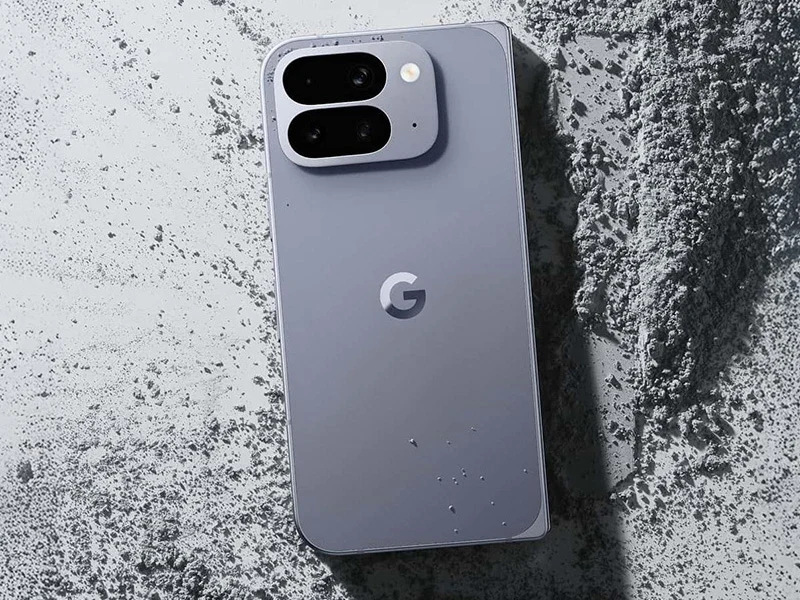
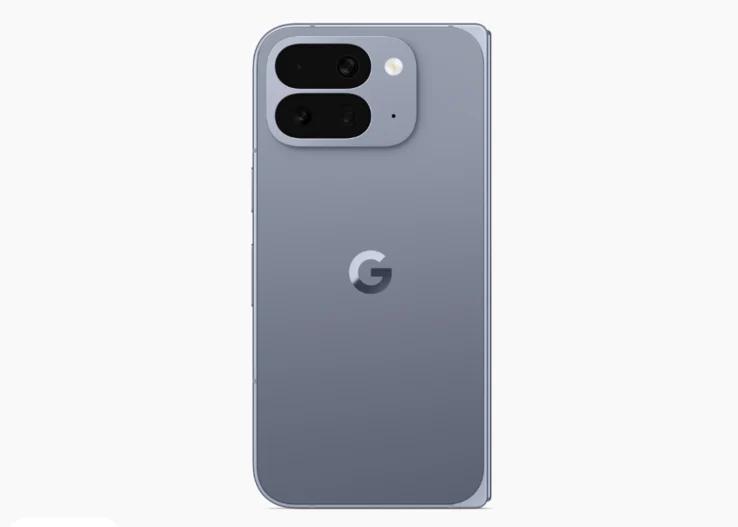
    For example, the Pixel 11 Pro Fold boasts a bigger cover display compared to the previous model, thanks to slimmer bezels. Moreover, Google has redesigned the camera setup to place the LED flash and microphone array under the same glass as the telephoto camera. It’s still uncertain if this alteration is linked to any new camera sensors.

    The height of Google’s foldable device remains the same at 155.2 mm between models. Similarly, the Pixel 11 Pro Fold keeps a width of 150.4 mm when opened, which is said to translate to a width of 76 mm when folded. Google has also trimmed 0.7 mm off the thickness, meaning that the Pixel 11 Pro Fold will measure 10.1 mm and 4.8 mm on each side. As of now, it seems Google won’t be launching the Pixel 11 flagship models until summer.

    Source:
    Link


  • CheckMag: Aramid Fiber Phone Cases for Protection and Comfort

    CheckMag: Aramid Fiber Phone Cases for Protection and Comfort

    Key Takeaways

    1. Many phone users prefer to protect their devices with cases, despite the aesthetic appeal of the phones.
    2. Aramid cases offer a balance between strong protection and minimal bulk, making them a popular choice.
    3. Aramid fiber, similar to Kevlar, provides excellent impact resistance compared to carbon fiber.
    4. Thickness of cases varies, with some aramid options being as thin as 1mm, ideal for maintaining a phone’s sleek design.
    5. Personal comfort and protection level are key factors in choosing the right phone case, with aramid cases providing a feeling of safety without excessive bulk.


    Phone brands invest lots of money into developing appealing gadgets that are meant to look stunning. However, many of us tend to hide our beautiful pieces of engineering under plain black rubber and plastic covers.

    The Need for Protection

    While some folks are perfectly fine with carrying their phones without any protection, those who wish to safeguard their devices, or might be a bit clumsy, often require some kind of shield. This protection could be a D-Brand skin or a case that’s as hefty as a military tank, depending on how clumsy you consider yourself.

    For a lot of people, just a skin isn’t sufficient to guard against whatever life throws your way. Nevertheless, no one buys an iPhone Air just to wrap it in a thick piece of plastic, making it as bulky as a standard iPhone.

    Why Choose Aramid Cases?

    Fortunately, aramid cases appear to offer a nice compromise between solid drop protection and unwanted heft. Even though they may seem quite alike, carbon fiber is tough and durable but can break easily. On the other hand, aramid fiber, known as “aromatic polyamide” fiber, is excellent at resisting impacts. Aramid is quite similar to Kevlar, which is used in things like bulletproof vests. Both are types of aramid fibers, but Kevlar is a brand name for a specific kind called para-aramid.

    Several brands, such as Mous, Pitaka, Latercase, and Thinborne, provide aramid cases, and you can also find comparable items on platforms like Amazon or Aliexpress.

    Thickness Matters

    Some aramid fiber cases might be as thick as standard plastic options, opting for protection over low-profile design. However, others can add only about a millimeter to your device’s overall thickness. When you’re buying a foldable phone, every millimeter counts, especially if you want to maintain the iPhone Air’s unique selling points; a slim case is crucial.

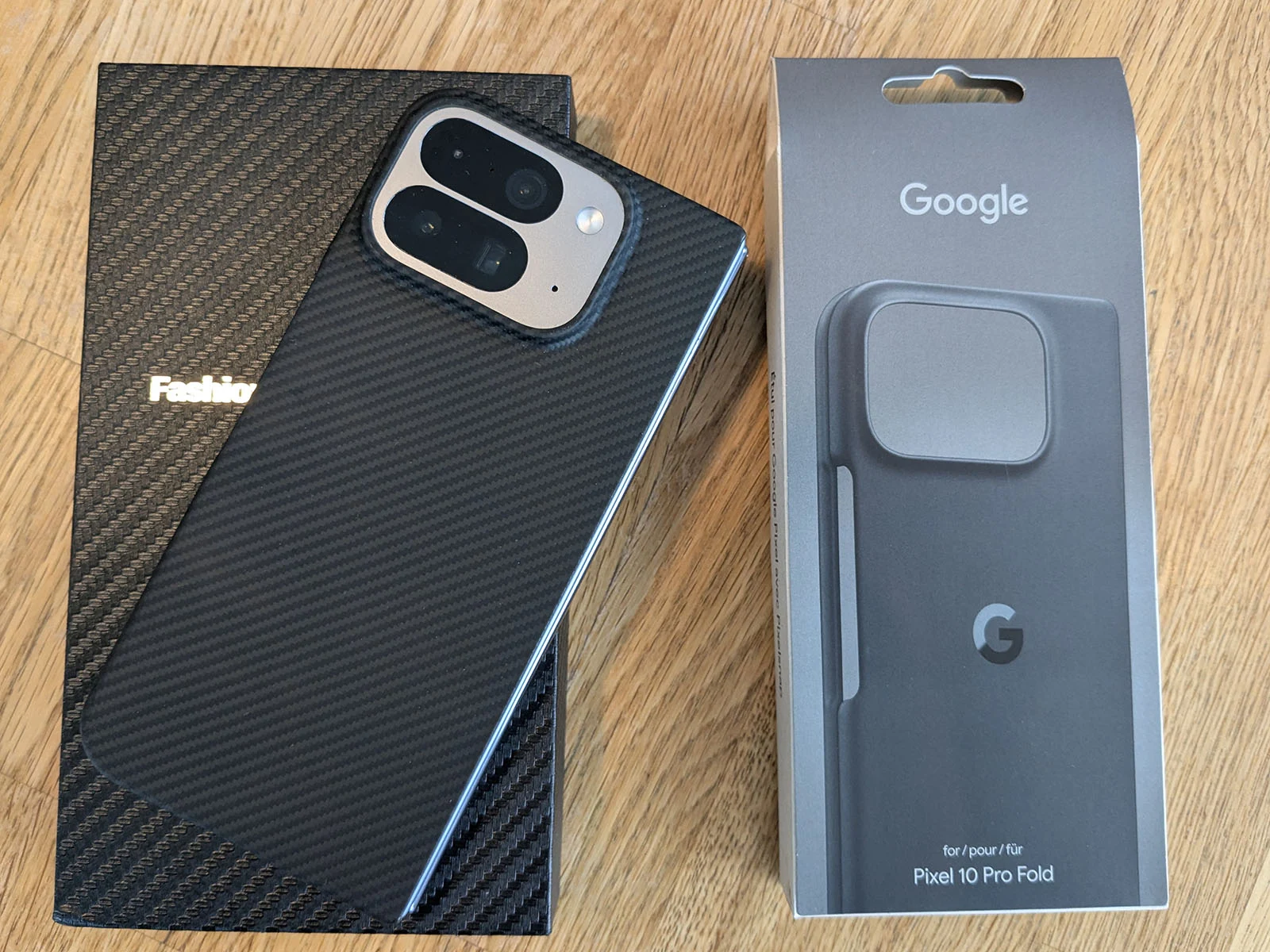
    When I bought my Pixel 10 Pro Fold (which you can find on Amazon), my first thought was to grab the official Google case. But after a few weeks, I quickly realized how much extra thickness the case was adding to an already bulky phone.

    At that time, Thinborne was the only brand offering aramid cases at roughly 1mm thickness. Not wanting to spend $89.98 on a phone case, I decided to search elsewhere and eventually found one on Aliexpress for about half the price.

    My Experience with the Case

    After a surprisingly fast delivery with no problems, the case arrived. The contrast between the two cases was notable. Keep in mind the bulk of the official Pixel case wraps around the device, adding nearly 5mm to the overall height. The aramid case felt as close to a naked device as I was willing to go while still feeling solid and sturdy despite its ultra-thin design.

    Have I put it through its paces? Not really in any significant way, though I’ve had a few small drops on soft surfaces. The case doesn’t cover the hinge, and I’m not eager to risk a substantial amount of money by dropping it from a height onto concrete. However, the aramid case boosts my confidence that my device will be safer if an accident happens, much more so than a skin would.

    There are debates about whether aramid provides enough cushioning, potentially transferring the shock of a fall directly to the phone. Ultimately, a case comes down to personal comfort. I’m not a fan of unprotected phones (even with insurance), and the pricey official Pixel case made me feel like I was lugging around a brick in my pocket.

    Aramid can be crafted much thinner than any other cases I’ve tried before, and at the very least, it gives the impression of decent protection.

    Source:
    Link


  • Apple’s First Foldable iPhone: Design and Battery Insights Revealed

    Apple’s First Foldable iPhone: Design and Battery Insights Revealed

    Key Takeaways

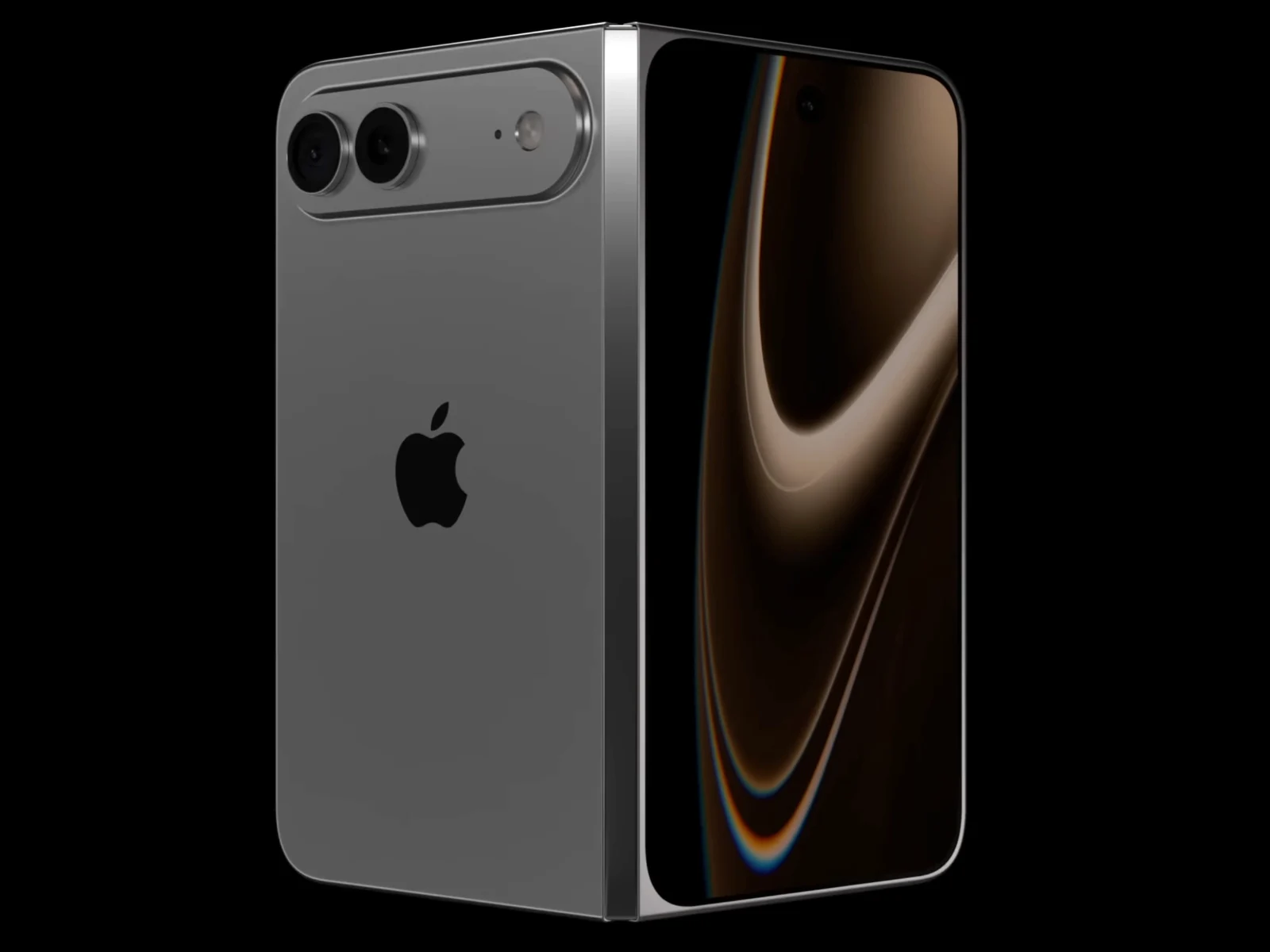
    1. The iPhone Fold is expected to have the largest battery ever in an iPhone, around 5,500 mAh.
    2. Its battery capacity will be 25% larger than the Galaxy Z Fold7 and 10% more than the Pixel 10 Pro Fold.
    3. The design will resemble the iPad mini, with all buttons located on the right side.
    4. The power button will feature Touch ID, and a stacked logic board will minimize wiring.
    5. The iPhone Fold is anticipated to come in two color variations, with a confirmed white option and a black camera module.


    Apple is not likely to unveil the much-anticipated iPhone Fold for several months. Nevertheless, leakers continue to share details about this foldable device in advance.

    Battery Power

    Recently, Fixed Focus Digital shared with its audience that the iPhone Fold will come equipped with the biggest battery ever seen in an iPhone. They announced on Weibo that this new device is expected to feature a battery around 5,500 mah.

    This means, according to Fixed Focus Digital, that the iPhone Fold will have a battery capacity that is 25% larger than that of the Galaxy Z Fold7 and 10% more than the Pixel 10 Pro Fold, which currently retails for $1,499 on Amazon. In a follow-up update, Instant Digital echoed Fixed Focus Digital’s statement, mentioning that the lack of physical buttons on the left side of the foldable has enabled Apple to optimize the battery size.

    Design Features

    It seems the iPhone Fold will take design cues from the iPad mini, with all its buttons located on the right side, including a power button that incorporates Touch ID. It’s also reported that a stacked logic board on this side will reduce the need for extra wiring. At this moment, it is believed that Apple will offer the iPhone Fold in two color variations, although only a white option with a black camera module has been confirmed so far.

    Source:
    Link


  • CheckMag Review: 3 Months with the Pixel 10 Pro Fold

    CheckMag Review: 3 Months with the Pixel 10 Pro Fold

    Key Takeaways

    1. Display Limitations: The 8-inch square screen is impressive but impractical for most media, which is typically widescreen.

    2. App Compatibility: Many apps do not utilize the extra screen space effectively, making the experience similar to using a regular smartphone.

    3. Performance Drawbacks: The Google Tensor G5 processor struggles with demanding tasks, affecting overall performance for heavier applications and games.

    4. Camera Usability: While using the rear cameras for selfies sounds appealing, the method is inconvenient and less practical than using a regular phone.

    5. Value for Money: The high cost of foldables like the Pixel 10 Pro Fold does not seem to justify the extra features, leading to questions about their overall value.


    It took me a long time to finally get into foldables, mainly because I was worried about how tough they are. But when the Pixel 10 Pro Fold came out with an IP68 rating for dust and water resistance, I thought, why not? Now, after using it for 3 months, I wouldn’t say foldables are a total flop, yet I find it hard to see why they cost so much and what you really gain with the extra screen size.

    Display Experience

    Having an 8-inch screen on paper looked super cool. Unfolding a foldable for the first time and seeing that large internal display is really impressive, especially if you’re used to regular phones, even the bigger models. But I didn’t realize just how unpractical a square screen can be. The main thing you do with it is watch media. Whether it’s YouTube or Netflix, modern media is widescreen by nature. Sure, it feels immersive on the internal display, but honestly, it’s hardly bigger than a regular smartphone.

    Browsing and Apps

    The extra screen space is great for web browsing, and some websites fit nicely on the foldable screen. However, many sites don’t adjust well, leaving big empty areas beside the text. Plus, apart from a few Google apps, not many take advantage of the additional screen area. You might see more content at once or have a larger window, but for most apps, it feels almost the same as using a regular phone.

    When I imagined running apps next to each other, it seemed like a fantastic idea. But after 3 months of usage, I hardly ever do it. When I need to copy something between apps, there’s hardly any speed difference compared to using the regular task switcher. In fact, it often takes longer to set up two apps side by side.

    Remote Access and Resolution

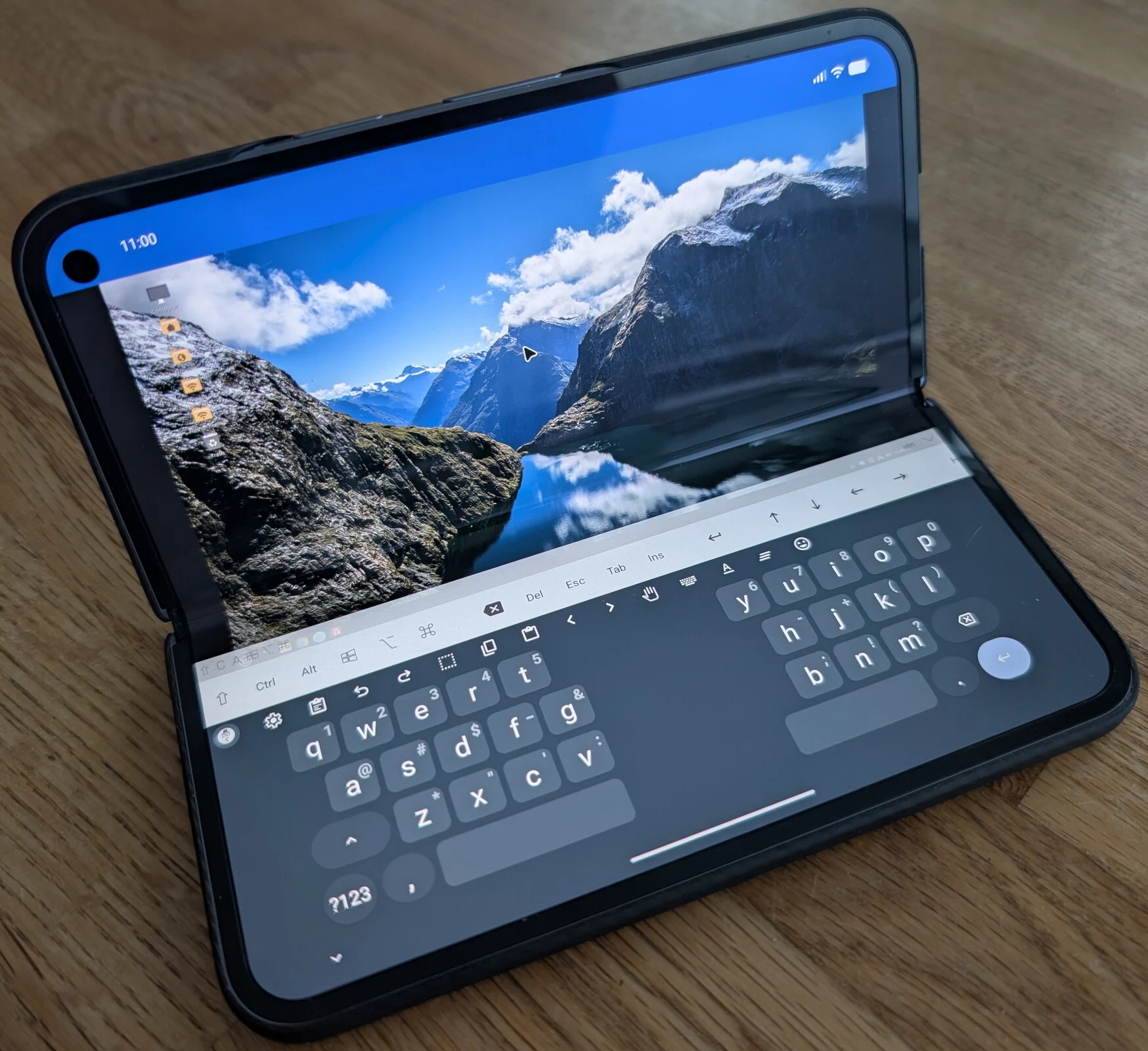
    One reason I chose a foldable was for the extra screen space while managing remote computers via Remote Desktop or VNC. I have to admit, it does have an advantage here. But since most PCs have widescreen displays, you face the same issue as with videos unless you adjust your host machine to 5:4 or 4:3 aspect ratios. When you do that, the experience is excellent, and you can make full use of the foldable’s square screen. The catch is that every time you connect from another machine, you’ll need to revert to the traditional widescreen settings.

    Naturally, these drawbacks aren’t exclusive to the Pixel Fold series; they apply to just about any square foldable. It does make you think how Google had the ideal foldable design with the original Pixel Fold (available on Amazon), but then they seemed to cave to pressure from Samsung. This might also explain why Samsung is developing a Galaxy Z Fold Wide alongside the classic Galaxy Tri-Fold.

    Performance Issues

    Google isn’t typically known for having top-notch in-house processors (like Tensor), but the G5 in the Pixel 10 series is pretty bad. For everyday tasks such as browsing and switching between apps, it works fine and is good on battery, but for anything even slightly demanding, get ready to be disappointed.

    I didn’t buy the Pixel 10 Pro Fold specifically for emulation, but the big screen does make it decent for some 3DS emulation. This is something I never tried on regular phones due to the limited space needed to show both screens of the 3DS side by side.

    Emulation Performance

    The Pixel 10 Pro Fold can handle lighter games at the native resolution of the 3DS (400 x 240), like New Super Mario Bros 2 and Super Mario 3D Land (just barely), but forget about anything more demanding, especially at 2x resolution or higher. With Donkey Kong Country Returns 3D, the Tensor G5 struggled to even hit double digits, maxing out around 15 FPS at 1x resolution.

    The Pixel 10 Pro Fold doesn’t have the same camera setup as its non-foldable counterparts, despite having “Pro” in its name. That’s a compromise, but honestly, it’s not as big of a deal as you might think. Even with the smaller sensors, my experience shows the cameras are mostly comparable, particularly the zoom, which was a big concern for me before I decided to buy it.

    Selfie Functionality

    One of the main reasons I was interested was using the rear cameras as selfie cameras when the device is opened. While that sounds great in theory, it’s almost completely impractical in real life. It took me a few weeks to figure out what I call the “devil horns” grip. This is basically the only way to hold the phone and snap a selfie at the same time, which kind of reduces the risk of dropping an $1800 device.

    Though it works, there are a few seconds needed to get a solid grip, and this method is definitely not as convenient as a regular phone, even if the photo quality is way better. The chance to use the ultrawide camera for selfies is definitely a plus. However, don’t even think about taking landscape selfies with your right hand. Unless you have really stretchy thumbs, reaching the shutter button is nearly impossible.

    All of these experiences are just my personal take, and yours might be completely different based on how you use your phone. But when foldable phones are priced almost double that of regular ones (or even more, like the Tri-Fold), they don’t seem to deliver double the value. The extra screen, while nice, doesn’t really offer much added value in practical use, and the less said about the Tensor G5, the better.

    Source:
    Link



  • Motorola Razr Fold: First Big Foldable Launch Timeline Revealed

    Motorola Razr Fold: First Big Foldable Launch Timeline Revealed

    Key Takeaways

    1. The Motorola Razr Fold has been announced but lacks details on its chipset and battery size.
    2. It aims to compete with the Galaxy Z Fold7 and Pixel 10 Pro Fold, featuring a 6.6-inch cover display and an 8.1-inch internal display.
    3. The internal display appears nearly crease-free based on initial feedback.
    4. The Razr Fold includes three 50 MP rear cameras with advanced features, including optical image stabilization and 3x optical zoom.
    5. Motorola plans to launch the Razr Fold in summer 2026, targeting competition with future foldable devices like the Galaxy Z Fold8 and Pixel 11 Pro Fold.


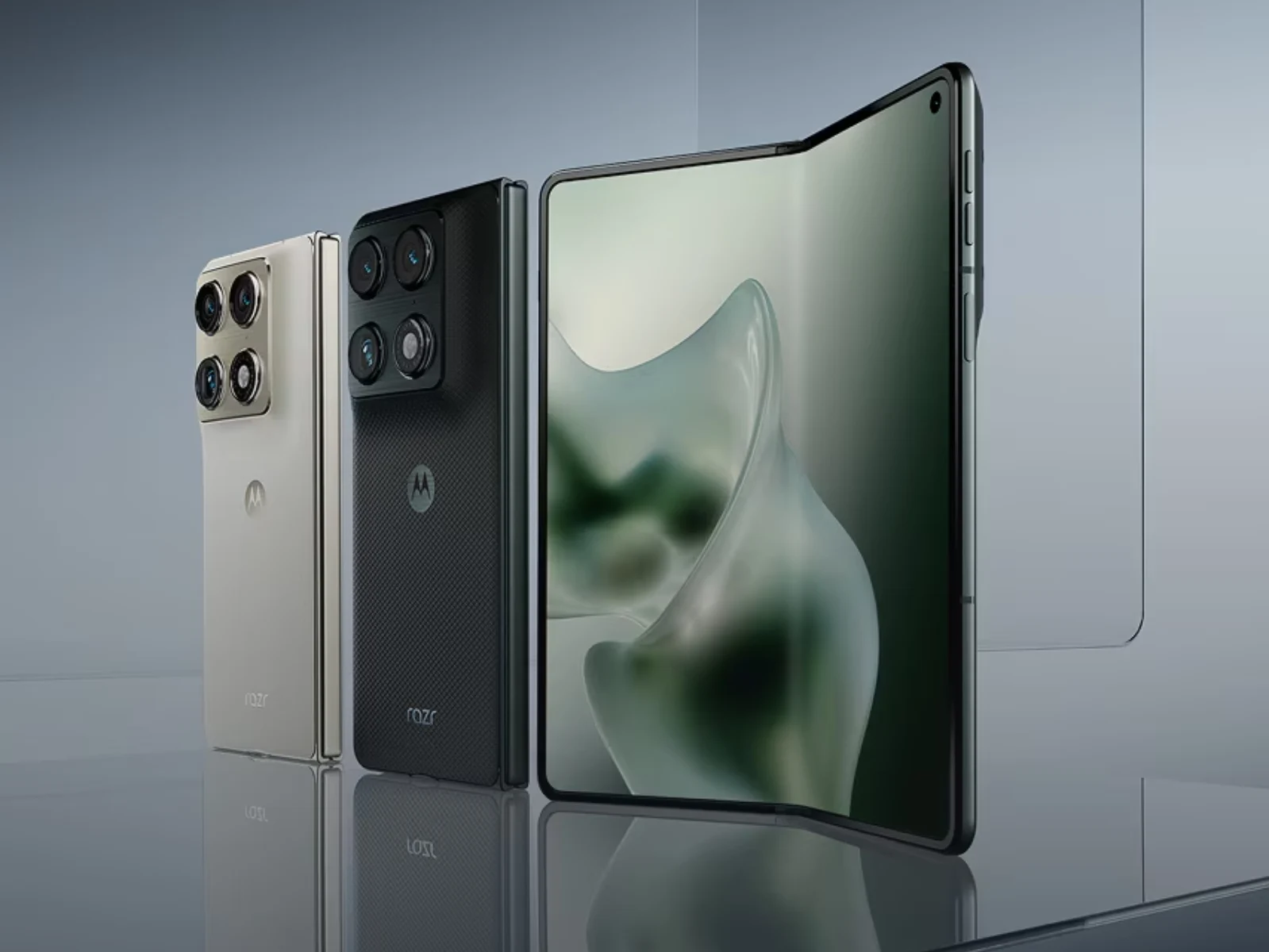
    The Motorola Razr Fold has been officially announced, following a leak of promotional images by Evan Blass just before CES 2026 started. However, Motorola has kept many aspects of the device a mystery. For example, the company has not yet revealed the chipset that powers the phone or its battery size.

    Competing with the Best

    Despite the vague details, what Motorola has shared highlights that the Razr Fold is designed to compete directly with the likes of the Galaxy Z Fold7 and the Pixel 10 Pro Fold (currently priced at $1,499 on Amazon). The Razr Fold boasts a 6.6-inch cover display, which aims to challenge the Oppo Find N5. When you unfold Motorola’s first book-style foldable, you will find an 8.1-inch internal display that seems to be nearly crease-free based on initial feedback.

    Impressive Camera Features

    In addition, the Razr Fold is equipped with three rear-facing cameras, each having 50 MP, including a primary Sony Lytia lens that has optical image stabilization. Motorola has also stated that the ultra-wide-angle and telephoto lenses have focal lengths of 12 mm and 71 mm equivalent, respectively, giving the latter a 3x optical zoom capability.

    Furthermore, the Razr Fold includes a 32 MP cover camera and a 20 MP internal camera. Currently, Motorola anticipates launching the Razr Fold this summer, which would put it in direct competition with the upcoming Galaxy Z Fold8 and Pixel 11 Pro Fold, rather than with Samsung and Google’s existing foldable devices.

    Source:
    Link


  • CheckMag Octopi Launcher Enhances Pixel Fold with Essential Feature

    CheckMag Octopi Launcher Enhances Pixel Fold with Essential Feature

    Key Takeaways

    1. The Pixel 10 Pro Fold has an IP68 rating, making it one of the few foldable smartphones with water and dust resistance.
    2. Users cannot customize the home screen layout for the inner and outer displays, as it replicates the same layout.
    3. Octopi Launcher allows for separate layouts for inner and outer screens, accommodating both landscape and portrait orientations.
    4. Octopi Launcher offers extensive customization options, including adjustable icon sizes, app drawer settings, and background opacity.
    5. Third-party launchers like Octopi help fill the software gaps in Pixel Fold devices, as Google still needs to improve basic functionalities.


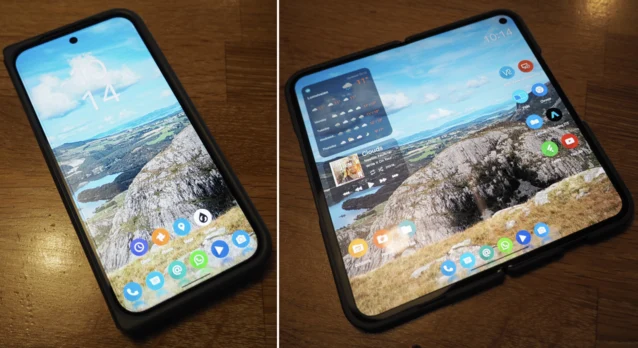
    The Pixel 10 Pro Fold has the notable distinction of being one of the rare foldable smartphones with an IP68 rating. However, it still lags behind other foldable devices when it comes to the software experience. A significant drawback is that users cannot customize the home screen layout based on whether they’re using the inner or outer display. Instead, the standard Pixel launcher merely replicates the second page of the portrait front screen across the inner display.

    Custom Solutions

    Fortunately, Octopi Launcher addresses this limitation by allowing users to create entirely separate layouts. This feature is available not just for the inner and outer screens, but also accommodates both landscape and portrait orientations. Octopi is recognized for being one of the most customizable and lightweight launchers, similar to Lawnchair, Niagra, and the now discontinued Nova.

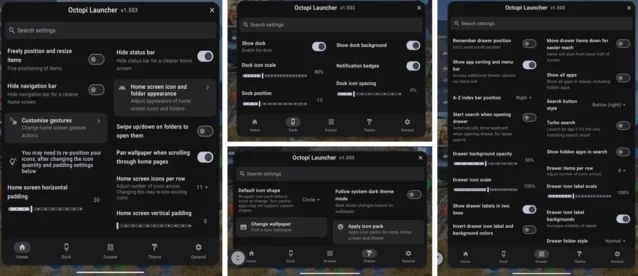
    Extensive Customization Options

    Beyond separate home screens, Octopi Launcher offers a plethora of additional customization features to appeal to even the most dedicated fans of Nova or Lawnchair.

    Like any quality Android launcher, it supports icon packs, but it also provides the flexibility to adjust icon sizes independently across the app drawer, dock, and home screen. Users can even resize individual icons as they please.

    The app drawer is also customizable, including options for background opacity, folder support, label scaling, and the ability to move all icons to the bottom half of the screen for easier access. Naturally, there’s an option to hide apps, and the number of horizontal apps can be adjusted to fit any screen size.

    Filling the Gaps

    While Octopi Launcher addresses a fundamental feature that Google still hasn’t provided for Pixel Fold users, its extensive feature set and customization options make it a valuable tool for any Android user. This is particularly true for those seeking alternatives to Nova Launcher.

    Google has a considerable amount of work ahead to enhance its software to match that of the Galaxy Fold 7 (which you can find on Amazon), as even basic functionalities like a proper free-form window experience are missing from their foldable devices. Nonetheless, it’s reassuring that third-party launchers are available to bridge at least some of the gaps.

    Source:
    Link


  • Pixel 10 Pro Fold Fails Durability Test, Not Dustproof

    Pixel 10 Pro Fold Fails Durability Test, Not Dustproof

    Key Takeaways

    1. The Pixel 10 Pro Fold fails the durability test, catching fire after a bend test, similar to previous models.
    2. The design flaw from earlier models, specifically the antenna placement near the hinge, remains unchanged in the new version.
    3. The IP68 rating claimed by Google may only apply to the display, as the hinge is not dustproof, contrary to expectations.
    4. The durability tester expresses disappointment in the lack of improvements regarding the device’s vulnerabilities.
    5. The Pixel 10 Pro Fold experiences a rare battery explosion during testing, highlighting significant flaws compared to competitors like the Samsung Galaxy Z Fold 7.


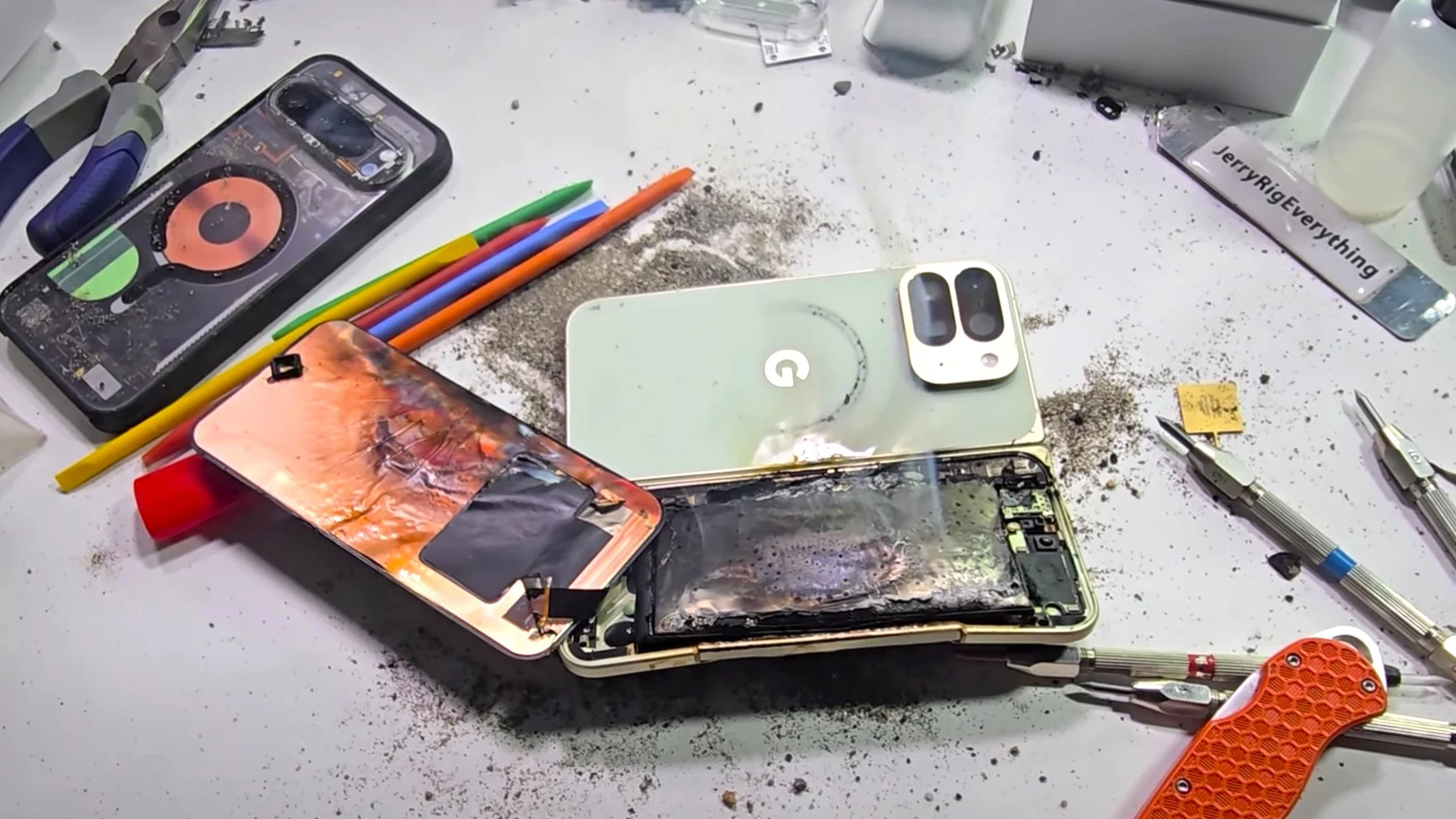
    We don’t often come across situations like this nowadays, especially since the recall of the notorious Samsung Galaxy Note 7. In the recent durability assessment by JerryRigEverything, the Pixel 10 Pro Fold catches fire shortly after failing the bend test in the same area where the Pixel 9 Pro Fold and the Pixel Fold struggled back in 2023.

    Anticipation of Failure

    Zack Nelson, the tester, was aware that the outcome of this test would be grim right after he took it out of the box. The major flaw from the previous models, specifically the antennas positioned near the hinge, remains unchanged in Google’s third-generation foldable. At the 6:30 mark in the video linked below, the bend test quickly leads to severe damage when he attempts to bend it against the fold.

    Critique of Durability

    Before that, the experienced durability tester expresses his discontent with the Pixel 10 Pro Fold. Google’s stated and only IP68 rating might only apply to the display, but it doesn’t extend to the hinge. Just like foldables from Samsung, Honor, and other companies, the hinge fails to be dustproof in reality. When it encounters dirt, a grinding noise can be heard coming from the “dustproof” hinge of the Pixel 10 Pro Fold. One must question how this foldable can legitimately claim an IP68 rating.

    Battery Issues and Disappointment

    Returning to the battery explosion and the significant failure during the durability test, the YouTuber is genuinely shocked that Google promotes a sturdier frame for its latest foldable. In truth, there has been no improvement regarding the vulnerabilities seen in previous models. With the first battery explosion noted in 10 years of durability evaluations, Google has really topped off its list of foldable mishaps. This is even more disheartening, especially since the Samsung Galaxy Z Fold 7 (priced from $1,699 on Amazon) passed JerryRigEverything’s bend test without any problems, despite having a much thinner design.

    Source:
    Link


  • Google Pixel 10 Pro Fold Now Available for Global Purchase

    Google Pixel 10 Pro Fold Now Available for Global Purchase

    Key Takeaways

    1. Google launched the Pixel Pro 10 Fold foldable smartphone in August 2025, with prices starting at $1,799 in the US, €1,899 in Europe, and Rs 172,999 in India.

    2. The new Pixel Buds 2a earbuds were also released, priced at $129, €146, and Rs 12,999, available in hazel and iris colors.

    3. The Pixel 10 Pro Fold features the Tensor G5 chipset, 16 GB of RAM, up to 1 TB of storage, and runs on Android 16 with 7 years of OS updates and security patches.

    4. It has an 8-inch OLED Super Actua Flex main display and a 6.4-inch cover screen, both supporting a 120 Hz refresh rate and HDR brightness of up to 1,800 nits.

    5. The phone includes a triple rear camera system (48 MP wide, 10.5 MP ultra-wide, 10.8 MP telephoto) and a 5,015 mAh battery with 30 W wired and 15 W wireless charging.


    Google has introduced its new Pixel Pro 10 Fold foldable smartphone in August 2025, together with the Pixel 10, Pixel 10 Pro, and Pixel 10 Pro XL. The foldable phone is now available for people all around the world. The starting price for the Pixel 10 Pro Fold is $1,799 in the US, €1,899 in Europe, and Rs 172,999 in India. You can easily buy the Pixel 10 Pro Fold from the Google Online Store, Amazon, and other official sellers.

    New Earbuds Available

    In addition to the foldable phone, Google has also released their new Pixel Buds 2a earbuds, which are now for sale in global markets. The pricing for these earbuds is set at $129, €146, and Rs 12,999, and they come in two colors: hazel and iris. Similar to the foldable smartphone, these earbuds are available from the Google Online Store and Amazon.

    Impressive Specs

    The Google Pixel 10 Pro Fold is powered by the in-house Tensor G5 chipset, the first one to be made on a TSMC node. It features 16 GB of RAM and offers up to 1 TB of internal storage. On the software side, the device runs on the latest Android 16 right out of the box, and Google has promised 7 years of major OS updates (including Android 17, 18, 19, 20, 21, 22, and 23) as well as 7 years of security patches until 2033.

    Stunning Displays

    Moreover, the phone comes with an 8-inch OLED Super Actua Flex main display that provides a resolution of 2152 x 2076 pixels. The cover screen is a 6.4-inch OLED panel with a resolution of 2364 x 1080 pixels. Both screens support a 120 Hz refresh rate, can reach up to 1,800 nits of HDR brightness, and have a color depth of 24-bit.

    Photography and Battery

    For those who love photography, the Pixel 10 Pro Fold has a triple rear camera setup. This includes a 48 MP wide-angle lens, a 10.5 MP ultra-wide camera, and a 10.8 MP telephoto lens with 5x optical zoom. There’s also a 10 MP front-facing camera for selfies. A 5,015 mAh battery powers everything, supporting 30 W wired and 15 W wireless (Qi2) charging.

    Source:
    Link


  • Samsung Galaxy Z Flip 7 Teardown Shows Dirty Hinge Issues

    Samsung Galaxy Z Flip 7 Teardown Shows Dirty Hinge Issues

    Key Takeaways

    1. The Pixel 10 Pro Fold is the first IP68-rated foldable device, while the Galaxy Z Flip 7 has a lower IP48 rating, making it less resistant to water and dust.
    2. Dirt infiltration in the Galaxy Z Flip 7’s hinge may not cause immediate damage, but it could lead to long-term issues with the device’s durability.
    3. The teardown process of the Galaxy Z Flip 7 reveals that the flexible AMOLED screen is delicate and requires careful handling during removal.
    4. The outer display of the Galaxy Z Flip 7 is easily removable, while the internal components include a dual-layer motherboard featuring the new Exynos 2500 chip.
    5. The teardown by JerryRigEverything offers valuable insights into the construction and potential vulnerabilities of these foldable devices.


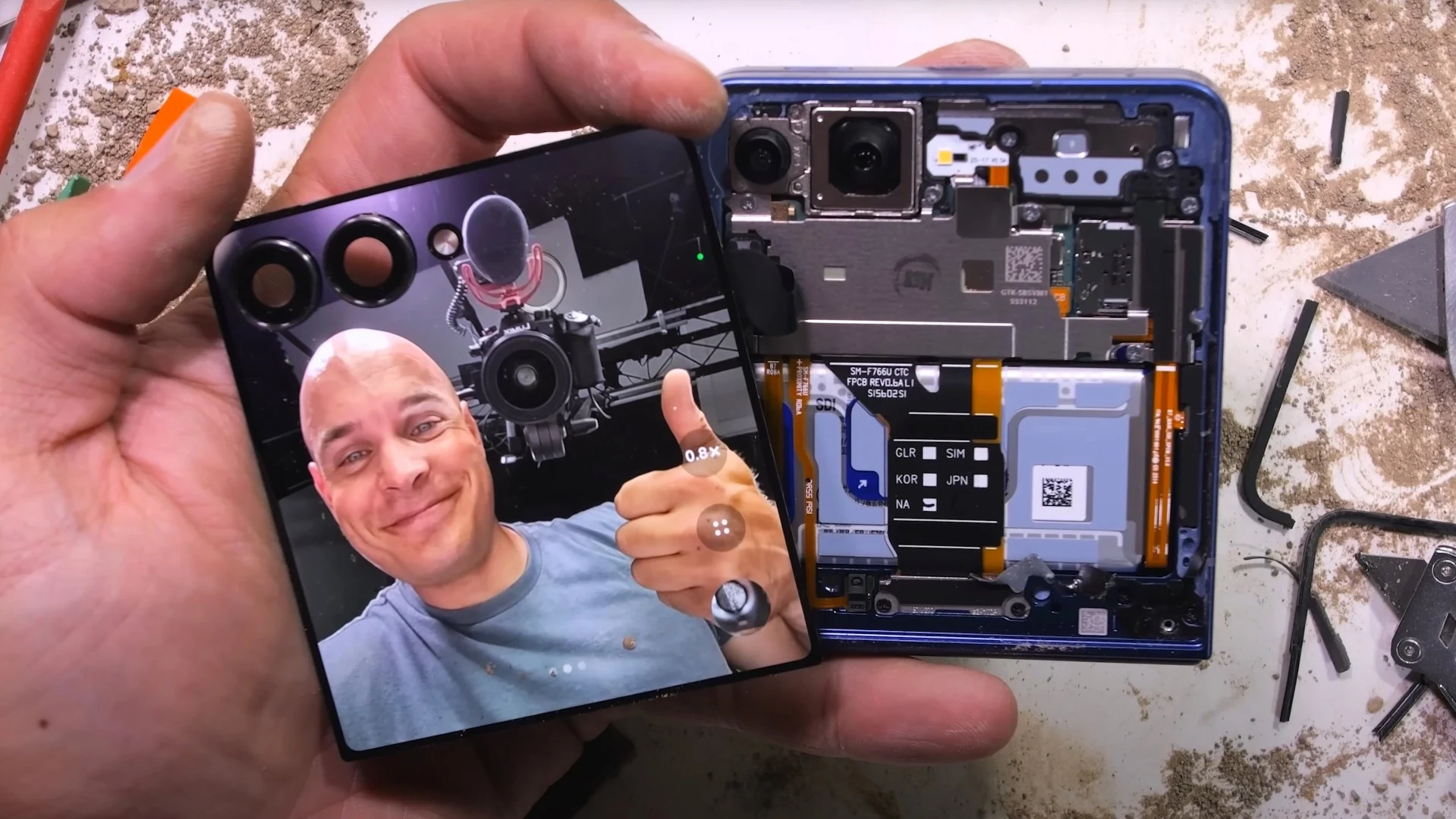
    We are eagerly anticipating the durability assessment and disassembly of the inaugural IP68-rated foldable, the Pixel 10 Pro Fold. On the other hand, the Galaxy Z Flip 7, which only boasts an IP48 water-resistance rating and lacks adequate dust protection, has shown that after a teardown, its hinge was quite filthy, filled with sand that infiltrated the compact foldable device following extensive exposure to dirt during testing.

    Potential Long-term Effects

    While this dirt infiltration doesn’t seem to cause any immediate significant damage, it might have adverse long-term consequences if you intend to use your Samsung flip phone over many years. The teardown video featured on the JerryRigEverything YouTube channel illustrates that the flexible AMOLED screen must be handled with extreme care during removal. Even an expert like Zack Nelson struggles to detach the panel, which is shielded by a very thin layer of glass, without inflicting damage on the display.

    Internal Components

    Fortunately, he successfully removes the larger outer display without any problems, which in the seventh generation of the Galaxy Z Flip, occupies half of the rear with sleek bezels. Inside the Samsung flip phone, you can discover the batteries, which are comparably simple to take out thanks to handy pull-tabs, a copper vapor chamber for efficient cooling, and a dual-layer motherboard. This motherboard is groundbreaking as it is the first globally to feature the Exynos 2500 chip released this year.

    Source:
    Link


  • Google Pixel 10 Pro Fold Launch: Tensor G5 and Bigger Battery

    Google Pixel 10 Pro Fold Launch: Tensor G5 and Bigger Battery

    Key Takeaways

    1. Display Features: The Pixel 10 Pro Fold has an 8-inch inner OLED screen with a resolution of 2076 x 2152 pixels, 120 Hz adaptive refresh rate, and 1,800 nits brightness, made with ultra-thin glass for durability.

    2. Battery and Storage: It includes a 5,015 mAh battery lasting around 30 hours, supports 30W wired and 15W wireless charging, with storage options ranging from 256 GB to 1 TB.

    3. Camera Capabilities: The device features a triple camera setup with a 48 MP wide-angle lens, 10.2 MP wide-angle lens, and a 10.8 MP telephoto lens with AI enhancements, allowing for 20x SuperRes zoom.

    4. Connectivity and Durability: It offers Wi-Fi 7, Bluetooth 5.4, 5G support, USB 3.2 port, IP68 water and dust resistance, and a fingerprint sensor, though the IP68 rating may decrease over time.

    5. Pricing and Availability: The Pixel 10 Pro Fold is priced starting at $1,799 and can be pre-ordered in two colors, with availability set for October 2025.


    Google has just released its latest foldable device, the Pixel 10 Pro Fold. Though many details were shared ahead of time, there are still some interesting features that stand out. Sadly, all these innovations come with a significant price. This device is driven by the Google Tensor G5 SoC, which is the first one made using a TSMC process.

    Display Features

    To kick things off, the Pixel 10 Pro Fold boasts an 8-inch inner OLED screen that offers a resolution of 2076 x 2152 pixels, an adaptive refresh rate of 120 Hz, and can reach up to 1,800 nits of HDR brightness. It supports 24-bit color depth. Google claims that the display is made with ultra-thin glass and has two layers of impact resistance, promising durability for up to ten years. The outer display has a 6.4-inch OLED screen (1080 x 2364) with similar specifications.

    Battery and Storage

    As for battery life, Google states that the Pixel 10 Pro Fold’s 5,015 mAh battery can last around 30 hours on a full charge. It supports wired charging at 30 watts and 15 watts for wireless charging (Qi 2). The device features Pixelsnap, a Google tech similar to MagSafe, enabling it to connect to a charger even when unfolded. Memory options start at 256 GB and go up to 1 TB, with all variants offering 256 GB of storage.

    Camera Capabilities

    The camera setup includes a 48 MP wide-angle lens (f/1.7, 1/2″ sensor), a 10.2 MP wide-angle lens, and a 10.8 MP telephoto lens with a 5x optical zoom. All three utilize AI for 20x SuperRes zoom capabilities. For selfies, it uses the same 10 MP front camera for both the inner and outer displays. Video can be recorded in 4K at 60 FPS and slow-motion at 240 FPS. While these features are somewhat limited compared to competitors, Google tries to compensate with a range of AI enhancements.

    Connectivity and Durability

    The Pixel 10 Pro Fold also comes with Wi-Fi 7, Bluetooth 5.4, support for sub-6 GHz and mmWave 5G, and a USB 3.2 port. It includes a fingerprint sensor for secure access, and it has an IP68 rating for water and dust resistance. However, Google warns that this rating may diminish over time due to regular usage, and any liquid damage will void the warranty.

    Currently, the Pixel 10 Pro Fold can be pre-ordered in two colors (Moonstone and Jade) from Google’s website, starting at a price of $1,799 for the base model. Unfortunately, it won’t be available until October 2025, unlike the Pixel 10 series, which is set to launch next week on August 28.

    Source:
    Link