Tag: Snapdragon 7s Gen 3

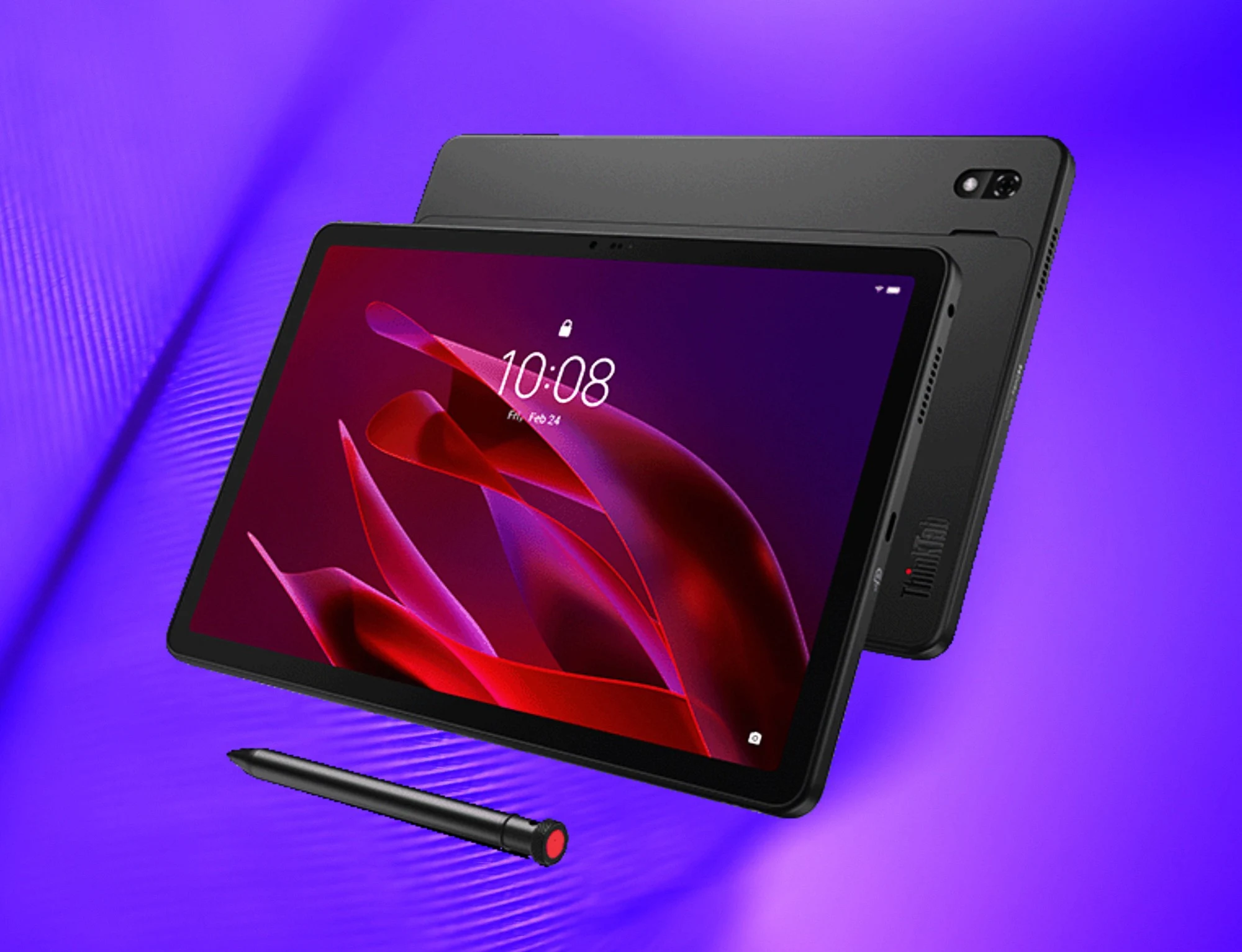
  • Lenovo ThinkTab X11: Removable Battery, Waterproof

    Lenovo ThinkTab X11: Removable Battery, Waterproof

    Key Takeaway

    – Price starts at $499 (8GB/128GB) or $579 (256GB) via Lenovo USA; €699 for 256GB in Germany
    – Rugged business tablet with IP68 waterproof rating (with protective cover)
    – Replaceable 10,200 mAh battery with 17-hour web surfing battery life
    – 10.95-inch 90Hz IPS display (2560×1600, 800 nits)
    – Includes 5G modem, nano-SIM, Wi-Fi 6E, two USB-C ports, and headphone jack


    Lenovo ThinkTab X11 Now Available

    The Lenovo ThinkTab X11 was anounced at the Mobile World Congress and the tablet is finally available. The tablet can be ordered directly from Lenovo USA for $499 with 8 GB RAM and 128 GB storage, or for $579 with 256 GB. Lenovo Germany is offering the tablet exclusivly with 256 GB for €699. The storage can be expanded using a microSD card.

    Target Audience and Durability

    The ThinkTab X11 is primarilly aimed at business customers, but the specs also make the device interesting for consumers who are looking for a particularly robust, durable tablet. Although the tablet, which is almost 1 centimeter thick and weighs 650 grams, is not particularly thin or light, the casing is IP68-certified and therefore waterproof – at least with the corresponding protective cover. Without the cover, the device is only IP52 certified.

    Connectivity and Display

    The integrated 5G modem and nano-SIM slot make it possible to access the internet on the go. The 10.95-inch touchscreen in 16:10 format is based on an IPS panel that achieves a resolution of 2,560 x 1,600 pixels, a frame rate of 90 Hz and a brightness of 800 nits; 72% of the NTSC color space can be displayed.

    Performance and Battery Life

    Inside the tablet is a Qualcomm Snapdragon 7s Gen 3. A special feature is that the 10,200 mAh battery can be easily replaced when the end of the 1,000 charge cycle lifespan is reached. Lenovo advertises a battery life of 17 hours when surfing the web. A fingerprint sensor in the power button, an 8 MP selfie camera, a 13 MP main camera, Wi-Fi 6E, two USB-C ports and a 3.5 mm headphone jack complete the package.

    Pricing Availibility

    • Lenovo USA: $499 (8GB/128GB) or $579 (256GB).
    • Lenovo Germany: €699 (256GB only).
    Sources
  • Motorola Unveils New Mid-Range Android Phone Worldwide

    Motorola Unveils New Mid-Range Android Phone Worldwide

    Key Takeaways

    1. The Motorola Edge 70 Fusion is a budget-friendly model in the Edge 70 series, sharing its processor with other mid-range devices.
    2. In Europe, it features a 5,200 mAh battery, while the Indian version comes with a larger 7,000 mAh battery.
    3. Both versions support 68 W charging and have a 6.78-inch AMOLED display with a resolution of 2,772 x 1,272 pixels and a 144 Hz refresh rate.
    4. The smartphone includes a 50 MP main camera, a 13 MP ultra-wide camera, and a 32 MP front camera, all housed in an IP69 certified body.
    5. The Edge 70 Fusion is available in multiple colors, with a single configuration of 8 GB RAM and 256 GB storage, priced at £370 in the UK and €419.99 in Europe, including a free pair of Moto Buds Loop for pre-orders.


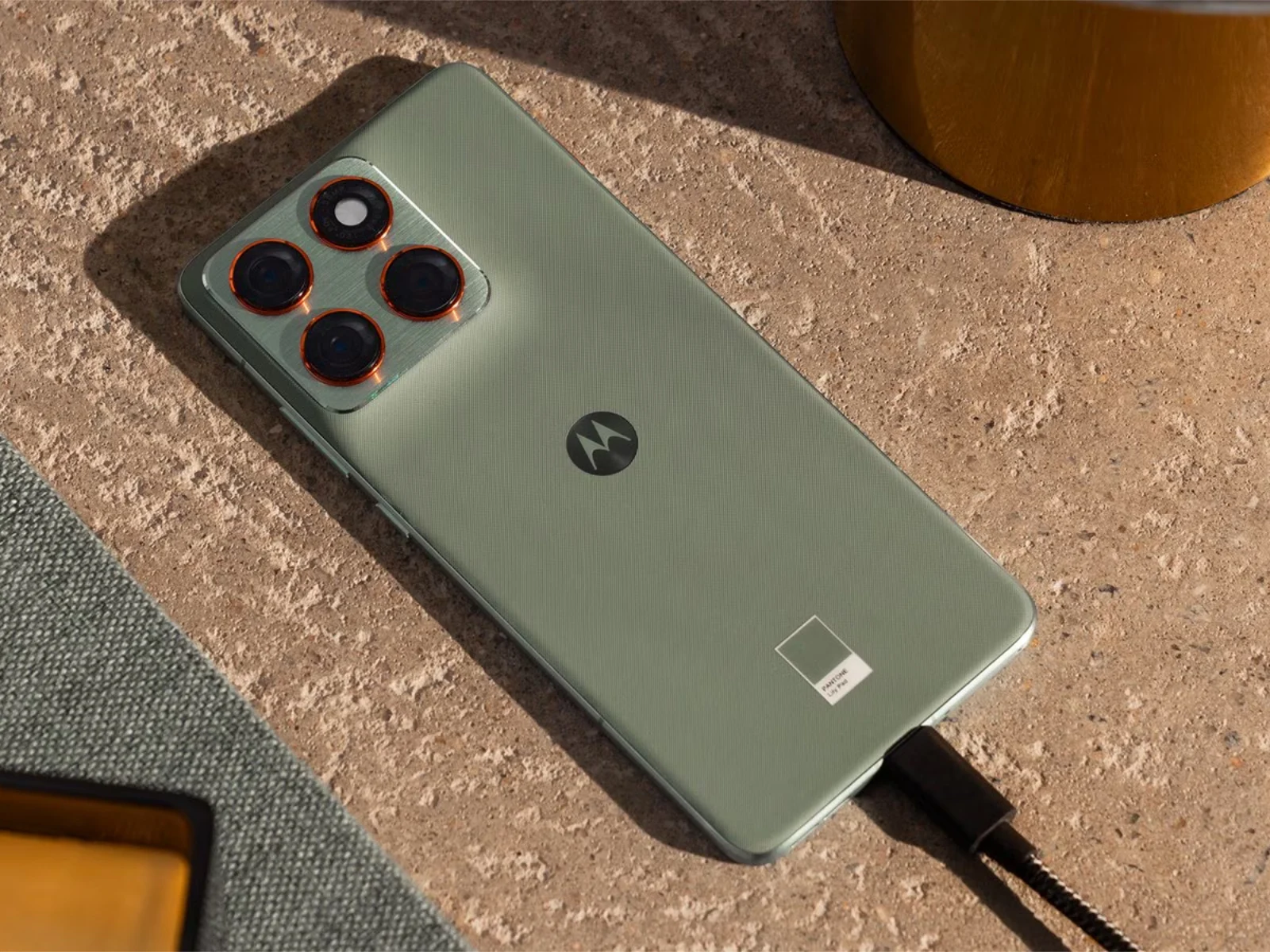
    Motorola has launched the Edge 70 Fusion, which is part of the Edge 70 series. This model is a more affordable option compared to the standard Edge 70 and shares its processor with other recent mid-range devices, such as the Fairphone 6, Nothing Phone (3a) Pro, and the Redmi Note 14 Pro Plus. In Europe, the Edge 70 Fusion comes equipped with a 5,200 mAh battery, while in India, it boasts a larger 7,000 mAh battery.

    Charging and Display Features

    Both versions of the Edge 70 Fusion support 68 W charging capabilities. The phone also showcases a 6.78-inch AMOLED screen that has a resolution of 2,772 x 1,272 pixels, along with a smooth 144 Hz refresh rate and a peak brightness of 5,200 nits. Furthermore, the smartphone is outfitted with a 50 MP main camera (LYT-710), a 13 MP ultra-wide camera, and a 32 MP front camera. All of this impressive technology is housed in an IP69 certified body that weighs 177 g and has dimensions of 162.8 x 75.6 x 7.2 mm (or 7.99 mm), with a slightly heavier model in India weighing 193 g.

    Color Options and Pricing

    The Edge 70 Fusion is presented in several Pantone-matched colors, including Country Air, Orient Blue, Silhouette, and Sporting Green. It can only be purchased with 8 GB of RAM and 256 GB of internal storage, priced at £370 in the UK and €419.99 (approximately $490) in the Eurozone. For those who pre-order the Edge 70 Fusion, Motorola is currently including a complimentary pair of Moto Buds Loop, which typically retails for $139 on Amazon. For additional information, you can check Motorola’s official website.

    Motorola’s offerings are available in Germany, India, and the United Kingdom.

    Source:
    Link


  • Motorola Edge 70 Fusion Leaked Promo Images Before Launch

    Motorola Edge 70 Fusion Leaked Promo Images Before Launch

    Key Takeaways

    1. The Motorola Edge 70 Fusion will be available in five Pantone color options: Country Air, Blue Surf, Sporting Green, Orient Blue, and Silhouette.
    2. The design features a curved display, similar to its predecessor, with no significant hardware advancements expected.
    3. It is likely to be powered by the Snapdragon 7s Gen 3 chipset, with options for up to 12 GB of RAM and 256 GB of internal storage.
    4. The phone may have a large 7,000 mAh battery, an increase from the previous model’s 5,000 mAh, and support for 68 W fast charging.
    5. Camera specifications include a 50 MP primary camera and a 32 MP front camera, with the launch expected to happen soon.


    Lenovo is set to unveil several mid-range Motorola devices, and among them is the Edge 70 Fusion. Recently, well-known tipster Evan Blass released crucial specifications for the phone, and he has now shared official promotional images that give us a clearer view of the smartphone.

    Color Options

    The leaked promotional images reveal that the Motorola Edge 70 Fusion will come in five distinct Pantone color options. These colors are expected to be named: Country Air, Blue Surf, Sporting Green, Orient Blue, and Silhouette.

    Design and Hardware

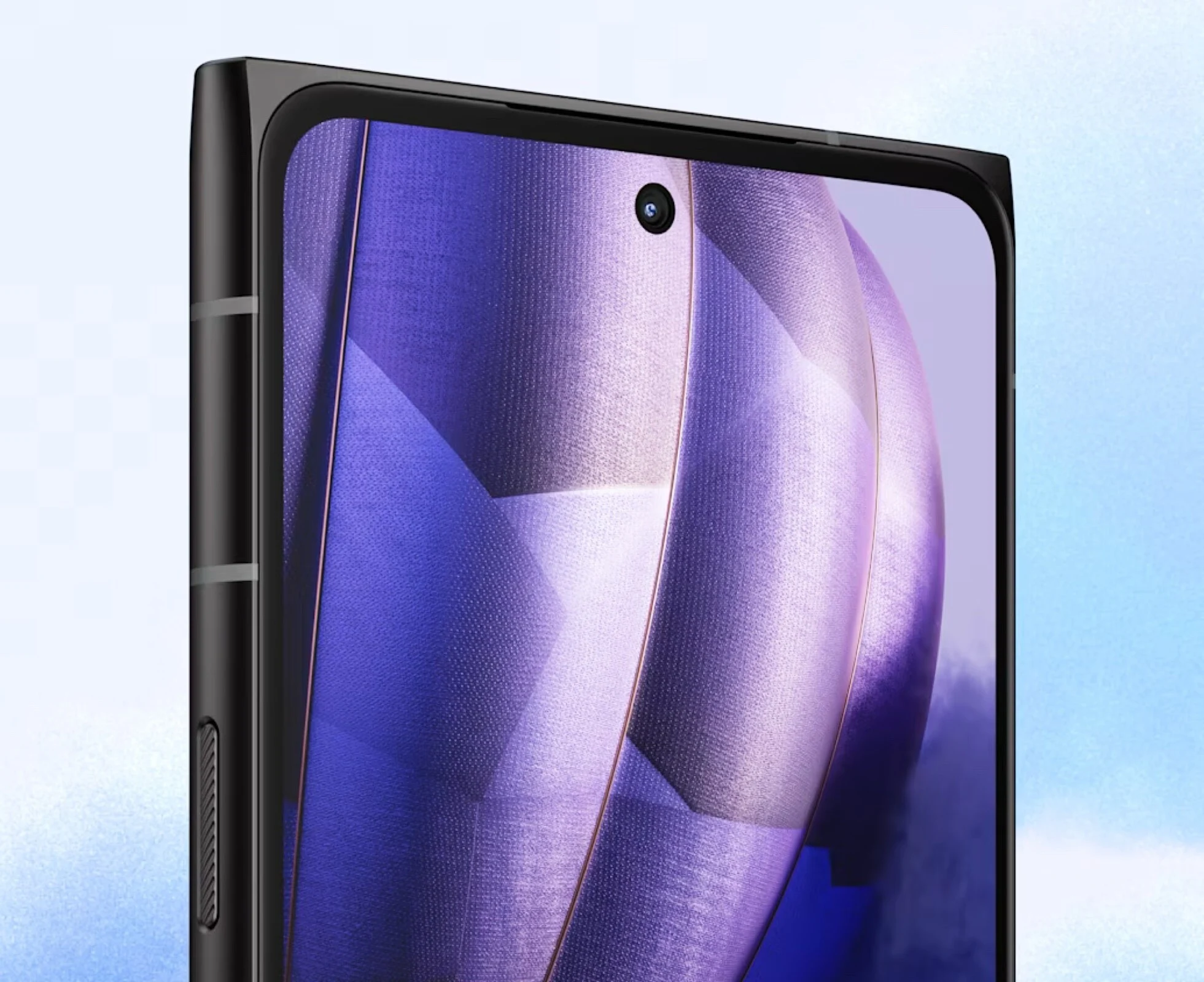
    The images also indicate that Motorola has maintained a curved display design, while the back of the new model appears to be quite similar to its predecessor. According to the last set of specifications leaked by Evan Blass, there won’t be significant advancements in hardware either.

    Performance and Battery

    Specifically, the Motorola Edge 70 Fusion is likely to be equipped with the Snapdragon 7s Gen 3, a mid-range chipset for 2024. It is expected to come with up to 12 GB of RAM and offer 256 GB of internal storage. There are rumors of a 7,000 mAh battery, which is a considerable increase from the 5,000 mAh battery in the previous model. The leak also hints at support for 68 W fast charging (with a 140 W Baseus PicoGo charger currently priced at $59.98 on Amazon).

    Camera Features

    As for the camera configuration, earlier leaks have indicated that the Motorola Edge 70 Fusion will feature a 50 MP Lytia primary camera on the back and a 32 MP camera for selfies. Although pricing information has not yet been released, the appearance of promotional materials suggests that the launch is imminent.

  • Motorola Unveils New Smartphone with Huge Battery and AMOLED Display

    Motorola Unveils New Smartphone with Huge Battery and AMOLED Display

    Key Takeaways

    1. The Motorola Edge 70 series will include the Edge 70 and the Edge 70 Ultra (branded as Motorola Signature).
    2. The Edge 70 Fusion is anticipated to feature a large 7,000 mAh battery and use the Snapdragon 7s Gen 3 chipset.
    3. The Edge 70 Fusion will offer options for 8 GB or 12 GB of RAM and 256 GB of internal storage.
    4. It is expected to have a 6.78-inch AMOLED display with 1.5K resolution, 144 Hz refresh rate, and up to 5,200 nits brightness.
    5. The device will include a 50 MP main camera and a 32 MP front camera, with a design inspired by nylon and linen, but will receive only 3 OS updates.


    A dependable source has recently provided some early details about the upcoming Motorola Edge 70 series smartphone. Currently, Motorola has only released the Edge 70, while the anticipated Edge 70 Ultra will be branded as the Motorola Signature. However, it looks like the Edge 70 will soon be joined by a successor to last year’s Edge 60 Fusion, which is priced at $379 on Amazon.

    A Shift in Direction

    As per Evan Blass, Motorola plans to take a different approach with the Edge 70 compared to its goal of making the slimmest smartphone. Although Blass hasn’t disclosed the exact dimensions yet, he claims that the Edge 70 Fusion will come with a massive 7,000 mAh battery. This would be too large for a housing of about 6 mm, even with advanced silicon-carbon battery tech. The Edge 70 Fusion is expected to use the older Snapdragon 7s Gen 3 chipset, which Motorola will pair with either 8 GB or 12 GB of RAM and 256 GB of internal storage.

    Impressive Display and Cameras

    Blass also anticipates that Motorola will equip its new mid-range device with a 6.78-inch AMOLED screen that supports a resolution of 1.5K, refreshes at 144 Hz, and can reach brightness levels of up to 5,200 nits, all while being shielded by Corning Gorilla Glass 7i. In addition, the Edge 70 Fusion is rumored to include a 50 MP primary camera alongside a 32 MP front-facing camera, all housed in a quad-curved design that features ‘nylon and linen-inspired’ back panels. While an official release date has not been revealed yet, Blass mentions that Motorola will restrict the Edge 70 Fusion to just 3 OS updates.

    Evan Blass’

    Source:
    Link


  • HMD Skyline 2: New Metal Unibody, Camera Upgrades & More

    HMD Skyline 2: New Metal Unibody, Camera Upgrades & More

    Key Takeaways

    1. The HMD Skyline, priced from $399, features a unique design reminiscent of Nokia Lumia devices, with a metal frame and rounded edges.
    2. The upcoming HMD Skyline 2 is expected to have a bold metal unibody design, while still supporting Qi2 wireless charging.
    3. Camera upgrades include a centered camera module, a Snapdragon 7s Gen 3 chipset, a 6.55-inch 144Hz pOLED screen, and a 108MP main rear camera.
    4. The device is rumored to have a 5,000mAh battery with 33-watt USB-C charging, while the premium Skyline 2 GT may offer additional features like waterproofing and faster charging.
    5. Significant upgrades for the Skyline 2 GT could include a faster processor, improved camera specs, a ToF sensor, and a specialized camera shutter button.


    The HMD Skyline, priced from $399 on Amazon, is a smartphone that really catches the eye with its unique design that’s reminiscent of Nokia Lumia devices. Its metal frame features rounded edges on the left and right sides, while the front curves nicely. However, the corners of the frame are sharper compared to the gently curved display corners.

    Upcoming Design Changes

    Recent updates from smashx_60, who has a track record of providing reliable info on HMD Global products, suggest that the HMD Skyline 2 will come with an even bolder design. The company seems to be moving towards a metal unibody design, meaning the back and the frame might be made as one piece rather than two separate parts. There should still be support for Qi2 wireless charging, but it seems that only the pricier HMD Skyline 2 GT will include built-in magnets for easier use with various accessories.

    Camera Enhancements

    The design of the camera module is said to be revamped and will be centered, unlike the previous corner placement. Previous leaks indicate that the HMD Skyline 2 could feature a Qualcomm Snapdragon 7s Gen 3 chipset, a 6.55-inch 144Hz pOLED screen boasting 1,200 nits of brightness, alongside a 50MP front-facing camera and a 108MP main rear camera, complemented by two additional cameras of 13MP and 50MP.

    Battery and Additional Features

    It’s rumored that the device will house a 5,000mAh battery that can be charged via USB-C at speeds of up to 33 watts. The more premium HMD Skyline 2 GT is expected to include a waterproof body and could receive five significant upgrades. These enhancements might consist of a faster Snapdragon 7 Gen 3 processor, a 50MP camera instead of the 13MP option, a ToF sensor, a specialized camera shutter button, and 45-watt rapid charging capabilities.

    Source:
    Link


  • Poco Pad M1: Rebadged Redmi Pad 2 Pro Launching Soon

    Poco Pad M1: Rebadged Redmi Pad 2 Pro Launching Soon

    Key Takeaways

    1. The POCO Pad M1 is expected to launch soon, as it has appeared on Xiaomi’s official Product Software support page.
    2. It may be a rebranded version of the Redmi Pad 2 Pro, featuring a Qualcomm Snapdragon 7s Gen 3 chipset.
    3. The tablet is likely to have a 12.1-inch 2.5K display with a 120Hz refresh rate, 6GB of RAM, and 128GB of expandable storage.
    4. Anticipated battery specifications include a 12,000mAh capacity, 33W fast charging, and support for reverse wired charging.
    5. Other features may include a quad-speaker system with Dolby Atmos, dual 8MP cameras, a 3.5mm headphone jack, and it is expected to run on Hyper OS 2.0.


    The POCO Pad M1 has recently shown up on Xiaomi’s official Product Software support page, signaling that a launch might be just around the corner. This tablet is POCO’s first foray into the Pad M-series, and the new listing adds credibility to earlier leaks and speculation.

    Device Specifications

    It appears that this device might be a rebranded version of the Redmi Pad 2 Pro since it carries the same “P83” internal model number, which was identified in an FCC certification from last month. Interestingly, the upcoming tablet is rumored to have a Qualcomm Snapdragon 7s Gen 3 chipset, which is a step down from the Snapdragon 7s Gen 4 found in the Redmi Pad 2 Pro.

    Caution Advised

    However, it is wise to approach this information cautiously, as there has been no formal announcement from POCO yet. Based on the specifications of the Redmi Pad 2 Pro, the Poco Pad M1 is expected to sport a 12.1-inch screen with a 2.5K resolution and a refresh rate of 120Hz. Additionally, it is likely to come with 6GB of RAM and 128GB of expandable storage.

    Battery and Features

    In terms of battery, the tablet is anticipated to include a robust 12,000mAh battery, supporting 33W fast charging (wired) and 27W reverse wired charging. It is also expected to feature a quad-speaker system with Dolby Atmos support, dual 8MP cameras (front and back), and a 3.5mm headphone jack.

    The FCC certification lists the model number ‘2509ARPBDG’ for the global version. The tablet is anticipated to run on Hyper OS 2.0 and will have Wi-Fi 6 along with Bluetooth connectivity. Its weight is expected to be around 890 grams, and it will likely be available in just one color option: Graphite Gray.

    Source:
    Link


  • Redmi Note 15 Pro Plus vs 14 Pro Plus: Is Snapdragon 7s Gen 4 Better?

    Redmi Note 15 Pro Plus vs 14 Pro Plus: Is Snapdragon 7s Gen 4 Better?

    Key Takeaways

    1. The Redmi Note 15 Pro Plus features Qualcomm’s Snapdragon 7s Gen 4 chipset, which shows only minor performance improvements over the Snapdragon 7s Gen 3 in benchmarks.

    2. Initial benchmark scores indicate a single-core score of 1,289 and a multi-core score of 3,294 for the Snapdragon 7s Gen 4, surpassing the previous generation’s scores slightly.

    3. The Snapdragon 7s Gen 4 offers a 12% increase in CPU performance on AnTuTu, with a score of 277,639 compared to the 247,693 of the Snapdragon 7s Gen 3.

    4. GPU performance also shows a 7% improvement, with the Redmi Note 15 Pro Plus achieving higher scores in various tests, including Geekbench’s Vulkan test.

    5. Overall, the Snapdragon 7s Gen 4 is about 10% stronger than its predecessor, but the performance difference may not justify an upgrade for current Snapdragon 7s Gen 3 users.


    Xiaomi recently introduced the Redmi Note 15 Pro Plus in China just last week. This mid-range smartphone is equipped with Qualcomm’s latest Snapdragon 7s Gen 4 chipset, but how does it stack up against the Snapdragon 7s Gen 3 found in last year’s Redmi Note 14 Pro Plus?

    Benchmark Results Appear

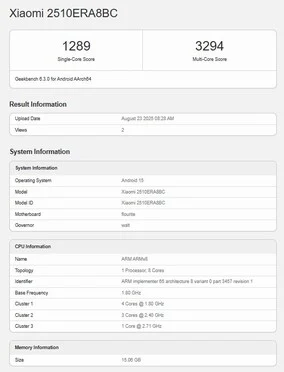
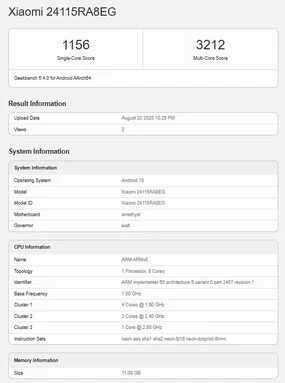
    Although it’s still early to draw conclusions, initial benchmark results for the Redmi Note 15 Pro Plus have emerged, revealing that the Snapdragon 7s Gen 4’s performance is rather unimpressive. According to Geekbench, the phone achieved a single-core score of 1,289 and a multi-core score of 3,294. These figures are the same as those noted in Gizmochina’s review. In contrast, the Snapdragon 7s Gen 3 scored 1,156 and 3,212 on those tests.

    Minor Improvements Noted

    Clearly, the “new” Snapdragon 7s Gen 4 only surpasses the Snapdragon 7s Gen 3 in single-core performance. This can be attributed to the fact that the Snapdragon 7s Gen 4 is basically a rebranded version of the Snapdragon 7s Gen 3, with a minor increase in its prime core speed (2.71 GHz compared to 2.5 GHz). However, the improvement in peak performance is noticeable in AnTuTu scores. The Redmi Note 15 Pro Plus achieved a CPU score of 277,639, while the Redmi Note 14 Pro Plus scored 247,693, showing a nice 12% increase in performance.

    GPU Performance Analysis

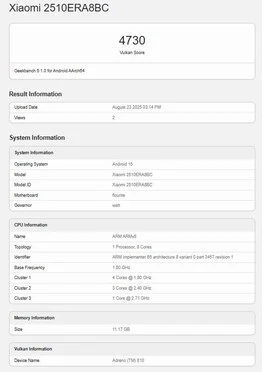
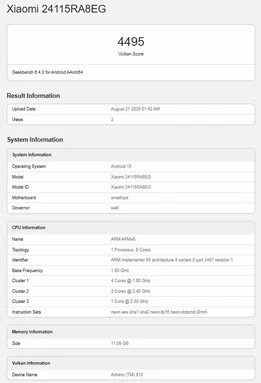
    On the GPU front, the Snapdragon 7s Gen 4 continues to use the same Adreno 810 as its predecessor, the Snapdragon 7s Gen 3. Qualcomm hasn’t disclosed any specifics regarding clock speeds but asserts a 7% enhancement in graphical performance. This claim holds some weight; in Geekbench’s Vulkan test, the Redmi Note 15 Pro Plus scored 4,730, compared to 4,495 for the Redmi Note 14 Pro Plus. Furthermore, in AnTuTu, the combination of the new phone and SoC scored 237,833, a significant rise from the 195,994 achieved by their forerunners. In 3DMark’s WildLife extreme test, scores stand at 1,121 versus 1,054, favoring the Redmi Note 15 Pro Plus and its Snapdragon 7s Gen 4.

    In summary, the Snapdragon 7s Gen 4 seems to be about 10% stronger than the Snapdragon 7s Gen 3 regarding CPU and GPU performance. Therefore, it is difficult to suggest this upgrade for users who already possess devices with the Snapdragon 7s Gen 3. The Snapdragon 7s Gen 4 is largely the same as the Snapdragon 7s Gen 3, and the performance difference isn’t substantial. A device like the Poco X7 Pro (available on Amazon) provides considerably better performance.

    Source:
    Link


  • Redmi Note 15 Pro Plus Launching with Upgraded Chipset Soon

    Redmi Note 15 Pro Plus Launching with Upgraded Chipset Soon

    Key Takeaways

    1. Xiaomi will launch the Redmi Note 15 Pro series in China this month, with the Redmi Note 15 Pro Plus as the leading model.
    2. The Redmi Note 15 Pro Plus will feature the Snapdragon 7s Gen 3 chipset, confirmed to be overclocked to 2.71 GHz.
    3. It has an Adreno 810 GPU, achieving Geekbench scores of 1,228 (single-core) and 3,230 (multi-core).
    4. The device includes 16 GB of RAM, an upgrade from the 12 GB maximum in the previous model.
    5. Overall improvements in specifications are modest, raising questions about fan reactions to the upgrades.


    Xiaomi is all set to launch the Redmi Note 15 Pro series in China this month. Information about these devices has slowly been coming out over the past few weeks. It seems that the leading model, the Redmi Note 15 Pro Plus, will feature the same chipset as last year’s Redmi Note 14 Pro Plus. New details seem to back up this notion.

    Geekbench Appearance

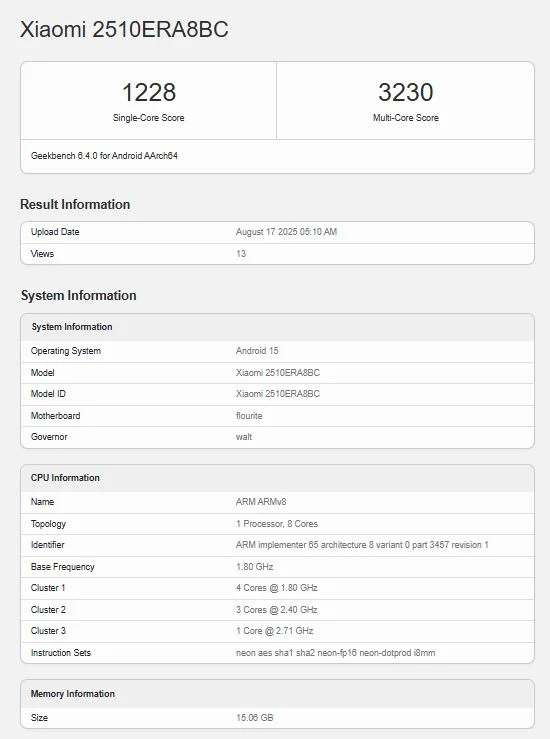
    Recently, multiple sources have reported that the Redmi Note 15 Pro Plus has appeared on Geekbench right before its launch in China. This mid-range smartphone was previously speculated to come with a Snapdragon 7s Gen 3 processor, and it is now confirmed to have this chipset, although it operates in an overclocked condition. The Snapdragon 7s Gen 3 version tested on the Redmi Note 15 Pro Plus has its main core clocked at 2.71 GHz, which is a nice increase from the 2.50 GHz found in the Redmi Note 14 Pro Plus (buy on Amazon) and other devices using this chipset last year.

    Performance and Specifications

    The device features an Adreno 810 GPU, affirming that it is indeed powered by the Snapdragon 7s Gen 3. In terms of performance, the Redmi Note 15 Pro Plus achieves scores of 1,228 in single-core and 3,230 in multi-core tests on Geekbench 6. Notably, the single-core score is about 6% higher than what the Snapdragon 7s Gen 3 averaged in our in-house evaluations. Additionally, the phone comes with 16 GB of RAM, which is an upgrade from the 12 GB of RAM that last year’s model had as its maximum. While this is certainly a performance enhancement, it may not excite the series fans too much.

    Conclusion

    In summary, the Redmi Note 15 Pro Plus is shaping up to be an interesting addition to Xiaomi’s lineup, bringing some improved specs to the table. However, with the upgrades being relatively modest, it remains to be seen how the loyal fans of the series will react to these changes.

    Source:
    Link


  • Redmi Note 15 Pro Plus: Chipset Disappointment Revealed

    Redmi Note 15 Pro Plus: Chipset Disappointment Revealed

    Key Takeaways

    1. The Redmi Note 15 series will launch in China this month, with a global release later this year.
    2. The Redmi Note 15 Pro Plus may feature the Snapdragon 7s Gen 3 chipset, similar to its predecessor.
    3. Other models in the lineup include the Redmi Note 15 5G and Redmi Note 15 Pro 5G, with expected Qualcomm and MediaTek processors, respectively.
    4. There will also be Redmi Note 15 4G and Redmi Note 15 Pro 4G models, but details on their chipsets are not available yet.
    5. Anticipation is high for the Redmi Note 15 series, but some information regarding the devices remains limited.


    The Redmi Note 15 series is set to be launched this month, generating a lot of anticipation. These mid-range smartphones will first appear in China and will then make their way to a global audience later this year. Recent leaks have provided some insight into the chipsets that will power these devices.

    Chipset Insights

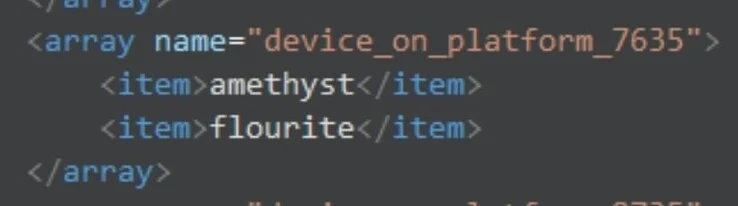
    According to leaker PaperKing13, the leading model, the Redmi Note 15 Pro Plus, might be equipped with a rather underwhelming chipset. The leaker, referencing Mi Code, suggests that this model could use the same chipset as its predecessor, the Redmi Note 14 Pro Plus. An image shared by the leaker shows that it could feature Qualcomm’s “SM7635”, commonly known as the Snapdragon 7s Gen 3.

    Other Models in the Lineup

    For the other models in the Redmi Note 15 lineup, the leaker hasn’t provided much detailed information about their chipsets. However, it is believed that the Redmi Note 15 5G will come with a Qualcomm chip, while the Redmi Note 15 Pro 5G is expected to have a MediaTek processor. Alongside these three models, there will also be the Redmi Note 15 4G and Redmi Note 15 Pro 4G, but no trustworthy details about their chipsets have been disclosed yet.

    Source:
    Link


  • Fairphone 6 Promo Video Reveals Exciting New Slider Feature

    Fairphone 6 Promo Video Reveals Exciting New Slider Feature

    Key Takeaways

    1. Fairphone 5 features long software support, easy repairs, and fair production practices, but has average specifications for its launch price of €699.
    2. The upcoming Fairphone 6 aims to improve price-to-performance ratio with a launch price of €549 and upgraded components.
    3. Expected specs for Fairphone 6 include a Qualcomm Snapdragon 7s Gen 3 processor, 8GB of RAM, and 256GB of internal storage.
    4. The new model may feature a user-replaceable 4,415mAh battery, a 120Hz LTPO OLED display, and a camera setup with a 50MP main, 13MP ultra-wide, and 32MP front-facing camera.
    5. A new “Essentials” mode will offer a simplified black-and-white interface for basic functions, with a countdown to the official launch on June 25.


    Long software support, simple repairs, and a commitment to fair and sustainable production are standout features of the Fairphone 5. Nevertheless, at its launch price of €699, the smartphone’s specifications were rather average, making its price-to-performance ratio less appealing. The upcoming Fairphone 6 seeks to address this concern, debuting at a price of €549 with upgraded components.

    Specs and Performance

    Leaks suggest that the new model will run on a Qualcomm Snapdragon 7s Gen 3 processor, paired with 8GB of RAM and 256GB of internal storage. The display size is reduced to 6.31 inches but is likely to include a more advanced 120Hz LTPO OLED screen. Additionally, Fairphone is believed to be incorporating a user-replaceable 4,415mAh battery, along with a 50MP main camera, a 13MP ultra-wide camera, and a 32MP front-facing camera. Renowned leaker @MysteryLupin recently shared a promotional video showcasing the Fairphone 6 in action for the first time.

    New Features

    The promo video reveals that both the display and the battery can be replaced with relative ease. It also highlights a new green slider located on the right side of the device. When this slider is moved down, the Fairphone 6 enters an “Essentials” mode. In this setting, the phone adopts a black-and-white interface that primarily focuses on text. The capabilities in this mode are restricted to essential functions like making calls, sending texts, using the camera, listening to music, and jotting down notes.

    The Fairphone 6 is set to be officially launched on Wednesday, June 25, as shown by a countdown on the manufacturer’s website. As a result, all remaining specifications, features, and information about the “Essential” mode will soon be made public.

    Source:
    Link