Key Takeaways
1. Budget smartphones like the Galaxy A56 and Google Pixel 9a are popular for cost-conscious users but may face performance and camera quality trade-offs.
2. Upcoming mid-range smartphones might experience compromises due to supply chain issues and rising memory costs.
3. RAM and internal storage are significant contributors to smartphone material costs, which are expected to rise further by 2026.
4. Users humorously speculate that older features may return, such as 90 Hz displays and plastic frames, while many welcome the potential return of microSD slots and 3.5 mm headphone jacks.
5. The timeline for these changes in smartphone designs remains uncertain, as the information is based on leaks and not confirmed developments.
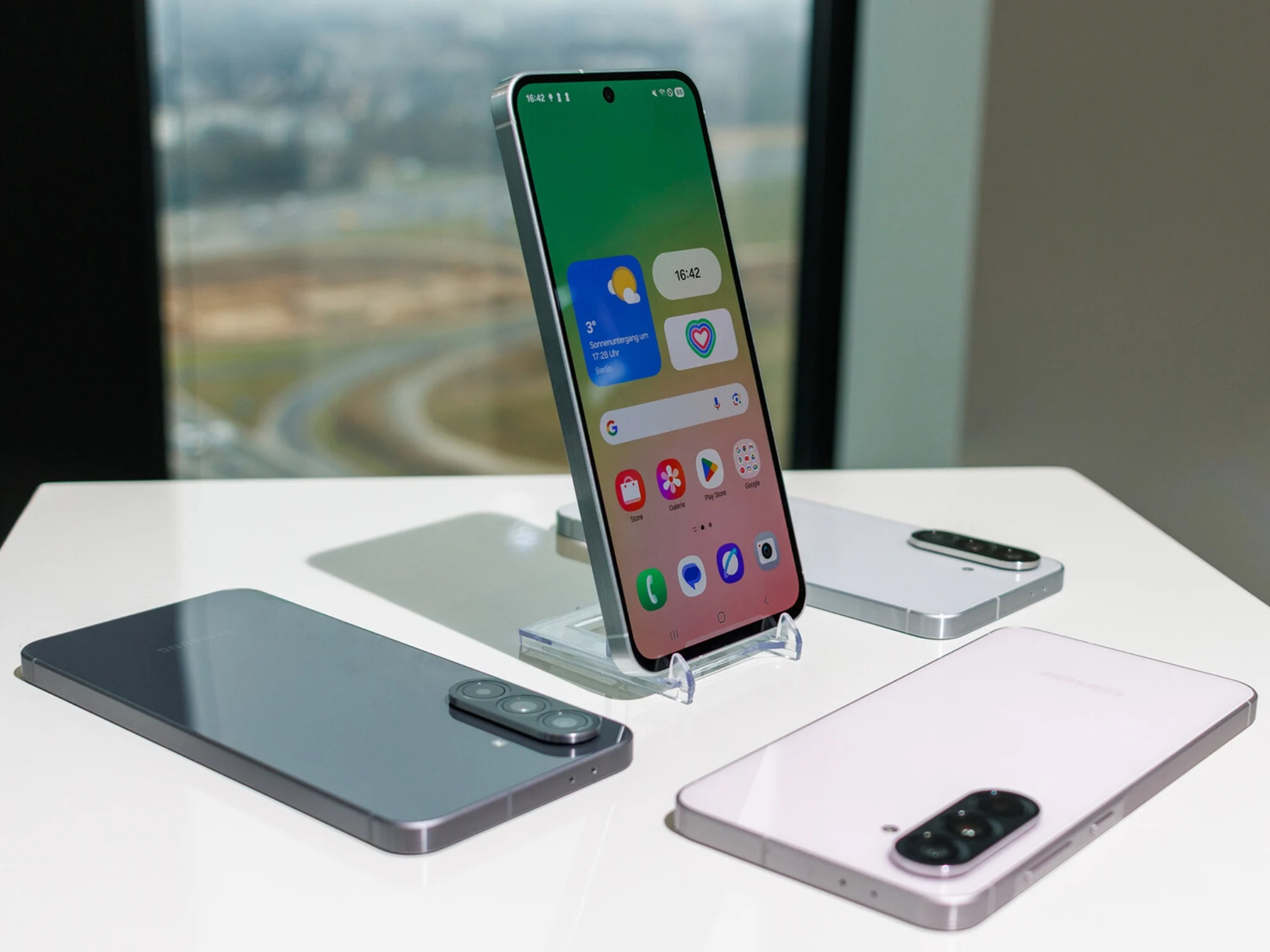
Budget smartphones like the Galaxy A56, which is currently priced at $300 on Amazon, and the Google Pixel 9a present an appealing choice for users who are mindful of their budget and willing to make some trade-offs in terms of performance and camera quality. However, according to a recent leak, those shopping in the mid-range market might soon find themselves facing even more compromises due to ongoing supply chain challenges and increasing memory costs.
Details from the Leak
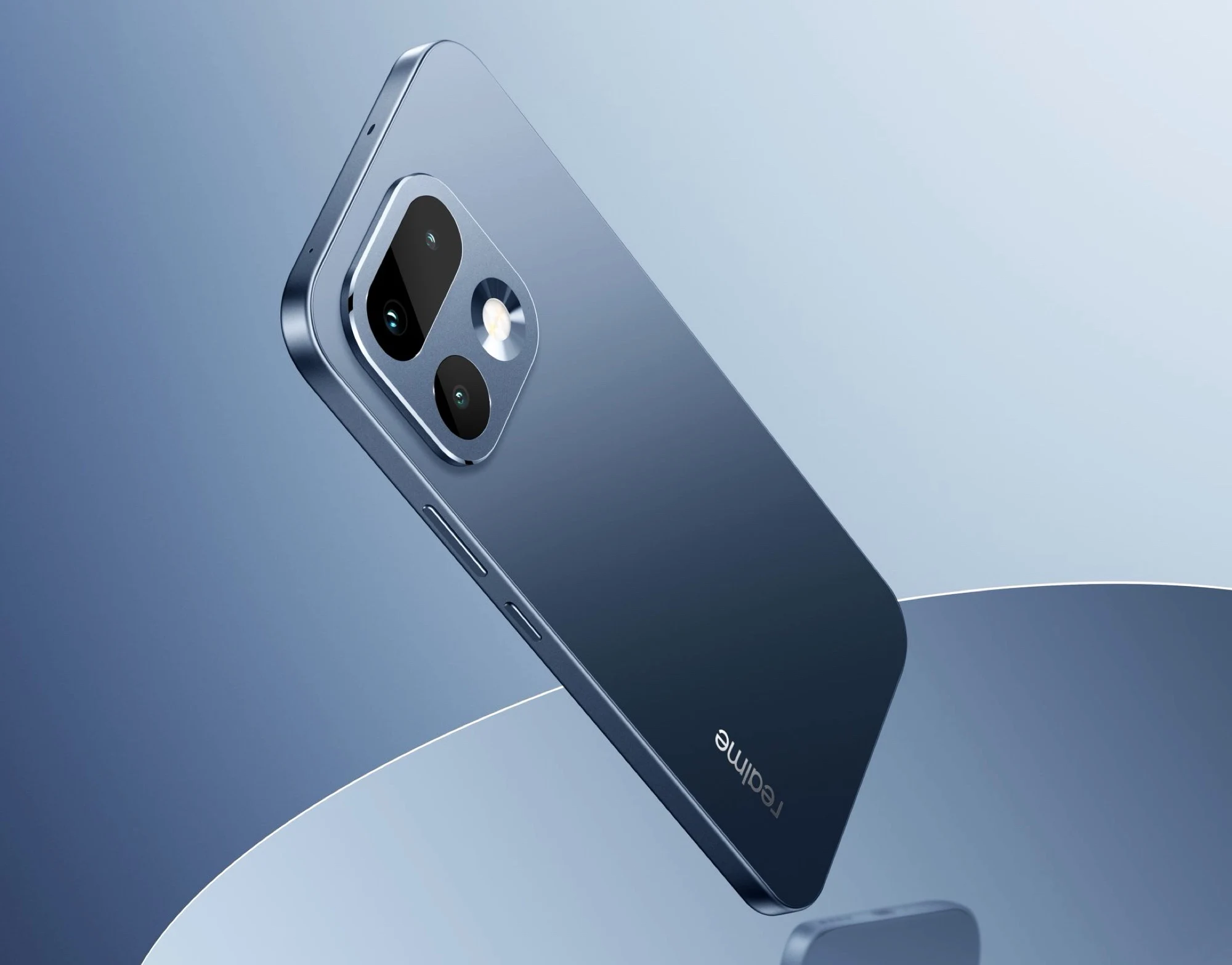
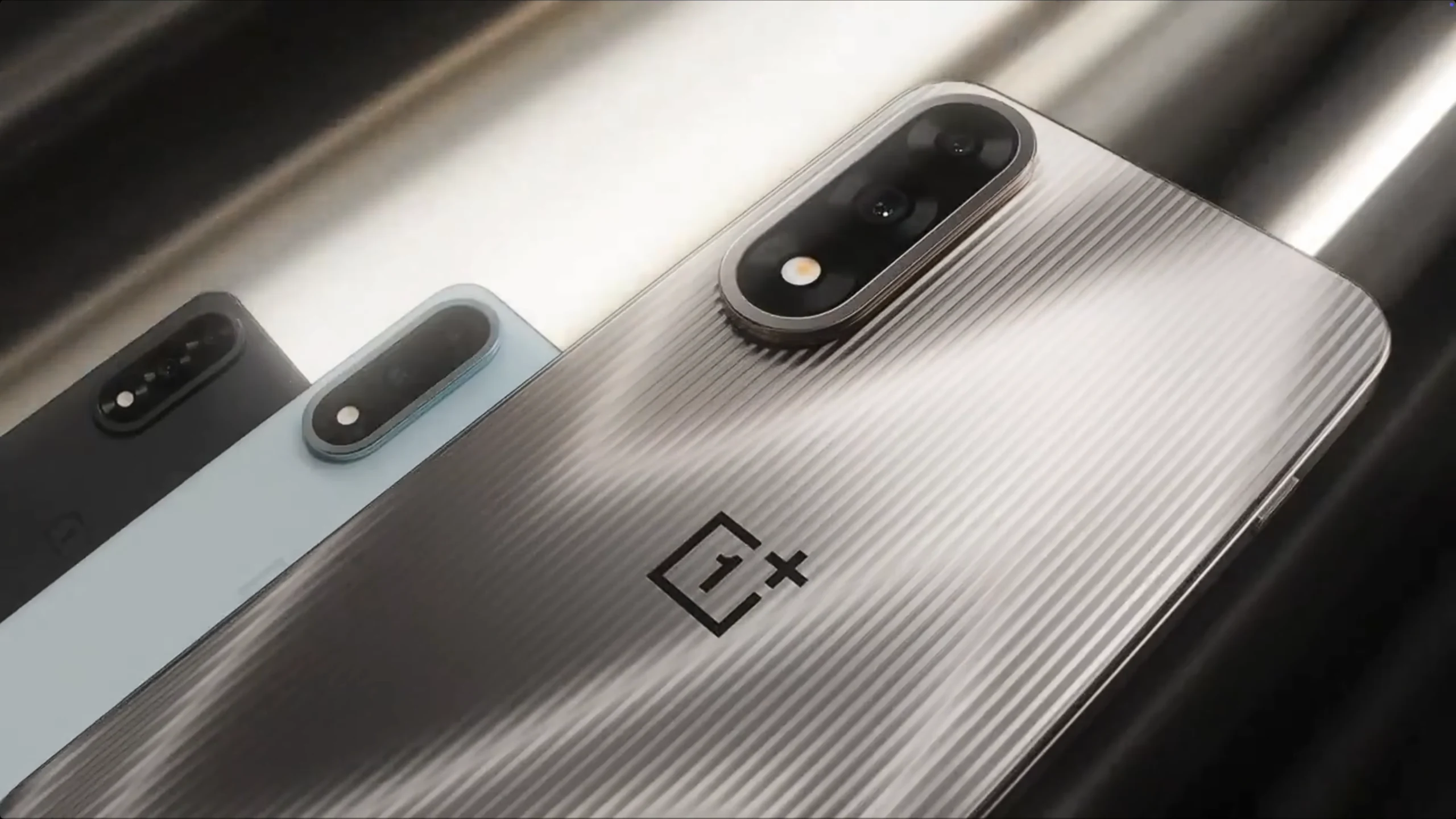
This information was shared by the reputable leaker Digital Chat Station on Weibo, and it was also reported by Android Authority. The leaker didn’t provide extensive details but mentioned several older specs that could make a comeback in smartphones categorized under the “3K class.” This likely refers to phones priced around 3,000 yuan, which is about $435. Examples of devices in this range include the Oppo Reno 15, OnePlus Ace 6T, and the Samsung Galaxy A56. The next models in this line might have to make certain trade-offs to manage the rising costs of memory.
Impact on Smartphone Specs
As per Android Authority, referencing data from Counterpoint Research, RAM constituted around 14% of the total material costs for a smartphone that features 8 GB of LPDDR5X RAM and 256 GB of UFS 4.0 storage by the end of the first quarter of 2026. Internal storage contributed an additional 11%. The report indicates that these percentages could increase even more by the second quarter of 2026. Therefore, simply reducing RAM won’t likely be enough to counteract the climbing memory prices. Consequently, choices regarding materials and display specs could also face strain in the future.
User Reactions and Speculation
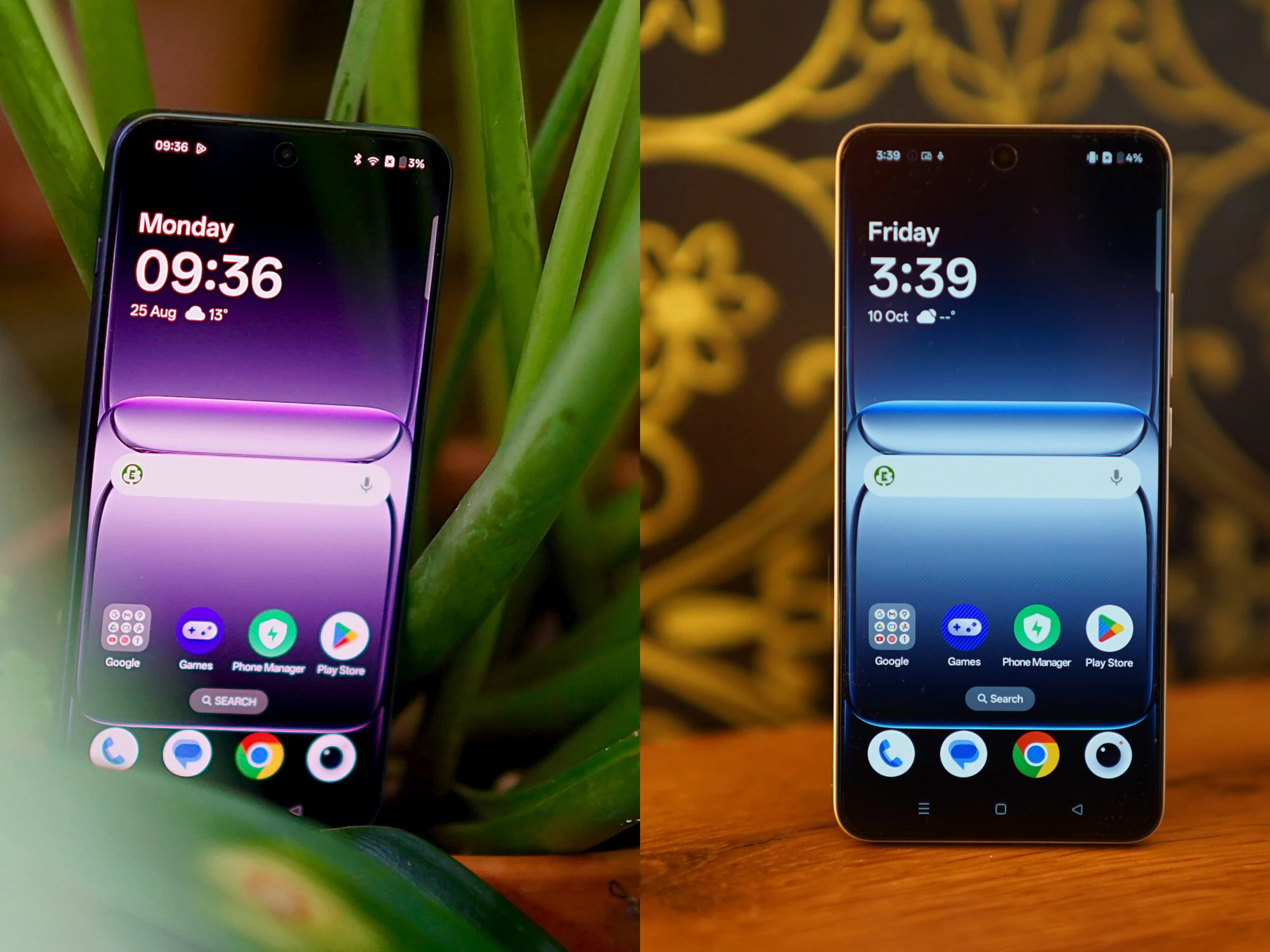
Users on Weibo have been humorously suggesting that the current AI boom is causing the industry to regress, reviving outdated features like 90 Hz waterdrop displays and plastic frames. Nevertheless, the potential reintroduction of the microSD slot has been positively received by many. This would simplify the decision to opt for a lower storage option at the time of purchase and allow for greater flexibility with onboard storage. Additionally, numerous users would appreciate the return of the 3.5 mm headphone jack, although it might not provide significant benefits to manufacturers in this context.
At this point, it is still uncertain whether and when these trends will manifest in actual devices. The information available is primarily based on a leak, which means it’s unclear if such changes will appear in the next generation of smartphones, at a later date, or possibly not at all.
Source:
Link