Key Takeaways
1. Intel and BOE are collaborating to develop new display technologies to reduce power usage and extend laptop battery life.
2. Innovative frame rate adjustments will allow laptop screens to drop to 1 Hz when displaying static images or text.
3. Multi-Frequency Display (MFD) technology will enable dynamic frame rate adjustments based on content, reducing power consumption.
4. Gaming laptops can benefit from MFD by capping the display rate to 60 Hz when not in active use.
5. SmartPower HDR technology will decrease power consumption for HDR content at lower brightness, but is currently only compatible with OLED screens.
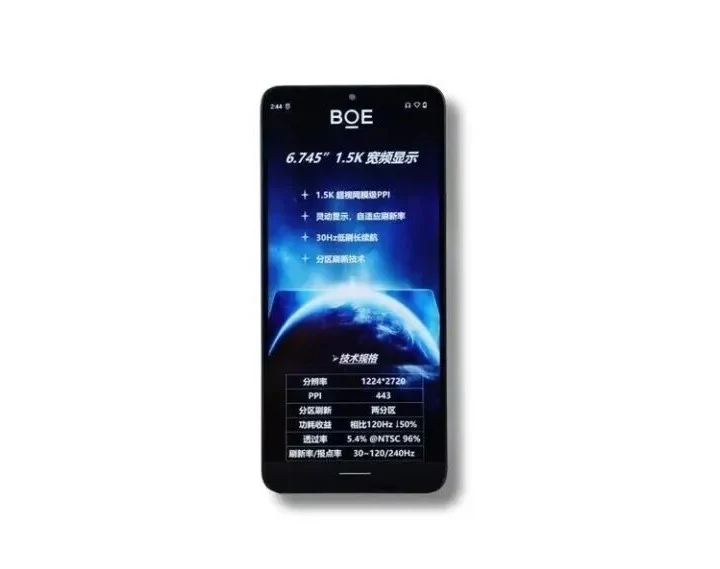
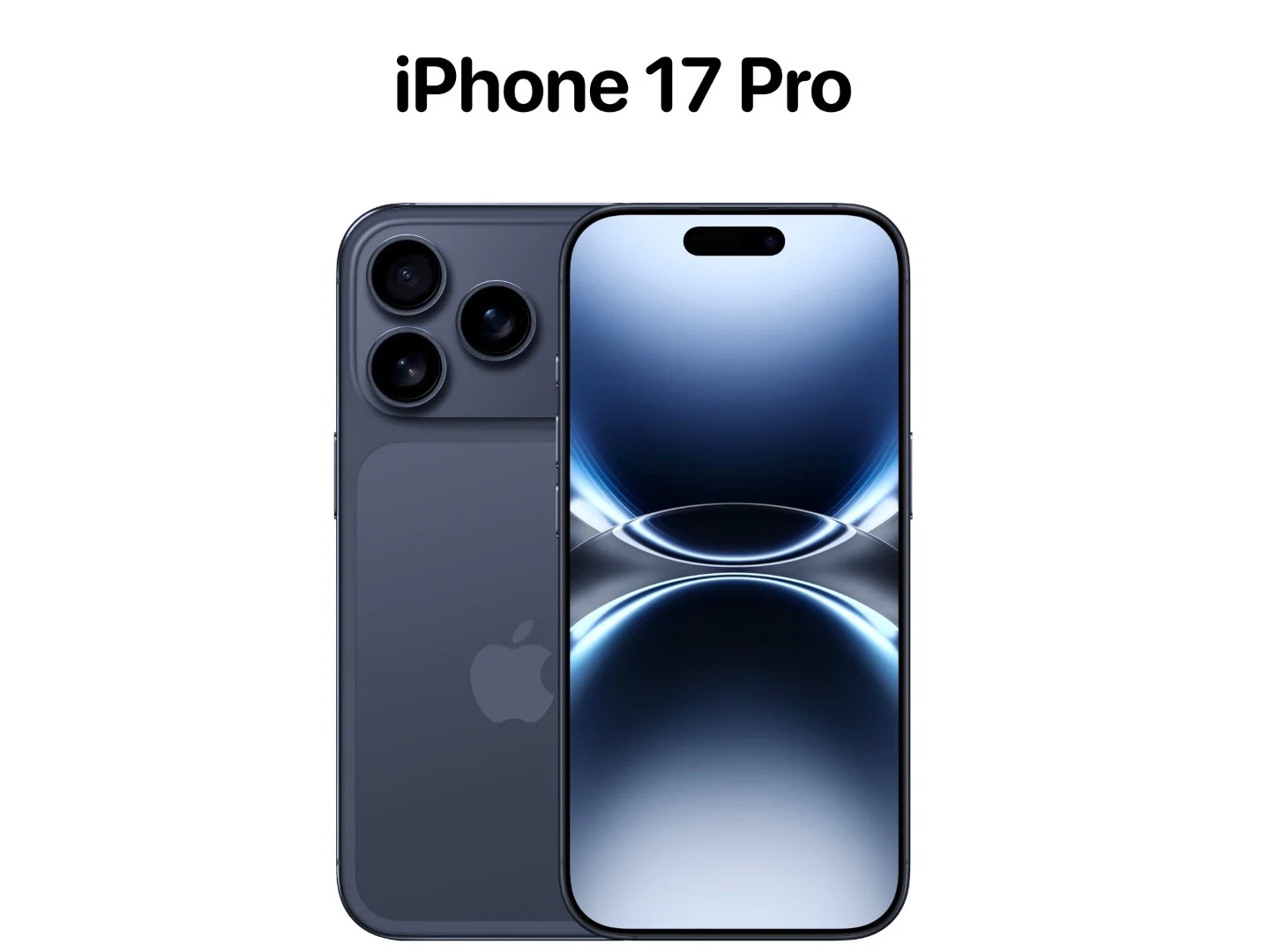
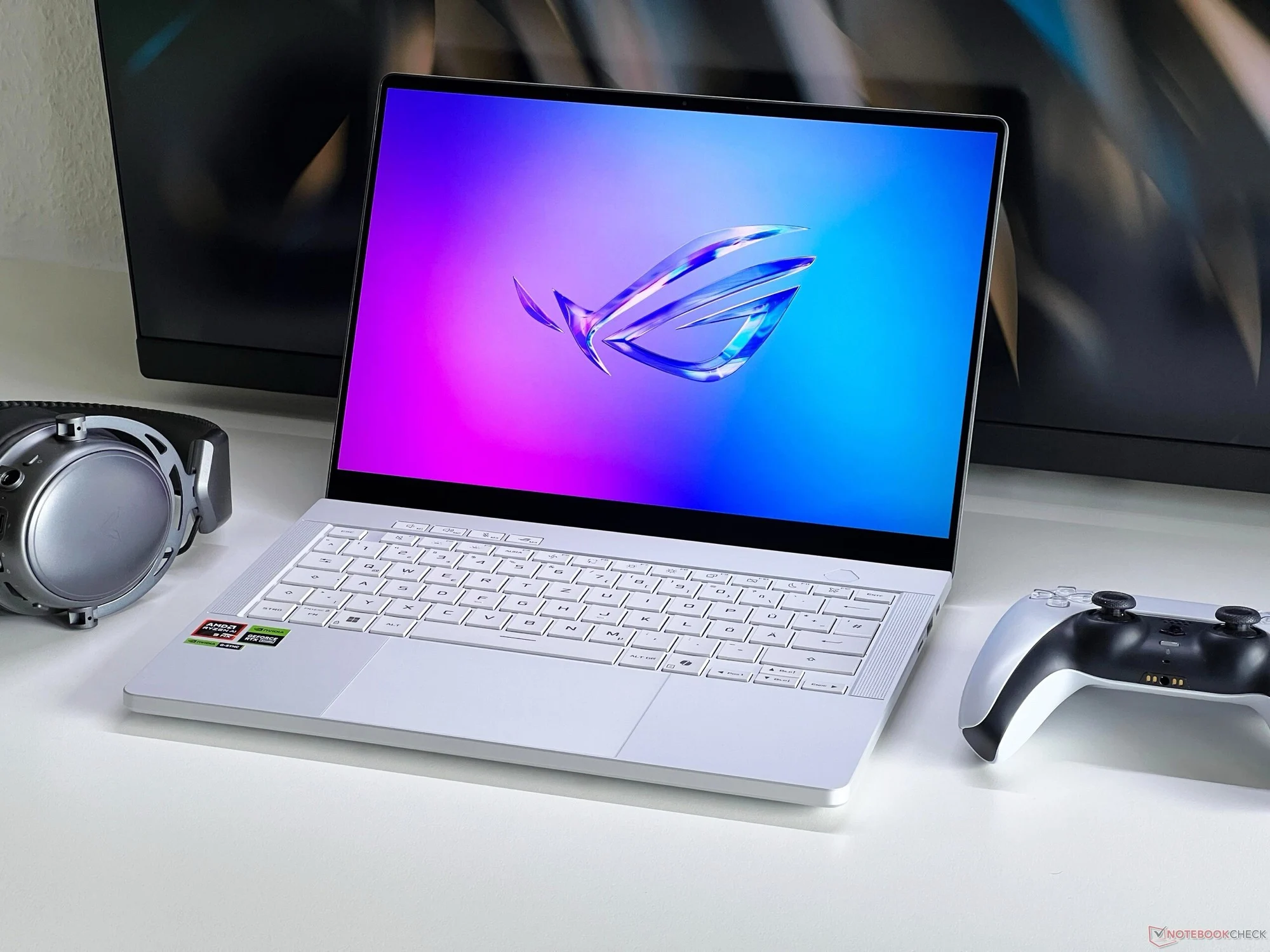
Intel is set to team up with the Chinese display maker BOE to create new display technologies aimed at slashing power usage and extending the battery life of laptops. While these energy-efficient strategies aren’t completely original, two of them are already in use in devices like the Apple iPhone 17.
Innovative Frame Rate Adjustments
One of the key goals for Intel and BOE is to cut the frame rate of laptop screens down to a mere 1 Hz when showing static images or text. This initiative was first announced over a year ago, and now the release date is approaching, with the initial laptops equipped with OLED and IPS displays expected to be available as soon as 2026.
Dynamic Display Technology
Typically, laptop screens run at a constant frame rate, often at 60 Hz or 120 Hz. However, Intel has developed a technology called Multi-Frequency Display (MFD) that adjusts the frame rate based on the content being shown. For instance, if a film is playing at 24 frames per second, the display can lower its rate to 24 Hz, which helps prevent image tearing and cuts down on power usage. This tech could also mean that a gaming laptop’s screen could automatically cap at 60 Hz when not actively playing games.
SmartPower HDR Technology
Additionally, Intel has introduced a new technology named SmartPower HDR that aims to greatly decrease power consumption, particularly when watching HDR content at lower brightness levels. This is achieved by smartly modifying the display’s power supply voltage. However, it’s worth noting that this feature is currently only compatible with OLED screens.
Source:
Link