Tag: Samsung Electronics

  • TCL Can’t Market TVs as QLED Due to Quantum Dot Issues

    TCL Can’t Market TVs as QLED Due to Quantum Dot Issues

    Key Takeaways

    1. TCL cannot label its displays as QLED due to minimal use of the technology, leading to misleading advertising.
    2. A German court ruled against TCL after a lawsuit from Samsung, deeming their QLED marketing unfair and misleading.
    3. The court’s decision focused on TCL’s inadequate use of quantum dots, which failed to deliver the expected color improvements associated with QLED TVs.
    4. This is not TCL’s first legal issue in Germany; they previously faced a ruling over their “NXT FRAME” branding infringing on Samsung’s trademark.
    5. TCL is currently facing similar class-action lawsuits in California and New York, while fellow manufacturer Hisense is also dealing with legal challenges in the U.S. regarding QLED marketing.


    The Chinese television manufacturer TCL, which ranks among the largest in the world, is unable to label its displays as QLED. This is mainly because it only uses the technology minimally in TVs that are marketed as such, aiming to cut costs, which does not provide any real advantages in brightness or color quality for consumers.

    Legal Setback for TCL

    In a setback for TCL, a court in Germany has determined that the company’s use of the QLED label is misleading. As a result, they have been ordered to stop certain advertising efforts immediately. This decision comes after a lawsuit from Samsung Electronics, where the Munich 1st District Court concluded that TCL’s QLED870 series and other models breached the German Unfair Competition Prevention Act.

    Quantum Dot Controversy

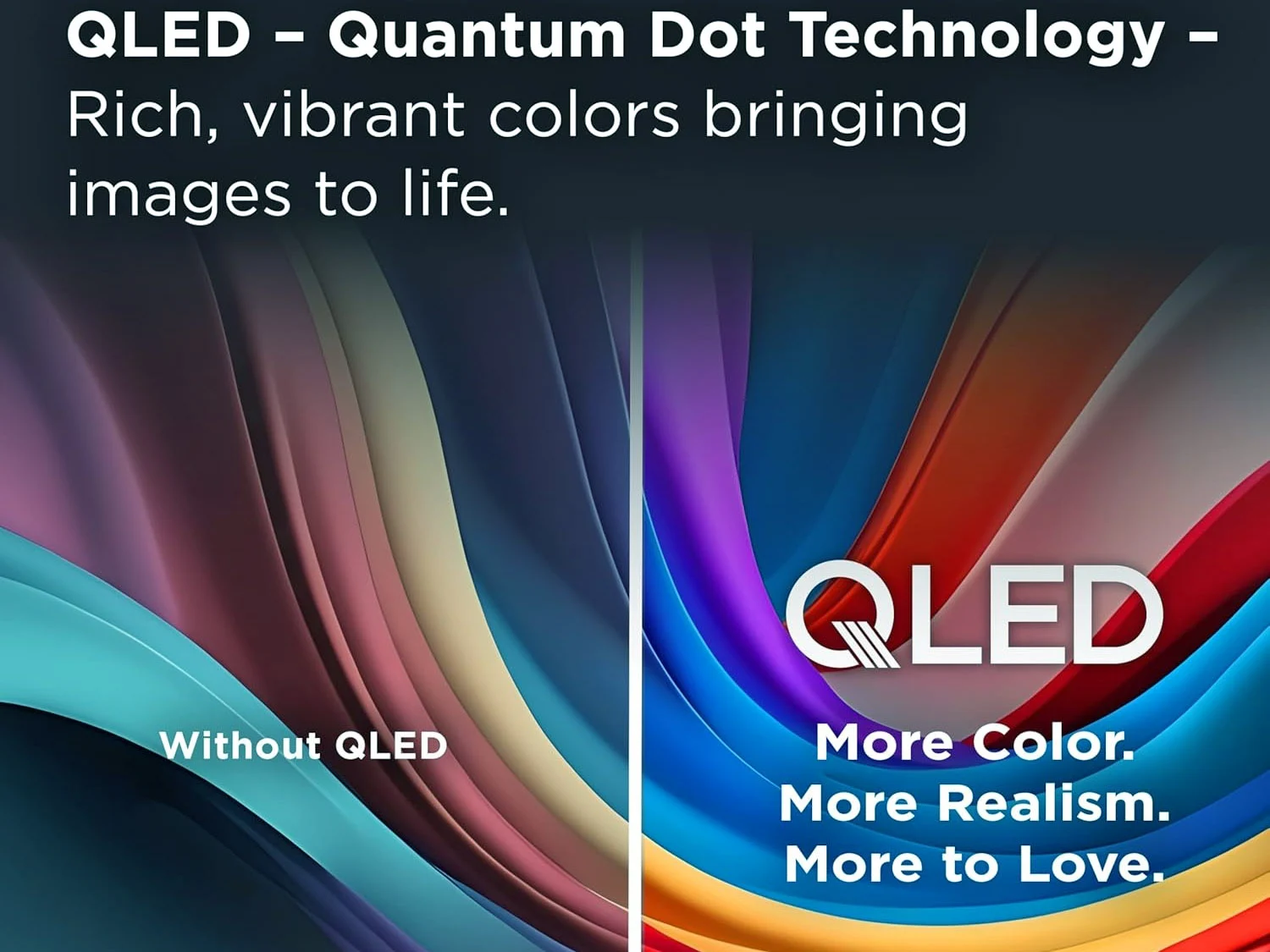
    The heart of the court’s decision revolves around the implementation of quantum dots (QD). While the International Electrotechnical Commission (IEC) defines QLED TVs as those using a specific QD film to boost color between the backlight and panel, the court found that TCL’s technology was inadequate. By using only a small quantity of quantum dots in the diffuser, these TVs did not provide the noticeable color improvements that consumers associated with the QLED branding. Therefore, the court ruled this marketing strategy as an unfair trade practice.

    Previous Legal Issues

    This isn’t the first time TCL has faced legal troubles in this region; the company previously lost a case regarding its “NXT FRAME” branding, which was deemed to infringe on Samsung’s “Frame” trademark. The recent injunction in Germany effectively prevents TCL from selling or advertising these particular models under the QLED name in the country.

    Currently, TCL is also confronting similar class-action lawsuits in California and New York. Additionally, fellow Chinese manufacturer Hisense, which is the largest TV maker in the world, is facing its own legal challenges in the U.S. concerning its QLED marketing claims.

    Source:
    Link
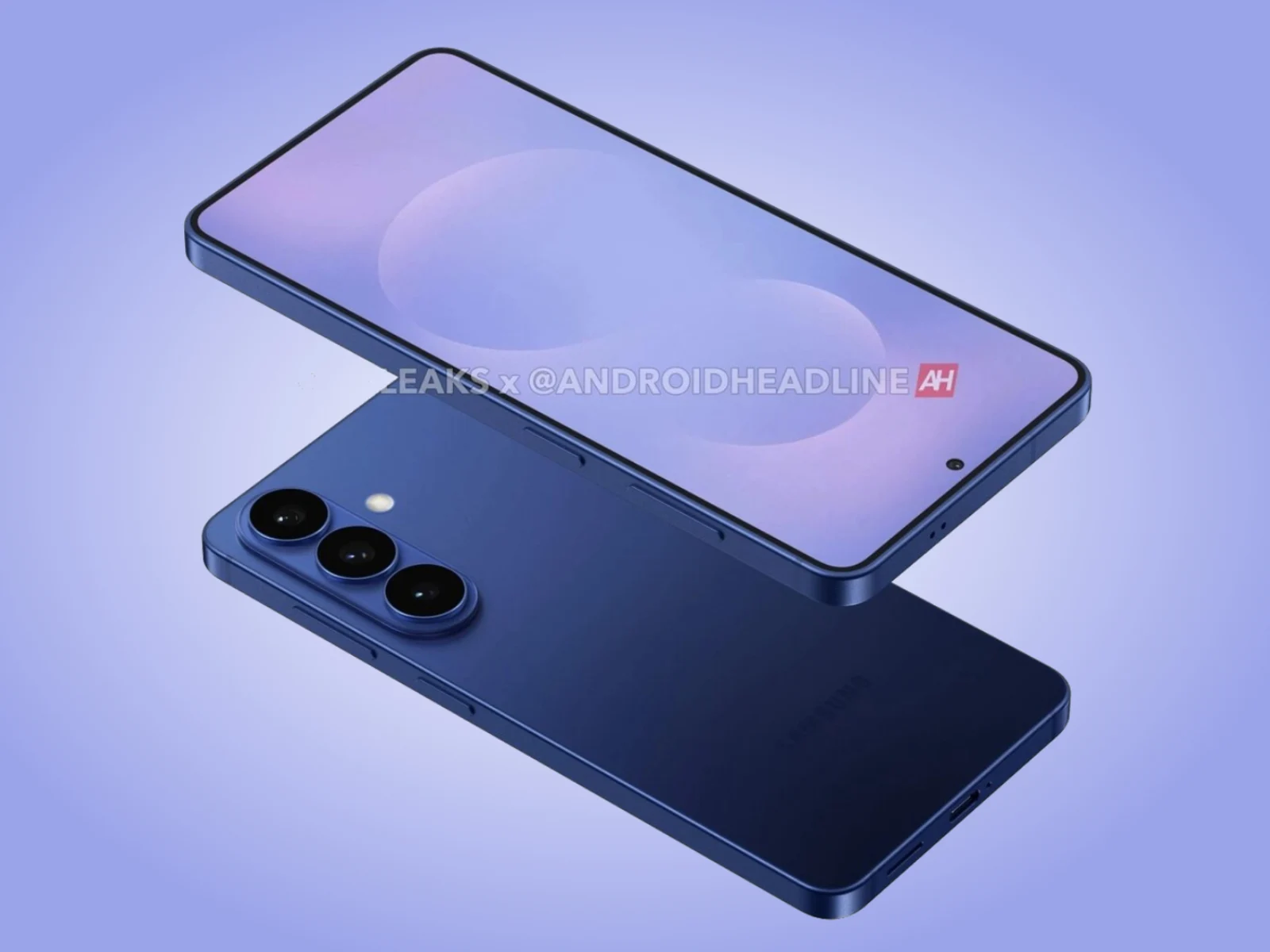


  • Samsung Delays Galaxy S26 Camera Upgrades Amid iPhone 17 Concerns

    Samsung Delays Galaxy S26 Camera Upgrades Amid iPhone 17 Concerns

    Key Takeaways

    1. Samsung downgraded the Galaxy S26 due to concerns over Apple’s pricing for the iPhone 17.
    2. The Galaxy S26 will feature a slight battery increase to 4,300 mAh but will use the same camera sensors as the Galaxy S25.
    3. The entry-level Galaxy S26 will retain a 50 MP main camera setup similar to the S25, with no significant pixel count enhancements.
    4. The camera system will continue to include dual 10 MP telephoto and ultra-wide cameras from previous models.
    5. The Galaxy S26 is expected to launch in late February, along with Plus and Ultra versions, impacting consumer perception in the competitive smartphone market.


    Just about a month ago, several sources reported that Samsung made a last-minute choice to downgrade the Galaxy S26. It seems that concerns over Apple’s aggressive pricing for the iPhone 17 led Samsung to drop its plans for the Galaxy S26 Pro. The S26 Pro was expected to have improvements, such as a bigger battery and a slimmer design, to set it apart from the current Galaxy S25 (currently priced at $674.99 on Amazon).

    Battery and Features

    Instead, the Galaxy S26 is likely to have a slight increase of 300 mAh in its battery, bringing it to a total of 4,300 mAh. According to The Elec, the impact of the iPhone 17 on Samsung’s decisions is greater than what was initially understood. The Galaxy S26 is also expected to use the same camera sensors as the Galaxy S25. Alleged insiders quoted by The Elec have said that Samsung Electronics had originally intended to enhance key features, like increasing the pixel count of the rear camera for the regular Galaxy S26 model and raising its price.

    Camera Specifications

    The basic model of the S26 will use the same rear camera setup as the standard S25. While some components, such as the actuator, might change, if the pixel arrangement stays the same, it’s very likely that the same image sensor will be in use. To put it simply, the entry-level Galaxy S26 will feature a 50 MP main camera with a 1/1.56-inch optical format, compared to the 48 MP and 1/1.56-inch equivalent found in the iPhone 17. It remains to be seen if Samsung will stick with the f/1.8 aperture lens that it has been using up till now. Sadly, The Elec’s report also suggests that the dual 10 MP telephoto and ultra-wide cameras, which Samsung has had since the Galaxy S22, will still be included. Currently, the Galaxy S26 is anticipated to launch in late February along with Plus and Ultra versions.

    Conclusion

    The Elec’s insights have shed light on the evolving landscape of smartphone competition, particularly between Samsung and Apple. The choices made by Samsung in the coming months will likely have a significant impact on how consumers perceive their products in relation to Apple’s offerings.

    Source:
    Link


  • Samsung Electronics Announces Passing of Co-CEO

    Samsung Electronics Announces Passing of Co-CEO

    Key Takeaways

    1. Han Jong-Hee passed away at age 63 due to cardiac arrest, leaving a significant impact on Samsung Electronics.
    2. He started his career at Samsung in 1988 and became co-CEO in 2022, overseeing major growth in various product categories.
    3. Han’s leadership was crucial in establishing Samsung’s dominance in foldable smartphones, OLED TVs, and Windows on ARM laptops.
    4. He guided the company into emerging sectors like augmented and virtual reality, despite not witnessing future product launches.
    5. Following Han’s death, Jun Young-hyun is now the sole CEO, facing challenges such as the future of the Exynos processor line and global trade uncertainties.


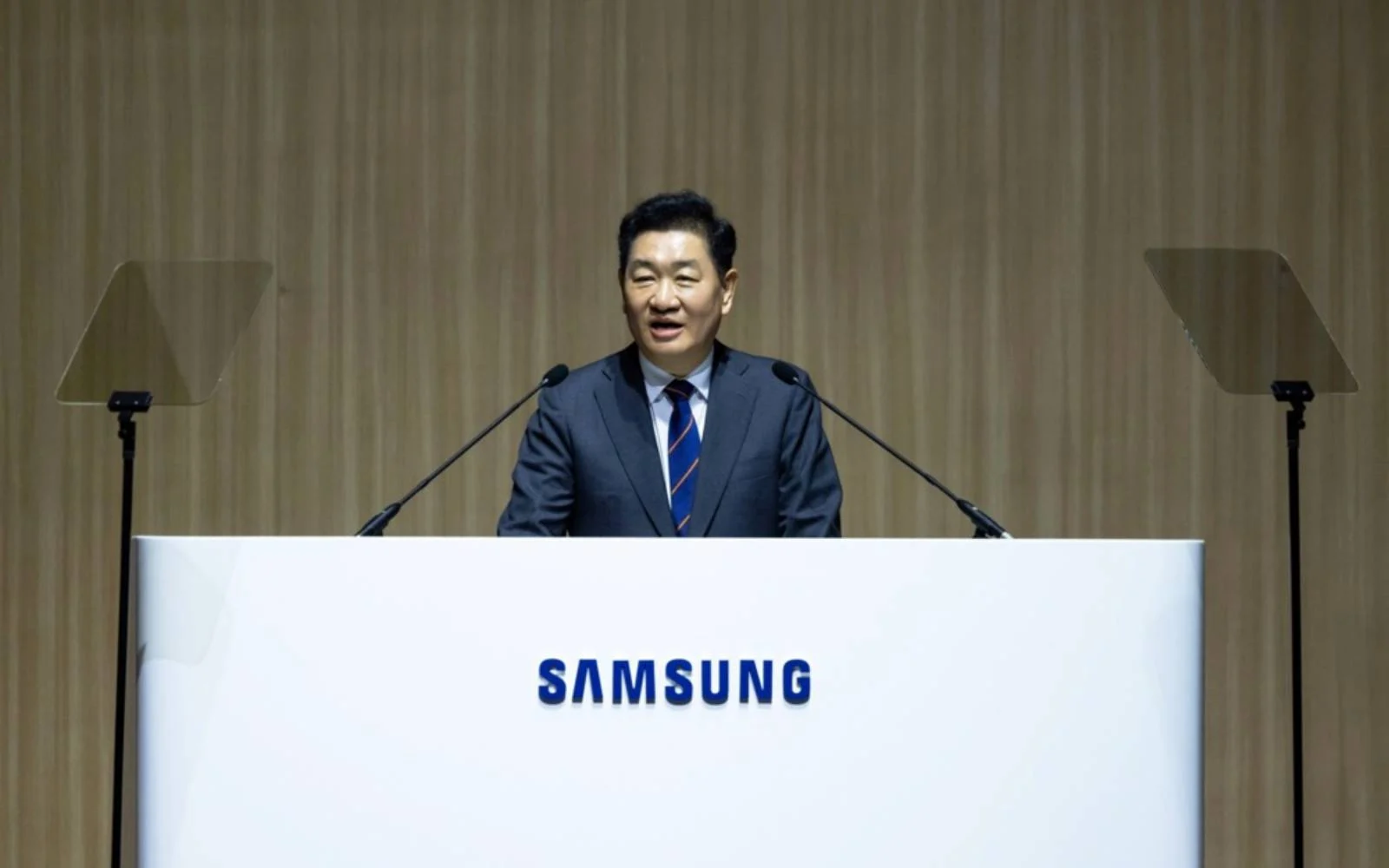
    Samsung Electronics has issued a statement about the death of Han Jong-Hee, who passed away from a cardiac arrest at the age of 63.

    Career Highlights

    Han began his journey with the company in 1988, eventually becoming co-CEO in 2022. He witnessed Samsung grow into a leading brand in televisions, smartphones, wearables, and silicon. However, he also faced significant slowdowns in the company’s growth and expected earnings during his time in charge.

    Lasting Impact

    Despite these challenges, Han’s influence on Samsung’s consumer electronics and mobile devices will surely be seen as crucial. His work has played a major role in establishing Samsung’s leadership in areas like foldable smartphones, OLED TVs, and Windows on ARM laptops.

    Future Direction

    Moreover, Han contributed to guiding the company into important future sectors, including augmented and virtual reality, even though he won’t be able to see how the new Meta Quest 3 competitor will perform in the market.

    With Han’s passing, Jun Young-hyun, who became co-CEO in November 2024, is now the sole leader of the technology giant. Jun will have to manage Samsung Electronics’ issues, including the future of the Exynos mobile processor line and the uncertainties of global trade.

    Source:
    Link

  • Monitor Prices May Rise 5% as Manufacturers Stockpile Panels

    Monitor Prices May Rise 5% as Manufacturers Stockpile Panels

    Key Takeaways

    1. Leading monitor manufacturers are increasing their inventory of display panels to prepare for potential tariffs from China, possibly reaching three million units.
    2. Monitor prices may rise by around five percent due to increased system costs resulting from tariffs.
    3. Second-tier brands face significant pressure, with limited bargaining power and rapidly decreasing prices, while top brands manage tariff effects better.
    4. Demand for monitor panels is rising, with first-quarter 2025 shipments expected to exceed those of the previous quarter, despite challenges in securing enough monitor panels.
    5. Broader industry trends show companies considering relocating production to Vietnam and Taiwan, though these areas may face their own tariff challenges.


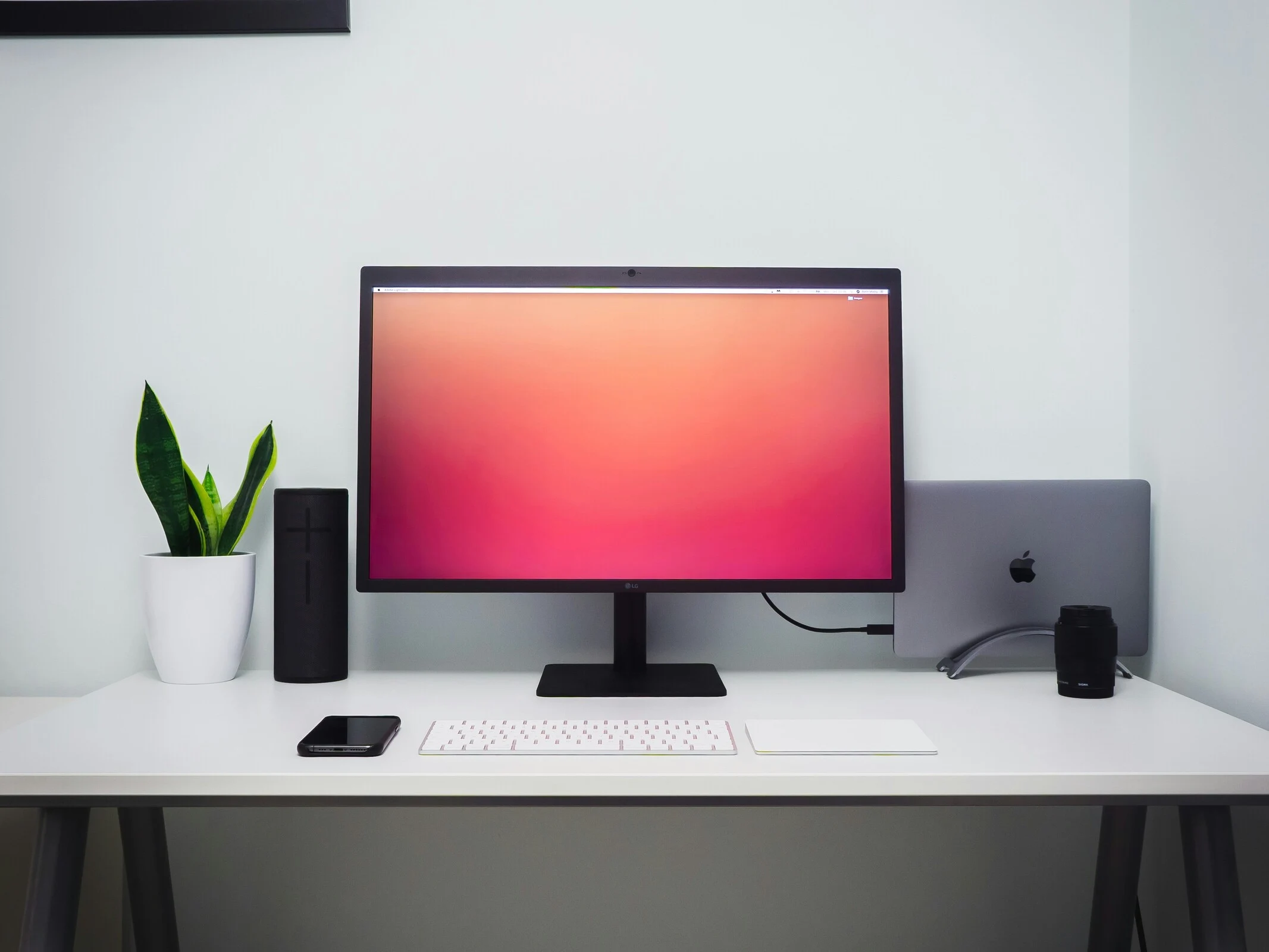
    Leading monitor manufacturers are preparing for possible retaliatory tariffs from China on U.S. products by increasing their inventory of display panels, with estimates suggesting they may reach three million units. Experts predict that monitor prices could rise by approximately five percent due to the overall rise in system costs.

    Impact on Second-Tier Brands

    The brands that are not as well-known are under the most pressure, as they have limited bargaining power in a highly competitive market and are facing rapidly decreasing prices. These companies may find themselves paying more to secure their production capacity, while top brands like Dell, HP, and Samsung Electronics can utilize their greater production capabilities to better manage the effects of the tariffs.

    Trends in Panel Demand

    Demand for monitor panels has been increasing steadily since late 2024, and shipments for the first quarter of 2025 are expected to surpass those of the previous quarter. This upward trend seems to be holding even during typically slow months, partly due to a spike in LCD TV panel prices earlier. Given that panel manufacturers often focus on producing TV panels (which yield higher profits), securing enough monitor panels is becoming increasingly difficult.

    Overall, the market demand may rise by two to three million units, but the direction this takes will depend on how each brand approaches sourcing amid the changing geopolitical landscape. Larger companies are already ramping up both their panel and system inventories to mitigate the impact of higher tariffs from the U.S.

    Broader Industry Changes

    It’s not only monitor manufacturers that are feeling the effects of these developments. Wider industry trends indicate that companies such as ASRock are considering moving their production to Vietnam and Taiwan. However, these regions come with their own set of challenges, such as potential semiconductor tariffs that could reach up to 100 percent—part of a larger effort to alter global manufacturing dynamics.

    Source:
    Link

  • Samsung Galaxy Z Flip 7 to Feature Exynos 2500 Chipset

    Samsung Galaxy Z Flip 7 to Feature Exynos 2500 Chipset

    Samsung Electronics has made important progress in its chip division, successfully stabilizing the production yield of its much-anticipated Exynos 2500 chipset, which is built on the cutting-edge 3nm process.

    Exynos 2500 in Premium Foldables

    Even with these advancements, the Exynos 2500 won’t be included in the upcoming Galaxy S25 series. Instead, Samsung plans to use this potent SoC in its high-end foldable lineup, particularly in the upcoming Galaxy Z Flip 7 and possibly the Galaxy Z Flip FE models. Reports from Korea’s Chosun Ilbo indicate that the Exynos 2500, developed by Samsung’s System LSI team and produced by Samsung Foundry, initially faced production issues due to low yield rates. These problems led to the choice of not including the Exynos 2500 in the Galaxy S25 series, where performance expectations are especially high.

    Strategic Move for Samsung

    The performance gap between the Exynos 2500 and Qualcomm’s Snapdragon 8 Elite also played a role in this decision, ensuring that Samsung keeps its flagship performance standards by continuing to use Snapdragon chips for the Galaxy S25. Instead, Samsung is focusing on revitalizing its in-house processor business by equipping the next-gen Galaxy Z Flip 7 and the expected Galaxy Z Flip FE with the Exynos 2500. This is a notable change, as earlier Galaxy Z Flip models only used Snapdragon chipsets.

    With the more budget-friendly Exynos 2500 chip, Samsung might achieve a starting price point much lower than that of the current Z Flip models. This could be a big move towards making foldable smartphones more accessible to a broader audience.

    Collaboration and Future Plans

    The report also mentions that internal conflicts between Samsung’s Foundry and System LSI divisions regarding the production delays of the Exynos 2500 have reportedly been resolved, promoting improved teamwork and setting the stage for stable mass production expected in 2025. A senior Samsung official, who wished to remain unnamed, stated, “The 3nm second-generation GAA process has overcome significant challenges, and we are now ready to begin mass production. While supply limitations stop us from equipping the Galaxy S25 series with Exynos 2500, our premium Z Flip models will fully utilize its power.”

    Looking forward, Samsung intends to launch the Galaxy S25 series in January next year, followed by the next foldable phones in the third quarter. The Galaxy Z Flip 7 is expected to have a sleeker design with a larger display, while the Galaxy Z Flip FE may provide a more affordable alternative without sacrificing performance.

    Source: Link

  • Samsung Exynos Shutdown: 4nm, 5nm, 7nm Plants Close Due to Demand

    Samsung Exynos Shutdown: 4nm, 5nm, 7nm Plants Close Due to Demand

    Samsung Electronics is said to be cutting back on its semiconductor foundry operations, particularly focusing on its 4 nm, 5 nm, and 7 nm production lines due to low demand. This move follows substantial financial losses, which are estimated to be in the tens of billions of won for the third quarter of this year, as the company aims to lower expenses and optimize its operations.

    Production Capacity Reduction

    Industry sources indicate that Samsung has already decreased over 30% of its production capacity for the aforementioned process nodes on its Pyeongtaek campus. Plans are in place to raise this reduction to nearly 50% by year’s end.

    Facing Losses in the Foundry

    As reported by South Korean outlet ChosunMedia, the semiconductor sector has had difficulty securing enough mass production orders from significant tech players like Nvidia, AMD, and Qualcomm. This has resulted in a reported loss of 1 trillion won (about USD 724 million) in the last quarter. To cut costs, including electricity expenses, the company is choosing to power down production machines instead of keeping them idle.

    This strategy reflects a larger trend in the industry, especially as lower-than-anticipated orders from Chinese fabless semiconductor firms have impacted the production levels in the 4 and 5 nm processes. Increased U.S. regulations on semiconductor exports to China have led these companies to postpone their projects, worsening conditions for Samsung’s foundry operations.

    Concerns About Competitive Edge

    Experts are cautioning that these closures may undermine Samsung’s competitive edge in the semiconductor arena. With Samsung reallocating resources to its memory division, which has been more lucrative historically, its foundry segment could lag behind competitors like TSMC. Professor Lee Jong-hwan from Sangmyung University warned that this gap could make it difficult for Samsung to catch up once market conditions improve.

    Shift Towards Snapdragon Chips

    In light of the challenges in the foundry sector, Samsung seems to be shifting away from its own Exynos chips toward Qualcomm’s Snapdragon processors. Reports suggest that the forthcoming Galaxy S25 series might incorporate the Dimensity 9400 rather than the Exynos 2500. This change indicates that Samsung is having trouble meeting performance and profitability goals with its Exynos line, resulting in a greater dependence on Qualcomm’s products, even in home appliances increasingly driven by AI functionalities.


    Image 1
  • Samsung to Boost Utilization of LG OLED Panels in TVs, Omdia Research Reveals

    Samsung to Boost Utilization of LG OLED Panels in TVs, Omdia Research Reveals

    Market analysis firm Omdia has reported that Samsung Electronics is set to increase its usage of LG WOLED panels in its products during this year. It is projected that Samsung will incorporate 700,000 to 800,000 WOLED panels in its OLED TVs, a sharp rise from the previous year's 10-20 thousand units.

    Increased Utilization of LG WOLED Panels

    Samsung's Growing Dependency on LG's WOLED Panels

    LG Display is anticipated to produce close to 6 million units in the current year, with LG Electronics expected to utilize 3.5-4 million of these units. The surplus panels will be distributed to other manufacturers like Sony and Samsung. Market insights suggest that Samsung Electronics will acquire a considerable portion of these LG panels.

    Samsung's Diversified Display Strategy

    The Rise of QD-OLED Panels in Samsung's Manufacturing Plan

    In the display manufacturing sector, Samsung Display holds a significant position and is poised to manufacture 1.4 million QD-OLED panels in the ongoing year. Of these, Samsung Electronics plans to employ 1.1 million panels internally, sharing the remainder with Sony. This shift indicates Samsung's emphasis on QD-OLED panel production while supplementing its WOLED panel requirements through LG Display. Notably, Samsung is projected to produce close to 2 million OLED TVs this year, marking a twofold increase from the previous year.

    OLED TV Market Growth

    Samsung's Role in the Expanding OLED TV Market

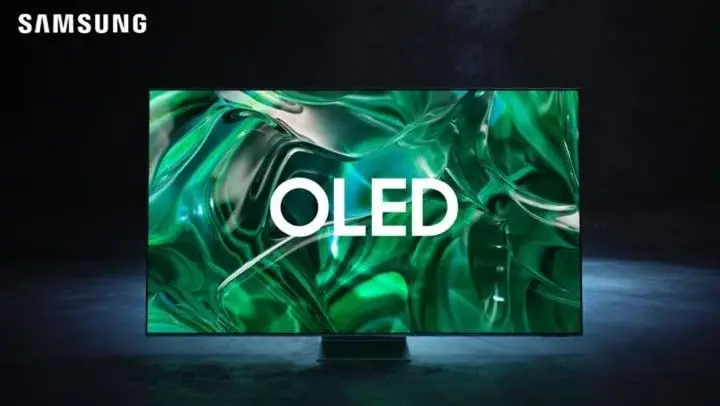
    Market research suggests that global OLED TV sales are estimated to reach 6.3 million units in the current year, with Samsung and LG collectively accounting for 5.5 million units. In light of this data, Samsung is set to incorporate LG's B series and C series TV-level WOLED panels in its OLED TVs, while maintaining the use of in-house QD-OLED panels for premium TV models like the S95D showcased at CES earlier this year.

  • Samsung’s Potential First Worker Strike in Over 55 Years

    Samsung’s Potential First Worker Strike in Over 55 Years

    South Korea's Samsung Electronics and Labor Unions at Impasse Over Wage Negotiations

    Samsung Electronics, a major tech company in South Korea, is currently facing a critical standoff with its labor unions regarding wage negotiations. The deadlock in these discussions has brought the company to the brink of its first-ever worker strike.

    Discrepancies in Proposed Salary Increases

    At the heart of the issue are significant differences between the proposed salary increases put forth by both parties. While the union is pushing for a substantial raise, Samsung's counteroffer falls considerably short of these expectations.

    Negotiation Stalemate and Strike Threat

    The National Samsung Electronics Union rejected the company's initial 2.5% wage increase offer during the first mediation meeting in February. Despite Samsung revising the offer to 2.8% with added benefits such as extended leave and healthcare options, this figure remains well below the union's demand for an 8.1% raise.

    Concerns Over Potential Impact

    The looming threat of a strike is causing concerns about its potential repercussions on Samsung's operations and the wider South Korean economy. As a key player in the global tech sector, any extended disruption could have far-reaching consequences.

    Critical Mediation Ahead

    The upcoming second round of mediation scheduled for March 8th will be pivotal in determining the resolution of this labor dispute. Both sides are under pressure to find a middle ground that addresses the union's grievances while ensuring the company's long-term stability. This situation is closely monitored as it could establish a precedent for future labor relations in South Korea.

  • Samsung Galaxy Book 4 Series Global Availability Starts on February 26

    Samsung Galaxy Book 4 Series Global Availability Starts on February 26

    Samsung Electronics has unveiled the Galaxy Book 4 series, set for global release starting on February 26. This latest lineup comprises the Galaxy Book 4 Ultra, Galaxy Book 4 Pro, and Galaxy Book 4 Pro 360 laptops. Initially launched in Korea, where it swiftly surpassed its predecessor’s sales figures, the Galaxy Book 4 series is now making its way to international markets such as the U.S., the U.K., France, and Germany.

    Galaxy Book 4 Ultra: High-End Performance

    The Galaxy Book 4 Ultra stands out as the premium model in the series, boasting a 3K AMOLED display and running on Intel Core Ultra processors, with NVIDIA GeForce RTX 40 series graphics options. It can accommodate up to 64GB of memory and 2TB of SSD storage. Noteworthy features include a 76Wh battery, 140W fast charging capabilities, all packed into a slender 16.5mm chassis weighing about 1.86 kg.

    Galaxy Book 4 Pro 360: Versatile Design

    Designed for versatility, the Galaxy Book 4 Pro 360 is lighter and slimmer compared to the Ultra model, maintaining the same high-quality display while integrating Intel Arc Graphics. It offers up to 1TB of storage, a 76Wh battery, and a 65W USB Type-C adapter. This model caters to users seeking a convertible laptop that offers both performance and flexibility.

    Galaxy Book 4 Pro: Prioritizing Portability

    For consumers emphasizing portability, the Galaxy Book 4 Pro comes in 14-inch and 16-inch variants. Similar to the Pro 360, it features Intel Core Ultra processors and Intel Arc Graphics, ensuring a balance between performance and display quality. The Pro models are furnished with a 63Wh or 76Wh battery and a 65W adapter, varying based on the size.

    Pricing

    Although global pricing details are yet to be disclosed, looking at the Korean market can provide a rough estimate. In South Korea, the Galaxy Book 4 Pro starts at 1.88 million won ($1,452), while the Galaxy Book 4 Pro 360 and the Galaxy Book 4 Ultra are priced at 2.59 million won ($2,002) and 3.36 million won (~$2,597), respectively.

  • Introducing Samsung’s Glare-Free S95D: The Brightest OLED TV Unveiled at CES 2024

    Introducing Samsung’s Glare-Free S95D: The Brightest OLED TV Unveiled at CES 2024

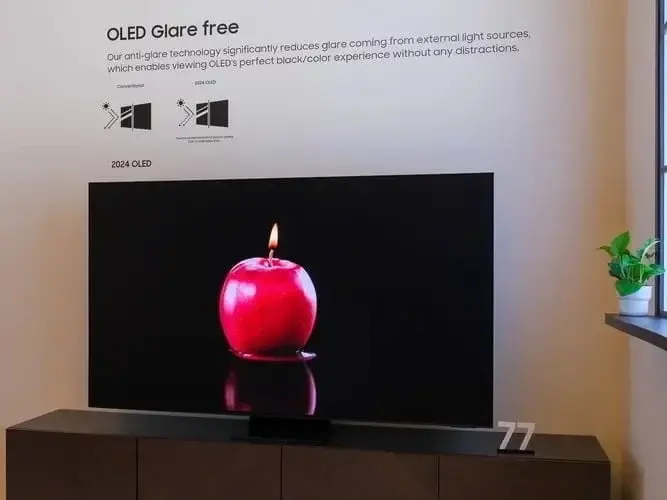
    Samsung has just unveiled its third generation QD-OLED TV, the S95D, during the ongoing CES event. This high-end TV is packed with impressive features that aim to set it apart from the competition. Notably, it is the brightest OLED TV from Samsung and offers a Glare Free viewing experience.

    Samsung S95D QD-OLED TV Specs

    According to the South Korean tech giant, the S95D is capable of removing any noticeable reflections, ensuring a seamless and uninterrupted viewing experience even in well-lit environments. To achieve this, Samsung used a specialized hard-coating layer and surface coating pattern that maintains viewing angles and prevents color distortion.

    The S95D QD-OLED TV is available in sizes up to 77 inches and boasts a 144Hz refresh rate, making it ideal for an enhanced gaming experience. Pantone has even validated the AI-powered color accuracy feature on this model. Despite its impressive capabilities, the TV maintains an ultra-thin 11mm body and comes with Samsung’s One Connect Box.

    Samsung’s Latest Tizen OS and Other Features

    The new QD-OLED TV runs on the latest version of Samsung’s proprietary Tizen OS, which can be customized based on the user’s Samsung ID. Additionally, the TV supports HDR10 and HDR10+ for enhanced picture quality.

    Samsung has also announced a slightly cutdown option, the S90D OLED TV, which lacks the glare-free finish and design elements of the flagship model.

    With CES 2024 currently underway, there is plenty of exciting news coming from Samsung. In addition to the new QD-OLED TV, Samsung has also introduced the Music Frame, a unique innovation that allows users to listen to music through a photo frame.

    Overall, the Samsung S95D QD-OLED TV offers a range of impressive features and specifications that make it a top contender in the high-end TV market. From its Glare Free display to its AI-powered color accuracy, this TV is sure to provide an exceptional viewing experience for consumers.