Category: Computers

  • Intel Nova Lake Leak Shows Multiple Chips with Large Cache Sizes

    Intel Nova Lake Leak Shows Multiple Chips with Large Cache Sizes

    Key Takeaway

    1. Intel’s Nova Lake desktop chips will feature significant cache sizes, some surpassing AMD’s Ryzen X3D models, with multiple SKUs ranging from 22-core to 52-core configurations.
    2. Several Nova Lake chips will include a big last-level cache (bLLC), positioning them as direct competitors to AMD’s Ryzen X3D lineup.
    3. The lineup includes new processor prefixes (e.g., Core Ultra DX9, DX7, D9, D7) with varying core counts and power ratings, which may cause confusion among buyers.
    4. There is conflicting information regarding the power consumption (TDP) of the Core Ultra SKUs, with estimates ranging from 125W to 175W, pending further clarification.

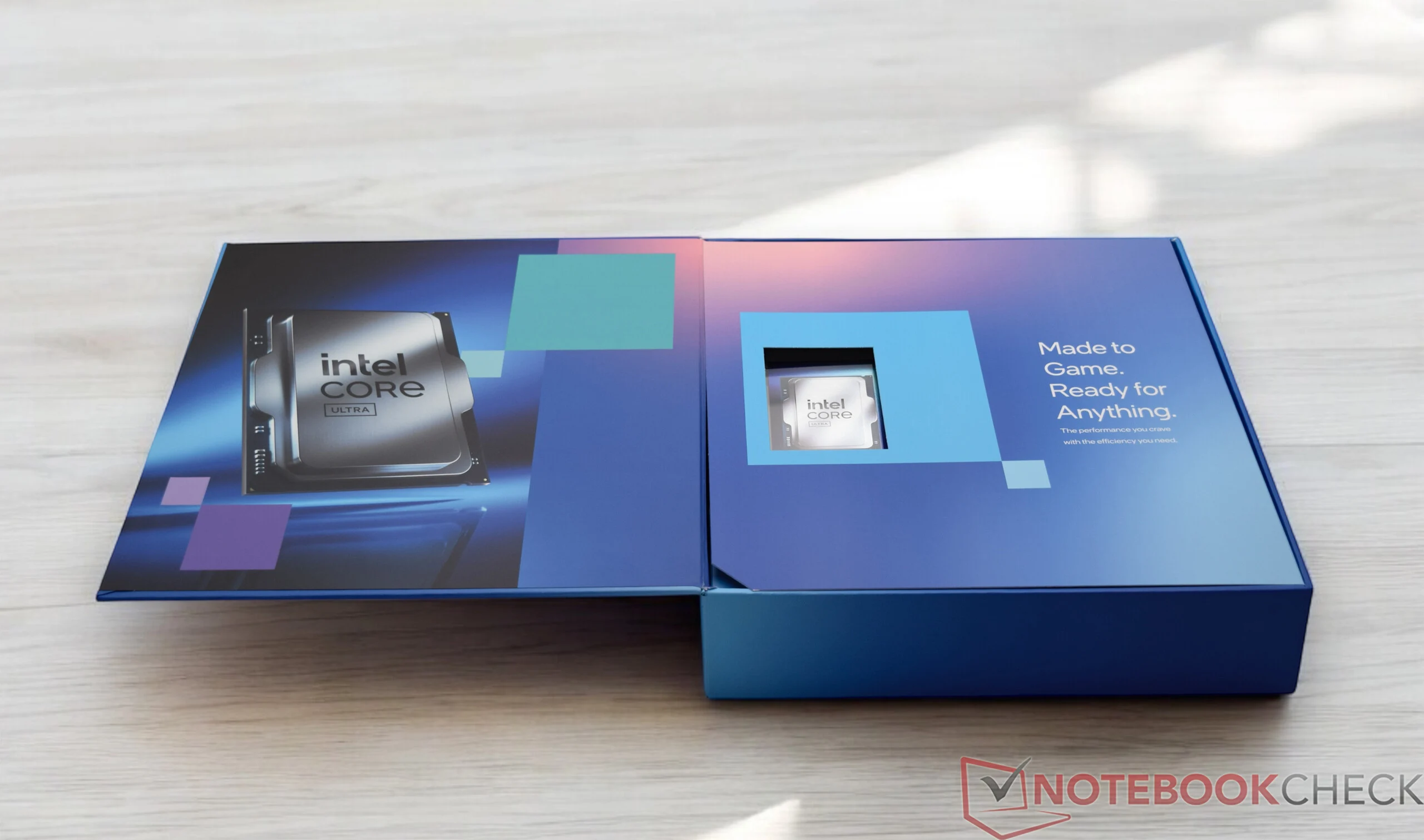
    Recently, a leak hints that intel could be releasing at least 12 nova lake desktop CPUs. Among these, three are supposed to come with a big last-level cache, called bLLC, making them direct competitors against AMD’s Ryzen X3D series. A known source of intel leaks, Jaykihn, explains exactly how much cache these chips will have, even for those without the bLLC feature. Interestingly, some of these processors will beat the newly announced Ryzen 9 9950X3D2 Dual Edition, particularly in cache size. It will be fascinating to see if this extra cache will give them a gaming performance edge.

    Different Models and Naming Conventions

    According to Jaykihn, the flagship with 52 cores will be branded as Core Ultra DX9 4xx. Meanwhile, a 44-core version will carry the name Core Ultra DX7 4xx. Simpler models like the 28-core and 24-core will be called Core Ultra D9 4xx and Core Ultra D7 4xx. The lowest-tier 22-core model will simply be called Core Ultra 4xx with no special prefixes. This creates a lineup with three Core Ultra 9 SKUs that feature bLLC and two Core Ultra 7 SKUs, all with different core counts. For first timers, this might be confusing because, apart from D, the letters ‘K’, ‘F’, and ‘KF’ are now all part of Intel’s CPU naming language. It’s a bit tricky to keep track of what each letter means, especially with new additions like D.

    Power Consumption and Performance Specs

    However, there’s some conflicting info about how much power these chips will use. One leak from Videocardz mentions that the Core Ultra DX9 and DX7 models will draw about 175 Watts. But Jaykihn’s table suggests they might start at just 125 Watts. The top-tier Core Ultra 5 SKU is said to have a TDP of 125 Watts, while a non-DX Core Ultra X9 with bLLC is limited to 65 Watts. Because these are still early leaks, more details should be available as Nova Lake’s release date gets closer. Until then, it remains to be seen how these power figures will affect real-world performance and efficiency.

    Final Thoughts

    Overall, intel’s upcoming nova lake lineup is shaping up to be impressive with its diverse models and cache configurations. The variation in core counts and power ratings indicates they are aiming to cover a broad market segment. Whether the extra cache will truly excel in gaming or other tasks remains to be tested once the processors are officially released. Fans and tech enthusiasts will definitely want to keep an eye out for more updates in the coming weeks.
    Sources
  • Tiny Single-Board Computer with Surprising Features (Not Raspberry Pi)

    Tiny Single-Board Computer with Surprising Features (Not Raspberry Pi)

    Key Takeaway

    1. The KSTR-SAMA5D27 is a compact, low-power single-board computer based on the SAMA5D27 SoC with limited processing and no HDMI output.
    2. It features minimal onboard storage, relying on memory cards, and has basic connectivity options including Ethernet, Wi-Fi, Bluetooth 4.1, and USB-C.
    3. The board is highly expandable with 64 GPIO pins and a QWIIC interface, and can operate directly from a rechargeable battery.
    4. Its small size (50 × 70 mm) and embedded power management make it suitable for specialized applications rather than media center use.

    Compact Design but Limited Multimedia Capabilities

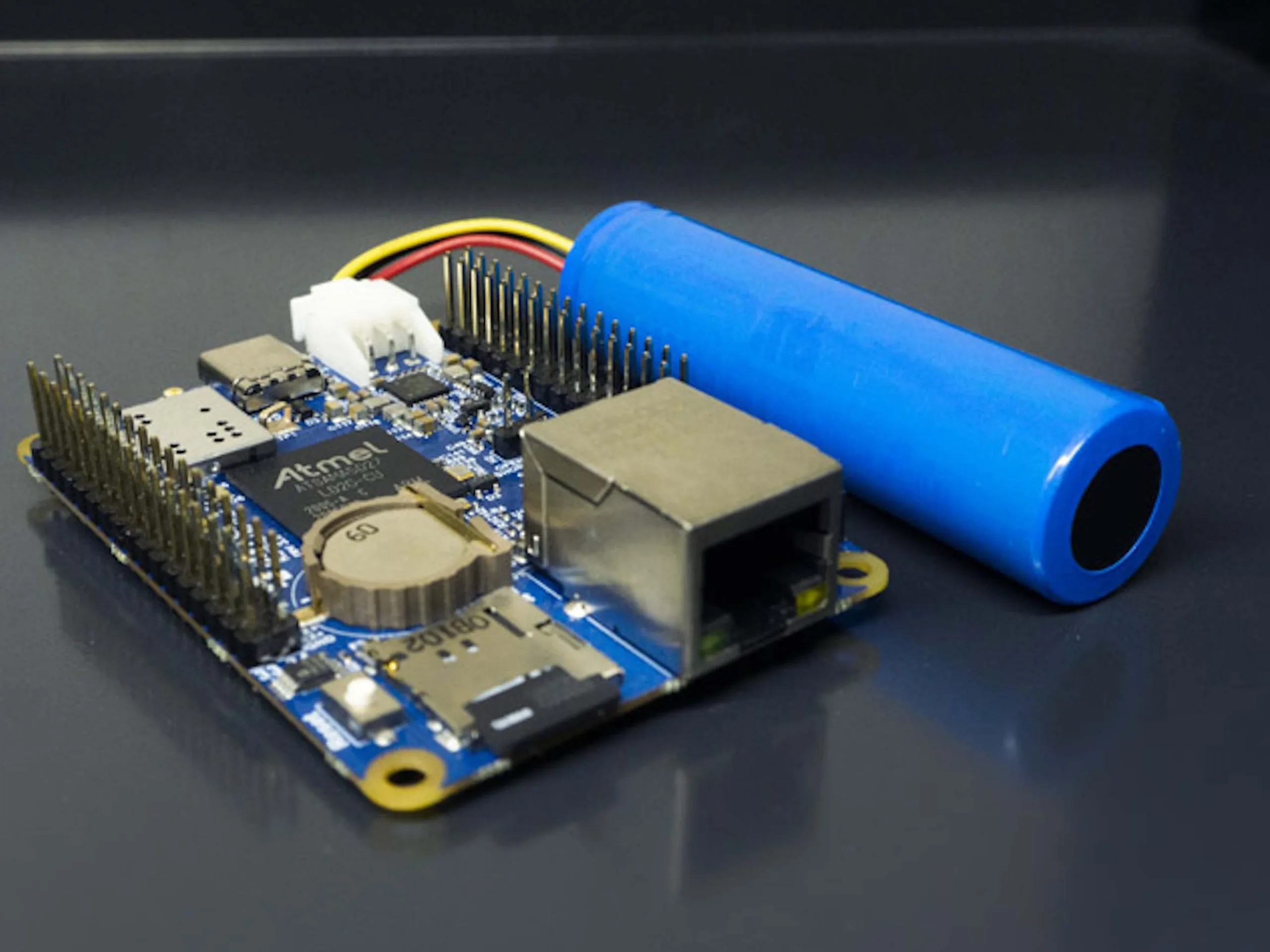
    The Conclusive Engineering KSTR-SAMA5D27 has been designed as a tiny marvel, measuring just 50 by 70 millimeters, making it perfect for projects where space is at a premium. Its small size is disguising a basic mantra; it’s not built for multimedia entertainment, since there’s no HDMI port & its processor is quite humble. Made with the SAMA5D27 SoC, the system has only one Cortex-A5 core which runs at a modest 500 MHz, and it comes with 256 MB of LPDDR2 RAM. Onboard storage? Nope, just a memory card support, typical of similar small nods.

    Connectivity & Power Management

    Connectivity options on this little device are decent for its class, offering Ethernet at up to 100 Mbit/s, alongside Wi-Fi and Bluetooth 4.1. It includes a USB Type-C port for both supplying power and connecting peripherals, which is convenient for various applications. One cool feature is the power management system, it enables the board to be powered directly from a rechargeable battery, offering more mobile use. The design also boasts 64 GPIO pins, which means you can hook up a bunch of sensors and controls or LEDs, plus a QWIIC interface for easier sensor connections. It prices around $119, but potential buyers should check shipping & distribution info before they buy.

    Summary and Final Words

    Overall, the KSTR-SAMA5D27 is a neat, tiny board with a decent set of connection options. It’s more suited for embedded projects or sensor-based applications where size & power efficiency are critical, rather than media-rich uses. Its modest processor & lack of onboard storage mean it’s not for heavy computing or multimedia tasks, but it’s a good choice for specialized uses.


    Sources

  • Memory Price Surge Sparks PC Market Growth Amid DRAM Shortage and 60% Price Increase

    Memory Price Surge Sparks PC Market Growth Amid DRAM Shortage and 60% Price Increase

    Key Takeaway

    1. Despite concerns, PC shipments increased in Q1 2026, driven by panic buying and upgrades.
    2. Rising DRAM prices (up to 100%, with projections of 50-60% further increase) threaten to reverse growth trends.
    3. Larger OEMs like Apple and Lenovo are better positioned to continue sales, while smaller companies face difficulties.
    4. Elevated memory costs and Windows 10 support end impacted purchasing patterns, especially in the entry-level market.
    5. The overall market outlook is cautious, with expectations of decreased demand and fewer new models if high memory prices persist.

    Market Resilience Despite Rising Memory Costs

    Despite fears about sky-high memory prices hurting sales, the electronics market still did quite well in the first quarter of 2026. The research from Counterpoint shows that worldwide shipments of PCs increased by 3.2% compared to the same time last year. Even with the boost from Windows 11 updates, there is worry that the expected 60% hike in DRAM prices might change the current upward trend.

    Manufacturers and Consumer Behavior

    In the current scenario, companies such as Lenovo, Asus, and Apple saw sales spike, largely because customers hurried to buy before prices got even higher. Lenovo’s team pushed customers to act quickly, resulting in a 9% increase in shipment numbers over last year. Asus experienced a notable 20% rise, mainly driven by the memory shortage that compelled many to purchase new laptops faster.

    Impact on Different OEMs and Market Segments

    Apple appears to be in a stronger position to handle the supply issues, with the MacBook Neo already helping to push orders up 11% year over year. Meanwhile, smaller Original Equipment Manufacturers (OEMs) are struggling to keep up. They don’t have the same bargaining power or long-term deals with big DRAM manufacturers like Samsung and SK Hynix, making their situation more difficult.

    Historical and Technological Factors

    A major reason for the price rise was the end of support for Windows 10, forcing users to buy new compatible laptops. Additionally, the release of advanced processors like Qualcomm’s Snapdragon X2 Elite and other AI-enhanced chips has spurred more companies to upgrade their computer systems to accommodate AI functions.

    Outlook for the Rest of 2026

    Looking ahead, the outlook for the rest of the year is less optimistic. The surge in shipments was driven by early buying, not ongoing demand. Prices for DDR5 RAM have soared up to 100% since late 2025, and experts like TrendForce forecast that prices could climb by another 50-60% in the next quarter.

    Long-term Market Challenges

    The ongoing high prices could lead to lower laptop and desktop sales, especially if memory supplies stay tight. Manufacturers might slow down releasing new models, and some companies like MSI are already shifting focus from consumer gaming products to enterprise AI servers, which bring higher profits. In particular, low-end markets are highly vulnerable, with many gamers delaying new builds due to unaffordable DDR5 RAM prices.


    Sources

  • TSMC Roadmap: Apple May Release First Sub-1nm MacBook Chips by 2029

    TSMC Roadmap: Apple May Release First Sub-1nm MacBook Chips by 2029

    Key Takeaway

    1. TSMC plans to begin trial production of sub-1nm chips by 2029, following the deployment of 1.4nm technology in 2028.
    2. The industry is already preparing for a shift towards sub-1nm nodes, with Apple likely to secure exclusive access due to its scale and demand.
    3. Achieving sub-1nm fabrication involves significant technical challenges, and TSMC must first stabilize existing advanced nodes like 1.4nm and 1.6nm.

    TSMC’s Roadmap to Sub-1nm Technology

    The race in semiconductor technology is really heating up if one looks at TSMC’s latest plans. They are not just aiming for the 2nm process but are eyeing the far future where chips will be less than 1 nanometer in scale. This development hints at a significant leap in chip technology, with the target set for 2029, according to recent reports. Imagine the impact this will have on the mobile and computing worlds when these tiny, efficient chips come out.

    Specifications and Future Plans

    Now, TSMC won’t just jump straight into 1nm production. Before that, in 2028, they are expected to produce the 1.4nm node, which promises a 30% increase in both performance and power efficiency over previous generations. Their efforts will be centered around their manufacturing facilities in Tainan, utilizing the A10, P1 to P4 plants. Initial output goal is set at 5,000 wafers per month, which is quite ambitious considering the complexity of such advanced technology.

    The Impact of Ai and Smartphone Industry on Chip Development

    Isn’t it interesting how the booming AI industry and smartphone manufacturers are pushing the boundaries of chip tech? With the potential for “chipset downgrades” caused by current yield issues at 2nm, Apple looks like the prime candidate for moving into these cutting-edge processes first. Apple’s history of investing heavily in the leading-edge tech gives it a good chance to dominate in this ultra-advanced chip arena, capturing the earliest benefits of sub-1nm technology.

    The Challenges on the Path Forward

    But let’s not get ahead of ourselves. While it’s all exciting, the journey to sub-1nm chips isn’t easy. There are numerous technical hurdles to overcome, and TSMC needs to ensure its current processes, like 1.4nm and 1.6nm, are stabilized first. Only then can they realistically hope to bring these tiny chips to their flagship products like MacBooks or iPhones. The road ahead will demand patience, innovation, and relentless engineering pursuits to make this vision a reality someday.


    Sources

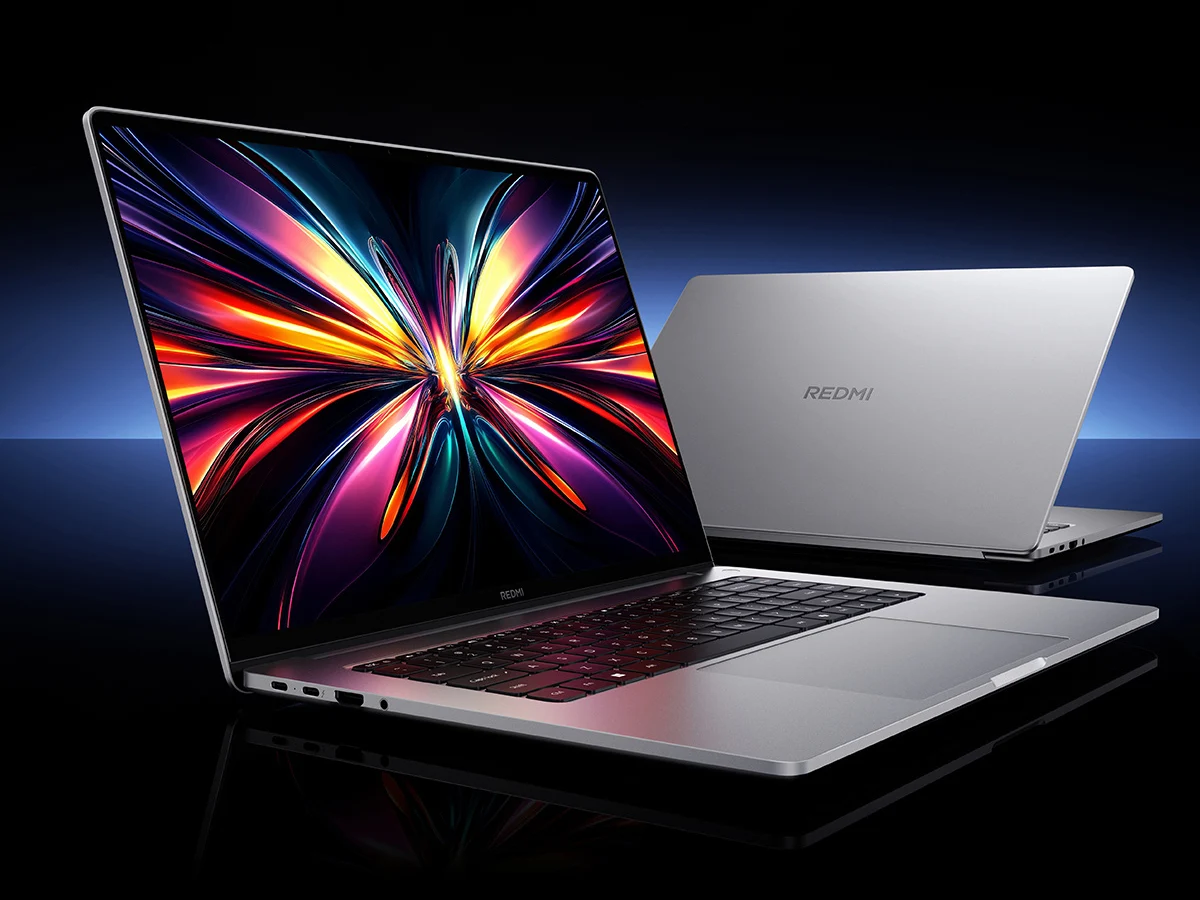
  • Xiaomi Unveils Redmi Laptop Line with Better Displays Than MacBook Neo

    Xiaomi Unveils Redmi Laptop Line with Better Displays Than MacBook Neo

    Key Takeaway

    1. The Redmi Book 14 2026 and Redmi Book 16 2026 feature higher-spec displays than the MacBook Neo, with the 14-inch model offering a 120Hz refresh rate, 1800p resolution, and 500 nits brightness.
    2. Both laptops are powered by the Intel Core Ultra 5 125H processor with up to 16GB LPDDR5X RAM and 1TB PCIe 4.0 storage.
    3. Despite the size difference, both models have an 80Wh battery and are priced competitively below the Xiaomi Book Pro 2026 line, starting at around $800 to $835.

    New Xiaomi Redmi Book 2026 Models Released

    So Xiaomi just released two new laptops under their Redmi Book 2026 series, right? Like, the main diffence is the size of the screens, and both have better displays than the MacBook Neo, which only has a 60Hz IPS panel. That’s kinda cool, because we expect better visuals now.

    Display Configurations

    The Redmi Book 14 2026 features a 14-inch screen with a 120Hz refresh rate, which is pretty nice for smooth scrolling and fast motion. The resolution is up to 1800p, with a 16:10 aspect ratio that provides more vertical space, and an impressive brightness of 500 nits. It also covers 100% of sRGB, so colours should look accurate, plus it has full DC dimming, making it easy for extended use without flickering issues.

    Size & Power Specs

    The larger Redmi Book 16 2026 comes with a 16-inch display, also sporting the same 120Hz refresh rate. Its resolution’s a tad lower, at 1600p, and it has a 400-nit brightness. That makes it slightly less sharp and less suitable under strong sunlight. Both laptops are powered by the same processor, the Intel Core Ultra 5 125H, which is kinda mid-range from the Meteor Lake lineup. Honestly, a newer processor would have been a better choice; maybe Panther Lake or Lunar Lake would be more suitable upgrades.

    Performance & Design

    • Memory: Both models up to 16GB of LPDDR5X RAM at 7,467MT/s.
    • Storage: Up to 1TB PCIe 4.0 SSDs available for pre-configured options.
    • Battery: Despite the size difference, both keep an 80Wh battery, which is kinda odd, considering the larger model’s size.
    • Charger: Both come with a 100W GaN charger for fast recharging.

    Physical Dimensions & Pricing

    The Redmi Book 14 measures 312mm wide and weighs about 3.28 pounds, making it quite portable. Meanwhile, the 16-inch version is wider at nearly 355mm and weighs around 4.1 pounds. As for the pricing, the 14-inch starts at CNY 5,499 (around $806), and the 16-inch begins at CNY 5,699 (roughly $835). These prices are definitely less than the Xiaomi Book Pro 2026 series, which costs over $1,500 for some configurations.


    Sources

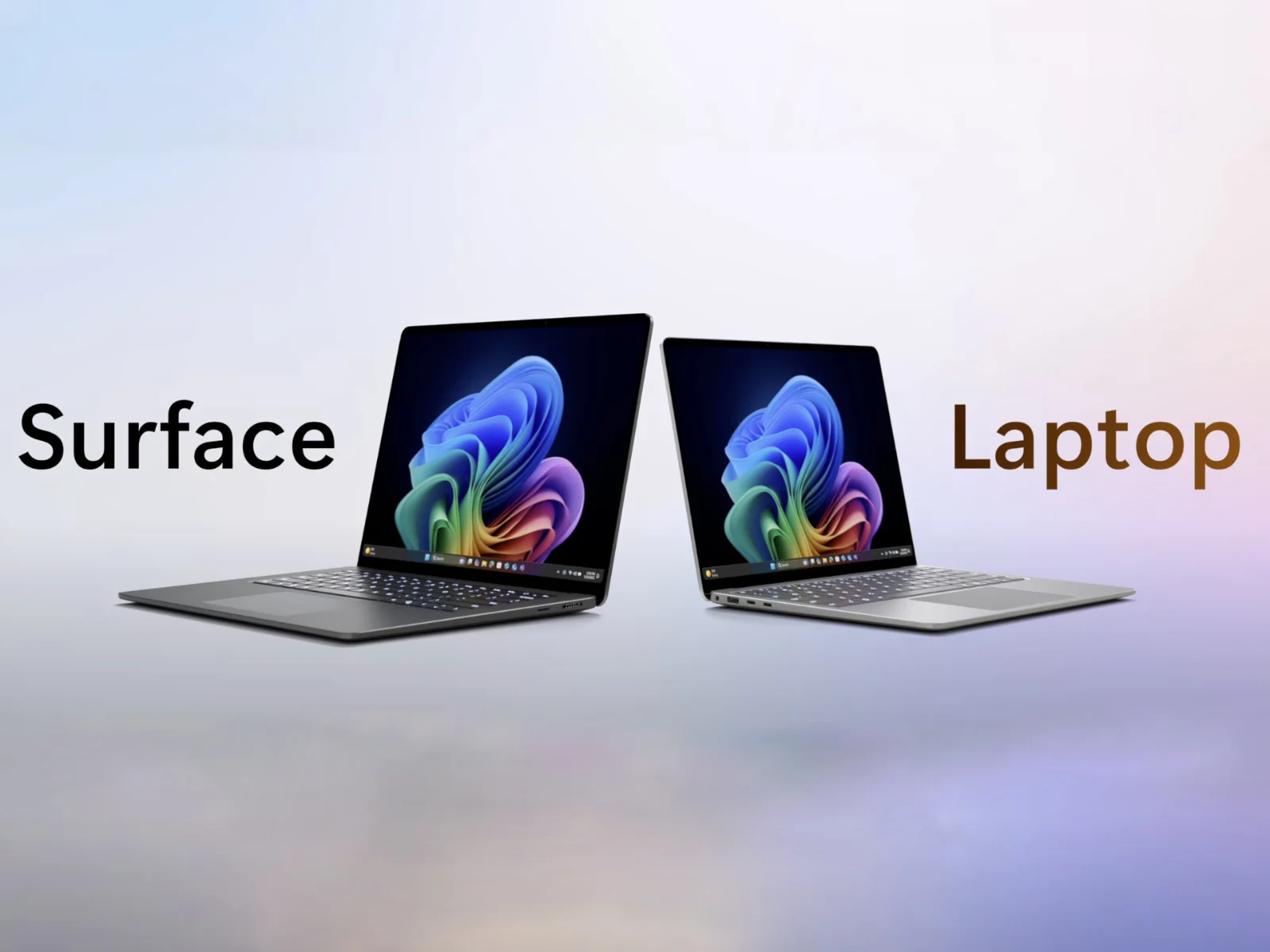
  • Microsoft Surface PCs Launching Without Qualcomm Snapdragon X2 Elite Extreme

    Microsoft Surface PCs Launching Without Qualcomm Snapdragon X2 Elite Extreme

    Key Takeaway

    1. Microsoft’s upcoming Surface Laptop 8 and Surface Pro 12 may not be released as initially expected this spring.
    2. New Surface devices will feature both Intel and ARM chipsets, specifically Qualcomm’s Snapdragon X2 Plus and Snapdragon X2 Elite.
    3. Microsoft is not planning to include higher-end Snapdragon X2 Elite Extreme variants in its new Surface PCs, which could limit performance compared to other devices like the Asus Zenbook A16.

    Upcoming Surface Devices and Release Expectations

    According to reports from Windows Central, Microsoft’s plans for its upcoming Surface Laptop 8 and Surface Pro 12 are still a bit uncertain. Last month, Zac Bowden stated that ‘new Surface PCs’ where ‘coming this spring’, but recent information suggests this might not be fully accurate. The tech community is closely watching for official announcements, but it seems the schedule could be shifted or limited in scope.

    Specifications of New Surface Models

    Roland Quandt has shared some details about the specifications of these new Surface models, hinting at a transition to both Intel and ARM chipsets. The new models are expected to replace the current ones, which retail at about $999 and are sometimes still available as refurbished units. The upcoming ARM-powered Surface laptops and 2-in-1s are anticipated to feature Qualcomm’s Snapdragon X2 Plus and Snapdragon X2 Elite chipsets. These processors are designed to deliver improved performance and efficiency, targeting a broad range of usage scenarios.

    Microsoft’s Strategy for ARM-Powered Surface PCs

    However, Windows Central reports that Microsoft’s plans might only include these specific chipsets — the Snapdragon X2 Plus and Elite — and they are possibly not considering more extreme variants like Snapdragon X2 Elite Extreme. This could mean limited options for consumers who are looking for the highest performance ARM-based Surface devices in the near future. The focus seems to be on incremental upgrades rather than breaking new ground with top-tier chips.

    Performance Comparison with Competitors

    In comparative benchmarks, the Snapdragon X2 Elite Extreme has shown impressive results. Testing with the Asus Zenbook A16 revealed that the X2E-94-100 surpasses the X2E-88-100 by over 25% in certain CPU tests. It also pairs with a faster Adreno X2-90 GPU, making it a potent option. Given these figures, the upcoming Surface Laptop might fall short in raw power if it adopts the Snapdragon X2 Elite compared to the performance of the Zenbook A16.

    Implications for Consumers and Market Trends

    For buyers, this suggests that the next Surface devices, especially those with ARM processors, might not match the high-end performance seen in some competing ultrabooks. Microsoft’s hardware strategy appears to be more cautious, focusing on balanced performance rather than pushing the limits of ARM processors. Also, it indicates a broader trend where OEMs are still exploring the optimal mix of power and efficiency in ARM-based laptops.

    Sources
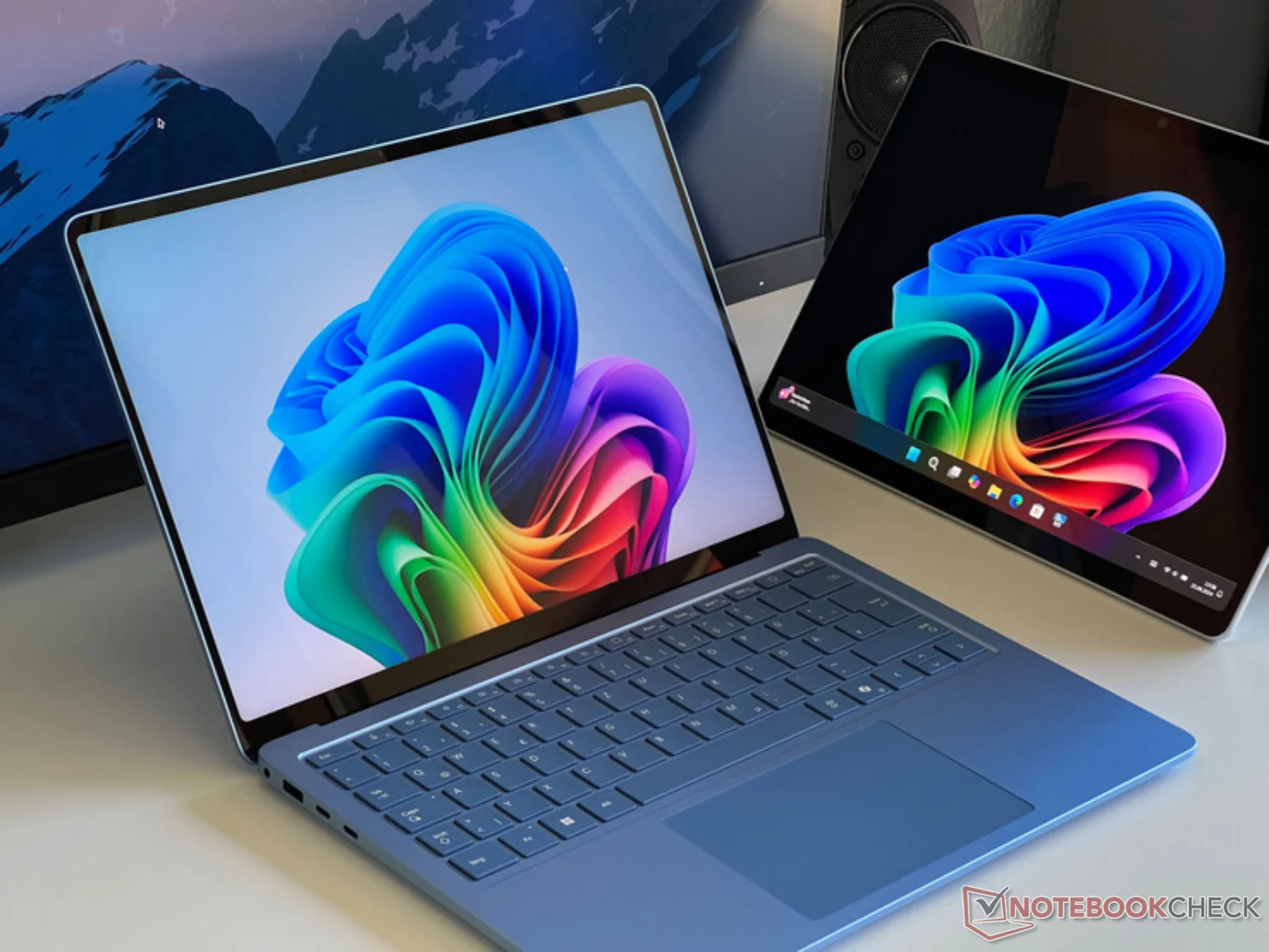
  • New Microsoft Surface Laptop Models with Major Display Upgrades

    New Microsoft Surface Laptop Models with Major Display Upgrades

    Key Takeaway

    1. Microsoft plans to release a new Surface Pro 2-in-1 and a successor to the Surface Laptop 7, with a focus on OLED displays for higher-end models.
    2. The Surface Laptop 8 will feature OLED variants and a higher resolution screen, while entry-level models will keep the 120 Hz IPS display.
    3. A 15-inch OLED Surface Laptop has been omitted, with options limited to smaller, higher-end configurations, with hints at upcoming release timelines.

    Upcoming Microsoft Surface Devices Revealed

    Earlier in the week, tech insiders Roland Quandt and WinFuture shared some initial details about the new lineup of Microsoft’s Surface laptops and tablets. But now, Windows Central has added more to the story with some extra insights that they have uncovered. It’s like getting a sneak peek at what Microsoft might be planning to launch soon, and it’s pretty exciting for everyone eager for new tech gadgets.

    New Surface Pro and Laptop Models

    To quickly sum up, Roland Quandt mentioned that there will be a fresh Surface Pro 2-in-1 device that will probably replace the current models, plus a new version of the Surface Laptop 7 which uses ARM chips. The current Surface Laptop 7 has a 13.8-inch screen and costs around $866 somewhere online. Windows Central reports that rather than focusing on a 15-inch version, Microsoft will instead add some OLED screen options for the Surface Laptop 8, especially for the 13.8-inch variants. This move could give users better display quality without changing overall device size.

    Display Features and Specifications

    This site emphasizes that the OLED screens will mostly be reserved for more expensive, high-end configurations. Similar to what they do now with the Surface Pro, the OLED option will likely be limited to these premium models. There are also whispers that the new Surface Laptop might come with a higher resolution screen, but it’s still not clear if this is related to the OLED panels or a separate upgrade altogether. It remains one of the interesting mysteries about the upcoming lineup.

    Entry-Level Models and Display Technology

    For the more basic versions, the devices will keep using the same 120 Hz IPS displays found in the current Surface Laptop 7 series. These models are expected to stay affordable while still offering decent performance. Plus, Windows Central hints that the launch dates for this year’s Surface devices might be sooner than later, giving fans something to look forward to over the coming months.

    Sources
  • Intel CPU Sales Decline Shocker: Despite Signs of Life, Major Slump at Mindfactory

    Intel CPU Sales Decline Shocker: Despite Signs of Life, Major Slump at Mindfactory

    Key Takeaway

    1. CPU sales experienced a significant decline in weeks 14 and 15 of 2026, with the lowest sales recorded in ten years.
    2. AMD dominated the market sales with over 90% of revenue, led primarily by AMD Zen 5 and Zen 4 CPUs.
    3. Demand for Intel CPUs has shown slight improvement, likely due to expanded offerings of the Core Ultra 200 series.
    4. Upcoming CPU refreshes from Intel, including the Raptor Lake Refresh and Nova Lake, may help Intel’s market recovery in 2027.
    5. The overall DIY PC market is struggling, partly due to high prices for DRAM and storage, impacting consumer purchasing power.

    Recent Trends in CPU Sales

    Back in late March, we saw that the CPU decks were pretty empty in the German retailer Mindfactory. According to TechEpiphany’s data, week 13 of 2026 marked the lowest point ever for CPU sales. Unfortunately, this downward trend hasn’t gotten better, with weeks 14 and 15 showing even sharper declines, far beyond anything they’ve tracked before in their 10-year history.

    Sales Distribution and Revenue

    During these weeks, the shop sold about 860 AMD Ryzen CPUs, averaging €390, while only 140 Intel CPUs were snapped up at about €246 each. All together, AMD made around 90% of all revenue, whereas Intel processors only took about 10%. This shows AMD’s dominance in sales during that period, though overall numbers are quite low.

    Popular CPU Generations

    If you look at specific models, the AMD Zen 5 stood out with 645 units sold, which is quite impressive considering the poor market overall. Close behind was Zen 4, with around 105 units, and the Intel Core Ultra 200 series sold approximately 90 units. These figures imply that AMD’s new Zen 5 might be the most in demand right now, but the market still lukewarm.

    Intel’s Improved Position?

    Previously, we mentioned that Intel’s Core Ultra 200S Plus Arrow Lake Refresh looked promising because of its good price/performance ratio, which could bring better sales. And now, the reports suggest that demand are showing signs of slight improvement for Intel CPUs, thanks to the expanded lineup of the Core Ultra 200 series.

    Upcoming Intel CPU Refreshes

    Rumors are swirling about Intel working on a Raptor Lake Refresh for their LGA1700 platform, with a launch forecast for early 2027. If past refreshes are anything to go by, these new models might boost Intel’s market share, providing consumers with more affordable and powerful options. Alongside the upcoming Nova Lake generation, Intel might finally see a rebound next year.

    Market Outlook

    All things considered, the PC building scene isn’t looking too bright right now. The entire consumer tech industry—smartphones, laptops, and GPUs—need some relief, especially with prices for DRAM and storage coming down. Otherwise, the market could keep slipping into a deeper slump, hurting everyone’s sales and growth.

  • Ryzen AI 5 430 Benchmarks: First Results Show Mixed Performance

    Ryzen AI 5 430 Benchmarks: First Results Show Mixed Performance

    Key Takeaway

    1. The Ryzen AI 5 430 offers limited performance improvements over the Ryzen AI 5 330, primarily excelling in single-threaded tasks.
    2. The integrated GPU has been upgraded to Radeon 840M, providing a 1.5x to 2x performance boost in graphics, but remains unsuitable for gaming.
    3. Power consumption remains similar to its predecessor, with notable gains in graphics performance-per-watt but minimal changes in multi-threaded CPU performance.

    Introduction to AMD’s Latest Mobile Ryzen Series

    AMD is updateing its mobile Ryzen lineup this year with the new Ryzen AI 400 series to takes the place of last years Ryzen AI 300 series. The latest mid-range processor is the Ryzen AI 5 430 that you will typically find inside budget to mid-range laptops including the recent Lenovo IdeaPad 5 2-in-1 15. But how does this new model compare to the older Ryzen AI 5 330 that it is replacing?

    Performance Overview

    According to the initial benchmark tests we’ve seen, the Ryzen AI 5 430 only offers some slight improvements over the previous Ryzen AI 5 330, in some areas. For multi-threaded tasks like Blender, 7-Zip, or CineBench xT, it performs within 5 percent of its older sibling. Conversely, in single-threaded tests like R 2.5 or LibreOffice, it can be up to 30 percent faster. But, Turbo Boost still doesn’t make a huge difference in overall performance.

    Graphics and Power Consumption Insights

    The integrated GPU also got some upgrade, from Radeon 820M to Radeon 840M, showing about a 1.5x to 2x increase according to 3DMark benchmarks. Even though that’s a notable increase, it doesn’t make the CPU suitable for gaming, as it’s still only comparable to older Iris Xe 96 EUs, and nowhere near the power of Radeon 880M or 890M found in Ryzen AI 7 or 9 variants.

    In terms of power usage, the Ryzen AI 5 430 consumes almost the same amount of power as the previous model, just a few watts more on average. However, the graphics performance per watt is much improved, whereas the overall multi-threaded task performance remains largely unchanged.

    Further Comparisons and Benchmark Results

    More detailed benchmarks and comprehensive comparisons are available in our full review of the Lenovo IdeaPad 5 2-in-1 15. This can give you a clearer picture of how this processor performs in various scenarios and what kind of user it is suited for.

    Sources
    • Ryzen AI 5 430 Benchmarks: Startling Results and Performance Insights

      Ryzen AI 5 430 Benchmarks: Startling Results and Performance Insights

      Key Takeaway

      1. The Ryzen AI 5 430 offers limited performance improvements over the Ryzen AI 5 330, mainly in single-threaded tasks and GPU performance.
      2. Multi-threaded CPU performance remains nearly the same, within 5% of the previous generation.
      3. The integrated GPU has been upgraded to Radeon 840M, providing 1.5x to 2x better graphics performance, but still not suitable for gaming.
      4. Power consumption is similar between the two, with improved graphics performance per watt.

      New AMD Ryzen AI 400 Series Introduction

      AMD has recently launched an update to its mobile Ryzen lineup, introducing the Ryzen AI 400 series to intorduce fresh options for laptop lovers. This new series aims to replace last year’s Ryzen AI 300 lineup, bringing a variety of improvements to the table. The highlight is the Ryzen AI 5 430 processor, commonly seen in budget to mid-range laptops like the newer Lenovo IdeaPad 5 2-in-1 15, which’s popular among students and casual users alike.

      Performance Analysis and Benchmarks

      Looking at initial testing results, the Ryzen AI 5 430 shows improvements in some benchmarks, but in others, it remains pretty much the same. For instance, in intensive multi-core tasks like Blender, 7-Zip compression, or CineBench xT, it scores close to its predecessor, the Ryzen AI 5 330, with differences of just about 5 percent. However, it steps up significantly when it comes to single-core tasks—being roughly 30 percent faster in programs like R 2.5 or LibreOffice—that favor single-threaded performance. Turbo Boost pace doesn’t differ much since both chips face similar limitations.

      Graphics and Power Efficiency

      The integrated graphics have seen a sensible uplift, moving from Radeon 820M to Radeon 840M. According to 3DMark tests, this change results in about 1.5 to 2 times better performance. While this sounds appealing, it’s important to realize that the CPU still isn’t optimized for gaming—it’s roughly equivalent to an older Iris Xe with 96 execution units and pales compared to the powerful Radeon 880M or 890M found in Ryzen AI 7 or 9 series processors.

      Power Consumption and Overall Efficiency

      Regarding power use, the Ryzen AI 5 430 has similar requirements as the previous model, perhaps a little more wattage on average, making it not drastically more demanding. Yet, the efficiency per watt is noticeably better, especially for graphics. Nevertheless, for multi-core performance, things stay relatively stable without significant increases in energy consumption, meaning that users can get better graphics performance with minimal impact on battery life.

      Additional Resources and Reviews

      For more in-depth analysis, benchmarks, and user experiences, see our full review of the Lenovo IdeaPad 5 2-in-1 15. You might find detailed comparisons, performance metrics, and usability insights there that help make an informed decision about these Ryzen chips and the laptops they power.

      Sources