Category: Computers

  • MacBook Pro Rumored to Feature OLED Display and Dynamic Island

    MacBook Pro Rumored to Feature OLED Display and Dynamic Island

    Key Takeaways

    1. The upcoming MacBook Pro will feature minor updates with the M5 Pro and M5 Max chipsets, but the next model with the Apple M6 is expected to have a major redesign.
    2. The new MacBook Pro is rumored to be lighter and slimmer than previous models, marking a significant design change since the 2021 M1 Max version.
    3. A key highlight of the new model will be a cutting-edge tandem OLED display, which may offer improved contrast, brighter colors, and better energy efficiency.
    4. The new display is expected to replace the criticized notch with a punch-hole design for the webcam, allowing for a more modern look and additional features like notifications.
    5. The OLED-equipped MacBook Pro M6 is anticipated to be released towards the end of 2026.


    While the upcoming MacBook Pro is rumored to have only minor updates alongside the Apple M5 Pro and M5 Max chipsets, whispers indicate that the next model featuring the Apple M6 will make a significant jump. For the first time since the 2021 model with the Apple M1 Max, Apple is likely to give its most powerful laptop a fresh design that will be both lighter and slimmer.

    A New Display Experience

    Along with the new processors from the Apple M6 line, the screen is said to be the standout feature of the new MacBook Pro. Reports suggest that Apple will swap out the current mini LED display for a cutting-edge tandem OLED panel. This new screen may offer a better contrast ratio, brighter colors, and improved energy efficiency. It is still unclear if the OLED display will be brighter, considering the existing MacBook Pro (starting at $1,499 on Amazon) can achieve an impressive peak brightness of 1,600 nits in HDR mode. According to analysts from Omdia (via DigiTimes), the upcoming screen is also rumored to eliminate the rather criticized notch.

    A Modern Look with New Features

    Instead, Apple might position the MacBook Pro’s webcam in a punch-hole that could act like a Dynamic Island, akin to the iPhone 16. The display area surrounding this punch-hole might be used to display items like timers or alert users about important notifications such as incoming calls. Although a punch-hole design is somewhat uncommon for laptops, it should provide the MacBook Pro with a more updated appearance compared to the large notch. The OLED-equipped MacBook Pro M6 is anticipated to launch towards the end of 2026.

    Source:
    Link


  • Trump Demands Resignation of Intel CEO Lip-Bu Tan

    Trump Demands Resignation of Intel CEO Lip-Bu Tan

    Key Takeaways

    1. Intel is struggling with low yields on its 18A process, impacting profitability for Panther Lake CPUs.
    2. President Trump called for the resignation of Intel CEO Lip-Bu Tan, citing conflicts of interest.
    3. Senator Tom Cotton raised concerns about Tan’s connections to Chinese companies and is awaiting Intel’s response.
    4. If Tan resigns, he would be the second CEO to leave Intel within a year, following Pat Gelsinger’s exit.
    5. Intel may benefit from potential financial relief from TSMC due to lower tariffs, though this deal is not yet confirmed.


    Intel’s ongoing troubles appear to be worsening every day. A previous report from Reuters indicated that the company is still facing challenges with its 18A yields, leading to poor profitability for Panther Lake CPUs. Recently, President Donald Trump intensified the situation with a new post on Truth Social, stating:

    The INTEL CEO is deeply CONFLICTED and must resign, immediately. There is no other way to fix this issue. Thank you for your attention to this matter!

    Concerns from Lawmakers

    This comes shortly after US Senator Tom Cotton raised alarms about Intel CEO Lip-Bu Tan’s suspected ties to China. Senator Cotton claims Mr. Tan “controls dozens of Chinese companies and has interests in hundreds of Chinese advanced-manufacturing and chip firms,” and he has requested a response from Intel by August 15. As of now, Intel has not released an official comment regarding this issue, but one is anticipated soon, especially with the deadline approaching.

    Potential Changes at Intel

    If Lip-Bu Tan were to resign or be removed, he would be the second CEO to leave Intel within a year, following Pat Gelsinger’s departure in December 2024. However, not everything is bleak. Intel might receive a much-needed financial boost from TSMC due to lower tariffs. Yet, this deal has yet to be finalized or confirmed by either side. Additionally, there are whispers about possible candidates interested in acquiring Intel, but these rumors seem to be mostly speculation and should be taken lightly until more information comes to light.

    Source:
    Link


  • Framework Desktop with AMD Ryzen AI Max+ 395 Beats RTX 4060

    Framework Desktop with AMD Ryzen AI Max+ 395 Beats RTX 4060

    Key Takeaways

    1. Framework has launched a modular desktop PC that can be pre-ordered, featuring the AMD Ryzen Max+ 395 or Max 385 chips.
    2. The tested Framework Desktop model with the Max+ 395 chip showed impressive thermal performance, maintaining a TDP of 95 W and temperatures averaging around 69.5°C.
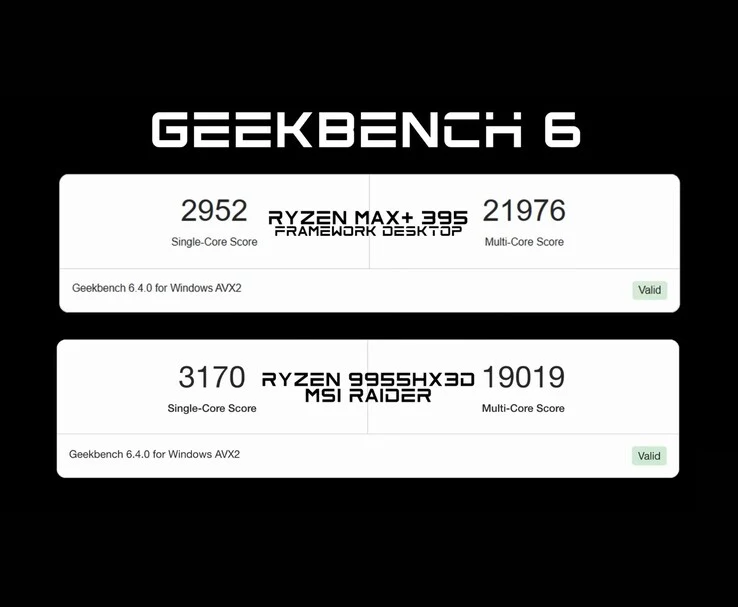
    3. In benchmark tests, the Framework Desktop scored 2,952 in single-core and 21,976 in multi-core performance, outperforming the AMD Ryzen 9 9955HX3D in multi-core tasks.
    4. The desktop achieved a score of 11,251 in 3DMark Time Spy, comparable to a laptop GPU setup with an RTX 4060.
    5. In gaming tests, the desktop managed 73 FPS in Cyberpunk 2077 and over 100 FPS in Forza Horizon 5 at high settings, showcasing strong gaming performance for integrated graphics.


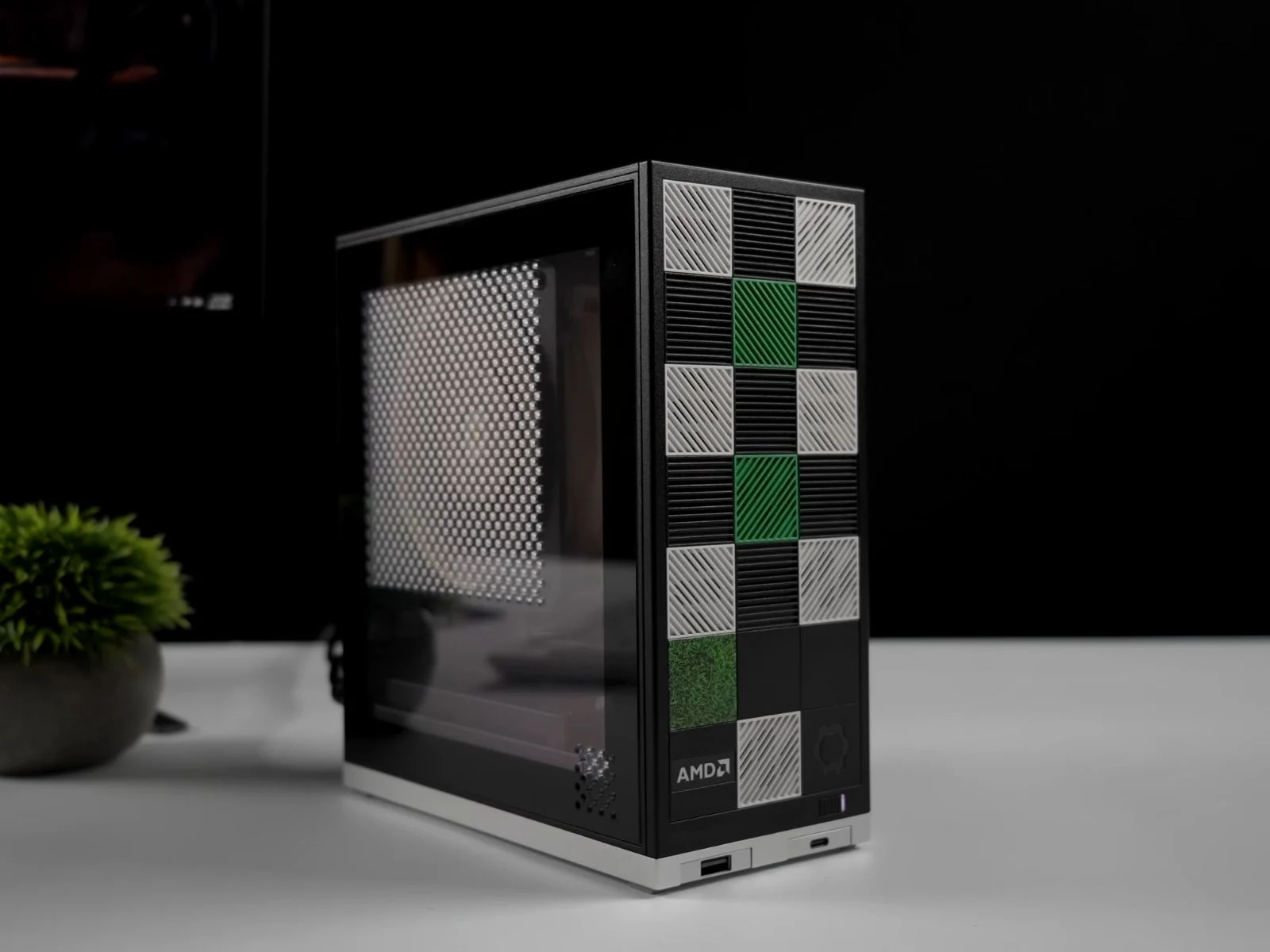
    We’ve recently looked at the performance of the AMD Ryzen AI Max+ 395 chip in a forthcoming 16-inch gaming laptop. Now, we’re taking another look at the Max+ 395’s capabilities, but this time it’s in the Framework desktop PC.

    Framework’s New Desktop

    For those who might not know, Framework is known for its modular laptops that can be upgraded over time. A few months back, they introduced their first desktop, specifically a modular mini-PC. You can now pre-order the Framework Desktop, which comes with either a 16-core, 32-thread AMD Ryzen Max+ 395 or an 8-core, 16-thread Max 385.

    Performance Insights

    After the launch, we’ve got our first glimpse at the real-world performance of the Framework Desktop thanks to YouTuber ETA PRIME. The tested model was equipped with the Max+ 395 chip and 128GB of LPDDR5X RAM. Again, we have revisited the AMD Ryzen AI Max+ 395 chip’s performance in this desktop setup.

    The YouTuber built the unit using just the provided screwdriver, making it easy for beginners. He added a 2TB Western Digital Black SSD and chose the Noctua fan variant from the three cooling options offered by Framework. The fan was installed using a shroud supplied with the unit and connected to the APU-labelled 4-pin header inside.

    Impressive Thermal Performance

    Under maximum load, the chip maintained around 95 W TDP, reaching temperatures of 75.9°C at peak, while averaging around 69.5°C. ETA PRIME noted that this was impressive thermal performance for such a compact PC. In the Geekbench 6 benchmark, the Framework Desktop achieved a score of 2,952 in the single-core test and 21,976 in the multi-core test. It surpassed the AMD Ryzen 9 9955HX3D in multi-core performance, although it lagged a bit in single-core performance.

    The Framework Desktop also scored 11,251 in 3DMark Time Spy, which is comparable to an RTX 4060 laptop GPU paired with an AMD Ryzen 9 7940HS setup, even though it uses only integrated graphics.

    Gaming Performance

    In actual gaming scenarios, Cyberpunk 2077 ran at 73 FPS at 1440p High with FSR Balanced, while Spider-Man 2 reached 130 FPS with FSR Frame Generation enabled at 1440p High. Borderlands 3 averaged between 70 to 85 FPS at 1440p Ultra, and Forza Horizon 5 delivered over 100 FPS at 1440p Extreme and 78 FPS at 4K Ultra.

    Source:
    Link


  • XPlus XRival: Affordable Gaming Mini PC with AMD Ryzen APU

    XPlus XRival: Affordable Gaming Mini PC with AMD Ryzen APU

    Key Takeaways

    1. The AMD Strix Halo series features premium APUs, including the Ryzen AI Max+ 395, which boasts 16 Zen 5 cores and 32 threads.
    2. The Strix Halo APU’s RDNA 3.5-based Radeon 8060S iGPU outperforms the RTX 4060 Laptop GPU, showcasing powerful graphics capabilities in mini PCs.
    3. The XPlus XRival mini PC includes 96 GB of LPDDR5X memory, 2 TB of storage, and offers user-upgradable M.2 slots.
    4. It has a compact design (22 x 11.9 x 5.7 cm) with a bold gaming aesthetic and features a dual-fan, triple-pipe cooling system.
    5. Priced at $1,479 with an introductory discount, the XRival mini PC is competitively priced compared to similar models, while an alternative option is the Minisforum UM880 Plus at $518.98.


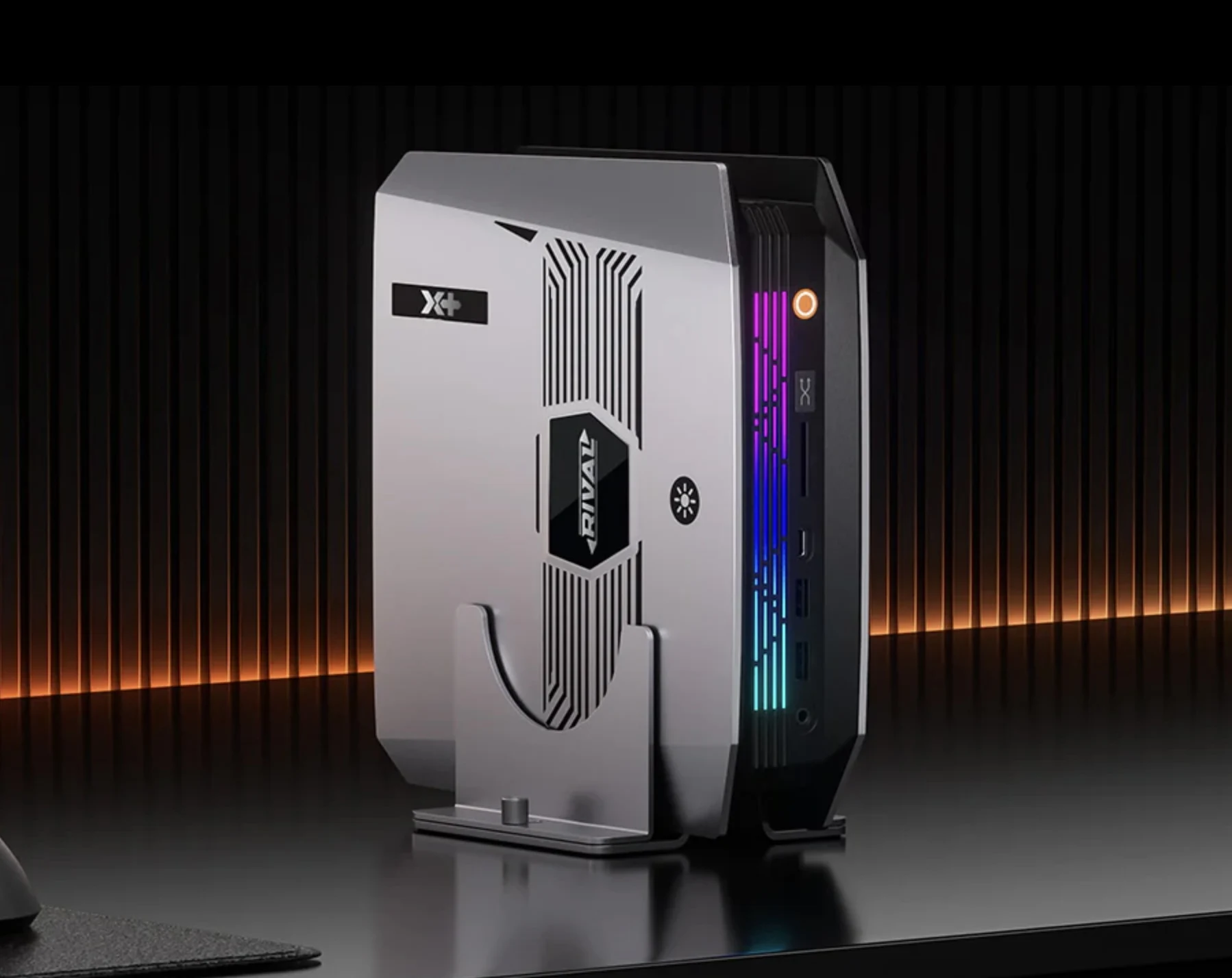
    Ever since it first appeared, the AMD Strix Halo series of premium APUs has captured the admiration of mini PC fans. Featuring full Zen 5 cores alongside an impressive iGPU, the top-tier Ryzen AI Max+ 395 APU is now present in several high-end mini PCs, with the XPlus XRival being the newest member of the Strix Halo family.

    Powerful Specifications

    The AMD Ryzen AI Max+ 395 consists of 16 Zen 5 cores and 32 threads. In synthetic tests, this robust APU competes well with the Apple M3 Max and Intel Core Ultra 7 255HX in terms of multicore performance. The GPU capabilities of the Strix Halo APU are particularly outstanding, boasting an RDNA 3.5-based Radeon 8060S iGPU with 40 CUs that significantly outperforms the RTX 4060 Laptop GPU. Such exceptional performance was once unthinkable in a mini PC without dedicated GPUs, but that has changed.

    Impressive Memory and Storage

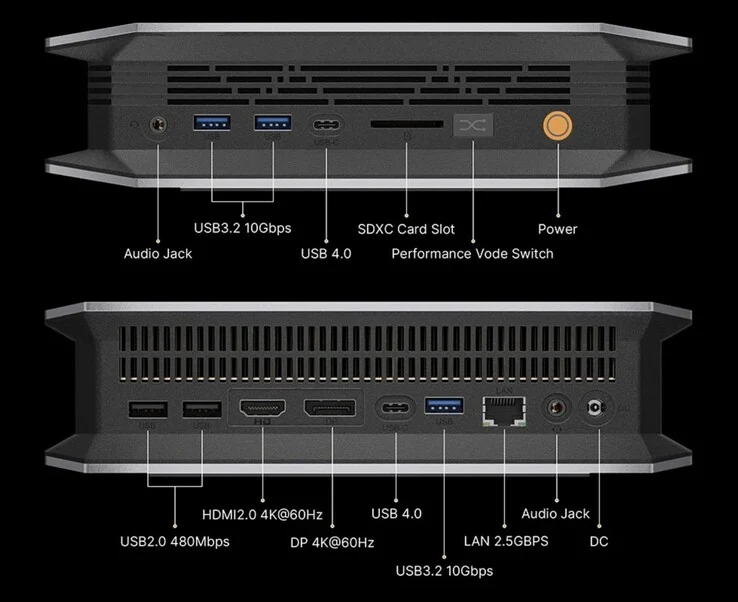
    The XPlus XRival mini PC is designed with 96 GB of LPDDR5X memory that is shared between the CPU and GPU. It also provides 2 TB of storage, which is located in an M.2 2280 slot and can be upgraded by the user. Additionally, there is another M.2 slot available. The design of the mini PC is notably bold, exuding strong gaming aesthetics, which could be seen as either a plus or a minus. The variety of ports available is impressive, including:

    Wireless features include Bluetooth 5.2 and WiFi 7. Measuring at just 22 x 11.9 x 5.7 cm, the XPlus XRival mini PC is quite compact and is outfitted with a dual-fan, triple-pipe cooling system, which appears to be quite efficient on paper. Naturally, the true performance of the Strix Halo mini PC can only be validated through real-world use.

    Competitive Pricing

    With a price tag of $1,479, which comes with an introductory discount, the XRival mini PC is reasonably priced when compared to other similar models from well-known brands. For those looking to save a bit of money while opting for an external GPU, the Minisforum UM880 Plus (currently priced at $518.98 on Amazon) is also a great option.

    Source:
    Link


  • Cooler Master Launches MasterFrame 500 Mesh with Four 200mm Fans

    Cooler Master Launches MasterFrame 500 Mesh with Four 200mm Fans

    Key Takeaways

    1. The MasterFrame 500 Mesh features a ventilated front panel with two included 200 mm fans, available with or without RGB lighting.
    2. Additional cooling options include a 120mm rear fan and space for two more 200mm fans or a 360mm radiator on top.
    3. The case measures 47.1 x 26.1 x 54.4 centimeters and has a capacity of 60.9 liters, providing ample room for high-performance components.
    4. It is compatible with E-ATX and XL-ATX motherboards and accommodates graphics cards up to 39 cm, a power supply up to 23.5 cm, and a CPU cooler up to 19 cm.
    5. The MasterFrame 500 Mesh will launch in North America on August 19, with a European release expected at the end of September.


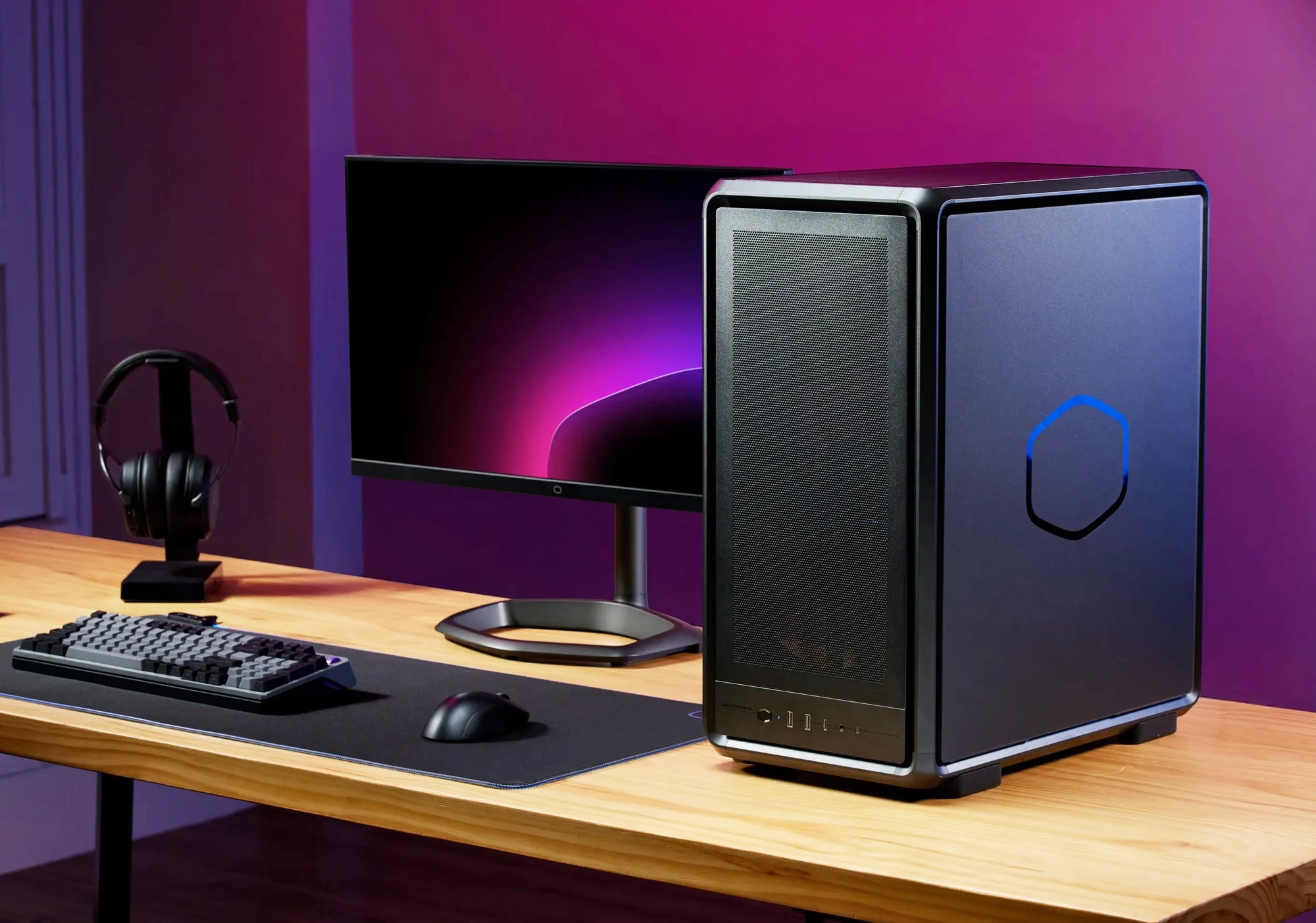
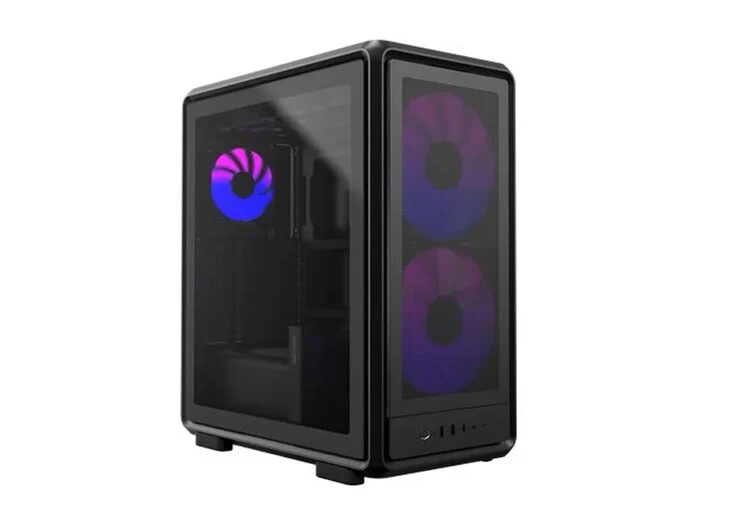
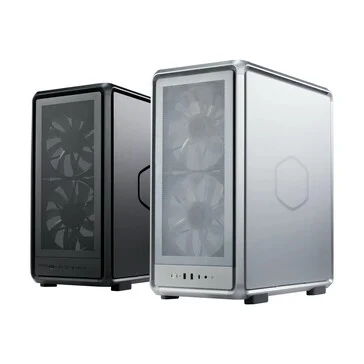
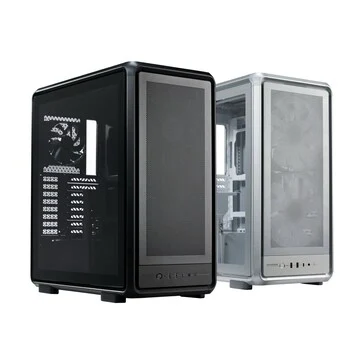
    Cooler Master is broadening its line of products with a new case designed to deliver impressive cooling capabilities. The MasterFrame 500 Mesh showcases a ventilated front panel, where two 200 mm fans can be seen. These fans are included in the package, and they come with or without RGB lighting. Larger fans are usually quieter since they do not need to rotate as quickly to circulate the same volume of air.

    Additional Cooling Options

    The company also adds a 120mm fan for the rear, and there is space for two more 200mm fans or a 360mm radiator for an all-in-one liquid cooler on the top. With dimensions of 47.1 x 26.1 x 54.4 centimeters and a capacity of 60.9 liters, the case is not exactly small, but it provides ample room for high-performance components.

    Compatibility and Features

    The MasterFrame 500 Mesh is compatible with E-ATX and XL-ATX motherboards, and it can accommodate graphics cards measuring up to 39 centimeters in length. It also has space for an ATX power supply up to 23.5 centimeters long, a CPU cooler that can be up to 19 centimeters tall, and a 3.5-inch hard drive. The front panel comes equipped with two USB-A ports (5 Gbit/s), one USB-C port (20 Gbit/s), and a 3.5 mm headphone jack.

    Cooler Master is set to release the MasterFrame 500 Mesh in North America on August 19, but the company has not yet disclosed the price. A launch in Europe is anticipated towards the end of September. More details about the case can be found on the official product webpage.

    Source:
    Link


  • Asus RT-BE58 Go: Compact WiFi 7 Router for Versatile Connectivity

    Asus RT-BE58 Go: Compact WiFi 7 Router for Versatile Connectivity

    Key Takeaways

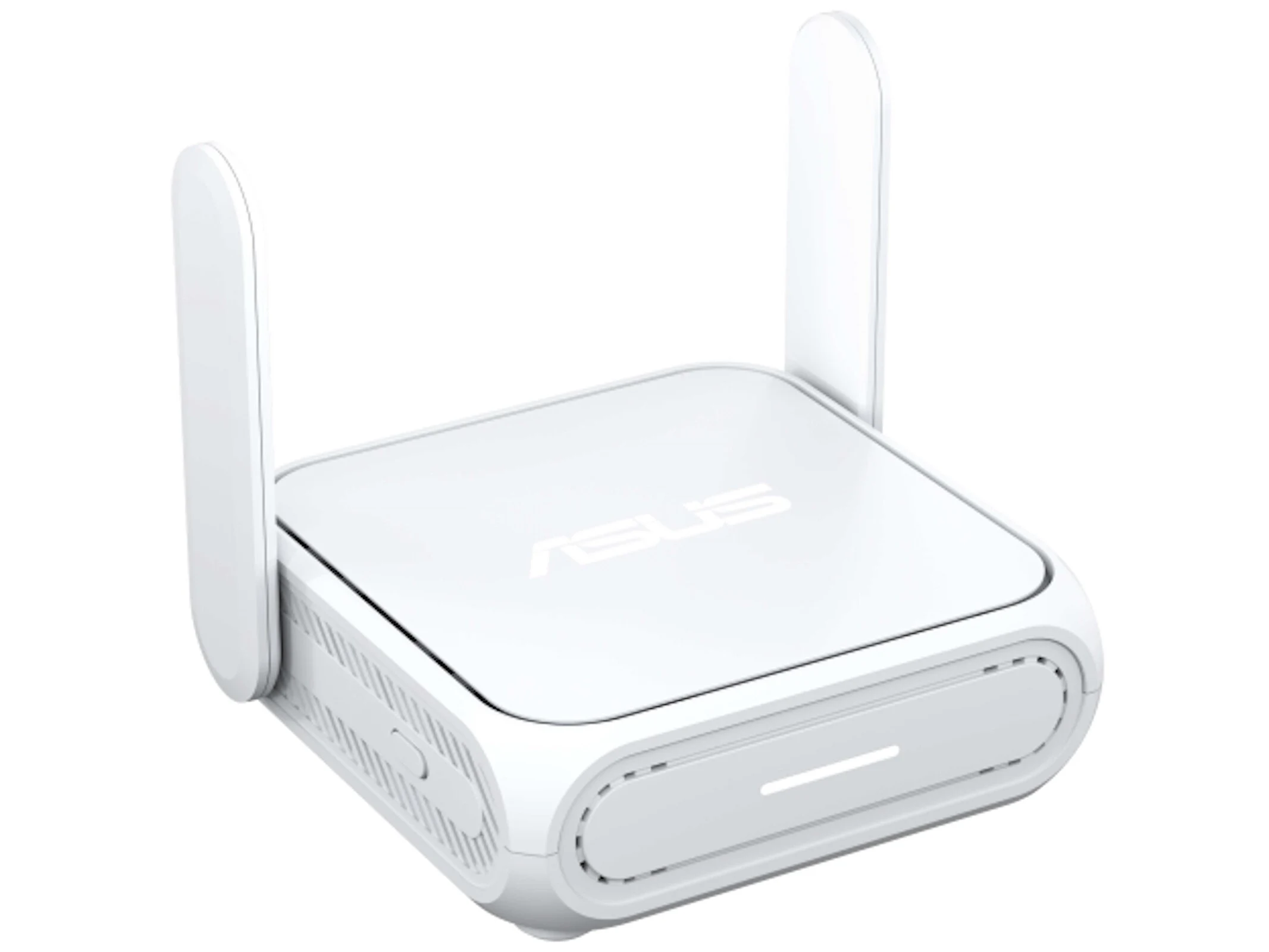
    1. Compact Design: The Asus RT-BE58 Go measures 3.9 x 4.4 x 1.4 inches and features two external antennas, connecting to smartphones via USB tethering or using WISP mode for public networks.

    2. High-Speed Connectivity: This WiFi 7 router offers data transfer speeds of up to 688 Mbps on the 2.4 GHz band and 2,882 Mbps on the 5 GHz band, powered through USB Type-C.

    3. Versatile Usage Options: It includes a 2.5 Gbps WAN port and a 1 Gbps Ethernet port, and can function as an access point, repeater, or part of an AIMesh network.

    4. Wide Coverage: The router can cover approximately 1,800 square feet and support over 150 simultaneous device connections.

    5. Special Network Features: It allows the creation of separate networks for different user groups, such as iOS devices, children, or customers.


    If you’re looking for more than just a smartphone hotspot, you can find mobile routers from different brands on Amazon and other stores. These routers are great for giving internet access to many devices while you’re on the move. Asus has introduced a new option in this space, the RT-BE58 Go, which works well not just on the road but also at home.

    Compact Design and Functionality

    The router has small dimensions of 3.9 x 4.4 x 1.4 inches and includes two external antennas. However, it can’t connect to cellular networks by itself. When you’re out and about, it connects to your smartphone via USB tethering. It can also function in WISP mode in public networks to create a personal hotspot. At home, you can hook it up to a modem using Ethernet.

    Impressive Speed and Connectivity

    This WiFi 7 router doesn’t support the 6 GHz band. It boasts advertised data transfer speeds of up to 688 Mbps on the 2.4 GHz band and 2,882 Mbps on the 5 GHz band. The RT-BE58 is powered through USB Type-C, making it compatible with power banks for ease of use.

    Versatile Usage Options

    The WAN port supports a bandwidth of 2.5 Gbps, while there’s also a 1 Gbps Ethernet port available. Additionally, the Asus router can act as an access point, repeater, or part of an AIMesh network. It can cover an area of approximately 1,800 square feet and can handle simultaneous connections for over 150 devices. It also provides the option to set up a separate network for iOS devices, children, or customers in a store, for example. At the moment, there are no specific details on pricing or availability.

    Source:
    Link


  • RayCue Launches Thunderbolt 5 Docking Station for Mac Studio

    RayCue Launches Thunderbolt 5 Docking Station for Mac Studio

    Key Takeaways

    1. Product Overview: The RayCue 10-in-1 Thunderbolt 5 Dock is designed for the Mac Studio, providing a compact and powerful docking solution.

    2. High-Speed Connections: The dock features Thunderbolt 5 for data transfers up to 80 Gbps and supports two SSD installations for up to 16TB of additional storage.

    3. Storage Options: It allows for RAID 0 and RAID 1 configurations and supports CFexpress cards with speeds up to 10 Gbps.

    4. Multi-Monitor Setup: The dock includes two HDMI 2.1 ports and one DisplayPort 2.1 for connecting multiple external displays.

    5. Pricing and Availability: The dock is priced at $269 and ships starting September 10, including a Thunderbolt 5 cable but not an SSD.


    We’ve covered RayCue products multiple times in the past, as the brand provides a diverse range of docking options and has now launched another item in this category. The RayCue 10-in-1 Thunderbolt 5 Dock for Mac Studio is tailored specifically for Apple’s desktop system. This mini PC is compact yet powerful, allowing it to sit directly on top of the docking station. Buyers should ensure they refer to the official compatibility list before making a purchase since it works with different configurations.

    High-Speed Connections

    This dock connects to the Mac Studio through Thunderbolt 5, enabling data transfers of up to 80 Gbps. Users can install two SSDs, which allows for an additional storage capacity of up to 16TB for the Mac Studio. It supports both RAID 0 and RAID 1 setups, as well as CFexpress cards that can reach speeds of up to 10 Gbps. Additionally, there are a couple of USB 3.2 Type A ports and a standard 3.5mm headphone jack available.

    Multi-Monitor Setup

    For connecting monitors and external displays, there are two HDMI 2.1 ports and one DisplayPort 2.1 available. The TB5 dock delivers up to 45 watts of power through USB PD. You can order the new RayCue docking station directly from the manufacturer for $269, with shipments expected to start on September 10. This cost is for the dock itself along with a Thunderbolt 5 cable, but it does not come with an SSD. Alternatively, you can find other RayCue products on Amazon.

    Source:
    Link


  • Fruit Jam RP2350: WiFi 6 Single-Board Computer with Buttons & Speaker

    Fruit Jam RP2350: WiFi 6 Single-Board Computer with Buttons & Speaker

    Key Takeaways

    1. The Adafruit Fruit Jam RP2350 is a new single-board computer featuring the Raspberry Pi RP2350B with dual ARM Cortex-M33 cores and up to 150 MHz clock speed.
    2. It has a compact design measuring 3.4 x 2.1 inches, includes a cover plate for protection, a mini speaker, three tactile switches, and a USB-C port for power and data.
    3. Connectivity options include two USB-A ports, DVI-D for display (max resolution of 1280 x 720), a 16-pin GPIO header for expansion, and an infrared sensor for remote control.
    4. Built-in Espressif ESP32-C6 supports WiFi 6 and Bluetooth 5, enhancing connectivity capabilities.
    5. The RP2350 is priced at $39 but is currently sold out, and it is more expensive than competing products like the Waveshare RP2350B, which offers a lower starting price but fewer expansion options.


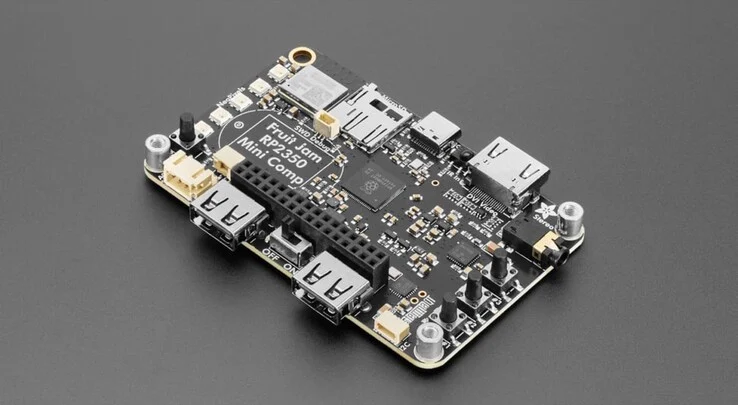
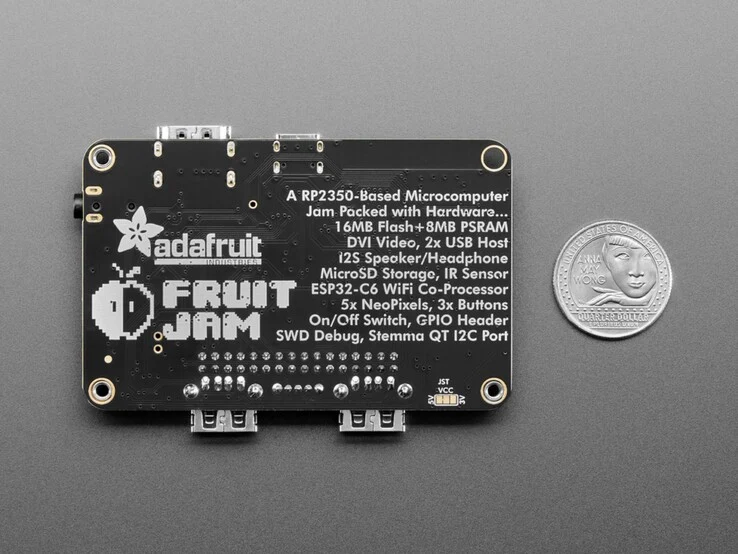
    Adafruit has launched a new single-board computer designed for fans of SBCs. The Fruit Jam RP2350 is built on the Raspberry Pi RP2350B, featuring two ARM Cortex-M33 cores that can clock up to 150 MHz, along with 8MB of PSRAM and 16MB of flash storage. A microSD card reader is also part of the package.

    Compact Design

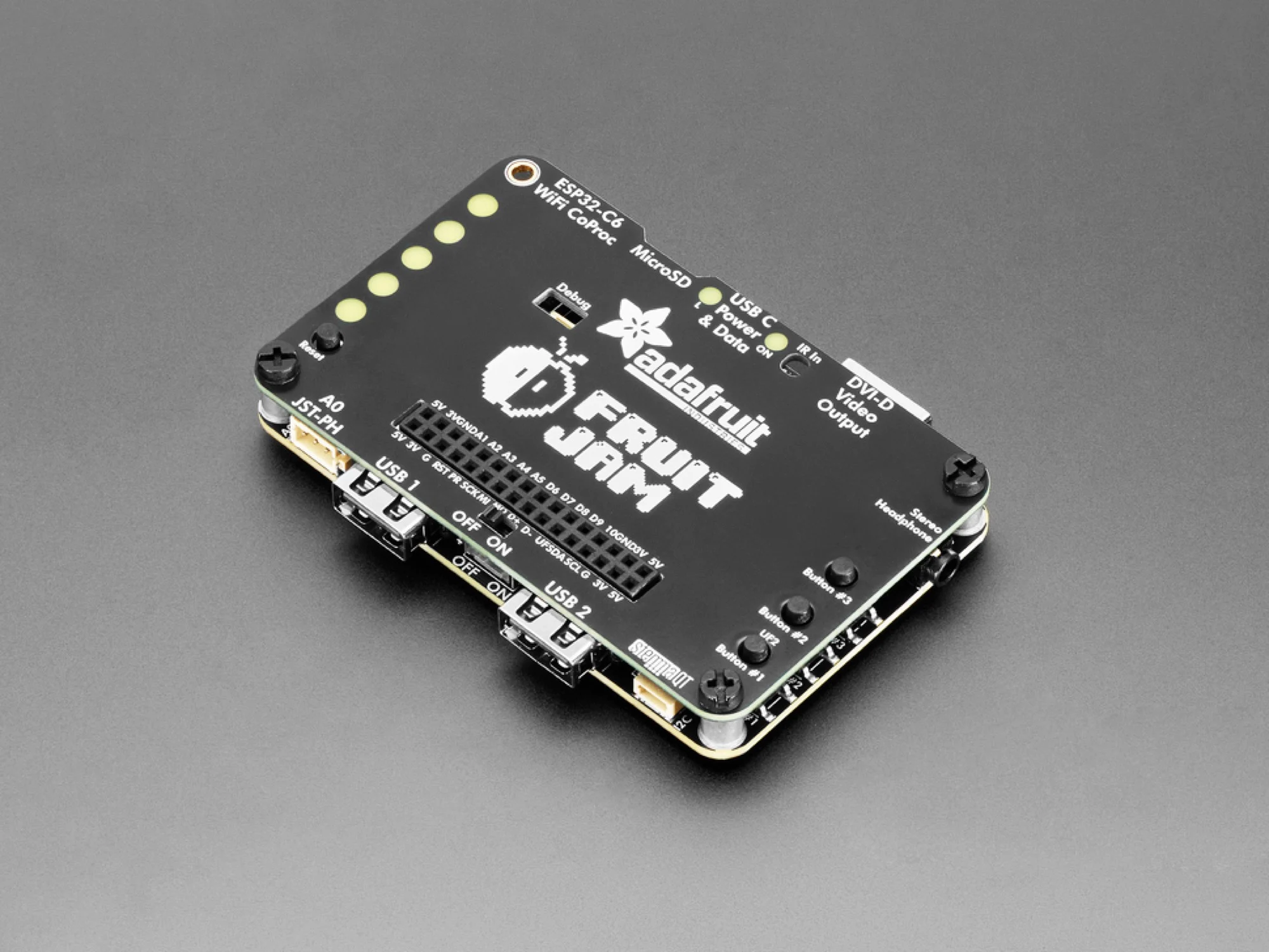
    The dimensions of the mainboard are 3.4 x 2.1 inches. To safeguard the small computer, Adafruit includes a cover plate that can be added on. Additionally, a mini speaker rated at 1 watt is included in the package. Another cool thing about the Adafruit RP2350 single-board computer is the presence of three tactile switches, plus a clearly marked on/off switch. The USB-C port serves dual purposes for both power and data transfer.

    Connectivity Options

    For peripherals, there are two USB-A ports available to connect devices like a keyboard, mouse, or gamepad. You can connect displays using DVI-D; however, it’s important to note that the RP2350B supports a maximum resolution of only 1280 x 720 pixels. Moreover, the 16-pin GPIO header allows for expansion modules, and an infrared sensor enables remote control of the SBC. The built-in Espressif ESP32-C6 provides support for WiFi 6 (2.4 GHz) and Bluetooth 5.

    The Adafruit Fruit Jam RP2350 single-board computer is currently priced at $39 in the manufacturer’s online store, although it is marked as sold out at the moment. Adafruit does ship to Europe, but the price does not include any possible import duties or extra charges. This makes the Fruit Jam RP2350 pricier than several competing products that use the same chip, such as the Waveshare RP2350B, which starts at $19 on Amazon, although the Fruit Jam offers additional expansion capabilities.

    Source:
    Link


  • New ESA Satellite Enhances Weather Forecasting and Climate Tracking

    New ESA Satellite Enhances Weather Forecasting and Climate Tracking

    Key Takeaways

    1. The MetOp-SG-A1 satellite is set to launch on 13 August at 12:37 AM UTC and has completed pre-launch checks at Kourou, French Guiana.
    2. It is the first satellite in the MetOp Second Generation project, which will include three pairs of satellites, with its twin, MetOp-SG-B1, launching next year.
    3. The mission aims to improve weather forecasting and climate studies for over 20 years by providing more accurate and precise data.
    4. The MetOp-SG-A1 is equipped with six advanced instruments, including upgraded and new technologies for atmospheric monitoring.
    5. A key instrument, the Sentinel-5A, will provide daily global data on air pollutants and climate indicators, crucial for environmental protection.


    The MetOp-SG-A1 satellite is scheduled for launch on 13 August at 12:37 AM UTC. It reached Europe’s spaceport in Kourou, French Guiana, in mid-June, where it has since gone through various checks and fuelling. The satellite has been attached to the launch adapter, and the hands-on work by the MetOp-SG-A1 team has now concluded, with the satellite sealed inside the Ariane 6 rocket fairing.

    Details of the Mission

    This satellite is part of the MetOp Second Generation (MetOp-SG) project, which will consist of three pairs of satellites. The MetOp-SG-A1 will be the first to be launched, with its twin, the MetOp-SG-B1, set to follow next year.

    This mission builds on the original MetOp mission that also included three satellites. It aims to enhance accuracy and gather clearer and more precise data to improve weather forecasting and climate studies for over 20 years. Some of the instruments found on the MetOp-SG satellites are upgraded versions from the first MetOp series, while others are completely new.

    Advanced Instruments on Board

    The MetOp-SG-A1 satellite is equipped with a next-gen infrared atmospheric sounder, a microwave sounder, a multispectral imaging radiometer, an innovative multiviewing, multichannel, and multipolarisation imager, a radio occultation sounder, and the European Commission’s Copernicus Sentinel-5 spectrometer (Sentinel-5A) — totaling six instruments.

    The Sentinel-5A serves as one of the important instruments on the MetOp-SG-A1. It is a sophisticated imaging spectrometer that aims to deliver daily global data on major air pollutants, vital climate indicators, and the stratospheric ozone layer, which shields Earth from harmful ultraviolet rays.

    Source:
    Link


  • Nvidia Rejects US Chip Export Proposal: No Backdoors or Spyware

    Nvidia Rejects US Chip Export Proposal: No Backdoors or Spyware

    Key Takeaways

    1. Nvidia received a request from the Chinese cyberspace authority to clarify concerns about national security threats related to their chips.
    2. Nvidia firmly denies having “backdoors” in their chips that could allow remote access or control.
    3. The company opposes U.S. proposals for government backdoors and argues they would create vulnerabilities that hackers could exploit.
    4. Nvidia cites the failed Clipper Chip program from the 1990s as a lesson against implementing government backdoors in hardware.
    5. The company distinguishes between user-controlled software features and inherent hardware flaws, maintaining there are no security compromises in their products.


    Last week, it was reported by Reuters that the Chinese cyberspace authority officially requested Nvidia to clarify their position, expressing concerns about potential national security threats. In response, a representative from Nvidia stated, “Nvidia does not have ‘backdoors’ in our chips that would give anyone a remote way to access or control them.”

    Nvidia’s Stance on U.S. Proposals

    In a recent blog entry, Nvidia has voiced its disapproval of suggestions made by U.S. lawmakers while also addressing the worries raised by China’s cyberspace regulator. The blog post, which is named “No Backdoors, No Kill Switches, No Spyware,” explains that incorporating such measures would turn into a “gift to hackers and hostile actors,” leading to risky vulnerabilities that are easy to exploit. Nvidia likened this concept to “buying a car where the dealership keeps a remote control for the parking brake,” deeming it an excessive reaction that could jeopardize U.S. economic and national security.

    Historical Context and Lessons Learned

    The chip manufacturer pointed to the unsuccessful Clipper Chip program from the 1990s as a significant example, arguing that the endeavor to implement government backdoors within hardware resulted in centralized weaknesses and eroded user confidence. This historical context reinforces their stance against any measures that could compromise security.

    Differentiating Hardware from Software

    Furthermore, Nvidia dismissed any parallels drawn with smartphone features like “remote wipe,” clarifying that these are user-controlled software options rather than inherent and unmanageable flaws in hardware. In closing, the company emphasized that intentionally compromising essential infrastructure should never be a tactic employed by the government, firmly reaffirming their position: “There are no back doors in Nvidia chips. No kill switches. No spyware.”

    Source:
    Link