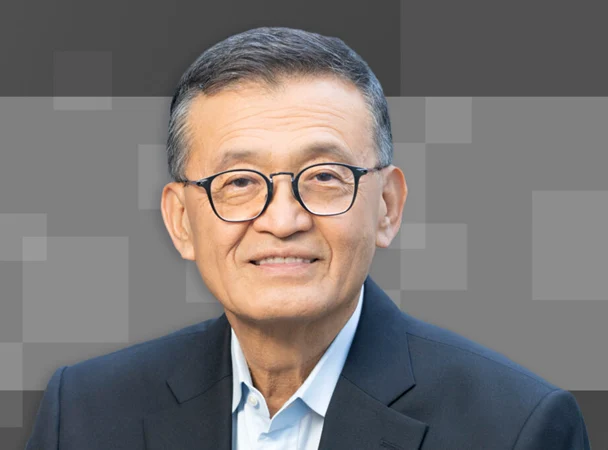
Tag: Lip-Bu Tan

  • Trump Demands Resignation of Intel CEO Lip-Bu Tan

    Trump Demands Resignation of Intel CEO Lip-Bu Tan

    Key Takeaways

    1. Intel is struggling with low yields on its 18A process, impacting profitability for Panther Lake CPUs.
    2. President Trump called for the resignation of Intel CEO Lip-Bu Tan, citing conflicts of interest.
    3. Senator Tom Cotton raised concerns about Tan’s connections to Chinese companies and is awaiting Intel’s response.
    4. If Tan resigns, he would be the second CEO to leave Intel within a year, following Pat Gelsinger’s exit.
    5. Intel may benefit from potential financial relief from TSMC due to lower tariffs, though this deal is not yet confirmed.


    Intel’s ongoing troubles appear to be worsening every day. A previous report from Reuters indicated that the company is still facing challenges with its 18A yields, leading to poor profitability for Panther Lake CPUs. Recently, President Donald Trump intensified the situation with a new post on Truth Social, stating:

    The INTEL CEO is deeply CONFLICTED and must resign, immediately. There is no other way to fix this issue. Thank you for your attention to this matter!

    Concerns from Lawmakers

    This comes shortly after US Senator Tom Cotton raised alarms about Intel CEO Lip-Bu Tan’s suspected ties to China. Senator Cotton claims Mr. Tan “controls dozens of Chinese companies and has interests in hundreds of Chinese advanced-manufacturing and chip firms,” and he has requested a response from Intel by August 15. As of now, Intel has not released an official comment regarding this issue, but one is anticipated soon, especially with the deadline approaching.

    Potential Changes at Intel

    If Lip-Bu Tan were to resign or be removed, he would be the second CEO to leave Intel within a year, following Pat Gelsinger’s departure in December 2024. However, not everything is bleak. Intel might receive a much-needed financial boost from TSMC due to lower tariffs. Yet, this deal has yet to be finalized or confirmed by either side. Additionally, there are whispers about possible candidates interested in acquiring Intel, but these rumors seem to be mostly speculation and should be taken lightly until more information comes to light.

    Source:
    Link


  • Cadence Export Violations Impact Intel CEO Lip-Bu Tan’s Tenure

    Cadence Export Violations Impact Intel CEO Lip-Bu Tan’s Tenure

    Key Takeaways

    1. Cadence Design Systems admitted guilt to conspiracy for illegal export control violations related to chip design software sold to Chinese front companies.
    2. The company agreed to pay a $140 million fine and will be on probation for three years.
    3. Lip-Bu Tan served as CEO during the violations, raising concerns about executive accountability, although he faced no direct legal action.
    4. The case highlights a trend where corporate leaders avoid personal responsibility for misconduct, with penalties primarily targeting the companies instead.
    5. The situation emphasizes a significant gap in accountability within corporate structures, suggesting a need for stronger regulatory actions.


    During Lip-Bu Tan’s time in charge, Cadence Design Systems admitted guilt to “conspiracy to commit export control violations,” as reported by the U.S. Department of Justice. These violations were related to the illegal sale of chip design software and hardware to Chinese front companies linked to the National University of Defense Technology—an entity that U.S. officials say supports nuclear explosion simulations. Cadence has agreed to pay a fine of 140 million dollars and will be on probation for a period of three years.

    Leadership and Accountability

    Tan was the CEO of Cadence from 2009 until December 2021 and continued to serve as executive chairman until May 2023. The illegal exports took place between 2015 and 2021. Although no legal actions have been brought against Tan directly, the occurrence of these violations during his leadership has raised questions regarding executive oversight. Furthermore, Tan’s current role as CEO of Intel places him at the forefront of U.S. initiatives to regain control over semiconductor production and technology exports.

    Corporate Culture and Consequences

    This case reflects a larger trend where top corporate figures avoid personal responsibility, even in situations of serious misconduct. For instance, Elon Musk has not faced any legal repercussions for the multiple deaths related to Tesla’s Autopilot system, despite aggressive promotion and ongoing safety issues. Similar to Cadence, the penalties have mainly focused on the company itself rather than the individuals who were steering the company during these troubling times.

    The settlement involving Cadence underscores the reality that enforcement of export controls and safety regulations often fails to reach the highest levels of management. With leaders like Lip-Bu Tan and Elon Musk remaining protected despite the severe consequences under their guidance, the sector continues to function under a system where the costs of wrongdoing are merely factored into the financial plans.

    Conclusion

    The issues raised by this case indicate a significant gap in accountability within corporate structures. The Cadence situation, alongside examples like Tesla, suggests that without strong regulatory action, business leaders may feel free to act without fear of personal repercussions.

    Source:
    Link


  • Intel to Cut Over 20,000 Jobs to Reduce Bureaucracy

    Intel to Cut Over 20,000 Jobs to Reduce Bureaucracy

    Key Takeaways

    1. Intel plans to lay off over 20% of its workforce, about 20,000 employees, to simplify management and reduce red tape.
    2. The new CEO, Lip-Bu Tan, aims to restore an engineering-focused culture and rejuvenate the company’s engineering talent.
    3. The layoffs are expected to be announced alongside Intel’s first-quarter financial results on April 24.
    4. Intel’s current employee count stands at approximately 108,900 after previous layoffs in August 2024.
    5. The company faces challenges in maintaining market share against competitors like Nvidia and AMD, and its return to previous sales levels may take years.


    Intel appears to be gearing up for a significant overhaul that might not bode well for its workforce. A recent report indicates that the company plans to let go of over 20% of its employees in an effort to simplify management and cut down on red tape. Changes have been underway at Intel ever since new CEO Lip-Bu Tan took the helm last month. The announcement regarding the layoffs is anticipated this week.

    Rebuilding Engineering Culture

    According to a Bloomberg report, which references a source privy to the situation, this bold strategy aims to restore an engineering-focused environment at Intel. This aligns with Tan’s view that the company must rejuvenate its engineering talent that has diminished over time. Tan believes Intel should modify its manufacturing techniques to better meet customer demands. This approach seemingly involves laying off more than 20% of the workforce, which translates to around 20,000 employees worldwide.

    Current Employee Count

    By the close of 2024, Intel was reported to have 108,900 employees, following a previous wave of layoffs in August 2024. The new round of job cuts is expected to be disclosed on Thursday, April 24, coinciding with the release of first-quarter financial results.

    Market Challenges

    Intel has been facing difficulties in maintaining its market share against rivals such as Nvidia and AMD. Tan was appointed to tackle these challenges, and according to the report, his strategy includes creating more attractive products by divesting non-essential assets. Additionally, analysts have suggested that Intel may struggle to return to its former sales heights. If it manages to do so, it might take many years to achieve that goal.

    Source:
    Link