Category: Computers

  • Cherry Mechanical Keyboards: German MX2A Switches for Work & Play

    Cherry Mechanical Keyboards: German MX2A Switches for Work & Play

    Key Takeaways

    1. Cherry has launched three new mechanical keyboards designed for office workers: KW 550 MX, KW 300 MX, and KW X ULP 2.0 Mini, focusing on productivity over flashy designs.

    2. All models feature double-shot, backlit PBT keycaps, Bluetooth connectivity for up to three devices, and minimalist fonts, catering to various workspace needs with different layouts.

    3. The KW 300 MX is a full-height keyboard with hot-swap sockets for switches, a volume knob, and a starting price of €139.99, but may be pricier than similar alternatives.

    4. The KW 550 MX LP has a low-profile design with Cherry’s MX Low Profile 2.0 switches, a 96% layout, and a retail price of €119.99, but lacks hot-swap functionality.

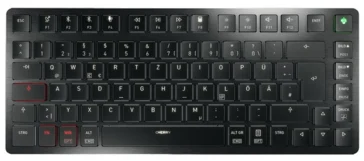
    5. The KW X ULP 2.0 Mini is a compact 75% keyboard featuring MX Ultra Low Profile 2.0 switches, designed for portability, with Bluetooth 5.2, 2.4 GHz connectivity, and compatibility for both macOS and Windows.


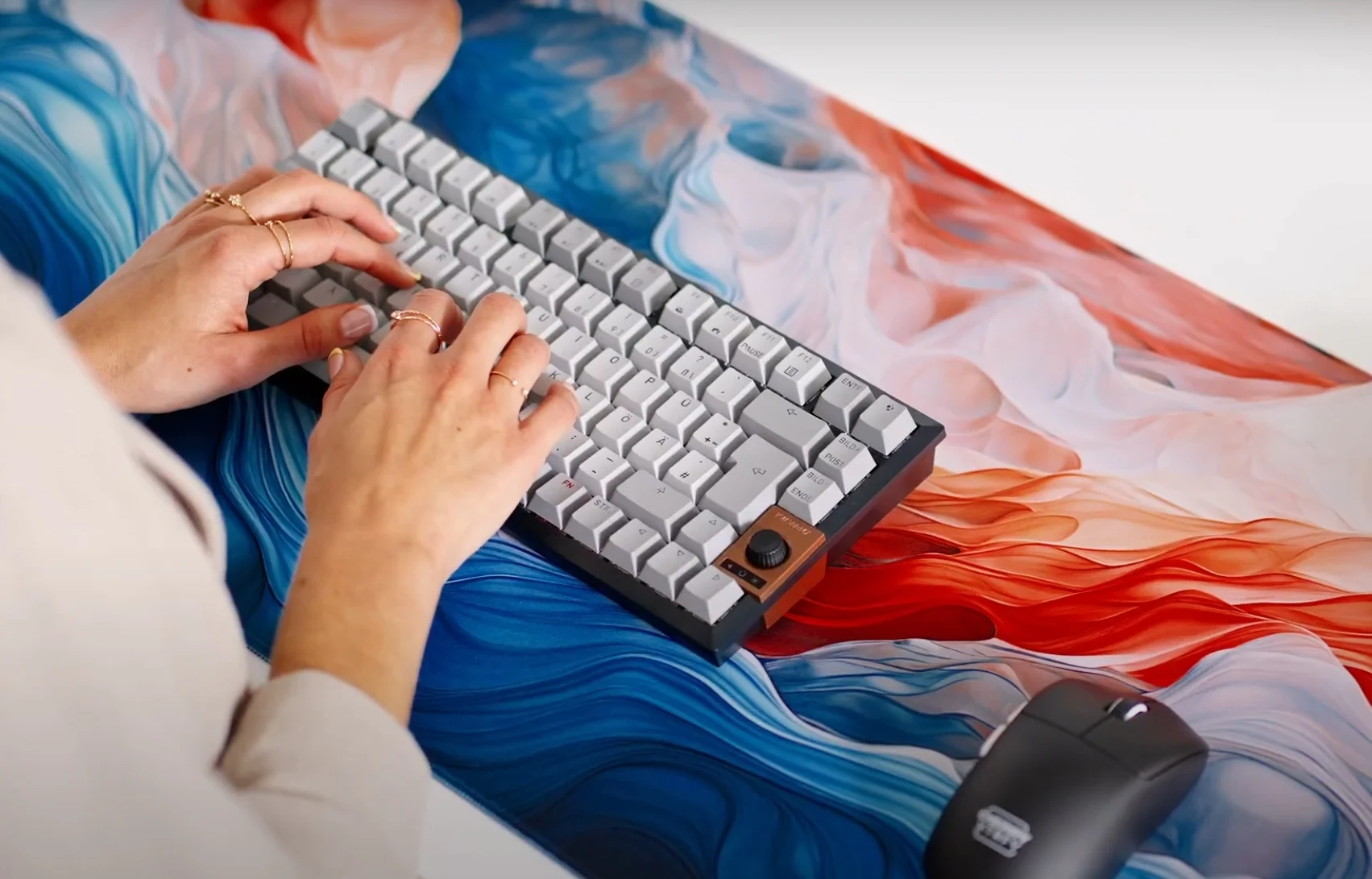
    Cherry has introduced three new mechanical keyboards aimed at office workers: the KW 550 MX, KW 300 MX, and KW X ULP 2.0 Mini. Each model comes with Cherry’s latest switches: MX2A, MX Low Profile 2.0, or MX Ultra Low Profile. These keyboards prioritize a simple design focused on productivity and typing experience rather than flashy RGB lighting, high polling rates, or extravagant designs.

    Focused on Productivity

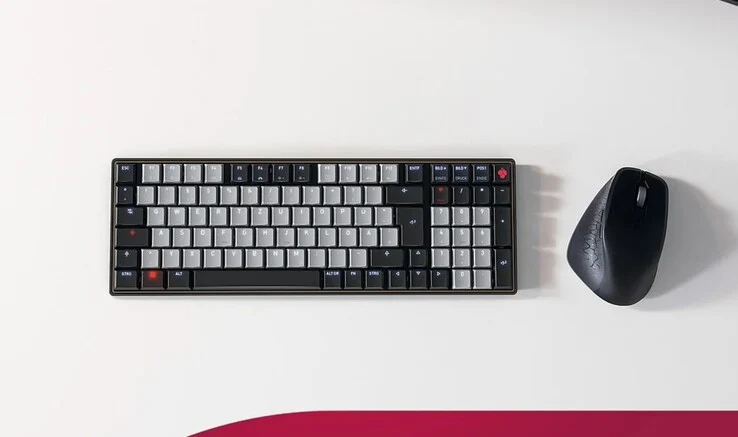
    All of the new keyboards come equipped with double-shot, backlit PBT keycaps that feature clear, minimalist fonts. They also support Bluetooth connectivity for up to three devices and have special backlights for indicator keys. The options range from the compact 75% layout of the KW X ULP 2.0 to the more functional 96% layout of the KW 550 MX LP, providing choices that cater to different workspace needs.

    Features of the KW 300 MX

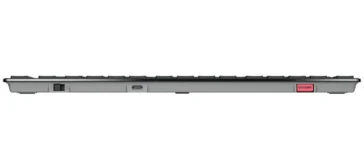
    The KW 300 MX is a full-height mechanical keyboard with a 75% layout, incorporating double-shot PBT keycaps and Cherry MX2A switches within a “soundproof” casing. It includes a handy knob that adjusts system volume, brightness, or keyboard connection modes. This model uniquely features hot-swap sockets, enabling users to easily switch out the switches for different feels, sounds, or actuation points. The KW 300 MX connects via Bluetooth 5.2 or USB Type-C and has a starting price of €139.99. However, this price might seem steep, especially when compared to alternatives like the Keychron V1 Max, which offers similar features and customization options at a lower cost.

    The Low-Profile KW 550 MX LP

    The KW 550 MX LP combines a low-profile design with Cherry’s MX Low Profile 2.0 switches within a 96% layout. This design includes a num pad while omitting the navigation cluster often found on full-size keyboards, making it more compact yet still practical for number-heavy tasks. It features a metal plate for added stability, but it lacks hot-swap functionality, meaning users cannot change the switches after purchase. The keyboard operates at 1,000 Hz polling, making it adequate for casual gaming, though it lacks advanced features like remapping. The retail price for the KW 550 MX LP is €119.99, and it is available exclusively in black directly from Cherry.

    A Portable Option: KW X ULP 2.0 Mini

    The Cherry KW X ULP 2.0 Mini is likely the most appealing option for mobile productivity enthusiasts, showcasing Cherry’s MX Ultra Low Profile 2.0 switches and polycarbonate keycaps. These switches are the same ones used in the Alienware 18 Area-51 laptop, which we previously noted to be among the most comfortable for gaming laptops.

    The KW X ULP 2.0 Mini features a compact 75% layout, unlike its predecessor, which was only available in a full-size version. This makes it significantly more portable. Like the other new models, it offers white backlit keys, Bluetooth 5.2, and 2.4 GHz connectivity, along with a detachable USB Type-C-to-A cable for charging and wired use. The keyboard also supports both macOS and Windows layouts, making it user-friendly for those who switch between different operating systems.

    Source:
    Link


  • New Microsoft Surface Laptop Details Released Early

    New Microsoft Surface Laptop Details Released Early

    Key Takeaways

    1. Microsoft has launched the Surface Laptop with a 13-inch screen and Snapdragon X Plus chipset, priced at $899.99.
    2. The upcoming Surface Laptop 8 is expected to be priced over $1,000 for the basic version with 16 GB RAM and 256 GB SSD.
    3. The Surface Laptop 8 may launch in October, continuing Microsoft’s trend for product releases.
    4. New models are anticipated to feature Qualcomm’s next-gen Snapdragon X2 series chipsets.
    5. Information on x86-based Surface Laptop 8 versions is unclear, with delays in Intel’s Panther Lake processors affecting their availability.


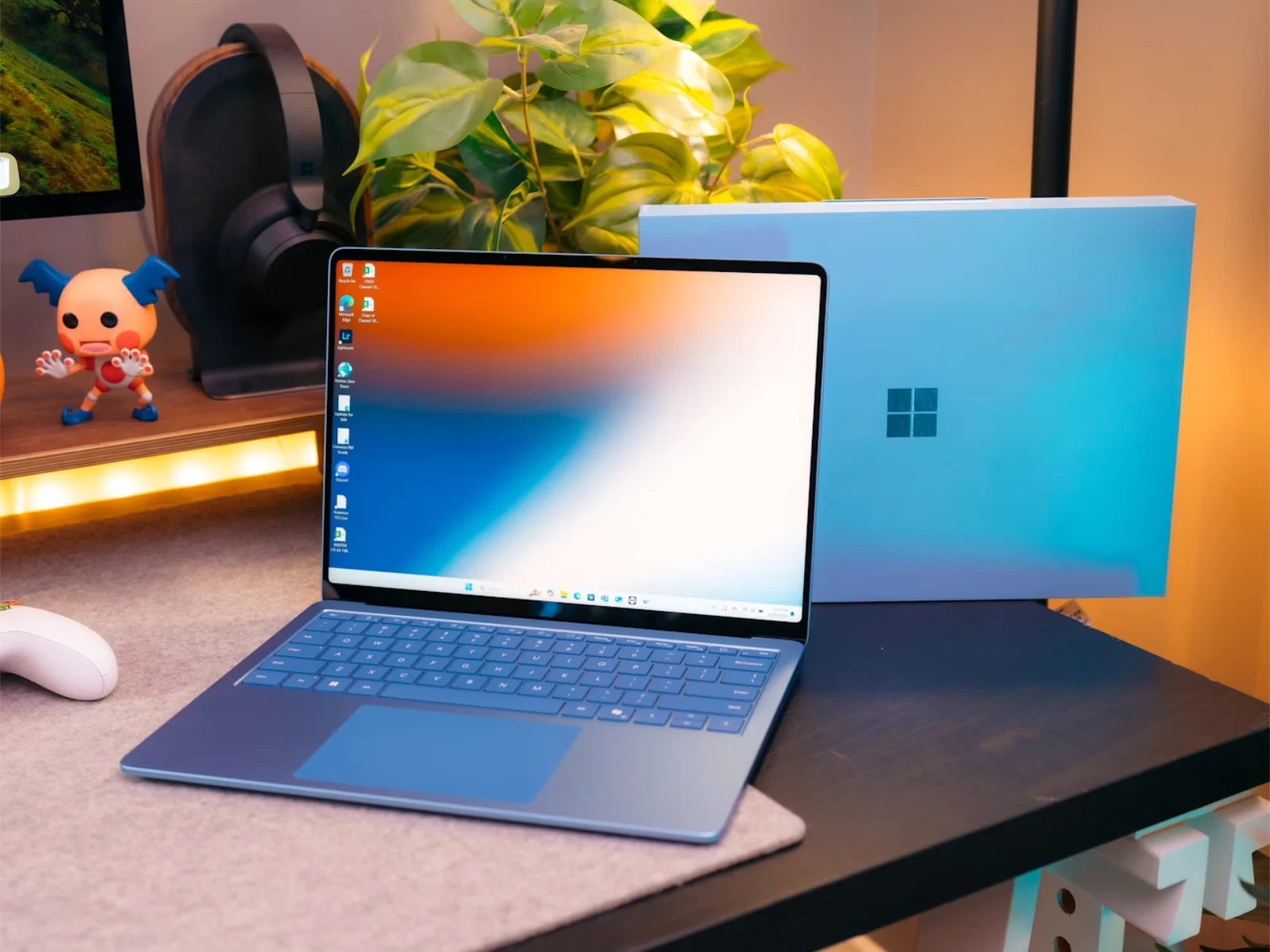
    Microsoft has been offering its initial ARM-based laptops for some time now. Launched in June 2024, the Surface Laptop 7 13 and Surface Laptop 15 were recently supplemented by a new smaller option, the Surface Laptop with a 13-inch screen and a less powerful Snapdragon X Plus chipset, currently priced at $899.99 on Amazon. Additionally, in January, Microsoft updated the Surface Laptop 7 by introducing x86-based processors as ‘for Business’ models.

    Future Plans for Surface Laptop Series

    Recently, Windows Central has provided new insights into the future of the Surface Laptop range. The website reports that the upcoming ARM-based Surface Laptop may see a slight increase in price to differentiate it from the existing 13-inch Surface Laptop. This means that the Surface Laptop 8 is expected to be priced over $1,000 even for the basic version with 16 GB of RAM and a 256 GB SSD.

    Expected Launch and Specifications

    As of now, there is no confirmed launch date. However, sources from Windows Central suggest that the Surface Laptop 8 will likely stick to Microsoft’s trend of releasing products in October. These new models are expected to feature Qualcomm’s next-gen Snapdragon X series chipsets, which will likely be known as the Snapdragon X2 series.

    In contrast, information regarding x86-based Surface Laptop 8 versions is still unclear at this moment. It has been said that the Surface Laptop 8 will only come with processors that are Copilot+ compatible, which must include 8 high-performance cores and 4 efficiency cores. Currently, none of Intel’s low-power laptop processors meet these requirements. With delays reported for Panther Lake processors until next year, it appears that Intel-powered Surface Laptop 8 units may not be available in time for a release in early 2026. Sadly, no additional information about these models has surfaced yet.

    Source:
    Link


  • Aaeon Launches Tiny Mini PC with Intel Core Ultra 5 125U

    Aaeon Launches Tiny Mini PC with Intel Core Ultra 5 125U

    Key Takeaways

    1. The Aaeon PICO-MTU4-SEMI is a compact mini PC aimed at industrial users, powered by the Intel Core Ultra 5 125U chip.
    2. It features a compact size of 108 x 95 x 43 mm and is passively cooled for quiet operation.
    3. The mini PC has 12 cores and 14 threads, with multi-core performance comparable to Apple’s M2.
    4. It includes an M.2 2280 slot for storage and supports up to 32 GB of LPDDR5 memory, along with various connectivity options.
    5. Pricing and availability details for the PICO-MTU4-SEMI are currently unknown, with a similar option available in the Minisforum M1 Pro.


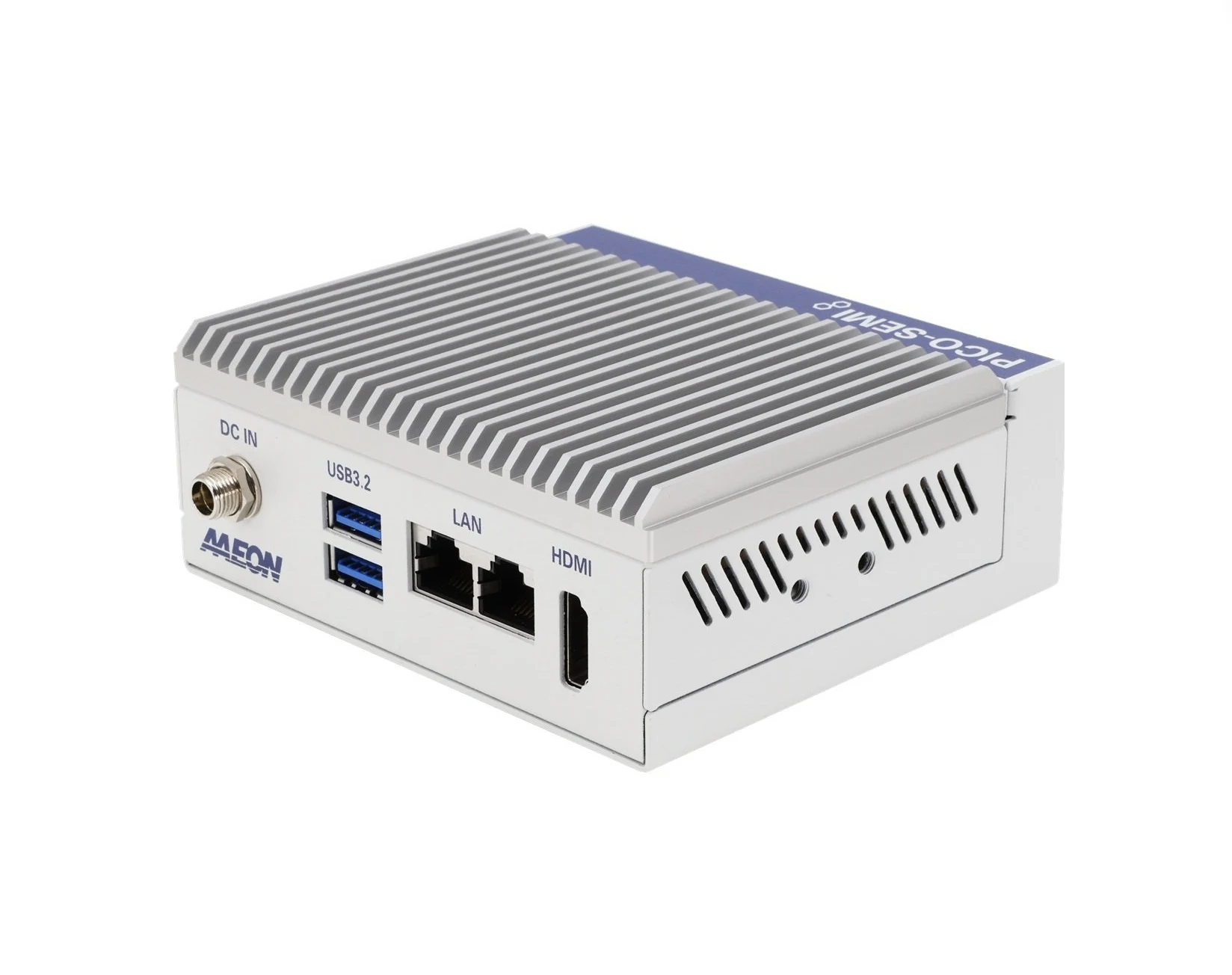
    A new mini PC named the PICO-MTU4-SEMI from Aaeon has recently been released. Forgetting about its strange name, this mini PC is strikingly small, which seems to be its main attraction. Aimed mainly at industrial users, the system is powered by Meteor Lake and comes with a wide array of connectivity options.

    Specifications Overview

    At the heart of the Aaeon PICO-MTU4-SEMI is the Intel Core Ultra 5 125U chip, which features 12 cores and 14 threads. The configuration includes 2 performance cores, 8 efficiency cores, and an additional 2 efficiency cores for low power tasks. According to trusted CPU benchmarks, the 125U’s multi-core performance is comparable to Apple’s M2.

    Design and Cooling

    The compact dimensions of the mini PC, measuring just 108 x 95 x 43 mm, means there isn’t room for a dedicated graphics card, but this shouldn’t be a significant issue for its intended users. As expected, the device is passively cooled, ensuring it operates quietly. Whether this silent approach affects long-term performance remains to be seen through independent evaluations.

    Connectivity and Memory

    For storage, the PICO-MTU4-SEMI includes an M.2 2280 slot and can accommodate up to 32 GB of single-channel LPDDR5 memory. Connectivity options are plentiful, with a variety of input/output ports available. Wireless connectivity can be achieved through the M.2 2230 slot. Unfortunately, specifics on pricing and availability are still unknown at this time.

    Source:
    Link


  • Lenovo ThinkPad E14 vs. ThinkBook 14: Business vs. Prosumer

    Lenovo ThinkPad E14 vs. ThinkBook 14: Business vs. Prosumer

    Key Takeaways

    1. Target Audience: Lenovo’s ThinkBook series is aimed at personal users and small to medium-sized businesses, while ThinkPads are primarily business-focused devices.

    2. Design Similarities: Both the ThinkBook 14 G8 and ThinkPad E14 G7 share similar designs and features, with modern aesthetics for the ThinkBook and an option for an aluminum base in the ThinkPad.

    3. Display Quality: The ThinkPad E14 G7 offers a superior display option with a 2.8K IPS screen and 120 Hz refresh rate, outperforming the ThinkBook 14’s 1080p display.

    4. Performance Differences: The ThinkBook 14 has better CPU performance due to higher power limits, while the ThinkPad E14 performs better in battery life and quiet operation.

    5. Key Consideration: For users prioritizing display quality, the ThinkPad E14 G7 is recommended, especially if relying on the internal screen rather than an external monitor.


    Most people who use laptops are familiar with the ThinkPad name, knowing it’s synonymous with business devices. However, Lenovo also offers a range called ThinkBook, which caters to both personal users and businesses, mainly targeting small to medium-sized companies. We have recently evaluated the latest 14-inch models: the ThinkBook 14 G8 and the ThinkPad E14 G7. Both models are comparably priced and feature the Core Ultra 7 255H along with Arc Graphics 140T.

    Design and Build Quality

    When you examine the design, including maintenance options, ports, and keyboard layout, there isn’t a significant difference between the two laptops. Each has an aluminum lid paired with a plastic base, although the ThinkPad can also be purchased with an aluminum base. The most noticeable distinction lies in their aesthetics—the ThinkBook presents a more modern look with its silver finish. Both laptops boast two slots for memory and SSD upgrades, as well as a good number of USB ports, including Thunderbolt 4. Notably, only the ThinkBook features a card reader. The keyboards are quite similar, yet the ThinkPad has a slight edge, but it’s not a major difference.

    Display and Battery Life

    The ThinkPad E14 G7 is particularly impressive regarding its display, as our test unit came with an optional 2.8K IPS screen that features 120 Hz refresh rate. This screen clearly outperforms the standard IPS display on the ThinkBook 14, which has less than 300 nits brightness, 1080p resolution, 60 Hz refresh rate, and a limited color range. Despite having a superior display, the ThinkPad also achieves better battery life, thanks to its larger battery (64 Wh compared to 45 Wh).

    Performance Comparison

    In terms of raw CPU performance, the ThinkBook 14 comes out ahead with higher power limits (50/38 Watts compared to 45/28 Watts), whether under short bursts of activity or extended workloads. The graphics performance on the ThinkPad suffers due to a single-channel memory setup, but this can be easily remedied by adding a second memory module if necessary. However, the higher performance of the ThinkBook 14 does lead to slightly louder fan noise when under load.

    In summary, Lenovo has two very closely matched devices. The ThinkBook 14 is aesthetically more pleasing and offers greater CPU performance, while the ThinkPad E14 has a slight edge in chassis quality (especially with the aluminum base) and quieter operation with extended battery life. The standout feature, however, is the 120 Hz screen. If you frequently rely on the internal display rather than solely using an external monitor, the ThinkPad E14 G7 is undoubtedly the better option.


  • TP-Link BE3600 Travel Router Connects 90 Devices to Wi-Fi 7

    TP-Link BE3600 Travel Router Connects 90 Devices to Wi-Fi 7

    Key Takeaways

    1. Wi-Fi 7 Support: The TL-WR1502X router supports Wi-Fi 7, achieving combined bandwidths of up to 3.6 Gbps on 2.4 GHz and 5 GHz channels.

    2. High Device Capacity: It can support up to 90 wireless devices simultaneously.

    3. Portable Power Options: The router can be powered via USB-C, a power bank, and has a USB-A port for data transfer and internet access.

    4. Simplified Connectivity: Users can connect all devices ahead of time and easily connect to public networks without setting up each device individually.

    5. VPN Compatibility: The router supports OpenVPN and WireGuard, compatible with over 35 VPN services, and includes a USB port for sharing external hard drives across the network.


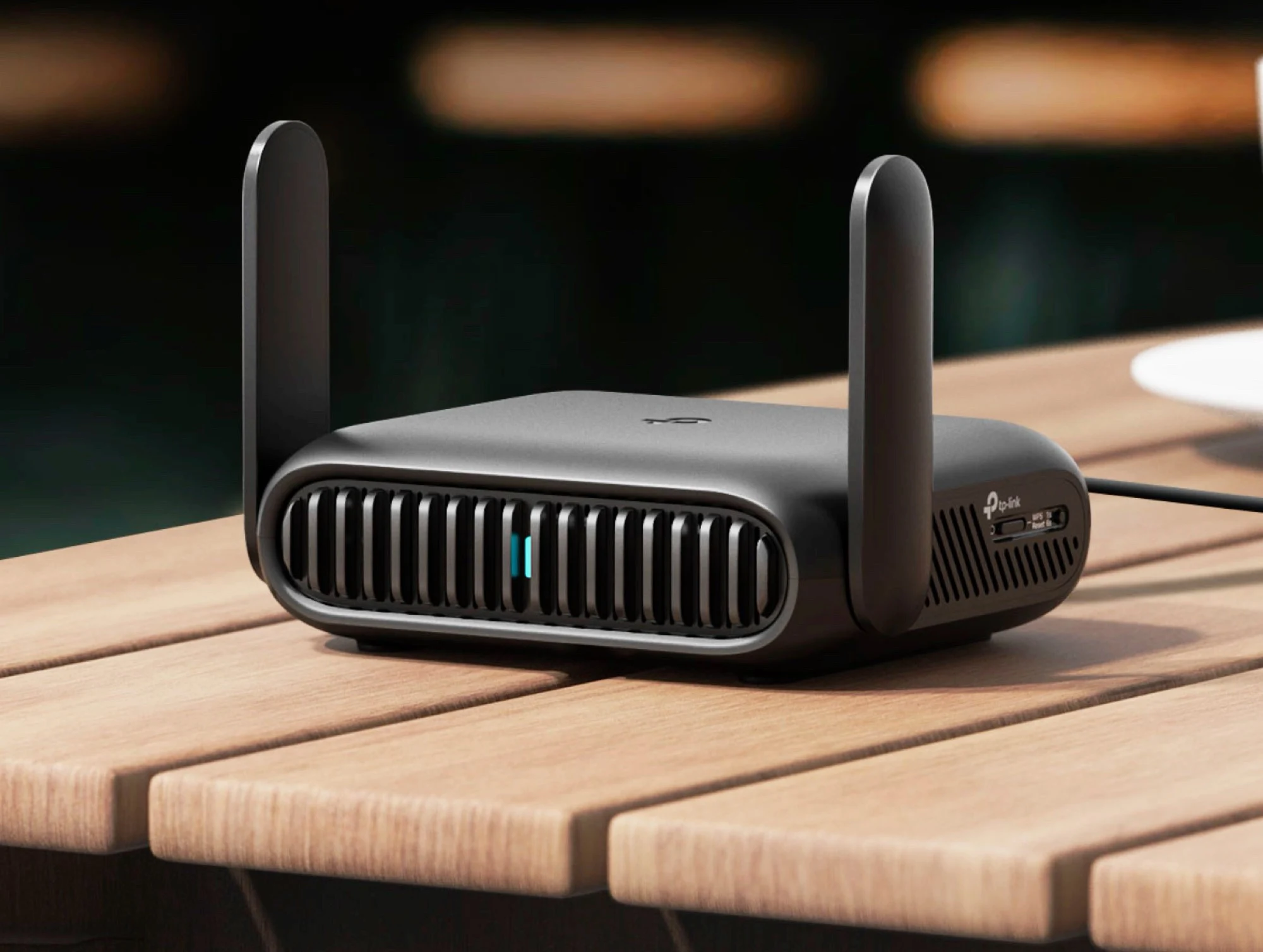
    TP-Link is adding a new powerful and portable Wi-Fi router to its lineup, the TL-WR1502X, which now includes support for Wi-Fi 7. This new feature enables it to achieve combined bandwidths of up to 3.6 Gbps when utilizing both the 2.4 GHz and 5 GHz channels. According to the company, this router can support as many as 90 wireless devices at once.

    Portable Power Options

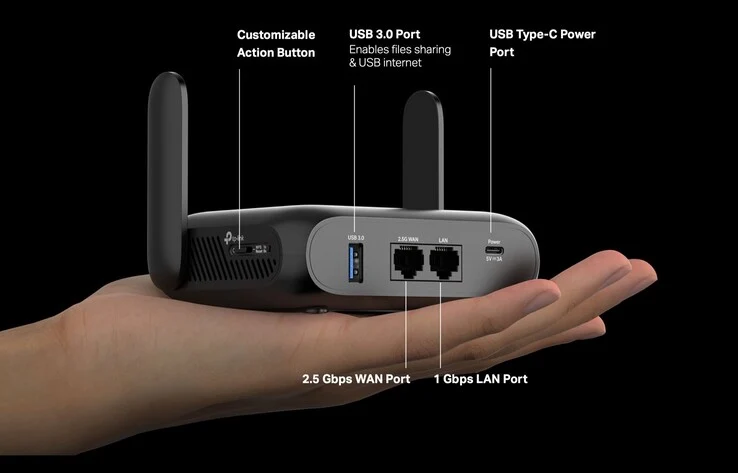
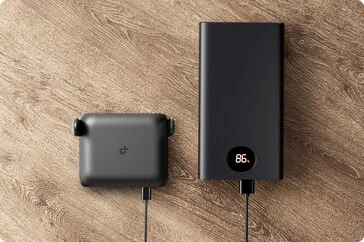
    For travelers, the router can be easily powered through a USB-C connection or by using a power bank. There’s also a USB-A port that supports data transfer speeds of up to 5 Gbps, allowing users to connect a 5G modem or a compatible smartphone for internet access. Additionally, users can plug into a 2.5 Gbps Ethernet port. As is common with TP-Link products, users can link the router to an existing Wi-Fi network through a dedicated smartphone application.

    Simplified Connectivity

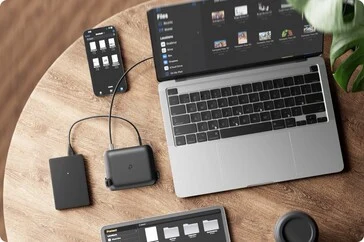
    This feature is particularly handy for connecting all devices to the router’s Wi-Fi ahead of time, which means you only need to connect the router to a public network when you arrive at places like airports or hotels, instead of setting up each device separately. The router also supports OpenVPN and WireGuard, making it compatible with over 35 VPN services. Plus, the USB port provides an option to share an external hard drive across the network.

    The TP-Link Wi-Fi 7 BE3600 Travel Router (TL-WR3602BE) is currently available in the United States for a price of $139.99. Details regarding its release in other countries are still to be announced. More information can be found on the official product page of TP-Link.

    Source:
    Link


  • Asus Launches ROG NUC 2025 Mini-PCs with RTX 5070 Ti and 5080

    Asus Launches ROG NUC 2025 Mini-PCs with RTX 5070 Ti and 5080

    Key Takeaways

    1. Asus launched the most affordable variant of the ROG NUC (2025) in China, featuring Intel Core Ultra 9 processors and an Nvidia GeForce RTX 5070 Ti GPU.
    2. The starting price for the ROG NUC (2025) in China is CNY 18,999 (approximately $2,644), with a configuration of 32 GB of RAM and a 2 TB SSD.
    3. A budget-friendly version with a 1 TB SSD was planned but is not mentioned in the latest updates.
    4. Asus is expanding the availability of the ROG NUC (2025) to more markets, including the US, where it was initially priced at $2,849 but has since increased to $3,199.
    5. The ROG NUC (2025) is currently available on Amazon in Germany, the UK, and the US, with varying prices.


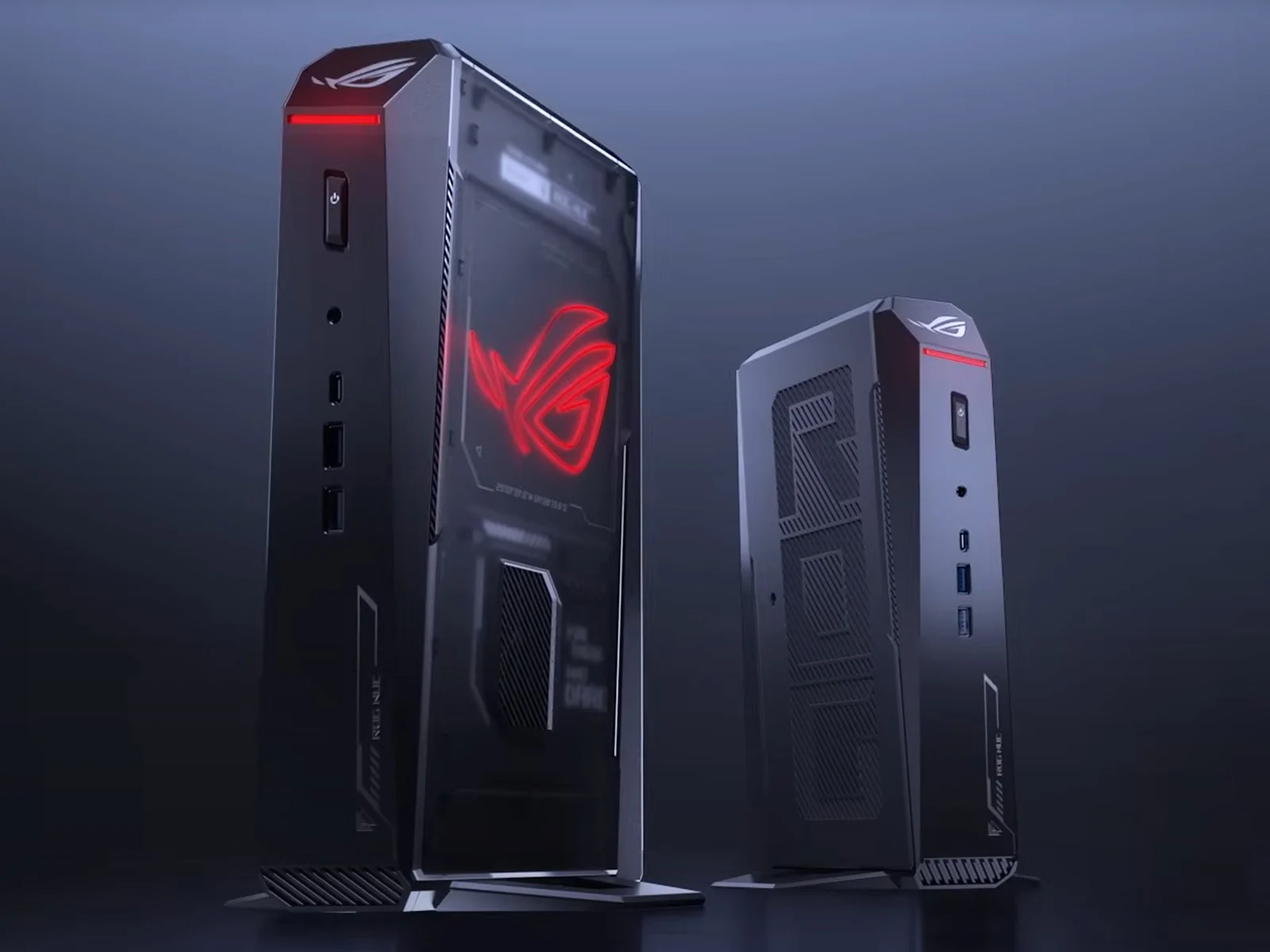
    Asus has just launched the most affordable variant of the ROG NUC (2025) in China. This announcement came two months after the initial reveal of the ROG NUC (2025) in January at CES 2025, where it featured Intel Core Ultra 7 and Core Ultra 9 processors along with an Nvidia GeForce RTX 5080 laptop GPU.

    Configuration Options

    At this moment, Asus is providing the ROG NUC (2025) equipped only with the Core Ultra 9 275HX. This model can be purchased starting at CNY 18,999 (approximately $2,644) in China, which includes a GeForce RTX 5070 Ti, 32 GB of RAM, and a 2 TB SSD. There was also a plan for a more budget-friendly 1 TB SSD version priced at CNY 18,399 (~$2,561), but it appears that ITHome’s latest update doesn’t mention this option.

    Expansion to Other Markets

    It looks like Asus is gearing up to distribute the same mini-PC widely in additional markets. For reference, the highest-end model made its way to the US roughly six weeks ago, initially priced at $2,849. Interestingly, the price for this SKU on Asus’s website has now increased to $3,199. In contrast, Amazon US has maintained the original price for the time being. Presently, we can discover the following three ROG NUC (2025) models available through Amazon’s German, UK, and US stores.

    Source:
    Link


  • Microsoft XP Crocs: Comfort for Your Feet with Clippy Design $80

    Microsoft XP Crocs: Comfort for Your Feet with Clippy Design $80

    Key Takeaways

    1. Microsoft is celebrating its 50th anniversary with a unique collaboration: special edition Crocs inspired by Windows XP.
    2. The Crocs are priced at $80 and come with six Microsoft-themed Jibbitz charms featuring classic Microsoft icons.
    3. The design is based on the iconic “Bliss” wallpaper from Windows XP, featuring a green sole and blue upper to represent the landscape.
    4. Each order includes a drawstring backpack with the Bliss design, aimed at collectors and fans of the Windows XP theme.
    5. This is not Microsoft’s first shoe collaboration; they previously partnered with Crocs for a Minecraft-themed collection in 2023.


    Microsoft is hitting a big milestone, turning 50 years old, and instead of just having a normal celebration, it’s surprising us with something really unique: Crocs. The company has been working behind the scenes to create a special edition of Crocs inspired by Windows XP, and insiders have told The Verge these are available for pre-order, but only for Microsoft employees.

    Pricing and Features

    These exclusive Crocs cost $80 per pair and come with six Microsoft-themed Jibbitz charms, which are little decorations that you can attach to the shoe. The charms showcase classic Microsoft symbols like the Internet Explorer logo, the original MSN butterfly, a mouse pointer, and the famous Clippy assistant.

    Design Inspiration

    The design takes its cues from the “Bliss” wallpaper of Windows XP, featuring a green sole representing the grassy hill and a blue upper that stands for the sky. The photo of Bliss was taken by Charles O’Rear in Sonoma County, California, back in 1998. Microsoft later used this image as the default wallpaper for Windows XP when it launched in 2001. It’s now known as one of the most seen photographs ever.

    Along with the Crocs, every order also comes with a drawstring backpack that showcases the same Bliss design. This bag is intended to enhance the Windows XP theme for both collectors and anyone who sees it.

    Previous Collaborations

    This isn’t the first time Microsoft has ventured into branded shoes. In 2023, they partnered with Crocs to create a Minecraft-themed collection that included clogs, slides, and various blocky Jibbitz. This collaboration even made its way into the game, allowing players to get a free pair of digital Crocs for their avatars.

    So far, Microsoft hasn’t made an official statement regarding these Crocs or whether they will be sold through their consumer stores or other retailers.

    Source:
    Link


  • TSMC to Double 2nm Arizona Foundry Investment, Not Buying Intel

    TSMC to Double 2nm Arizona Foundry Investment, Not Buying Intel

    Key Takeaways

    1. TSMC’s investment in Arizona has increased from $165 billion to a potential $300 billion due to tariff concerns.
    2. Discussions about TSMC acquiring Intel occurred, but the US decided against pushing for this buyout.
    3. The initial $165 billion investment covers only 7% of the chip demand from US companies like Apple.
    4. A 20% tariff on semiconductors from Taiwanese foundries is expected to be announced soon, prompting TSMC’s increased investment.
    5. TSMC aims to produce at least 30% of its global 2nm manufacturing in Arizona and is not moving forward with the Intel acquisition.


    After the announcement that the tariffs imposed by the Trump administration on chip imports might put TSMC’s $165 billion investment in a 2nm/3nm process foundry in Arizona at risk, the company appears to be facing an even bigger financial commitment.

    Increased Investment Amount

    Trump has stated that TSMC’s investment in the US will now be no less than $300 billion, which is nearly two times what they had previously promised. However, this amount still falls short of a rumored Intel buyout that US officials purportedly wanted TSMC to pursue.

    Industry Insights

    Ming-Chi Kuo, a well-known analyst from Taiwan who accurately forecasted the A18 Pro chipset for the iPhone 16 Pro Max, has confirmed that discussions about TSMC acquiring Intel did take place. Nevertheless, the US decided not to push forward with this request after understanding the real challenges Intel is facing.

    Instead, it seems that TSMC will now need to invest around $300 billion into its production facilities in Arizona. So far, the company has announced investments totaling $165 billion, which, according to Treasury Secretary Scott Bessent, would only cover about 7% of the modern chips that US companies like Apple actually require.

    Future Expectations

    This percentage is expected to increase substantially if TSMC truly commits $300 billion to direct investments in the US, as a strategy to avoid a 20% tariff on semiconductors produced in its Taiwanese foundries. This tariff is anticipated to be announced next week. If the White House had indeed required TSMC to acquire Intel along with this investment, the chipmaker would face a staggering $565 billion commitment in the US, which seems rather improbable.

    According to Kuo, given Trump’s usual approach, the most likely scenario is that TSMC will negotiate to lower the initial high demands for tariffs and investments set at the beginning of discussions.

    Nonetheless, TSMC has ambitious plans for Arizona, aiming to produce at least 30% of its global 2nm manufacturing there and plans to create even more advanced nodes in the future. It is important to note that TSMC is not going forward with buying Intel, even though the foundry plays a significant role in US trade talks with Taiwan.

    Source:
    Link


  • Asus V500 Mini Tower: Quiet, Affordable, and GPU-Friendly Design

    Asus V500 Mini Tower: Quiet, Affordable, and GPU-Friendly Design

    Key Takeaways

    1. Compact Design: The Asus V500 Mini Tower has dimensions of 34.7 x 29.6 x 15.5 cm and a volume of nearly 24 liters, making it smaller than traditional towers but larger than mini PCs.

    2. Powerful Processor: It features a laptop-sized Intel Core i7-13620H processor with six performance cores that can boost up to 4.9 GHz and six efficiency cores.

    3. Efficient Cooling and Noise: The device uses a desktop-sized cooler, maintaining 95 watts power dissipation, and operates at a low noise level of 38 dB under load, thanks to the laptop processor.

    4. Upgrade Options: It supports up to 64 GB of RAM, 4 TB of SSD storage, and includes an upgradable Nvidia GeForce RTX 4060 GPU via PCIe 4.0 x8.

    5. Pricing and Features: The base model starts at $549.99, with optional upgrades available, including a $230 upgrade for the i7 processor and 16 GB of RAM, along with a variety of ports and Wi-Fi 6 support.


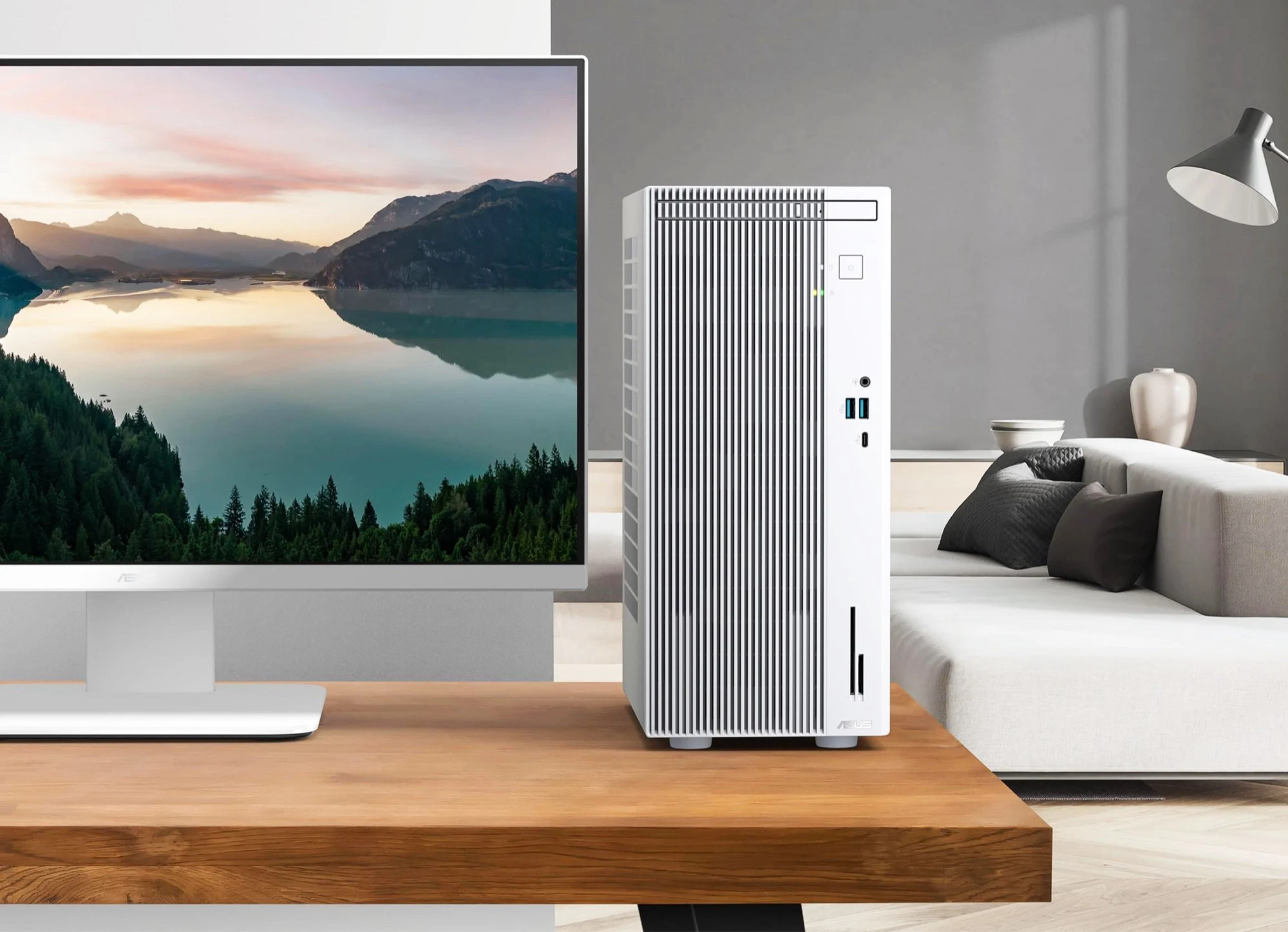
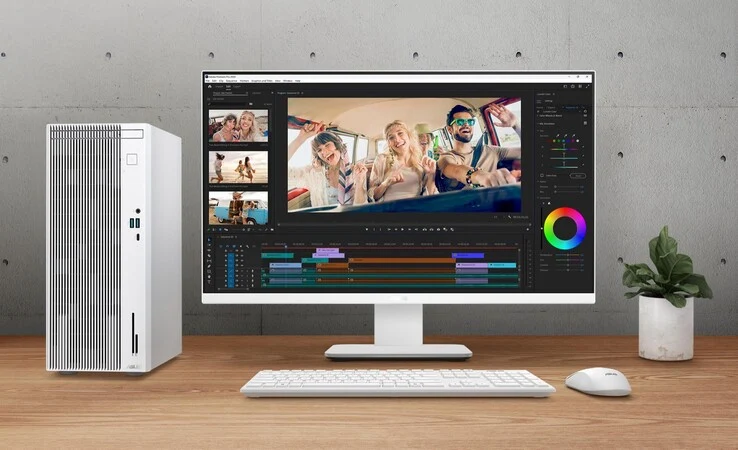
    The Asus V500 Mini Tower is a compact device with dimensions of 34.7 x 29.6 x 15.5 centimeters and a volume of nearly 24 liters. While it is small, it is not as tiny as a mini PC. It’s quite surprising that Asus has included a laptop-sized processor in this model, going up to the Core i7-13620H. This chip has six performance cores that can boost up to 4.9 GHz, along with six efficiency cores.

    Performance and Cooling

    This processor is teamed up with a desktop-sized cooler, which helps it maintain a power dissipation of 95 watts. Asus claims that using a laptop processor instead of a traditional desktop one offers two main benefits. Firstly, it reduces power usage by around 34%. Secondly, it keeps the tower quieter, with a fan noise level of 38 dB when under load. It’s unfortunate that Asus chose a notebook chip, as it limits future upgrades, while a power-efficient Intel T-series desktop processor could have provided similar benefits.

    Upgrade Options and Features

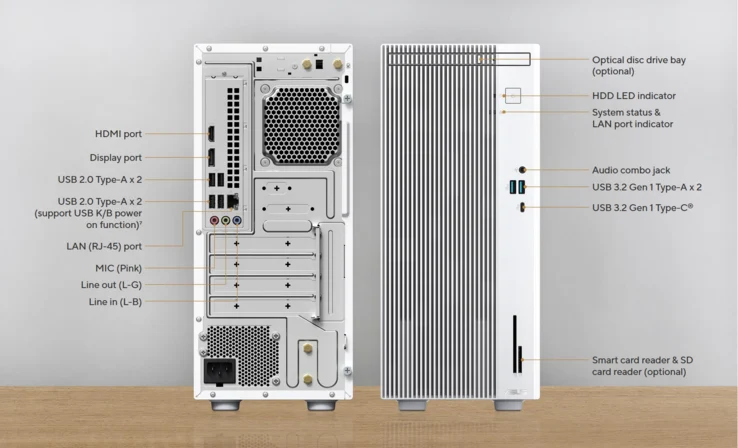
    One version of this tower includes an Nvidia GeForce RTX 4060 desktop GPU, which is upgradable through PCIe 4.0 x8. The device is powered by a 180-watt power supply. Asus states that it can support up to 64 GB of RAM and 4 TB of SSD storage. Besides HDMI and DisplayPort, the tower also comes with a USB-C port (5 Gbps), six USB-A ports, Wi-Fi 6, and Bluetooth 5.4 capabilities.

    The starting price for the Asus V500 Mini Tower is $549.99, available directly from Asus for the base configuration. For an extra $230, you can upgrade to the i7-13620H and 16 GB of RAM. However, the variant featuring the GeForce RTX 4060 is currently not available. More detailed specifications are available on the official product page.

    Source:
    Link


  • I-O Data Launches Compact SSPJ-UTC USB-C Flash Drives

    I-O Data Launches Compact SSPJ-UTC USB-C Flash Drives

    Key Takeaways

    1. The SSPJ-UTC is a compact USB-C flash drive designed for smartphones, tablets, and laptops, measuring only 8.5 mm in length when plugged in.
    2. It features fast transfer speeds with a peak read speed of 450 MB/s and a peak write speed of 400 MB/s.
    3. The drive is pre-formatted with exFAT for compatibility across Android, Apple, Linux, and Windows platforms.
    4. It comes in two storage capacities: 256 GB priced at approximately $53 and 512 GB priced at about $91.
    5. The SSPJ-UTC is set to start shipping in Japan in September 2025.


    I-O Data has introduced the SSPJ-UTC, a compact USB-C flash drive designed for smartphones, tablets, and laptops.

    Compact Design

    This drive extends only 8.5 mm (0.33 in.) from the USB-C port, which helps minimize the risk of it breaking when it is left plugged in. The whole device weighs 4.0 g (0.14 oz.) and measures 23 x 15 x 14 mm (0.91 x 0.59 x 0.55 in.).

    Fast Transfer Speeds

    According to I-O Data, the USB 3.2 Gen 1 drive boasts a peak read speed of 450 MB/s and a peak write speed of 400 MB/s. It’s pre-formatted with exFAT, ensuring wide compatibility across Android, Apple, Linux, and Windows platforms. Additionally, it allows for computer backups with Apple TimeMachine, Windows Backup, and I-O Data’s Sync Connect+ software.

    Available Capacities and Pricing

    The I-O Data USB drive will be available in two storage options: 256 GB (SSPJ-UTC256) and 512 GB (SSPJ-UTC512). Their prices are set at 7,700 yen (around $53) and 13,200 yen (about $91) respectively.

    The SSPJ-UTC is scheduled to start shipping in Japan in September 2025.

    Source:
    Link