Tag: Trump tariffs

  • TSMC to Double 2nm Arizona Foundry Investment, Not Buying Intel

    TSMC to Double 2nm Arizona Foundry Investment, Not Buying Intel

    Key Takeaways

    1. TSMC’s investment in Arizona has increased from $165 billion to a potential $300 billion due to tariff concerns.
    2. Discussions about TSMC acquiring Intel occurred, but the US decided against pushing for this buyout.
    3. The initial $165 billion investment covers only 7% of the chip demand from US companies like Apple.
    4. A 20% tariff on semiconductors from Taiwanese foundries is expected to be announced soon, prompting TSMC’s increased investment.
    5. TSMC aims to produce at least 30% of its global 2nm manufacturing in Arizona and is not moving forward with the Intel acquisition.


    After the announcement that the tariffs imposed by the Trump administration on chip imports might put TSMC’s $165 billion investment in a 2nm/3nm process foundry in Arizona at risk, the company appears to be facing an even bigger financial commitment.

    Increased Investment Amount

    Trump has stated that TSMC’s investment in the US will now be no less than $300 billion, which is nearly two times what they had previously promised. However, this amount still falls short of a rumored Intel buyout that US officials purportedly wanted TSMC to pursue.

    Industry Insights

    Ming-Chi Kuo, a well-known analyst from Taiwan who accurately forecasted the A18 Pro chipset for the iPhone 16 Pro Max, has confirmed that discussions about TSMC acquiring Intel did take place. Nevertheless, the US decided not to push forward with this request after understanding the real challenges Intel is facing.

    Instead, it seems that TSMC will now need to invest around $300 billion into its production facilities in Arizona. So far, the company has announced investments totaling $165 billion, which, according to Treasury Secretary Scott Bessent, would only cover about 7% of the modern chips that US companies like Apple actually require.

    Future Expectations

    This percentage is expected to increase substantially if TSMC truly commits $300 billion to direct investments in the US, as a strategy to avoid a 20% tariff on semiconductors produced in its Taiwanese foundries. This tariff is anticipated to be announced next week. If the White House had indeed required TSMC to acquire Intel along with this investment, the chipmaker would face a staggering $565 billion commitment in the US, which seems rather improbable.

    According to Kuo, given Trump’s usual approach, the most likely scenario is that TSMC will negotiate to lower the initial high demands for tariffs and investments set at the beginning of discussions.

    Nonetheless, TSMC has ambitious plans for Arizona, aiming to produce at least 30% of its global 2nm manufacturing there and plans to create even more advanced nodes in the future. It is important to note that TSMC is not going forward with buying Intel, even though the foundry plays a significant role in US trade talks with Taiwan.

    Source:
    Link


  • US Court of Appeals Reinstates Tariffs: Key Updates

    US Court of Appeals Reinstates Tariffs: Key Updates

    Key Takeaways

    1. The U.S. Court of Appeals has temporarily reinstated tariffs set during the Trump era while the administration appeals a recent ruling.
    2. Judges have set deadlines for the plaintiffs and the Trump administration to respond to the appeal by June 5 and June 9, respectively.
    3. The Trump administration claims courts are blocking the president’s authority and policies through social media statements.
    4. The trade court asserts that only Congress has the constitutional power to manage international commerce, not the president.
    5. The ruling indicates that the tariff orders exceed the authority granted to the president under IEEPA and may ultimately be reviewed by the U.S. Supreme Court.


    After a decision by the Court of International Trade to lift the tariffs set by the Trump era, the United States Court of Appeals for the Federal Circuit in Washington has momentarily reinstated these tariffs while the administration appeals the ruling.

    Court Deadlines

    The judges instructed the plaintiffs to reply to the appeal by June 5 and the Trump administration by June 9. This action puts a hold on the trade court’s decision, which had called for an immediate cancellation of the tariffs.

    Trump Administration’s Reaction

    On social media, the Trump administration released a statement claiming that courts are attempting to obstruct “the president’s power and the policies he was elected to carry out.”

    According to the trade court, it is Congress that holds the sole power to manage commerce with other nations, a constitutional duty that cannot be bypassed by the Act under which the tariffs were enacted.

    Ruling Highlights

    “The Worldwide and Retaliatory Tariff Orders surpass any authority assigned to the President by IEEPA for regulating imports through tariffs,” the ruling stated.

    The tariffs remain effective and may eventually reach the US Supreme Court, which could be the final authority on this matter.

    Source:
    Link

  • Trump Tariffs on Smartphones and Computers: Exemptions Update

    Trump Tariffs on Smartphones and Computers: Exemptions Update

    Key Takeaways

    – Trump granted temporary tariff exemptions for imported smartphones and computers, raising hopes for stable prices.
    – U.S. Commerce Secretary Howard Lutnick warned of potential new tariffs on electronics within a month, affecting consumer decisions.
    – Electronics manufacturers face uncertainty due to unpredictable tariffs, leading to sales and shipment halts.
    – Efforts to increase domestic production of electronics may take years and could result in higher prices for consumers.
    – Companies like Apple and Nintendo are shifting production to avoid tariffs, but new semiconductor tariffs could still affect pricing.


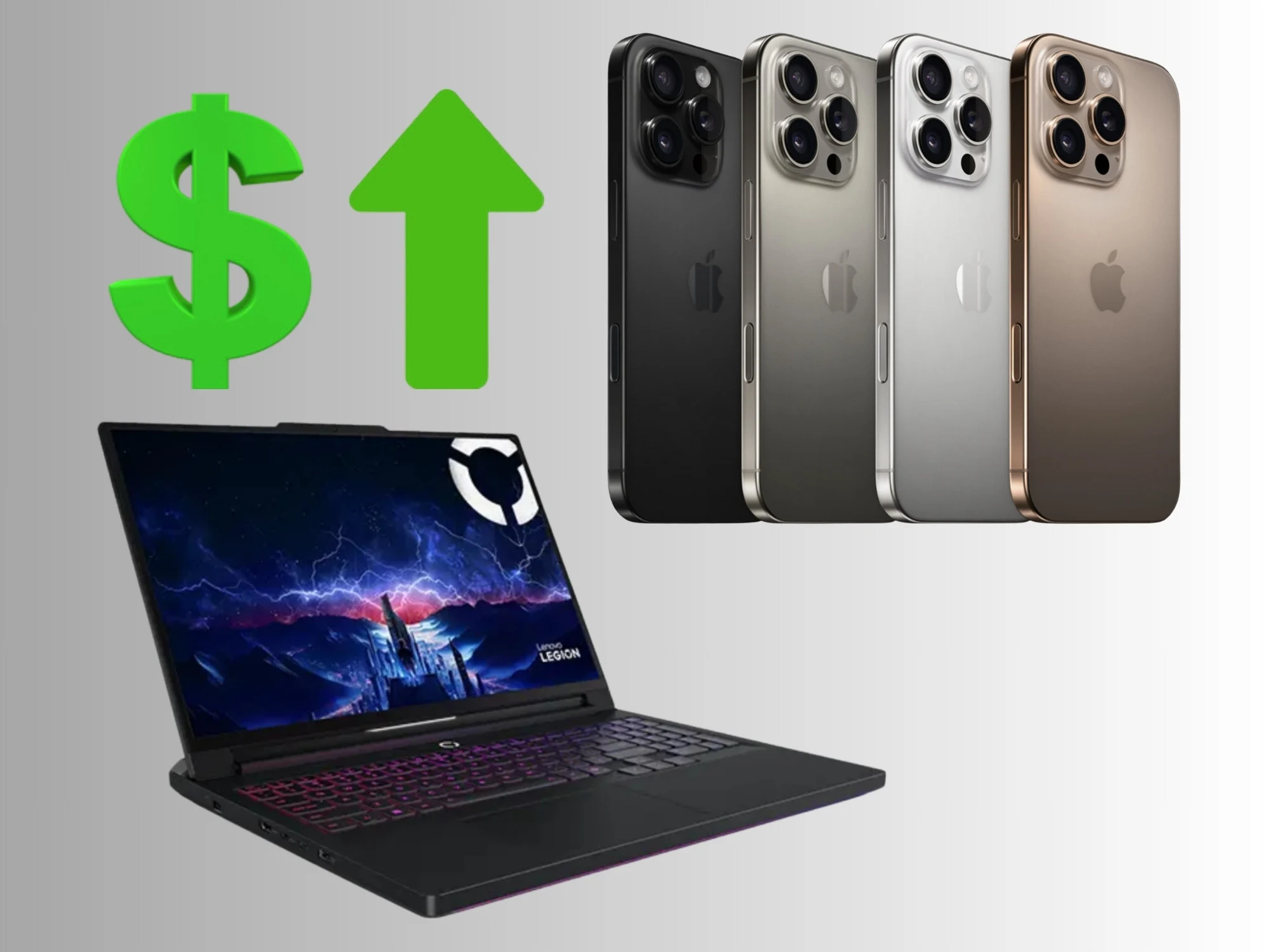
    On April 12th, it was revealed that Trump had granted tariff exemptions for imported smartphones and computers. This news sparked optimism among consumers that the prices and availability of popular tech products would stay steady. Unfortunately, it seems this relief from tariffs might be short-lived. U.S. Commerce Secretary Howard Lutnick informed ABC News that different tariffs on a range of electronics could be implemented in as little as a month.

    Latest Tariff Updates

    Lutnick shared the most recent information regarding tariffs on the ABC This Week program. He clarified that the forthcoming semiconductor tariffs would affect smartphones and computers. While he did not specify any percentage rates, the penalties could be milder than those imposed on other countries. Nevertheless, consumers are once again questioning whether they should buy electronics now before prices go up.

    Manufacturers in a Bind

    Electronics manufacturers are also in a tricky position regarding how to deal with the unpredictable Trump tariffs. Before the recent exemptions, many tech products produced in China were subjected to tariffs as high as 125%. Companies that make laptops, such as Razer, Dell, and Lenovo, have either ceased sales to U.S. customers or stopped shipments altogether. Due to the uncertainty around import charges, these firms may not quickly begin selling again.

    Domestic Production Challenges

    The Trump administration aims to boost domestic production of smartphones, laptops, and other electronic devices. However, most economists believe that this transition will take several years. Moreover, the products made domestically might still be priced higher than what Americans currently pay. Apple has pushed back against this notion, asserting that U.S. consumers wouldn’t gain from having cheaper iPhones.

    In a strategic move, Apple is building up its stock of iPhones in India to sidestep the most significant tariffs imposed on products from China. These smartphones will then be shipped to customers in the U.S. Similarly, Nintendo has used a comparable tactic with their Vietnam-manufactured Switch 2 consoles. Regardless, future semiconductor tariffs could still impact electronics, no matter where they are produced.

    Source:
    Link


  • Razer Blade Laptops Unavailable in US After Trump Tariff Announcement

    Razer Blade Laptops Unavailable in US After Trump Tariff Announcement

    Key Takeaways

    1. Trump’s new tariffs are impacting the laptop industry, affecting brands like Razer that rely on production in Asian countries.
    2. The Razer Blade gaming laptops are currently out of stock in the US, with no updates from Razer on restocking plans.
    3. Framework has been more transparent about their response to tariffs, pausing sales of certain models while keeping others available.
    4. Manufacturers face tough choices due to tariff impacts, with many pausing sales instead of raising prices.
    5. Razer laptops remain available on the Canadian site without price increases, but this situation may change as tariffs continue to affect the global market.


    The recent announcement about additional tariffs from Trump is starting to impact the laptop industry more and more. Several brands, including Razer, depend heavily on production in countries like China, Taiwan, or Vietnam. Currently, the popular Razer Blade gaming laptops are out of stock at the US online store. Razer has not commented on the situation, leaving customers curious about their plans regarding tariffs.

    Changes Noticed

    The Verge was among the first to spot these updates on Razer’s site. Just before the Trump tariffs made news on April 2nd, the Razer Blade 16 was available for purchase. Now, buyers can’t customize it anymore, and other laptop models only show a “Notify Me” option without any information on when they might be back in stock.

    Transparent Responses

    Framework, another laptop manufacturer, has been more open about how they are dealing with the tariffs. On April 7th, the company from California posted on X that they were stopping sales of several 13-inch models. Nevertheless, some of the more expensive models are still available.

    Dilemma for Manufacturers

    Even though companies like Framework and Razer have bases in the US, they still depend on manufacturing and parts from Asian countries. Since the Trump tariffs target imports from these regions, these manufacturers are faced with a tough choice. At this moment, many brands are opting to pause sales, hoping that negotiations will help lower the extra costs. The last option would be to increase prices, but most companies are hesitant to take that step.

    Interestingly, Razer laptops can still be found on the brand’s Canadian site without increased prices. However, this may change soon. With factories located in China and Vietnam, Nintendo made headlines by delaying the pre-orders for the Switch 2 in the US. Shortly after, they announced the same decision for Canada. Nintendo stated that it was part of a plan to better coordinate the console release. Regardless, the impact of Trump’s tariffs is affecting the global market, putting consumers everywhere at risk.

    Source:
    Link