Category: Computers

  • Ugreen Nexode 100W Charger with Retractable Cable Now Available

    Ugreen Nexode 100W Charger with Retractable Cable Now Available

    Key Takeaways

    1. Multi-Device Charging: The Nexode 100W Charger can charge up to four devices simultaneously, with a maximum output of 100W from the main USB-C port and built-in cable.

    2. Fast Charging Capability: It can charge a MacBook Pro 14 (M4 Pro) to 54% in just 30 minutes, with additional USB-C and USB-A ports providing 30W and 22.5W respectively.

    3. Durable Design: The integrated cable withstands over 25,000 retractions and 10,000 bends, while also featuring protections against overvoltage, overcurrent, and overheating.

    4. Compact Size: Utilizing GaN technology, the charger is small (2.7 x 2.2 x 2.0 inches) and lightweight (9.9 oz), making it portable and easy to carry.

    5. Affordable Pricing: The charger is currently available for $44.99 in the U.S., with similar discounts in Europe, making it a cost-effective option compared to its regular price.


    The Ugreen Nexode 100W Charger with Retractable USB-C Cable has been introduced globally. This charger is a stronger option compared to the Ugreen Nexode 45W USB-C Charger with Retractable Cable, which came out earlier in 2025.

    Charge Multiple Devices

    With the Nexode 100W Charger, you can charge up to four devices at the same time. It provides as much as 100W from the initial USB-C port and the built-in cable. This means you can charge a MacBook Pro 14 (M4 Pro) to 54% in just 30 minutes. The second USB-C port can give up to 30W, while the USB-A port can supply up to 22.5W. When all four ports are in use, the USB-C cable and USB-C1 port deliver 45W and 30W, sharing 15W between the other two ports.

    Durable and Compact

    The integrated cable of the Ugreen charger is reported to resist over 25,000 retractions and 10,000 bends, stretching up to 75 cm (about 29.5 inches). Additionally, it has safeguards against problems like overvoltage, overcurrent, and overheating. Thanks to GaN technology and foldable pins, this charger is quite small, measuring 2.7 x 2.2 x 2.0 inches (approximately 69 x 57 x 50 mm) and weighing 9.9 oz (around 280 g).

    Pricing and Availability

    Currently, you can find the Ugreen Nexode 100W Charger with Retractable USB-C Cable on Amazon for $44.99 (regular price $55.99) in the United States. It’s also sold by this retailer in Europe, priced at £37.99 (£49.99 regular price) in the UK and €59.99 in countries like France.

    Source:
    Link


  • Samsung Galaxy Book6 Ultra Benchmarks: Are They Red Herrings?

    Samsung Galaxy Book6 Ultra Benchmarks: Are They Red Herrings?

    Key Takeaways

    1. Samsung is developing a new premium Windows device, possibly bypassing the Galaxy Book5 Ultra for the Galaxy Book6 Ultra.
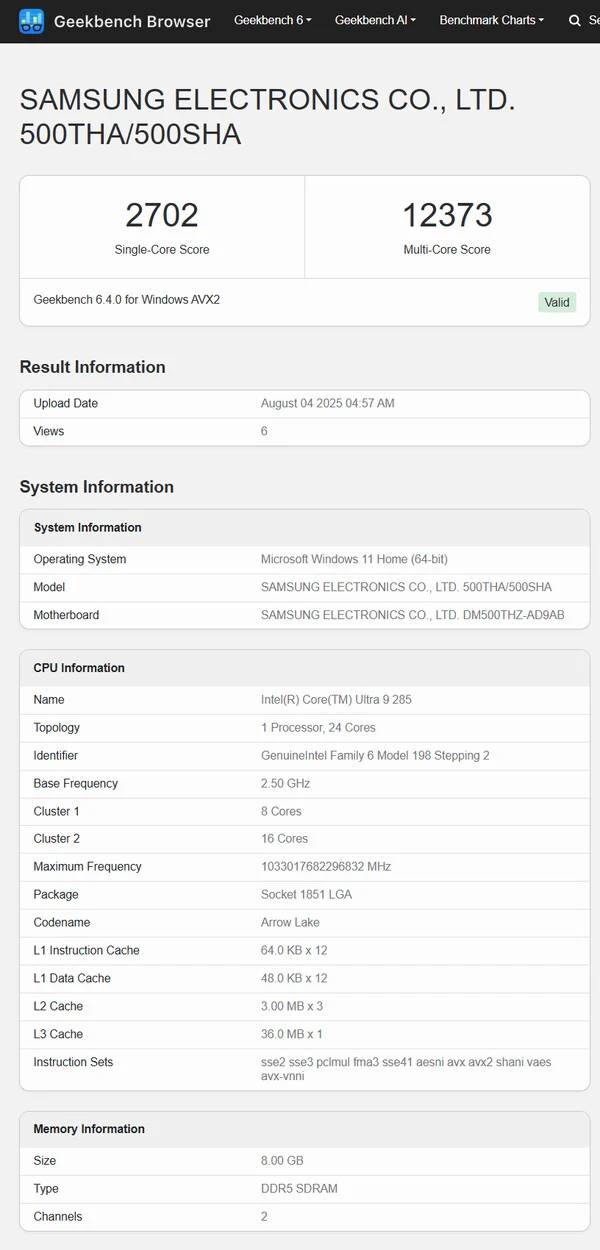
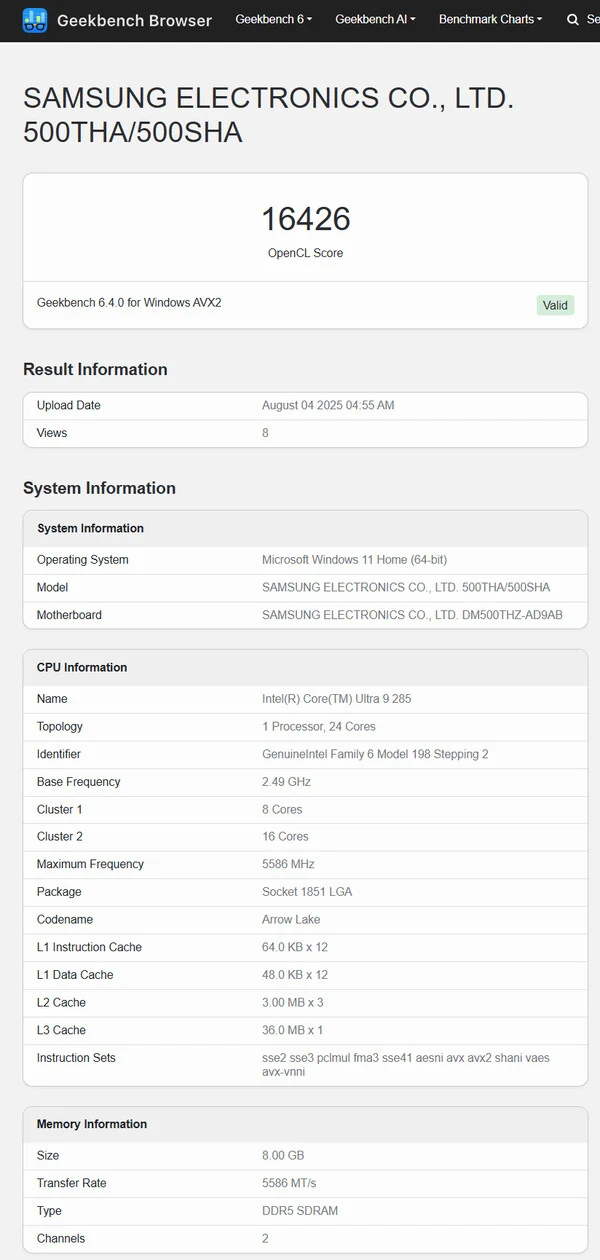
    2. Geekbench listings show model numbers 500SHA and 500THA, which indicate a desktop processor, not a laptop.
    3. The devices are expected to feature the Intel Core Ultra 9 285, priced at $579.99 on Amazon.
    4. Both listings show 24 CPU cores, aligning with the specifications of the Intel Core Ultra 9 285.
    5. The motherboard model ‘DM500THZ-AD9AB’ suggests a connection to an all-in-one desktop Samsung sells in South Korea.


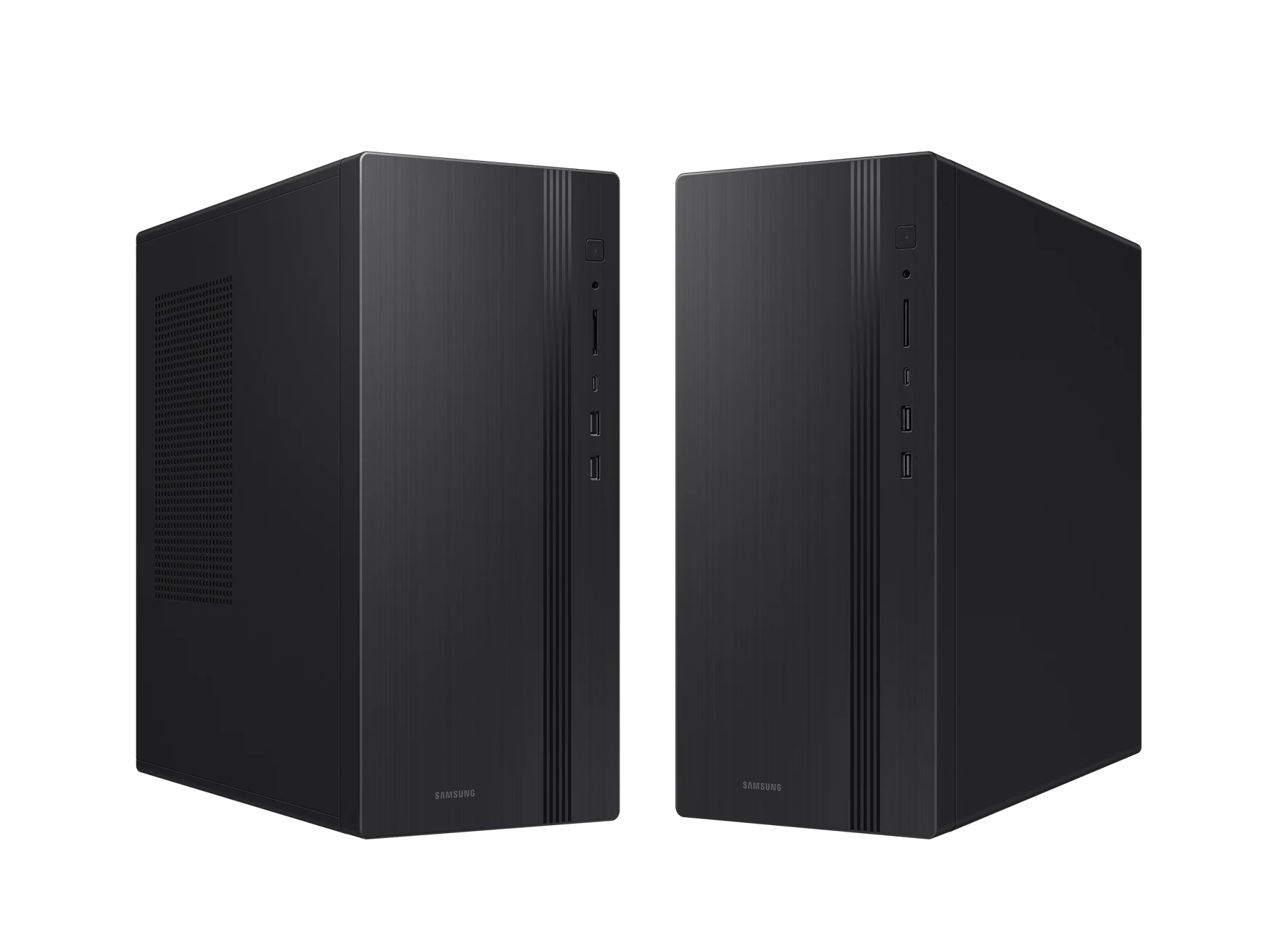
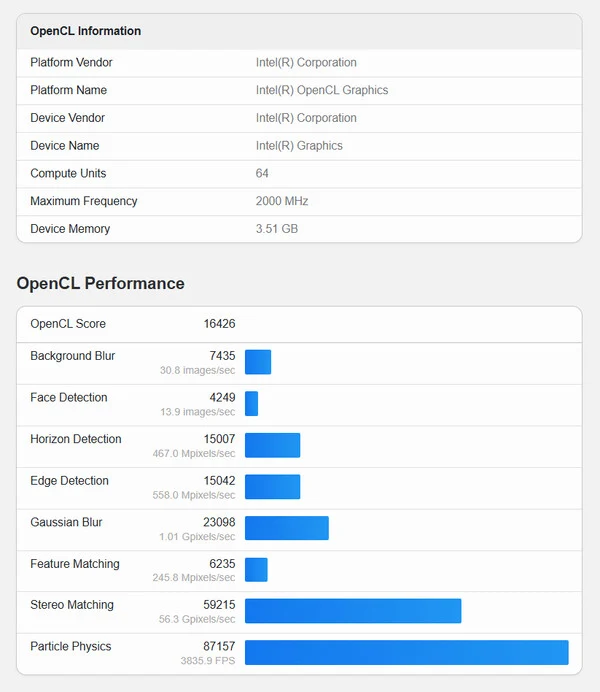
    Evidence has surfaced suggesting that Samsung is developing a new premium Windows device, thanks to information shared by Abhishek Yadav. Two listings on Geekbench have come to light, identified by the model numbers 500SHA and 500THA. These listings have appeared amidst speculations that Samsung may bypass the Galaxy Book5 Ultra, opting instead for the Galaxy Book6 Ultra.

    Insights from the Listings

    The details from the Geekbench entries indicate that we may not be looking at a new Galaxy Book laptop. The screenshots reveal that these listings point towards a desktop processor instead of a laptop variant. It seems that Samsung is working on the 500SHA and 500THA featuring the Intel Core Ultra 9 285, which is currently priced at $579.99 on Amazon, rather than laptop versions like the Core Ultra 9 285H or Core Ultra 9 285HX.

    Processor Details

    It’s possible that Geekbench is misreporting the processor’s designation. Nonetheless, both listings show 24 CPU cores divided into clusters of 8 and 16 cores, which align perfectly with the Core Ultra 9 285. Additionally, the motherboard model number ‘DM500THZ-AD9AB’ corresponds to an all-in-one desktop that Samsung markets in South Korea. Therefore, it appears this situation is more about mistaken identity rather than any connection to the Galaxy Book5 Ultra or Galaxy Book6 Ultra.

    Source:
    Link


  • Lenovo Legion R7000 (2025) Gaming Laptop with RTX 50 & Ryzen 7

    Lenovo Legion R7000 (2025) Gaming Laptop with RTX 50 & Ryzen 7

    Key Takeaways

    1. The Lenovo Legion R7000 (2025) features a 15.3-inch display with a resolution of 2,560 x 1,660 pixels, 165 Hz refresh rate, and 400 nits brightness.

    2. It is powered by an AMD Ryzen 7 H 255 processor and offers options for Nvidia’s GeForce RTX 5060 or RTX 5050 GPUs.

    3. The laptop includes a 245-watt charger and supports charging at 140 Watts through USB-C, but battery capacity details are not provided.

    4. Storage is fixed at 512 GB and memory at 16 GB, with no upgrade options mentioned; it also offers multiple connectivity ports.

    5. Pricing in China is RMB 7,999 ($1,109) for the RTX 5060 model and RMB 7,499 ($1,039) for the RTX 5050 model, making it more expensive than its predecessor.


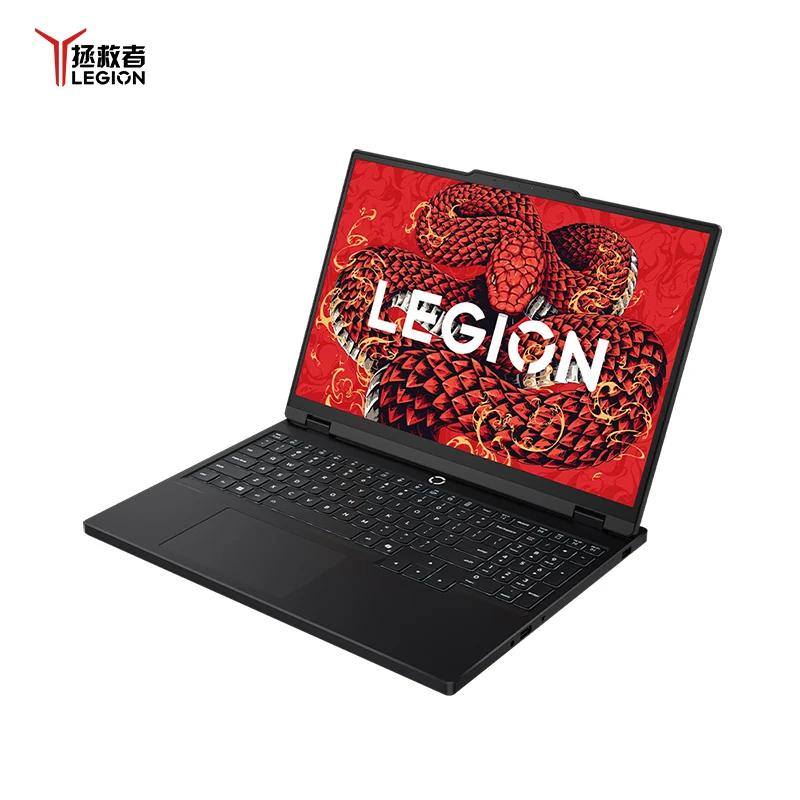
    Lenovo has introduced a new budget-friendly laptop in China. The Lenovo Legion R7000 has been updated for the second time, with its previous version featuring an AMD Ryzen 8000 series processor and an RTX 40 series graphics card. The 2025 model gets Nvidia’s latest Blackwell graphics and an AMD CPU that seems new, but it’s actually not.

    Display and Performance

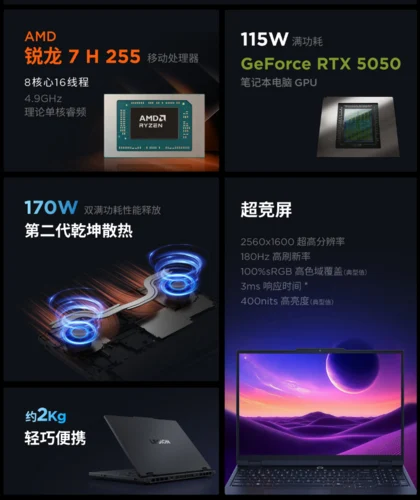
    The Lenovo Legion R7000 (2025) features a 15.3-inch display that offers a resolution of 2,560 x 1,660 pixels, a 165 Hz refresh rate, and 400 nits of peak brightness. It also boasts a response time of 3 ms for grey-to-grey transitions and covers 99% of the sRGB color gamut. While Lenovo has not disclosed the battery capacity, they state that the laptop supports charging at 140 Watts through USB-C.

    Power Supply and Specifications

    Included with the laptop is a 245-watt charger. Inside, the Legion R7000 (2025) is powered by an AMD Ryzen 7 H 255 processor, which has eight Zen 4 cores and can boost up to 4.9 GHz. This CPU is essentially a rebranded Ryzen 7 8845H, which is exclusive to China. You can pair this with Nvidia’s GeForce RTX 5060 or RTX 5050 GPUs, which share a total power budget of 170 Watts.

    Storage, Memory, and Pricing

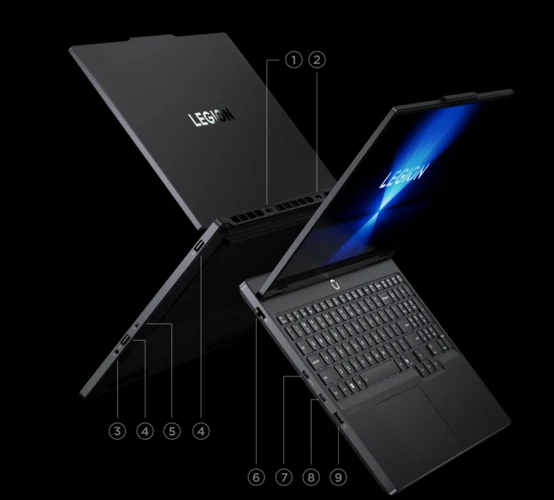
    Storage and memory are locked at 512 GB and 16 GB, with no word on the possibility of upgrades. For connectivity, the laptop includes two 10 Gbps USB Type-C ports, three 5 Gbps USB Type-A ports, an HDMI 2.1 port, RJ45 Ethernet, and a 3.5 mm audio jack.

    The Lenovo Legion R7000 with an RTX 5060 is priced at RMB 7,999 ($1,109) in China, while the RTX 5050 model costs RMB 7,499 ($1,039). This makes it a bit pricier than its predecessor, which was RMB 6,699 ($928). There’s no information regarding its international release, and based on past models, it’s likely it won’t be available outside of China.

    Source:
    Link


  • AMD Ryzen 9000 CPU Leak: Dual 3D V-Cache Features Revealed

    AMD Ryzen 9000 CPU Leak: Dual 3D V-Cache Features Revealed

    Key Takeaways

    1. AMD is releasing new CPUs on the AM5 platform, shifting focus from AM4.
    2. The first upcoming CPU features 8 cores, 16 threads, a TDP of 120 Watts, and 96 MB of L3 cache.
    3. The second CPU boasts 16 cores, 32 threads, a TDP of 200 Watts, and an impressive 192 MB of L3 cache.
    4. The 192 MB cache indicates the use of 64 MB of 3D V-Cache per CCD, a first for this segment.
    5. Speculation surrounds the naming of these CPUs, with possibilities like Ryzen 7 9700X3D and Ryzen 9 9990X3D.


    While AMD keeps putting out AM4 CPUs even now, the newer AM5 platform hasn’t been getting the same spotlight. However, this could shift soon. It seems like Team Red has two new CPUs in the pipeline, both featuring a large amount of L3 cache.

    Exciting New Specs

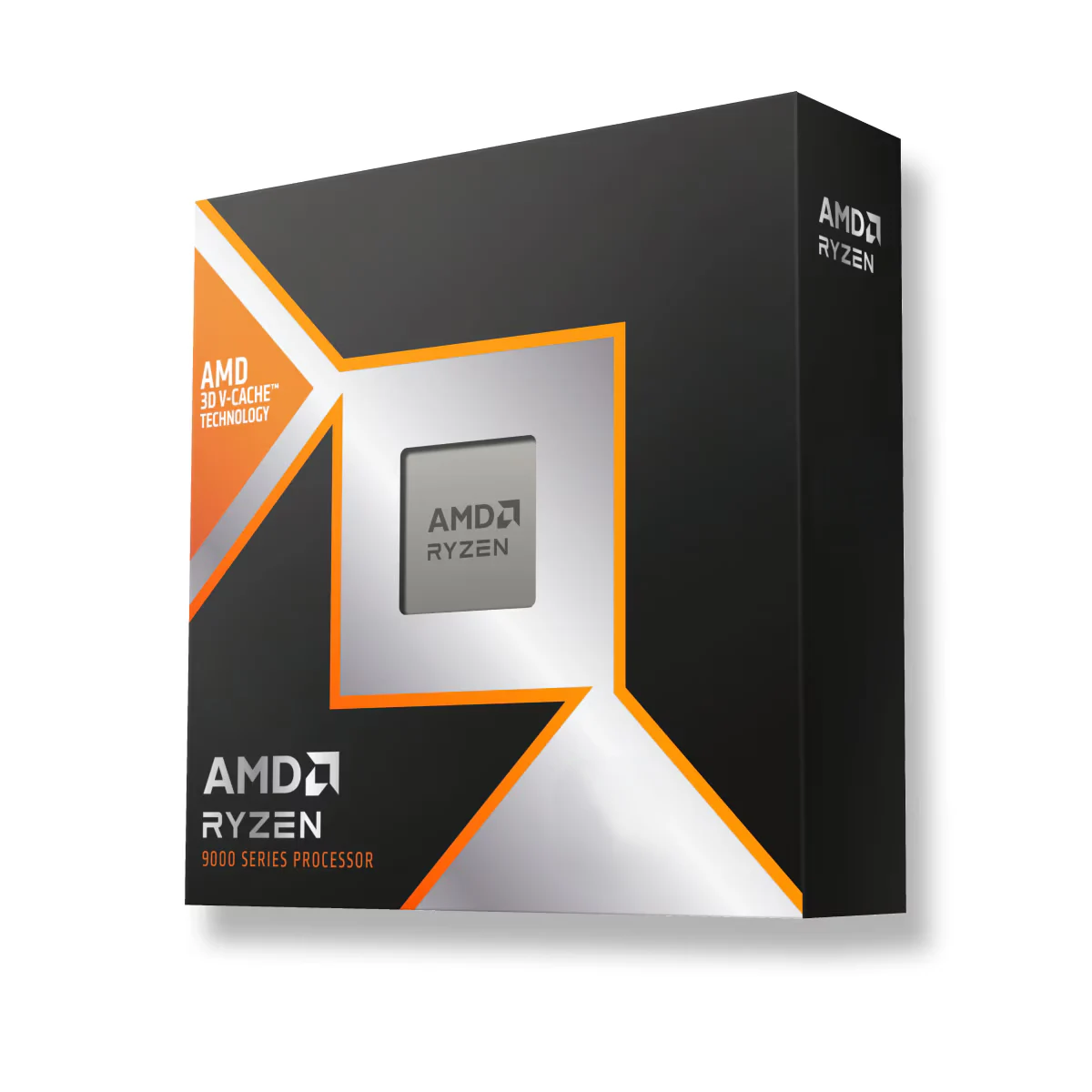
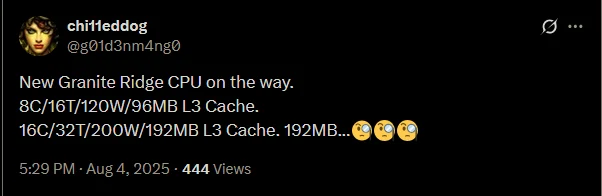
    According to leaker @g01d3nm4ng0, one of AMD’s forthcoming Granite Ridge (Ryzen 9000 series) CPUs is set to have 8 cores, 16 threads, a TDP of 120 Watts, and an impressive 96 MB of L3 cache. In terms of specifications, this matches the Ryzen 7 9800X3D, making it intriguing to see how they will vary. It’s likely to be released as the Ryzen 7 9700X3D, possibly with slightly lower clock speeds.

    A Promising Second CPU

    The second CPU appears to be even more exciting: it features 16 cores, 32 threads, a TDP of 200 Watts, and a staggering 192 MB of L3 cache. This is significantly more powerful than the Ryzen 9 9950X3D, which has a lower TDP of 170 Watts and less cache. The 192 MB of cache indicates that each CCD will include 64 MB of 3D V-Cache, a first for this segment.

    Speculation on Naming

    There were whispers about a Ryzen 9000 X3D CPU that would use two 3D V-cache tiles before these CPUs were officially revealed, but those rumors were quickly dismissed. It’s still too soon to say what the name will be since such a product has never been seen before. Could it be the Ryzen 9 9990X3D? The connection to Granite Ridge further assures us that it is meant for consumers, not just for enterprise applications.

    Source:
    Link


  • Lenovo ThinkPad E14 Gets Improved 120Hz Display for Budget Users

    Lenovo ThinkPad E14 Gets Improved 120Hz Display for Budget Users

    Key Takeaways

    1. Budget office laptops typically feature IPS screens with around 300 nits brightness, 60 Hz refresh rate, and limited color range.
    2. High-end business laptops often use OLED panels, but IPS panels avoid PWM flickering and light reflection issues.
    3. Lenovo’s ThinkPad E-series now offers upgraded IPS screens with higher resolutions and refresh rates for an additional cost.
    4. The ThinkPad E14 G7 has a higher resolution of 2880 x 1800 pixels, but may appear grainy in bright areas, while the E16 G3 performs better with 2560 x 1600 pixels.
    5. The improved refresh rate on upgraded displays allows for better image editing capabilities.


    Inexpensive office laptops usually come with rather poor screens, and not long ago, there were still VA panels around. Currently, the norm for budget-friendly office notebooks features IPS screens with a brightness level of approximately 300 nits, 60 Hz refresh rate, and limited color range. This decision makes sense for companies aiming to cut costs, especially with the rise of flexible workspaces where laptops are frequently connected to larger external displays. Consequently, the quality of the built-in screen becomes less significant.

    Premium Laptops and Their Displays

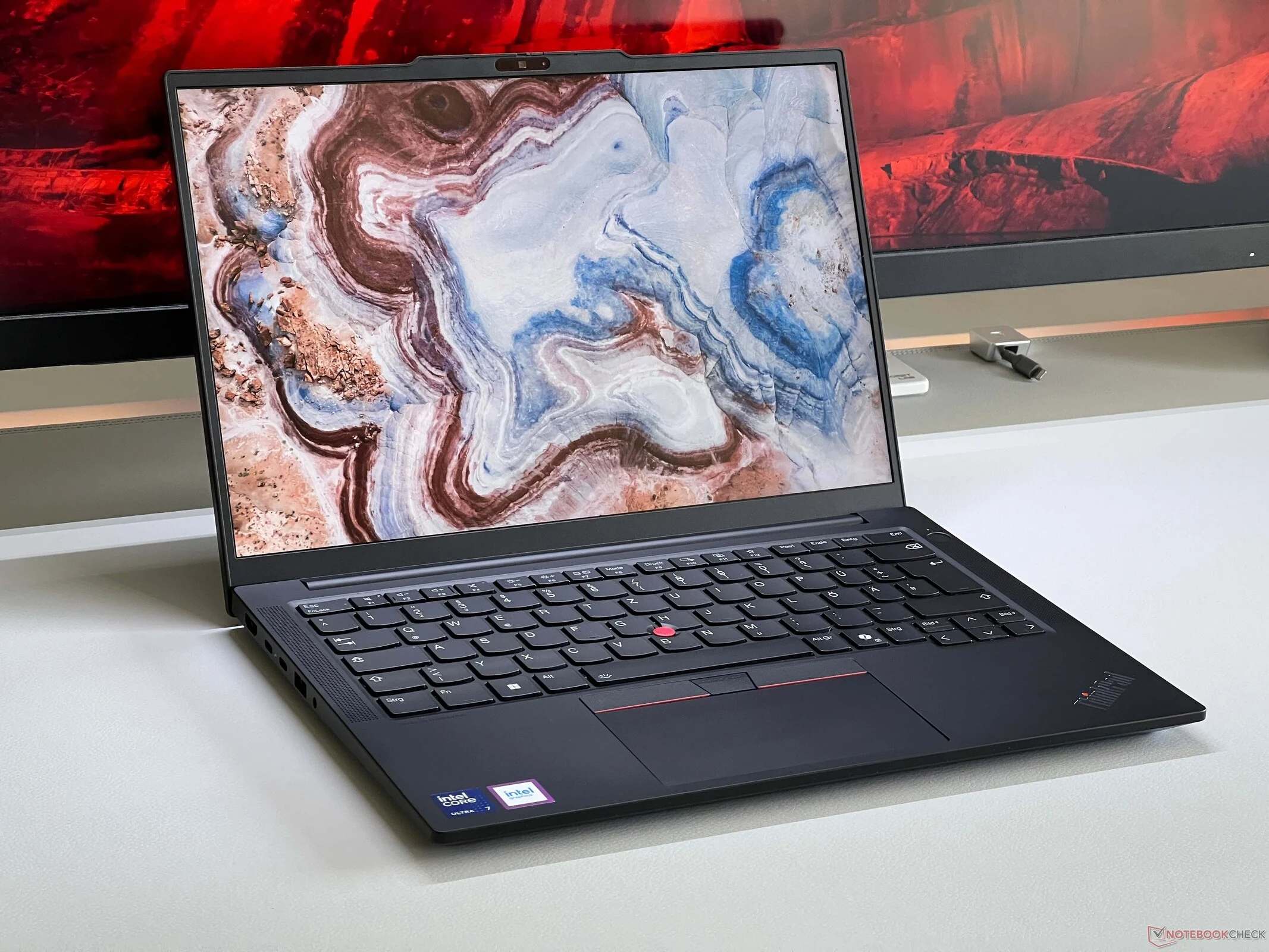
    High-end business laptops typically offer OLED panels, which do have their clear benefits. However, IPS panels are free from PWM flickering issues, and matte screens do not reflect light problems either. Lenovo is now providing improved IPS screens for its more affordable ThinkPad E-series. Both the ThinkPad E16 G3 and the ThinkPad E14 G7 can be upgraded to high-resolution IPS panels boasting 120 Hz refresh rates and full sRGB color coverage for an extra fee of merely 60 Euros.

    Screen Comparisons and Performance

    Interestingly, the smaller ThinkPad E14 G7 features a slightly higher resolution of 2880 x 1800 pixels (16:10), although it does present a somewhat grainy appearance on bright areas. In contrast, the larger 16-inch display of the ThinkPad E16 G3, with 2560 x 1600 pixels, performs better in this regard. Nevertheless, the image quality is undoubtedly superior compared to the standard screen. The enhanced refresh rate, in particular, represents a significant upgrade, allowing users to even edit images on the optional displays.

  • Debian 13 Trixie OS Adds Official 64-bit RISC-V Support

    Debian 13 Trixie OS Adds Official 64-bit RISC-V Support

    Key Takeaways

    1. Debian 13, named Trixie, will officially support 64-bit RISC-V architecture starting August 9, 2025.
    2. Trixie aligns with other Linux distributions in supporting the open standard RISC-V architecture, specifically for 64-bit, little-endian processors.
    3. RISC-V was created in 2010 and is managed by RISC-V International, promoting it as a free alternative to proprietary architectures like ARM, AMD, and Intel.
    4. Trixie’s main focus is on stability, security, and transitioning from 32-bit to 64-bit timekeeping to address future clock overflow issues.
    5. Users interested in Trixie can purchase RISC-V computers online and find additional resources in the Debian release notes and wiki.


    Debian 13 is set to debut with its official 64-bit RISC-V compatibility on August 9, 2025.

    Trixie and Its Support

    Known by the name Trixie, this operating system aligns itself with various other Linux distributions such as Fedora, FreeBSD, OpenBSD, openSUSE, and Ubuntu, in its official support for the RISC-V architecture, which is an open standard. It’s important to note that Trixie exclusively supports 64-bit, little-endian RISC-V processors.

    Background of RISC-V

    The RISC-V architecture was created in 2010 by researchers at the University of California, Berkeley. Since 2015, it has been managed by RISC-V International, promoting it as a free and open architecture standard. This is in contrast to other architectures like those from ARM, AMD, and Intel, which require licensing fees. Debian itself was first introduced in 1993 and is one of the pioneering free Linux distributions, serving as a foundation for many other distributions.

    Stability and Security in Trixie

    The main goal of this distribution is to offer a stable, dependable, and secure operating system. Along with the standard security enhancements, Trixie will transition from 32-bit to 64-bit timekeeping. This change aims to tackle clock overflow issues that are expected to arise in 2038.

    For those interested in trying out the newest Debian OS, a RISC-V computer can be purchased from Amazon. Additionally, readers can find more information about the architecture in a book available on Amazon.

    Emilio Pozuelo Monfort has shared insights on the Debian mailing list, and further information can be found in the Debian 13 release notes and on the Debian wiki.

    Source:
    Link


  • Intel Core i5-12600: Priced Higher Than Newer Chips

    Intel Core i5-12600: Priced Higher Than Newer Chips

    Key Takeaways

    1. Intel has rebranded its Core i5-12400 series to Core 5 120 and Core 5 120F, with minor changes in specifications.
    2. The new models maintain six performance cores with Hyper-Threading and an 18 MB L3 cache, with a slight increase in maximum turbo speed to 4.5 GHz.
    3. Initial prices are high, with the Core 5 120 priced around $246 and the Core 5 120F at $216, making them more expensive than newer Intel processors.
    4. Price comparisons show the Core 5 120 is about 40% more costly than the faster Core i5-14400, which is $176.
    5. Historical trends suggest that high launch prices for recycled designs may decrease over time, potentially making the Core 5 120 series more appealing for budget gaming builds.


    Intel has brought back a well-known silicon design under a different name, subtly transforming the previously favored Core i5-12400 series into the newly branded Core 5 120 and Core 5 120F. Early listings from retailers, noted by industry observer momomo_us, indicate initial prices of $246.01 for the standard processor and $216.66 for the variant without graphics. While these numbers might just be temporary, they currently position these chips above Intel’s faster, more recent processors.

    Specifications Remain Similar

    Fundamentally, not much has changed. The new models still feature six performance cores with Hyper-Threading, lacking any efficiency cores, and they both utilize an 18 MB L3 cache. The Core 5 120 is said to increase its maximum turbo speed to 4.5 GHz (up from 4.4 GHz seen in last year’s i5-12400) and has a reduced turbo TDP of 110 W. The “F” version removes integrated graphics entirely, requiring builders to install a separate GPU.

    Price Concerns Arise

    The main issue is the pricing. At nearly $250, the Core 5 120 is about 40 percent pricier than Intel’s quicker Core i5-14400, which is priced at $176, and even surpasses the unlocked Core i5-14600K, which costs $199 on Amazon as of now. The stripped-down Core 5 120F is no better off: its initial price is twice that of the still-available i5-12400F, which can be found for just under $110.

    Historical Context and Future Outlook

    Such price increases are not new—AMD’s Ryzen 3000XT and 5000XT updates had similar price trends—but past experience indicates that high launch prices on recycled designs typically don’t last long. If the Core 5 120 series eventually settles closer to the sub-$100 range suggested by some analysts, it may carve out a niche in budget gaming builds, where six Raptor-Lake-class cores running at 4.5 GHz are sufficient for esports games.

    Until that adjustment takes place, however, Intel’s rebranding might be overshadowed by its own newer and more affordable Core i5 options, along with AMD’s budget-friendly products. Those looking for an economical upgrade on the aging LGA 1700 platform may want to keep an eye on retailer listings for more accurate prices before making a decision on these processors.

    Source:
    Link


  • Beelink SEi13: Compact Version of GTi13 Ultra with Same CPU

    Beelink SEi13: Compact Version of GTi13 Ultra with Same CPU

    Key Takeaways

    1. Power Supply Unit (PSU): The GTi13 Ultra has a built-in PSU, while the SEi13 uses a lighter, external 100 W power brick, making it easier to maintain.

    2. Ports and Features: The SEi13 has fewer ports, lacks an SD card reader, has fewer USB-A ports, and does not support user RAM upgrades.

    3. Shared Processor: Both models are powered by the same Core i9-13900HK processor, providing similar performance levels.

    4. Cooling System: Both models include integrated features like a vapor chamber cooler and an SSD heat spreader for effective thermal management.

    5. Cost vs. Features: The SEi13 is more affordable and offers nearly identical performance to the GTi13 Ultra for users who don’t need the extra features.


    Beelink offers several mini PCs, with the SEi13 and GTi13 Ultra being two noteworthy models. At first, they might seem similar due to their shared design, but a closer look reveals significant differences. For potential buyers, understanding these distinctions is crucial.

    Key Differences in Design

    A major distinction between the SEi13 and GTi13 Ultra is in the power supply unit (PSU). The GTi13 Ultra has its PSU built-in, while the SEi13 does not. This makes the SEi13 lighter and more compact, but it relies on a 100 W external power brick. An advantage of having an external PSU is that it simplifies maintenance on the SEi13 compared to the GTi13 Ultra.

    Features and Ports

    The SEi13 also has fewer ports and features compared to its counterpart. It lacks an SD card reader, has fewer USB-A ports, and does not allow for RAM upgrades by users. However, both models come with two M.2 SSD slots, integrated stereo speakers, a vapor chamber cooler, and an SSD heat spreader, which are all beneficial.

    Performance Comparison

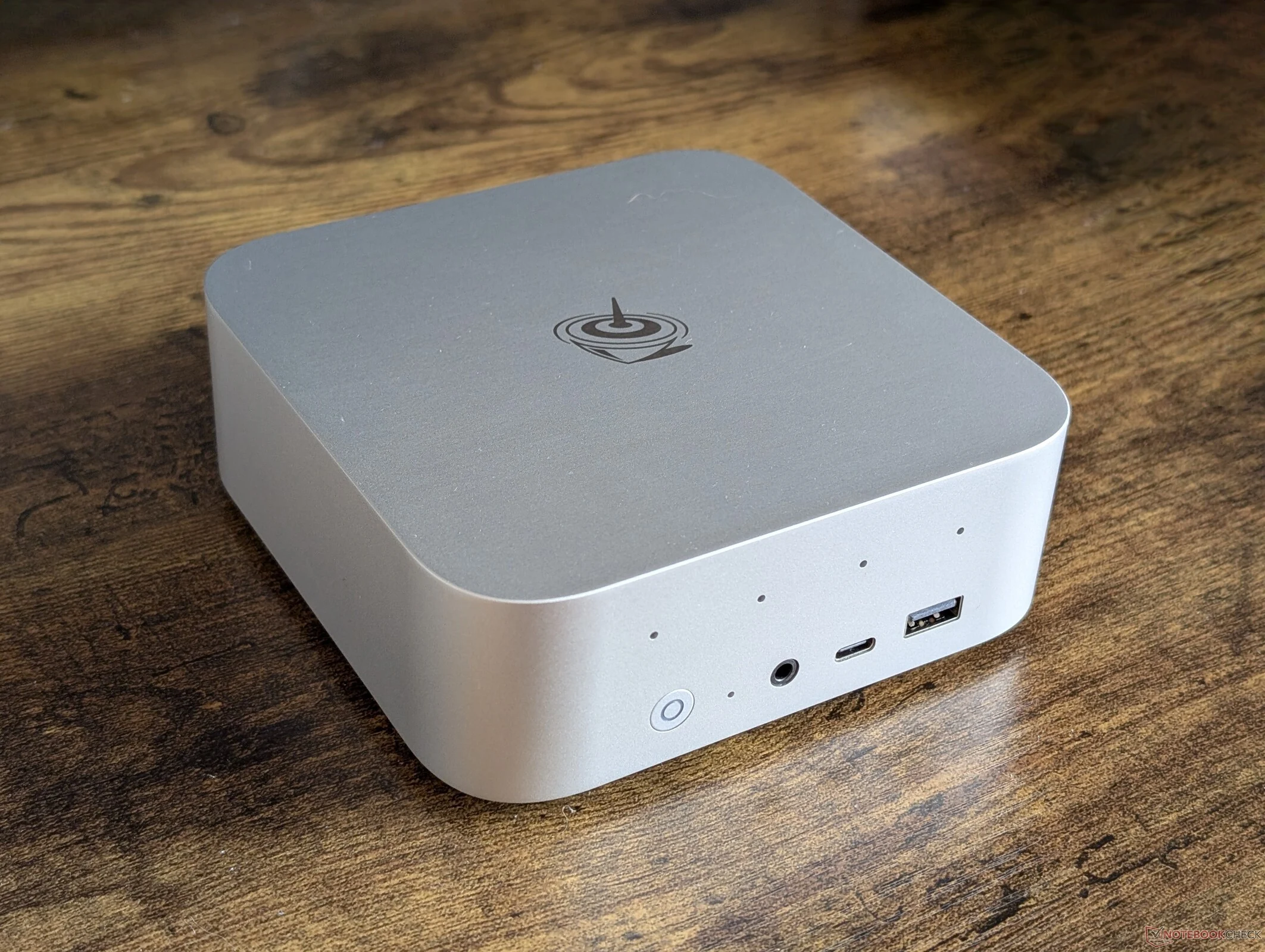
    Interestingly, both the SEi13 and GTi13 Ultra are powered by the same Core i9-13900HK processor, despite their different sizes and price points. For those who do not require the additional features offered by the larger GTi13 Ultra, the more affordable SEi13 delivers nearly identical performance and user experience. Users can refer to our review on the SEi13 for more benchmarks and detailed comparisons.

    Source:
    Link


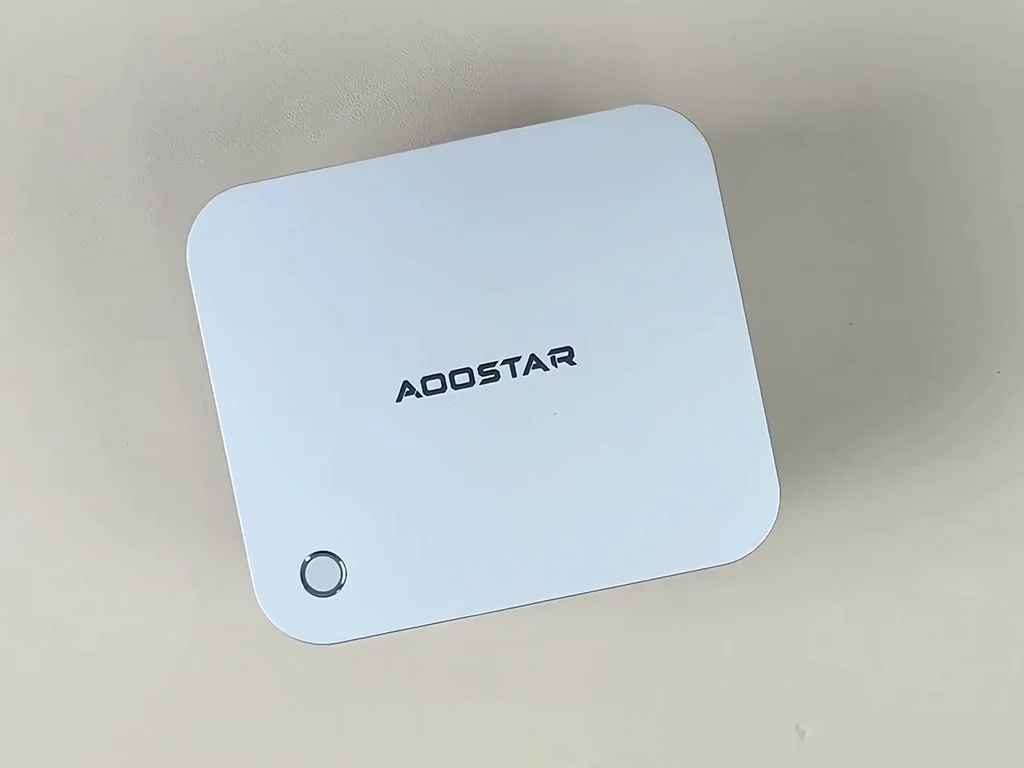
  • Aoostar Launches Affordable Mini PC with OCuLink Technology

    Aoostar Launches Affordable Mini PC with OCuLink Technology

    Key Takeaways

    1. Aoostar has launched a budget-friendly line of mini PCs called MACO in China, with the first model featuring two configurations.
    2. The initial models include the Ryzen 7 Pro 8845HS and Ryzen 7 255H chips, both equipped with the Radeon 780M integrated GPU for gaming at 1080p resolution.
    3. Connectivity features include two USB4 ports, an OCuLink port for eGPU support, HDMI, DisplayPort, and the capability for quad-display output.
    4. The mini PC offers two M.2 PCIe 4.0 slots and two DDR5 SO-DIMM slots for storage and memory upgrades, along with a compact design and built-in fingerprint reader.
    5. Pricing starts at CNY 1,999 (~$277) for the Ryzen 7 255H configuration and CNY 2,299 (~$319) for the Ryzen 7 Pro model, with no current details on international pricing or availability.


    Aoostar has launched a new line of mini PCs in China called the MACO. The initial model in this series is budget-friendly, especially in the Chinese market. It comes in two different setups, with one featuring the Ryzen 7 Pro 8845HS, which is a robust chip from AMD’s Hawk Point series.

    Specs and Performance

    The alternative configuration includes the Ryzen 7 255H, also from the Hawk Point series. Both versions are equipped with the Radeon 780M integrated GPU, allowing the first Aoostar MACO mini PC to run many games at 1080p resolution with low graphic settings.

    Connectivity Options

    This mini PC includes two USB4 ports and a single OCuLink port, enabling users to connect an eGPU for enhanced gaming performance (GMKtec AD-GP1 currently priced at $469.99 on Amazon). In addition to these three ports, the initial Aoostar MACO model includes:

    With two USB4 ports, an HDMI port, and a DisplayPort, this mini PC supports quad-display output. For storage, it provides two M.2 PCIe 4.0 slots and accommodates two DDR5 SO-DIMM slots. Other notable features include a compact design, a built-in fingerprint reader for Windows Hello, and a “Glacier” cooling system to maintain performance during high workloads.

    Pricing Details

    The barebone setup with the Ryzen 7 255H is priced at CNY 1,999 in China, equivalent to about $277. The configuration featuring the Ryzen 7 Pro 8845HS is available for CNY 2,299, or roughly $319. Aoostar has not yet revealed information about international pricing or availability, but the system is anticipated to launch globally in the near future.

    Source:
    Link


  • Crew-11 Reaches International Space Station After Launch Delay

    Crew-11 Reaches International Space Station After Launch Delay

    Key Takeaways

    1. NASA’s SpaceX Crew-11 launched on August 1, 2023, after a weather delay, using the Dragon spacecraft and Falcon 9 rocket.
    2. The Dragon spacecraft docked with the ISS about 15 hours post-launch, with hatches opening shortly thereafter.
    3. Crew-11 members include NASA’s Zena Cardman and Mike Fincke, JAXA’s Kimiya Yui, and Roscosmos’ Oleg Platonov, who will conduct various scientific experiments in microgravity.
    4. Key experiments involve simulating lunar landings, studying astronaut vision protection, and researching plant cell division and bacteria-fighting viruses.
    5. The mission supports NASA’s goal of establishing a permanent human presence on the Moon, as part of the Commercial Crew Program in partnership with private companies.


    NASA’s SpaceX Crew-11 took off at 3:43 PM UTC on Friday using the Dragon spacecraft, launched by a SpaceX Falcon 9 rocket. The initial launch was planned for Thursday, July 31, but was delayed because of bad weather.

    Arrival at the ISS

    Approximately 15 hours post-launch, Dragon successfully docked with the space-facing port of the ISS’s Harmony module. It docked at 6:27 AM UTC on Saturday, and the hatches were opened at 7:46 AM UTC.

    Crew Members and Their Tasks

    Onboard Crew-11 are NASA’s Zena Cardman and Mike Fincke, JAXA’s Kimiya Yui, and Roscosmos’ Oleg Platonov. While aboard the ISS, Crew-11 will conduct experiments that aim to benefit both deep space missions and everyday life.

    Their assignments include simulating lunar landings, investigating protect methods for astronauts’ vision, and contributing to research within NASA’s Human Research Program. They will also study how microgravity impacts plant cell division and the effectiveness of bacteria-fighting viruses. Additionally, the crew plans to conduct experiments to create more human stem cells and produce nutrients on demand.

    Future of Space Exploration

    NASA’s SpaceX Crew-11 mission represents a crucial step towards establishing a permanent human presence on the Moon. In partnership with leading American companies, NASA aims to continue this mission with Artemis in 2026. — Sean Duffy, Acting NASA Administrator

    This mission is part of NASA’s Commercial Crew Program, which collaborates with private enterprises to ferry astronauts to the ISS. This partnership enables increased research opportunities and lays the groundwork for future missions that will go beyond low Earth orbit.

    Source:
    Link