Key Takeaways
1. Samsung’s Galaxy Book5 models had OLED screens with limited brightness, capped at 400 nits for SDR and 550 nits for HDR.
2. The new Galaxy Book6 Ultra features an upgraded 16-inch OLED touchscreen with improved brightness, reaching 500 nits for SDR and over 1100 nits for HDR.
3. While Samsung’s brightness has improved, competitors like Asus and Lenovo offer higher peak brightness levels, reaching up to 1600 nits.
4. The Apple MacBook Pro 16 surpasses Samsung’s brightness performance with up to 1000 nits SDR and 1600 nits HDR using Mini-LED technology.
5. Questions arise about Samsung’s decision not to use a tandem OLED screen in its flagship laptop, even with its excellent image quality.
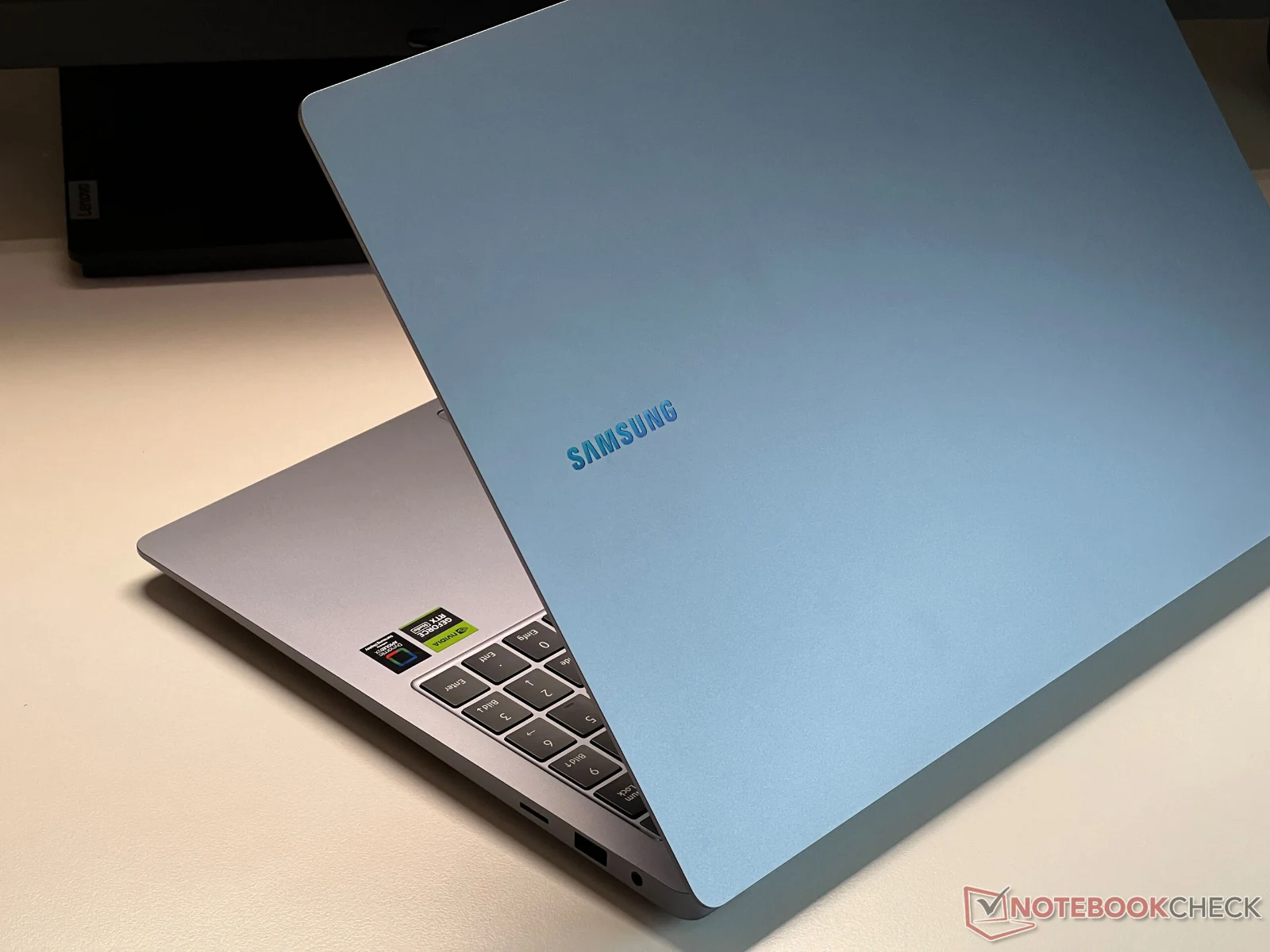
Even though Samsung is a major provider of OLED displays, their recent laptop screens haven’t really stood out in brightness. Taking a look at last year’s Galaxy Book5 models, the OLED panels delivered a great visual experience when paired with a 120 Hz refresh rate. However, the brightness was capped at about 400 nits for SDR and around 550 nits for HDR, as seen with the Galaxy Book5 Pro 360.
Improvements in the Galaxy Book6 Ultra
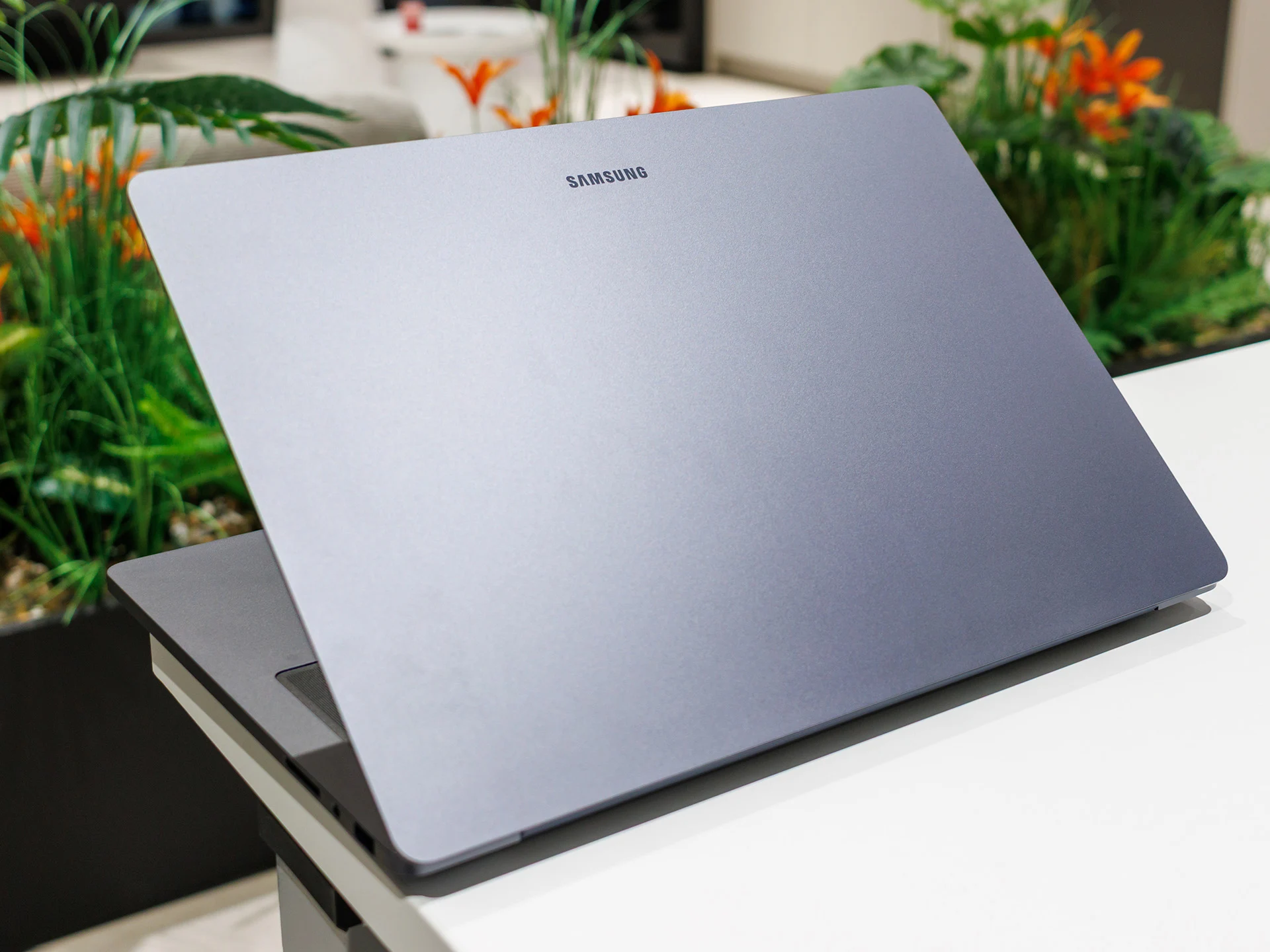
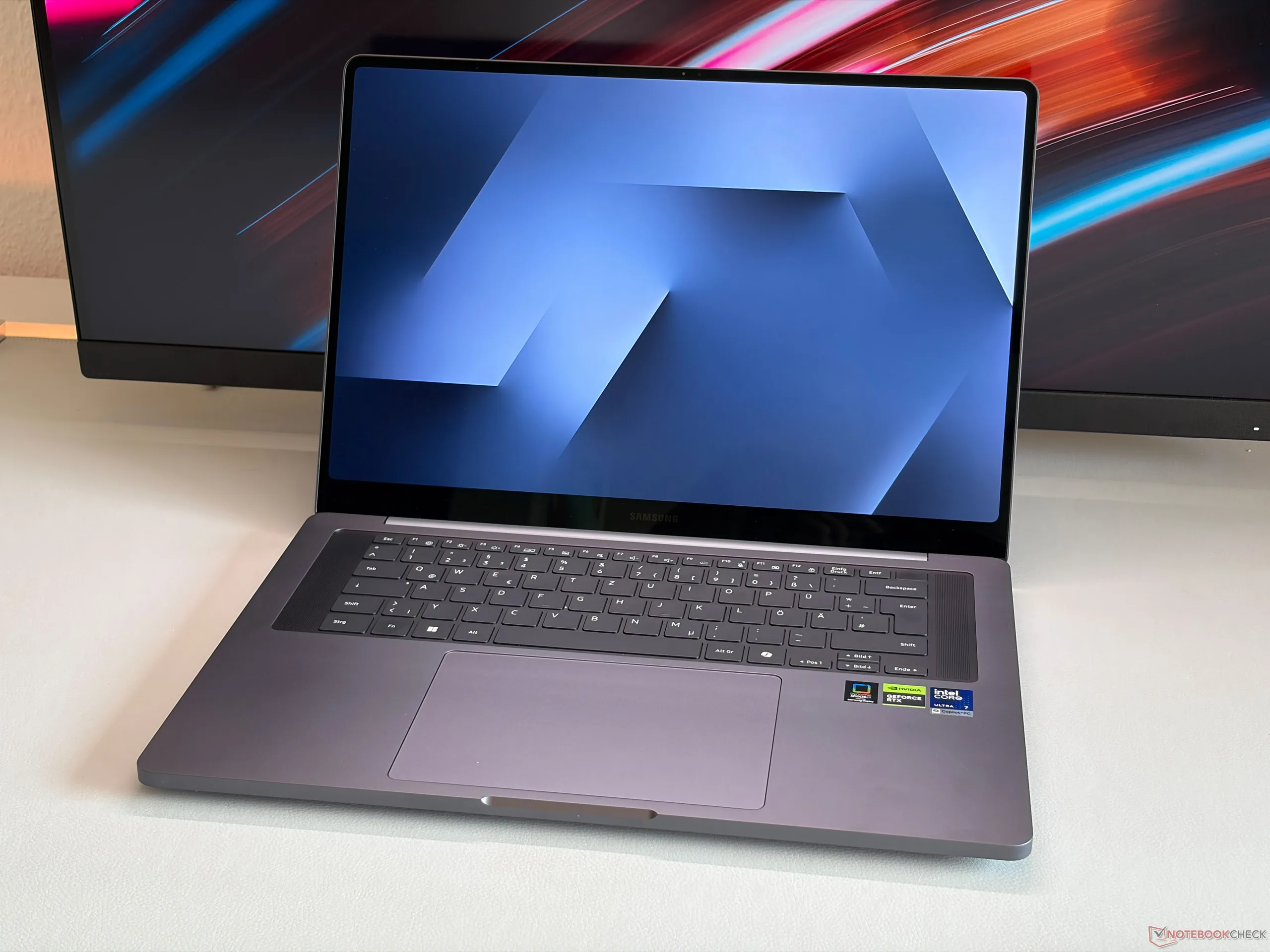
We just checked out the new Galaxy Book6 Ultra, and Samsung has finally upgraded to a better 16-inch OLED touchscreen. The resolution remains at 2880 x 1800 pixels with a 120 Hz refresh rate, but brightness has seen a boost. Now, we’re measuring roughly 500 nits for SDR content and over 1100 nits at peak brightness for HDR content. This is a clear upgrade, making HDR media, like films and games, look significantly enhanced.
Competing with the Best
When looking at what others offer, it’s clear that Samsung has narrowed the gap, but they still fall short against the peak brightness levels of the latest tandem OLED displays. These competitors can achieve higher SDR and especially HDR brightness, reaching up to 1600 nits, as seen in the Asus ProArt P16 or the Lenovo Yoga Pro 9i 16. The Apple MacBook Pro 16, with its well-known Mini-LED display, also surpasses Samsung’s brightness performance (up to 1000 nits SDR and 1600 nits HDR).
Questions About Future Choices
This brings up the question of why Samsung opted not to include a tandem OLED screen in its 2026 flagship multimedia laptop, which could have been more efficient. The current panel still offers excellent image quality, with no grainy look despite the touch layer. However, given the high cost, competitors are simply a step ahead. For more details, be sure to check out our in-depth review of the new Galaxy Book6 Ultra.