Key Takeaways
1. Elon Musk estimates the Tesla Optimus could cost between $20,000 and $30,000 if mass-produced, but this is met with skepticism from industry experts.
2. Achieving low production costs similar to cars is challenging due to competition from established companies like Boston Dynamics, which have higher manufacturing costs.
3. Analysts believe that even with reduced prices, humanoid robots like Atlas at $130,000 may not effectively replace skilled workers due to current limitations and challenges.
4. Hyundai aims to significantly cut production costs of robot components by 70% by 2030, but creating cheaper yet durable parts remains a significant hurdle.
5. Tesla’s Optimus is set to launch in 2027, but its capabilities and final cost are still uncertain amid the emergence of more efficient humanoid robots from competitors.
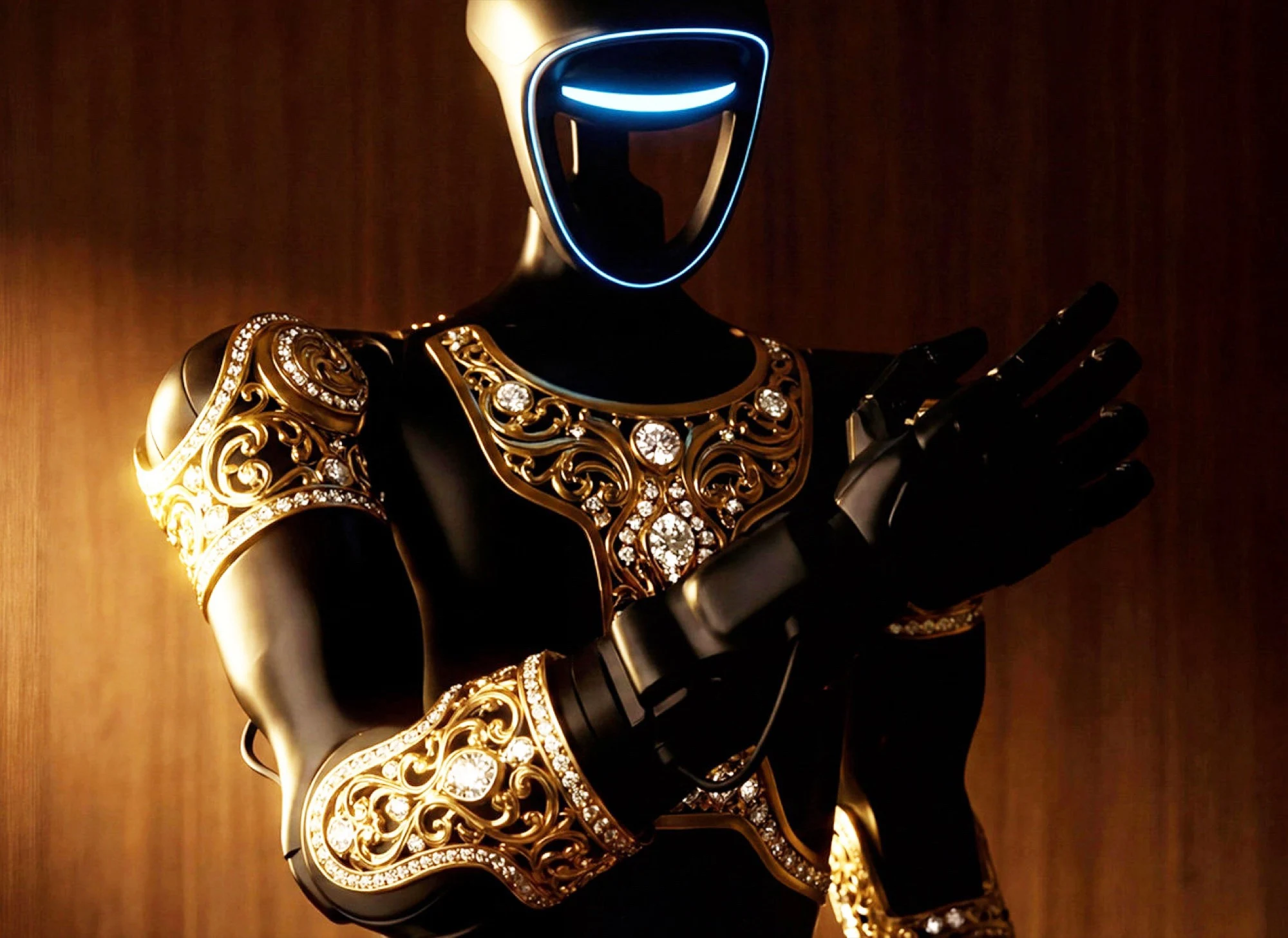
While Elon Musk has stated that the Tesla Optimus may be priced between $20,000 and $30,000 when mass-produced, other companies that have more experience in making humanoid robots are skeptical about that figure.
The Realities of Production Costs
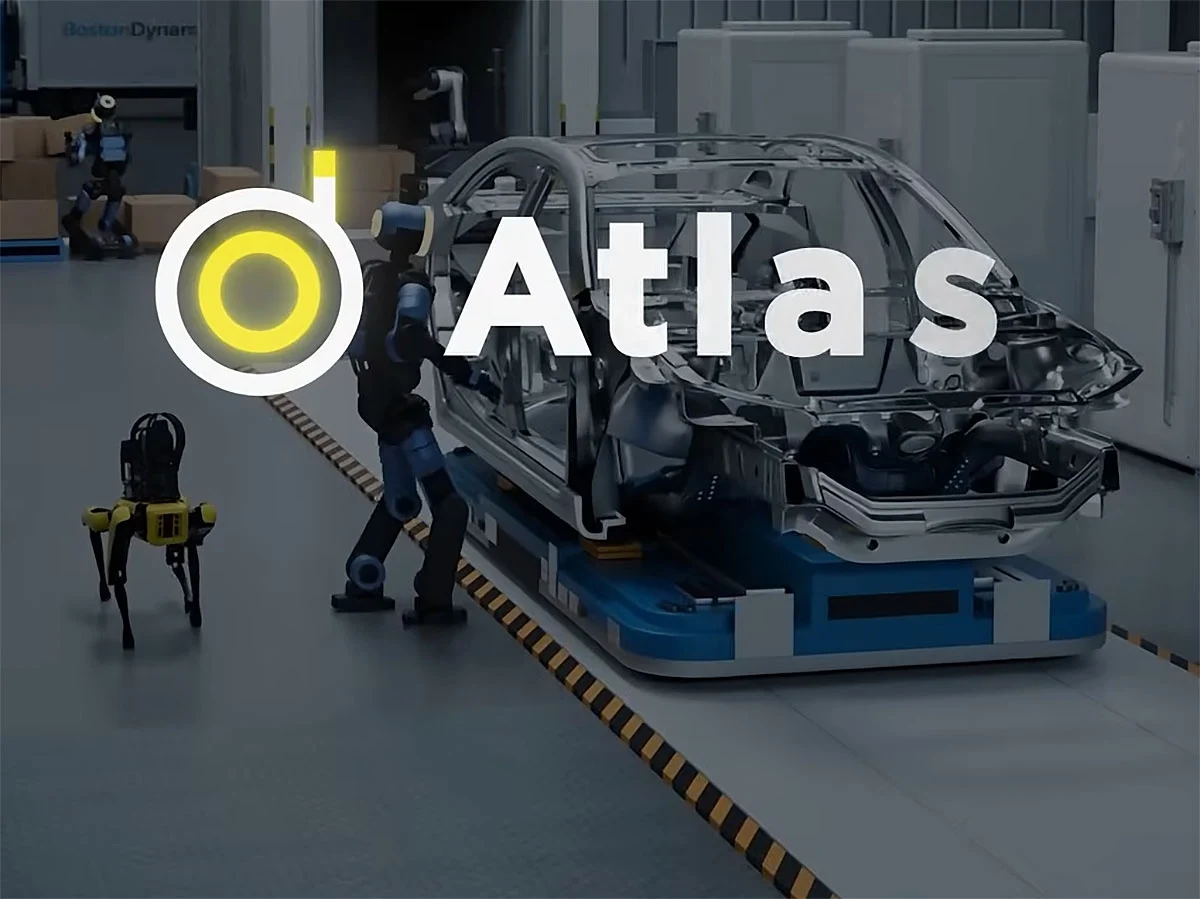
Elon did mention that a $30,000 price tag for Optimus is only achievable if they produce it in large quantities, similar to how cars are made. However, reaching that production level could be tough due to growing competition from companies like Boston Dynamics. Their Atlas robot showcases impressive capabilities, like doing backflips from a still position on flat ground and swapping its own battery for more operational time. Nevertheless, the manufacturing cost of the latest version is around $300,000. Hyundai, which owns Boston Dynamics, aims to significantly reduce those expenses by integrating more affordable parts, which could potentially lower the cost to about $130,000 by the time they plan to deploy 30,000 Atlas robots in factories by 2030.
Challenges Ahead
Analysts suggest that even with a reduced price, $130,000 is still too high to effectively replace a skilled worker. Presently, humanoid robots face several challenges such as balance problems, overheating joints, limited autonomy, and difficulties in manipulating objects accurately — issues that humans do not have. For a robot to take over human jobs, especially for anything beyond simple tasks, it needs to be both inexpensive and robust, but achieving those two goals is going to be difficult.
Hyundai is working to cut the costs of the joints and actuators, which account for more than half of the Atlas’s production price, by 70% by 2030. This effort aims to make large-scale manufacturing more affordable, but creating components that are cheaper yet just as durable could prove to be a tough challenge. Even after these reductions, the humanoid robots might still start at $130,000, and they may not match the versatility or efficiency of human workers.
Scaling Issues
Hyundai’s strategy is to use the Boston Dynamics Atlas robots exclusively in its own factories, which could limit their overall production scale. On the other hand, Tesla is working on the Optimus as a versatile robot set to launch in 2027, but it also faces the same durability concerns. Elon Musk has a reputation for making grand promises that don’t always come to fruition. It remains uncertain what capabilities Optimus will offer and, crucially, how much it will cost, particularly when considering the recent surge of cost-effective and efficient humanoid robots like the XPeng Iron from China, which are already being mass-produced.
Source:
Link