
Key Takeaways
1. The newest ChatGPT model increasingly uses Grokipedia, Elon Musk’s online encyclopedia, for information on various topics.
2. Concerns arise over the reliability of information from Grokipedia since it lacks the verification processes typical of established sources like Wikipedia.
3. Grokipedia’s content is largely generated by an AI, Grok, and does not accept user contributions, raising questions about its neutrality and bias.
4. There is a risk of AI feedback loops, where unverified information from one AI can lead to the spread of inaccuracies and biases in other AI models.
5. OpenAI emphasizes that ChatGPT aims to provide diverse sources and implements safety filters, but acknowledges challenges in ensuring the credibility of all referenced content.
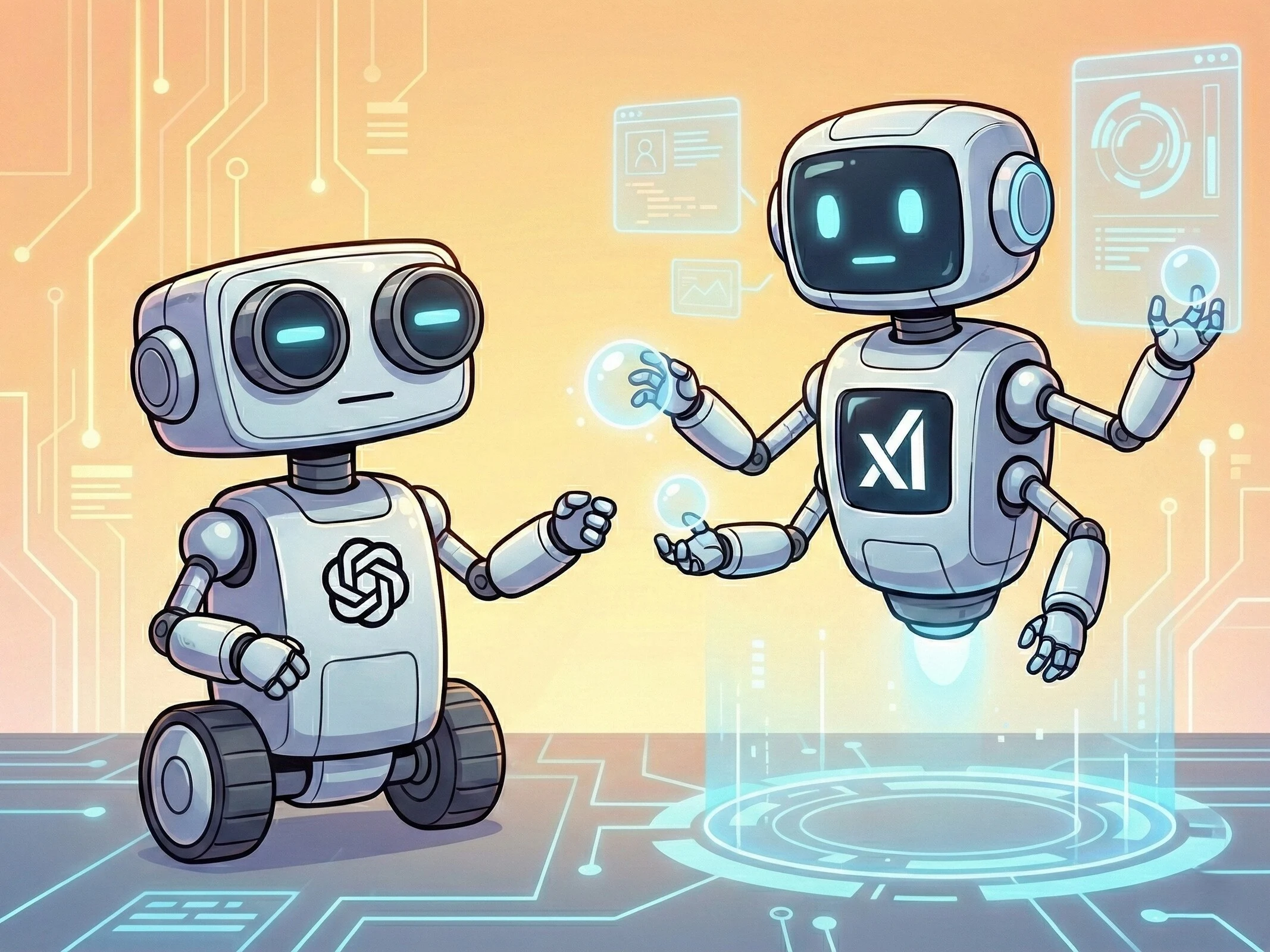
According to a fresh article from The Guardian, the newest ChatGPT model is starting to use Elon Musk’s online encyclopedia, Grokipedia, more often to field questions. In the course of the investigation, the AI referenced this platform for a variety of subjects, including the political systems in Iran and biographical information about notable historical figures.
Concerns Over Information Quality
This trend raises worries about the reliability of the information that ChatGPT delivers. To be specific, these facts do not go through the same verification steps as those from sources overseen by editorial teams or larger community groups.
Grokipedia vs. Wikipedia
Elon Musk created Grokipedia to compete with the well-known Wikipedia. Musk accuses Wikipedia of leaning left politically, stating that his initiative strives for truth and neutrality. However, critics often view Grokipedia as leaning the other way, claiming that it presents information from a right-leaning standpoint or tackles contentious issues in a biased manner.
Unlike Wikipedia entries, which are edited by real people, Grokipedia’s content is mostly produced by an in-house AI called Grok. User contributions are not included, as quality control is claimed to be managed by employees of xAI. When other AI models, like GPT-5.2, rely on these machine-generated texts as factual resources, a technical feedback loop develops, allowing AIs to learn from one another.
The Dangers of AI Feedback Loops
This situation raises the risk of a “garbage in, garbage out” issue. If AIs begin to utilize unfiltered data from other AIs as a foundation for their replies, mistakes or particular biases can be transmitted without any verification. The Guardian’s investigation has already revealed that ChatGPT cites Grokipedia and reiterates assertions that exceed established facts or have been debunked a long time ago. This highlights the risk that misinformation appears more trustworthy due to mutual citations among AI models, making it harder for users to recognize such inaccuracies.
OpenAI has reacted to the report, stressing that the model’s web search aims to encompass a wide range of publicly accessible sources and viewpoints. A representative mentioned that safety filters are implemented to minimize the chance of linking to potentially harmful content. Furthermore, ChatGPT provides responses with citations and sources to ensure transparency. The company also noted ongoing initiatives designed to eliminate sources deemed low in credibility.
Source:
Link
Leave a Reply