Category: Artificial intelligence

  • Nvidia CEO Jensen Huang Doubts OpenAI Investment for ChatGPT

    Nvidia CEO Jensen Huang Doubts OpenAI Investment for ChatGPT

    Key Takeaways

    1. Nvidia’s potential $100 billion investment in OpenAI is largely paused due to internal doubts and skepticism within the company.
    2. CEO Jensen Huang has raised concerns about OpenAI’s business discipline and clarified that the initial agreement was non-binding.
    3. Talks have shifted from a large-scale infrastructure deal to a potential equity investment in the tens of billions as OpenAI seeks ongoing funding.
    4. OpenAI faces intensified competition from Google and Anthropic, affecting its growth and need for computing resources.
    5. The halted agreement could impact OpenAI’s plans to go public by 2026, as it navigates liabilities and competition for essential technology.


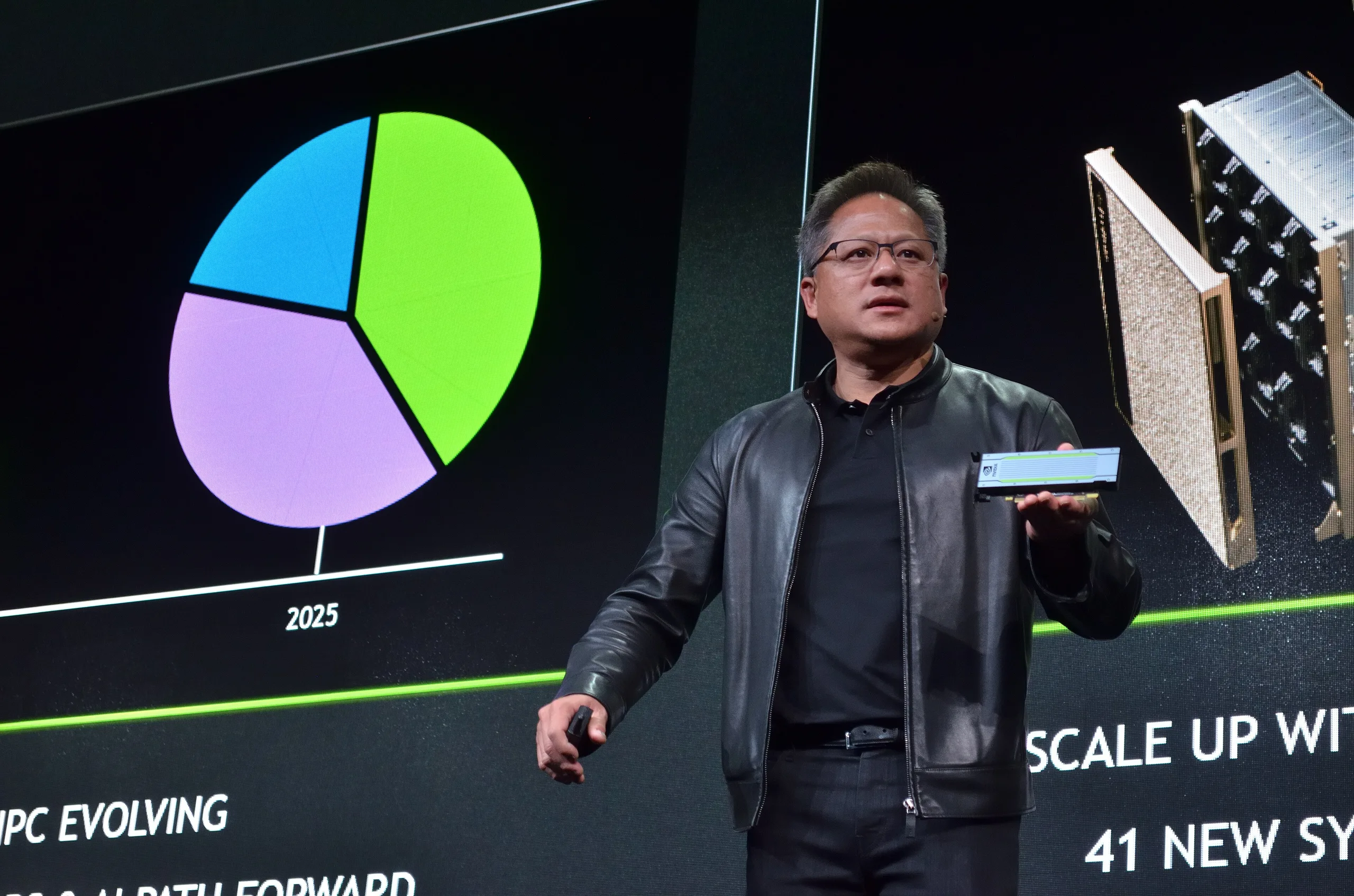
    In September, Nvidia revealed it would possibly invest up to $100 billion in OpenAI. However, recent news from the Wall Street Journal indicates that this initiative is largely paused. The project, which CEO Jensen Huang had previously called “the largest computing project in history,” aimed for Nvidia to create a computing capacity of no less than 10 gigawatts and to offer financial backing for OpenAI to rent the essential chips.

    Internal Doubts at Nvidia

    Insiders have shared that skepticism within Nvidia hindered negotiations from moving forward past the initial stages. Jensen Huang has reportedly communicated to peers in the industry that the original letter of intent was non-binding and has expressed private concerns regarding what he sees as a lack of discipline in OpenAI’s business strategies.

    Reevaluating the Partnership

    Currently, both companies are rethinking the nature of their partnership. Rather than pursuing a large-scale infrastructure agreement, talks are now centered around a traditional equity investment from Nvidia, potentially in the tens of billions of dollars, as part of OpenAI’s ongoing funding effort. This hesitation is partly due to mounting competitive pressures: Google’s Gemini has slowed ChatGPT’s growth and raised internal concerns, while Anthropic’s “Claude Code” also poses a threat to market share. Moreover, Nvidia is adopting a dual approach and has already pledged up to $10 billion in investments towards Anthropic, which competes with OpenAI.

    The Stakes for OpenAI

    For OpenAI, which is hoping to go public by the end of 2026, the halted agreement is a blow to its quest for essential computing resources. OpenAI CEO Sam Altman had earlier indicated liabilities amounting to $1.4 trillion, causing worry among investors given the company’s income.

    Nonetheless, finalizing an agreement remains crucial for both parties: Nvidia seeks to avoid allowing OpenAI to lag behind rivals like Google or Anthropic, who are increasingly depending on their own chipsets like TPUs or Amazon’s Trainium, rather than utilizing Nvidia’s GPUs. Additionally, reports suggest that Amazon is also in talks for its own investment in OpenAI, which could reach up to $50 billion.

    Source:
    Link


  • SpaceX Plans Orbital Data Center with Satellites in Busy Orbit

    SpaceX Plans Orbital Data Center with Satellites in Busy Orbit

    Key Takeaways

    1. SpaceX is seeking FCC approval to launch up to one million satellites for its xAI project, aiming to create an Orbital Data Center system.
    2. The satellites will be positioned between 500 and 2000 km above Earth to avoid conflicts and manage orbital traffic.
    3. They will utilize various hardware for specific functions and communicate through optical links, similar to the Starlink network.
    4. The smaller satellites are designed to enhance AI computing capabilities and harness solar energy, reducing the load on traditional power grids.
    5. SpaceX claims that launching these satellites could add 100 gigawatts of AI compute capacity annually with minimal ongoing maintenance.


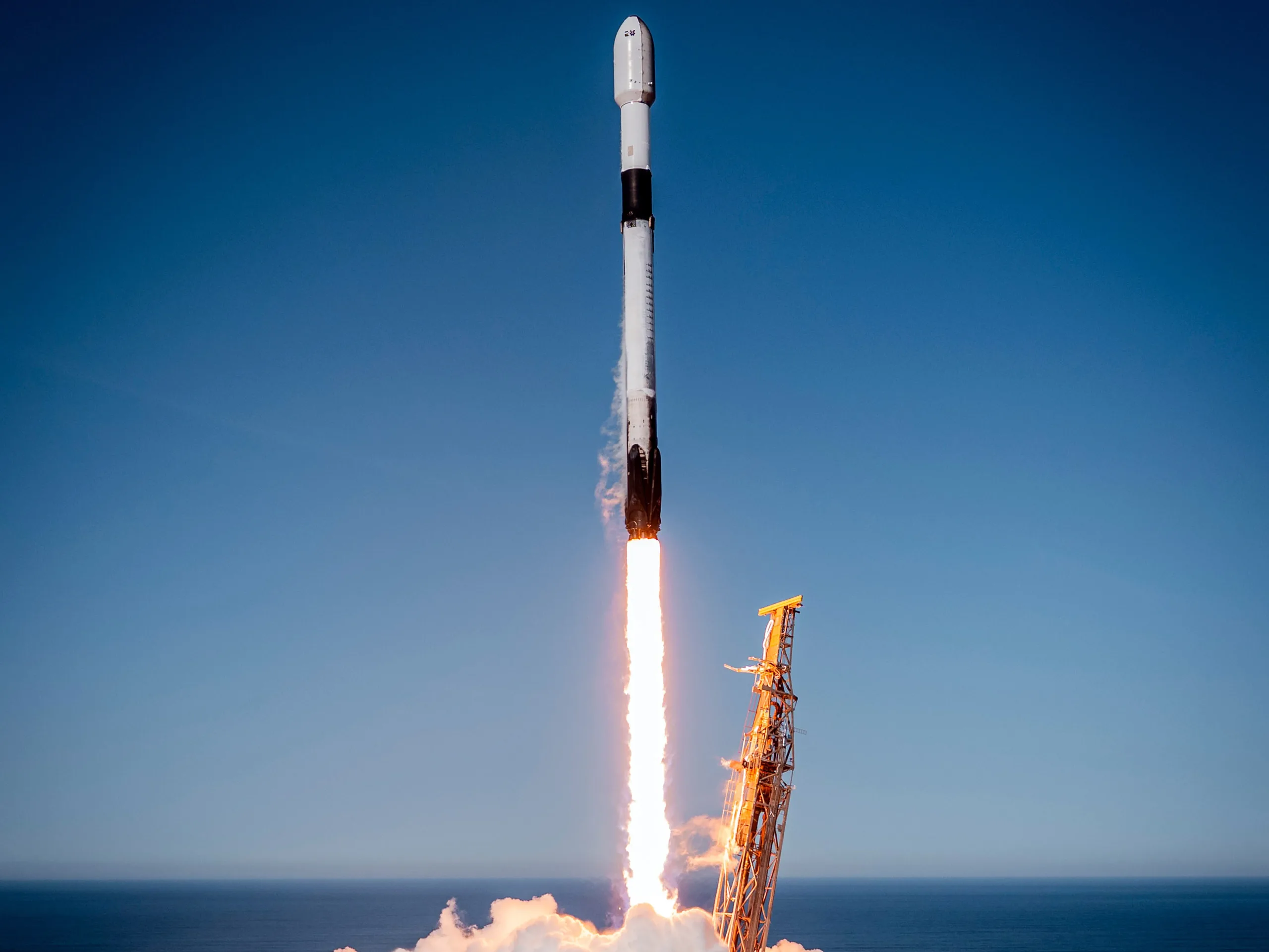
    Just as suggested by Elon Musk, SpaceX might be preparing to send satellites into orbit to create a data center for its xAI project and has submitted a request to the FCC for a constellation permit.

    Potential Launch Details

    If this concept goes ahead, the satellites will be positioned in crowded orbits between 500 and 2000 km above the Earth. Recently, SpaceX experienced the loss of a rogue satellite and reassured astronauts that its “current trajectory will place it below the ISS,” essentially acknowledging that the “anomaly on satellite 35956” caused it to move uncontrollably through space before reentering Earth’s atmosphere and burning up.

    Constellation Plans

    SpaceX is now seeking permission to launch a constellation of up to one million satellites to create an Orbital Data Center system. They emphasize that the satellites will be positioned to “deconflict” in case of control problems that might arise between them or from competing orbital data center systems.

    The satellites in the data center will utilize different hardware based on their specific location and function, with communication established through optical links, similar to the satellites in SpaceX’s Starlink network, which provides fast internet service using a $350 standard dish.

    Smaller Satellites, Big Impact

    These Orbital Data Center satellites will be significantly smaller, and SpaceX aims to leverage their unique positioning for enhanced AI computing capabilities. This approach could harness solar energy and alleviate some of the pressure on the terrestrial grid caused by traditional AI data centers. However, challenges related to latency, cooling, space traffic management, debris control, and other problems associated with crowding in Low Earth Orbit (LEO) will still persist.

    SpaceX stated, “launching 1 million tonnes per year of satellites generating 100 kW of compute power per tonne would add 100 gigawatts of AI compute capacity annually, with minimal ongoing operational or maintenance needs.”

    FCC via PCMag

    Source:
    Link


  • Google Chrome Update: Gemini 3 AI Introduces Auto Browse Feature

    Google Chrome Update: Gemini 3 AI Introduces Auto Browse Feature

    Key Takeaways

    1. Gemini 3 enhances information processing by integrating directly into the browser interface.
    2. Users in supported regions can access AI features in the latest Google Chrome versions without needing extensions.
    3. The auto-browse feature quickly summarizes webpage content as it loads.
    4. The sidebar allows users to extract tables and make comparisons across open tabs.
    5. The launch in Europe may face delays due to regulatory changes related to the DMA and the AI Act.


    The rollout of Gemini 3 is aimed to process information more efficiently. By integrating at the system level, this model understands the context of the open tabs and directly addresses queries in the browser interface. Consequently, experimental methods from Project Disco, where open tabs are turned into personalized web applications, are being incorporated into Google Chrome.

    Short Overview

    In regions that support it, like the US, users can access these features via the latest stable versions of Google Chrome. Those eligible can activate the AI functionalities through settings found under experimental features or by clicking the Gemini icon located in the address bar. There’s no need to manually install any extensions.

    Features and Functionality

    The auto-browse feature recognizes how a webpage is structured as it loads and quickly supplies a summary. Users can also utilize the sidebar to extract tables or make comparisons across various tabs. The system modifies the detail level according to the context at hand, such as for technical specs or instructions. As for a specific launch date in Europe, that information hasn’t been disclosed yet. However, it is anticipated that the launch will face delays due to necessary regulatory changes related to the DMA and the AI Act.

    Source:
    Link


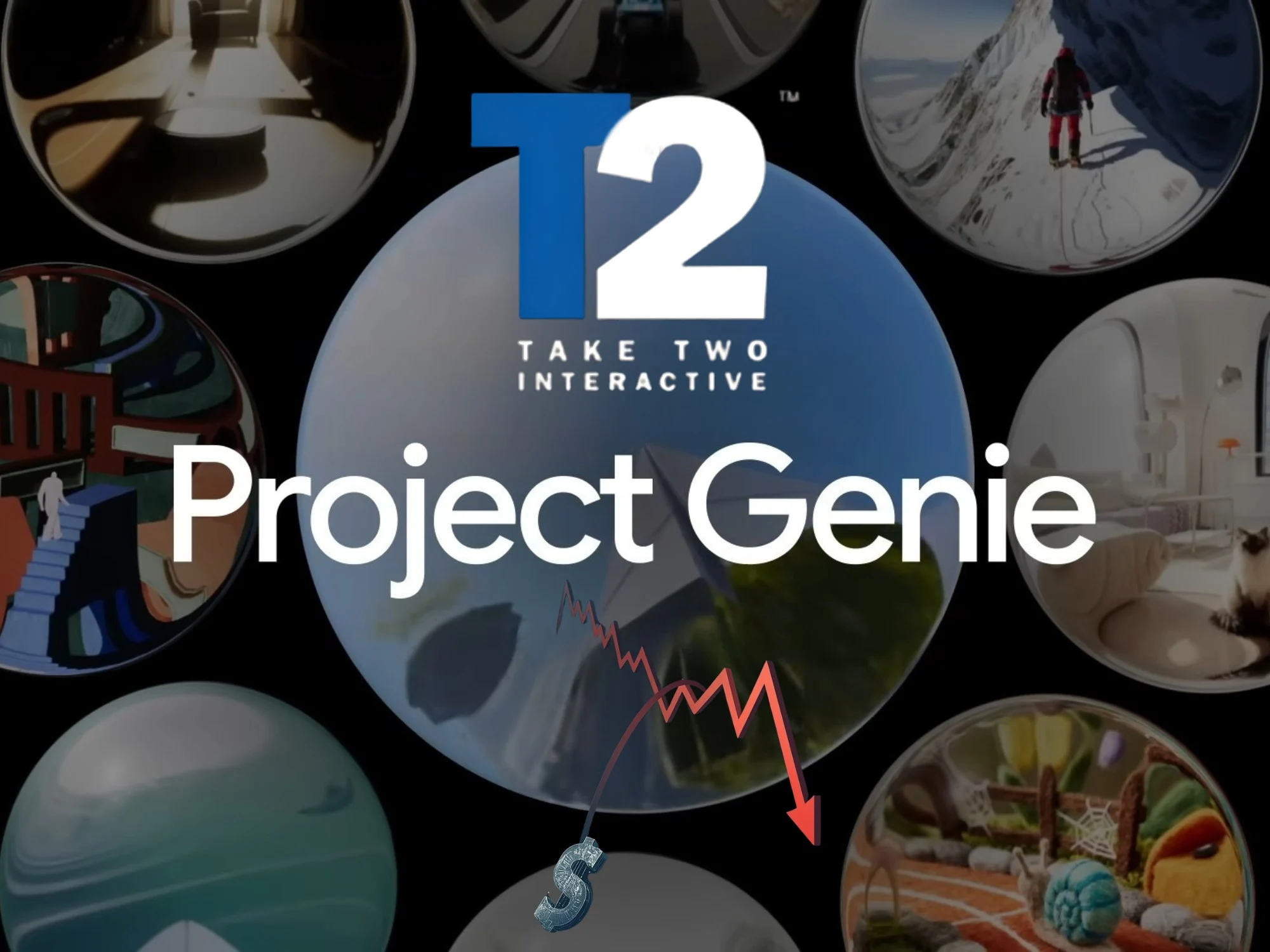
  • Take-Two Stock Hits Lowest Point After GTA 6 Delay and AI Tool Launch

    Take-Two Stock Hits Lowest Point After GTA 6 Delay and AI Tool Launch

    Key Takeaways

    1. Take-Two Interactive’s stock declined over 11% following the delay of GTA 6 and concerns about Project Genie, Google’s AI tool.
    2. The downturn in stock prices has also affected other companies like Roblox, CD Projekt, and Unity.
    3. Project Genie enables the creation of interactive 2D or 3D environments using text prompts, but currently has limitations in visual quality and frame rate.
    4. Generative AI tools like Project Genie may speed up game development but cannot fully replace the creative skills of writers and artists.
    5. Companies like Ubisoft and EA are more open to adopting generative AI, but investors may be overestimating its long-term impact on game development.


    The Take-Two Interactive stock had already dropped prior to the GTA 6 release date delay on November 19th. Even without another hold-up, shares are currently trading at an even lower value. On January 30th, the stock experienced a decline of over 11% from its opening price. Many analysts are attributing this downturn to Project Genie, Google’s new generative AI tool, which has unsettled investors.

    Impact on Other Companies

    As pointed out by Shinobi602 on social media, the downturn hasn’t only impacted the publisher of GTA 6. Roblox and CD Projekt have also faced declines, with game engines like Unity being particularly affected.

    Features of Project Genie

    With the aid of Gemini, Project Genie allows users to build 2D or 3D interactive settings by entering text prompts or providing images. The entire world is simulated using a physics model that reacts as characters run, jump, or interact with different objects.

    At present, the visuals are limited to 24 fps and a maximum resolution of 720p. However, shareholders of Take-Two might see Project Genie as a peek into the future. Rockstar Games developers depend on a specialized game engine to create Vice City. Buyers who are anxious about another potential delay for GTA 6 have come to understand just how meticulous this process can be.

    Generative AI in Game Development

    Google’s generative AI tool might accelerate world-building in gaming studios. Companies lacking the resources of Rockstar Games are eager to release competing titles at a quicker pace. Nonetheless, in its basic form, Genie yields results that resemble tech demos more than complete games.

    Critics also contend that Genie cannot replace the skills of writers and artists. Take-Two Interactive CEO Strauss Zelnick shared a similar sentiment when discussing AI’s effects. He views these tools as a means for developers to enhance their efficiency, not as a reason to reduce staff.

    Broader Acceptance of AI

    Publishers like Ubisoft and EA are less reluctant to adopt generative AI. So far, most instances of its usage in AAA games have been restricted to generating background elements or marketplace art. It seems likely that fewer people will be involved in game development in the future. Still, the general consensus is that investors are overestimating the impact of Google’s technology, even several years down the line.

    Source:
    Link


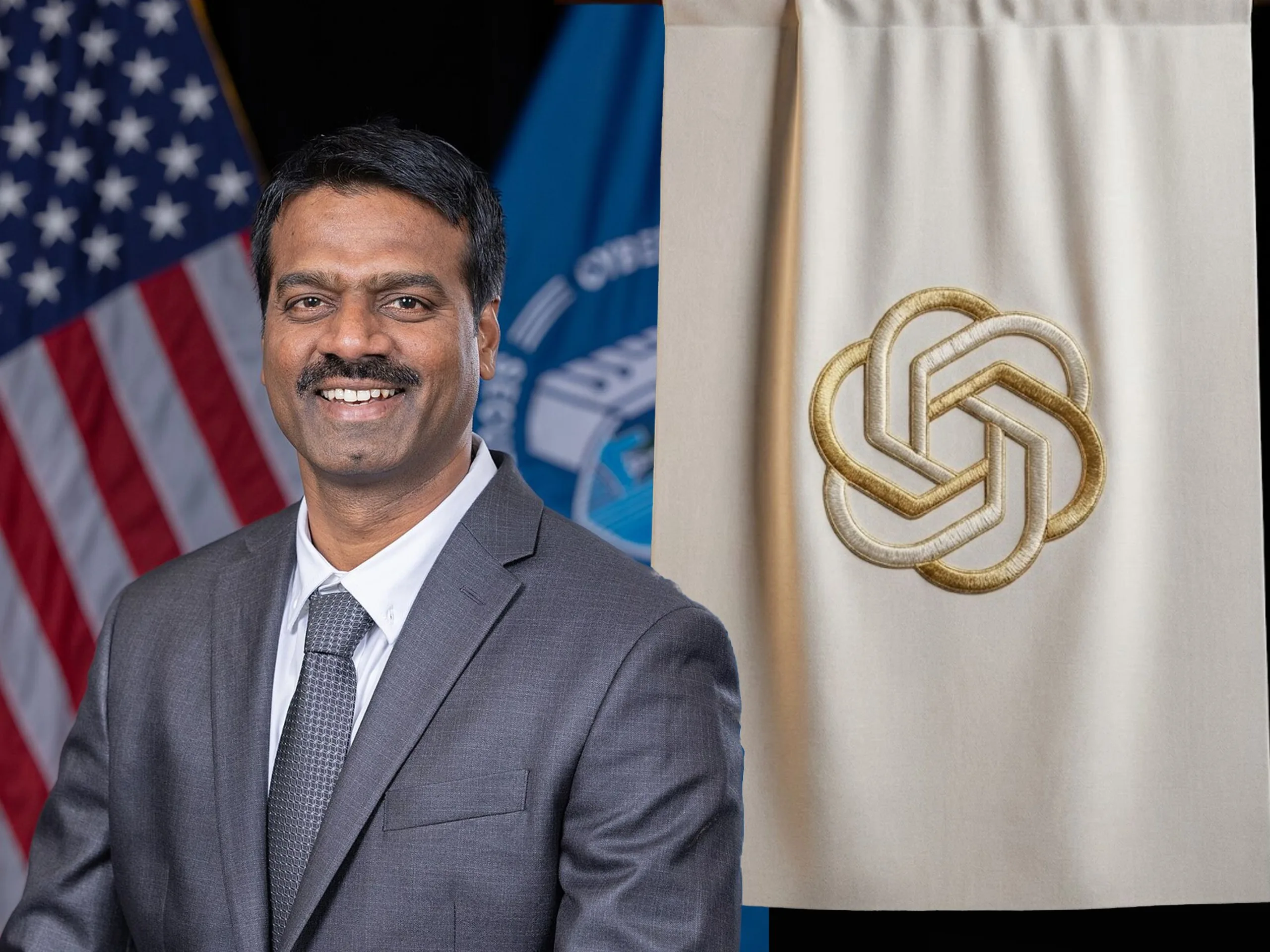
  • US Cybersecurity Chief Leaks Confidential Documents to ChatGPT

    US Cybersecurity Chief Leaks Confidential Documents to ChatGPT

    Key Takeaways

    1. The Acting Director of CISA, Madhu Gottumukkala, uploaded sensitive government documents to a public version of ChatGPT, triggering security alerts.
    2. Gottumukkala received a special exemption to use the AI tool, despite the documents being labeled “For Official Use Only.”
    3. The incident raises concerns about data exposure, as public AI tools like ChatGPT send inputs to OpenAI, unlike secure internal tools.
    4. CISA is investigating the incident, with conflicting statements about the timeline of Gottumukkala’s use of the tool.
    5. This incident adds to ongoing controversies surrounding Gottumukkala, including previous issues with a polygraph test related to counterintelligence.


    The Acting Director of the Cybersecurity and Infrastructure Security Agency (CISA), which is the main US agency for cybersecurity, was involved in a security incident last year. Madhu Gottumukkala uploaded sensitive government documents to a public version of ChatGPT. Information from four officials at the Department of Homeland Security (DHS) obtained by Politico revealed that this action set off several automated security alerts. These alerts are designed to stop the theft or accidental release of government materials from federal networks. Reports indicate that alarms were triggered multiple times during the first week of August alone.

    Accessing the AI Tool

    Gottumukkala obtained a special exemption to use the AI chatbot, which he requested from CISA’s Chief Information Officer soon after he started his role in May. At that point, the application was only available to regular employees of the Department of Homeland Security. Although the files he uploaded were not classified, they were labeled “For Official Use Only,” indicating that they contained sensitive information not meant for the public.

    Controversy Over the Incident

    This incident has raised eyebrows, especially because of the technical nature of the tool involved. When using the public version of ChatGPT, inputs are sent to the developer OpenAI, and there is a possibility that this data could be used to enhance the model or answer questions for other users. In contrast, the AI tools approved for use within the Department of Security, like the internal “DHSChat,” are set up to ensure that no data or search queries can leave the secured federal networks. OpenAI claims that their service currently has over 700 million active users, which emphasizes the risk of information exposure.

    CISA’s Response

    In response to the situation, CISA is attempting to clarify matters. Spokeswoman Marci McCarthy stated that the use of the chatbot was approved, short-term, limited, and conducted under security measures. She also disputed the timeline, claiming that the director last used the tool in mid-July. This contradicts previous statements from officials who said security alerts were still detecting uploads in early August. An internal investigation is now underway to find out if the incident resulted in any real harm. This case is just one of many controversies involving Gottumukkala, who has reportedly previously failed a polygraph test related to counterintelligence.

    IOL, Politico.

    Source:
    Link


  • Tesla’s Optimus Robot: Elon Musk’s Pipe Dream Revealed

    Tesla’s Optimus Robot: Elon Musk’s Pipe Dream Revealed

    Key Takeaways

    1. Tesla’s Optimus robot is still under development and not currently in use for production in factories, contrary to previous claims by Elon Musk.
    2. There are only a few prototypes of Optimus, with some requiring teleoperation instead of being fully autonomous.
    3. Musk faces backlash on social media, with accusations of misrepresentation and dishonesty regarding the robot’s capabilities and timeline.
    4. The upcoming Optimus Gen 3, expected in Q1 2026, aims for large-scale production but may face delays due to supply chain challenges.
    5. Uncertainty remains about whether the third generation of the robot will meet expectations and achieve significant advancements.


    Until recently, Elon Musk had stated that Tesla’s Optimus robot was already in use at the company’s factories and could be available for private buyers by 2027. Nevertheless, this now seems to be quite the opposite. Contrary to previous claims, no Optimus units are currently doing any productive work in Tesla’s facilities. Musk confirmed in the recent earnings call that the robot is still under development and is being trained – “it’s more so that the robot can learn,” he explained – rather than actually helping in production.

    New Perspective on Past Claims

    This revelation sheds a different light on earlier predictions from 2024 and 2025, which discussed fully autonomous robots and the expectation of thousands of units by the end of 2025. In fact, only a few prototypes are in existence now, and some depend on teleoperation, which means they are controlled from afar instead of being fully autonomous. On Reddit, Elon Musk is encountering significant backlash. Many users label him as a “liar” and a “fraud,” accusing him of intentionally misrepresenting facts. One commenter, u/Real-Technician83, noted: “He has learned that lies pump the stock more than admitting them later drops the value.”

    The Future of Optimus

    Optimus Gen 3, which is set for a Q1 2026 release, could represent a significant shift. Tesla claims this new version will be the first one made with large-scale production in mind, including a revamped hand system and the capability to learn from observation, voice commands, or video inputs. However, production might not kick off until late 2026, and a long ramp-up period would be necessary due to the establishment of a completely new supply chain. Given the recent developments, it remains uncertain if this third generation will achieve the much-anticipated breakthrough that many have been eagerly waiting for.

    Tesla via YouTube

    Source:
    Link


  • Musk Considers Merging Tesla, Starlink, and xAI for IPO Delay

    Musk Considers Merging Tesla, Starlink, and xAI for IPO Delay

    Key Takeaways

    1. Tesla’s stock declined despite a small earnings increase, indicating investor concerns about the company’s performance.
    2. Elon Musk is shifting Tesla’s focus from cars to autonomous driving, robotaxis, and humanoid robots, while discontinuing certain vehicle models.
    3. Reports suggest Musk is considering a merger of Tesla, SpaceX, and xAI, which could create operational synergies.
    4. A merger could enhance Tesla’s valuation and address current negative sentiment due to declining profits and increased competition.
    5. Recent legal filings hint at the possibility of integrating SpaceX, Tesla, and xAI into one publicly traded company.


    The small earnings increase did not assure investors that everything is fine with Elon Musk’s vehicle company, leading to a decline in Tesla’s stock after the announcement amid ongoing selling pressure.

    Shifting Focus Away from Cars

    Musk’s attempts to transform Tesla into a “physical AI” entity, focusing on autonomous driving subscriptions, robotaxis, and the Optimus humanoid, stand in stark contrast to the news that Tesla is struggling to compete in the high-end EV market. The company has decided to discontinue the Model X and Model S, while also contemplating the future of the Cybertruck.

    Potential Merger News

    However, following the drop in Tesla’s stock, recent news might boost the share price instead. Reports from both Bloomberg and Reuters suggest that Elon Musk is thinking about merging Tesla, SpaceX, and xAI into a single entity. It is said that he is considering a merger between SpaceX and xAI through a stock exchange, which could create various synergies like orbital data centers, or simply integrate SpaceX into Tesla without pursuing a separate IPO.

    Positive Implications for Tesla

    This move would be beneficial, especially since SpaceX is rumored to be preparing for a $50 billion IPO at a valuation of $1.5 trillion. Such a merger would transform Tesla into a company that encompasses space, AI, and robotics, rather than just being an automaker, which could enhance its future valuation. It might also alleviate the current negative sentiment resulting from decreasing profits and limited growth opportunities. Even though Tesla leads in autonomous vehicles and humanoid robots, competition is intensifying, and Musk’s ambitious growth plans may not materialize as expected in the coming years.

    A merger involving SpaceX and Tesla, along with xAI as a bonus, could surely address these challenges. Alternatively, this could simply be a strategic rumor, but recent legal filings by the SpaceX CFO in Nevada, which include the term “merger sub,” could indicate that Musk is at least contemplating the integration of SpaceX, Tesla, and xAI into a single publicly traded company.


    Source:
    Link


  • Discover Exoplanets Easily with NASA’s New Tool

    Discover Exoplanets Easily with NASA’s New Tool

    Key Takeaways

    1. NASA’s Kepler and TESS missions have discovered over 3,000 exoplanets, with Kepler focusing on a small area and TESS surveying nearly the entire sky.
    2. AI software ExoMiner was developed to verify new exoplanets using Kepler data, and an improved version called ExoMiner++ has been created to analyze data from both Kepler and TESS.
    3. ExoMiner++ identifies dimming events in stars to determine if they are caused by exoplanets transiting in front of them, initially finding 7,000 potential exoplanets.
    4. ExoMiner++ is freely accessible for anyone to use, which is expected to accelerate exoplanet discoveries.
    5. Future developments of ExoMiner++ will allow it to detect signals directly from raw data, enhancing its application in upcoming missions like NASA’s Nancy Grace Roman Space Telescope.


    NASA’s retired Kepler and the active TESS (Transiting Exoplanet Survey Satellite) have played a crucial role in finding over 3,000 exoplanets. Kepler focused on closely studying a small area of the sky to find these planets. Meanwhile, TESS is surveying almost the entire sky. The data gathered from both missions is examined to reveal more exoplanets.

    AI and Exoplanet Discovery

    In 2021, a group of NASA scientists developed a software that utilized artificial intelligence (AI) to verify 370 new exoplanets using Kepler’s data. This AI tool is named ExoMiner. Recently, they have introduced a better version called ExoMiner++. This upgraded model has been trained on data from both Kepler and TESS, allowing it to recognize exoplanets in TESS data.

    Identifying Dimming Events

    When telescopes like TESS look at a star, they sometimes notice a decrease in the star’s brightness. This dimming may be due to an exoplanet moving in front of it, which is known as a transit. However, other cosmic events can also cause this dimming. ExoMiner++ is specifically designed to determine which dimming events are caused by exoplanets. In its first run, the algorithm found 7,000 potential exoplanets.

    ExoMiner++ is available for anyone to use at no cost. This free access is predicted to speed up the discovery of exoplanets.

    Future Developments

    A new version of ExoMiner++ is already being planned. Unlike the current version, which depends on existing signals of possible transits, the next model will be capable of detecting signals directly from raw data. Scientists are optimistic about applying ExoMiner models in future exoplanet-hunting projects, such as NASA’s Nancy Grace Roman Space Telescope. The ExoMiner++ algorithm was detailed in a paper published in the Astronomical Journal.

    Source:
    Link


  • Musk’s Optimus Outperforms Chinese Robots with Helix 02 Platform

    Musk’s Optimus Outperforms Chinese Robots with Helix 02 Platform

    Key Takeaways

    1. Tesla is shifting focus from luxury cars to developing Optimus humanoid robots, discontinuing the Model X and Model S production.
    2. Elon Musk believes Optimus will outperform competing Chinese robots in cognition and hand design, despite China’s lead in mass production and AI capabilities.
    3. China sold 18,000 humanoid robots last year, showcasing advanced factory task performance, while Tesla has yet to launch Optimus.
    4. Competitors like Figure AI are advancing robot technology with dexterous hands that can perform complex tasks, increasing pressure on Tesla.
    5. If successful, Tesla aims to produce one million Optimus robots per year, potentially lowering costs to around $30,000 each, while competitors face high production costs.


    Tesla is taking a big leap into “physical AI” by stopping the production of its luxury Model X and Model S cars to focus on making Optimus humanoid robots instead.

    Tesla’s Ambition

    During Tesla’s Q4 investor call, Elon Musk mentioned that only robots from China can rival Optimus, but he believes Optimus has the edge in many areas. When questioned about whether Optimus can compete with impressive Chinese robots like those from Ubtech or XPeng, which are already in mass production, Musk suggested that “Optimus will be much more capable than any robot that we are aware of under development in China.”

    Competitive Landscape

    Musk pointed to Optimus’s superior cognition and hand design as its strengths, though he recognized that Chinese companies excel in AI-driven awareness and large-scale production, which are also essential for humanoid robots. China is currently ahead in the field, boasting over $400 million in sales and an impressive fleet of 18,000 humanoid robots sold just last year. Their robots can perform complex factory tasks, while Tesla has yet to launch the Optimus robot, despite Musk’s claims of its potential capabilities.

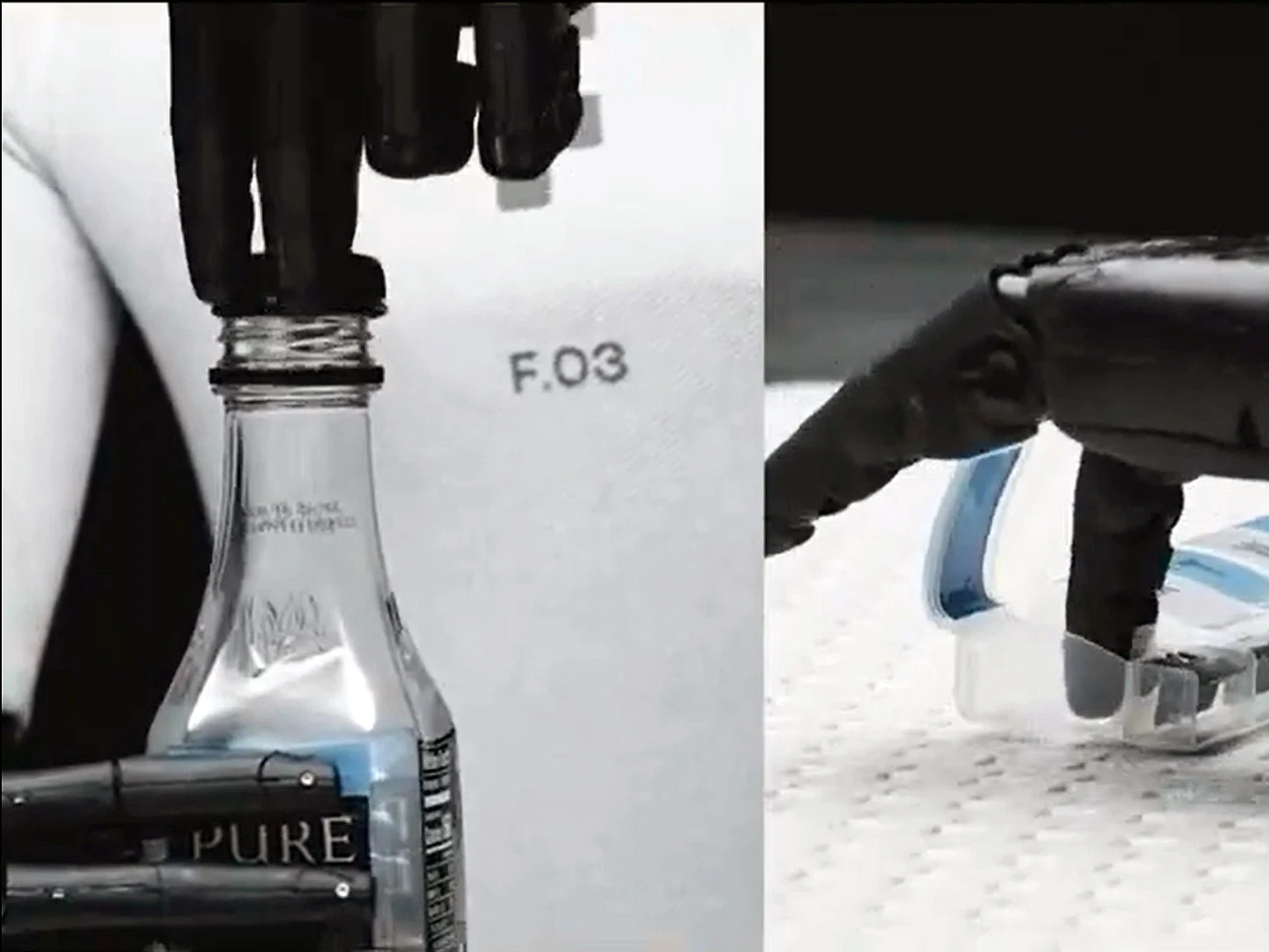
    Moreover, there are other humanoid robots that display impressive hand dexterity, and they aren’t solely from China. Figure AI’s robots, equipped with the new Helix 02 full-body autonomy platform, not only have the strength to exert force but also the finesse to open tricky bottle caps and extract small items from boxes with ease.

    Innovative Technology

    The Helix 02 robot hand includes tactile sensors and cameras in its palm, allowing it to “extract individual pills, dispense precise syringe volumes, and separate small, irregular objects from clutter despite self‑occlusion,” according to Figure AI. It appears that Tesla will face significant competition when Optimus finally enters mass production, both from within China and beyond. Whether Tesla can meet its ambitious goal of producing one million humanoid robots per year remains uncertain.

    If successful, this could lead to lowering the cost of each Optimus unit to around $30,000, as Musk has often mentioned. On the other hand, Boston Dynamics is discovering that its Atlas humanoid robots might be too costly to substitute for skilled workers at Hyundai’s factories, despite efforts to bring the cost down to $130,000 from the current $300,000 by 2030.

    Source:
    Link


  • Airbnb CEO Reveals Apple’s Secret Car Project by Mistake

    Airbnb CEO Reveals Apple’s Secret Car Project by Mistake

    Key Takeaways

    1. Airbnb’s CEO Brian Chesky introduced new CTO Ahmad Al-Dahle in an internal memo, breaking from Silicon Valley’s usual secrecy.
    2. Ahmad Al-Dahle was the creator and leader of Apple’s autonomous technology group, confirming the existence of Apple’s self-driving car initiative.
    3. The revelation of Al-Dahle’s role may frustrate Apple, which highly values secrecy in its projects.
    4. Al-Dahle has a strong background with Apple, contributing to key products like the original iPhone and Apple Watch.
    5. After Apple, Al-Dahle led the development of Llama AI models at Meta, providing insights into the inner workings of major tech companies.


    In a recent internal memo to employees that was also made public on Tuesday, Airbnb’s CEO, Brian Chesky, introduced his new Chief Technology Officer, Ahmad Al-Dahle. In doing so, Chesky broke from the usual Silicon Valley secrecy, sharing information that could create a buzz in Cupertino. He stated in the memo:

    Significant Contributions to Apple

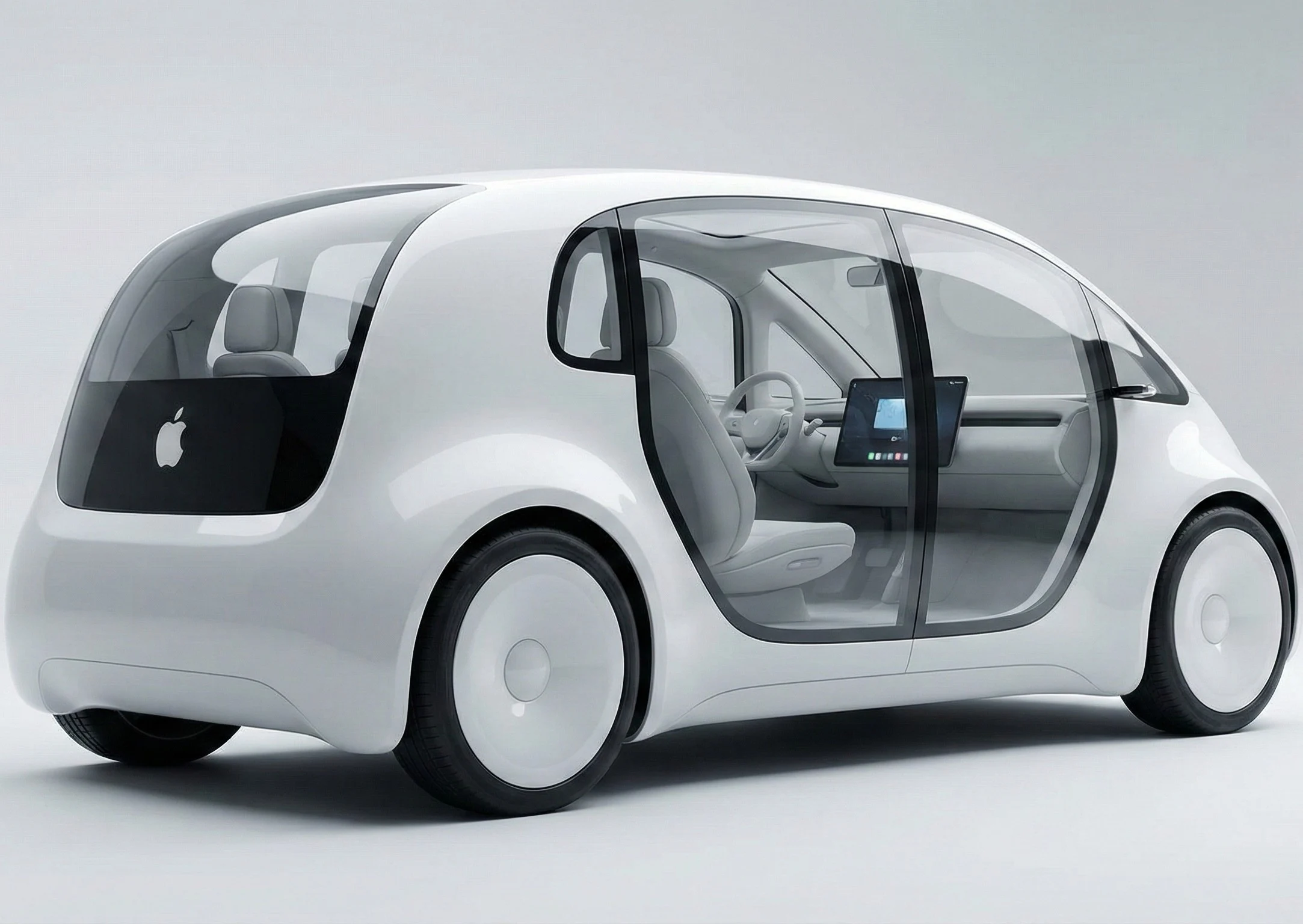
    In 2014, Ahmad was the creator and leader of Apple’s autonomous technology group, which was in charge of building the core AI systems for the company’s self-driving car initiative.

    For the first time, it’s confirmed: the “self-driving car initiative” was real. This is a big deal. Typically, ex-employees describe their roles at Apple in vague ways on their resumes, mentioning things like special projects or the “Technology Development Group.” However, Airbnb openly states the name of the group and even pinpoints its start to 2014.

    Apple’s Secrecy at Stake

    This revelation could be frustrating for Apple, even though the project is now in the past, as the company values secrecy above all. The irony is not lost that an outside partner has confirmed it after the fact. It seems Chesky wanted to highlight the impressive talent he has brought on board. Al-Dahle has a strong background with Apple, having started in Cupertino in 2005, which was two years before the first iPhone was launched. He contributed to the multitouch screens of the original iPhone and later worked on the first Apple Watch. His role in leading the car project indicates how serious Apple was back then.

    Insights into Tech Giants

    After his tenure at Apple, Al-Dahle transitioned to Meta, where he recently led the development of the popular Llama AI models. Chesky’s use of Al-Dahle’s Apple history to bolster his AI goals gives a rare insight into the workings of tech giants. Interestingly, Al-Dahle himself still follows Apple’s code of conduct in his professional profiles and avoids mentioning anything about the car project.

    Source:
    Link