Tag: subscription services

  • Microsoft Considers Raising Xbox Game Pass Prices

    Microsoft Considers Raising Xbox Game Pass Prices

    Key Takeaway

    1. Xbox is considering making Game Pass more flexible and cost-effective, moving away from the current model.
    2. Introducing new tiers or customizable subscription options could help address interest and retention issues.
    3. Reducing choice overload may improve game completion rates and overall user engagement.

    Xbox Game Pass Price Hikes and Future Plans

    Since its launch, Xbox Game Pass has seen multiple increases in its subscription prices. These hikes have pushed the service closer to becoming unsustainable for both the company and its users. There are rumors that Microsoft might be considering removing popular titles like Call of Duty from the service as a strategy to combat poor sales. But, don’t worry, fans of the service. Not everything is doom and gloom, as fresh information has lately come to light. An internal memo from the new Xbox head, Asha Sharma, revealed some plans that could change how Game Pass is structured.

    Sharma’s Vision for a More Flexible Service

    Sharma emphasized that Game Pass is a key component to Xbox’s gaming value, but the current system isn’t perfect. She admitted that in its present form, the subscription has become too pricey for many players, which calls for a better value proposition. Looking ahead, the company aims to develop a more adaptable model, though she acknowledged it would take time to test and refine these ideas. Readers should understand that this suggests a potential shift towards customizable tiers or payment options, rather than just a flat fee for access to everything.

    Potential Changes to Subscription Tiers

    The idea of making Game Pass more ‘flexible’ could entail offering various subscription levels. One possibility could be a system where players pick a specific set of games based on their interests and pay accordingly. This might involve filtering options like genres or tracking how many hours someone spends in their favorites. While this isn’t confirmed, such a model could better suit individual preferences, offering a tailored experience instead of a one-size-fits-all approach. Creating this system would be technically complex, but it might solve many issues currently faced by subscribers.

    Addressing Content Overload and User Engagement

    Right now, one of the big problems with Game Pass is the overwhelming amount of titles available. Users often find themselves unable to experience most of what’s on offer because of the huge selection. A more curated experience might help players focus on titles they are genuinely interested in. Additionally, limiting options could make it easier for players to complete games. Currently, many users start multiple games but rarely finish them due to having too many options distracting from completing any one game. Fewer choices could improve overall engagement and satisfaction.

    Sources
  • Subscribers Prefer ChatGPT Over Google as Default Web Gateway

    Subscribers Prefer ChatGPT Over Google as Default Web Gateway

    Key Takeaways

    1. AI services are becoming essential in daily digital life, with many users making ChatGPT their main browser homepage, reducing reliance on traditional search engines.
    2. On average, AI subscribers spend around $66 monthly on AI tools, which is close to their average budget of $72, leading to concerns about affordability.
    3. Over 60% of users prioritize AI subscriptions over video streaming, indicating a shift in consumer spending towards productivity tools.
    4. Users are engaging in “subscription cycling” to manage costs, signing up for services temporarily instead of maintaining ongoing subscriptions.
    5. The landscape of AI is evolving into a complex ecosystem, with Bango’s “Super Bundling” strategy aimed at enhancing customer retention and addressing commercial interests.


    British payment company Bango, along with research group 3Gem, has shared a detailed study about the growing use of paid AI services. Information gathered from 2,000 US users who pay for such services in October 2025 shows that AI technology is now more than just a trendy gadget; it’s becoming a vital part of our digital lives. This change is especially seen in how people search online: a large number of ChatGPT users have made the chatbot their main browser homepage, slowly pushing aside traditional search engines like Google, Bing, and DuckDuckGo. On smartphones, AI widgets now take center stage on the home screen, making the usual search bar less significant.

    The Financial Impact of AI Subscriptions

    However, this reliance comes with a price tag. On average, AI subscribers shell out 66 USD every month for their collection of tools. This amount often surpasses what they spend on video streaming, getting close to their financial limits. With the average budget reported by users being only 72 USD, there’s not much flexibility for price hikes. Interestingly, one-third of those surveyed consider the costs too high, putting pressure on service providers to either enhance value or offer more affordable options for new users.

    Competition in the Subscription Landscape

    The rise of artificial intelligence is igniting a tough competition in the subscription market. More than 60% of participants in the study stated they would rather cancel their video streaming subscriptions than give up their AI assistants, highlighting that productivity is prioritized over entertainment. To keep their spending in check, many users have started practicing “subscription cycling,” where they sign up for services momentarily and cancel them immediately, instead of letting them become ongoing expenses.

    Many users dream of a “super-app” that answers questions and simplifies shopping for products and services directly. However, if shopping through AI becomes commonplace, it could jeopardize the impartiality of these assistants. Should AI models transition into marketplaces, there could be financial reasons to favor certain services or products.

    The Evolution of AI Services

    Moreover, Bango’s “Super Bundling” approach is not merely about convenience. It is also a strategic method to keep customers from frequently switching platforms, aiming for long-term retention. The landscape of AI is slowly shifting from being a neutral instrument into a complex ecosystem with significant commercial interests.

    Source:
    Link


  • Google Search May Introduce Fees for New AI Features

    Google Search May Introduce Fees for New AI Features

    For some time now, Google has been exploring novel AI search functionalities within its Google Search platform. It is worth noting that certain features, like the Search Generative Experience, may not align well with the traditional concept of an ad-supported online environment.

    Google’s Revenue Model and AI Development

    Google garners a substantial portion of its income from advertisements, and there is also a significant investment in developing AI models that ultimately benefit end users. While Google’s primary goal is to enhance the search experience, this evolution raises concerns about the sustainability of the current system. Despite these advancements, the conventional ad-supported Google Search will continue to be accessible at no cost.

    Potential Introduction of Paid AI Features

    According to a report by the Financial Times (subscription-based), there are speculations that Google might introduce AI-powered search features with a monetary value in the upcoming period. Sources familiar with Google’s strategies suggest that these advanced features could be integrated into existing subscription services such as Google One.

    Surprisingly, even with a paid experience, advertisements are expected to be present. This underscores the enduring significance of ads within Google’s business framework. The question arises as to why Google is pushing forth with features that disrupt its established business model.

    The aim appears to be offering a comprehensive solution catering to diverse user preferences. While some individuals may be inclined to pay for an AI-enhanced search experience, the majority might prefer to continue using the service for free. Research indicates that over 70% of users are likely to stick with the no-cost option.

    Regarding Google’s Search Generative Experience (SGE), it is currently undergoing experimental phases. Google emphasizes that this feature is not yet prepared for full-scale production services.

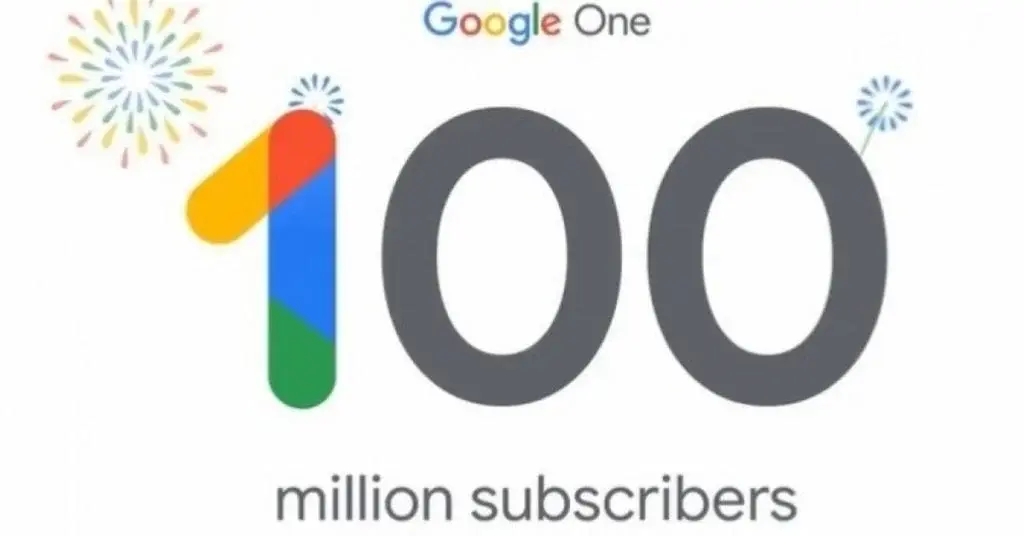
  • Google One Achieves Over 100 Million Subscribers

    Google One Achieves Over 100 Million Subscribers

    Google One, Google’s cloud storage subscription service, has reached a major milestone by exceeding 100 million paying subscribers. CEO Sundar Pichai underscores the company’s plans to boost future expansion with its recently launched AI Premium Plan.

    Pricing Plans

    Google One offers a way for users to increase their storage capacity beyond the free 15GB provided with services like Gmail, Drive, and Photos. Here’s a more detailed breakdown of the pricing plans:

    • Basic (100GB): $1.99/month or $19.99/year. Includes sharing with up to five users, additional photo editing features like Magic Eraser, VPN access, and dark web monitoring.
    • Standard (200GB): $2.99/month or $29.99/year. The primary difference is a 3% reward on Google Store purchases.
    • Premium (2TB and up): Starts at $9.99/month or $99.99/year, offering larger storage, Google Workspace premium features (for tools like Meet and Calendar), and a 10% reward on Google Store purchases. There are higher tiers than 2TB for those needing even more storage.

    Apart from this, the company recently launched the AI Premium plan ($19.99/month) that introduces powerful tools built on Google’s Gemini AI model.

    AI Premium Features

    These features offer advanced capabilities like generating drafts in Gmail, organizing content in Slides, and providing data visualizations within Sheets. Subscribers on plans with 5TB or more storage currently have a limited-time trial of AI Premium features until July 31, 2024, for free.

    Google intends to make AI Premium available to other subscriber groups, including Google Fi Unlimited users and those who pay for Google One through third-party billing providers.

    Pichai emphasizes that the addition of these AI features is pivotal to the service’s continued growth. This subscriber milestone for Google One interestingly coincides with YouTube Music + Premium also reaching 100 million users.