Category: All News

  • Impressive AI and Performance Gains Revealed in MediaTek Dimensity 9400 Specs

    Impressive AI and Performance Gains Revealed in MediaTek Dimensity 9400 Specs

    Taiwanese chipmaker MediaTek recently held a ceremony to commemorate the beginning of construction for a new office building near the Hsinchu High-speed Railway station. The 22-story building is projected to house 3,000 employees by 2027.

    MediaTek’s CEO Teases Upcoming Dimensity 9400 Chip

    During the event, CEO Cai Lixing hinted at the forthcoming Dimensity 9400 chip, which is anticipated to be released in the fourth quarter of 2024. While not explicitly mentioned, Cai highlighted that the new System on a Chip (SoC) will feature enhanced AI capabilities, positioning it as a competitor to other high-end smartphone processors.

    Leak Reveals Potential Upgrades for Dimensity 9400

    Although specific details about the Dimensity 9400’s performance remain undisclosed, a report by China Times has shed some light on what can be expected from the chip.

    According to the leak, the Dimensity 9400 is set to benefit from TSMC’s 3nm process, a shift from the Dimensity 9300’s 4nm process. This transition is expected to deliver improved performance and power efficiency.

    MediaTek Sticks with Arm’s CPU Designs

    In contrast to Qualcomm, which is transitioning to its custom Oryon CPU cores, MediaTek is likely to continue utilizing Arm’s CPU designs. The Dimensity 9400 is anticipated to feature the Cortex-X5 as its main core, alongside three Cortex-X4 and four Cortex-A720 performance cores.

    Enhanced Processing Capabilities and Faster Image Creation

    The leaked details also suggest that the Dimensity 9400 will be capable of processing 12 to 15 tokens per second using a specific model called Llama 2 from Meta. This represents a significant improvement in processing speed compared to its predecessor.

    Furthermore, the Dimensity 9400 is expected to outperform the Dimensity 9300 in image creation using Stable Diffusion 1.5, completing the task in just 3 seconds instead of 3.5 seconds.

    A Promising Future for Dimensity 9400

    With these enhancements, the Dimensity 9400, and its successor, the APU 790, have the potential to deliver processing speeds that are 20-50% faster for tokens and up to 16.7% faster for image creation.

    However, it is important to note that these details are still preliminary and subject to change. Therefore, it is advisable to approach this information with caution.
  • Battery pack specifications for Vision Pro revealed, and to everyone’s surprise, it continues to utilize the Lightning port

    Battery pack specifications for Vision Pro revealed, and to everyone’s surprise, it continues to utilize the Lightning port

    We now have more detailed information on the battery specifications for the Vision Pro headset, clearing up the initial ambiguity of the pre-order period that only provided general usage and video playback estimates.

    Battery Specifications

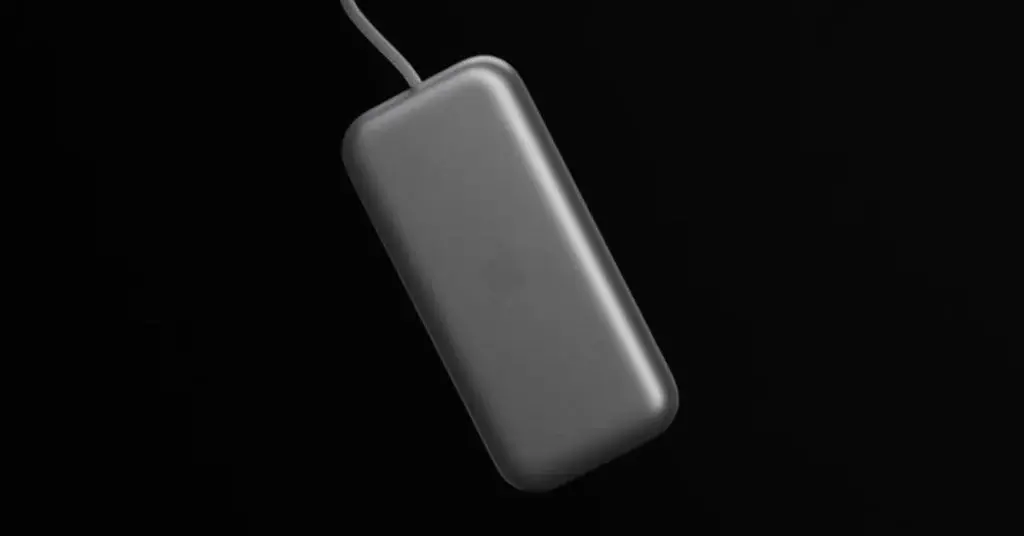
    The battery pack included with the Vision Pro headset has a capacity of 3,166 mAh. Despite its seemingly modest capacity considering the weight of the headset (353 grams), it operates at a high voltage of 13V 6A, surpassing the typical 3.8V voltage of phone batteries.

    Equivalent Capacity

    The higher voltage of the battery pack translates to an equivalent capacity of 9,440 mAh when compared to typical phone battery voltage. This essentially makes the Vision Pro headset comparable to a 10,000 mAh power bank, according to GSMArena.

    Removable Connecting Cable

    Contrary to initial impressions, the connecting cable between the battery pack and the headset is indeed removable. Journalist Ray Wong made an interesting discovery – the cable can be detached from the battery pack using a SIM ejector tool. This means that if the cable gets damaged, users can replace it individually without having to purchase an entirely new battery pack.

    Lightning Port

    Ray Wong’s findings also reveal an interesting detail about the Vision Pro headset. Apple is still using a Lightning port for the proprietary headset and battery pack connecting cable. However, this version of the Lightning port is larger and features 12 pins, unlike the ones typically seen on iPhones. It is somewhat surprising that Apple has not moved away from its proprietary connector, especially considering the current pressure it’s facing from the EU.

    Non-Hot-Swappable Battery

    It is important to note that the Apple Vision Pro battery is not hot-swappable. This means that disconnecting the cable while using the headset will effectively shut it down. Users will need to perform a fresh reboot when connecting a new battery pack.

    Overall, the detailed information on the battery specifications of the Vision Pro headset provides clarity and valuable insights for potential buyers. The high voltage and equivalent capacity make it a powerful option, while the removable cable and Lightning port add convenience and compatibility. However, the non-hot-swappable feature should be considered when using the headset.

  • Certification for Starlink’s WiFi 6 Router From FCC and IMDA Underway

    Certification for Starlink’s WiFi 6 Router From FCC and IMDA Underway

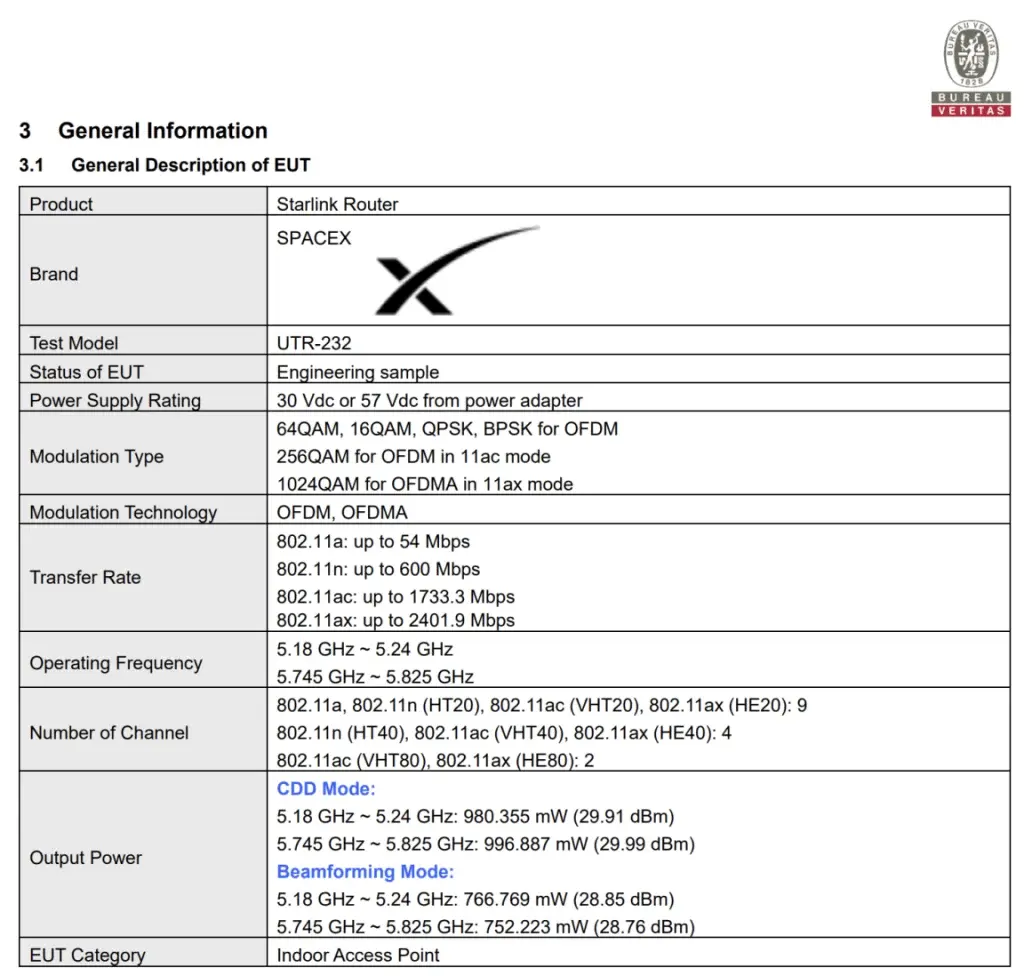
    Following its recent announcement about launching a “cellphone tower in space,” Starlink, the satellite communication and internet connectivity company owned by Elon Musk, is now focusing on a more grounded project. It seems that Starlink is working on developing a new WiFi 6 router, as revealed by certifications obtained from the IMDA (Infocomm Media Development Authority) and FCC (Federal Communications Commission) databases. Here are the details we have so far.

    Certification Details

    The IMDA certification disclosed that the new router carries the model number UTR-232 and is classified as a low-power WLAN device. On the other hand, the FCC listing confirmed that it will utilize the same wireless bands as other WiFi 6 routers. This indicates that the upcoming router will be compatible with existing WiFi 6 devices.

    Features and Specifications

    According to the FCC listing, the new Starlink WiFi 6 router will come equipped with two built-in LAN ports. In addition, it will include two power adapters, namely UTP-231L and UTP-232C. This suggests that the router will offer enhanced connectivity options for users.

    Gen 3 Mesh Router

    It is speculated that the UTR-232 WiFi 6 router is an upgraded version of the UTR-231 WiFi 6 router, which is considered a Gen 3 mesh router. The UTR-231 router is expected to serve as an accessory for existing Starlink customers, allowing them to boost their connectivity with Starlink’s coverage. This indicates that the new WiFi 6 router will provide improved performance and faster broadband speeds compared to the previous generation routers bundled with Starlink’s dish.

    Benefits of WiFi 6

    By upgrading to WiFi 6, users can expect not only faster broadband speeds but also improved energy efficiency on mobile devices and reduced bandwidth congestion. This means a more seamless and efficient internet experience for Starlink customers.

    Conclusion

    While these are all the details available at the moment, it is likely that Starlink will release more information about the new WiFi 6 router in the near future. As Starlink continues to innovate in the field of satellite communication and internet connectivity, the introduction of a WiFi 6 router further demonstrates their commitment to providing cutting-edge technology to their customers. Stay tuned for more updates on this exciting development from Starlink.

  • People nearby can easily disrupt Apple Vision Pro’s gesture controls

    People nearby can easily disrupt Apple Vision Pro’s gesture controls

    Apple Vision Pro Headset Faces Minor Flaw in Hand-Tracking Gesture Controls

    Apple’s innovative Vision Pro headset, known for its gesture-based interaction, has been found to have a minor flaw in its hand-tracking gesture controls, according to test results from technology media CNET. The issue arises when other people insert themselves into the interaction area while the wearer is using gestures, causing interference with the headset’s gesture controls and impacting the overall user experience.

    Difficulty in Distinguishing Between User and Others’ Hands

    The Apple Vision Pro headset heavily relies on gestures for user interaction, facilitated by the visionOS software. However, CNET’s tests reveal that the headset struggles to differentiate between the wearer’s hand and the hands of others entering the interaction space. This can pose challenges, especially in scenarios where users have children or other individuals around them.

    Impact on User Experience

    The interference from additional hands affects the seamless execution of gestures, potentially disrupting the intended experience. This flaw can be particularly inconvenient, as even a random hand movement within the range of the gesture system may lead to unintended actions, such as accidental deletion of a file.

    Room for Improvement in Apple’s visionOS

    While this flaw is relatively minor, it highlights the need for improvement in Apple’s visionOS. It is expected that future updates will address this issue, enabling the headset to accurately distinguish the wearer’s hand. As Apple continues to enhance its software systems, gesture recognition improvements are likely to become a focal point, ensuring an optimal and uninterrupted user experience for Vision Pro users.

    Future Updates and Second-Generation Vision Pro

    In conclusion, while this imperfection may cause some inconvenience in certain situations, it is part of the ongoing development process for this first-generation product. Apple is already rumored to be working on a second-generation Vision Pro headset, potentially named the Apple Vision Pro 2. This future iteration of the headset is expected to address some of the imperfections of the first-generation product, including improvements in weight and weight distribution.

    Overall, Apple’s Vision Pro headset remains a groundbreaking product with its innovative gesture-based interaction. As Apple continues to refine and enhance its software and hardware, users can look forward to an even better user experience in future iterations of the headset.

  • New Year Deal: Apple iPhone 15 in China receives a $190 discount

    New Year Deal: Apple iPhone 15 in China receives a $190 discount

    Consumer Products on Sale for Lunar New Year in China

    Retailers in China are offering heavily discounted prices on consumer products for the Lunar New Year festival. This year, even Apple has joined other brands in offering discounts, which is a first for the company. However, one retailer is standing out with its eye-catching deal on the iPhone 15.

    JD (Jingdong) is offering the base 128GB variant of the Apple iPhone 15 for as low as ¥4,639 ($650). This is an incredible discount of ¥1,360 ($190) on a premium smartphone that is only four months old. It is important to note that both the discount and the streaming subscription offer for new Apple Music subscribers are only available for a limited time.

    The iPhone 15: A Solid Upgrade

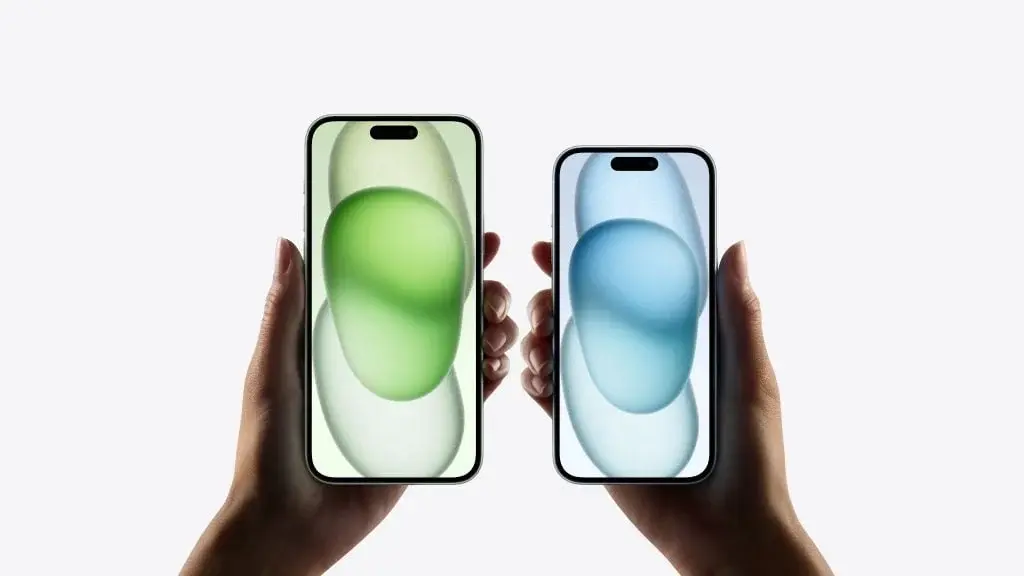
    For those who are coming from non-5G iPhones like the iPhone 11 and older models, the iPhone 15 is a solid upgrade. Along with faster mobile connection, consumers can enjoy better cameras and display, a faster chip, and a USB Type-C port. The device is available in both standard and plus variants, with the latter featuring a larger display and a bigger battery.

    Pricing and Variants

    The base version of the iPhone 15 starts at 128GB and is priced at ¥5,999 (~$845). However, customers who are interested can choose from the 256GB and 512GB storage variants. As with previous models, the iPhone 15 is available in multiple colors including blue, pink, yellow, green, and black. The new model stands out with its matte finish and lighter tones.

    Don’t Miss Out on the Deals

    With retailers offering heavily discounted prices on consumer products for the Lunar New Year festival, now is a great time to take advantage of the deals. JD’s offer on the iPhone 15 is particularly enticing, with a significant discount on a premium smartphone. If you are interested, make sure to act fast as both the discount and the streaming subscription offer are only available for a limited time.

  • Realme GT2 Pro and Realme GT2 Explorer Master Edition now equipped with Realme UI 14.0.0.213 updates in China

    Realme GT2 Pro and Realme GT2 Explorer Master Edition now equipped with Realme UI 14.0.0.213 updates in China

    Realme Software Updates for Realme GT2 Pro and Realme GT2 Explorer Master Edition

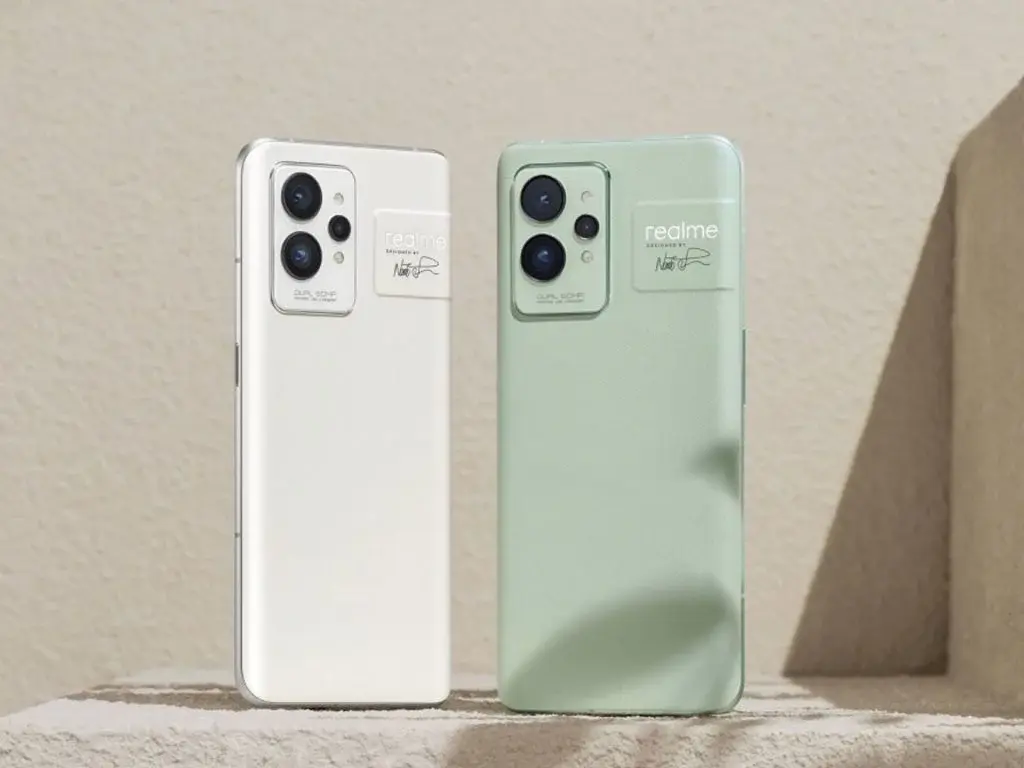
    Realme has recently released new software updates for the Realme GT2 Pro and Realme GT2 Explorer Master Edition in China. These updates bring various fixes and enhancements to both smartphones. Specifically, the Realme GT2 Pro and Realme GT2 Explorer Master Edition are receiving the Realme UI 140.0.213 update. Let’s take a closer look at the details.

    Realme GT2 Update Details

    The Realme GT2 Explorer Master Edition and Realme GT2 Pro have a similar changelog for the update. One of the key improvements is the refinement of permission settings that restrict apps from switching. Additionally, a pop-up window has been added as a fail-safe for switching between different apps. The update also enhances system performance and stability. Here is the official change log:

    NFC:

    • Fixed the issue where the access card could be entered but the door could not be opened.

    System:

    • Added device action and direction sensor permission settings to restrict applications from using sensors for shake-to-jump behavior.
    • Added pop-up prompts for jumping between applications to provide better control and awareness for each jump.
    • Optimized system performance and improved system stability.

    According to the announcement thread, the update is being rolled out gradually and it may take up to 2-3 weeks for the new firmware to become available on each device.

    Realme GT2 Pro and Realme GT2 Explorer Master Edition Specifications

    In addition to the software updates, let’s take a quick look at the specifications of the Realme GT2 Pro and Realme GT2 Explorer Master Edition.

    Realme GT2 Pro:

    • Weight: 189/199g
    • Thickness: 8.2mm
    • Operating System: Android 12 (upgradable to Android 14)
    • Storage Options: 8/12GB RAM, 512GB (no card slot)
    • Display: 6.7″ with 1440×3216 pixels resolution
    • Primary Camera: 50MP capable of recording 4320p video
    • Chipset: Snapdragon 8 Gen 1
    • Battery: 5000mAh

    Realme GT2 Explorer Master Edition:

    • Weight: 195g
    • Thickness: 8.2mm
    • Operating System: Android 12 with Realme UI 3.0
    • Display: 6.7″ with 1080×2400 pixels resolution
    • Primary Camera: 50MP capable of recording 2160p video
    • RAM: 8/12GB
    • Chipset: Snapdragon 8+ Gen 1
    • Battery: 5000mAh

    In conclusion, Realme has rolled out new software updates for the Realme GT2 Pro and Realme GT2 Explorer Master Edition in China. These updates bring various improvements and fixes to enhance the user experience. Users can expect better performance, stability, and additional features with the Realme UI 140.0.213 update.

  • Key Specifications of Tecno POVA 6 Pro Exposed on Google Play Console Listing

    Key Specifications of Tecno POVA 6 Pro Exposed on Google Play Console Listing

    Recently, Tecno announced its partnership with Dolby Labs to bring Dolby Atmos to its upcoming POVA 6 series phones. These smartphones are set to launch at MWC later this month. Now, the Tecno POVA 6 Pro has been spotted on the Google Play Console certification website, revealing its key specifications. This device is expected to be the successor to last year’s POVA 5 Pro.

    Tecno POVA 6 Pro Specifications

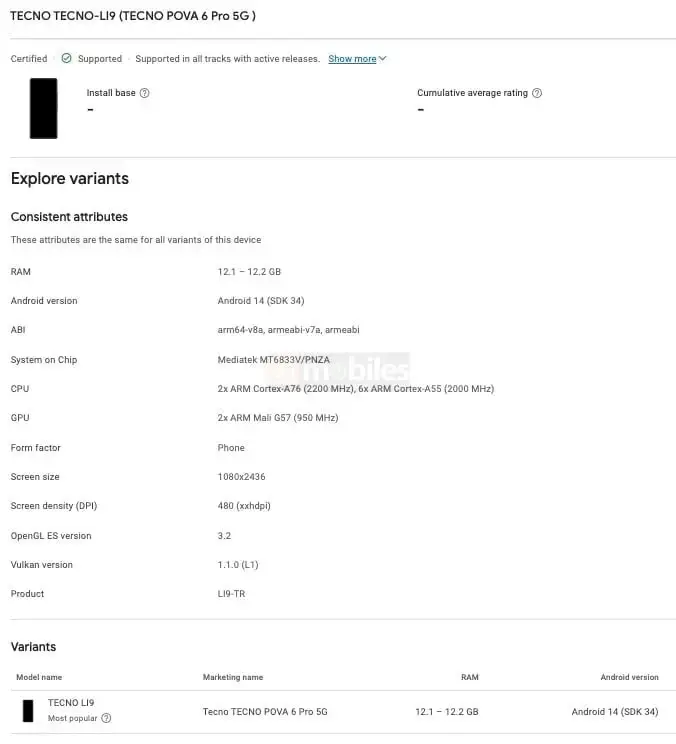
    The Tecno POVA 6 Pro is listed on the Google Play Console with the model number Tecno LI9. The certification website reveals that it will be powered by a MediaTek MT6833V/PNZA SoC. This SoC includes two Cortex-A76 cores clocked at 2.2GHz and six Cortex-A55 cores clocked at 2GHz. The device will also feature a Mali G57 GPU. Based on these specifications, it can be inferred that the POVA 6 Pro will be equipped with a Dimensity 6080 processor. The listing also mentions 12GB of RAM, and it is likely that there will be more RAM options available at the time of launch. Additionally, the smartphone will come with the Android 14 operating system pre-installed.

    The Google Play Console listing also includes a render of the POVA 6 Pro. From the image, it can be observed that the phone will have a curved display with a resolution of 1080 x 2436 pixels and a screen density of 480 dpi. The device is shown to have power and volume rocker buttons on the right side.

    While the rest of the details regarding the Tecno POVA 6 Pro remain unknown, it is worth mentioning some features of its predecessor, the POVA 5 Pro. The POVA 5 Pro featured a LED light strip on the back panel and was powered by the Dimensity 6080 processor. It also had a large 6,000mAh battery with support for 65W fast charging. The device offered 8GB of RAM along with virtual RAM technology and up to 256GB of storage. Additionally, it included a VC system for heat dissipation.

    Overall, the Tecno POVA 6 Pro appears to be a promising smartphone with its powerful processor, ample RAM, and high-resolution display. More details about the device are expected to be revealed closer to its launch date.

  • Exciting Advances in GPU Software Await as Huawei’s HarmonyOS for PC is in Development

    Exciting Advances in GPU Software Await as Huawei’s HarmonyOS for PC is in Development

    Huawei Takes on the PC Market with HarmonyOS Project

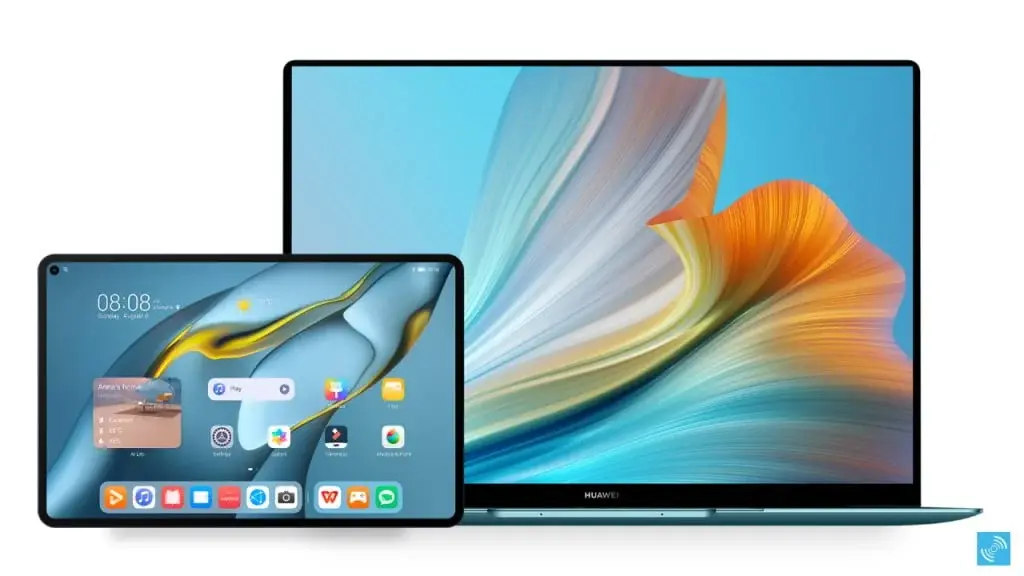
    Huawei, known for its innovative smartphones and smart appliances, is now venturing into the PC market with its HarmonyOS PC project. This move signifies Huawei’s determination to challenge the dominance of the Android ecosystem and carve out a unique space for itself in the market.

    Ambitious Plans for HarmonyOS PC

    Huawei’s plans to develop a HarmonyOS PC come as no surprise, as the company’s former executive Wang Chenglu had previously hinted at an official release of HarmonyOS for PCs in 2024. According to insider reports from Weibo tipster Fixed Focus Digital, Huawei is also planning to introduce significant innovations in GPU software, aiming to provide an unmatched user experience for Huawei PC users.

    Impressive Specifications

    The tipster has also shed light on Huawei’s Kirin PC processor, showcasing its technical prowess. The processor boasts advanced core configurations, including 4×TSV big cores and 4×TSV medium cores, along with high-end components like the Maleoon 910 GPU and dual NPU setups to enhance AI capabilities. These specifications highlight Huawei’s commitment to delivering top-notch performance in its upcoming PCs.

    Exciting Laptops and HarmonyOS Next

    In addition to its PC project, Huawei is gearing up to launch some exciting laptops this year, focusing on impressive specifications and features. Meanwhile, the company is diligently working on HarmonyOS Next, its version of HarmonyOS for mobile devices. This represents a significant departure from Android, as Huawei aims to challenge the dominance of Google’s Android and Apple’s iOS in China. The developer version of HarmonyOS Next has already been released, with plans for a commercial launch in the fourth quarter of this year.

    Building an Ecosystem

    Huawei is not just focusing on developing new products; the company is also building an ecosystem and gaining support from industry partners. It has made substantial investments in this endeavor, aiming to redefine the smartphone OS landscape and potentially surpass iOS in China by 2024, despite facing challenges from US restrictions.

    In conclusion, Huawei’s foray into the PC market with its HarmonyOS PC project demonstrates the company’s determination to compete with the established Android ecosystem. With impressive specifications and a focus on innovation, Huawei aims to create a unique space for its HarmonyOS PCs in the market. Additionally, the company’s plans to launch exciting laptops and its development of HarmonyOS Next further solidify Huawei’s commitment to challenging the dominance of Android and iOS in China.

  • Potential features of Samsung’s upcoming foldable phone: increased width, reduced thickness, and heightened excitement.

    Potential features of Samsung’s upcoming foldable phone: increased width, reduced thickness, and heightened excitement.

    Samsung’s Galaxy Z Fold series has long been a leader in the foldable phone market. However, recent rumors suggest that the upcoming Galaxy Z Fold 6 is set to shake things up and reclaim its position as the top foldable device.

    A Slimmer Profile with Enhanced Usability

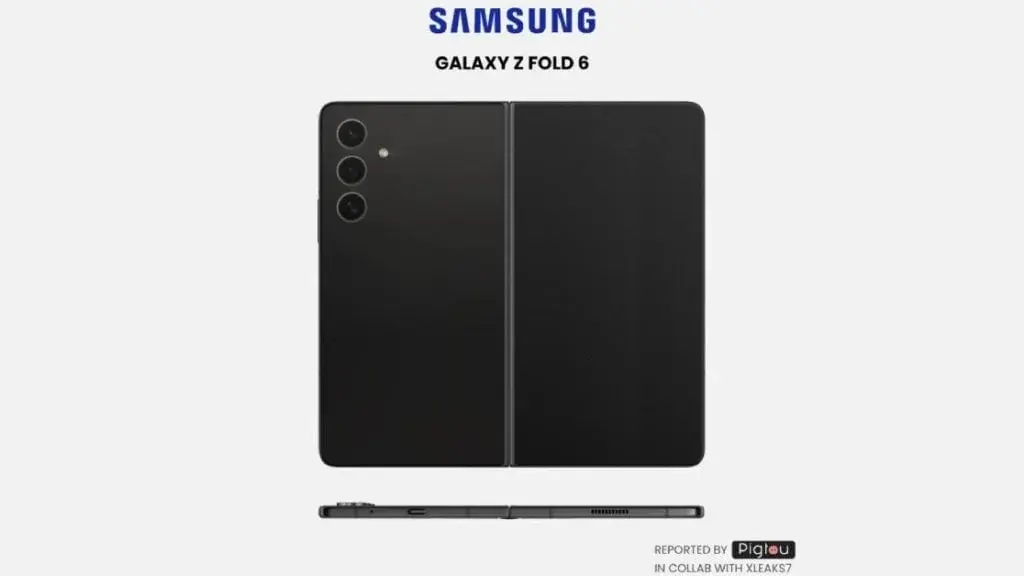
    The current Z Fold 5 is highly regarded, but it lacks the “wow factor” that some of its competitors possess. Samsung seems to have taken note of this and is making changes accordingly. A recent patent indicates that they are moving away from the bulky design of previous models in favor of a slimmer profile. However, this slimness will not come at the expense of usability. Samsung seems to have acknowledged that not everyone prefers ultra-tall foldable phones.

    A Wider Design for a More Comfortable Experience

    Rumors suggest that the Galaxy Z Fold 6 will feature a wider device with larger inner and outer screens. This wider design could potentially mean a different aspect ratio, which would make the phone feel less like a tall, narrow tablet when unfolded. This change in design aims to provide users with a more comfortable and immersive experience.

    Innovative Hinge Design and Camera Layout

    The patent also reveals that Samsung may introduce a new hinge design with multiple housings. This design would distribute pressure more evenly across the screen, potentially reducing the crease that is often visible on the inner screen of foldable devices. Additionally, the patent showcases a new camera layout with modules directly on the back of the phone. However, it remains unclear if this design will be implemented in the final product.

    A More Affordable Option for the Chinese Market

    In addition to the Galaxy Z Fold 6, recent reports suggest that Samsung is considering the development of a more budget-friendly version of the device. This strategic decision is aimed at increasing Samsung’s market share in China’s foldable smartphone segment. Currently, the South Korean brand holds the third position in the market, with a 19 percent share, trailing behind Huawei and Honor.

    Expected Release and Unpacked Event

    The budget-friendly Galaxy Z Fold is anticipated to debut in the second half of 2024, likely alongside the next-generation Z Fold 6 and Z Flip 6 at Samsung’s upcoming Unpacked event in August. If this holds true, it would mark the first time in the history of foldable devices that Samsung releases three foldable devices simultaneously.

    In conclusion, Samsung’s Galaxy Z Fold 6 is poised to make a significant impact in the foldable phone market. With its slimmer profile, wider design, innovative hinge, and potential affordability, it aims to win back the foldable crown. The upcoming Unpacked event in August will reveal whether Samsung’s ambitious plans come to fruition.

  • Another firmware update set to arrive for OnePlus Nord 3 within a week

    Another firmware update set to arrive for OnePlus Nord 3 within a week

    OnePlus Nord 3 Receives Firmware Update with January 2024 Android Security Patch

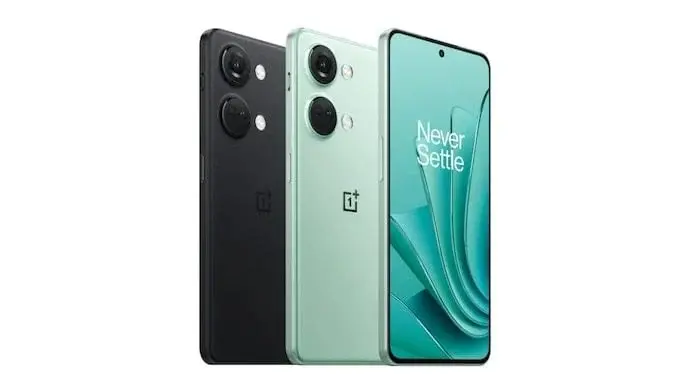
    OnePlus has recently released a new firmware update for the OnePlus Nord 3, bringing the device up to speed with the latest Android Security Patch for January 2024. The update, identified as OxygenOS 14.0.0.300, is currently being rolled out to various regions worldwide, including India, Europe, and global variants.

    Previous Update Paused Due to Issues

    In addition to this new firmware update, the OnePlus Nord 3 India Variant had recently received another update with firmware version 14.0.0.201. However, it appears that some issues arose with this previous update specifically on the India Variants. As a result, OnePlus has decided to pause the rollout of the OxygenOS 14.0.0.201 firmware and make the new OxygenOS 14.0.0.300 update available to all users instead.

    Improved Security and Bug Fixes

    The latest firmware update, OxygenOS 14.0.0.300, brings the OnePlus Nord 3 up to date with the January 2024 Android Security Patch. This ensures that users can enjoy enhanced security and protection against potential threats. Additionally, the update includes various bug fixes and improvements to further optimize the device’s performance and user experience.

    Availability

    OnePlus is gradually rolling out the OxygenOS 14.0.0.300 firmware update for the OnePlus Nord 3. Users in India, Europe, and other global regions can expect to receive the update in the coming days. To check for the update manually, users can go to Settings > System > System Updates on their OnePlus Nord 3 devices.

    It is recommended that users ensure their devices are connected to a stable Wi-Fi network and have sufficient battery power before initiating the update process. OnePlus also advises users to backup their important data before installing the firmware update to prevent any potential data loss.

    Stay tuned for further updates from OnePlus regarding any additional features or improvements that may be included in future firmware updates for the OnePlus Nord 3.