Tag: Dimensity 9400

  • MediaTek’s Upcoming High-End Dimensity Chipset Plans Revealed

    MediaTek’s Upcoming High-End Dimensity Chipset Plans Revealed

    Key Takeaways

    1. MediaTek launched the Dimensity 9500 to compete with Qualcomm’s Snapdragon 8 Elite Gen 5, currently adopted by Oppo and Vivo.
    2. MediaTek typically introduces mid-cycle updates for flagship chipsets, as seen with the Dimensity 9300 Plus and Dimensity 9400 Plus.
    3. A new chipset, possibly named ‘Dimensity 9400++’, is rumored to launch in Q1 2026, instead of a true Dimensity 9500 successor.
    4. The Dimensity 9400++ is expected to feature four ARM Cortex-A720 cores, three Cortex-X4 cores, and a Cortex-X925 prime core at 3.73 GHz.
    5. The new chipset may utilize hardware optimizations and software improvements, but further details are not yet available.


    Digital Chat Station has provided insights into the future of MediaTek’s high-end Dimensity line. Last month, MediaTek launched the Dimensity 9500, which competes with Qualcomm’s Snapdragon 8 Elite Gen 5. Currently, only Oppo and Vivo have adopted the Dimensity 9500 for their Find X9 and X300 series devices, respectively.

    Upcoming Chipset Refresh

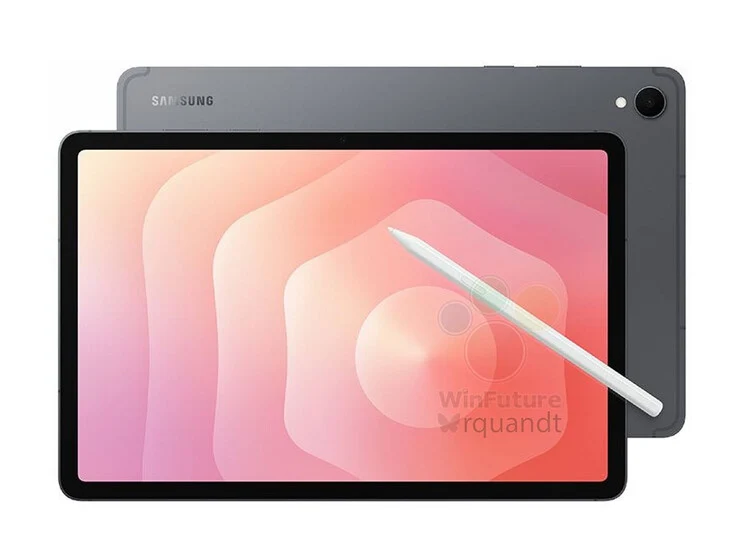
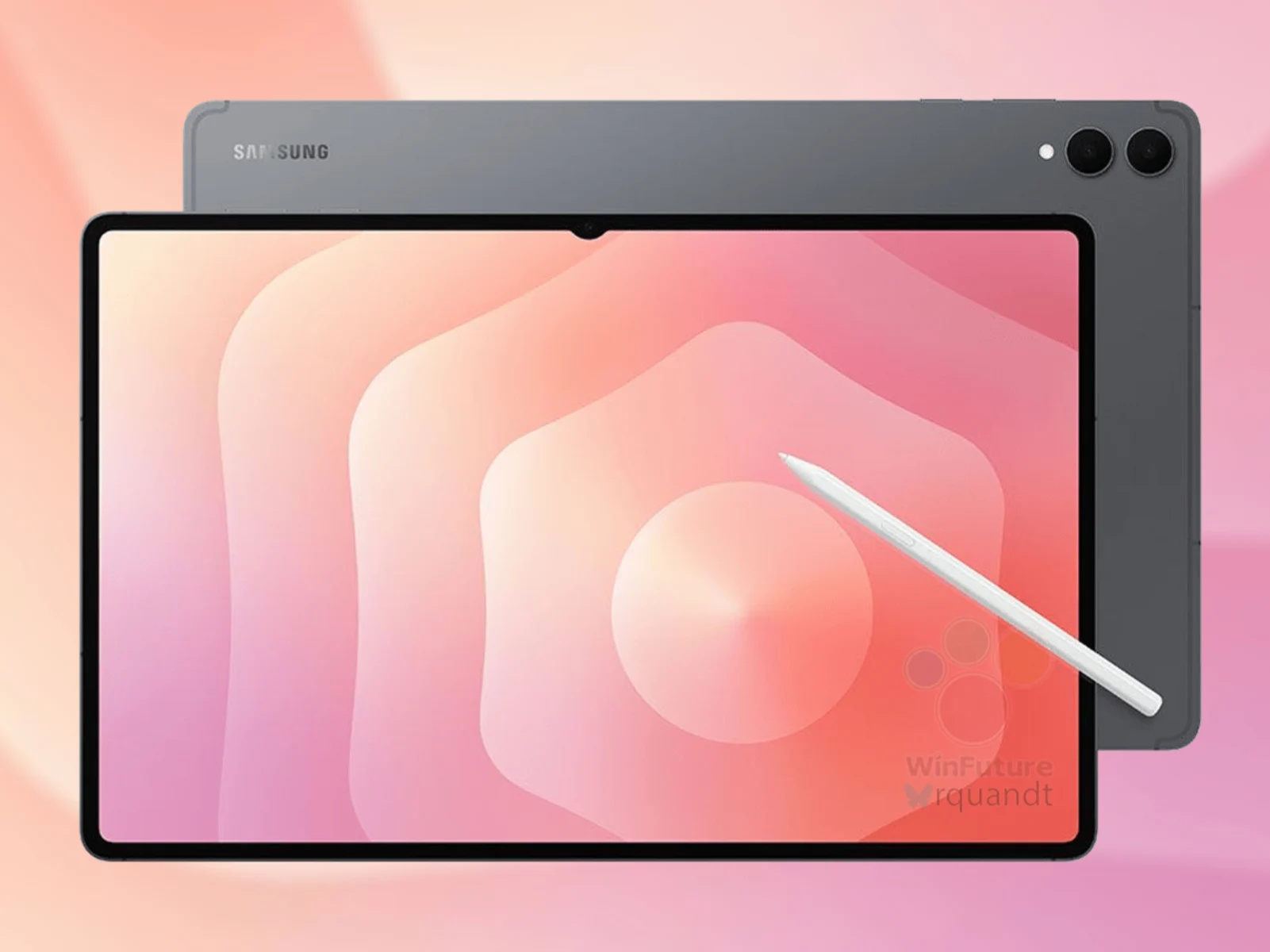
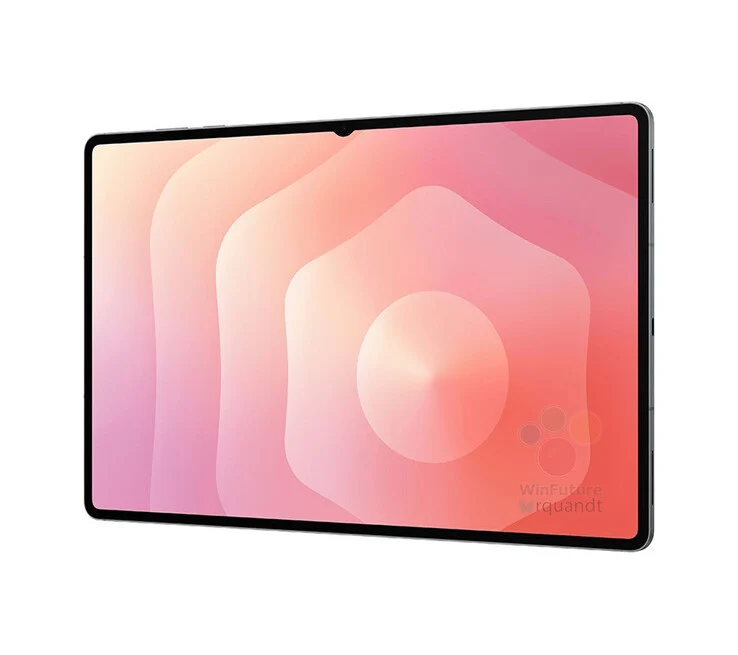
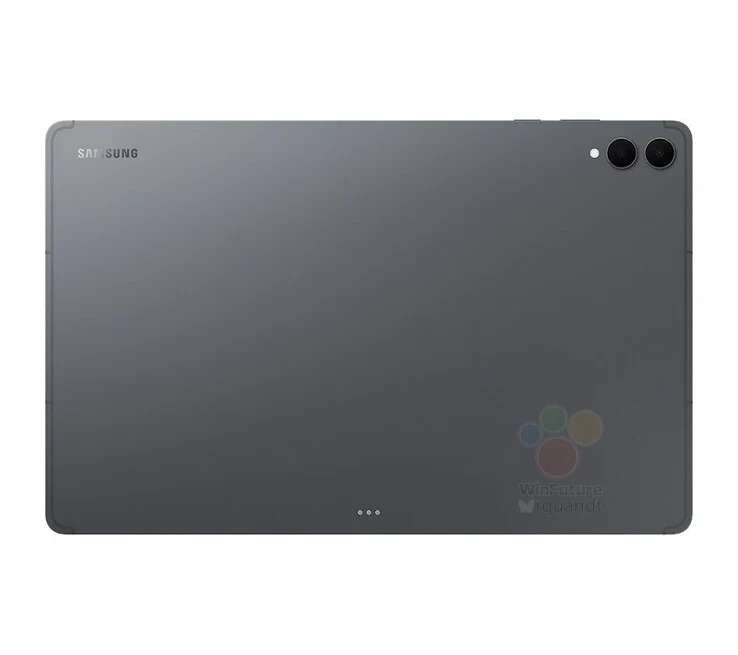
    MediaTek usually launches a mid-cycle update for its flagship mobile chipsets at some point. For example, the Dimensity 9300 Plus was introduced in July 2024, eight months after the original Dimensity 9300. Similarly, MediaTek enhanced the Dimensity 9400 by releasing the Dimensity 9400 Plus in the spring, which now powers devices like the Samsung Galaxy Tab S11 and Galaxy Tab S11 Ultra, currently priced at $1,149.99 on Amazon. Among these models is the Dimensity 9400e, a slower version of the 9400 that made its debut a month after the standard model.

    Rumored Launch Details

    Digital Chat Station suggests that MediaTek might follow a similar pattern with the Dimensity 9500 series, hinting at a new chipset launch early next year. On Weibo, the leaker mentioned that MediaTek is planning to announce what it calls a ‘Dimensity 9400++’ in Q1 2026, rather than a true Dimensity 9500 chipset. This new unnamed chipset is expected to return to TSMC’s N3E node, which is used for the Dimensity 9400 Plus, rather than the newer Dimensity 9500.

    Specifications of the Dimensity 9400++

    The alleged Dimensity 9400++ is said to include four ARM Cortex-A720 efficiency cores, three Cortex-X4 cores, and a single Cortex-X925 prime core running at 3.73 GHz, similar to its predecessor. Additionally, Digital Chat Station anticipates that the unreleased chipset will maintain the Immortalis-G925 MC12 GPU clocked at 1,612 MHz. MediaTek is reportedly looking to set the Dimensity 9400++ apart from its existing chipset through hardware optimizations and software improvements. Unfortunately, Digital Chat Station has not provided any further details on this matter yet.

    Source:
    Link


  • Samsung Galaxy Tab S11 vs. Galaxy Tab S20: A Missed Opportunity

    Samsung Galaxy Tab S11 vs. Galaxy Tab S20: A Missed Opportunity

    Key Takeaways

    1. The Samsung Galaxy Tab S11 features a durable, waterproof aluminum body and an impressive 11-inch OLED screen with peak brightness over 1,600 cd/m².
    2. The tablet’s display performs well in HDR video playback, reaching brightness levels up to 1,648 cd/m², with quick response times suitable for gamers.
    3. Color accuracy is a concern, with increased DeltaE values indicating less precise color reproduction compared to competitors like the Xiaomi Pad 7 Pro.
    4. The Dimensity 9400+ chipset provides strong performance, but the Galaxy Tab S11 experiences thermal throttling under heavy use and has lower benchmark results than the Ultra variant.
    5. Battery life is below expectations, achieving only 11 hours in real-world testing, which is less competitive than rivals like the Galaxy Tab S9.


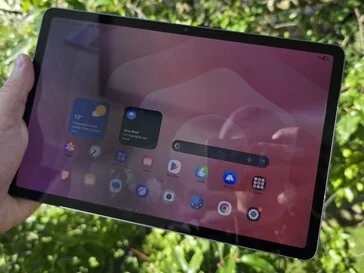
    In our analysis, the Samsung Galaxy Tab S11 stands out as a high-end tablet, constructed with a durable and waterproof aluminum body. It features an 11-inch OLED screen that shines brightly, boasting a peak brightness exceeding 1,600 cd/m², which aligns with the brightness claims made by Samsung.

    Display Performance

    Using a spectrophotometer and the APL18 testing pattern, we observed a notable luminance of 1,575 cd/m². During HDR video playback, the Galaxy Tab S11 reached up to 1,648 cd/m². The OLED screen also showcases impressively quick response times, which gamers will definitely appreciate.

    Color Accuracy Analysis

    An examination of the color accuracy of the Samsung Galaxy Tab S11, conducted with a photospectrometer and CalMAN software, reveals that the tablet has increased DeltaE values when compared to the sRGB color space. This indicates that the color calibration isn’t perfect, leading to less precise color reproduction in contrast to alternatives like the Xiaomi Pad 7 Pro. Particularly, the red and green hues are less than satisfactory.

    Performance and Thermal Issues

    There are few issues regarding the selection of the chipset, as the Dimensity 9400+ is a current SoC that delivers strong performance. Nevertheless, we noticed some thermal challenges, especially in comparison to the Galaxy Tab S11 Ultra. During our evaluations, the Galaxy Tab S11 showed noticeable throttling under heavy use. The benchmark results also fell short compared to those of the Ultra variant.

    Battery Life Concerns

    The battery performance of the Galaxy Tab S11 leaves much to be desired. In our real-world testing at a brightness of 150 cd/m², it didn’t perform as well as its rivals. For instance, the Galaxy Tab S9 managed 9 hours during the Wi-Fi test, while the Galaxy Tab S11 only achieved 11 hours.

    It would have been beneficial if Samsung had made a significant upgrade to its tablet series, akin to what was done with its smartphones, by introducing a Galaxy Tab S20. With an extended battery life of 20 hours, this compact Samsung tablet would have been much more competitive in the Android market.

    Source:
    Link


  • Samsung Galaxy Tab S11 Leak Reveals Features Before Official Release

    Samsung Galaxy Tab S11 Leak Reveals Features Before Official Release

    Key Takeaways

    1. The Galaxy Tab S11 aims to replace the Galaxy Tab S10 Plus, featuring an 11-inch AMOLED screen and a Mediatek MT6991 chipset, likely the Dimensity 9400+.

    2. The tablet is expected to have an 8,400 mAh battery, a slim design (253.8 x 165.3 x 5.5 mm), and weigh 482 g.

    3. Key features include 45 W wired charging, four speakers, two 13 MP rear cameras, and support for Wi-Fi 6E.

    4. Samsung is predicted to unveil the Galaxy Tab S11 next month around IFA 2025.

    5. The starting price is expected to be €899 (approximately $899-$999 in the US), with configurations up to 512 GB and optional 5G connectivity.


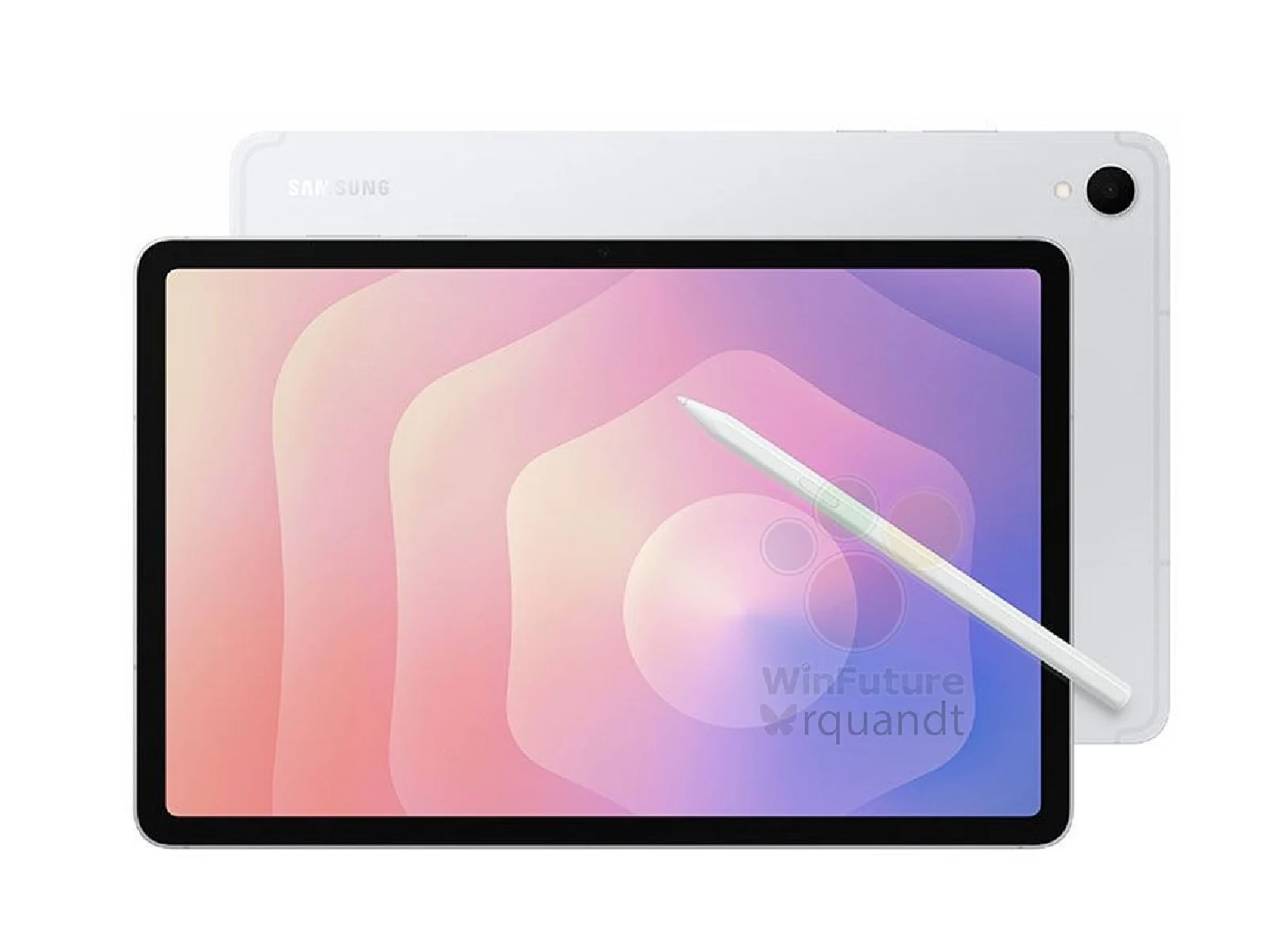
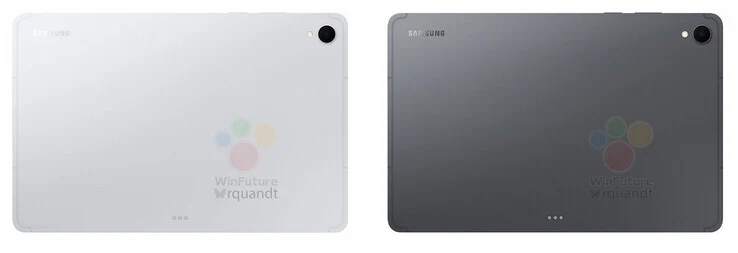
    Just yesterday, new insights about the Galaxy Tab S11 Ultra appeared online thanks to Roland Quandt and WinFuture. Now, they have come back to share new information regarding the smaller Galaxy Tab S11. This leak comes right after billbil-kun and Dealabs shared rumored specifications for both tablets.

    Specifications Overview

    In summary, Quandt confirms that Samsung aims to replace the Galaxy Tab S10 Plus (currently priced at $881 on Amazon) with a more compact successor. Featuring an 11-inch AMOLED screen, billbil-kun revealed earlier this month that the Galaxy Tab S11 will be powered by a Mediatek MT6991 chipset. It is believed to be the Dimensity 9400, although earlier leaks suggested that Samsung has chosen the more advanced Dimensity 9400+ instead.

    Design and Features

    Regardless, the Galaxy Tab S11 is anticipated to include an 8,400 mAh battery within a slim case measuring 253.8 x 165.3 x 5.5 mm, weighing in at 482 g. Reports indicate that this tablet will match its Ultra sibling with 45 W wired charging, four speakers, two 13 MP rear cameras, and support for Wi-Fi 6E.

    Release and Pricing

    Currently, Quandt predicts that Samsung will unveil the Galaxy Tab S11 next month around IFA 2025. As it stands, the tablet is expected to have a starting price of €899 for the 128 GB model, which could translate to about $899 or $999 in the US. Additionally, the Galaxy Tab S11 may offer configurations with up to 512 GB of storage and optional 5G connectivity for an extra fee.

    Source:
    Link


  • Samsung Galaxy Tab S11 Ultra: Slim Design Details Before Launch

    Samsung Galaxy Tab S11 Ultra: Slim Design Details Before Launch

    Key Takeaways

    1. The Galaxy Tab S11 Ultra is set to launch in late summer or early fall, with significant enhancements compared to the S10 Ultra.
    2. It will feature a 14.6-inch OLED display with a resolution of 2,960 x 1,848 pixels and a thinner design at approximately 5 mm.
    3. The tablet will have a larger battery capacity of 11,600 mAh, supporting 45 W wired charging.
    4. Samsung is expected to remove one front-facing camera to eliminate the notch seen in previous models.
    5. There is speculation about the chipset, with potential options being the Dimensity 9400 or Dimensity 9400+, both labeled as ‘MT6991’.


    Roland Quandt and WinFuture have revealed new information about the Galaxy Tab S11 Ultra, which is expected to launch near the end of summer or the beginning of fall. The current Galaxy Tab S10 Ultra, priced at $900 on Amazon, had only slight upgrades from its earlier version. In contrast, it appears that Samsung has packed several enhancements into the upcoming Galaxy Tab S11 Ultra.

    Display and Design Changes

    Reiterating previous leaks, the duo reports that Samsung’s next Ultra tablet will boast a 14.6-inch OLED screen with a resolution of 2,960 x 1,848 pixels. As previously noted, Samsung will remove one of the front-facing cameras from last year’s model to get rid of the notch that was present in past versions. Interestingly, it looks like Samsung has also slimmed down the tablet’s thickness from 5.4 mm to approximately 5 mm.

    Improved Battery Life

    Moreover, the Galaxy Tab S11 Ultra will be the first Ultra tablet to feature a bigger battery compared to its predecessor. The battery capacity is now up to 11,600 mAh, marking an increase of about 4%. This battery will support 45 W wired charging, which is a nice upgrade. However, there is still some uncertainty regarding the chipset Samsung will choose for this device.

    Chipset Speculations

    Initially, some benchmark reports indicated that Samsung might go with the Dimensity 9400+, which seemed like a sensible upgrade from the Dimensity 9300+ found in the Galaxy Tab S10 series. Yet, Quandt suggests that Samsung could actually opt for the Dimensity 9400 instead. Since both the Dimensity 9400 and Dimensity 9400+ are labeled as ‘MT6991’, it’s possible that the latter could actually be in the Galaxy Tab S11 Ultra rather than the former.

    Source:
    Link


  • Snapdragon 8 Elite Tops AnTuTu Performance Chart Again

    Snapdragon 8 Elite Tops AnTuTu Performance Chart Again

    Key Takeaways

    1. Snapdragon 8 Elite continues to dominate the flagship smartphone rankings.
    2. Only two devices in the July 2025 ranking use the Dimensity 9400+ chipset.
    3. The Honor GT Pro is the only phone that dropped from the previous ranking.
    4. Performance rankings are based on a minimum of 1,000 valid benchmark tests.
    5. Most devices from the earlier ranking are still present in the July 2025 list.


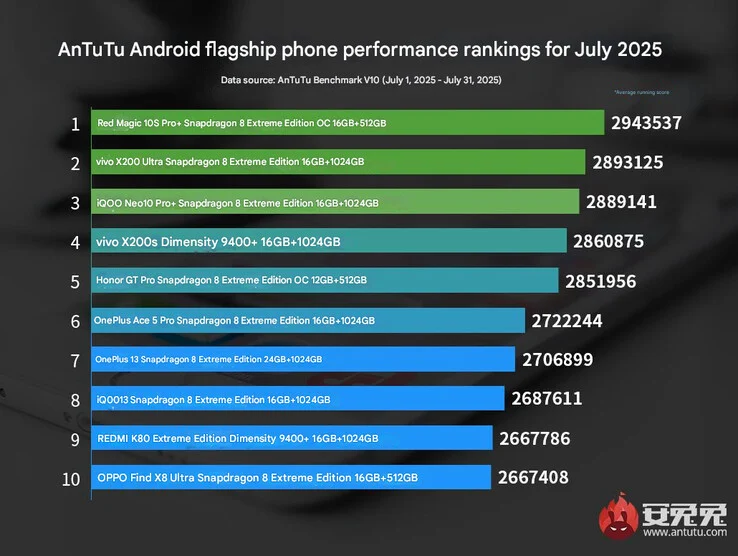
    AnTuTu has released its most recent ranking of flagship smartphones, and similar to previous months, the Snapdragon 8 Elite continues to lead the way. In fact, only two devices on the list utilize the Dimensity 9400+, while the rest are equipped with Qualcomm’s latest and greatest smartphone system-on-chip. Below is a summary of the phones that appeared in the July 2025 ranking:

    Changes in Rankings

    There have been some shifts in the order of flagship phone performance since the last ranking, and nearly all the devices from the earlier list are present, except for one. The Honor GT Pro, which features the overclocked Snapdragon 8 Elite, is the only phone not included this time around.

    Key Factors for Rankings

    It’s important to understand that AnTuTu generates these monthly performance rankings by evaluating several important criteria. One of these criteria is that devices must complete a minimum of 1,000 valid benchmark tests. For additional details on the latest ranking, please refer to the image provided below.

    Source:
    Link


  • iQoo Z10 Turbo+ Launch: 8000mAh Battery & Dimensity 9400+ Chipset

    iQoo Z10 Turbo+ Launch: 8000mAh Battery & Dimensity 9400+ Chipset

    Key Takeaways

    1. The iQoo Z10 Turbo+ will feature a massive 8,000mAh battery, surpassing competitors like the Redmi Turbo 4 Pro and Oppo K13 Turbo Pro.
    2. It will be powered by the Dimensity 9400+ chipset, known for its high performance and achieving around 2.8 million points on the AnTuTu v10 benchmark.
    3. The Z10 Turbo+ may share specifications with the Z10 Turbo Pro, including a 6.78-inch AMOLED display and a dual rear camera system.
    4. The Z10 Turbo Pro had a starting price of 1,999 yuan (about 279 USD) in China, suggesting a similar price range for the Turbo+.
    5. Detailed specifications for the Z10 Turbo+ are not yet available, leaving some features still unclear.


    Back in April, iQoo launched the Z10 Turbo series which included two models: the Z10 Turbo and the Z10 Turbo Pro. A standout feature of this series was the Z10 Turbo’s impressive 7,620mAh battery. Now, the Chinese brand is getting ready to unveil the Z10 Turbo+, which will boast an even bigger battery.

    Exciting New Battery Capacity

    The product manager of iQoo’s Z series recently shared the exciting news on Weibo about the new phone. The Z10 Turbo+ will have a massive 8,000mAh battery. For reference, the Redmi Turbo 4 Pro, known for its performance, has a 7,550mAh battery, while the new Oppo K13 Turbo Pro offers a 7,000mAh battery. Thus, the increase to 8,000mAh is a significant upgrade for the Z10 Turbo+.

    Powerful Chipset Included

    iQoo also confirmed that this phone will come equipped with the Dimensity 9400+ chipset. This is MediaTek’s latest flagship SoC, manufactured using TSMC’s N3E process. As per NanoReview, the processor achieves around 2.8 million points on the AnTuTu v10 benchmark. Other devices that utilize the Dimensity 9400+ include the OnePlus Ace 5 Ultra, the Redmi K80 Ultra, and the Vivo X200s, showcasing its robust performance.

    Other Specs Remain Unclear

    While the detailed specifications of the Z10 Turbo+ are yet to be revealed, it might share some features with the Z10 Turbo Pro. To give some background, the Z10 Turbo Pro had a 6.78-inch AMOLED display with a 144Hz refresh rate and a resolution of 1260 x 2800 pixels. It was equipped with a dual rear camera system that included a 50MP main sensor and an 8MP ultra-wide lens. For selfies, it utilized a 16MP front camera. In China, the phone was launched with a starting price of 1,999 yuan, which is about 279 USD.

    Source:
    Link


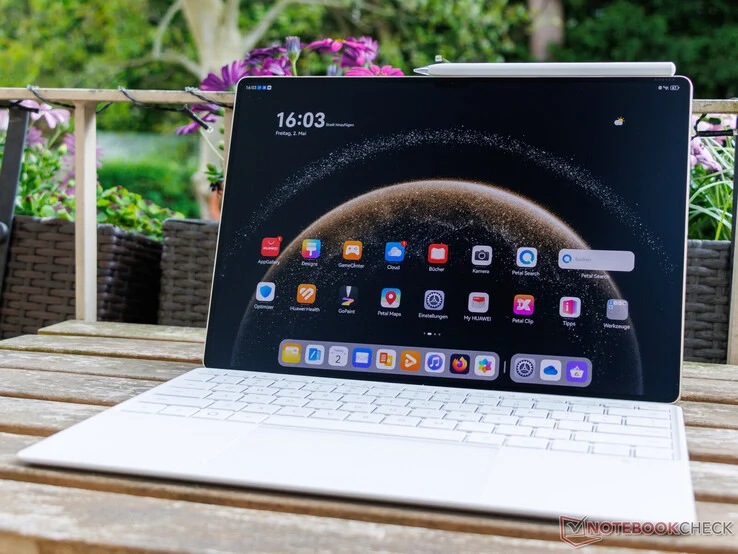
  • Huawei MatePad Pro: New Rival for Samsung Galaxy Tab S11 Ultra

    Huawei MatePad Pro: New Rival for Samsung Galaxy Tab S11 Ultra

    Key Takeaways

    1. Samsung’s Galaxy Tab S11 Ultra is set to launch this fall with slimmer bezels and a more compact notch.
    2. The new Galaxy Tab is expected to feature a MediaTek Dimensity 9400+ chipset and a larger battery, with a display size around 14 inches.
    3. Huawei is also developing a competitive tablet, rumored to be a 14.2-inch OLED device, potentially releasing alongside a smaller version.
    4. Huawei’s upcoming tablet may use a new Kirin 9 series SoC, offer rapid charging, and have a large battery capacity.
    5. There are speculations about Huawei’s tablet achieving 100 W wired charging and a 13,000 mAh battery, although this is not confirmed.


    The first photo of Samsung’s upcoming massive Android tablet has surfaced online. Set to launch this fall, the Galaxy Tab S11 Ultra looks to succeed the Galaxy Tab S10 Ultra (current price $939 – refurbished on Amazon) with slimmer bezels around the display and a more compact notch. Additionally, recent rumors indicate that Samsung might use MediaTek’s Dimensity 9400+ chipset for its new tablet, which is expected to be around 14 inches, featuring a larger battery as well.

    Huawei’s Competitive Edge

    As per Digital Chat Station, Huawei is also in the race with its own version. To give some background, Huawei already has a rival to the iPad Pro 13 in the form of the MatePad Pro 13.2. It is rumored that Huawei is working on an even bigger model, though it’s unclear if this will take the place of their current 13-inch multimedia tablet.

    Upcoming Huawei Tablet Details

    Specifically, Digital Chat Station mentions that Huawei is working on a tablet boasting a 14.2-inch OLED screen. This high-end device, which hasn’t been named yet, is expected to be released alongside a smaller version, the details of which we have discussed separately. Reportedly, Huawei’s larger tablet will utilize a new Kirin 9 series SoC, offer rapid charging, and feature a substantial battery capacity. However, it’s still uncertain whether this device will achieve the impressive 100 W wired charging and a 13,000 mAh battery that Digital Chat Station hinted at in their recent Weibo announcement.

    Source:
    Link


  • Redmi K80 Ultra Teardown Reveals Pros and Cons Before Launch

    Redmi K80 Ultra Teardown Reveals Pros and Cons Before Launch

    Key Takeaways

    1. The Redmi K80 Ultra features a 144Hz 1.5K display with TCL’s M9 technology and DC dimming.
    2. It includes advanced cooling solutions, such as a dual-layer vapor chamber and significant thermal management materials.
    3. The smartphone is powered by a MediaTek Dimensity 9400+ SoC, with LPDDR5X RAM and UFS 4.1 storage, supporting gaming up to 120fps.
    4. The K80 Ultra boasts a high-quality dual speaker system and a large haptics motor for enhanced audio and tactile feedback.
    5. It has a 7,410mAh battery with 100W charging capabilities, but lacks support for wireless charging and uses an older USB-C 2.0 standard.


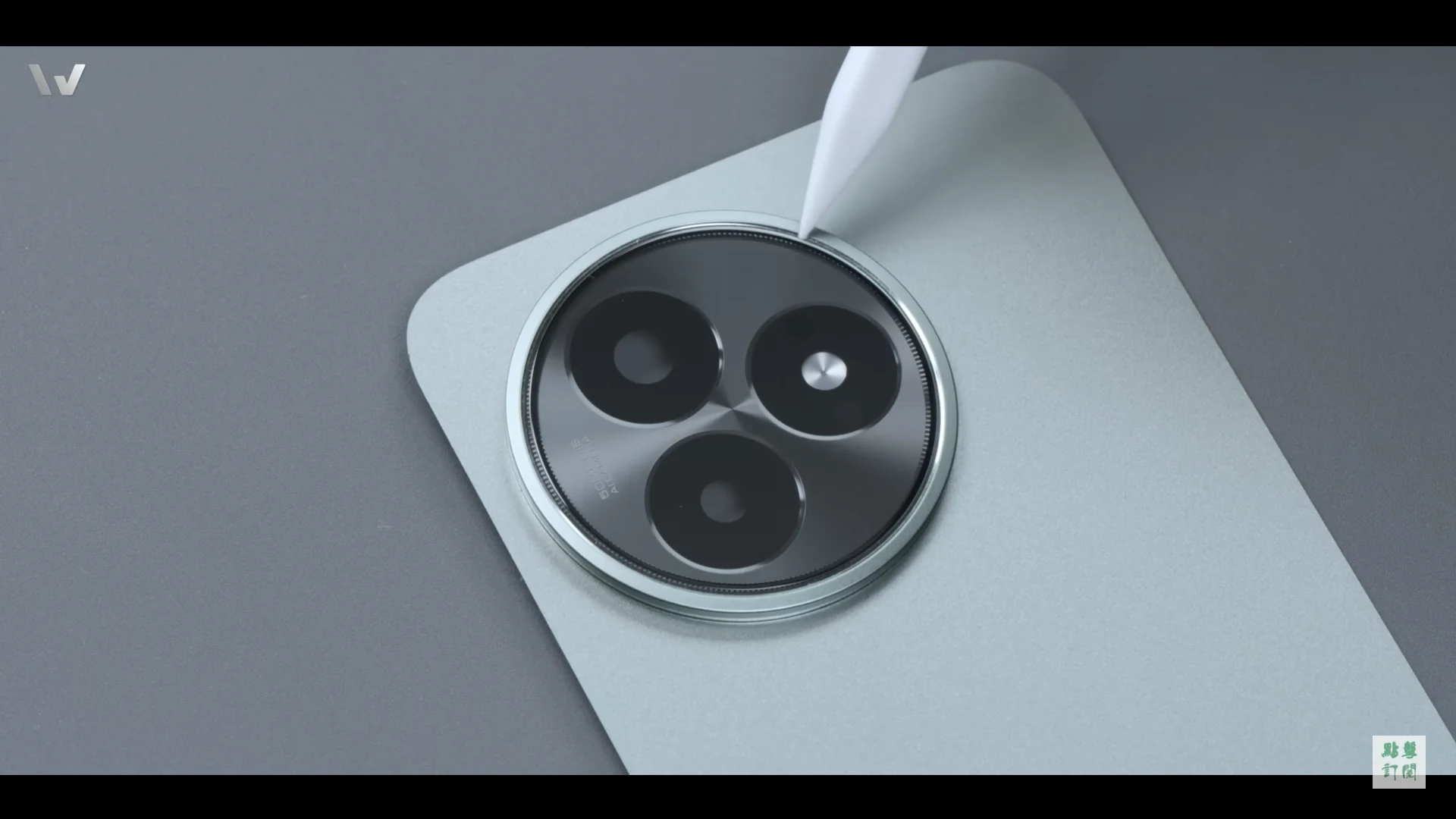
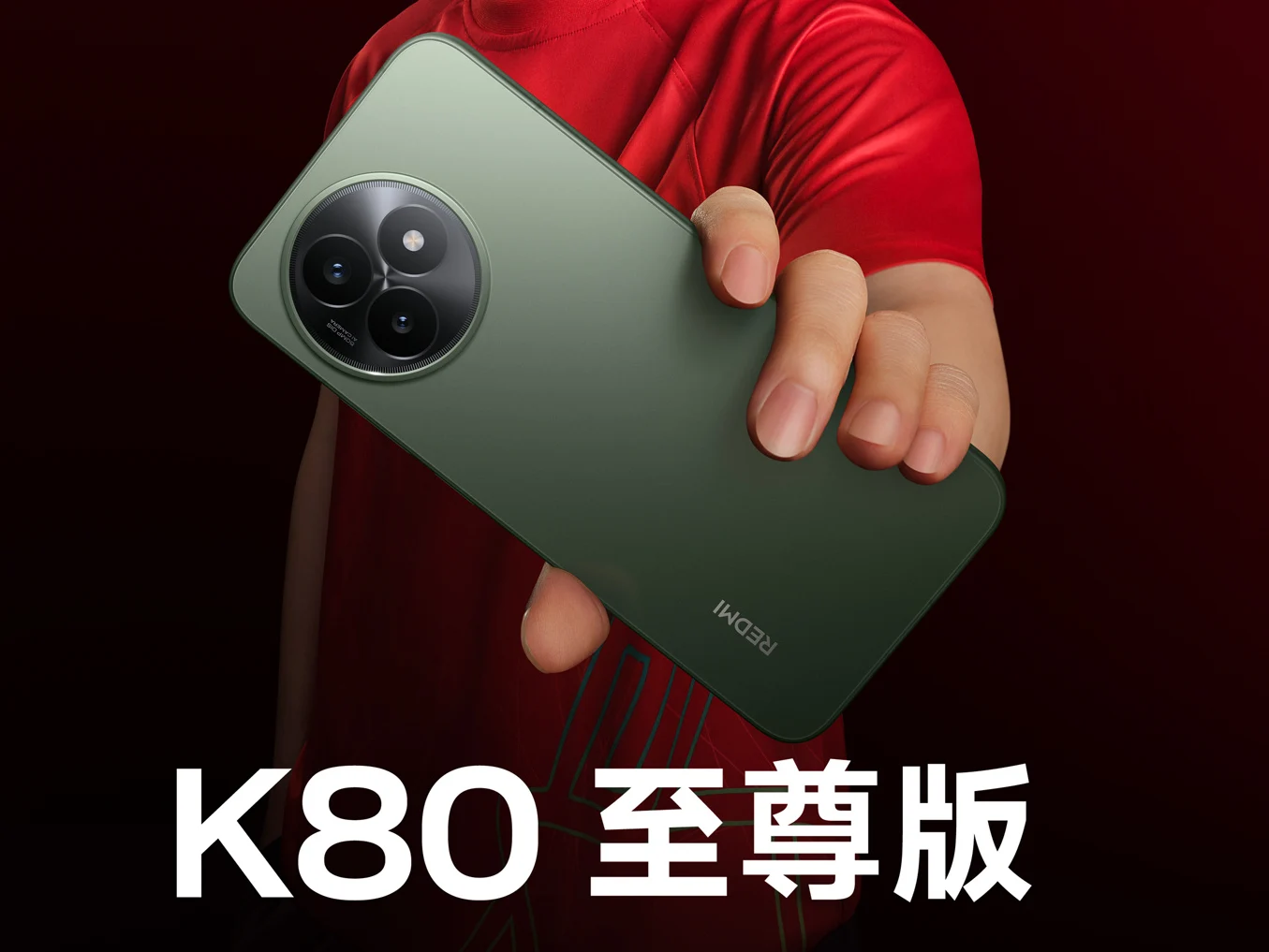
    Redmi has not yet disclosed the price or release date for the K80 Ultra, also known as the K80 Extreme Edition. However, a unit of this upcoming high-end smartphone has made an appearance in a recent video by WekiHome.

    Detailed Specs Uncovered

    In the video, the vlogger disassembled the device, revealing several of its premium features. Among these is a 144Hz 1.5K display, which appears to be sourced from TCL, utilizing the OEM’s M9 technology that includes DC dimming capabilities.

    Impressive Cooling Solutions

    Upon removing the screen, the teardown exposed a substantial 11,400mm² of thermal film, complementing an array of advanced cooling solutions. These include a sophisticated dual-layer vapor chamber made of stainless steel, a 6,800mm² graphite pad, and an ample amount of thermal paste.

    Performance Under the Hood

    Beneath these cooling systems lies a Dimensity 9400+ SoC from MediaTek, along with LPDDR5X RAM from Micron and UFS 4.1 internal storage from Samsung. This combination is designed to support gaming at up to 120fps while maintaining a comfortable temperature of “just 40.8°C” and achieving better power efficiency with an average consumption of “4.3W.”

    Sound and Haptics

    WekiHome also discovered the K80 Ultra’s dual speaker system, which is expected to be among the best in its class. Additionally, the device features an unusually large and high-quality haptics motor (601.47mm³) from AAC Technologies.

    Notable Omissions

    Despite its high-end features, the K80 Ultra does have some shortcomings. The teardown revealed that its USB-C port adheres to the older 2.0 standard, allowing file transfers at a maximum rate of 480 megabits per second (Mb/s), which is less than the 3.2 standard found in the Xiaomi 15 Pro.

    Battery and Design

    On a positive note, the Ultra’s 7,410mAh battery is reportedly capable of charging at 100W, thanks to the 120W Xiaomi HyperCharge power brick included in the retail package. However, it’s important to note that it does not support wireless charging. Furthermore, the K80 Ultra showcases a new flat-edged aluminum frame that is CNC-machined, which appeared to be moderately thin during its pre-launch reveal.

    Source:
    Link

  • Redmi K Pad Specs Leak: 8.8″ 3K+ Display, Dimensity 9400+, 7500mAh

    Redmi K Pad Specs Leak: 8.8″ 3K+ Display, Dimensity 9400+, 7500mAh

    Key Takeaways

    1. Launch Details: The Redmi K Pad, Xiaomi’s first gaming tablet, will be launched in China alongside the Redmi K80 Ultra later this month.

    2. Display and Design: It features an 8.8-inch IPS LCD display with a 3K resolution (2880 x 1800 pixels), a refresh rate of 165Hz, a 16:10 aspect ratio, and a sleek design at 6.4mm thick and 326 grams.

    3. Performance Specifications: Powered by MediaTek’s Dimensity 9400+ chipset, it will have a 7,500mAh battery with 67W fast charging and come with 16GB of RAM running Android 15 with HyperOS 2.0.

    4. Enhanced Gaming Features: The tablet may include dual speakers, dual USB-C ports, dual X-axis linear motors, and support for bypass charging for improved gaming performance.

    5. Market Positioning: Priced around 4,000 Yuan (~$560), the Redmi K Pad aims to compete with other compact gaming tablets like Lenovo Legion Y700 and Red Magic Gaming Tablet 3 Pro, targeting users seeking alternatives to the iPad Mini 7.


    Redmi is gearing up to launch its first tablet designed for gaming, the Redmi K Pad, later this month in China. This device will make its debut alongside the Redmi K80 Ultra and is expected to feature impressive specifications in a compact design. Ahead of the official announcement, leaker Bald Panda has shared some key details about the tablet.

    Expected Features

    Rumored to sport an 8.8-inch IPS LCD display, the Redmi K Pad will offer a stunning 3K resolution of 2,880 x 1,800 pixels. It will have a refresh rate of 165Hz and a 16:10 aspect ratio, making it perfect for gaming and media consumption. With a thickness of just 6.4mm and a weight of 326 grams, it aims to combine sleekness with power.

    Power and Performance

    The tablet will be powered by MediaTek’s newest Dimensity 9400+ chipset, featuring a robust battery of 7,500mAh with support for 67W fast charging. Users can expect to choose from three colors: purple, green, and black. Recent benchmarks on Geekbench have shown that it will come with 16GB of RAM and run on Android 15, likely with the HyperOS 2.0 interface.

    Additional Features and Variants

    A different source, Experience More, indicated that the Redmi K Pad might include dual speakers, dual USB-C ports (3.0), and dual X-axis linear motors, enhancing the gaming experience. It is anticipated to support bypass charging, which can help keep temperatures down during long gaming sessions.

    The device will be offered in several configurations: 8GB+256GB, 12GB+256GB, 12GB+512GB, 16GB+512GB, and 16GB+1TB. It will be released in Smoky Purple, Spruce Green, and Deep Black, with a price of around 4,000 Yuan (~$560).

    Competing in the Market

    The Redmi K Pad is positioned to compete with other compact tablets like the Lenovo Legion Y700 (Gen 4) and Red Magic Gaming Tablet 3 Pro. All three devices are being marketed as viable alternatives to the iPad Mini 7 by their respective brands.

  • Redmi K80 Extreme Edition: Xiaomi Promises 35% Battery Boost

    Redmi K80 Extreme Edition: Xiaomi Promises 35% Battery Boost

    Key Takeaways

    1. Xiaomi is set to launch the Redmi K80 Extreme Edition this month, featuring MediaTek’s Dimensity 9400+ chipset and a specialized display chip for enhanced performance.
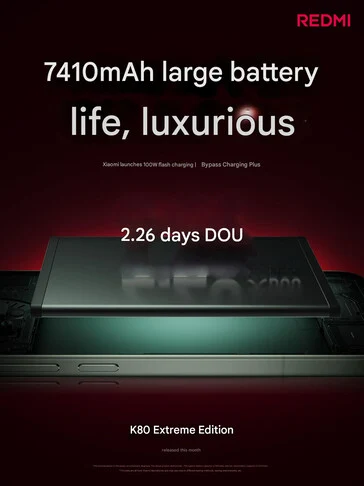
    2. The Redmi K80 Extreme Edition will have a battery capacity of 7,410 mAh, a 35% increase from its predecessor’s 5,500 mAh.
    3. The new device will support 100 W wired charging and utilize ‘Bypass Charging Plus’ technology to reduce battery degradation.
    4. It’s unclear if the battery enhancements will be available in a global version of the device.
    5. Xiaomi aims to stay competitive with the Redmi K80 Extreme Edition, especially against models like the Redmi Turbo 4 Pro.


    Xiaomi is actively stirring excitement about an upcoming addition to the Redmi K80 series on social media platforms in China. As mentioned earlier, the company has already announced that the Redmi K80 Extreme Edition is set to debut this month, featuring MediaTek’s newest Dimensity 9400+ chipset. What’s more, a specialized display chip is expected to enhance overall performance compared to similar devices.

    Battery Life Expectations

    In terms of battery life, Xiaomi has assured that the Redmi K80 Extreme Edition won’t be outdone by its rivals. To give some background, its predecessor came out last year with a capacity of 5,500 mAh. Although this was an impressive battery size, newer models like the Redmi Turbo 4 Pro have surpassed the 7,000 mAh threshold.

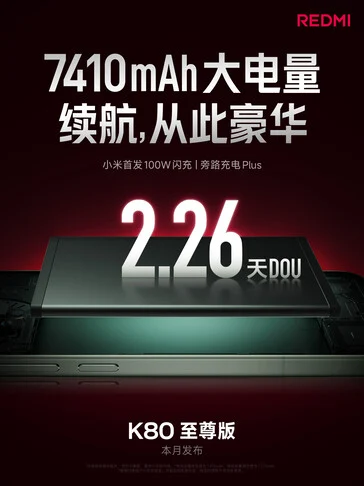
    Xiaomi has disclosed that the Redmi K80 Extreme Edition will boast a larger battery capacity of 7,410 mAh, which reflects a nearly 35% increase from the previous year’s model. While this is 140 mAh less than what the Redmi Turbo 4 Pro offers, Xiaomi plans to make up for this by introducing faster wired charging capabilities.

    Fast Charging Features

    The device will support 100 W wired charging and will also implement ‘Bypass Charging Plus’ technology, aimed at reducing battery degradation over time. However, it remains uncertain if these battery enhancements will be available in a global version. Considering that the Xiaomi 14T Pro includes a smaller battery compared to the Redmi K70 Extreme Edition (currently priced at $625 on Amazon), it’s plausible that we might see a similar scenario with the Xiaomi 15T Pro later this year.

    Source:
    Link