Tag: HarmonyOS

  • Huawei Pura X Max Pre-Launch Images Show How It Rivals iPhone and Samsung

    Huawei Pura X Max Pre-Launch Images Show How It Rivals iPhone and Samsung

    Key Takeaway

    1. The Huawei Pura X Max features a wider foldable design with a 16:10 aspect ratio, bridging the gap between smartphones and tablets.
    2. It has officially introduced the “wide fold” trend, surpassing Samsung and Apple in this innovation race.
    3. The device will run HarmonyOS without Google Play Services, with initial release limited to China and global availability yet to be confirmed.

    Leaked Images Show Huawei Pura X Max in Action

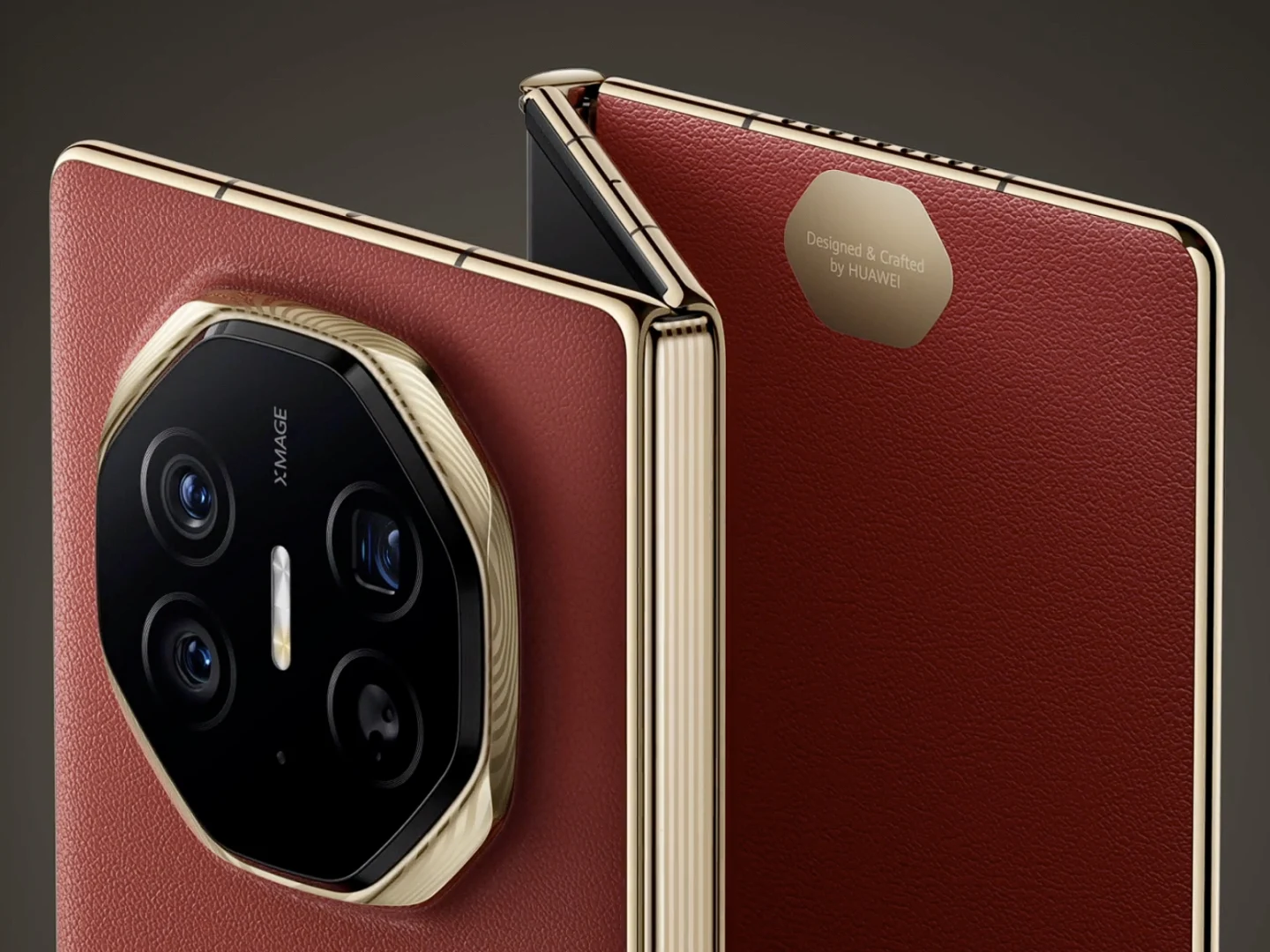
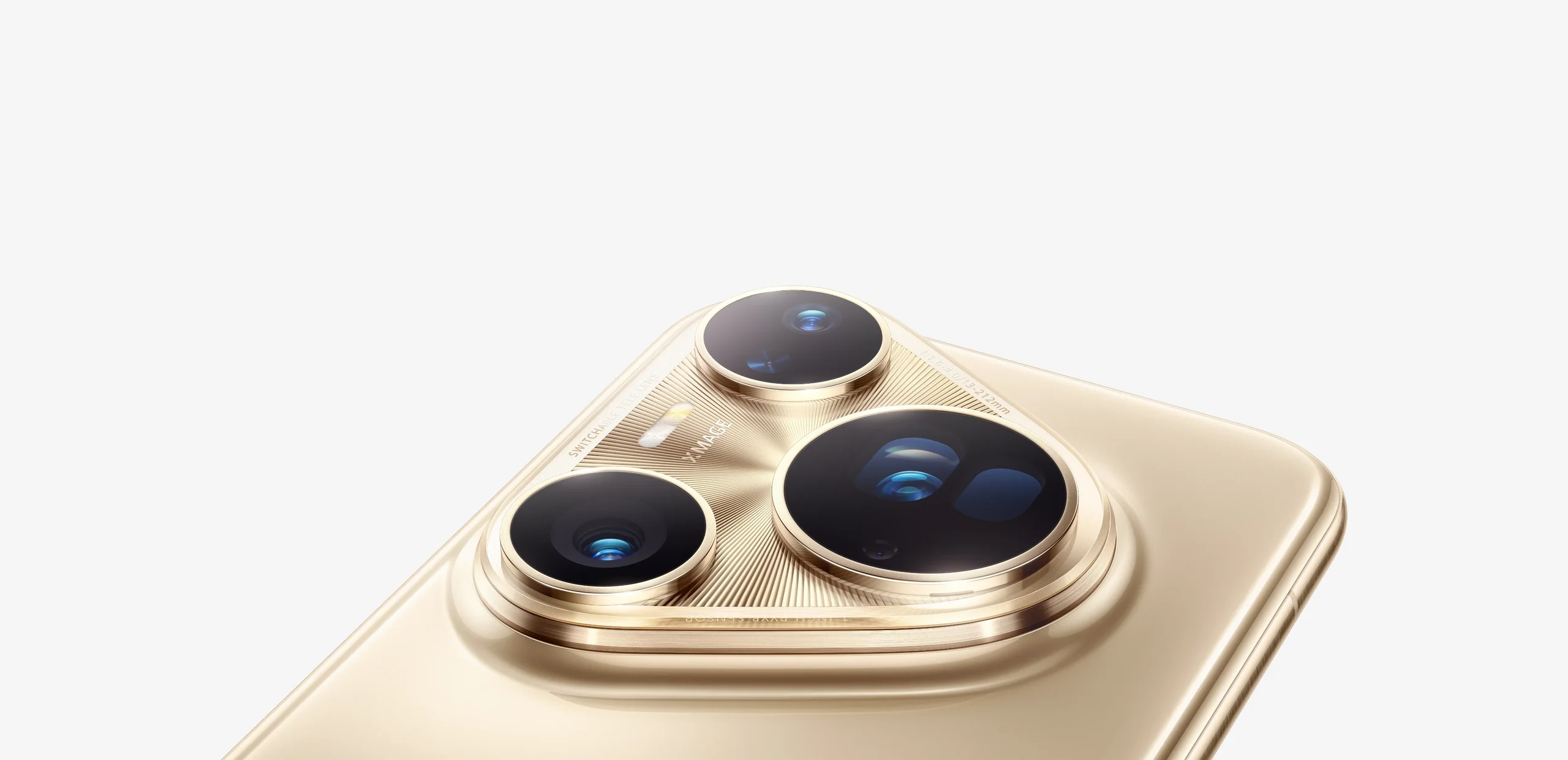
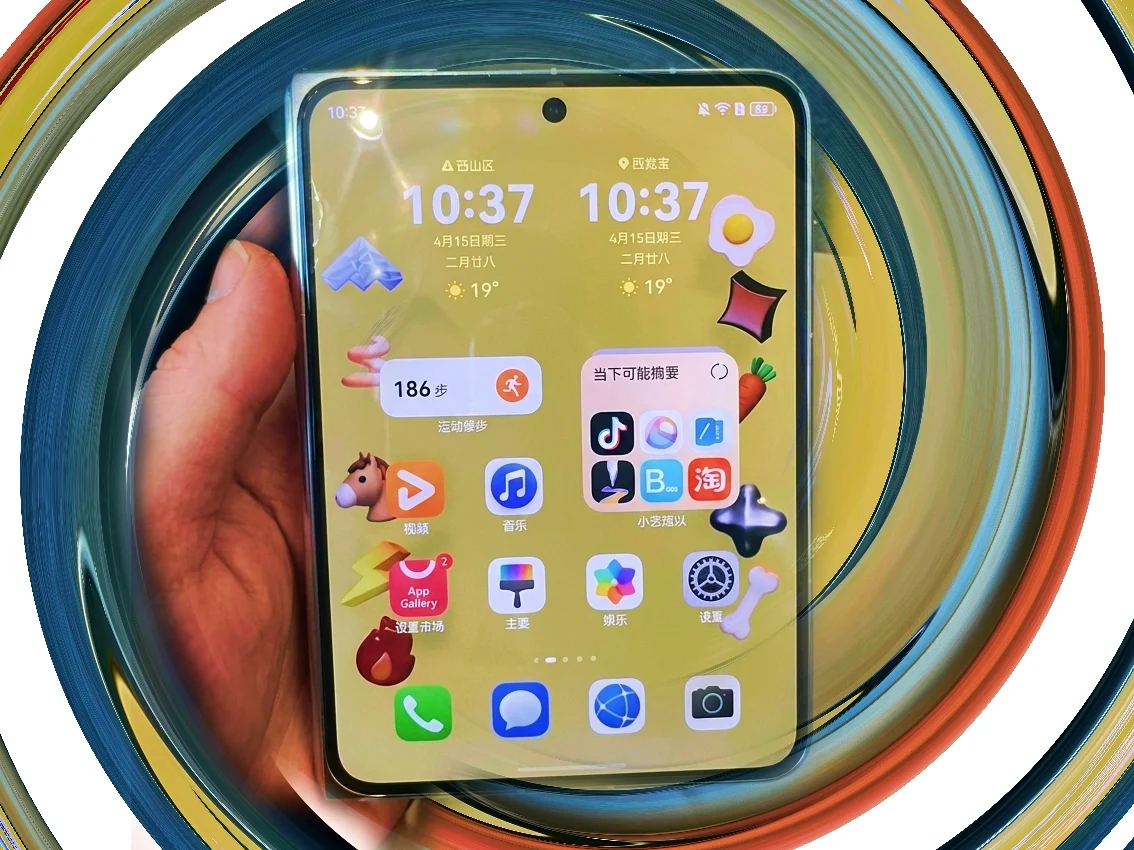
    Recently, some real-world photos of the Huawei Pura X Max have been leaked online, giving us a first look at the device before its official launch set for April 20th. These images give a precious glimpse of this “wide foldable” which is highly awaited, showing it in use rather than just renders. The device looks promising, with a design that makes a good bridge between a phone and a tablet, owing to its wider 16:10 aspect ratio display.

    Design Highlights and Innovation

    The live photos make it clear that the “wider foldable” concept is more real than ever. Huawei really pushed to bring this new form factor to the market first, outpacing competitors like Samsung with their Galaxy Z Fold8 Wide and Apple with their iPhone Ultra/Fold. This means Huawei is leading in the foldable tech game, and these images hint at a device that could change how we see foldable phones entirely.

    Market and Software Considerations

    Huawei’s bold moves are about to change the game, with the Pura X Max running HarmonyOS, but without Google Play Services. Such restriction might make it less appealing in global markets, since the initial release is only confirmed for China. Outside the country, we will have to wait until more official information appears after the April 20 launch.

    Summary of Specs and Future Outlook

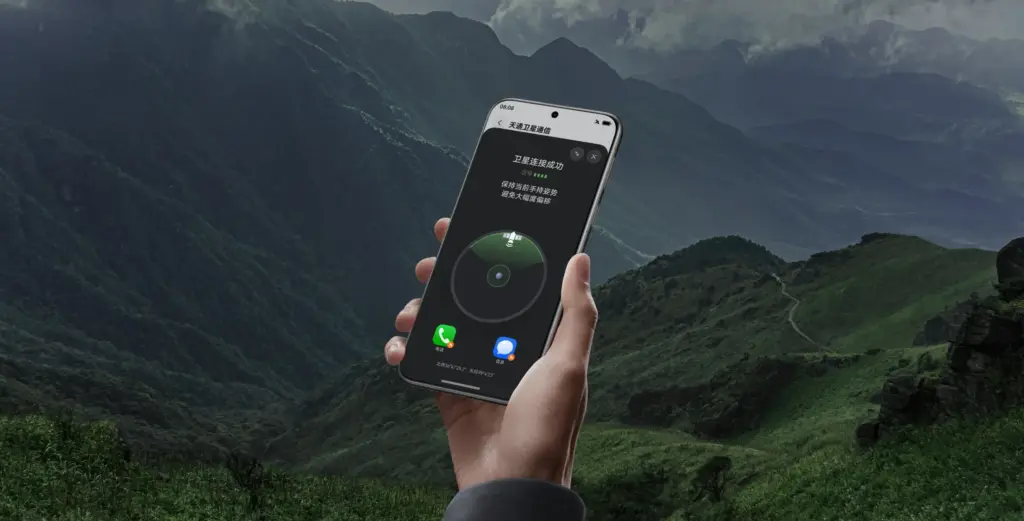
    The Pura X Max is expected to come with competitive specs, but specific details are still under wraps. Pricing info hasn’t been shared yet, but it’s likely to follow Huawei’s premium market approach. As the company advances their foldable lineup, it’s clear they’re not afraid of challenges, such as the US ban, which limits access to some global services. Still, the device’s innovative design and potential have everyone excited to see what Huawei can do next.
    Sources

  • Huawei MatePad Edge: New Competitor to iPad Pro and Surface Pro

    Huawei MatePad Edge: New Competitor to iPad Pro and Surface Pro

    Key Takeaways

    1. Huawei is launching the MatePad Edge, a 2-in-1 tablet, on November 25, aiming to compete with the iPad Pro and Surface Pro.
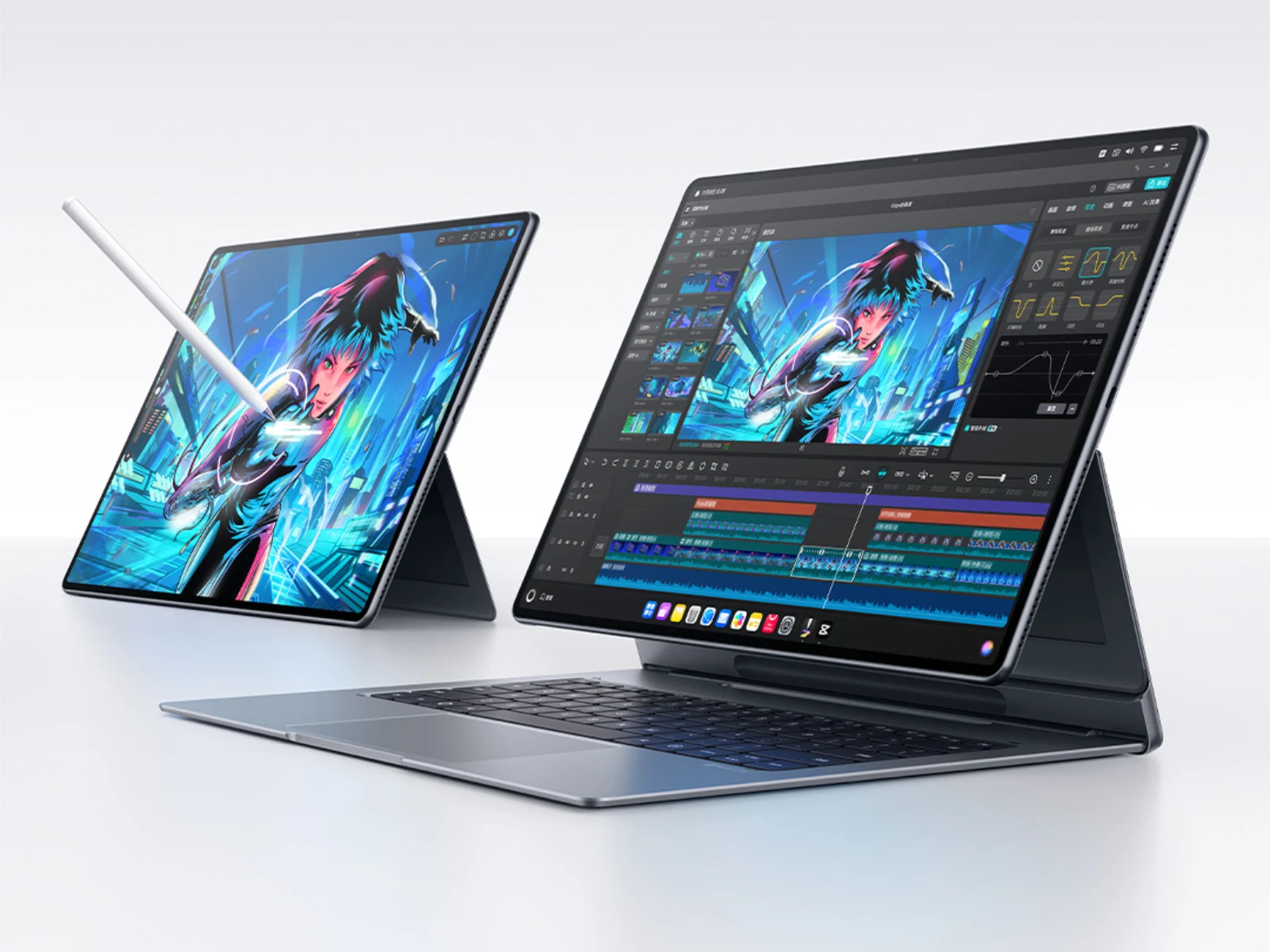
    2. The MatePad Edge features a 14.2-inch screen and includes a built-in kickstand, enhancing its design and versatility.
    3. The device will come with a keyboard case that includes a large trackpad and hinge assembly, allowing it to resemble the iPad Pro 13.
    4. It supports configurations of up to 32 GB of RAM and 2 TB of storage, powered by the Kirin 9030 chipset.
    5. The MatePad Edge will run a version of HarmonyOS, capable of switching between tablet and desktop modes, but pricing and global release details are still unclear.


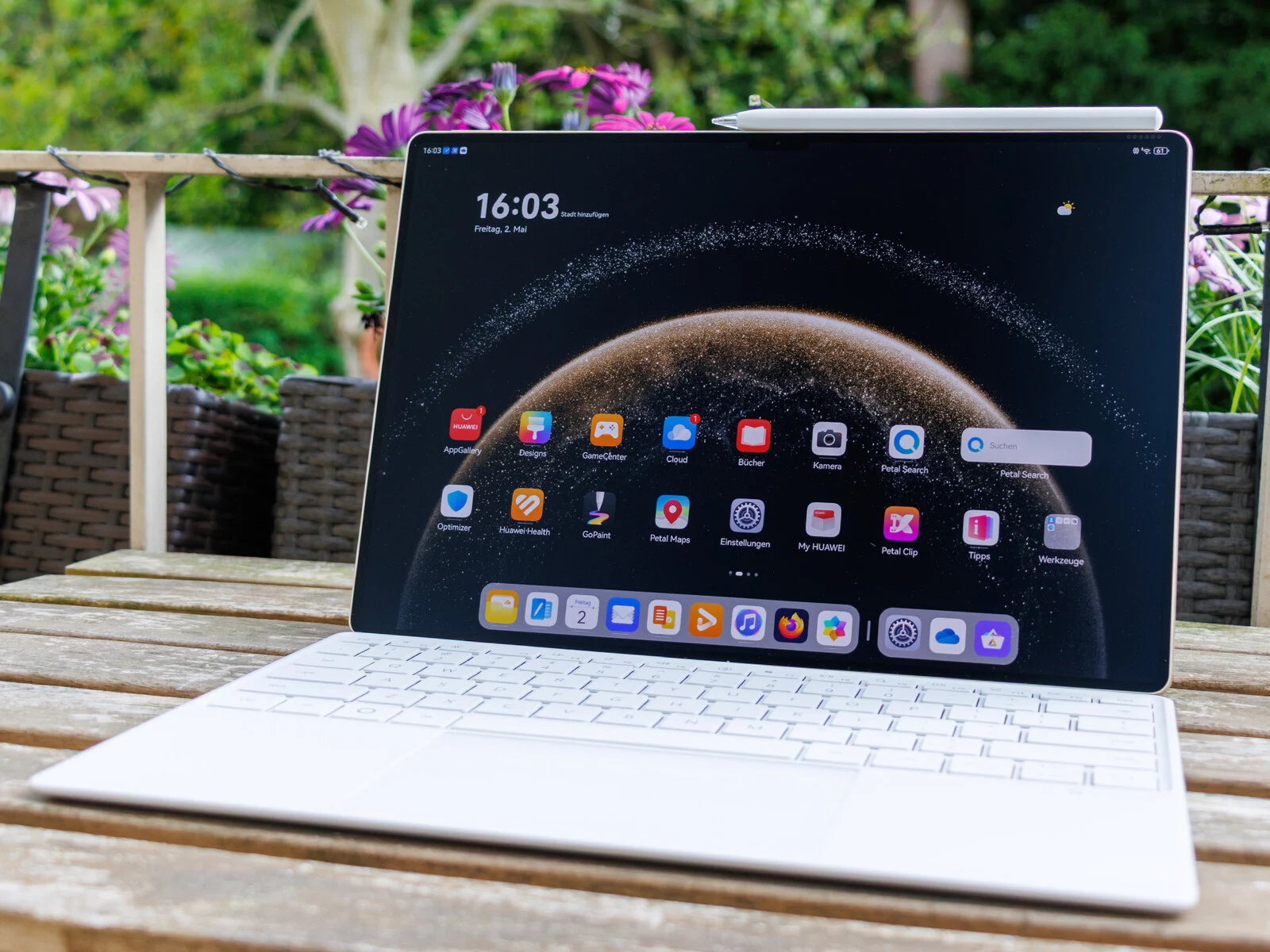
    Huawei has revealed its intentions to grow its tablet range with the MatePad Edge, a 2-in-1 device aiming to compete directly with both the iPad Pro and Surface Pro. This tablet is set to launch on November 25, alongside the Mate 80 series and the Mate X7. The MatePad Edge boasts a 14.2-inch screen, which is positioned in size between the iPad Pro and the Galaxy Tab S11 Ultra.

    Unique Features

    In a notable departure from both Apple and Samsung’s current flagship tablets, Huawei has included a built-in kickstand. This makes the MatePad Edge more similar in design to the Surface Pro 11 (currently priced at $899.99 on Amazon). Additionally, with the provided keyboard case, the device can mimic the look of the iPad Pro 13, thanks to its floating display that enhances its versatility.

    Accessory Details

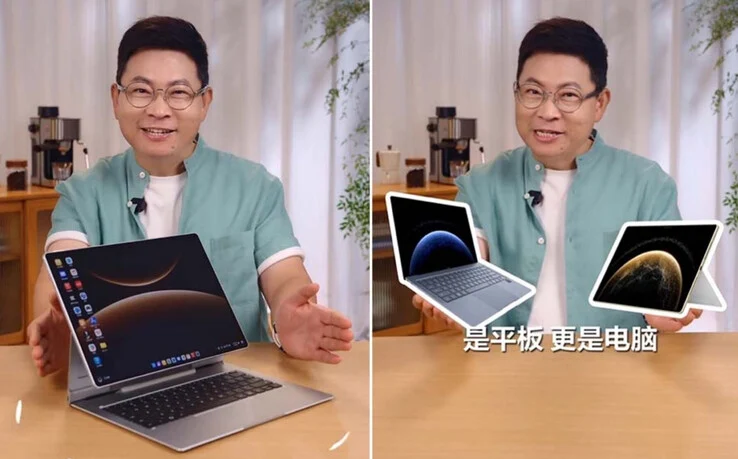
    As demonstrated in the accompanying video, the keyboard accessory comes equipped with a sizable trackpad along with a hinge assembly. Reports from Digital Chat Station indicate that the MatePad Edge will support configurations featuring up to 32 GB of RAM and a massive 2 TB of storage, powered by Huawei’s newest Kirin 9030 chipset.

    Software and Availability

    The device is said to run a variant of HarmonyOS, which can seamlessly switch between tablet and desktop modes based on whether the keyboard accessory is connected. However, specifics regarding pricing and global release are still not clear at this time.


    Source:
    Link


  • Huawei Unveils Kirin 9020 in Pura 80, Ending Flagship Chip Silence

    Huawei Unveils Kirin 9020 in Pura 80, Ending Flagship Chip Silence

    Key Takeaways

    1. Huawei announced the Kirin 9020 chip for its Pura 80 smartphones, marking its first high-end chip acknowledgment in five years.
    2. The Kirin 9020 is manufactured by SMIC using a 7-nanometer-class process, representing a modest upgrade from the previous Kirin 9010.
    3. This announcement reflects Huawei’s recovery in the mobile sector after U.S. sanctions impacted its supply chain and device availability.
    4. Huawei is focusing on developing its HarmonyOS to reduce reliance on foreign technologies, with over ten million devices now running HarmonyOS 5.
    5. As a result of these developments, Huawei regained the top position in China’s smartphone market with an estimated 18.1% of shipments in the June quarter.


    Huawei has announced the Kirin 9020 as the chip used in its latest Pura 80 smartphones, ending years of uncertainty regarding the technology behind its top devices. The name was revealed through user screenshots following a system update, marking the first official acknowledgment of a high-end Kirin processor in about five years. Huawei has chosen not to provide any comments on the matter.

    Chip Insights and Developments

    Previously, information about the chips in recent 5G models like the Mate 60 Pro and Mate 70 was mostly obtained through analysis of the devices. TechInsights had noted that SMIC manufactures the Kirin 9020 using a 7-nanometer-class process, which they described as a modest upgrade from the Kirin 9010.

    Recovery and Challenges

    This announcement highlights Huawei’s ongoing recovery in the mobile sector after U.S. sanctions disrupted its supply chain. A teardown in 2023 linked SMIC to the Kirin in the Mate 60 Pro. Before this resurgence, the Mate 40 series, released in October 2020, was the last 5G lineup from the company after being added to the U.S. blacklist.

    Consumer leader Richard Yu spoke about the impact of these events, stating that global availability had severely declined and shipments dropped significantly. Meanwhile, the company has continued to develop its own HarmonyOS to lessen its dependence on foreign technologies. Huawei claims that over ten million devices are now operating on HarmonyOS 5 due to substantial investments over the years and thousands of engineers working on it each year.

    Market Position

    This progress has led to a shift in market share: Huawei captured the lead in China’s smartphone market during the June quarter, accounting for an estimated 18.1% of shipments, marking its first return to the top in four years, as reported by IDC.

    Source:
    Link


  • Huawei MatePad Pro 2026 Set to Beat iPad Pro M5 with PC App Support

    Huawei MatePad Pro 2026 Set to Beat iPad Pro M5 with PC App Support

    Key Takeaways

    1. The iPad Pro 13 M4 is priced over $1,000 but still lacks full macOS convertible capabilities.
    2. Huawei is working on enhancing cross-platform functionality with its HarmonyOS software.
    3. The MatePad series may eventually run MateBook apps through future updates.
    4. HarmonyOS 6 (“API20”) needs to stabilize before these enhancements are fully realized.
    5. Upcoming Huawei tablets may include larger models with premium OLED displays, but performance may be limited by the Kirin 9-series processor.


    The iPad Pro 13 M4 remains priced at over $1,000 on Amazon as of now. However, it still lacks the capability to fully act as a macOS convertible, even in the latest public beta. On the other hand, Huawei’s upcoming tablet might not face that same limitation for much longer.

    Huawei’s Ambitions

    According to the well-informed leaker Fixed Focus Digital, Huawei is making significant strides in the cross-platform capabilities of its HarmonyOS software. The company aims to “fully integrate” its PCs and tablets over time. This could mean that the MatePad series may eventually run MateBook apps, expanding its functionality.

    Future Developments

    However, these enhancements might not be realized until the current beta of HarmonyOS 6 (“API20”) becomes stable. As it stands, the tablets feature Pro variants with sizes of 13.2 inches and 12.2 inches, and there is speculation about a larger 14.2-inch model that could also include a premium OLED display. Still, the Kirin 9-series processor may struggle to compete with the performance of the M5 platform.

    Source:
    Link


  • Huawei Mate XT 2 Leaks: New Tri-Fold Smartphone with 5G and Cameras

    Huawei Mate XT 2 Leaks: New Tri-Fold Smartphone with 5G and Cameras

    Key Takeaways

    1. Huawei’s tri-fold smartphone, Mate XT 2, is set to launch soon, following Samsung’s Galaxy Z Fold7 release.
    2. The Mate XT 2 has received TENAA certification in China, indicating it is on track for release.
    3. The device will feature a 5G chipset and run on HarmonyOS, utilizing the Kirin 9020 processor.
    4. It is expected to include satellite connectivity and a new 50 MP primary camera with a variable aperture.
    5. The Mate XT 2 will likely retain a periscope camera, though its availability outside of China is still uncertain.


    Digital Chat Station has provided fresh insights into Huawei’s upcoming tri-fold smartphone, coinciding with Samsung’s imminent launch of the Galaxy Z Fold7 (currently priced at $1,999 on Amazon). With Samsung’s first-generation competitor about to hit the market, Huawei appears to be gearing up to introduce a successor to the Mate XT before the year concludes.

    TENAA Certification Insights

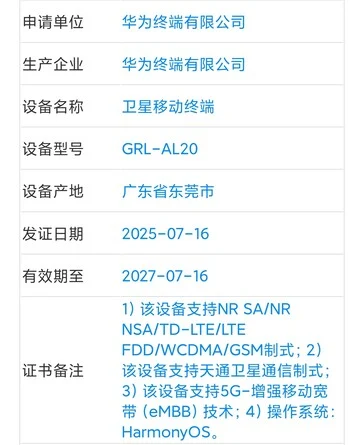
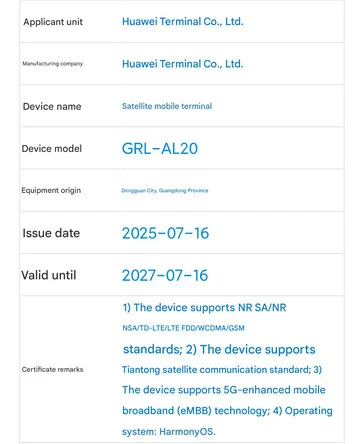
    Building upon details released a few weeks back, the leaker has now noted that the Mate XT 2 has successfully passed through TENAA certification in China, paving the way for its upcoming release. The image below indicates that Huawei is seeking regulatory approval for the model GRL-AL20, while the current Mate XT carries the model number GRL-AL10.

    Specifications Overview

    From the provided image, we can infer that the GRL-AL20 is equipped with a 5G chipset and operates on HarmonyOS, similar to various recent Huawei models available in China. As per Digital Chat Station, the Mate XT 2 will utilize the Kirin 9020 processor, which is also featured in the Mate 70, Pura X, and Pura 80 Ultra, among other devices.

    In addition, the leaker anticipates that Huawei will incorporate satellite connectivity alongside a new 50 MP primary camera with a variable aperture. The forthcoming Mate XT is also expected to retain a periscope camera, though it may come with its own set of enhancements. Unfortunately, it still remains unclear if Huawei plans to release its second-generation Mate XT beyond China at this point.

    Source:
    Link


  • Huawei Achieves 100 Million HarmonyOS Smartphone Sales Milestone

    Huawei Achieves 100 Million HarmonyOS Smartphone Sales Milestone

    Key Takeaways

    1. Huawei launched HarmonyOS in 2021 after losing access to Android, and has made significant progress since then.
    2. By the end of 2024, Huawei shipped 103 million smartphones and 21 million tablets running HarmonyOS.
    3. The ecosystem is expanding rapidly, including HarmonyOS wearables and new devices like the MateBook Pro and MateBook Fold.
    4. The first HarmonyOS PCs feature advanced connectivity and an AI assistant named Celia, but face challenges with software compatibility.
    5. The Huawei Watch Ultimate is currently priced at $699 on Amazon.


    Huawei introduced HarmonyOS in response to losing the official use of Android back in 2021 and has continued to make progress since then.

    Impressive Sales Figures

    By the conclusion of 2024, the company had shipped 103 million smartphones running on this software, as per new findings released by Canalys. Out of these devices, around 45% were sold just last year. Additionally, Huawei is estimated to have sold 21 million HarmonyOS tablets before the start of 2025, with half of those sales occurring in 2024.

    Expanding Ecosystem

    Moreover, Canalys’ figures could be even higher if they included the rapidly expanding range of HarmonyOS wearables. The operating system is likely to gain even more popularity with the launch of the new MateBook Pro, which along with Huawei’s first foldable laptop, the MateBook Fold, was introduced with its own version of Windows.

    Innovative Features and Challenges

    The first two HarmonyOS PCs come equipped with modern features like advanced wireless connectivity with other Huawei products and an AI assistant, known as Celia in China. However, there are some initial issues, particularly the inability to use software suites from Microsoft and Adobe, which could end up costing Huawei a significant amount of time and resources to address.

    Source:
    Link

  • Huawei Achieves 100M HarmonyOS Smartphones, Canalys Reports

    Huawei Achieves 100M HarmonyOS Smartphones, Canalys Reports

    Key Takeaways

    1. Huawei has shipped over 100 million HarmonyOS-enabled smartphones since its launch in 2019, with 46 million sold in 2024 alone.
    2. HarmonyOS has expanded beyond smartphones, with 21 million tablets shipped, including 10.5 million in 2024.
    3. The operating system is now part of a diverse ecosystem, including wearables, audio devices, smart home products, and personal computers.
    4. Huawei shipped approximately 4.2 million personal computers in China, including 3.2 million notebooks.
    5. HarmonyOS version 6.0 is anticipated later this year, focusing on AI and distributed architecture, positioning it as a strong alternative to international platforms.


    Huawei’s HarmonyOS software has hit a significant shipping milestone, as reported by Canalys, a research firm. The Chinese technology giant has shipped over 100 million HarmonyOS-enabled smartphones since the platform was introduced in 2019.

    Impressive Sales Figures

    To be precise, the total number reached 103 million smartphones by the end of 2024. Out of this total, Huawei sold 46 million HarmonyOS devices just in 2024. These figures indicate that, despite facing challenges in international markets, Huawei maintains a robust presence domestically, especially in China, where HarmonyOS has become an integral part of the company’s hardware ecosystem.

    Growth Beyond Smartphones

    The expansion of HarmonyOS isn’t just confined to smartphones. Canalys also reports that Huawei has shipped 21 million HarmonyOS tablets so far, with 10.5 million of them sold in 2024 alone. The operating system was initially launched in 2019 and saw widespread adoption on consumer devices by mid-2021. Since then, it has become the default operating system for much of Huawei’s product line.

    A Diverse Ecosystem

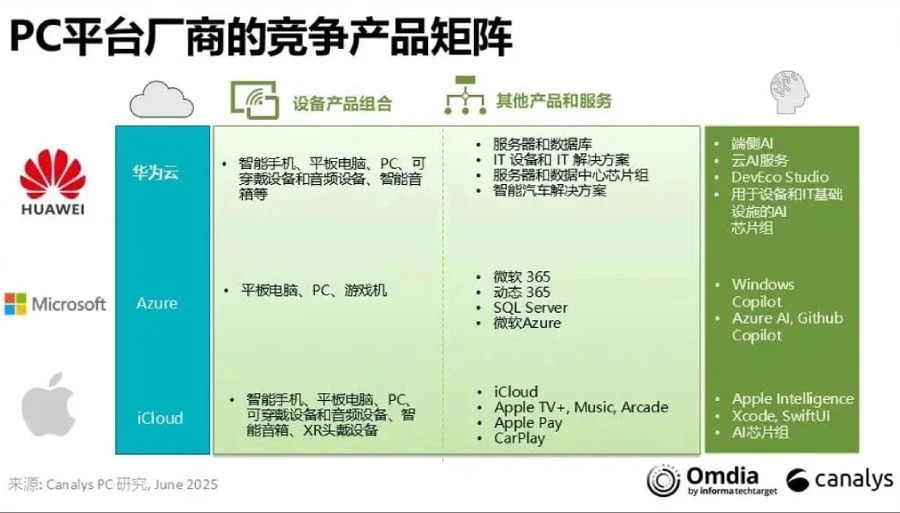
    HarmonyOS now goes beyond just phones and tablets, extending into wearables, audio devices, smart home products, and increasingly, personal computers. Canalys points out that Huawei shipped around 4.2 million personal computers in China, with 3.2 million of those being notebooks.

    Looking ahead, Huawei is said to be preparing for the next major version of HarmonyOS. Version 6.0 is anticipated later this year and is likely to incorporate more features focused on AI and distributed architecture. Canalys suggests that these advancements, along with Huawei’s control over both hardware and software, are positioning HarmonyOS as a viable long-term alternative to international platforms, particularly in its home market.

    Source:
    Link


  • Huawei Vision Smart Screen 5 SE: 240Hz Mini LED & HarmonyOS AI

    Huawei Vision Smart Screen 5 SE: 240Hz Mini LED & HarmonyOS AI

    Key Takeaways

    1. Display Technology: The Vision Smart Screen 5 SE features a 4K Ultra HD MiniLED panel with a peak brightness of 1000 nits and a dynamic contrast ratio of 125,000:1.

    2. Smart Capabilities: It runs on Huawei’s HarmonyOS, offering AI-driven features like rapid movie search, interactive learning apps, and gesture-based gaming.

    3. Design: The TV has a nearly bezel-less design with a 98% screen-to-body ratio and a sturdy unibody metal frame.

    4. Audio System: Larger models come with a 2.1-channel sound system that enhances bass and vocal clarity, along with support for virtual surround sound.

    5. Pricing and Sizes: The TV is available in 55, 65, and 75-inch sizes, priced at 2,599 yuan ($364), 2,999 yuan ($420), and 3,999 yuan (~$560) respectively, with sales starting on May 8.


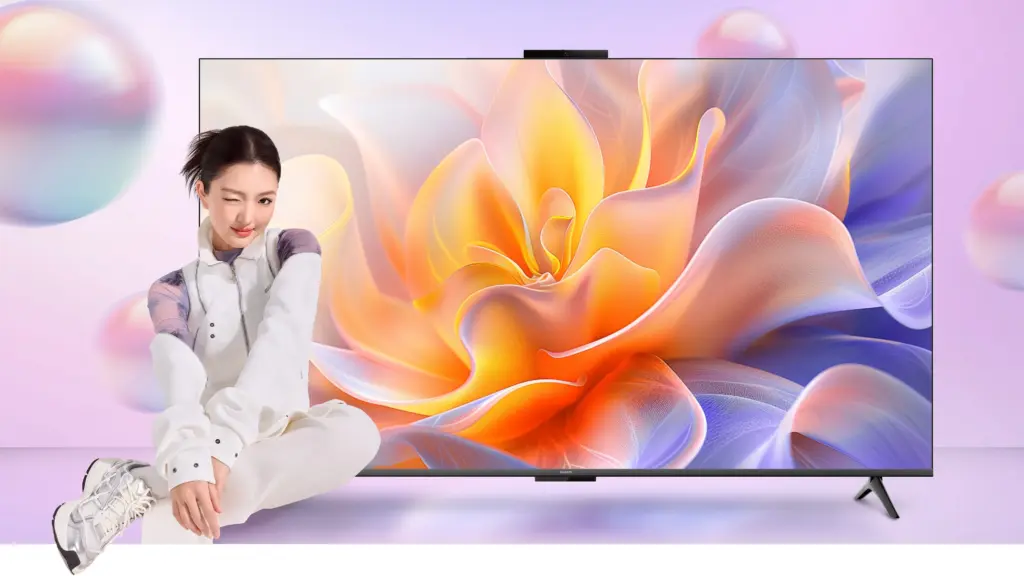
    Huawei has introduced its new smart TV, the Vision Smart Screen 5 SE, in China, and it is now up for pre-sale on JD.com. This model follows the Vision Smart Screen 4 SE and is available in sizes of 55, 65, and 75 inches. It features advanced MiniLED display technology alongside Huawei’s HarmonyOS smart platform and AI-enhanced capabilities, making high-quality experiences accessible to more users. Let’s dive into its main specifications.

    Key Features of the Vision Smart Screen 5 SE

    The Vision Smart Screen 5 SE is outfitted with a 4K Ultra HD MiniLED panel that supports a refresh rate of 240Hz. It boasts a peak brightness of 1000 nits and achieves an impressive dynamic contrast ratio of 125,000:1.

    This TV is driven by Huawei’s own Honghu chipset, providing 20-bit precision light control, MEMC motion compensation, HDR enhancement, and dual noise reduction with SR super-resolution tech. It covers an extensive 130% of the BT.709 color gamut and is factory gamma calibrated for better color accuracy straight out of the box.

    Design and Smart Features

    The Vision Smart Screen 5 SE has a sturdy unibody metal frame, achieving a remarkable 98% screen-to-body ratio for a nearly bezel-less viewing experience. Additionally, it includes top-tier local dimming algorithms, which enhance brightness management and color consistency.

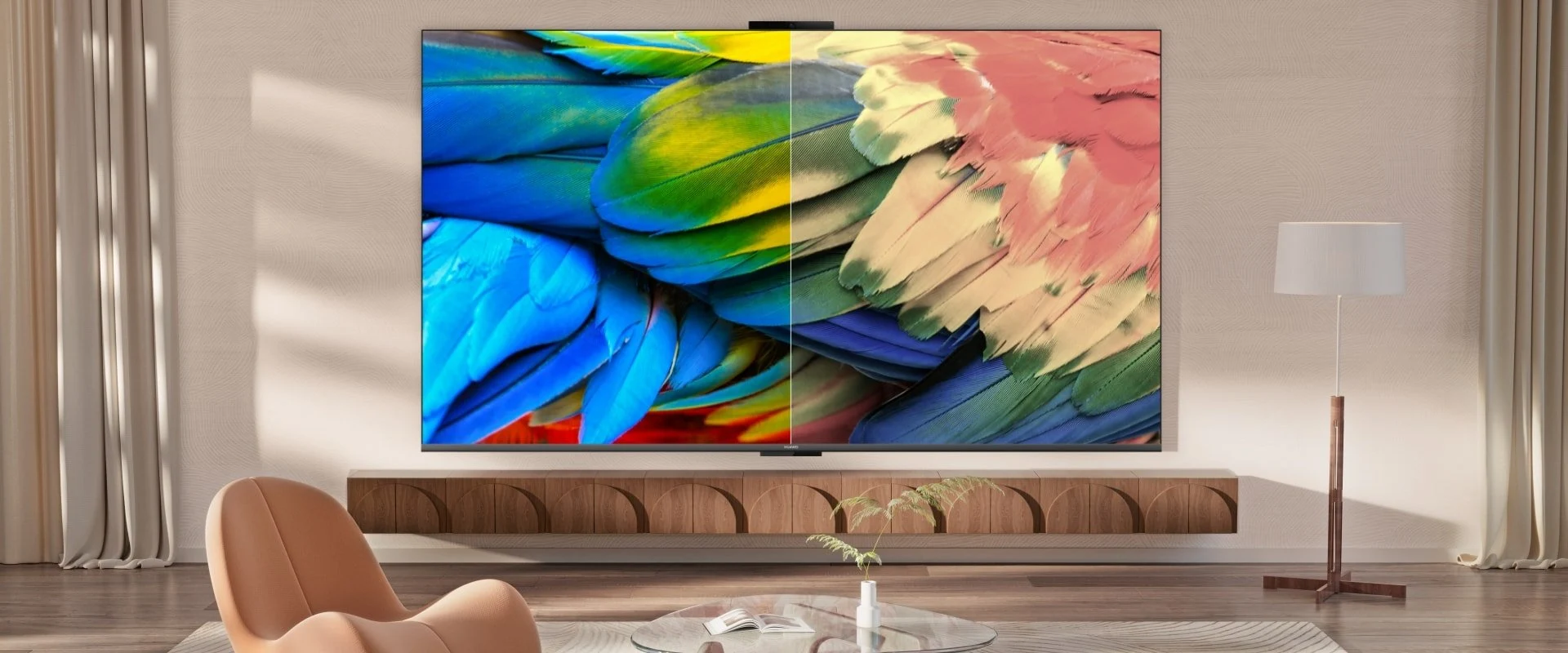
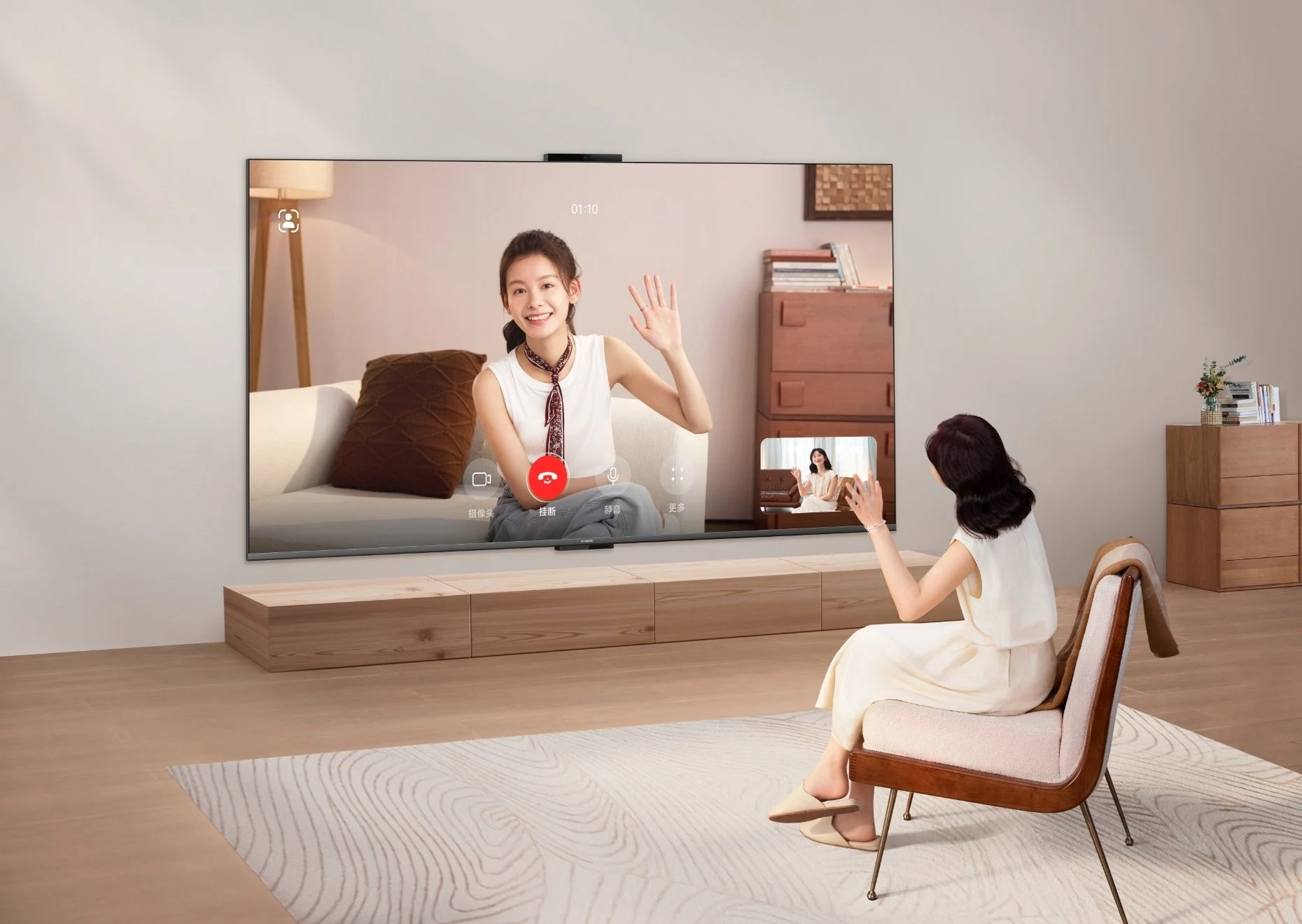
    For smart capabilities, it is equipped with a next-generation HD AI camera featuring an f/2.0 aperture. This camera allows for video calls, remote home monitoring, posture detection, and AI-driven body motion recognition for gaming via gestures. Running on Huawei’s HarmonyOS, it provides rapid AI search for movies and TV shows, interactive learning apps, karaoke modes, and customizable galleries for photos and art.

    Connectivity and Audio Quality

    The Vision Smart Screen 5 SE enables 4K Super Casting and Tap-to-Cast, allowing users to share content from major platforms like Tencent Video, Bilibili, Youku, and iQIYI without needing to launch each app. It includes HDMI 2.1 inputs and features Huawei’s HyperHold memory expansion tech, which offers the equivalent of 4GB RAM for better multitasking.

    On the audio side, the larger variants feature a 2.1-channel sound system. Huawei claims that the bass reaches as low as 65Hz, with improved vocal clarity due to its voice optimization technology. It also supports virtual surround sound to enhance the listening experience.

    Pricing and Launch

    Currently, the Huawei Vision Smart Screen 5 SE is available for pre-sale in China. The pricing is set at 2,599 yuan ($364) for the 55-inch model, 2,999 yuan ($420) for the 65-inch version, and 3,999 yuan (~$560) for the 75-inch model. Sales are slated to officially begin on May 8 at 10:08 AM.


  • Huawei to Launch High-End Custom PC to Compete with Mac in 2025

    Huawei to Launch High-End Custom PC to Compete with Mac in 2025

    Key Takeaways

    1. Huawei’s new PC may use its own Kirin processor instead of Intel Core i9-12900H chips.
    2. The “X90” chipset could be an ARM-based processor aimed at PCs, competing with Apple’s M3.
    3. The device is expected to run on HarmonyOS, enhancing compatibility with Huawei’s other products.
    4. The design is anticipated to be “ultra-high-end” and visually appealing.
    5. The expected launch date is May 2025, alongside other products like the Pocket 3.


    Huawei’s latest PC was equipped with up to Intel Core i9-12900H chips; however, the upcoming version might not follow suit. Reports suggest that the company has crafted its own processor from the Kirin series instead.

    New ARM Chipset

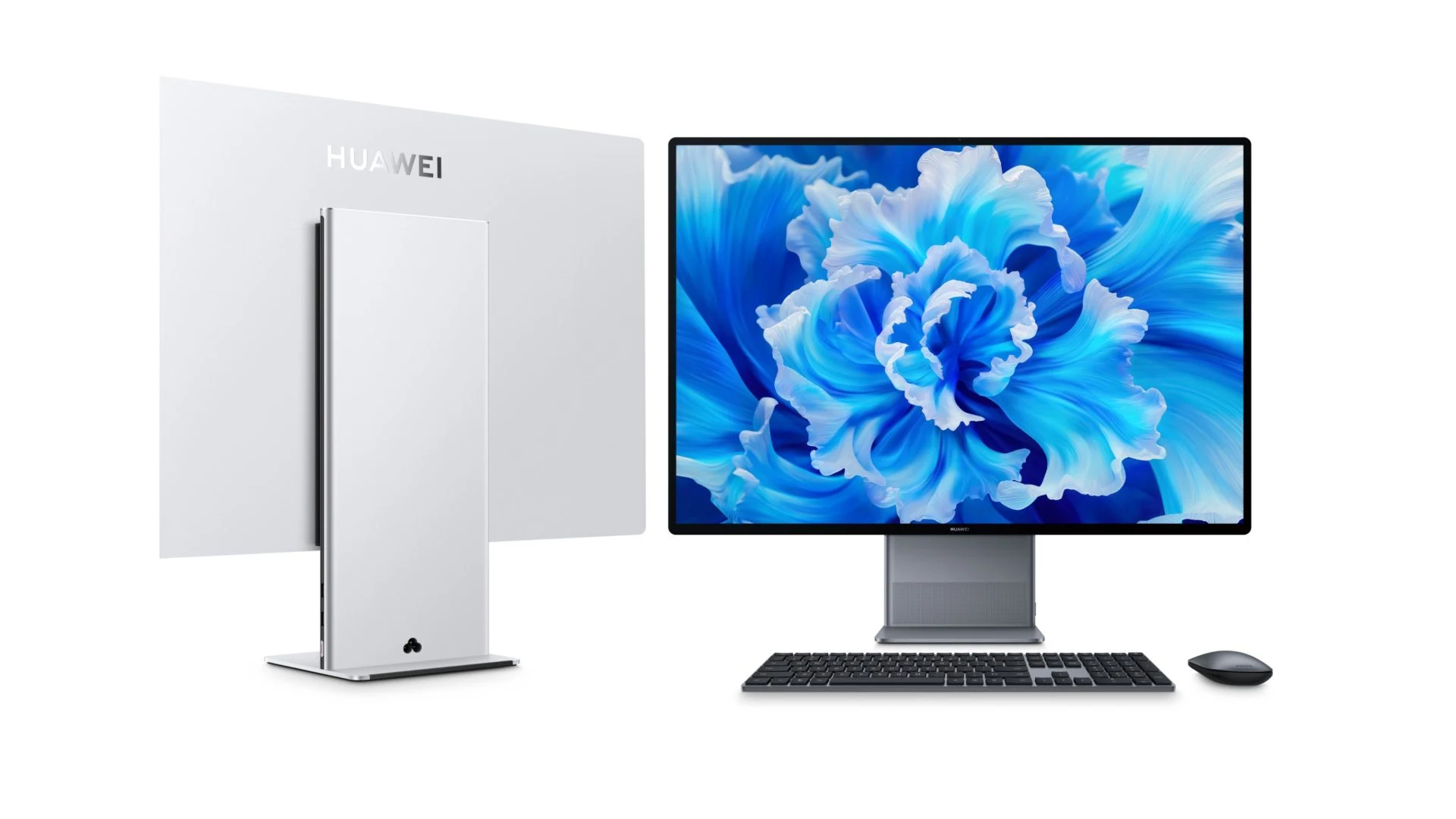
    The “X90” could be the ARM-based chipset that was previously hinted at, but its exact purpose remains unclear. It is believed to be designed for PCs rather than just smartphones, potentially putting it in competition with the Apple M3.

    HarmonyOS Integration

    The computer might run on HarmonyOS, the same software found in the company’s mobile devices and wearables. This could enhance compatibility across different devices.

    The specific design of the new device is still uncertain, but it’s expected to be “ultra-high-end” and “a little fancy.”

    Launch Timeline

    It is rumored to launch in May 2025, likely alongside other gadgets like the Pocket 3 but ahead of the Pura 80 series, which includes the next generation of flagship smartphones.

    Source:
    Link

  • Huawei’s Kirin PC Chip Spotted: First Look at Self-Developed Tech

    Huawei’s Kirin PC Chip Spotted: First Look at Self-Developed Tech

    Key Takeaways

    1. Huawei is developing laptops running on HarmonyOS, with a potential launch delayed to 2025.
    2. The company is creating its own PC chip, the Kirin PC processor, expected to debut in early 2025.
    3. The Kirin X90 chip may use SMIC’s 7nm technology, limiting its competitiveness against Apple’s M-series and Qualcomm’s Snapdragon X series.
    4. The Kirin X90 is rumored to have an 8-core CPU, a 10-core graphics unit, and performance comparable to Apple’s M2 chip.
    5. The chip is expected to support 32GB of LPDDR5 memory, 2TB SSD storage, and include three USB-4 ports.


    Huawei has been developing laptops that run on HarmonyOS for some time, with a launch anticipated in 2025. Nevertheless, a recent report indicates that this timeline might have been delayed.

    Kirin PC Processor Development

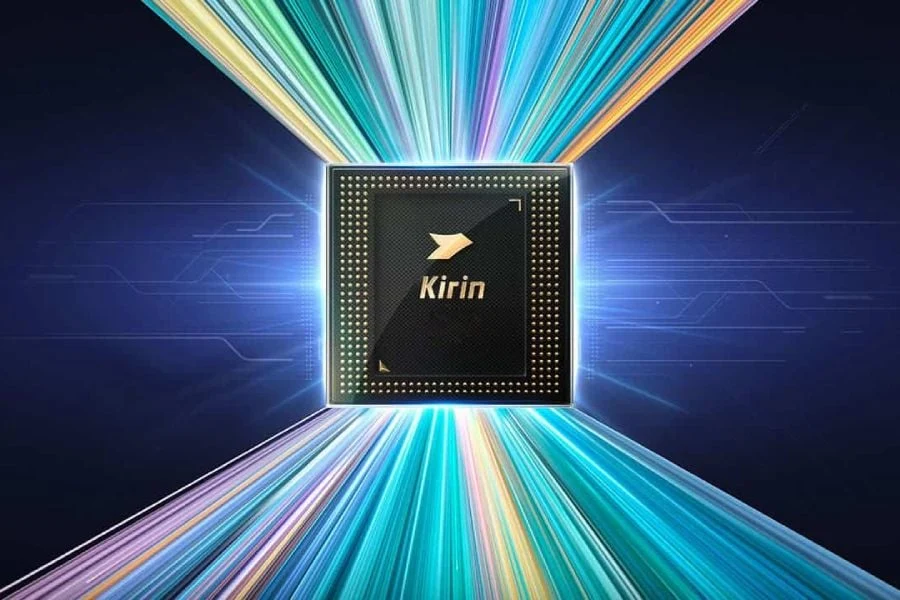
    We’ve been aware for a while that Huawei is creating its own PC chip. A report from last year suggested that the Kirin PC processor could debut in early 2025. Coinciding with this speculation, a new chip called Kirin X90 has appeared on the China Information Security Evaluation Center’s radar.

    Specifications of Kirin X90

    The listing for the Kirin X90 doesn’t provide extensive details about its specifications. However, considering Huawei’s limited choices, it’s probable that it’s manufactured using SMIC’s 7nm technology. This suggests that it may not be able to compete with the performance levels of Apple’s newest M-series chips or Qualcomm’s Snapdragon X series.

    An earlier report hinted that, in terms of performance, the SoC is comparable to Apple’s M2 chip. It is rumored to be based on Huawei’s Taishan v130 architecture, featuring an 8-core CPU that could be clocked at 2.5GHz, likely its base speed. The graphics unit is said to be a 10-core component known as “Ma Liang 920”.

    Memory and Storage Capabilities

    The chip is anticipated to support as much as 32GB of LPDDR5-6400 memory on a 128-bit bus, providing 100GB/s of bandwidth. In terms of storage, it might accommodate up to 2TB of SSD capacity and include three USB-4 ports.

    Huawei’s venture into the PC processor market is significant, but whether its Kirin chip can genuinely compete on an international scale remains uncertain.